
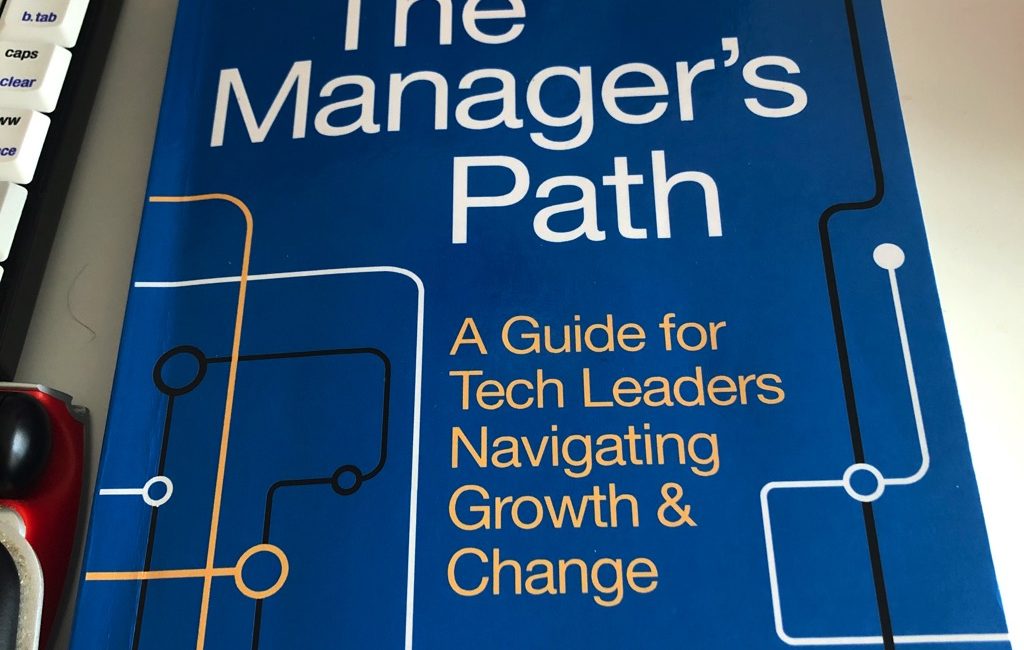
Over the weekend I came across The Manager’s Path, written by Camille Fournier, through Addy Osmani’s post on LinkedIn. This is a valuable resource for both new and experienced managers seeking guidance and insights on navigating the challenging world of management. Fournier, a former CTO, draws from her own experiences and provides a comprehensive roadmap for individuals transitioning into managerial roles and those already in leadership positions.
One of the key strengths of The Manager’s Path is its holistic approach to management. Fournier takes into account the different stages of a manager’s career, starting from an individual contributor and progressing to technical lead, manager, director, and ultimately executive roles. By doing so, she acknowledges the unique challenges and skill sets required at each level, helping readers understand the transitions they will face and providing practical advice for success.
The book also delves into the various aspects of management, covering topics such as building and leading teams, effective communication, and managing stakeholders. Fournier emphasizes the importance of developing a management style that aligns with one’s values while remaining adaptable to different situations. She provides real-life examples and case studies to illustrate her points, making the content relatable and actionable.
One aspect that sets The Manager’s Path apart is Fournier’s focus on technical leadership. As a former CTO, she understands the dynamics of managing technical teams and addresses the unique challenges faced by managers in technical roles. She discusses the delicate balance between maintaining technical expertise and transitioning into a leadership role, offering practical tips on how to handle this transition successfully.
Furthermore, Fournier emphasizes the significance of continuous learning and personal growth as a manager. She encourages managers to seek feedback, invest in their own development, and build supportive networks. The book provides resources and recommendations for further reading, ensuring that readers have access to a wealth of knowledge beyond the pages of this book.
In conclusion, The Manager’s Path by Camille Fournier is a must-read for anyone aspiring to or currently in a managerial role. Fournier’s comprehensive approach, coupled with her practical insights and relatable examples, makes this book an invaluable guide for navigating the complexities of management. Whether you are a new manager or an experienced one looking to enhance your skills, this book offers a wealth of wisdom to help you thrive in your role.
Here are the 20 points I loved most from the book!
- How to run a meeting, and no, being the person who talks the most in the meeting is not the same thing as running it
- How to write a design doc, take feedback, and drive it to resolution, in a reasonable period of time
- How to mentor an early-career teammate, a mid-career engineer, a new manager who needs technical advice
- How to indulge a senior manager who wants to talk about technical stuff that they don’t really understand, without rolling your eyes or making them feel stupid
- How to explain a technical concept behind closed doors to a senior person too embarrassed to openly admit that they don’t understand it
- How to get another engineer to do something for you by asking for help in a way that makes them feel appreciated
- How to get other engineers to listen to your ideas without making them feel threatened
- How to listen to other engineers’ ideas without feeling threatened
- How to give up your baby, that project that you built into something great, so you can do something else
- How to teach another engineer to care about that thing you really care about (operations, correctness, testing, code quality, performance, simplicity, etc)
- How to communicate project status to stakeholders
- How to convince management that they need to invest in a non-trivial technical project
- How to build software while delivering incremental value in the process
- How to craft a project proposal, socialize it, and get buy-in to execute it
- How to repeat yourself enough that people start to listen
- How to pick your battles
- How to help someone get promoted
- How to find interesting work on your own, instead of waiting for someone to bring it to you
- How to tell someone they’re wrong without making them feel ashamed
- How to take negative feedback gracefully
 Kenrick Vaz