

The day the white smoke billowed from the Sistine Chapel, the world held its breath. I remember the shock, the sheer disbelief, when “Jorge Mario Bergoglio” was announced as our new Pope. A Jesuit? It was a moment that defied all expectations, a gentle earthquake that rattled the foundations of what I thought I knew about the papacy. I hadn’t even dreamt that a member of the Society of Jesus, with their intellectual rigor and focus on education and service, would ever ascend to the Chair of Saint Peter. It was, in hindsight, a powerful reminder of the Holy Spirit’s unpredictable and transformative power, a force that continues to surprise and guide us, both in the grand events of the Church and in the quiet moments of our daily lives.
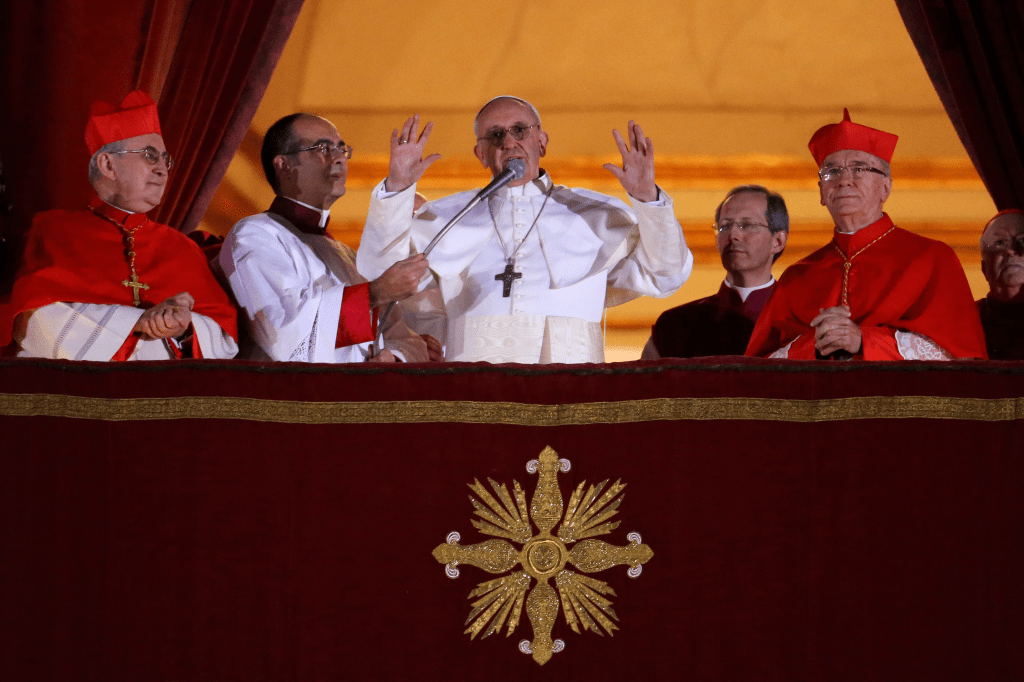
That initial surprise quickly gave way to a profound sense of hope, fueled by the new Pope’s immediate and striking humility. The very first images were telling: a simple white cassock, a refusal of the traditional mozzetta, a warm, almost shy, greeting of “Buona sera” to the crowd. This wasn’t the regal figure I had expected. This was a pastor.
The early days of his papacy were a masterclass in simplicity. He chose to live not in the papal apartments, but in the Vatican guesthouse, sharing meals with other residents. He carried his own luggage. He made a point of personally calling his predecessor, Pope Benedict XVI. Each gesture, seemingly small, spoke volumes about his character and his priorities. He was showing us, not telling us, what it meant to be a servant-leader.

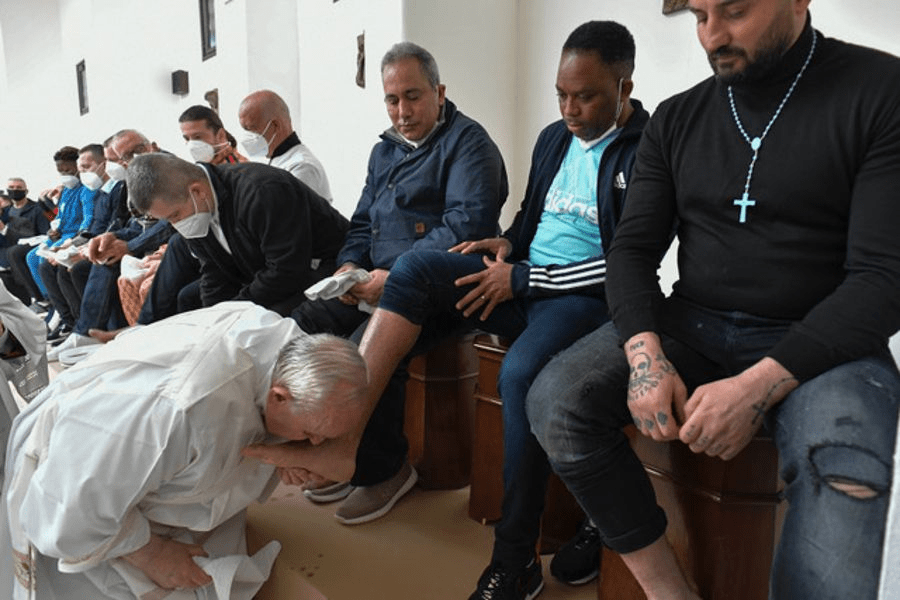
I recall being particularly struck by his visit to the prison for Holy Thursday, washing the feet of inmates, including those of different faiths. It was a radical act of humility, a powerful echo of Jesus’ own actions, and a clear message that the Church was, and should always be, a place for the marginalized, the forgotten, the outcast. It wasn’t just a photo opportunity; it was a reflection of a deep-seated conviction.
Pope Francis, from those very first days, embodied a simplicity that was both disarming and deeply compelling. He reminded me that true power lies not in grand displays, but in quiet acts of love and service. He challenged me to re-examine my own faith, to look beyond the pomp and circumstance, and to focus on the heart of the Gospel: compassion, mercy, and a radical commitment to the poor.
Looking back, I see the hand of the Holy Spirit not only in the surprising choice of Pope Francis, but also in the way he has, through his words and actions, touched the lives of so many, including my own. He has shown us a different way, a way of humility, a way of simplicity, a way of love. He has reminded us that the Church is not a museum, but a field hospital, a place of healing and hope for a broken world. And for that, I am profoundly grateful.
 Kenrick Vaz