

Ever wondered why you said yes to that subscription, chose the premium plan, or felt like a discount was too good to pass up? It wasn’t an accident—it was strategy. Behind every successful sales pitch lies a bit of psychology, a few clever nudges, and sometimes, a full-blown mental illusion.
Kudos to Tom Pestridge for breaking down 9 powerful concepts that organizations use—knowingly or not—to shape our decisions. From the framing effect to the affordability illusion, these principles are working behind the scenes to guide what we perceive as value, urgency, and even necessity.
Whether you’re in sales, marketing, product design, or just curious about the subtle science of persuasion, these insights will change the way you look at everyday buying decisions. Let’s decode the game.
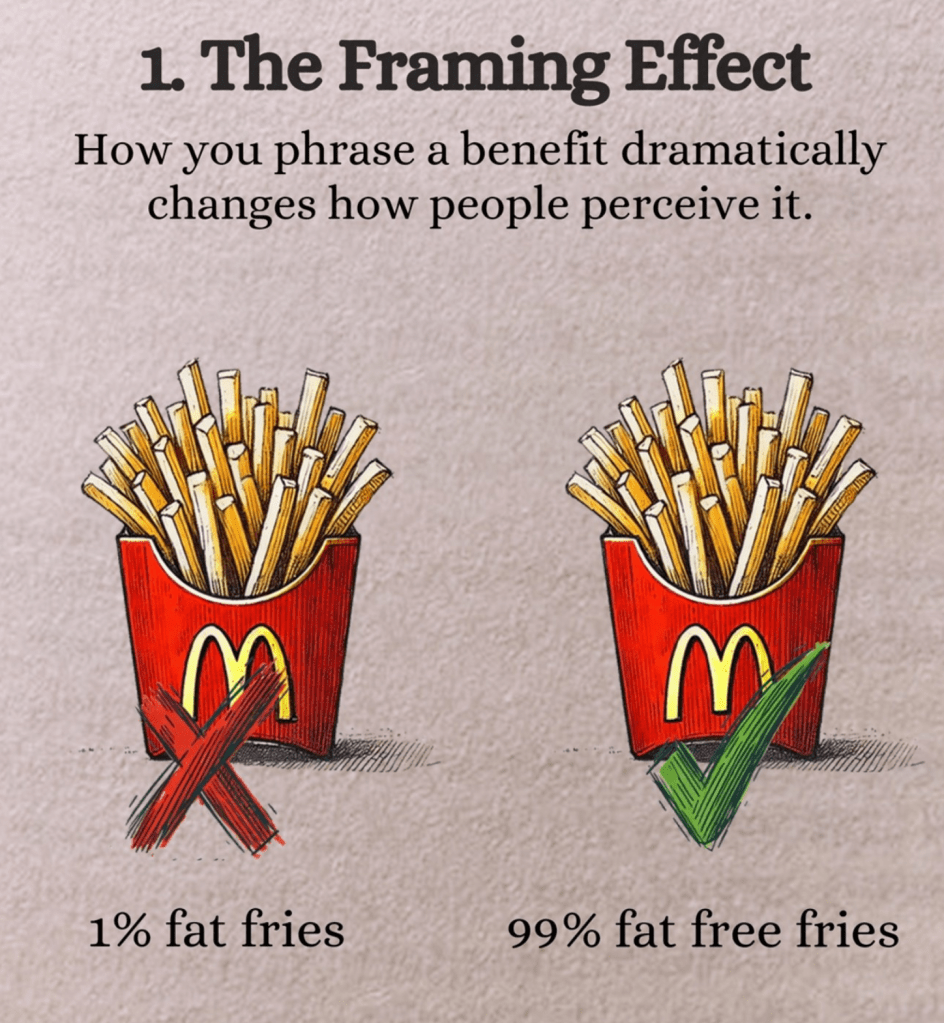
1. The Framing Effect
↳ How you present options shapes what people choose.
↳ Frame benefits strategically to guide decisions.
2. The Affordability Illusion
↳ Big prices feel smaller when broken into chunks.
↳ Break pricing into smaller time units (e.g., per day).

3. The Rule of 3
↳ People never pick the cheapest of several options.
↳ Show three options. Most pick the middle one.

4. The IKEA Effect
↳ We value things we’ve made an effort for.
↳ Let prospects do a (tiny) bit of work upfront.

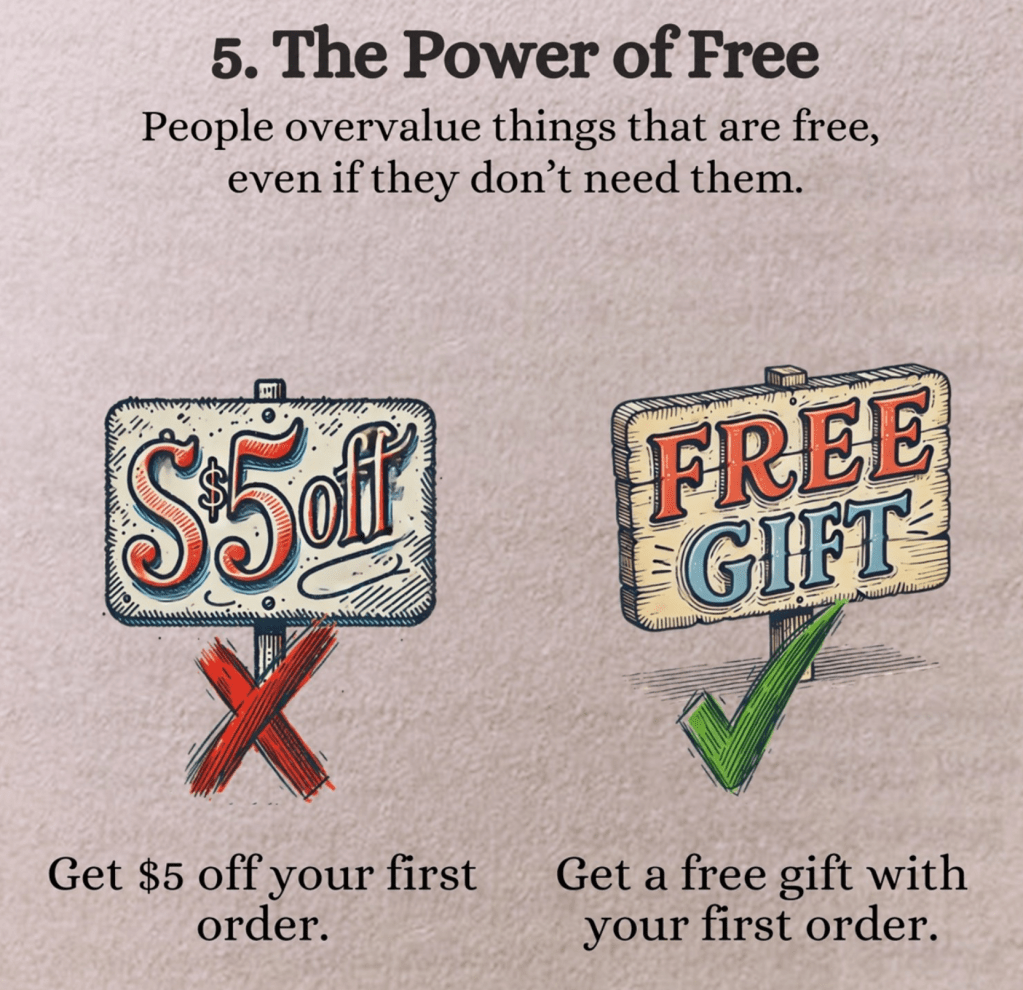
5. The Power of Free
↳ “Free” activates reward centers in the brain.
↳ Add a gift to tip the scale.
6. The Contrast Effect
↳ Prices are judged in relation, not isolation.
↳ Show a premium option to make yours a bargain.

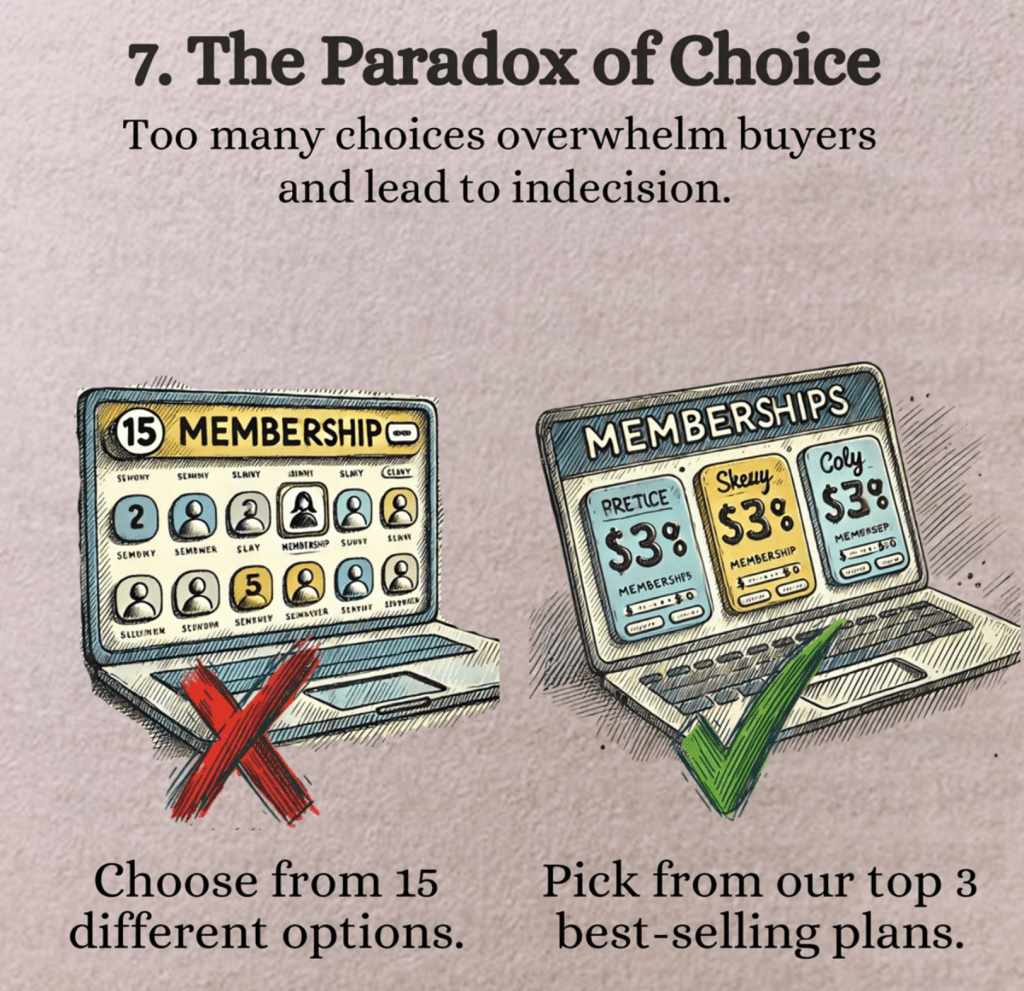
7. The Paradox of Choice
↳ Too many options overwhelm buyers.
↳ Limit choices to reduce indecision.
8. Anchoring Bias
↳ The first price you present sets the bar,
↳ Show a higher price, then your discounted offer.

9. Endowment Effect
↳ We value things more once we own them.
↳ Offer free trials without commitments.

People don’t buy what’s best. They buy what’s best presented. Sales isn’t just about showcasing features or slashing prices—it’s about understanding how people think, feel, and decide. The most successful organizations don’t just sell products; they shape perceptions, guide emotions, and subtly influence choices using principles rooted in psychology and behavioral science.
So the next time you find yourself clicking “Buy Now,” take a moment to ask: What’s really influencing my decision? Because chances are, one of these concepts is hard at work.
And if you’re the one doing the selling—use this knowledge wisely. It’s powerful stuff!
 Kenrick Vaz