
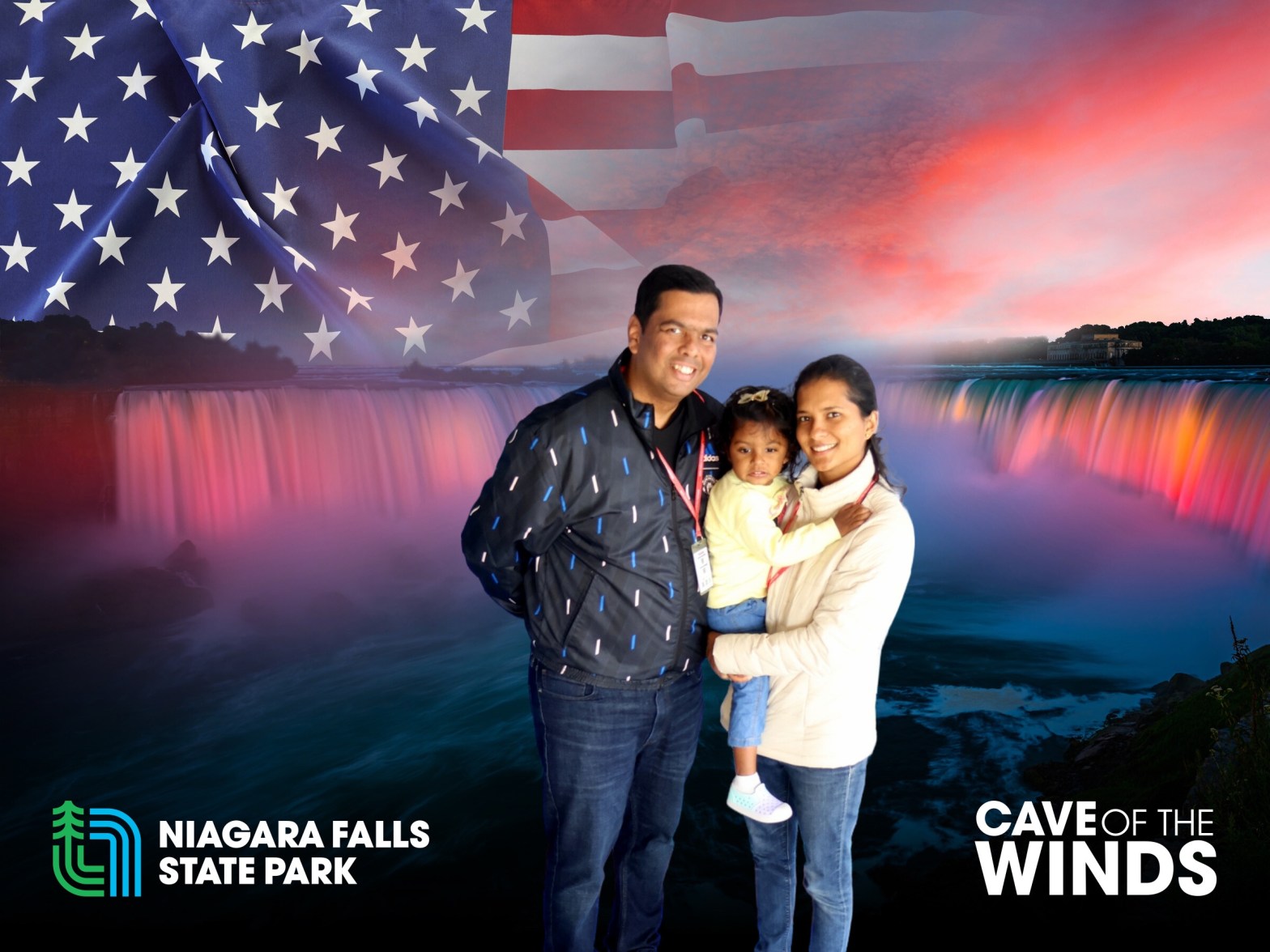
There are some reunions that feel almost unreal when they finally happen.
You talk for years about “one day,” exchange birthday wishes, react to family photos online, promise to plan something properly, and somehow life keeps moving faster than your intentions. Then suddenly, after nearly two decades, you’re standing beside each other again, not through a screen, not through memories, but in real life, with families, kids, stories, wrinkles, laughter, and a thousand unseen chapters between you.
That was Niagara Falls for us.
Sarah and her family drove in from Canada while we flew in from Dallas, and somehow the setting could not have been more fitting. Niagara Falls is already dramatic on its own, but when layered with an 18–20 year friendship reunion, it became something far bigger than just a vacation stop.
The first thing that hits you at Niagara isn’t the sight.
It’s the sound.
Even before you properly see the falls, you hear them. A deep, continuous roar that feels less like water and more like nature reminding you how small human beings really are. Then you walk closer, and suddenly the mist appears in the air before the falls fully reveal themselves.
And then there it was.
The Horseshoe Falls.
Massive. Loud. Relentless. Beautiful.
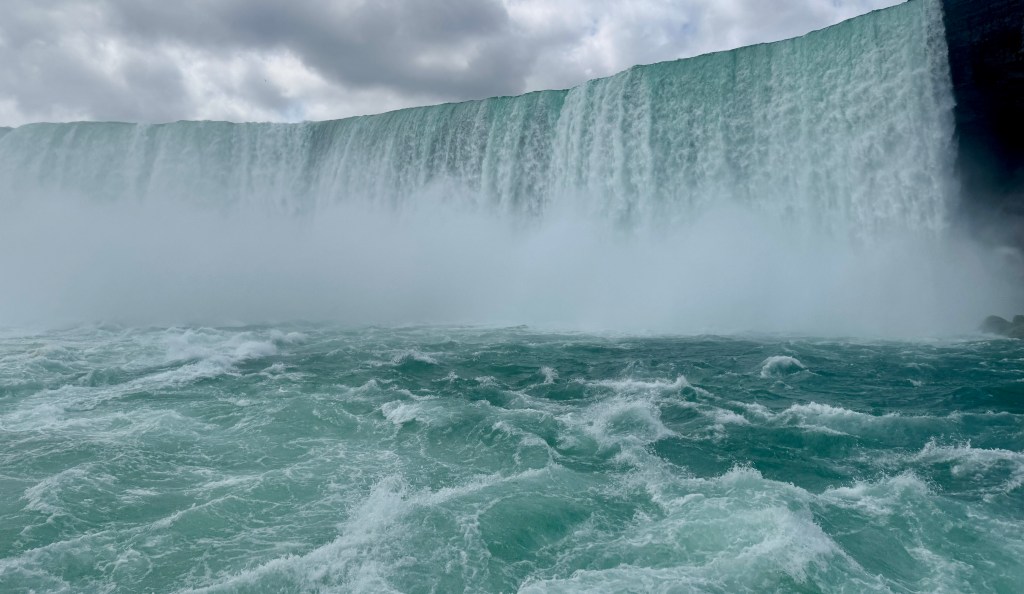
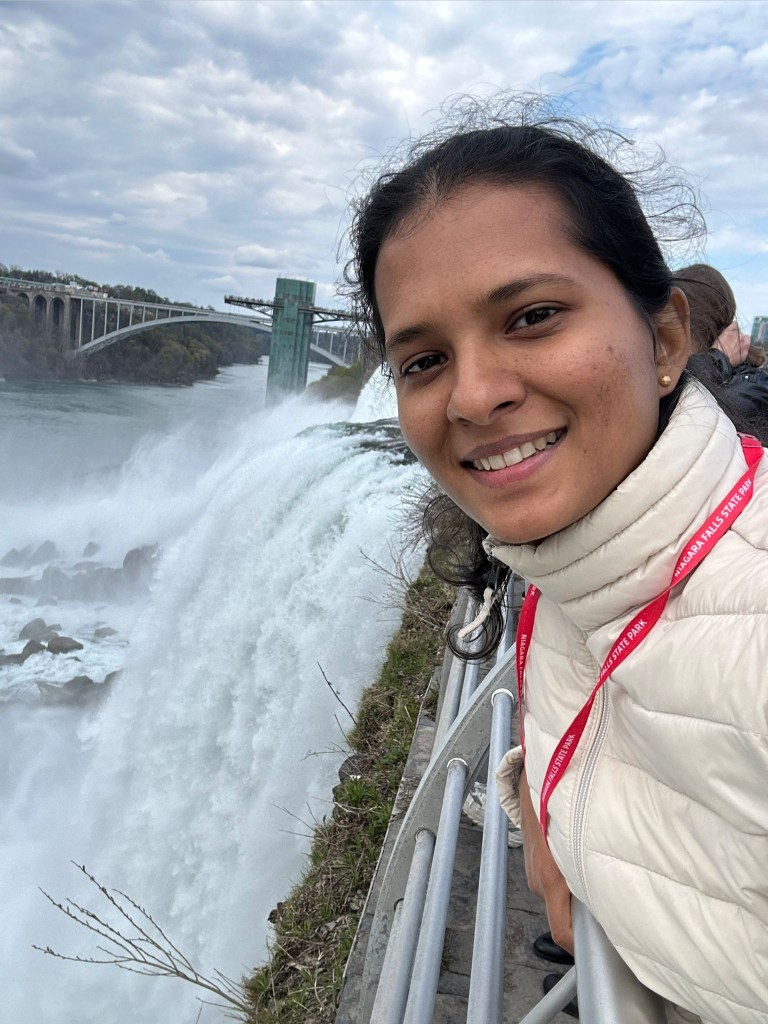
Of the three waterfalls that make up Niagara Falls, Horseshoe Falls is the largest and most powerful. Around 90% of the Niagara River flows over it, and standing there makes every photo you’ve ever seen feel completely inadequate. No camera captures the force of it properly. The water doesn’t simply fall — it crashes with authority. What makes it even more mind-blowing is realizing that the Great Lakes feeding Niagara collectively hold about 20% of the world’s surface fresh water. Standing beside that much moving water feels different once you understand the scale behind it.
Naturally, we headed for the legendary Maid of the Mist.
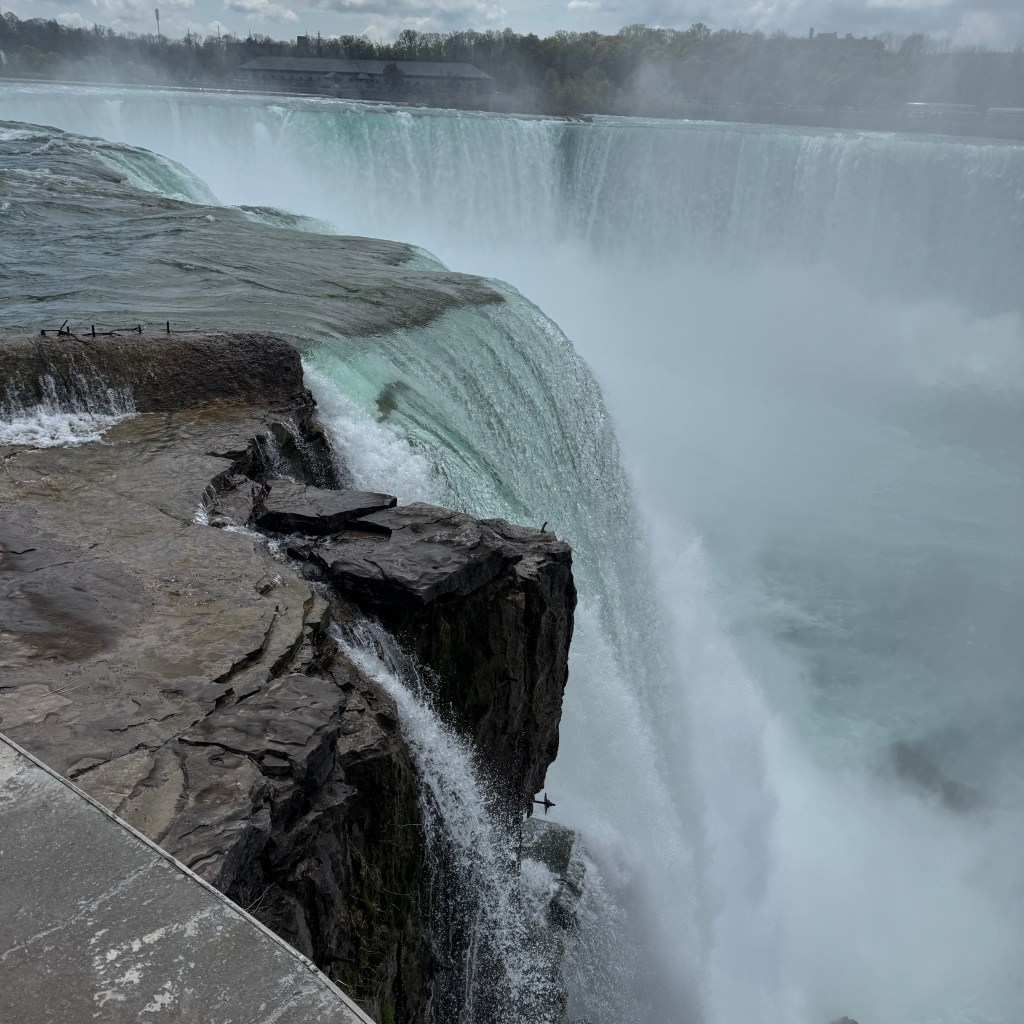
There’s something funny about how everyone looks mildly confident before boarding. You get the poncho, joke around, take pictures, and pretend you’re prepared. Then the boat gets closer to the falls and suddenly the mist turns into what feels like sideways rain powered by a hurricane.
And honestly, that’s what makes it unforgettable.
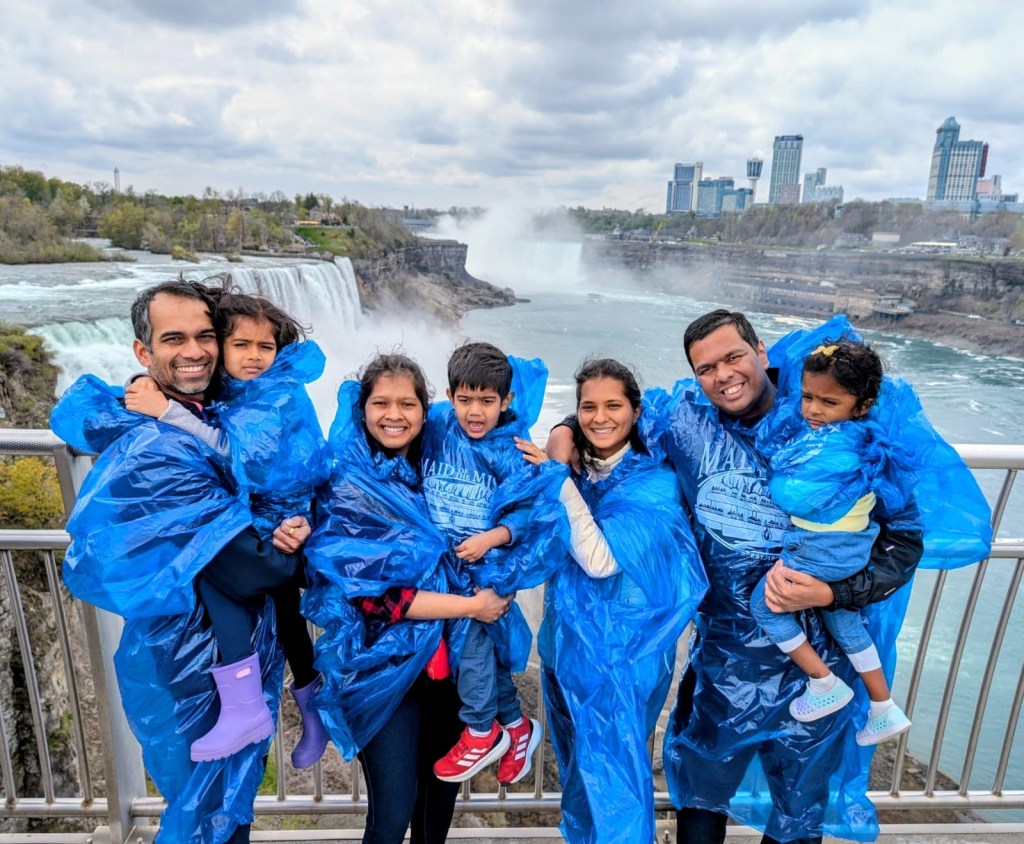
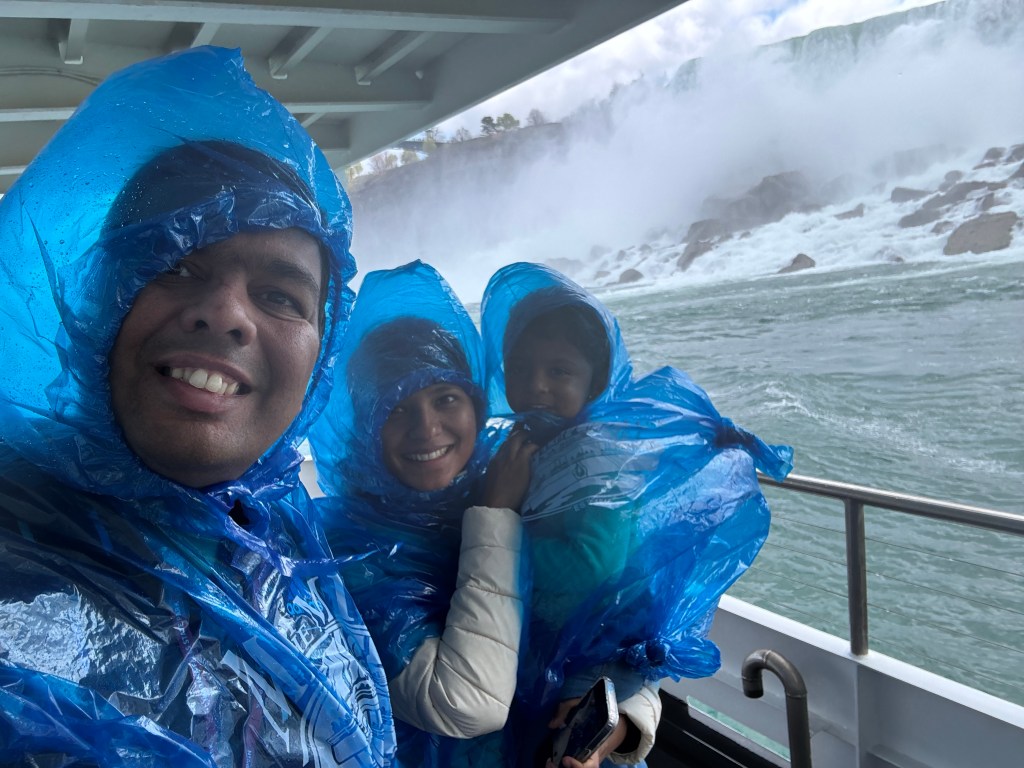
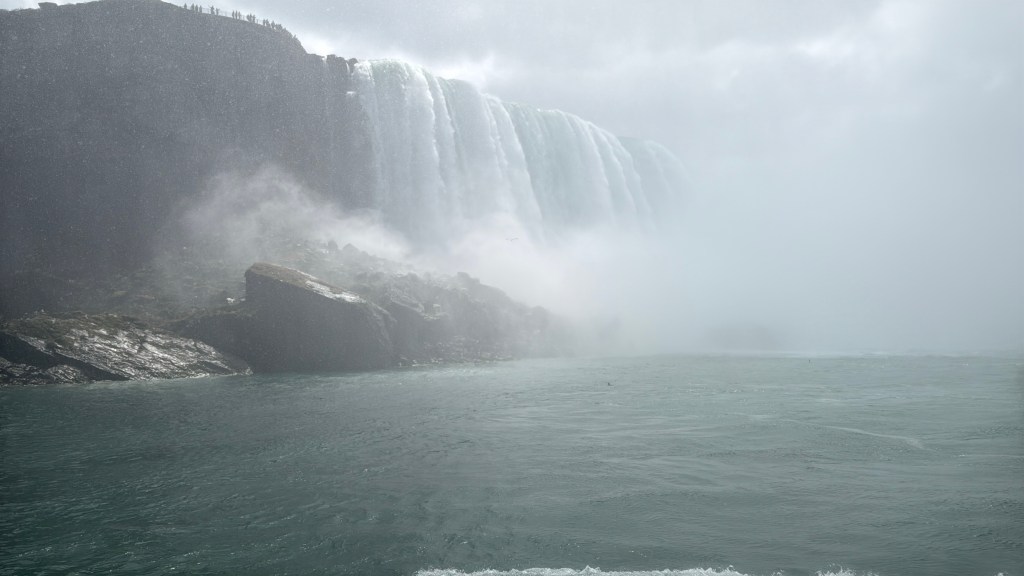
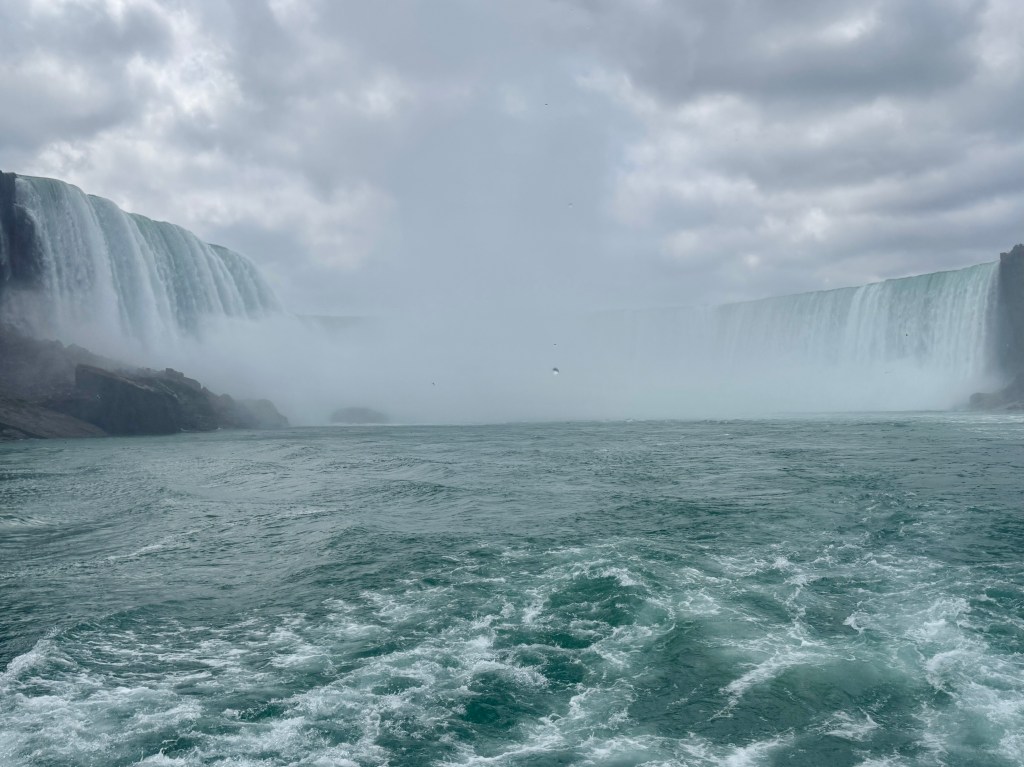
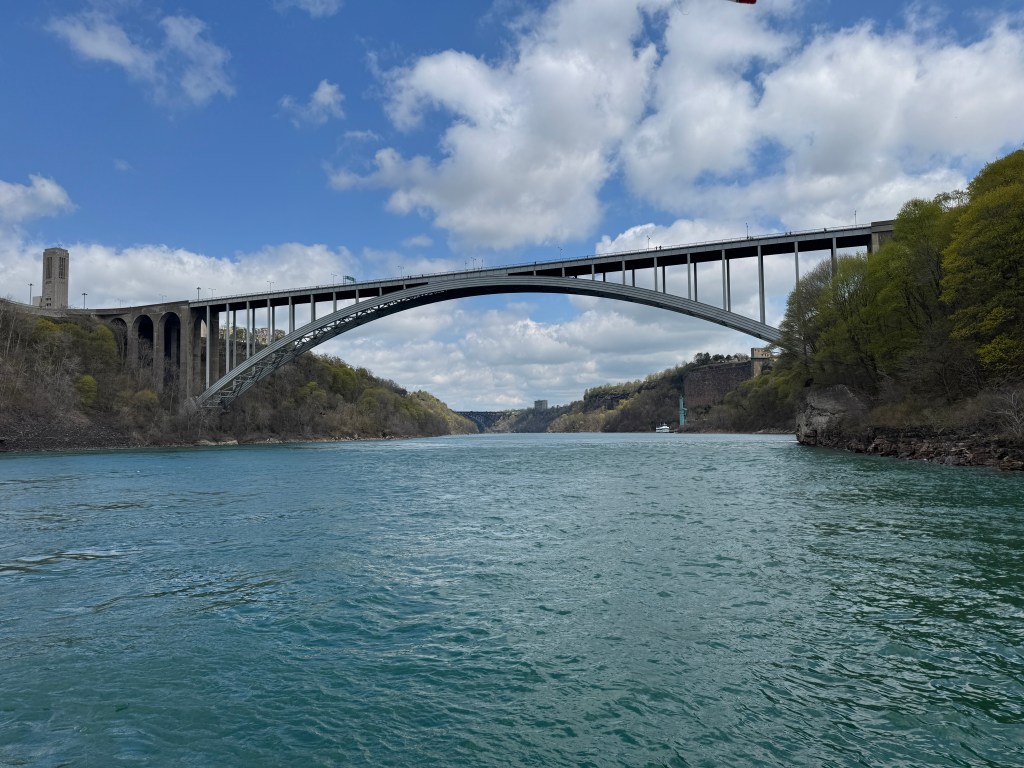
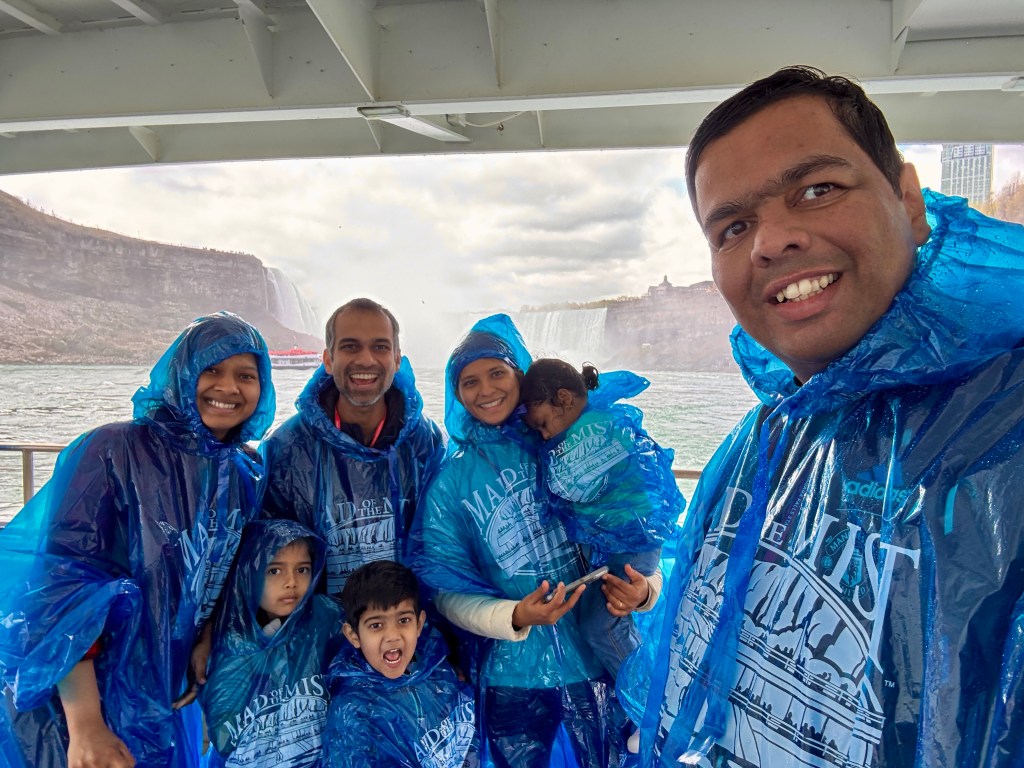
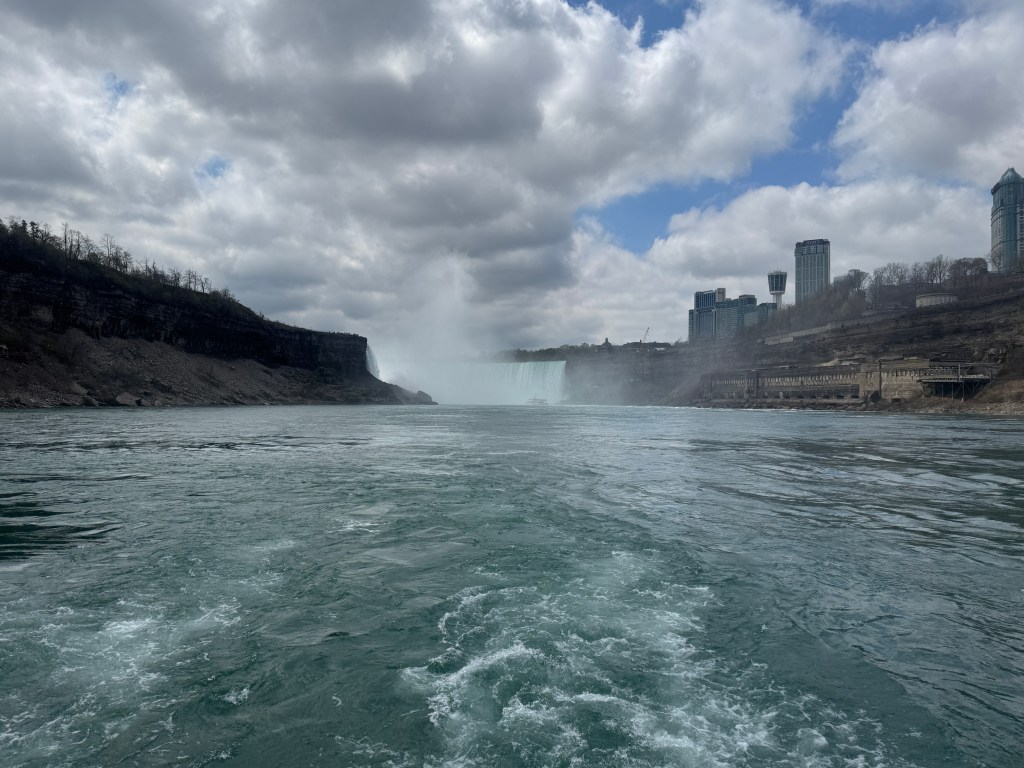
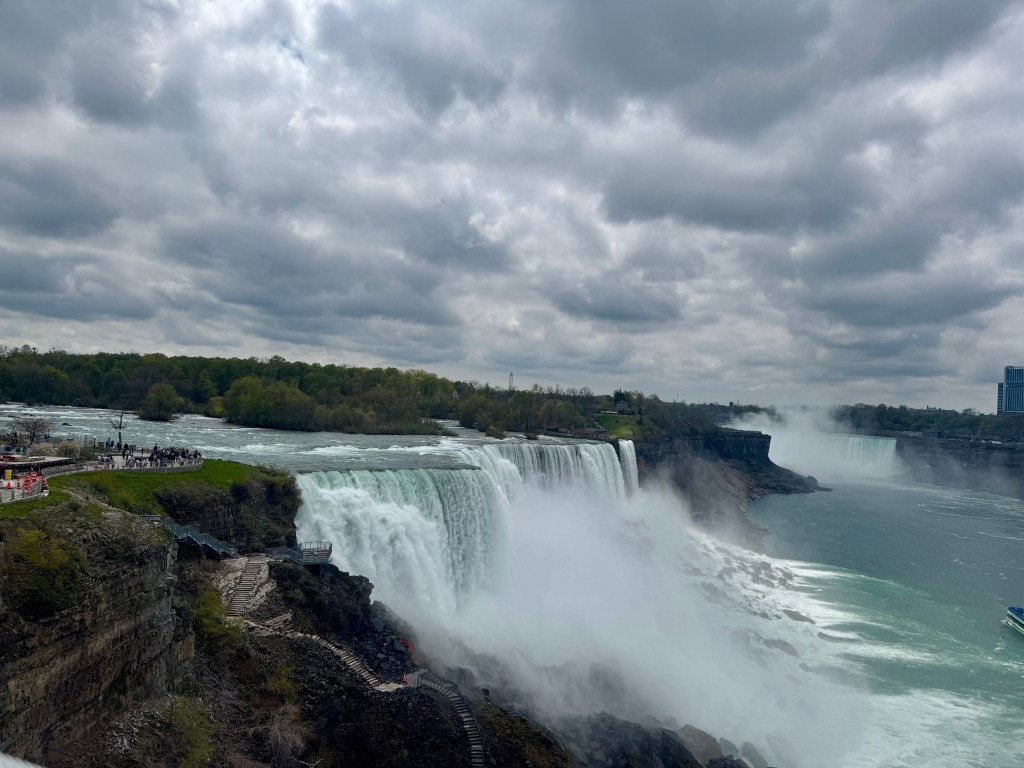
The closer we got to Horseshoe Falls, the harder it became to even keep our eyes fully open. Water surrounded us from every direction. The roar became overwhelming. Conversation became impossible. You just stand there laughing because there’s absolutely nothing else to do.
A small detail I loved learning later was that the original Maid of the Mist began operating in 1846 — not as a tourist attraction, but actually as a ferry service between the U.S. and Canada before suspension bridges became common. Somehow that makes the experience even cooler. What started as transportation became one of the world’s most iconic boat rides.
After getting thoroughly soaked and happily exhausted, we made our way to DiCamillo Bakery for lunch.
And this is where Niagara quietly surprised me.
People talk about the falls, but not enough people talk about the food culture around this area, especially the old Italian-American influence in Niagara Falls. DiCamillo Bakery has been around for generations, and the place feels like one of those spots where tradition matters more than trends.
The pot roast was incredible.
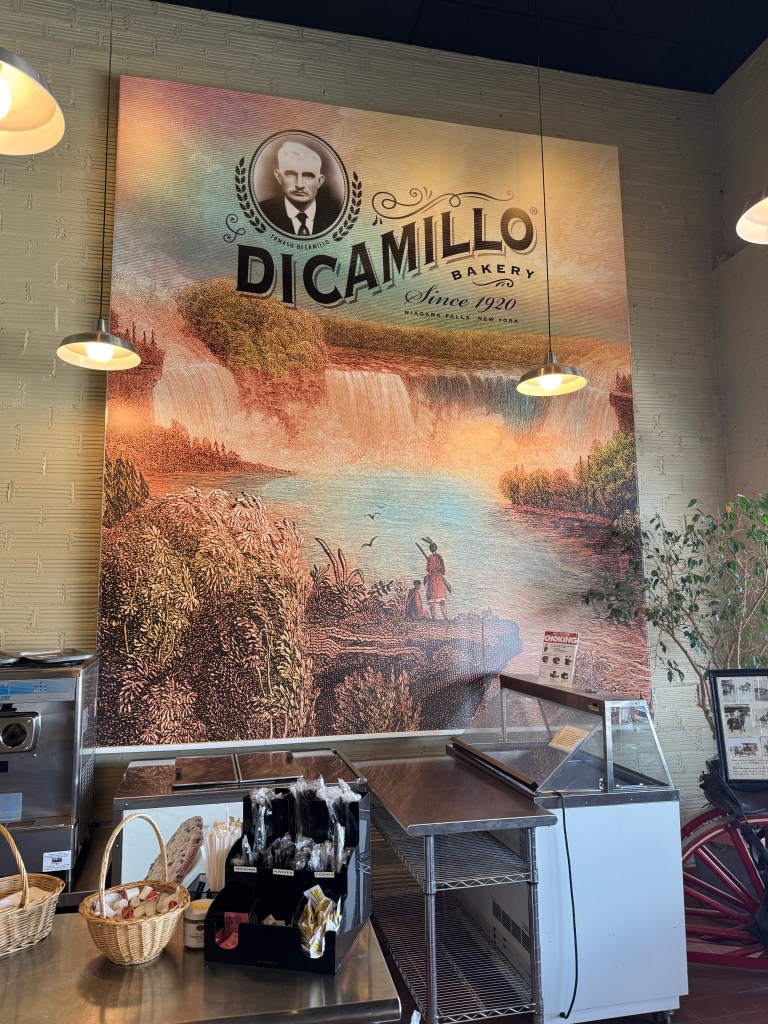
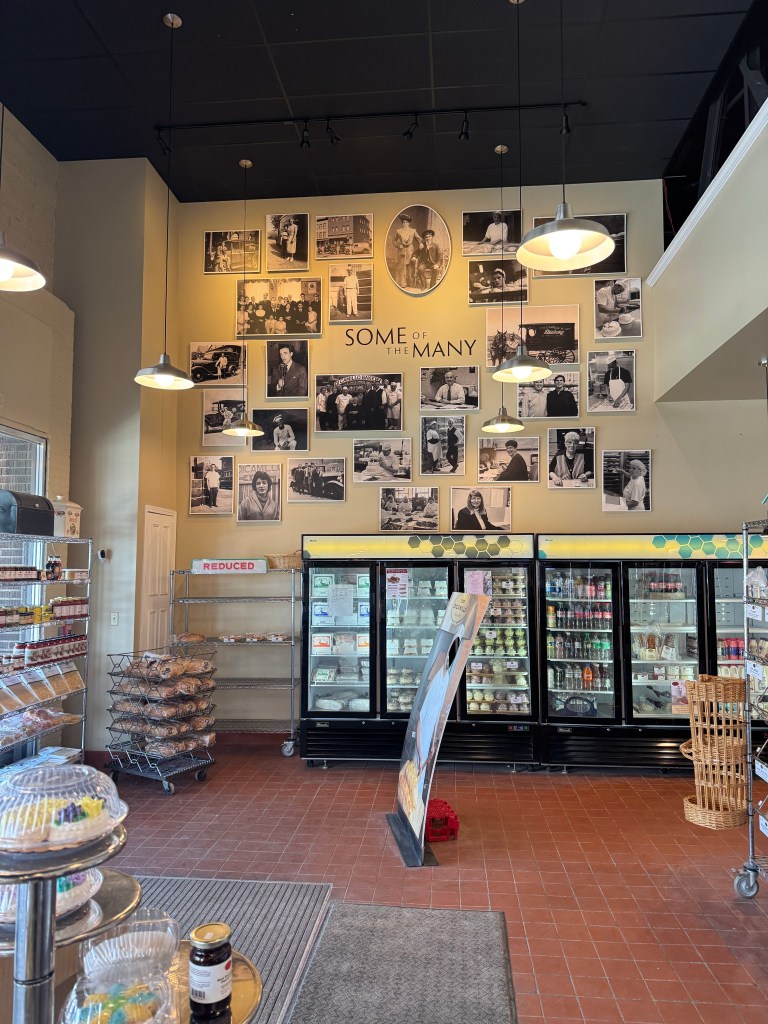
Comfort food in the best possible way. Rich, tender, hearty, and exactly what you want after spending hours being blasted by cold mist near giant waterfalls. There’s also something special about eating in places that feel deeply local instead of manufactured for tourists. You can tell when a restaurant has history in its walls.
Then came Cave of the Winds.
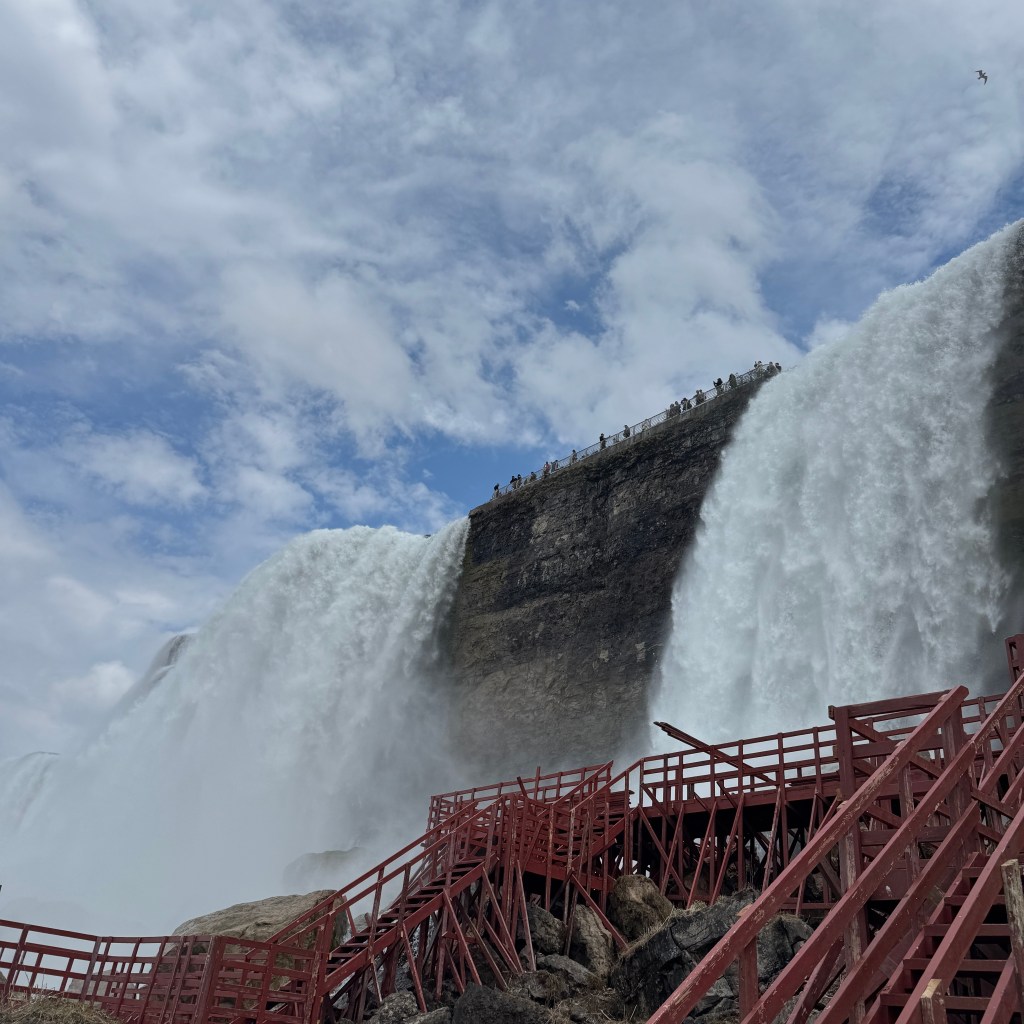
If Maid of the Mist lets you witness the falls, Cave of the Winds makes you feel like you’ve entered them.
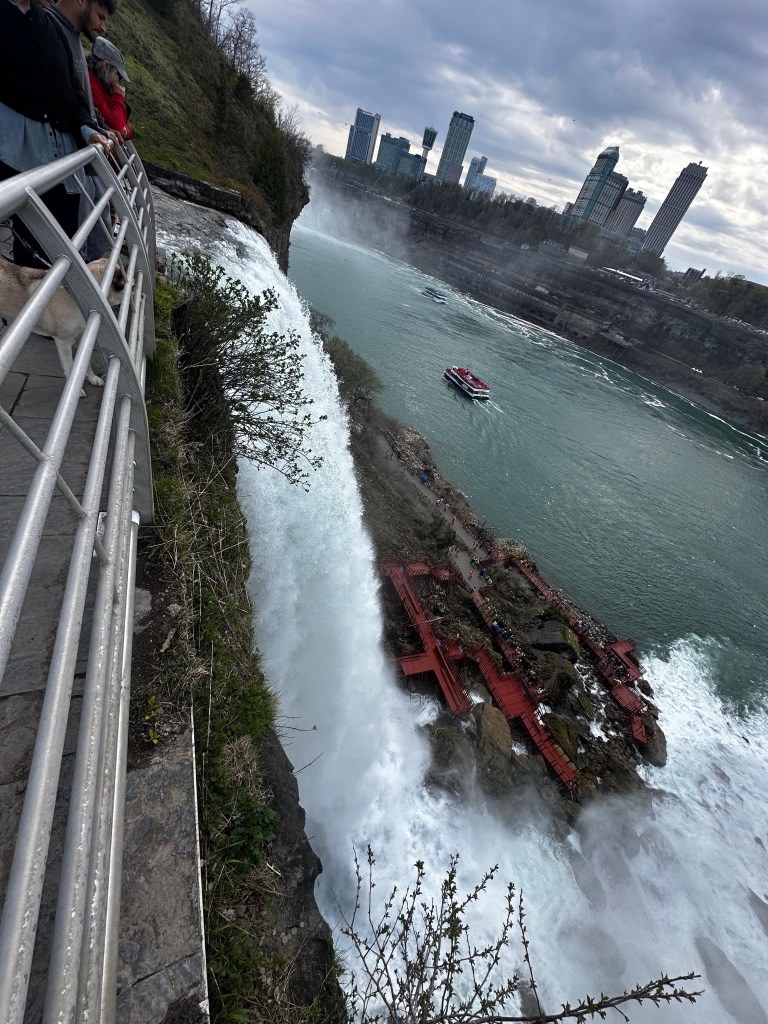
The wooden walkways take you unbelievably close to Bridal Veil Falls. At certain points, the water crashes onto the platforms with such force that it feels like standing inside a storm system. One deck, appropriately named the “Hurricane Deck,” receives tropical-storm-level conditions from the spray alone.
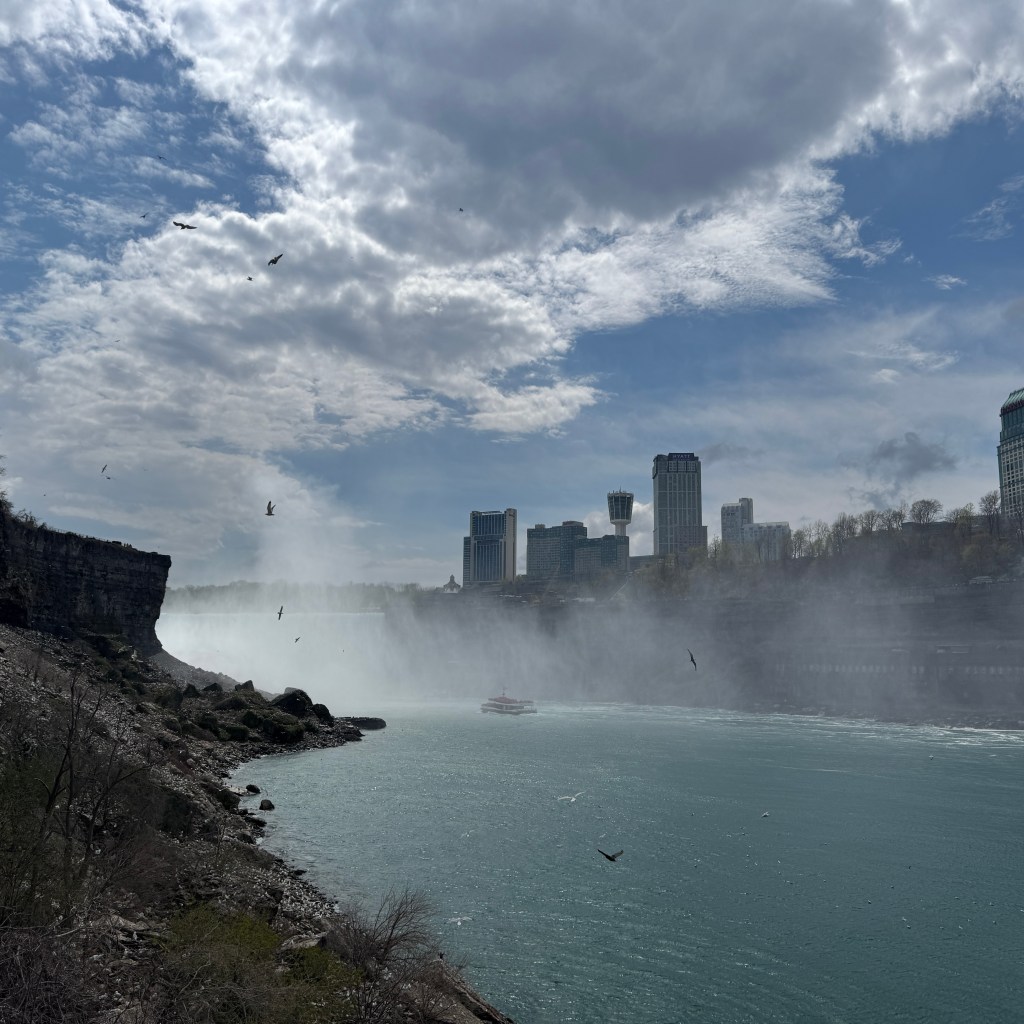
But one of the unexpectedly memorable parts for me was the Tesla segment.
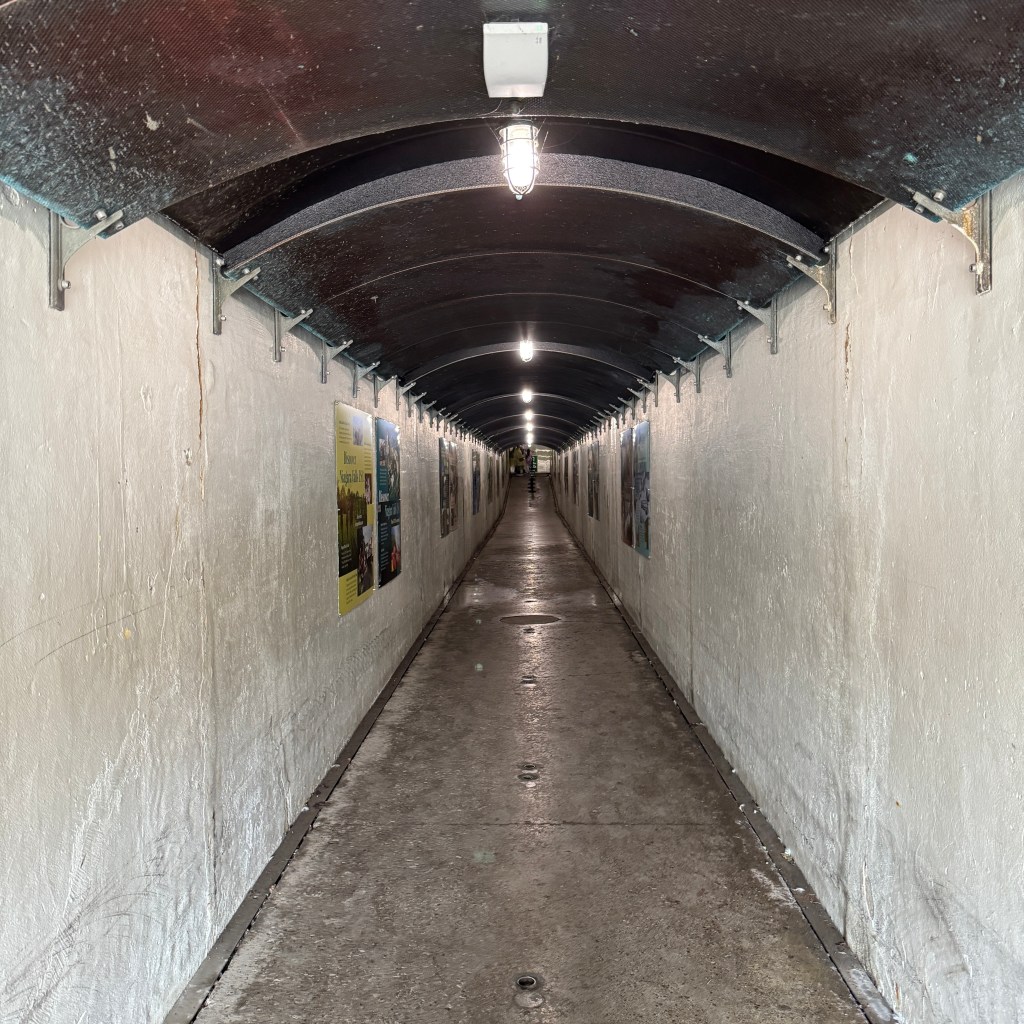
The short film clip about Nikola Tesla added a completely different layer to the experience. Most people associate Niagara Falls with tourism, but it also played a major role in the history of electricity itself. Tesla’s alternating current system helped make hydroelectric power generation at Niagara possible in the late 1800s, proving electricity could be transmitted over long distances efficiently. In many ways, Niagara Falls helped power the future of modern cities.
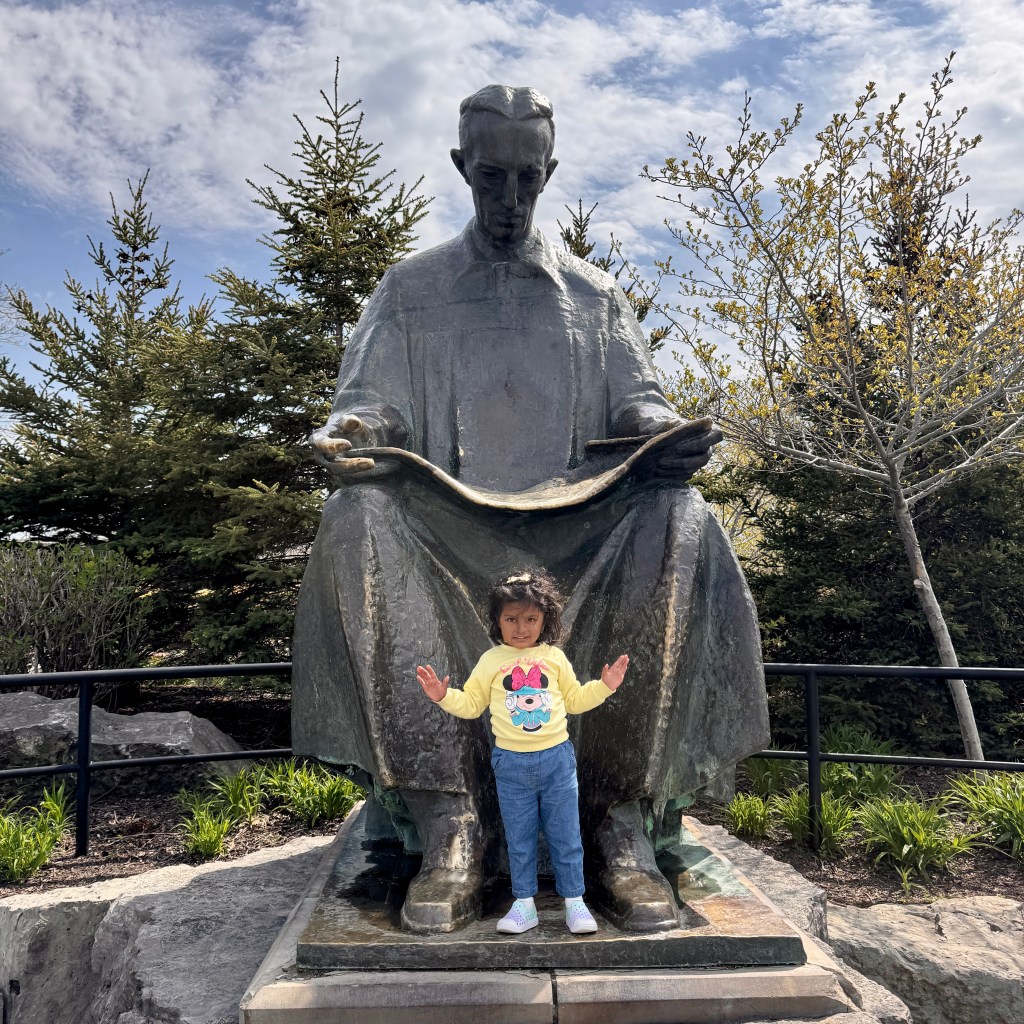
Standing there watching all that water suddenly makes you understand why visionaries looked at the falls and saw energy, not just beauty.
That combination of nature and innovation made the whole place feel deeper somehow.
By evening, things slowed down.
We walked toward Luna Island, and honestly, it might have been my favorite part of the day.
Not because it was the biggest attraction.
Because it gave us room to breathe.
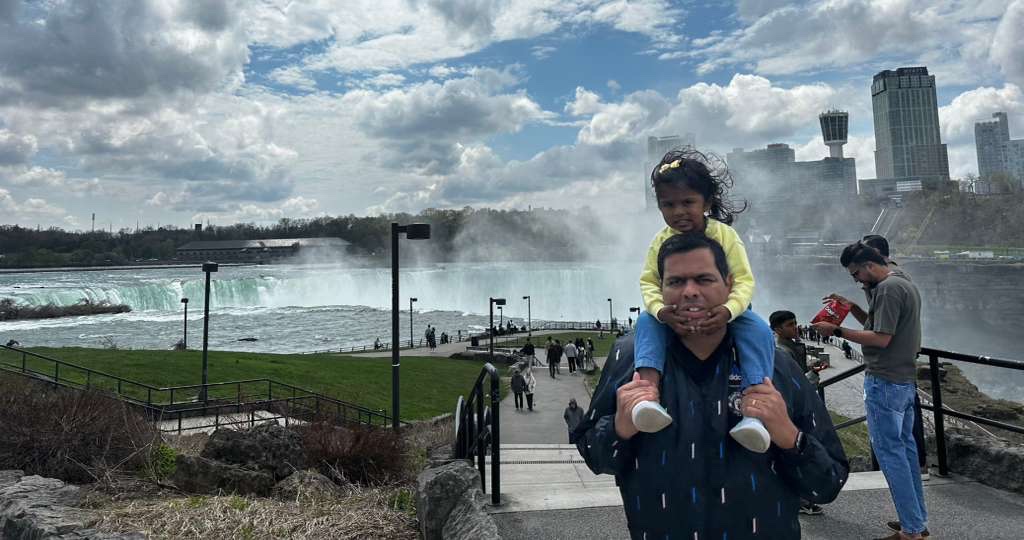
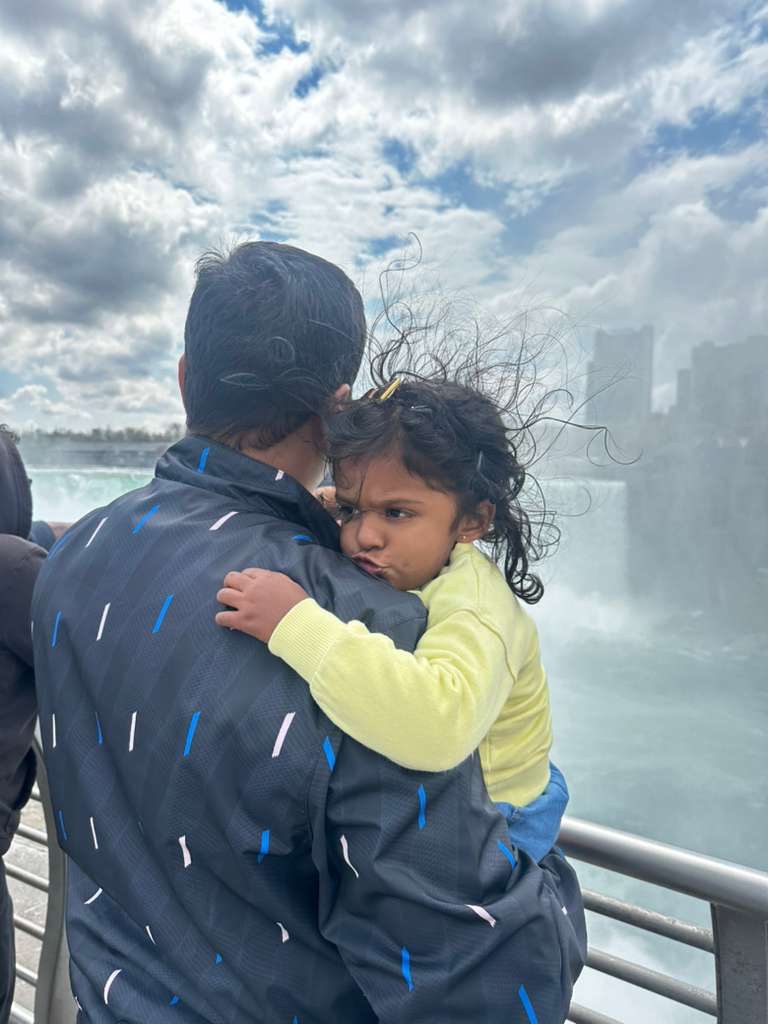
Luna Island sits between the American Falls and Bridal Veil Falls, offering some of the closest and most peaceful vantage points in the park. The name itself comes from moonlit nights when the mist reflected moonlight so brightly that it looked surreal. Standing there near sunset, with the sound of rushing water surrounding us, kids wandering around happily, and old friends catching up after almost twenty years, it felt strangely emotional.
Day two started with ambitious plans and weather-induced humility.
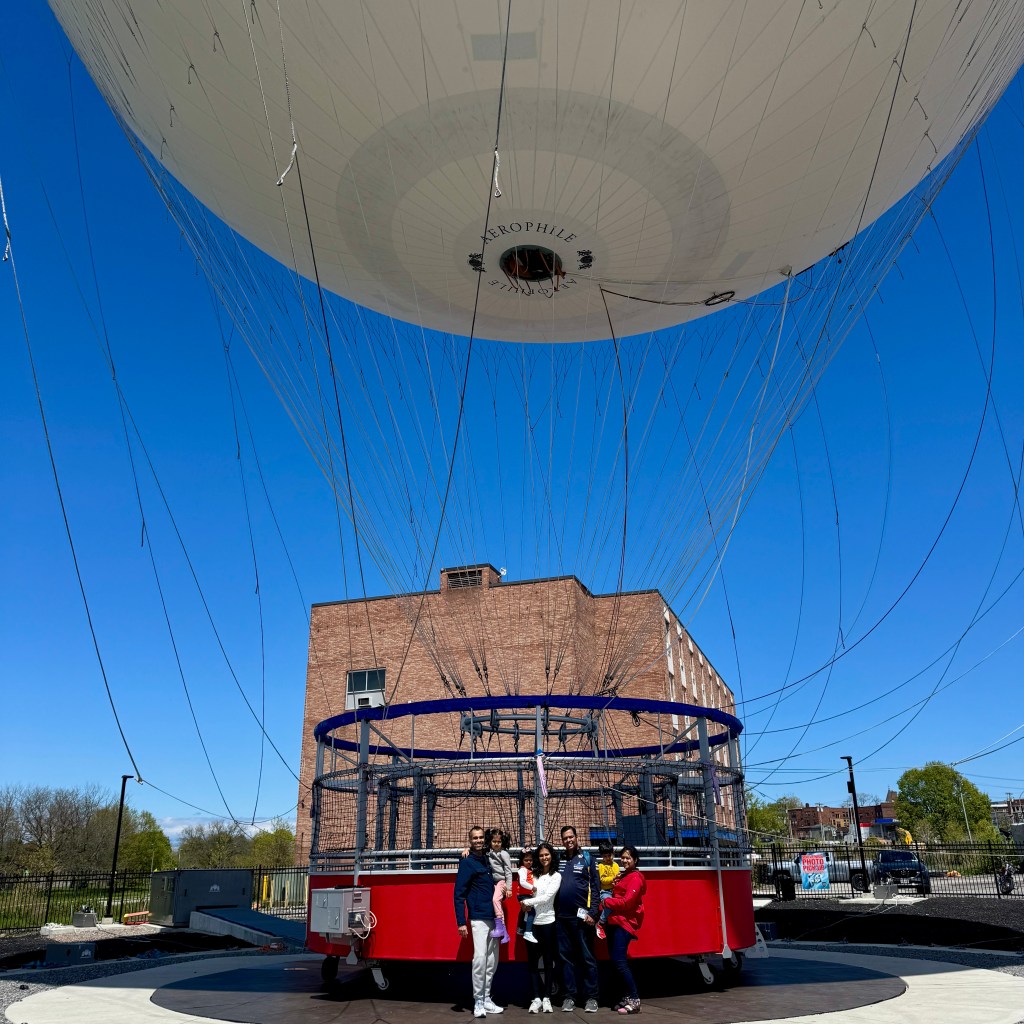
We had joked the previous night about doing the hot air balloon ride and seeing Niagara from above like some dramatic travel documentary. In our heads, it already looked cinematic, peaceful skies, breathtaking views, deep life conversations floating above the falls. Reality, however, had other plans. The winds were apparently strong enough to cancel those dreams pretty quickly, which led to a lot of laughing about how our “majestic balloon adventure” lasted roughly five minutes in planning.
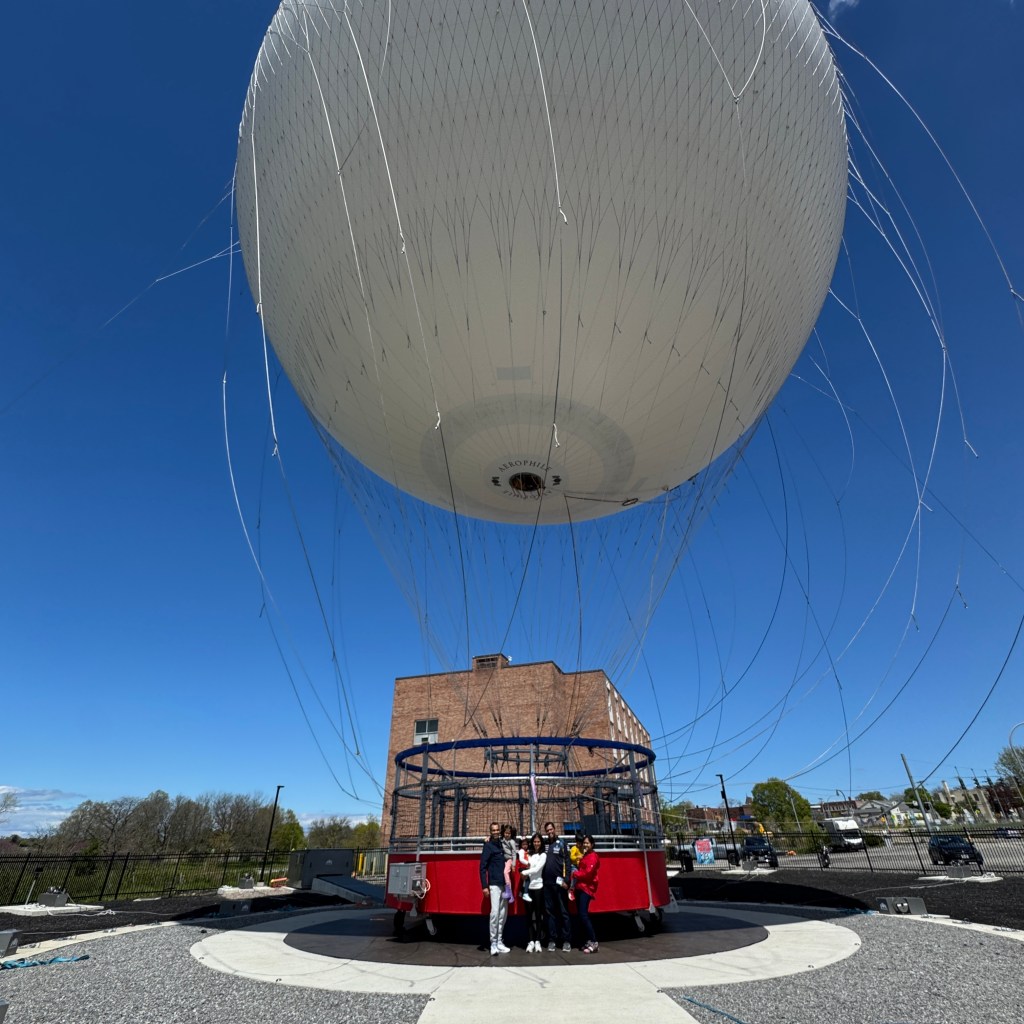
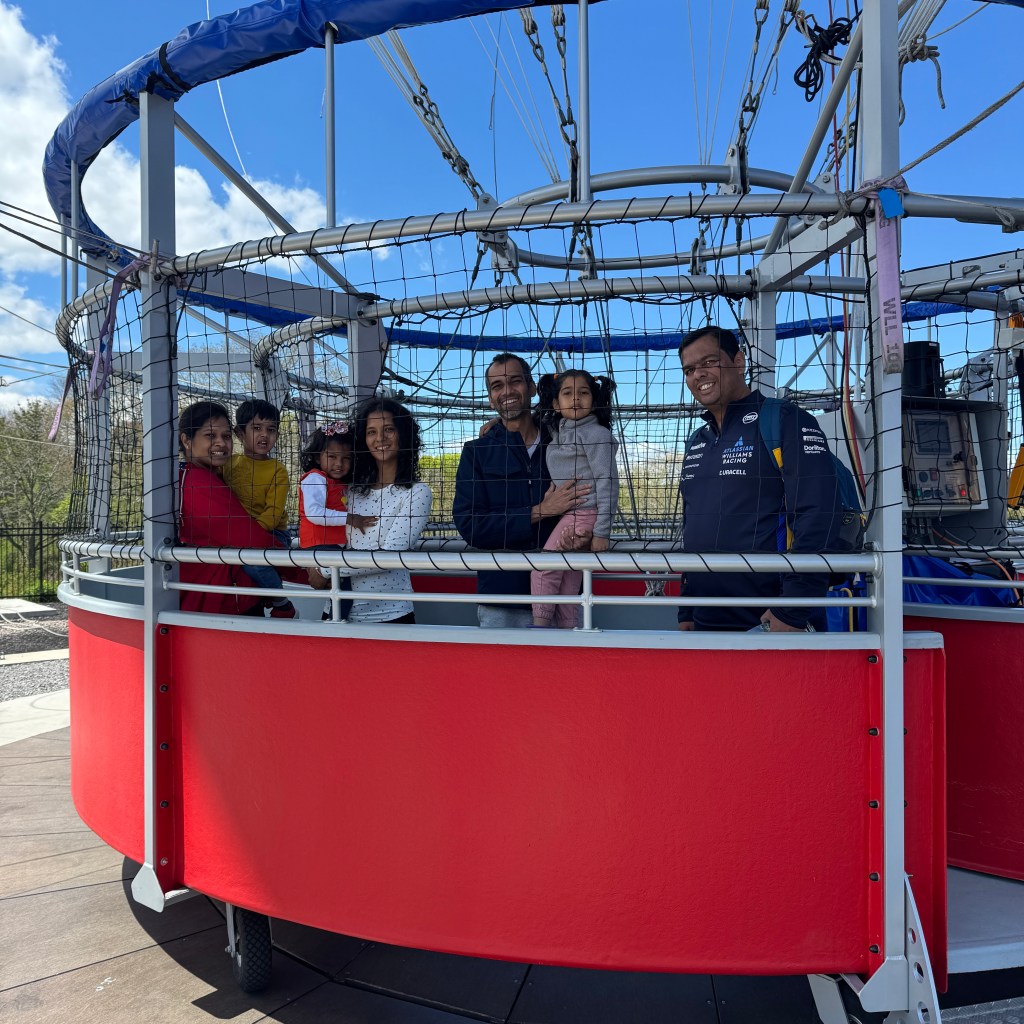
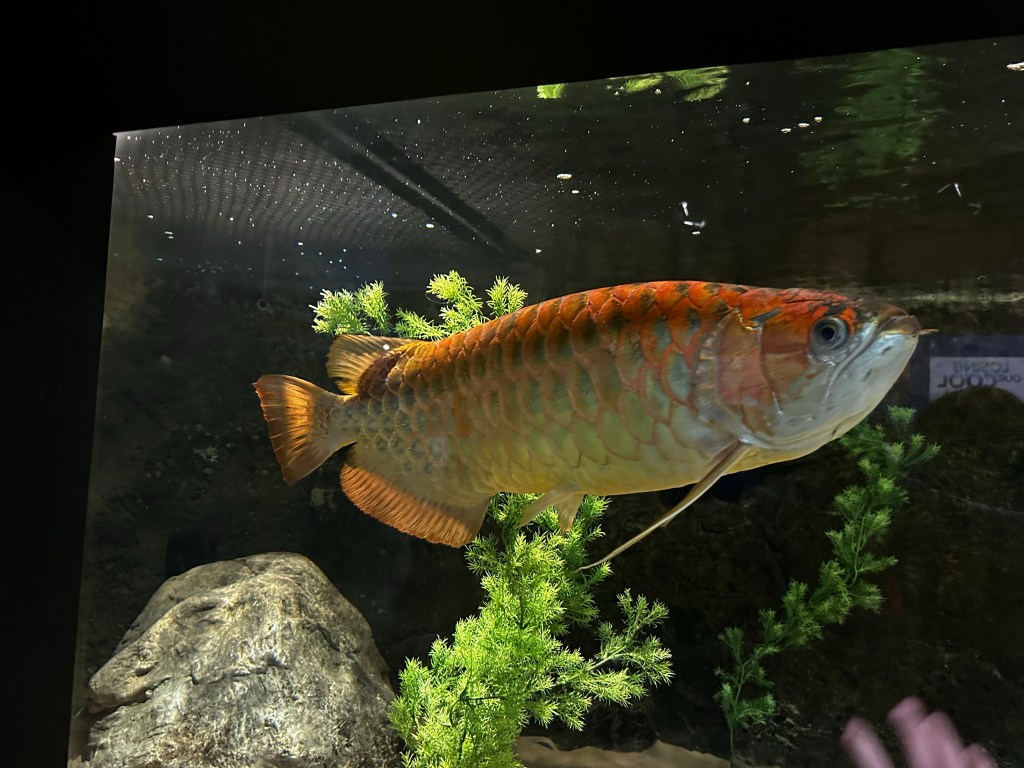
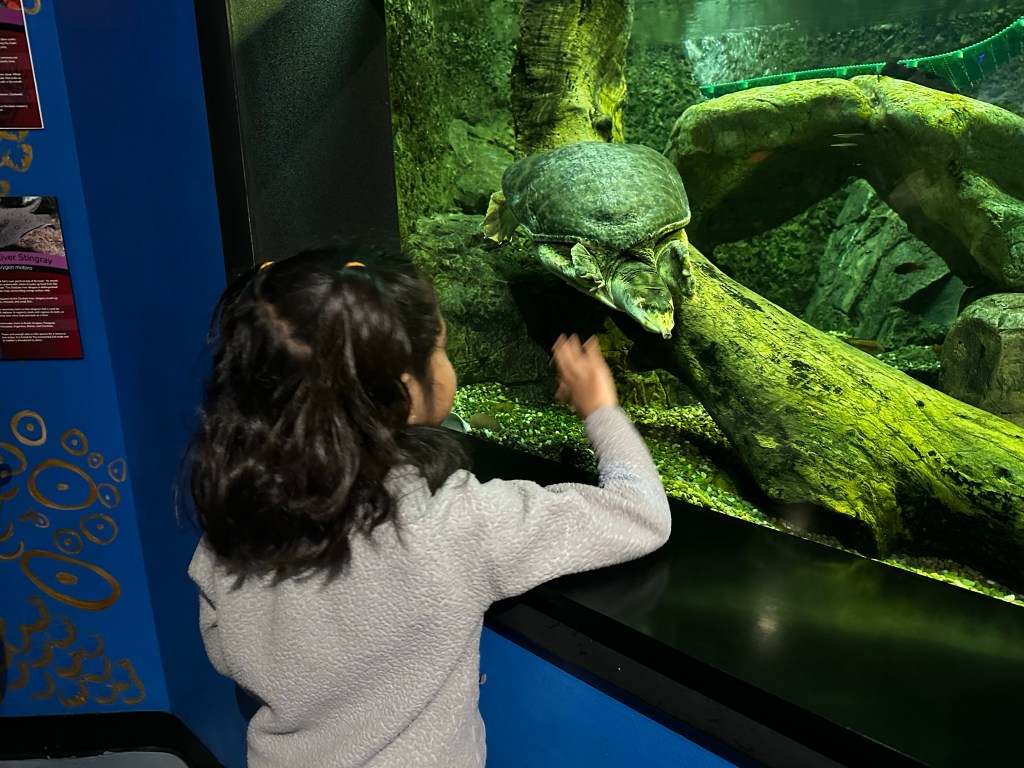
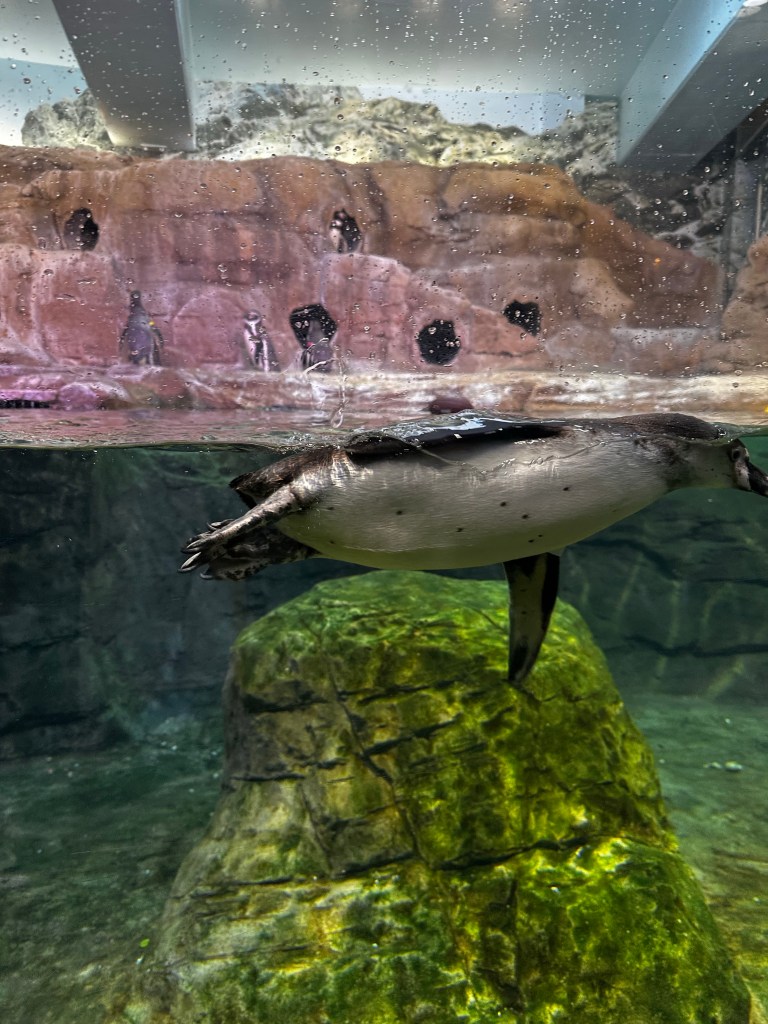
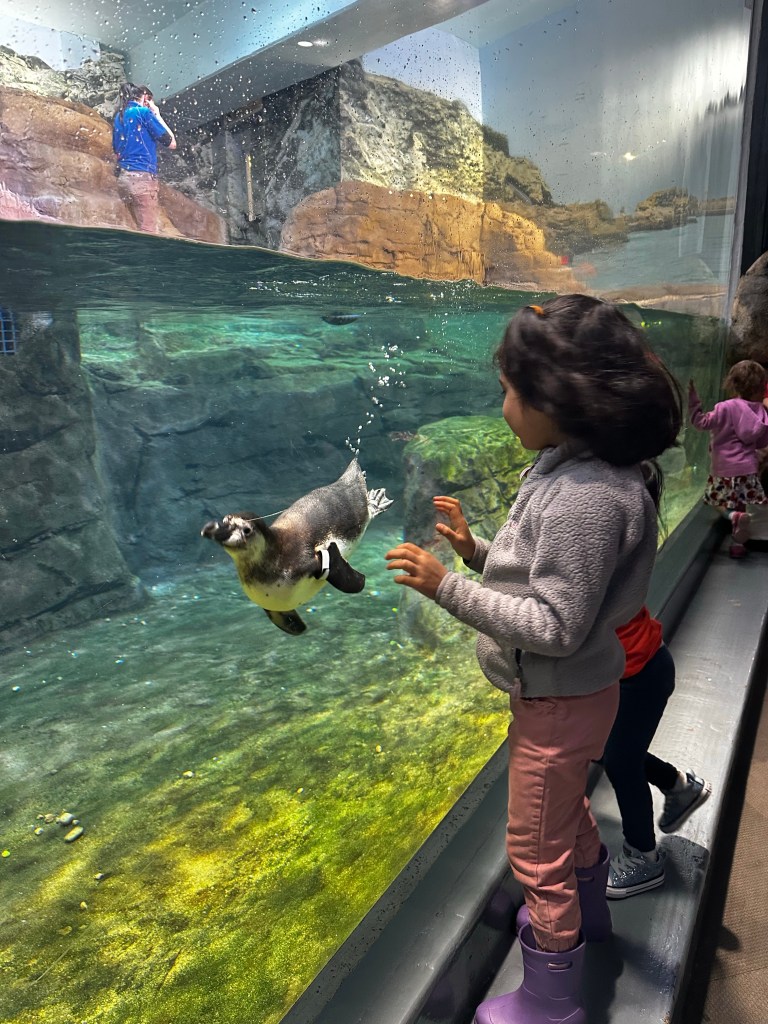
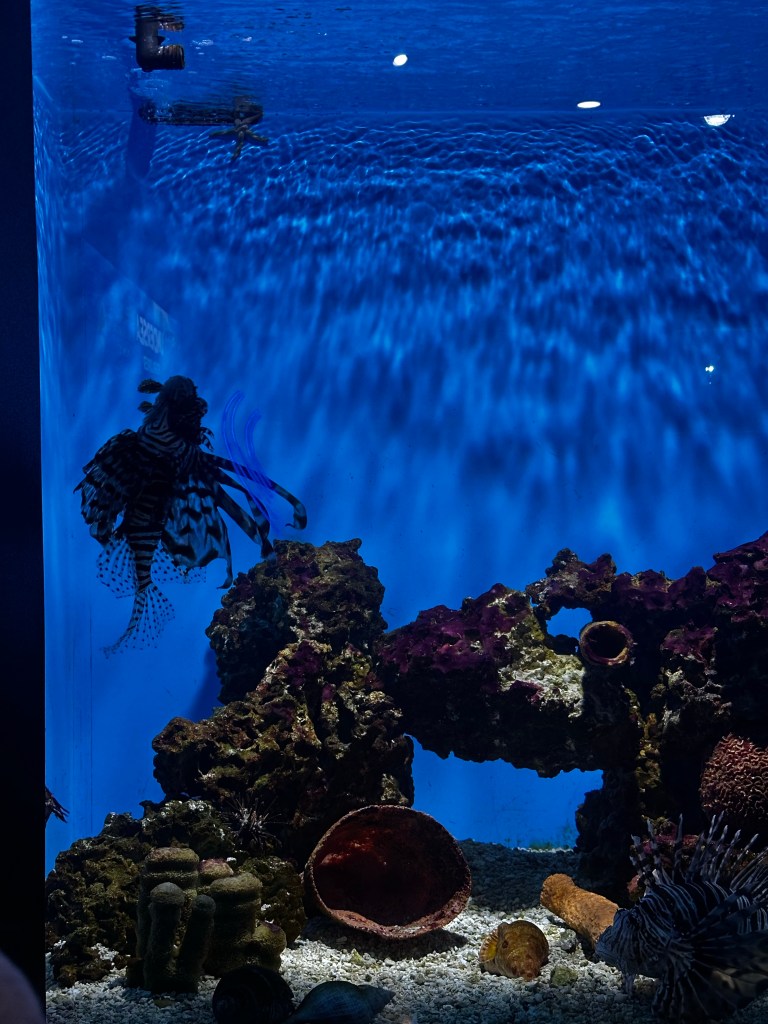
So instead, we pivoted to Aquarium of Niagara — and honestly, it turned out to be one of those unexpectedly fun family moments that travel memories are made of.
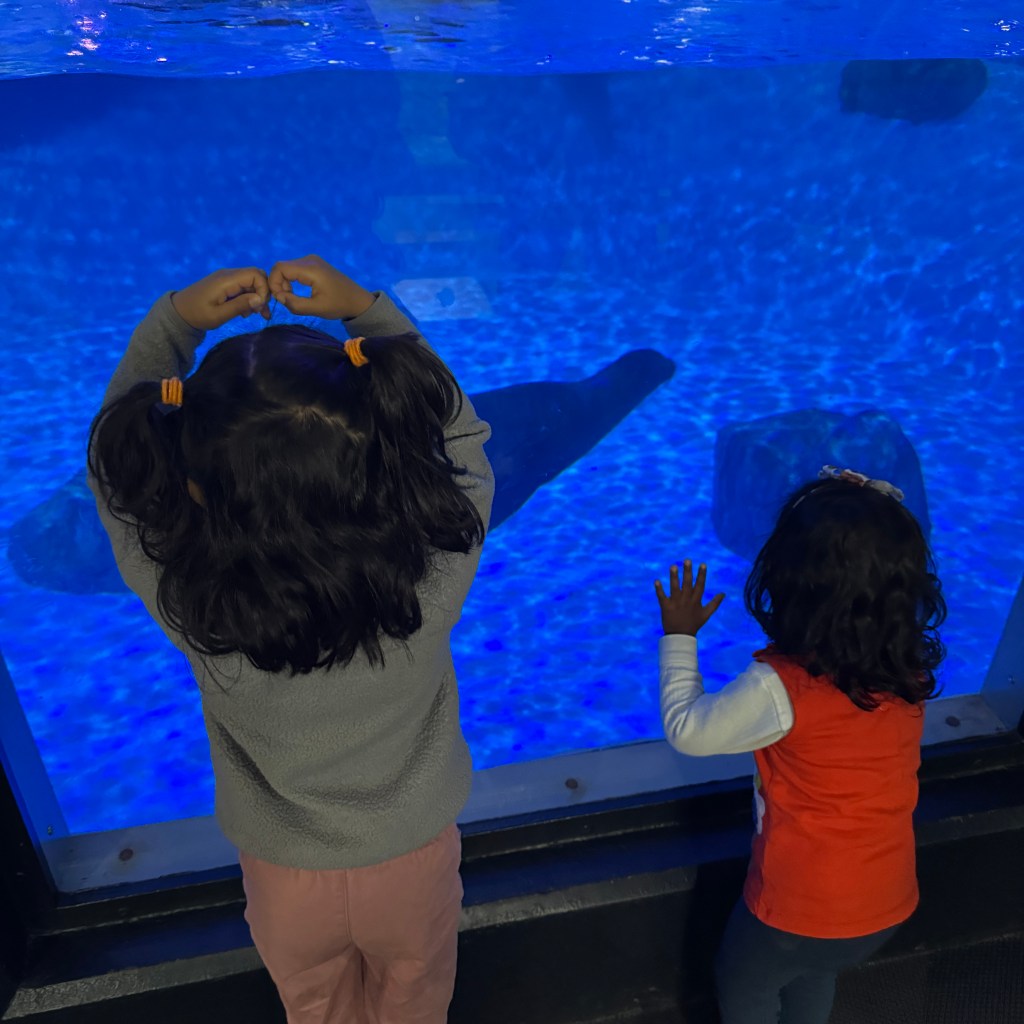
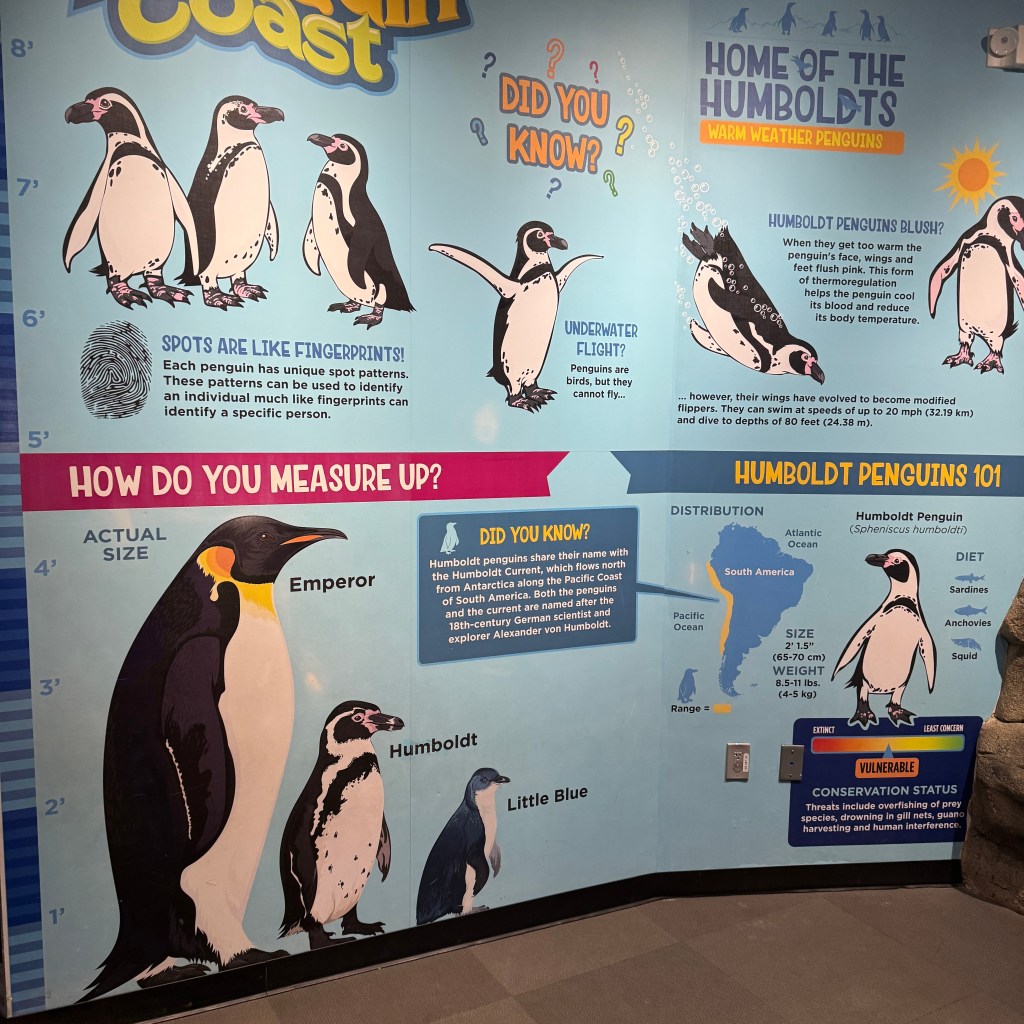
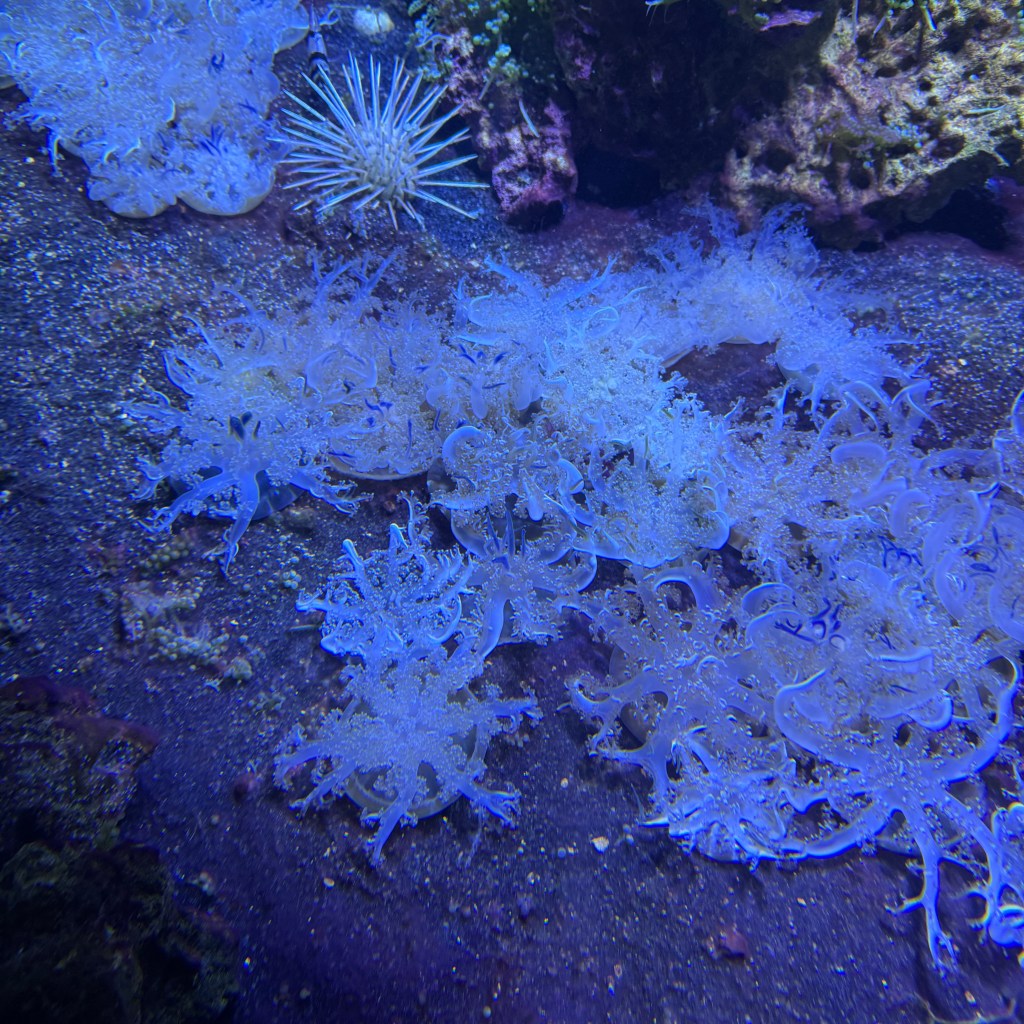
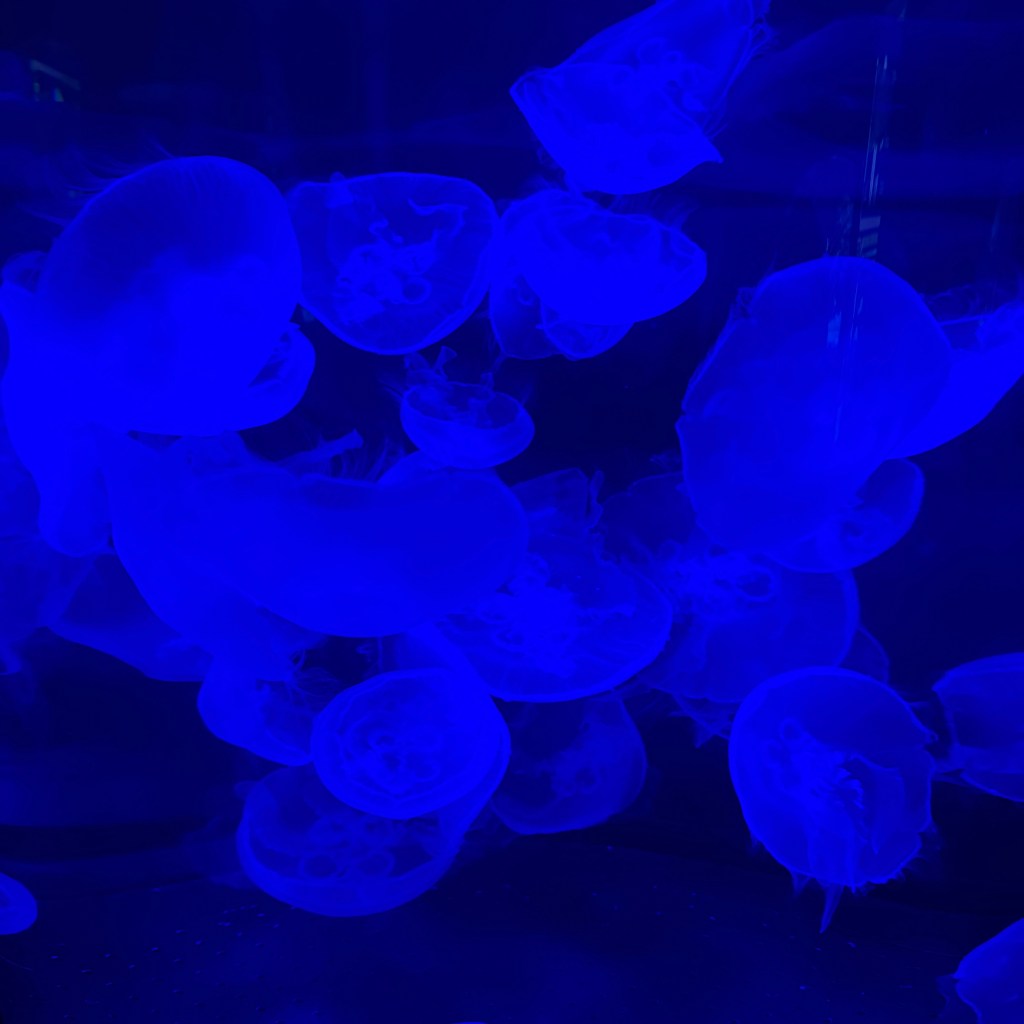
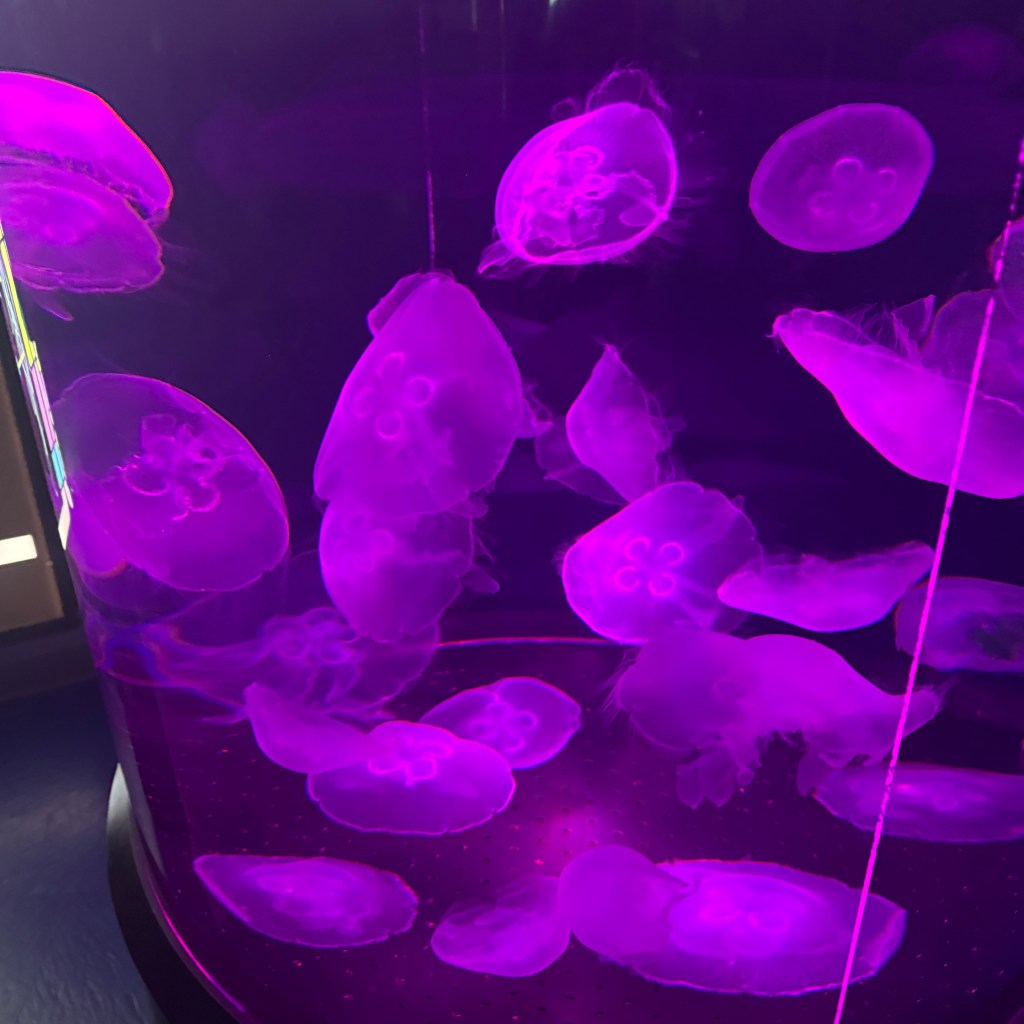
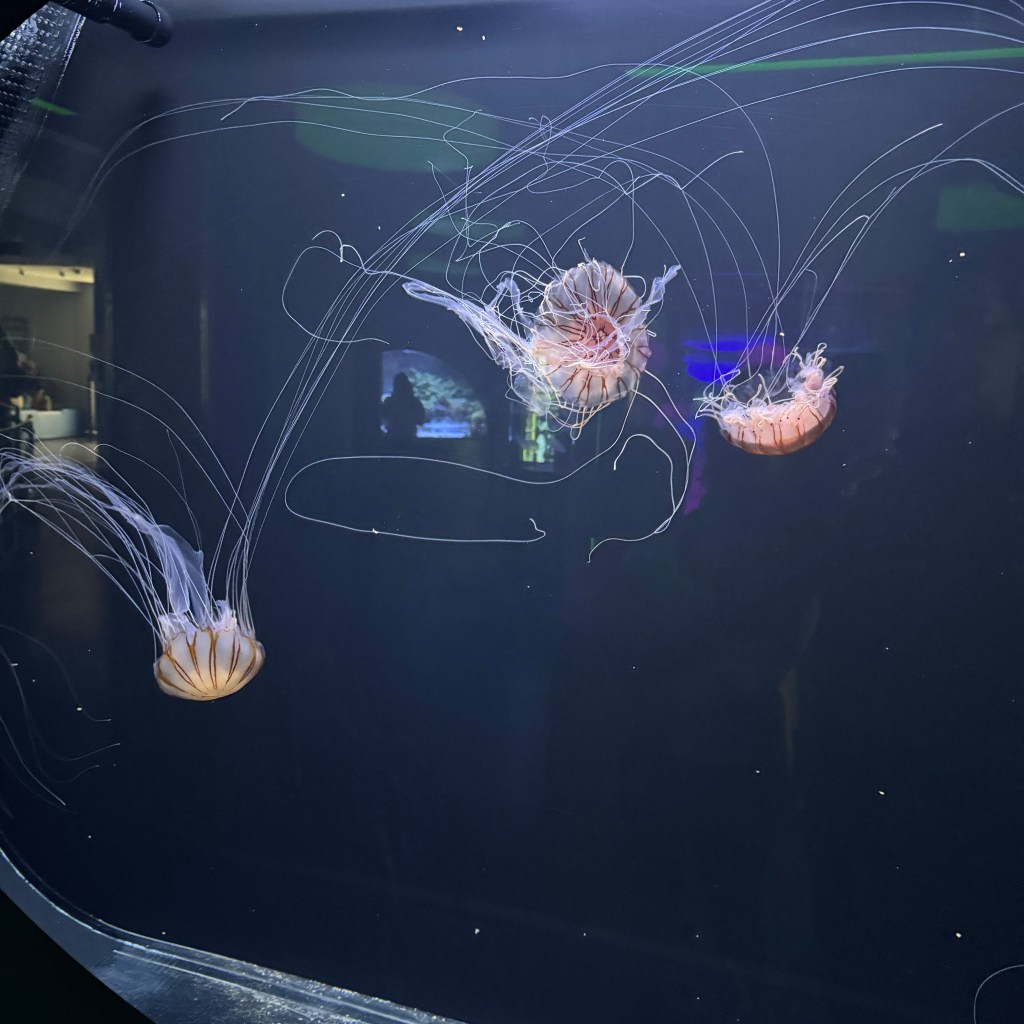
The aquarium has this relaxed charm that works perfectly when you’re traveling with kids. Watching the little ones light up at the sea lions and penguins somehow slowed everything down in the best way. There’s also a nice irony in going from one of the world’s most powerful displays of freshwater nature outside to quietly watching marine life glide through tanks indoors. The aquarium also focuses heavily on conservation and rescue efforts, especially for seals and sea lions native to the region, which gave the visit more meaning than we expected.
Life changes people.
Not necessarily in bad ways. Just deeply.
Careers evolve. Cities change. Families grow. Priorities shift. Time moves quietly until one day you realize decades have passed since certain conversations that still feel recent in your head.
And yet, good friendships have a strange ability to continue without needing constant maintenance.
That’s what this trip reminded me of most.
Yes, Niagara Falls was stunning. The power of the water, the history, the engineering, the views — all unforgettable.
But the real highlight was simpler than that.
It was laughing with old friends while getting drenched on a boat.
It was sharing pot roast after years apart.
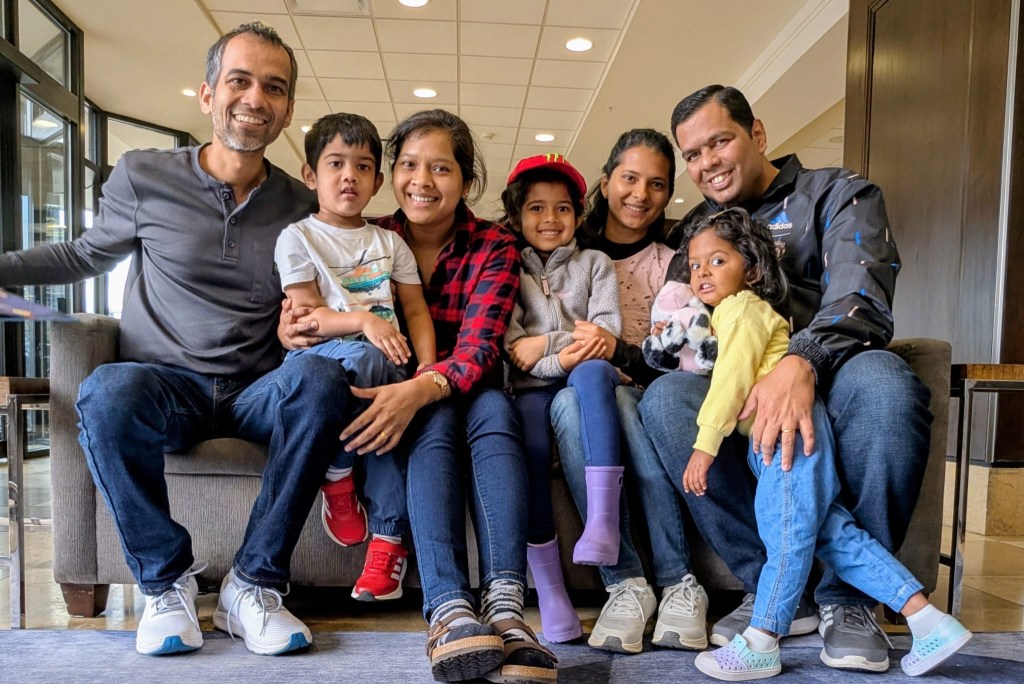
It was watching our families meet in a place none of us will forget.
And maybe that’s the best kind of travel memory — when the destination is incredible, but the people beside you are what actually make it matter.
 Kenrick Vaz