
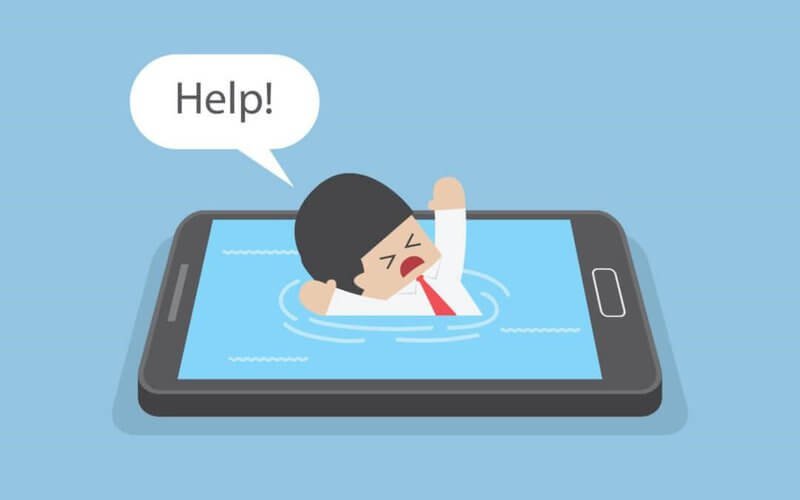
Cell phone addiction, often referred to as “nomophobia” (no-mobile-phone phobia), is a growing concern with implications for mental health and overall well-being. Researchers and health professionals continue to explore the impact of smartphone use on individuals and society. If you or someone you know is struggling with cell phone addiction, seeking support and implementing healthy habits is crucial for maintaining a balanced and fulfilling life.
Here are some general statistics on cell phone addiction:
- Global Smartphone Ownership:
As of 2022, approximately 3.8 billion people worldwide own smartphones. - Daily Smartphone Usage:
On average, people spend around 3 hours and 15 minutes per day on their smartphones. - Social Media Usage:
The average user spends about 2 hours and 31 minutes per day on social media platforms using their smartphones. - Screen Time Increase:
During the COVID-19 pandemic, global daily time spent on mobile devices increased by about 20% in 2020. - App Usage:
The average number of apps used by a smartphone user is around 30 per month. - Notifications:
Many smartphone users receive dozens of notifications per day, contributing to constant phone-checking behavior. - Nomophobia:
Nomophobia, or the fear of being without a mobile phone, affects a significant percentage of the population. Studies suggest that over 70% of people experience some form of nomophobia. - Youth and Cell Phone Addiction:
Studies show that adolescents spend an average of 6 hours per day on screens, including smartphones. - Impact on Sleep:
Excessive smartphone use before bedtime can contribute to sleep disturbances. About 75% of smartphone users report using their devices in bed. - Texting Habits:
The average person sends and receives around 94 text messages per day.
And the impact of this usage is staggering:
- Reducing the quality of conversations.
- Adversely impacting short-term memory and problem solving.
- Negatively affecting our sleep patterns.
- Resulting in more negativity, distress, and less emotional recoveryin young children.
- Increasing obesity.
- And the positive correlation between smartphone addiction and depression is alarming.
You would think, given the statistics and what we know to be true about cell phone usage, it would be easy to put down and walk away. But I can attest the technology addiction struggle is real.
Phones are good and helpful… you are able to read this article right now because of it. But we know all too well they also have the potential to become a negative presence in our life if we allow them.
So how do we keep cell phone usage in proper alignment with our lives? What are some tools or ideas to help us cut down on our cell phone usage?
Here is a list of seven I have used myself or learned from others:
1. Set aside one day/week.
This is, by far, the most common approach I see among people who have taken intentional steps to curb their cell phone habit nowadays. Choose one day each week (usually a Saturday and Sunday) and set your phone aside. That’s it, make a habit of it.
2. Use a 30-Day Experiment to reset your usage.
For me personally, this has been the most helpful way to break my cell phone habit. My cell phone use, when not intentionally limited, tends to take over more and more of my free time. It happens unintentionally and quietly—I don’t even seem to notice it happening.
Seven years ago, I gave up my smartphone for Lent and used it only for calling and texting (no other apps allowed—even maps and photos). It was a 40-day period of reset that helped me align my usage with more important pursuits in life. Since that first experiment, I have used the 30-day reset two additional times—each with great success.
3. Use apps to bolster self-control.
There are apps for almost every problem in life. In fact, there are even some wonderful apps built to help us limit our time on our devices. Here are some of my favorites:
Space. Set goals and track your daily progress to manage your habits.
Forest. ($1.99) Stay focused, be present. Forest is a beautifully designed app that brings gamification to productivity and results in real trees being planted based on your personal phone use habits.
Moment. Through short, daily exercises, Moment helps you use your phone in a healthy way.
Flipd. Lock away distracting apps for complete focus.
Screentime. Set daily usage limits on your phone or specific apps.
4. Don’t charge your phone near your bed.
Want to know the best way to keep your kids off their phones too much? Don’t allow them to charge their phones in their bedroom.
Want to know a great way to keep yourself off your phone? Don’t charge it in your bedroom.
Many of the negative effects of overuse (poor sleep, hindered communication and intimacy) can be eliminated by keeping your cell phone out of your bedroom. As with many of the items on this list, this is a principle I’ve found personally helpful.
5. Put your phone away when you walk in the door.
Christopher Mims writes a weekly technology column for The Wall Street Journal—a job that certainly requires the use of tech on a consistent basis. His simple and proven way to keep life in healthy balance with his cell phone is to put it in a kitchen cabinet at the end of the workday. In his words, “The more you physically remove the phone, the more you can build a habit of having some ability to ignore it when it’s on your person.”
When you finish your day of work, put your phone in a drawer or cabinet. This is a helpful practice for all people, but I think it is especially important if you have kids or a spouse at home in need of our undivided attention.
6. Change your phone settings.
Among the most often suggested ideas for reducing cell phone usage, you find tips and tricks by simply changing the settings on your phone.
The most common suggested ideas:
- Turn off notifications
- Set screen to black-and-white
- Remove distraction-based apps from your home screen
- Set a longer passcode
- Use airplane mode
- Turn on do not disturb
In my opinion, turning off notifications is something everyone should do regardless of how habitual their cell phone use is. Just because someone in the world wants to text you, email you, or tag you in a post on Facebook doesn’t mean they deserve your attention. My cell phone screen is not currently set to grayscale, but I have found that setting helpful in the past.
7. Set Clear Goals
Define your reasons for reducing mobile usage. Whether it’s to improve productivity, focus on relationships, or enhance well-being, having clear goals provides motivation.
8. Audit Your Usage
Use built-in phone features or third-party apps to track your screen time. Understand which apps or activities consume most of your time.
9. Establish Boundaries:
Set specific times for phone usage, and establish “phone-free zones” in your home or during certain activities.
10. Turn Off Notifications
Disable non-essential notifications to reduce the constant urge to check your phone.
11. Organize Your Home Screen
Arrange your home screen to prioritize essential apps and minimize distractions. Move time-consuming or distracting apps to less accessible locations.
12. Use App Limits
Take advantage of the app limits feature available on many smartphones to restrict your usage of specific apps.
13. Find Offline Hobbies
Engage in activities that don’t involve screens, such as reading, exercising, or pursuing a hobby.
14. Set Device-Free Bedtime
Avoid using your phone at least 30 minutes before bedtime to improve sleep quality.
15. Accountability Partner
Share your goals with a friend or family member who can help hold you accountable.
Learning how to use our smartphones effectively may be one of the most important life skills any of us can learn.
 Kenrick Vaz