
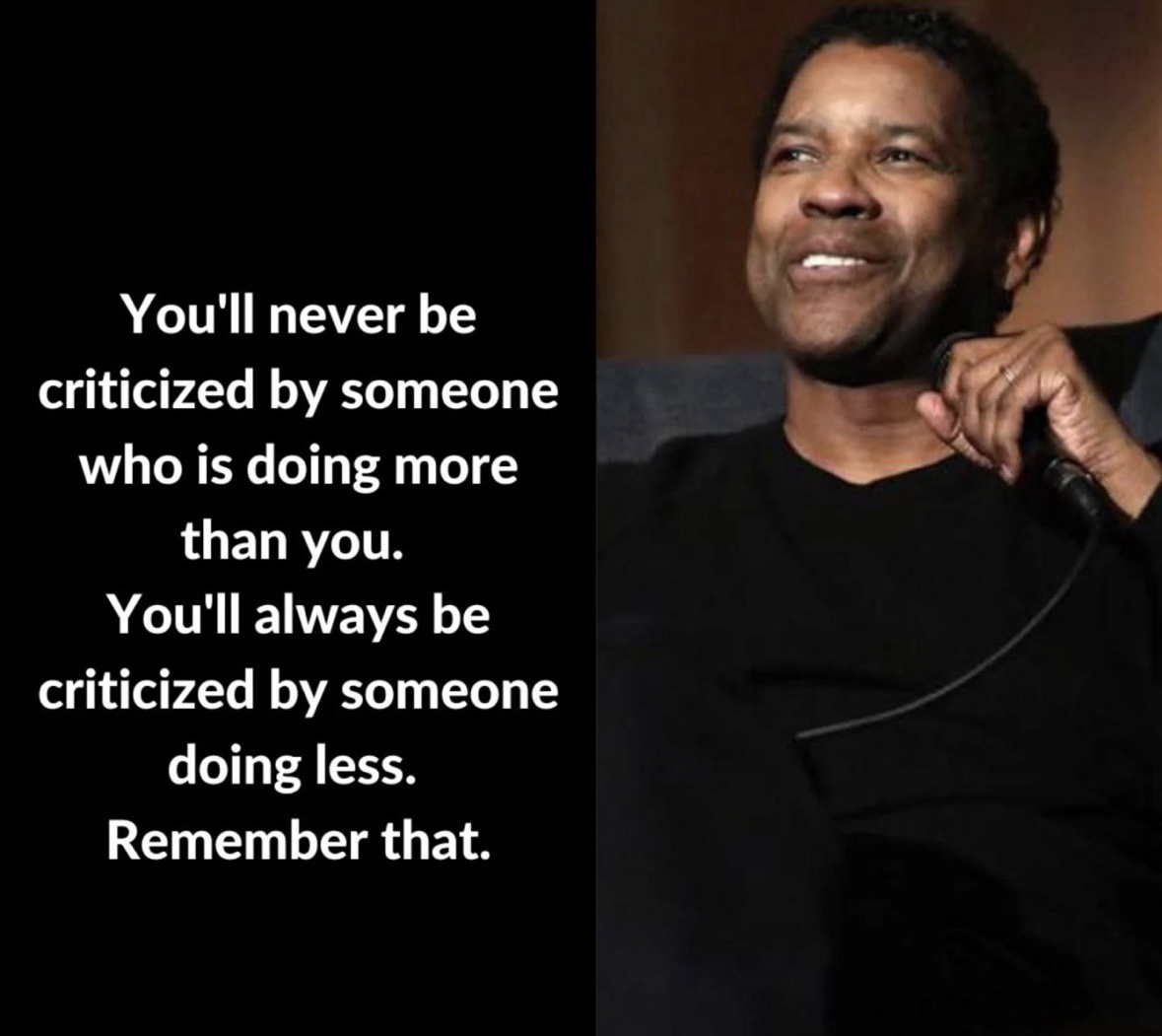
There’s a quote that floats around a lot: You’ll never be criticized by someone who is doing more than you. You’ll always be criticized by someone doing less. I’ve seen it attributed to famous names, but honestly, I don’t know if any of them actually said it. What I do know is this—whether the quote is authentic or not, the experience behind it feels painfully real.
If you’ve ever tried to build something—anything—you’ve probably felt this. A new habit. A creative project. A career move. A boundary. Growth has a way of inviting commentary. Not thoughtful feedback. Not guidance from people who’ve walked the road ahead of you. Just noise. Side remarks. Raised eyebrows. Subtle digs dressed up as “concern” or “just being honest.”
What’s interesting is where that noise usually comes from.
It rarely comes from people who are stretching themselves, risking failure, or living at the edge of their comfort zone. Those people are too busy doing the work. They’re too familiar with doubt to weaponize it against someone else. They know how fragile momentum can be, how hard it is just to show up again after a bad day.
The criticism usually comes from the sidelines. From people who haven’t moved in a while. From people who are watching instead of trying. From people who are unsettled by movement because it highlights their own stillness.
And here’s the uncomfortable part: their criticism isn’t really about you.
It’s about what your effort exposes.
When you decide to try, you break an unspoken agreement. The agreement that says, We’re all staying right here. Your growth becomes a mirror. And mirrors are not kind to avoidance. So instead of asking themselves hard questions, it’s easier to question you. Your motives. Your timing. Your confidence. Your ability.
“Who do you think you are?”
“Why now?”
“Do you really think this will work?”
Those questions sound like skepticism, but they’re often fear wearing a different face.
The tricky thing is that criticism can still sting, even when it’s unfair. Words land. Tone lingers. And if you’re already pushing against your own self-doubt, outside doubt can feel like confirmation. That’s usually when people shrink back, quiet down, or slow their pace—not because they were wrong, but because the noise got loud enough to distract them from their own direction.
But here’s something worth remembering: silence from critics doesn’t mean you’re doing great, and criticism doesn’t mean you’re doing something wrong. Sometimes it simply means you’re visible. And visibility always invites opinions.
People who are doing more than you don’t tend to criticize in careless ways. If they speak at all, it’s usually with context. With empathy. With an understanding of the weight of effort. They might challenge you, but it feels different. It feels constructive, grounded, earned. It comes from experience, not insecurity.
Everyone else? That’s just commentary.
You don’t need to absorb every opinion that reaches you. You don’t need to defend every choice or explain every step. Not everyone deserves a front-row seat to your process. Especially those who aren’t willing to risk anything themselves.
This doesn’t mean you’re above feedback or immune to being wrong. Growth still requires humility. But there’s a difference between learning from people who are walking ahead of you and being distracted by people who are sitting still.
So when criticism shows up, pause before reacting. Ask where it’s coming from. Ask whether it’s rooted in experience or discomfort. Ask whether it’s helping you move forward or quietly trying to pull you back.
Most of the time, the loudest voices aren’t the most credible ones. They’re just echoes from the cheap seats.
Keep doing the work. Keep moving. Let your progress speak louder than commentary ever could.
 Kenrick Vaz