
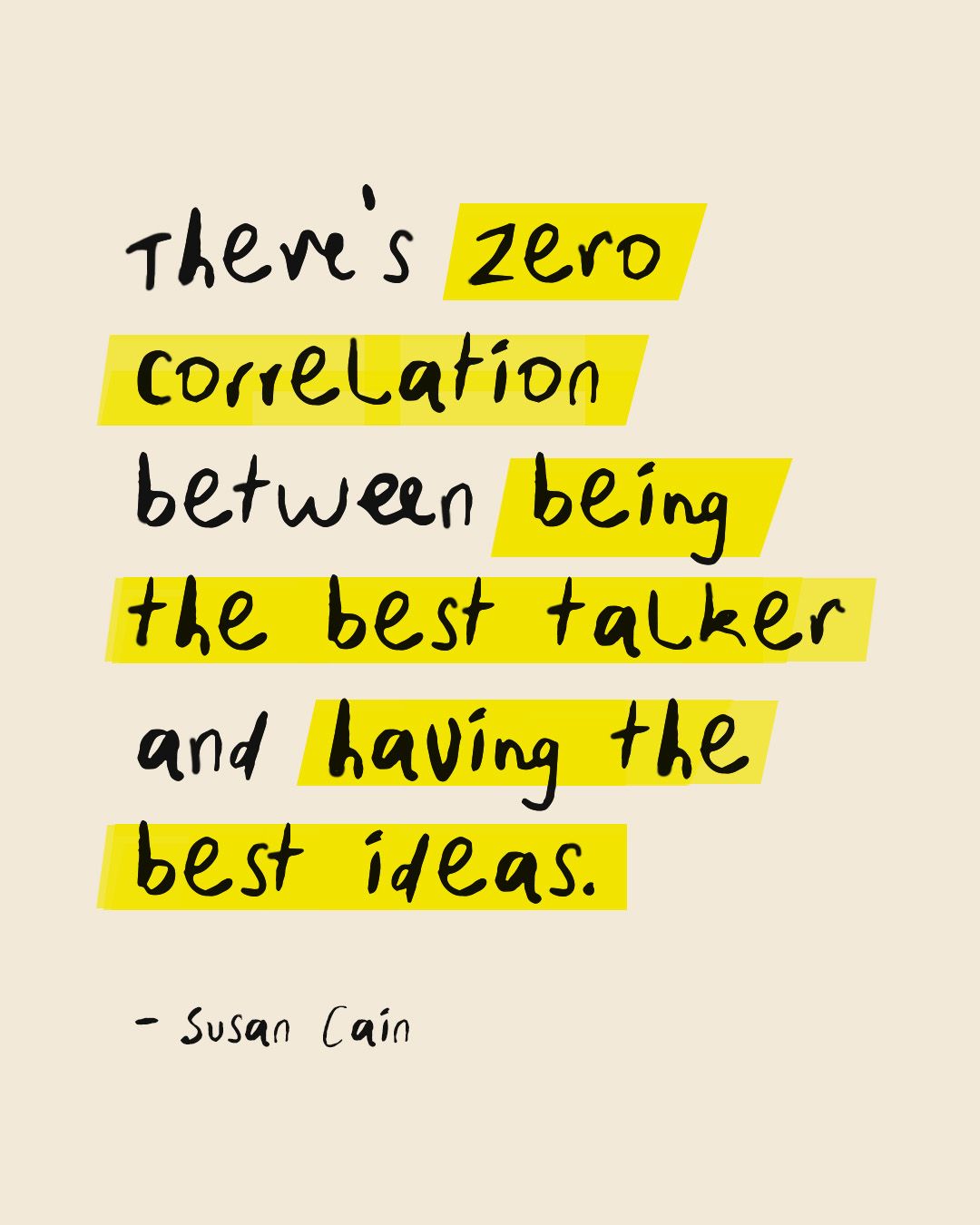
There’s a strange habit in meetings. We often assume the person who speaks with the most confidence must know the most.
Someone talks quickly. They have an answer for everything. They jump into every discussion. They can explain an idea in a way that sounds polished and convincing.
Then someone else sits quietly, listens, thinks, and finally says something that changes the direction of the conversation.
The second person may have had the better idea all along.
Being a great communicator is a valuable skill. It helps you explain complex things, influence decisions, build relationships, and get people to pay attention. But speaking well and thinking well are two different abilities.
A person can give an impressive presentation about a weak idea.
Another person can struggle to explain an excellent idea.
That distinction matters at work.
I’ve seen meetings where the discussion starts with a problem and quickly turns into a competition over who can respond first. The fastest speaker gets heard. The most confident person gets attention. Everyone else starts reacting to what has already been said.
That can push good ideas out of the room.
Some of the best thinking happens before anyone says a word.
Someone might spend an hour looking at customer feedback, studying the data, talking to the people who use the product, or understanding why a problem keeps coming back. When they finally speak, they may only need two minutes to explain what they found.
Their contribution can sound simple because they did the hard thinking beforehand.
We should also be careful about confusing confidence with competence.
Confidence tells you how comfortable someone is expressing an opinion. It tells you very little about whether the opinion is right.
You can sound completely certain and still be wrong.
You can also have a great idea and hesitate because you’re still working through the details.
That happens to smart people all the time.
The workplace often rewards visibility, though. People who speak frequently can appear more engaged. People who ask sharp questions can appear more knowledgeable. People who dominate conversations can gradually become the people everyone looks to for answers.
That creates a problem when teams start valuing presentation skills more than the quality of thinking behind them.
The solution isn’t to make everyone quiet. Great ideas need people who can communicate them clearly.
The better approach is to create enough space for ideas to develop before the conversation becomes a race.
Send the question before the meeting. Give people time to think. Ask the quieter person what they think. Let someone finish a thought without immediately jumping in with another opinion.
And pay attention to the idea itself.
Ask simple questions.
Does it solve the problem?
What evidence supports it?
What happens if we try it?
What could go wrong?
What did we learn from the last time we faced something similar?
Those questions tell you much more than how confidently someone speaks.
There’s another lesson here for anyone who doesn’t naturally dominate a room.
You don’t need to become the loudest person to make an impact.
Prepare well. Know your subject. Listen carefully. When you have something useful to add, say it clearly.
Your idea doesn’t become less valuable because someone else explained theirs with more energy.
Some people think out loud.
Others think first and speak later.
Both can contribute. The strongest teams learn to recognize the difference between a person who talks well and a person who has something worth saying.
The next time someone gives a brilliant five-minute explanation, pay attention to the thinking behind it.
Then pay attention to the person who has been listening quietly for the last twenty minutes.
They might be the one who has the idea that moves everything forward.

