
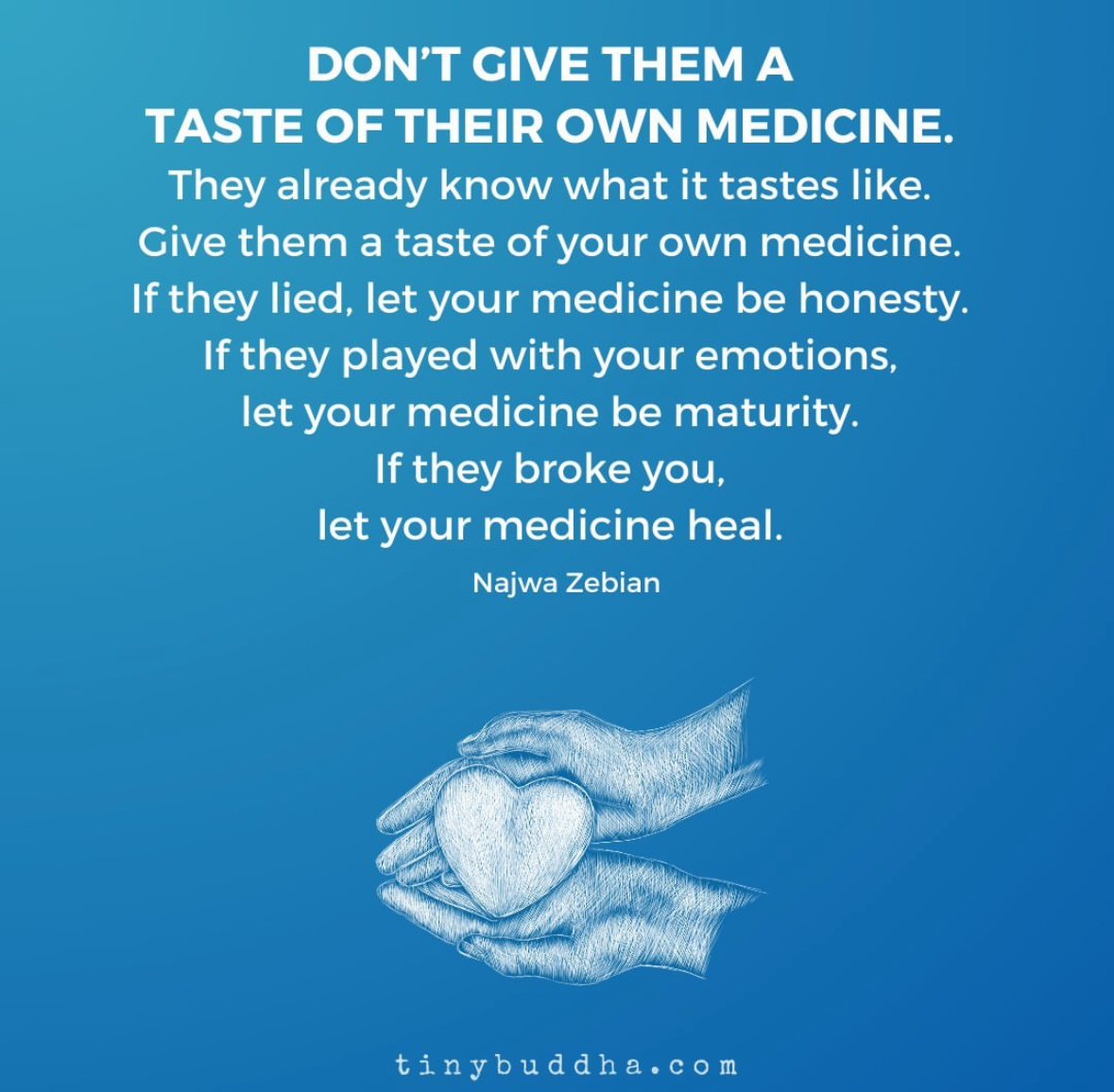
In the realm of human interactions, conflicts and disagreements are inevitable. When faced with hostility or unkindness, the instinctive reaction is often to reciprocate in kind, giving others a taste of their own medicine. However, there is a more profound and effective approach: responding with the opposite, with kindness and understanding.
Imagine a world where, instead of mirroring the negativity we receive, we choose to counter it with compassion. This concept, while seemingly counterintuitive, can have transformative effects on both personal relationships and broader social dynamics. When someone lashes out, it’s typically a reflection of their inner turmoil, stress, or pain. Responding with kindness can disrupt this cycle of negativity, offering a moment of connection and potential understanding.
Research supports the idea that positive interactions can lead to better outcomes in conflicts. Studies in psychology have shown that kindness can diffuse anger and open pathways to more constructive communication. By breaking the cycle of negativity, we not only protect our own peace of mind but also create an opportunity for healing and growth in the relationship.
One practical example of this approach is in customer service. Employees who respond to irate customers with patience and empathy often find that the customer’s anger dissipates more quickly, leading to a more satisfactory resolution for both parties. Similarly, in personal relationships, responding to a partner’s criticism with understanding rather than defensiveness can lead to a more productive and loving conversation.
This approach also aligns with many philosophical and religious teachings. For instance, the concept of “turning the other cheek” in Christianity advocates for responding to aggression with nonviolence. Similarly, many Eastern philosophies emphasize compassion and understanding as a means to resolve conflicts and achieve inner peace.
Giving people a taste of their own medicine may provide a momentary sense of satisfaction, but it often perpetuates a cycle of negativity and conflict. By choosing to respond with kindness and understanding, we not only foster more positive interactions but also contribute to a more compassionate and harmonious world. This approach requires strength and patience, but the rewards — improved relationships, personal peace, and a more connected community — are well worth the effort.
 Kenrick Vaz