
I’ve met people who make you watch every word before you say it.
You know the feeling. You start telling them something, then stop halfway because you’re already wondering how they’ll use it later. You hide the messy parts. You soften what you feel. You give them the edited version of your life because the full version doesn’t feel safe in their hands.
Spend enough time around that and you learn to protect yourself.
Then, every once in a while, you meet someone different.
You can tell them you’re struggling without getting a lecture. You can admit you made a terrible decision without watching their opinion of you change in real time. You can say something clumsy and trust that they’ll ask what you meant before deciding who you are.
Those people are rare.
I used to think a safe space was somewhere you found. A certain friend. A relationship. A family. Maybe a community where you finally felt understood.
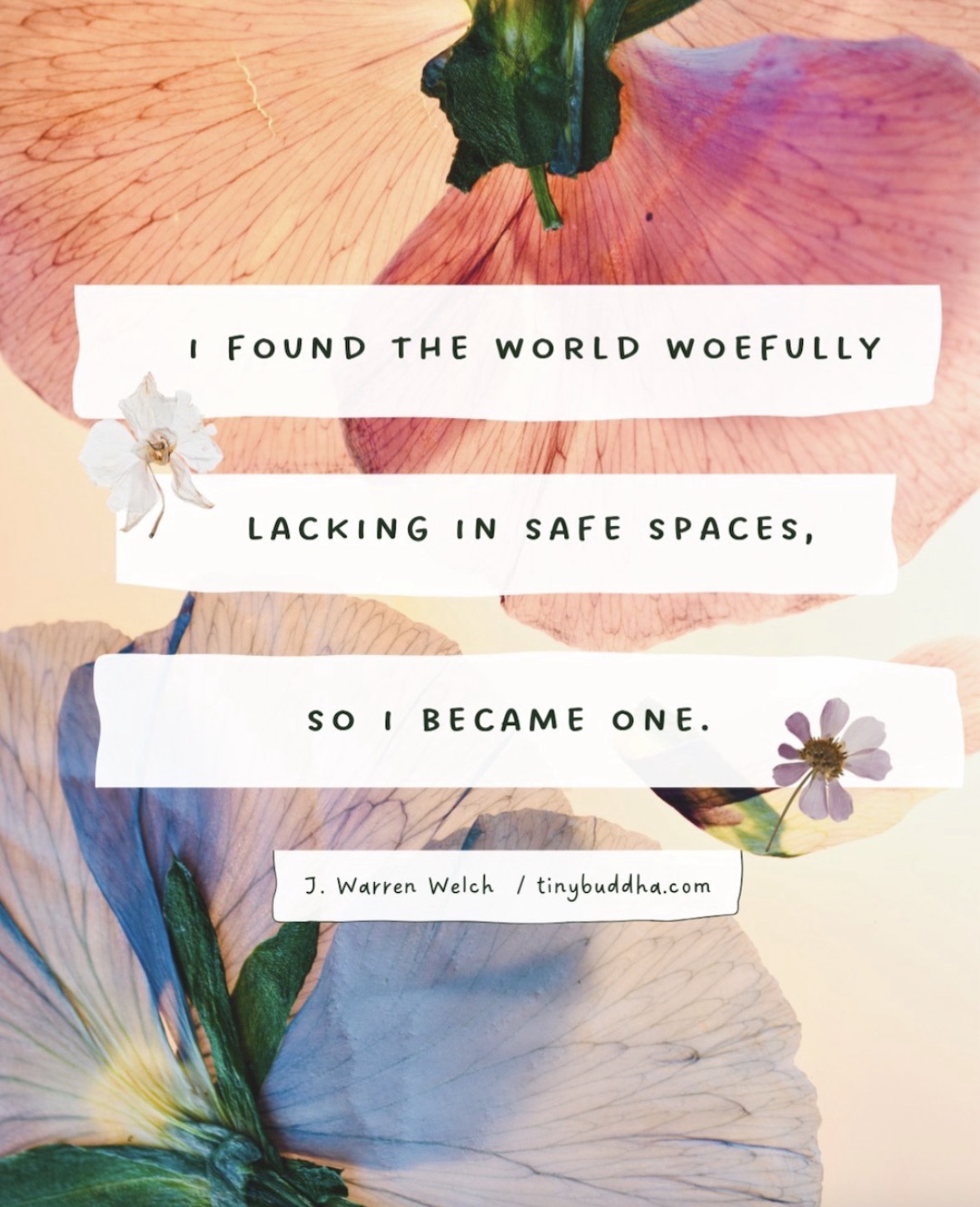
Then I started thinking about what happens when you can’t find one.
You become one.
That idea has stayed with me.
Being a safe person doesn’t require having perfect advice. Most of the time, advice isn’t what people are looking for anyway. Sometimes someone just needs to finish the sentence they’ve been afraid to say out loud.
That takes restraint.
When someone tells you something personal, your first job is to listen. Their story doesn’t need to become your story. Their mistake doesn’t need an immediate verdict. Their pain doesn’t need a motivational speech five seconds after they tell you about it.
Sometimes the kindest response is simply, “Tell me more.”
Safety also shows up in what happens after the conversation.
You don’t turn someone’s vulnerable moment into dinner-table entertainment. You don’t casually mention what they trusted you with because everyone else already seems to know. You don’t save their weakest moment as ammunition for the next argument.
Trust is built in these small decisions.
I think about the people in my own life and what I want them to feel around me.
I want my family to know they can come home after getting something badly wrong and still talk about it. I want friends to know they can call when life looks nothing like the version they post online. I want people I work with to be able to say, “I don’t know,” without feeling smaller for saying it.
Especially children.
A child who knows home is safe learns that mistakes can be spoken about. They learn that questions are welcome. They learn that telling the truth is worth the risk because love isn’t waiting on the other side with a scorecard.
That kind of safety gets built slowly.
It happens when someone spills something and you don’t explode. When they admit what happened before you discovered it yourself. When they tell you they’re scared and you resist telling them there’s nothing to be scared of. Their fear is already there. Sitting beside them while they work through it can matter more than trying to erase it.
Adults need this too.
We get better at hiding it, that’s all.
We say “I’m good” while carrying things we haven’t told anyone. We laugh at dinner, answer emails, join meetings, pay bills, put the kids to bed and keep moving. Someone looking from the outside might never know how much noise is running through our heads.
Imagine being the person around whom someone can finally put all of that down for a while.
There’s responsibility in that.
If someone trusts you with the unpolished version of themselves, handle it carefully. They may remember your reaction long after you’ve forgotten the conversation. One raised eyebrow can shut a door. One joke at the wrong moment can make someone decide they’ll never bring that subject up again.
The opposite is also true.
A calm response can stay with someone for years.
“I’m here.”
“You can tell me.”
“We’ll figure it out.”
“I still think the same of you.”
A few ordinary words can change the temperature of a room.
The world has enough places where people feel measured, compared, judged and watched. Social media gives us plenty of that. Work can give us plenty more. Even friendships and families sometimes become places where everyone performs the version of themselves least likely to cause trouble.
So I like this idea of becoming what you once went looking for.
If you wished someone had listened to you, listen.
If you wished someone had kept your confidence, keep theirs.
If you once needed a person who could sit beside you without trying to fix you, learn how to sit beside someone.
Maybe you spent years searching for a safe place.
Maybe, somewhere along the way, you became one.

