
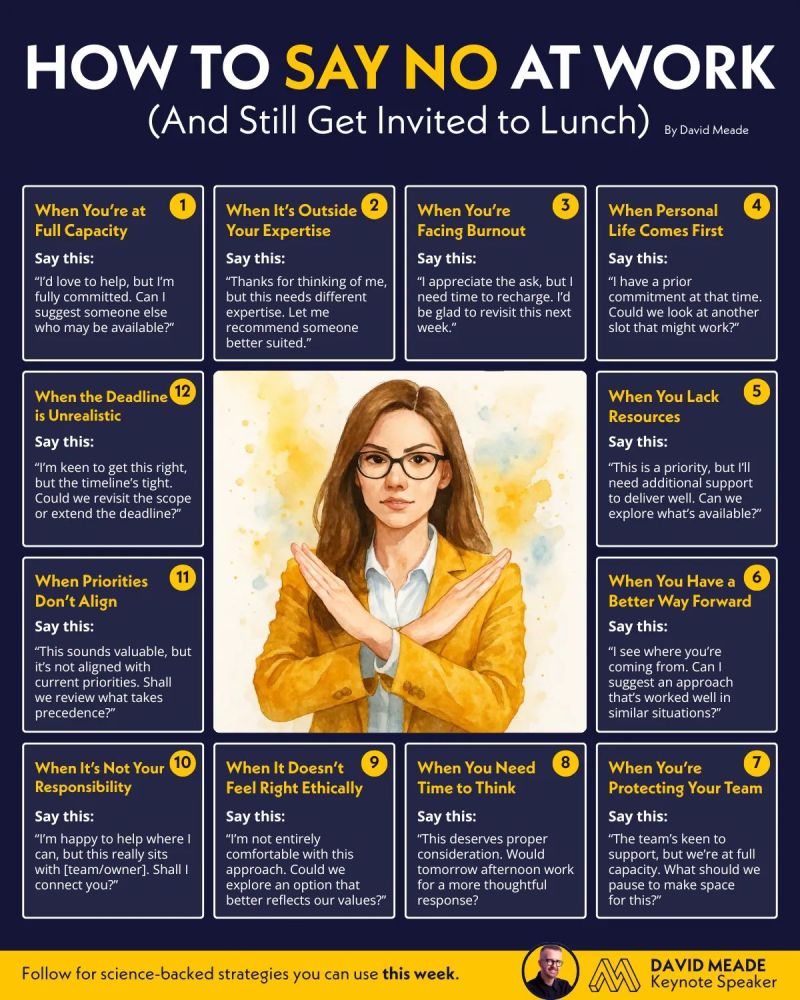
Saying yes to everything is a fast track to burnout. Saying no (the right way) is how high performers stay: — Respected— Focused— In control Here are 12 ways to say no(while still being sort of lovely): 1. When You’re at Full Capacity “I’d love to help, but I’m fully committed. Can I suggest someoneContinue reading “How to Say No”
Author Archives: Kenrick Vaz
The Wheel of Executive Presence
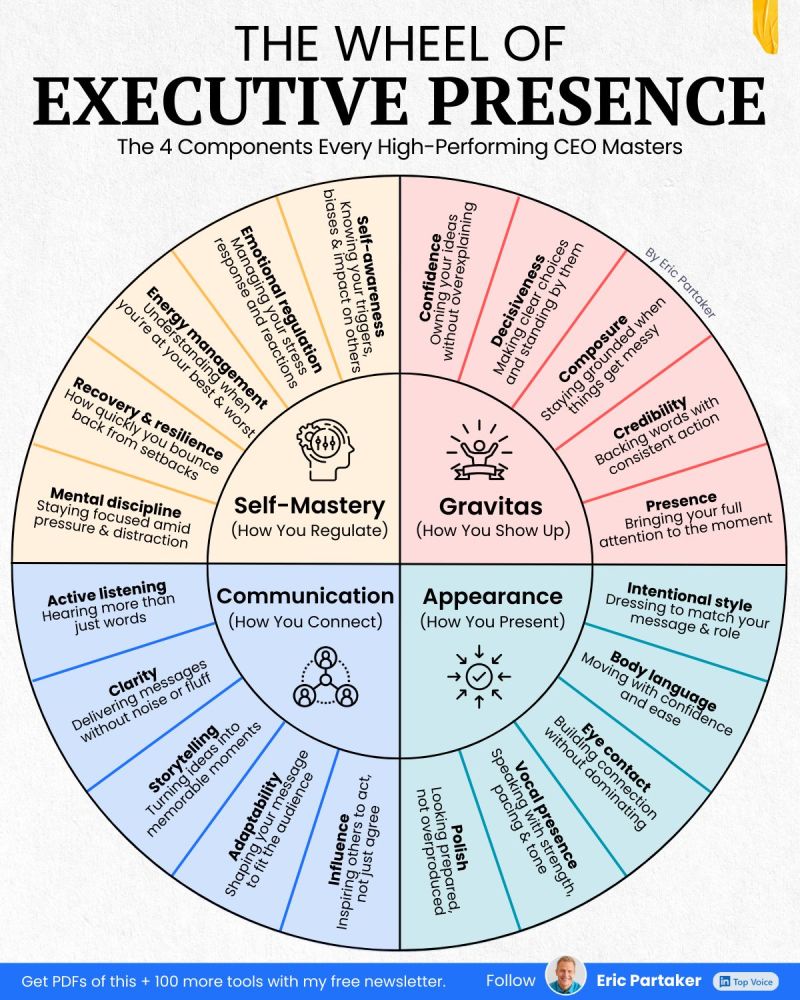
Yes, communication is important. But you have to listen to lead. Not just give orders. Equally important? How you show up (Gravitas)How you present (Appearance)How you regulate (Self-Mastery) Executive presence is how you lead under pressure.Show up in key moments.Earn trust without needing to say much at all. And the best CEOs?They’re working on itContinue reading “The Wheel of Executive Presence”
The First Morning of the Year

New Year’s Day arrives without noise. The fireworks are over. The countdown has faded. What’s left is a quieter kind of magic—the kind that feels like a deep breath after a long night. The first morning of the year has a different weight to it. It doesn’t ask you to rush or resolve everything allContinue reading “The First Morning of the Year”
How to Write A Conference Talk
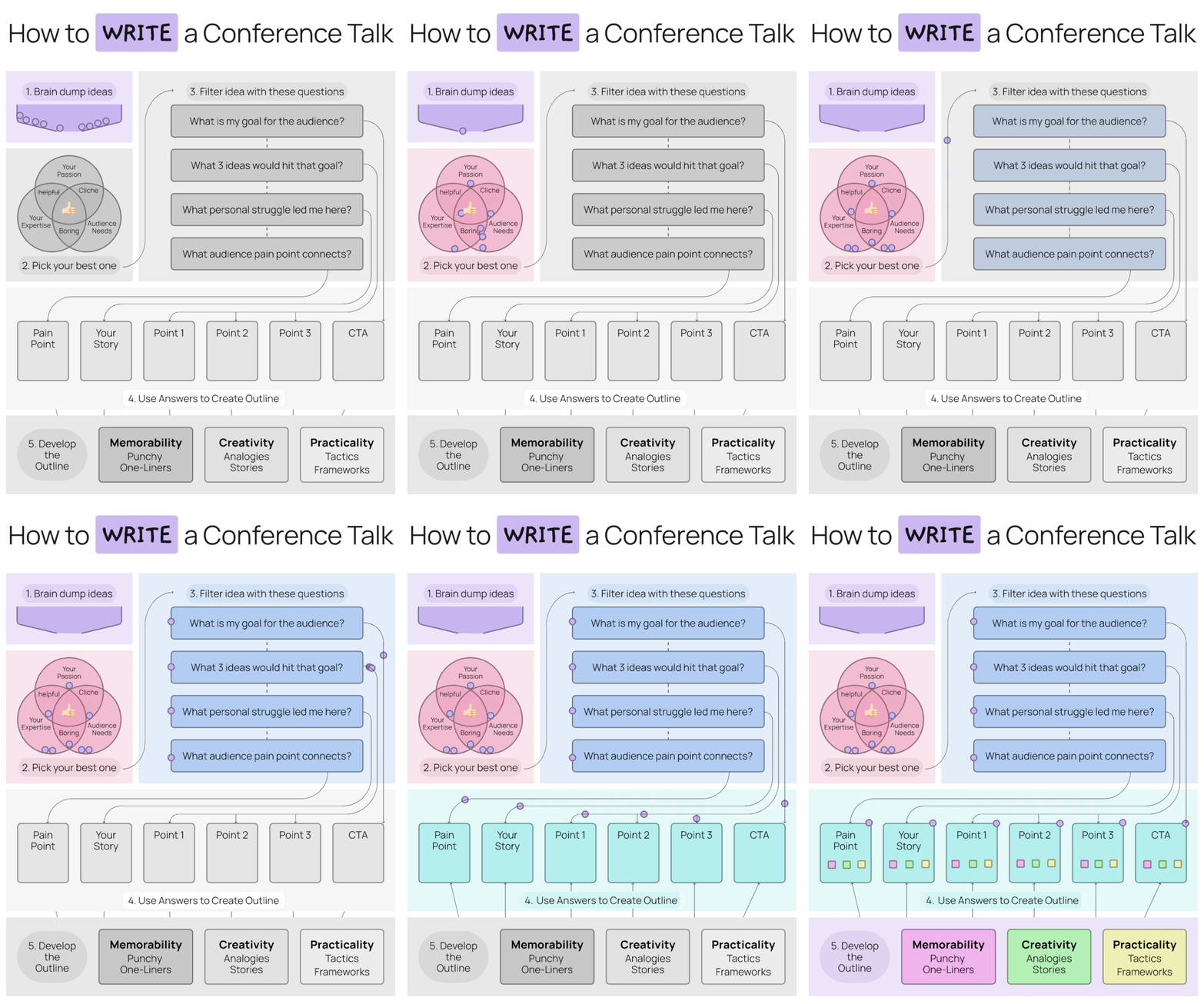
Some can initially win a room by sheer personality. → Raw confidence→ Natural humor→ Good looking People will often mention these speakers after: → “Have you heard of her before?”→ “She was the funny one!”→ “He was so cool!” But though they MAY remember the SPEAKER… …here’s what they DON’T remember: 👉🏻 The talk itself.Continue reading “How to Write A Conference Talk”
The Iceberg of Toxic Culture
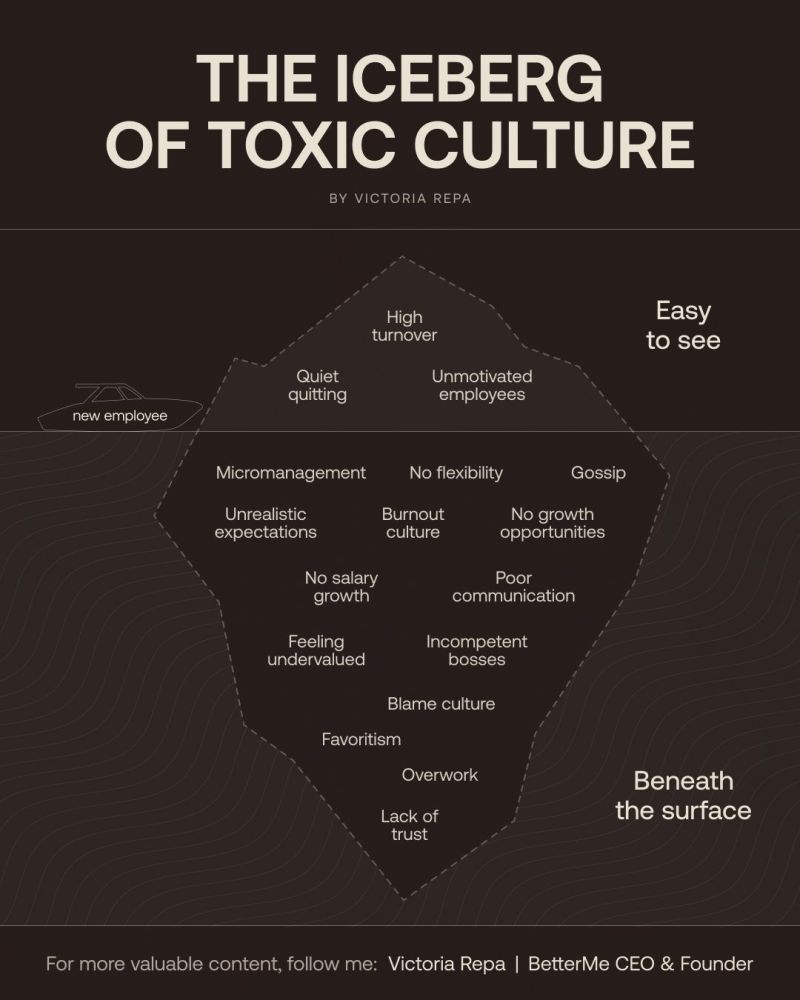
Toxic Work Culture. Most candidates focus on: ↳ Salary.↳ Job responsibilities.↳ Benefits and team activities. I used to do the same.And yes, these things matter. But none of it will matter if you step into a toxic environment. What’s easy to spot in the first few weeks: ➟ High turnover➟ Unmotivated employees➟ Quiet quitting What’sContinue reading “The Iceberg of Toxic Culture”
How to Handle Disrespect
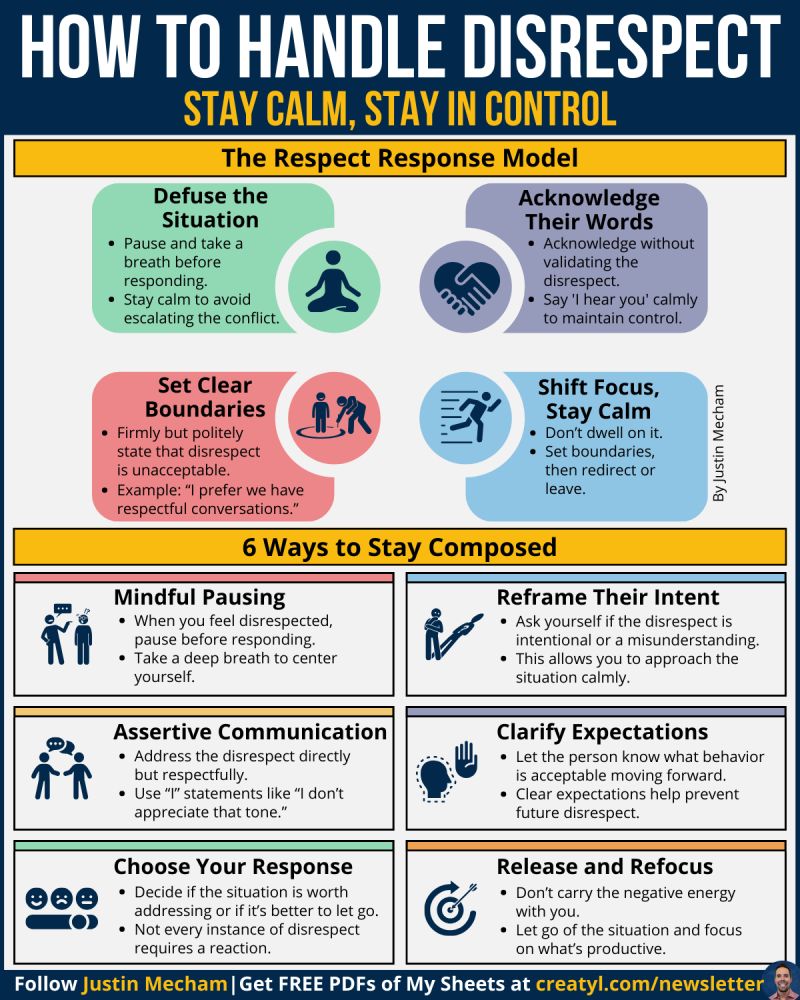
They crossed the line— Now it’s your move: Most people think disrespectis about what was said. It’s not. It’s about what happens next. That’s where your real power shows up. You can’t control someone else’s tone, ego,or behavior—but you can decide whatyou will do in the moment. And that choice is what keeps you inContinue reading “How to Handle Disrespect”
The Quiet Kind of Magic

We spend a lot of time chasing the loud version of magic. The kind that sparkles from a distance. The kind that photographs well. Lights strung just right. Gifts wrapped with precision. Homes that look like they belong on a holiday card. It’s easy to believe that magic lives there—on display, waiting for approval. ButContinue reading “The Quiet Kind of Magic”
Negotiate Like a Donkey (Not a Peacock)
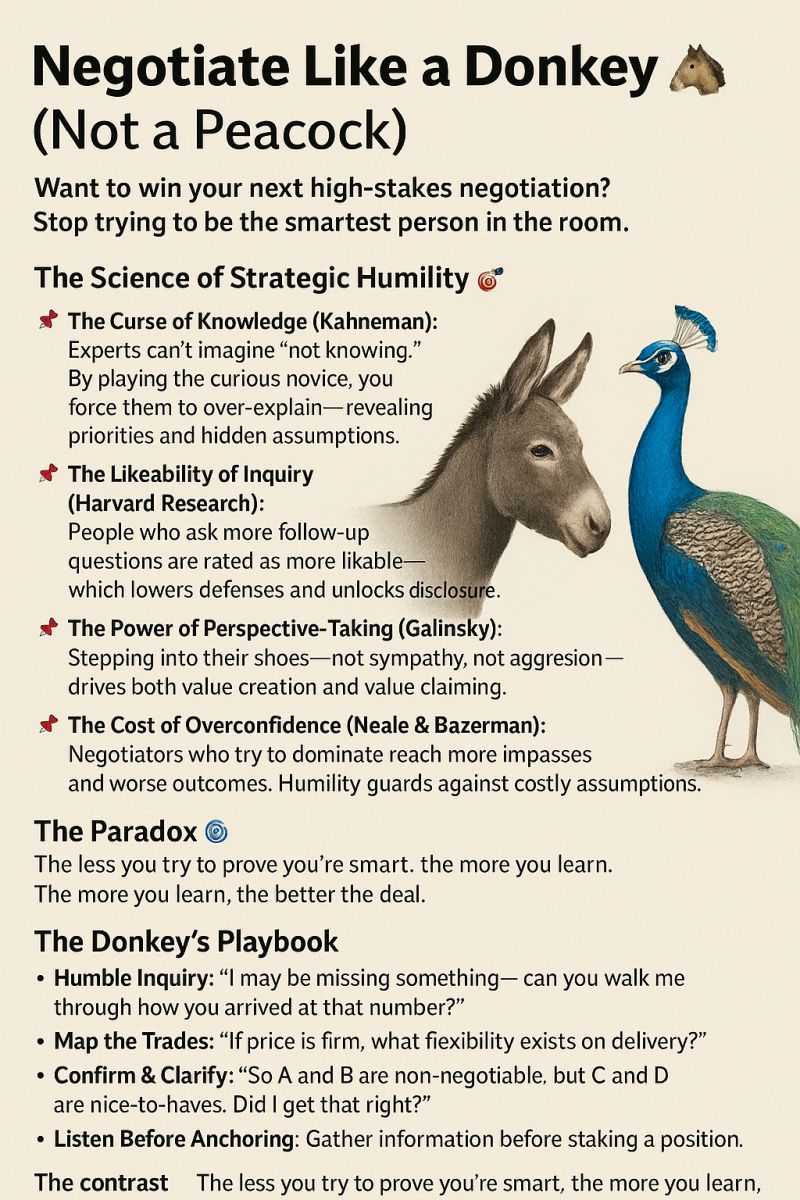
Want to win your next high-stakes negotiation? Stop trying to be the smartest person in the room. The flashy Peacock negotiator leads with expertise, confidence, and fast anchors.The humble Donkey negotiator? Patient. Steady. Inquisitive. Deceptively simple.And paradoxically—the donkey wins more. The Science of Strategic Humility 🎯📌 The Curse of Knowledge (Kahneman):Experts can’t imagine “not knowing.”Continue reading “Negotiate Like a Donkey (Not a Peacock)”
Navy Seal Mantras
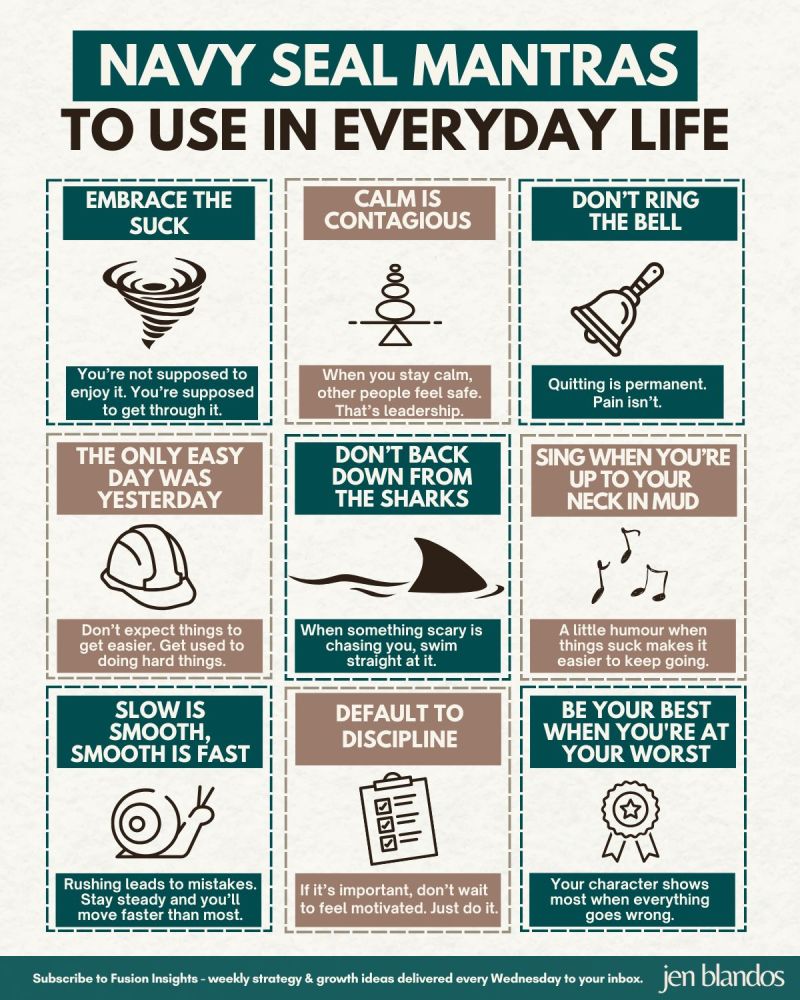
What can the military teach us about resilience? A lot, it turns out. These 9 mantras used by Navy SEALs can help navigate everyday stress, tough decisions and personal growth. 1/ Embrace the suck↳ You’re not supposed to enjoy hard things. You’re supposed to finish them. 2/ Calm is contagious↳ Your presence matters. Composure isContinue reading “Navy Seal Mantras”
7 Habits of Effective Leaders
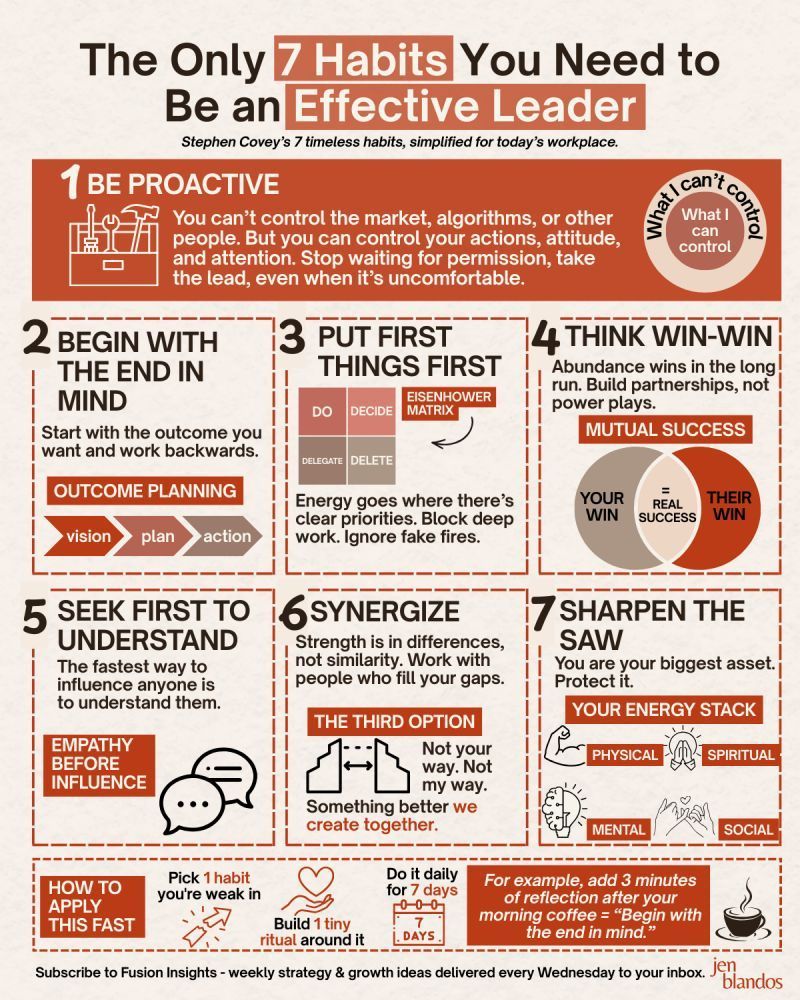
Stephen Covey’s 7 Habits were published in 1989.But in today’s world of burnout and “busywork” – they’re more relevant than ever. This is the cheat sheet I wish every manager, founder, and exec had on their wall. Because “high performance” isn’t about doing more.It’s about doing the right things, in the right way. If youContinue reading “7 Habits of Effective Leaders”
 Kenrick Vaz