

70% of change initiatives fail.
(And it’s rarely because the idea was bad.)
Here’s what actually kills transformation:
You picked the wrong change model for the job.
It’s like performing surgery with a hammer.
Sure, you’re using a tool. But it’s the wrong one.
I’ve watched brilliant CEOs tank their companies this way:
Using individual coaching (ADKAR) for company-wide transformation.
Result: 200 people change. 2,000 don’t.
Running a massive 8-step program for a simple process fix.
Result: 6 months wasted. Team exhausted. Nothing changes.
Forcing top-down mandates when they needed subtle nudges.
Result: Rebellion. Resentment. Resignation letters.
Here’s what nobody tells you about change:
The size of your change determines your approach.
Real examples from the field:
💡 Startup pivoting product:
→ Used Lewin’s 3-stage (unfreeze old way, change, refreeze)
→ 3 months. Clean transition. Team aligned.
💡 Enterprise going digital:
→ Used Kotter’s 8-step process
→ Created urgency first. Built coalition. Enabled action.
→ 18 months later: $50M in new revenue.
💡 Sales team adopting new CRM:
→ Used Nudge Theory
→ Made old system harder to access
→ Put new system as browser homepage
→ 95% adoption in 2 weeks. Zero complaints.
The expensive truth:
Wrong model = wasted months + burned budgets + broken trust
Right model = faster adoption + sustained results + energized teams
Warning signs you’re using the wrong model:
• High activity, low progress
• People comply but don’t commit
• Changes revert within weeks
• Energy drops as you push harder
• “This too shall pass” becomes the motto
Match your medicine to your ailment:
Small behavior change? Nudge it.
Individual performance? ADKAR it.
Cultural shift? Influence it.
Full transformation? Kotter it.
Enterprise overhaul? BCG it.
Stop treating every change like a nail.
Start choosing the right tool for the job.
Your next change initiative depends on it.
Your team’s trust demands it.
Your company’s future requires it.
Save this. Share it with your leadership team.
Because the next time someone says “people resist change,” you’ll know the truth:
People don’t resist change.
They resist the wrong approach to change.
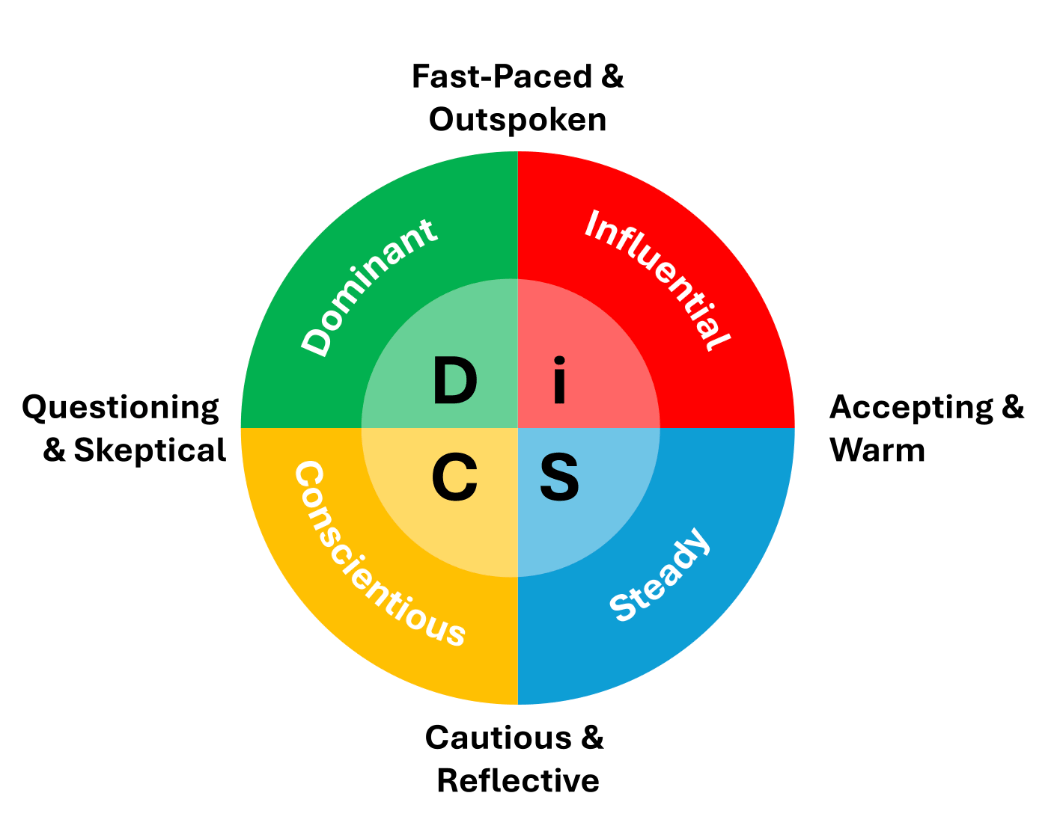
D.I.S.C.
They’re not difficult people.
You’re just speaking different languages:
As a leader or innovator, your breakthrough ideas mean nothing if you can’t translate them for the people who matter.
Your CFO needs ROI and risk assessment.
Your creative team needs vision and energy.
Your operations lead needs stability and process.
Your engineering manager needs specifications and logic.
Same idea.
Four different languages.
This is DISC.
𝗧𝗵𝗲 𝟰 𝗯𝗲𝗵𝗮𝘃𝗶𝗼𝗿𝗮𝗹 𝘀𝘁𝘆𝗹𝗲𝘀 𝘁𝗵𝗮𝘁 𝗱𝗲𝘁𝗲𝗿𝗺𝗶𝗻𝗲 𝘄𝗵𝗲𝘁𝗵𝗲𝗿 𝘆𝗼𝘂𝗿 𝗶𝗱𝗲𝗮𝘀 𝗴𝗲𝘁 𝘁𝗿𝗮𝗰𝘁𝗶𝗼𝗻:
𝗗 (𝗗𝗼𝗺𝗶𝗻𝗮𝗻𝘁): Bottom line up front. “Here’s what we’ll achieve.” Skip the journey, give the destination.
𝗜 (𝗜𝗻𝗳𝗹𝘂𝗲𝗻𝘁𝗶𝗮𝗹): Energy and possibility. “This is going to transform how we work.” Paint the excitement.
𝗦 (𝗦𝘁𝗲𝗮𝗱𝘆): People and stability. “Here’s how we’ll support everyone through this change.” Address the human side.
𝗖 (𝗖𝗼𝗻𝘀𝗰𝗶𝗲𝗻𝘁𝗶𝗼𝘂𝘀): Data and proof. “Based on this analysis…” Bring receipts.
𝗥𝗮𝗽𝗽𝗼𝗿𝘁 𝗯𝗲𝗳𝗼𝗿𝗲 𝗿𝗲𝘀𝘂𝗹𝘁𝘀. You can have the best strategy in the room, but if you’re speaking data to someone who needs vision (or vision to someone who needs data), you’re dead in the water.
Your stakeholder management will make or break your long-term success. It’s the difference between being right and being effective.
𝗧𝗵𝗲 𝟲𝟬-𝘀𝗲𝗰𝗼𝗻𝗱 𝗱𝗲𝗰𝗼𝗱𝗲:
1. Watch their pace (fast vs. measured)
2. Listen for their focus (tasks vs. people)
3. Test with a keyword (results/exciting/team/analysis)
4. Adapt immediately
The most successful leaders aren’t the smartest.
They’re the most adaptable communicators.
Which style is your biggest stakeholder challenge?
The Trap of Assumptions

Assumptions seem small—
But they cause big problems:
Most damage doesn’t come from lies.
It comes from things we never checked.
You can’t fix what you never saw.
Assumptions hide what matters most.
Assumptions can cause:
❌ Lost trust fast
❌ Missed insight
❌ The wrong hire
❌ Wasted meetings
❌ Delayed progress
❌ Unclear next steps
❌ Bad product choices
❌ Poor feedback loops
❌ Conflict that lingers
❌ Dead-end projects
❌ Silent resentment
❌ Broken client ties
❌ Poor decisions
❌ A missed sale
❌ Team tension
To stop guessing, use my REAL steps:
✅ Recognize when you’re guessing.
✅ Explore to find the facts.
✅ Learn from your mistakes.
✅ Align your thoughts with what’s true.
Every assumption comes with a cost.
Sometimes it’s small.
Sometimes it’s your reputation.
Truth isn’t louder—it’s just buried.
Digging for it always pays off.
Culture

You don’t hate your job.
You hate feeling alone in it.
👉 Doing your best, but no one notices.
👉 Sharing ideas, but no one listens.
👉 Showing up every day… but still feeling like you don’t belong.
That’s not a workload problem.
That’s a culture problem.
“Work becomes meaningful when culture turns colleagues into collaborators— and collaborators into champions.”
The best teams?
They see each other.
They support each other.
They win together.
Not because it’s easy.
But because the culture makes it safe to try, fail, speak up, and grow.
If you’ve ever worked in a place like that—you know how powerful it is.
If you haven’t… this is your sign to help build it.
Because culture isn’t a company perk.
It’s the reason people stay.
Or the reason they start looking elsewhere.
Tag someone who makes work feel like a team sport.
And if you’ve ever felt lonely at work—just know you’re not alone.
The Softest Hearts Come from the Hardest Battles
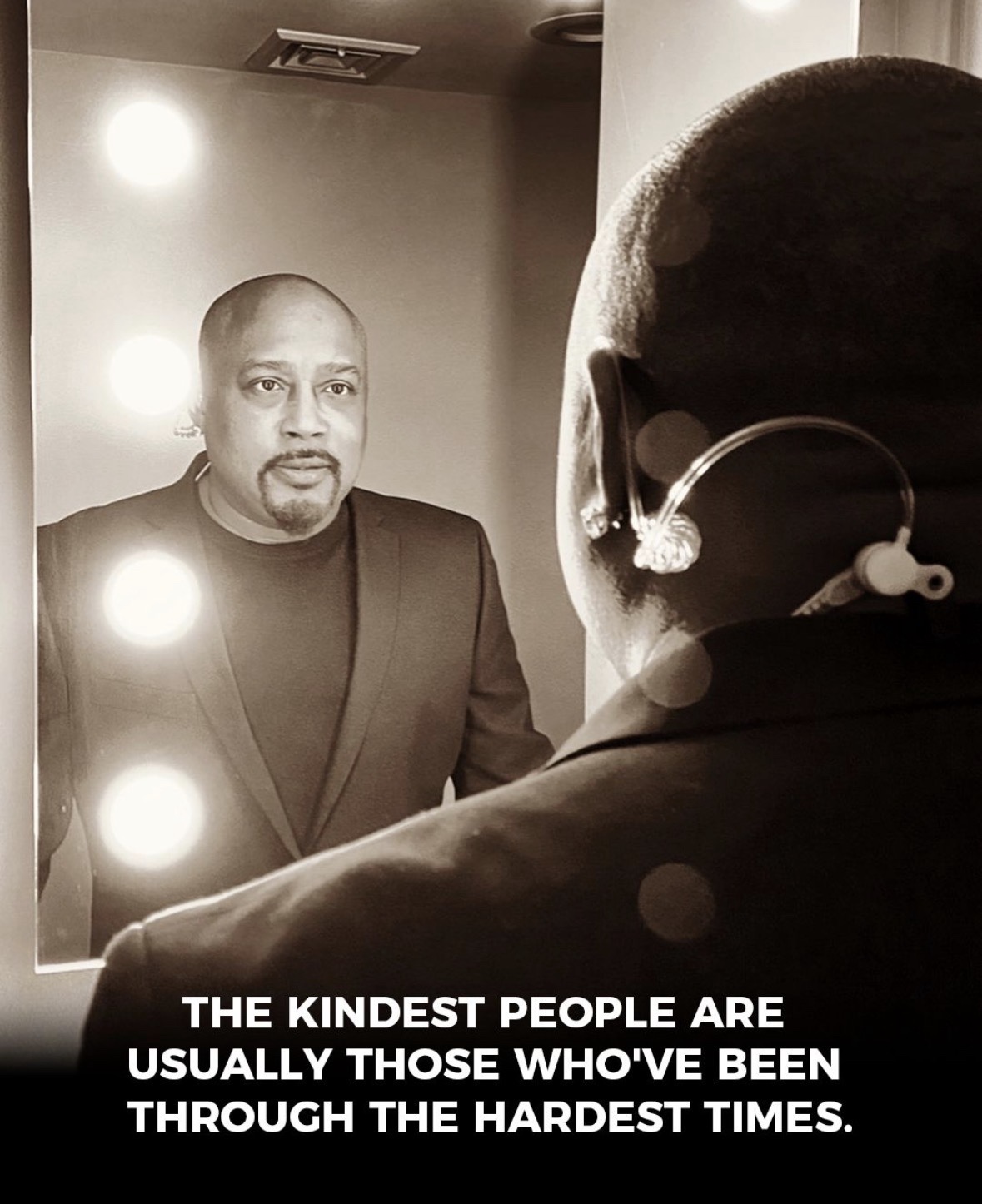
It’s funny how life works sometimes. You’d think the people who’ve been through the worst storms would come out hardened, bitter, maybe even a little cold. But more often than not, they’re the ones who greet you with the warmest smiles, listen without judgment, and love the deepest.
The kindest people are rarely the ones who’ve had it easy. They’re the ones who’ve been bruised by disappointment, knocked down by loss, and stretched thin by struggle — yet somehow, they still choose compassion. They know what it feels like to be unseen, unheard, or misunderstood, so they go out of their way to make sure no one else feels that way around them.
They’ve learned that empathy isn’t weakness — it’s strength in its purest form. It’s what remains when pride and ego have been stripped away. Pain can break you, but it can also bend you toward grace. And when you’ve sat in darkness long enough, you start to recognize even the faintest flicker of light in others.
Kind people don’t wear their past like armor; they wear it like wisdom. They don’t need to prove how tough they are because they already know. They’ve walked through fire, and instead of spreading flames, they now carry water.
So when you meet someone who radiates calm, patience, and understanding — remember, that didn’t come for free. That softness was earned. Behind every gentle word and generous act lies a story of survival, of choosing love over bitterness, of finding beauty where there was once only pain.
The kindest people aren’t just kind by nature — they’re kind by choice. And that choice, made day after day despite what they’ve been through, is what makes their kindness extraordinary.
Cold Outreach

Cold calls make everyone cringe.
They’re awkward to make.
And no one enjoys receiving them.
But if you’re trying to grow your practice,
the alternative can feel unclear.
So you stay stuck. You want to build relationships…
But you don’t want to be:
❌ Pushy.
❌ Salesy.
❌ Transactional.
Here’s the good news:
You don’t need cold outreach to grow
your book of business.
There are smarter ways to get in front
of the right people.
Ways that feel natural, not forced.
Here’s where to begin (no cold calls required):
1. Warm Introductions
↳ Referrals feel formal. Intros feel natural.
↳ Ask one client. Be clear and specific.
↳ Less pressure = more yes.
2. Strategic Gifting
↳ Give value before asking for time.
↳ Send a sharp article or a quick idea.
↳ Keep it timely and easy to receive.
3. Thought Leadership
↳ Teach in public, earn trust in private.
↳ Use stories, not just stats.
↳ Show how you think, not just what you do.
4. Campaign of Helpfulness
↳ One touch isn’t enough.
↳ Plan 3–4, spaced out over time.
↳ Make each one relevant, not random.
The goal isn’t to chase more leads.
It’s to create more moments of trust.
Start where the trust already is.
And build from there.
Which one will you try first?
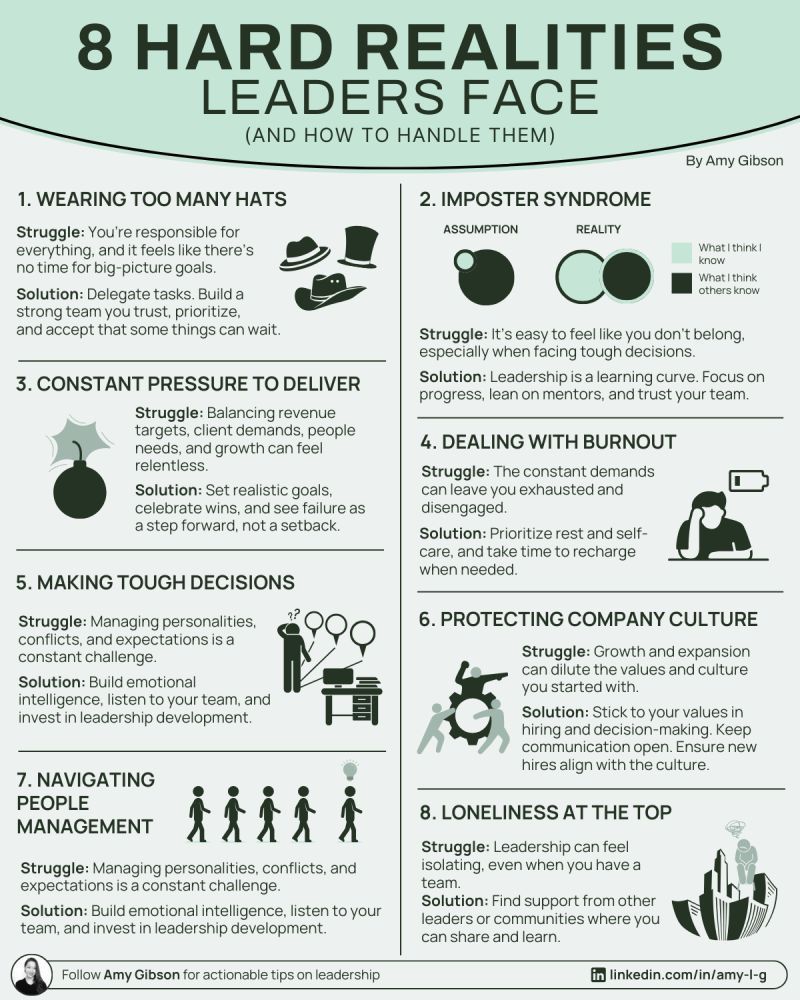
8 Hard Realities Leaders Face
Let’s get real for a moment.
Being a leader is tough.
Especially when you’re running a large team.
Here are 8 hard realities leaders face
and how to stay on top of them:
1. Wearing too many hats:
↳ Delegate tasks.
↳ Build a strong team.
2. Imposter syndrome:
↳ Set realistic goals.
↳ Celebrate your wins.
3. Constant pressure to deliver:
↳ Focus on progress.
↳ Trust your team.
4. Burnout:
↳ Prioritize rest and self-care.
↳ Say “no” to low-importance requests.
5. Making tough decisions:
↳ Build emotional intelligence.
↳ Invest in development.
6. Protecting company culture:
↳ Stick to values in hiring.
↳ Lead by example.
7. People management:
↳ Listen to your team.
↳ Develop their leadership skills.
8. Loneliness at the top:
↳ Find support from other leaders or communities.
At times, everything can feel overwhelming.
But here’s the thing:
Leadership is also incredibly rewarding.
It’s also about:
1. Helping others grow
2. Building amazing teams
3. Learning new things every day
4. Creating lasting change
5. Bringing ideas to life
6. Making a big impact
Yes, the path of a leader can be steep.
But the view from the top?
Makes every hardship worth it.
When the Storm Doesn’t Stop

Sometimes the waves don’t quiet down. The winds don’t ease. The chaos doesn’t settle. You pray for peace, and instead of changing your surroundings, God changes you.
We often want the storm to stop. We want clarity, calm, and control. But sometimes, God lets the storm rage while whispering peace into our hearts. Because the real miracle isn’t always in the wind dying down—it’s in the child finding rest while the wind still blows.
Think about that. It’s easy to trust when the seas are still and the sun is shining. But when everything feels like it’s crashing around you—when the job falls apart, the diagnosis hits, the prayers feel unanswered—that’s where faith becomes real. That’s where peace takes on a new meaning.
“Sometimes He calms the storm, sometimes He calms His child.” It’s not just a saying—it’s a reality that faith builds in us over time. We learn that peace isn’t the absence of trouble; it’s the presence of God in the middle of it.
Maybe today your world feels like a storm—messy, unpredictable, painful. Maybe you’re begging God to quiet the thunder. But what if He’s holding you instead? What if He’s teaching you to breathe, to trust, to stand, even when nothing around you has changed?
There’s a certain strength that grows only through the storm. A calm that doesn’t depend on circumstances but on confidence in His care. The same God who speaks “Peace, be still” to the sea can whisper the same to your heart.
So even if the winds don’t stop right away, even if the storm keeps spinning, take heart. You’re being held by the One who commands both the storm and the soul within it.
Sometimes He calms the storm.
Sometimes He calms His child.
Either way—peace comes.
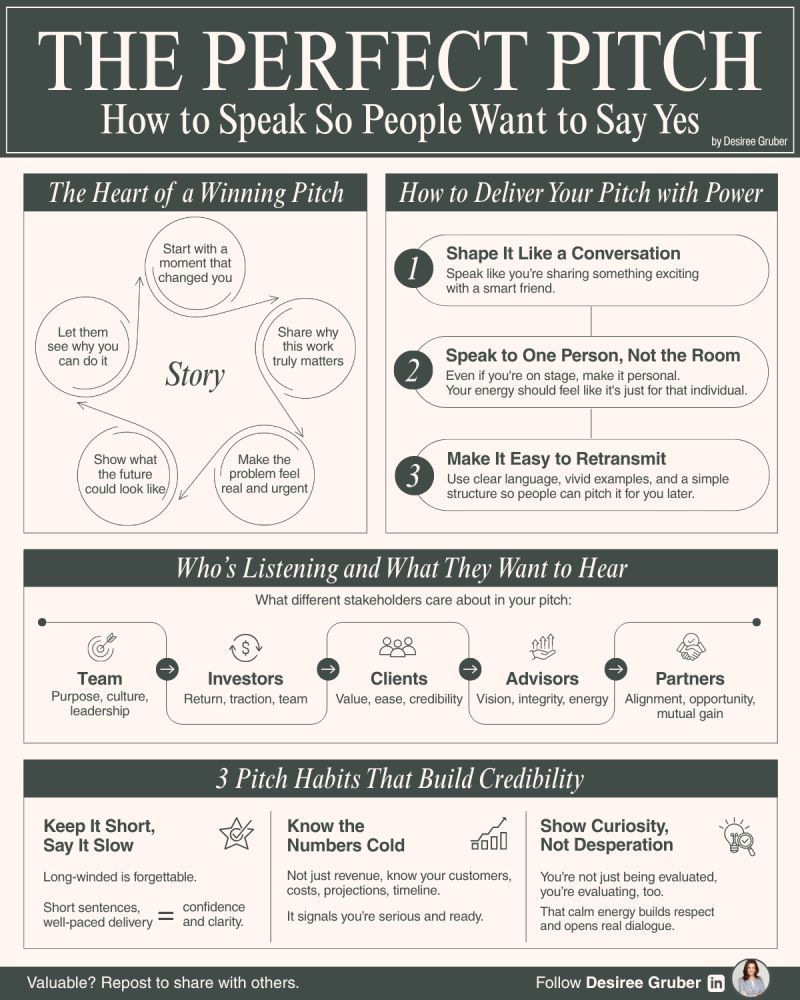
The Perfect Pitch
Most people forget facts.
But they’re 22x more likely to remember a story.
In high-stakes moments like pitching to investors,
or winning over clients…
Storytelling is everything.
After years in rooms where dreams meet decisions,
I’ve learned the perfect pitch isn’t about impressing
the whole room.
It’s about making one person lean in and think,
“I need to be part of this story.”
Want to perfect your pitch?
Here’s your winning framework:
1. Nail your story foundation
• Start with the moment that changed everything for you
• Make them feel the urgency of the problem
• Paint a future so vivid they can see themselves in it
• Show them why you’re uniquely positioned to deliver
2. Customize for your audience
• Investors need: Returns, traction, and a dream team
• Clients want: Clear value and proven credibility
• Partners seek: Strategic alignment and mutual growth
3. Make it stick
• Keep it short, say it slow
• Know your numbers
• Let every detail prove you’ve done the work.
• Lead with curiosity, not desperation
Use this framework for your next pitch.
You won’t just deliver information.
You’ll create an opportunity so compelling,
they’ll worry about missing out.
Which part of your story makes people lean in?
Leadership Tensions

Leadership is never a straight line.
It’s a constant balancing act between competing forces.
These 10 leadership tensions might be the most valuable framework you’ll see this year:
1. Speaking Up vs. Listening
↳ Know when to voice your opinion and when to create space for others.
↳ Teams thrive when everyone feels heard, not just the loudest or highest-paid.
2. Empathy vs. Accountability
↳ Support your people through challenges without lowering the bar.
↳ Understanding doesn’t mean excusing poor performance.
3. Power vs. Empowerment
↳ Step in when needed, but give your team real responsibility.
↳ The magic happens when people feel trusted to deliver results their way.
4. Vision vs. Execution
↳ Paint the big picture, then break it down into actionable steps.
↳ Dreams without details rarely become reality.
5. Expertise vs. Curiosity
↳ Share what you know, but actively seek fresh perspectives.
↳ The best insights often come from those closest to the work.
6. Consistency vs. Adaptability
↳ Be clear about what won’t change, while staying flexible elsewhere.
↳ Teams need both stability and the ability to pivot quickly.
7. Instinct vs. Data
↳ Trust your gut, but test it with facts.
↳ The strongest decisions blend intuition with evidence.
8. Candor vs. Compassion
↳ Be direct without being harsh.
↳ People do their best work when they feel safe to learn and grow.
9. Autonomy vs. Support
↳ Give space for your team to solve problems their way.
↳ Know when to step in and when to step back.
10. Perfection vs. Progress
↳ Sometimes “good enough to test” is exactly right.
↳ Ship, learn, refine. This cycle beats endless polishing every time.
The truth is, these tensions aren’t problems to solve.
They’re polarities to manage.
The magic happens…
In the middle.
In the balance.
In the both/and.
Average leaders choose a side.
Great leaders stand in the center.
The best teams don’t need “perfect” leaders.
They need balanced ones.
Are you brave enough to live in the tension?

