
There’s a strange kind of silence that follows pain.
Not the loud, obvious kind—the kind where people notice and gather around—but the quieter one. The kind that settles in after the moment has passed. After the words were said, or the door was closed, or the trust was broken. That silence is where things get complicated.
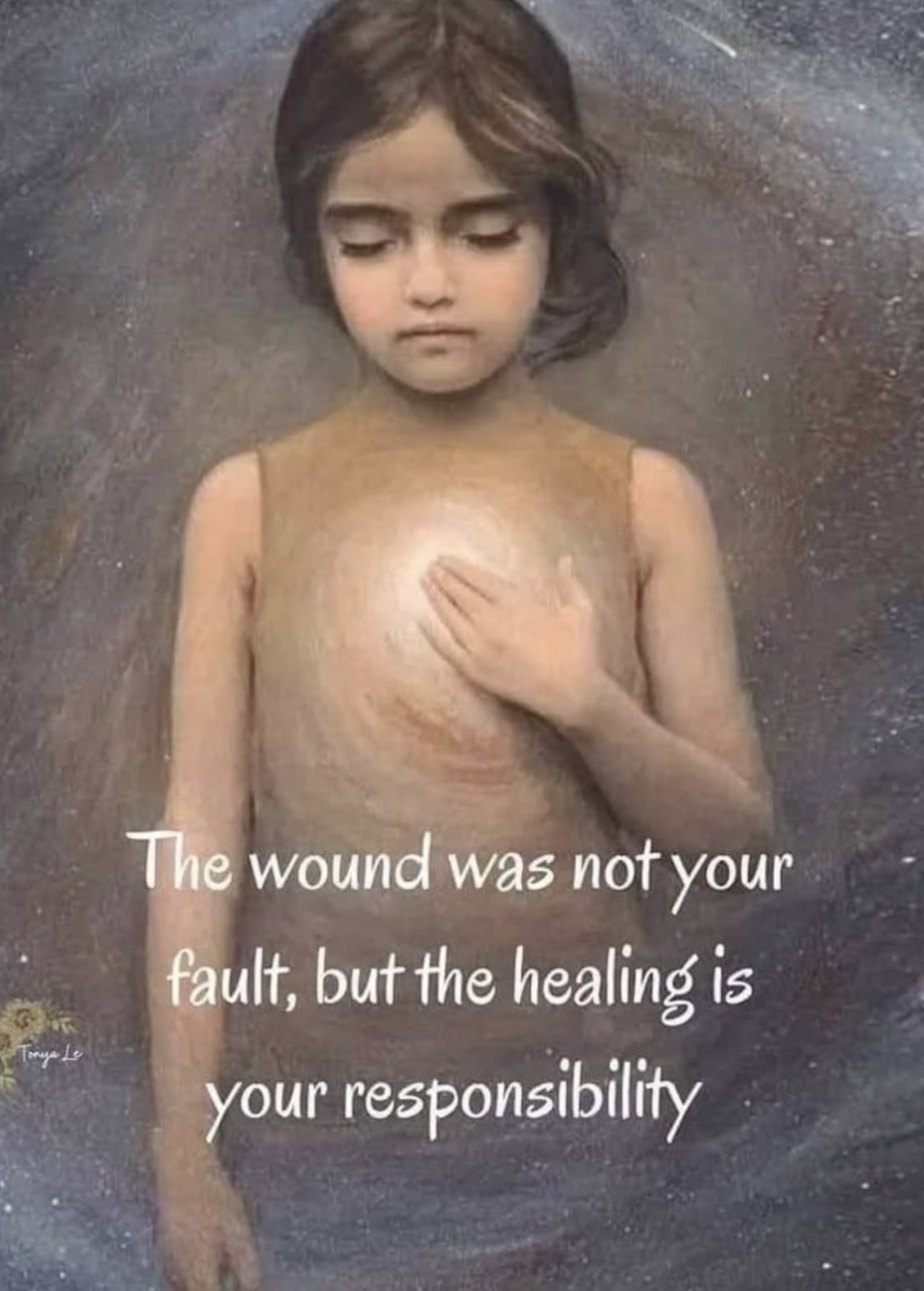
Because that’s where the truth lives: what happened to you may not have been your fault—but what happens next is in your hands.
And that’s not always an easy thing to hear.
We’re wired to look for fairness. To want the world to acknowledge what went wrong, who caused it, and why it shouldn’t have happened. And sometimes, we get that validation. But most of the time, we don’t get enough of it to make the pain disappear. So we stay there a little longer, replaying it, holding onto it, almost as if letting go would somehow mean it didn’t matter.
But holding on doesn’t undo what happened. It just keeps you tied to it.
Healing is different. It’s quieter. Less visible. And honestly, less glamorous.
No one claps for the days you choose not to spiral. No one sees the moments you decide not to react the way you used to. There’s no audience when you sit with your own thoughts and try to make sense of them. It’s slow work. Sometimes frustratingly slow.
And it’s deeply personal.
Because healing doesn’t mean pretending it didn’t hurt. It doesn’t mean excusing what happened or rushing to “move on.” It means acknowledging the wound for what it is—real, valid, and impactful—while also deciding that it doesn’t get to define the rest of your story.
That’s the shift.
It’s not about blame anymore. It’s about ownership.
You start asking different questions. Not “Why did this happen to me?” but “What do I want to do with this now?” Not “Who’s responsible for this pain?” but “What would it look like to feel free from it?”
Those questions don’t have instant answers. But they move you forward.
And forward is where healing lives.
Sometimes it looks like setting boundaries you were too afraid to set before. Sometimes it’s choosing better for yourself, even when it feels unfamiliar. Sometimes it’s just getting through the day without letting the past dictate your mood.
It’s not linear. There will be days when it feels like you’ve made progress, and days when it all comes rushing back. That doesn’t mean you’re failing. It means you’re in it.
Because healing isn’t a one-time decision. It’s a series of small ones, made over and over again.
And here’s the part people don’t talk about enough: taking responsibility for your healing isn’t a burden—it’s power.
It means your future isn’t locked in by your past. It means you’re not waiting on someone else to fix what they broke. It means you get to decide how this story continues.
That doesn’t erase the wound. But it changes what it does to you.
Over time, the same place that once held pain starts to hold something else too—perspective, strength, maybe even a quiet kind of peace. Not because it was easy, but because you chose to do the work anyway.
No one hands that to you. You build it.
And maybe that’s why it matters so much.
Because at some point, you realize this isn’t about what happened anymore. It’s about who you’re becoming despite it.
And that part?
That part is entirely yours.

