A Little Birthday Getaway: Austin to Fredericksburg with Our Birthday Girl

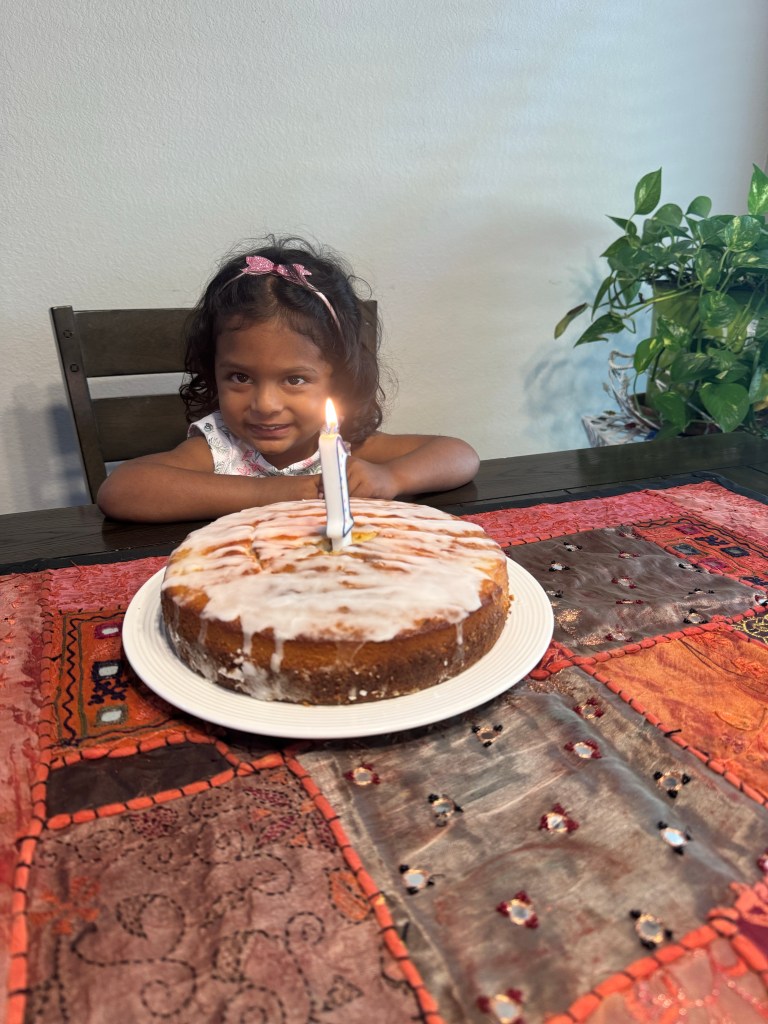
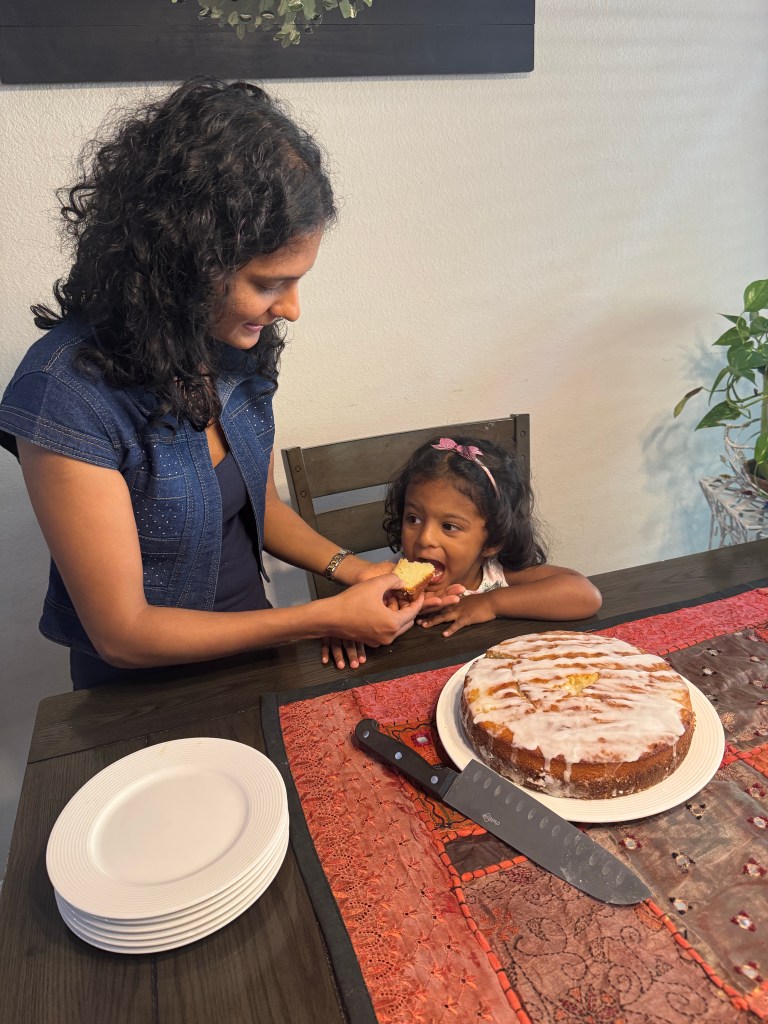
There’s something special about celebrating a birthday with a little trip, and this year, Keanah’s birthday gave us the perfect reason to make some sweet family memories in Austin and Fredericksburg.

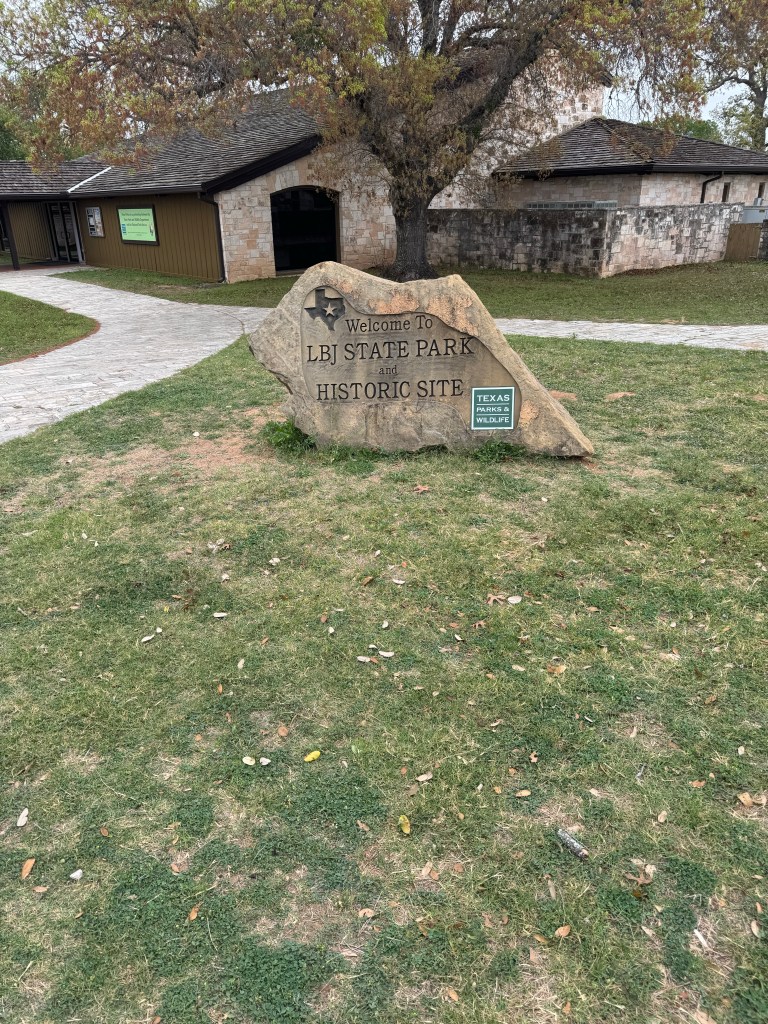
We started off by heading to Austin on Keanah’s birthday, and honestly, it already felt like the perfect beginning. We got to spend the day with family, Uncle Brian, Aunt Kim, and Azaria, which made it feel extra meaningful. There’s just something about birthdays that feel fuller when they’re shared with people you love. We kept it simple and relaxed, spending time together and visiting a nearby park, which, with a little one, is always a win. Fresh air, open space, and a happy toddler is sometimes all you need for a perfect birthday moment.


The next day was all about one of the highlights of the trip: Thinkery. If you have a curious little explorer, this place is such a gem. Keanah had an absolute blast with Azaria, and it was one of those days where you just get to watch your child light up from one activity to the next. Hands-on fun, endless curiosity, and lots of little moments that make you stop and smile. It was the kind of day that leaves everyone happily tired by the end of it.


After soaking in Austin, we made our way to Fredericksburg the following day. The drive itself felt like part of the experience, with that shift from city energy to a slower, more laid-back Hill Country vibe. On the way, we made a stop at Rhinory, where we got to enjoy a glass of wine — a nice little pause before settling into the rest of the day. And yes, we saw the rhino too! It was one of those simple travel moments that just feels right: a scenic stop, a good sip, and nowhere to rush to.


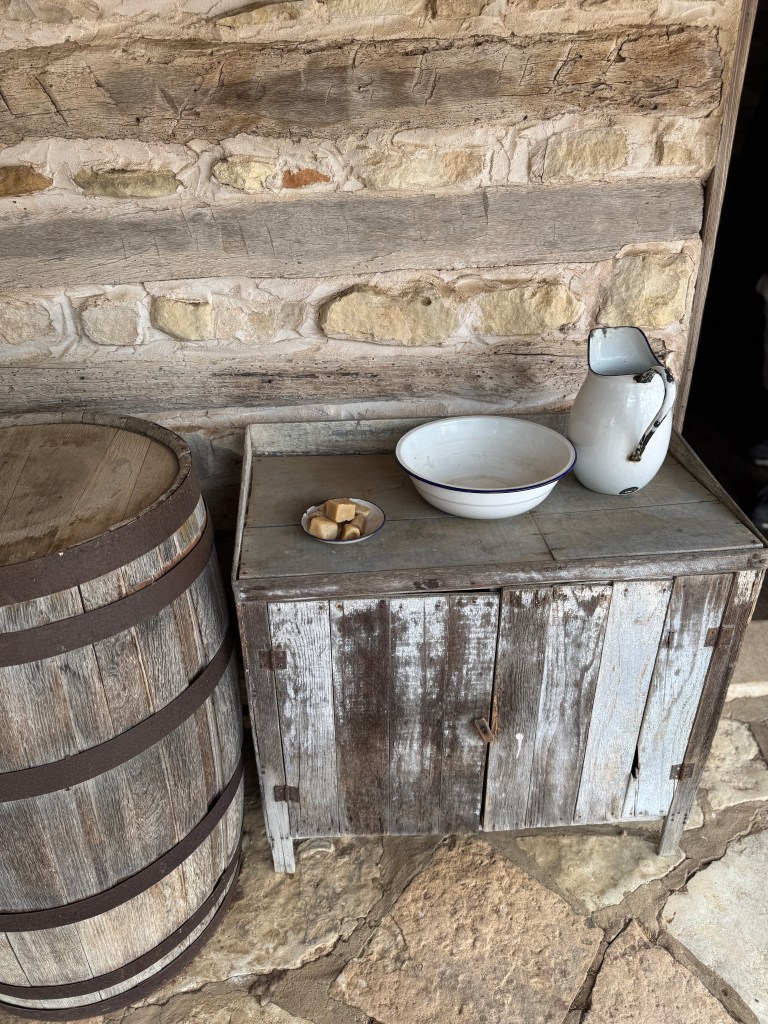
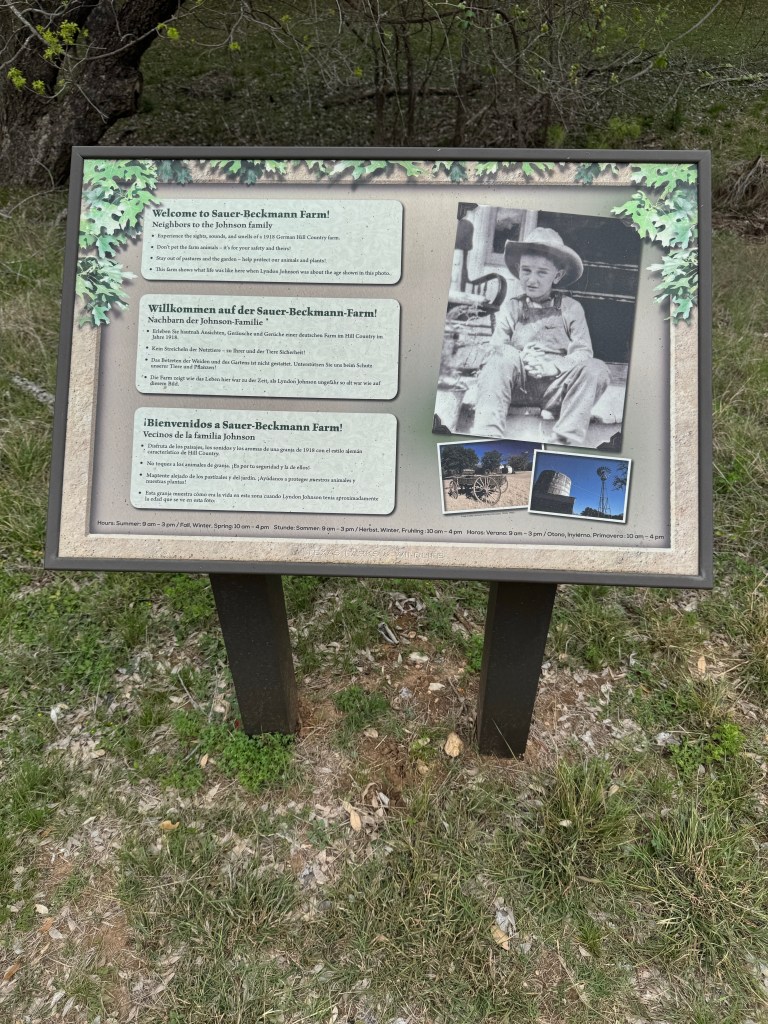
On the way, we also made a stop at Sauer-Beckmann Farm, and it turned out to be such a lovely little detour. It was one of those places that instantly slows you down and makes you appreciate the simple things. With its old-fashioned farm setting, open space, and peaceful atmosphere, it felt like stepping into a quieter time. For Keanah, it was such a fun little experience to explore, and for us, it was a chance to enjoy a bit of Texas history in the most charming way. Sometimes the unexpected or unhurried stops end up being the ones that make a trip feel even more memorable, and this was definitely one of them.

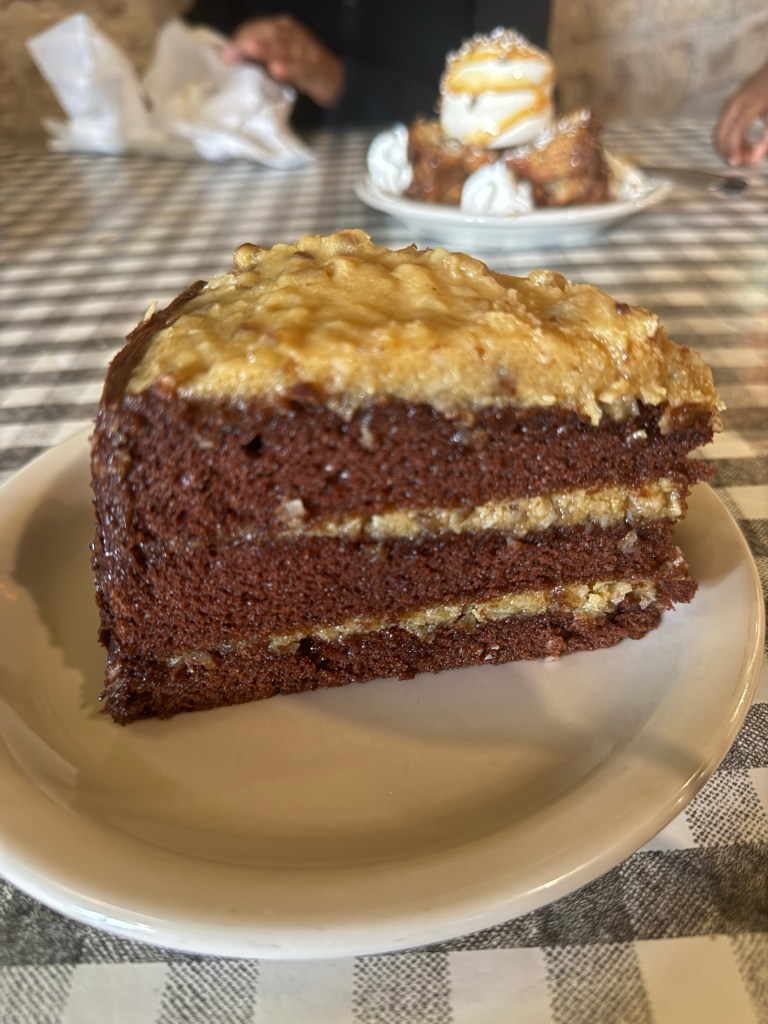
From there, we headed for lunch at Ausländer, which felt like the perfect Fredericksburg choice. Good food, cozy atmosphere, and that classic local charm that makes the town feel so inviting. After lunch, we checked in, took some time to rest, and slowed things down a bit before heading out again in the evening.


Later, we made our way to Marktplatz, and it was the loveliest way to end the day. There’s something about strolling through Fredericksburg in the evening that just feels peaceful. It wasn’t about doing too much — just being there, taking it in, and enjoying the moment together. Those unhurried family evenings always end up becoming some of the most memorable parts of a trip.

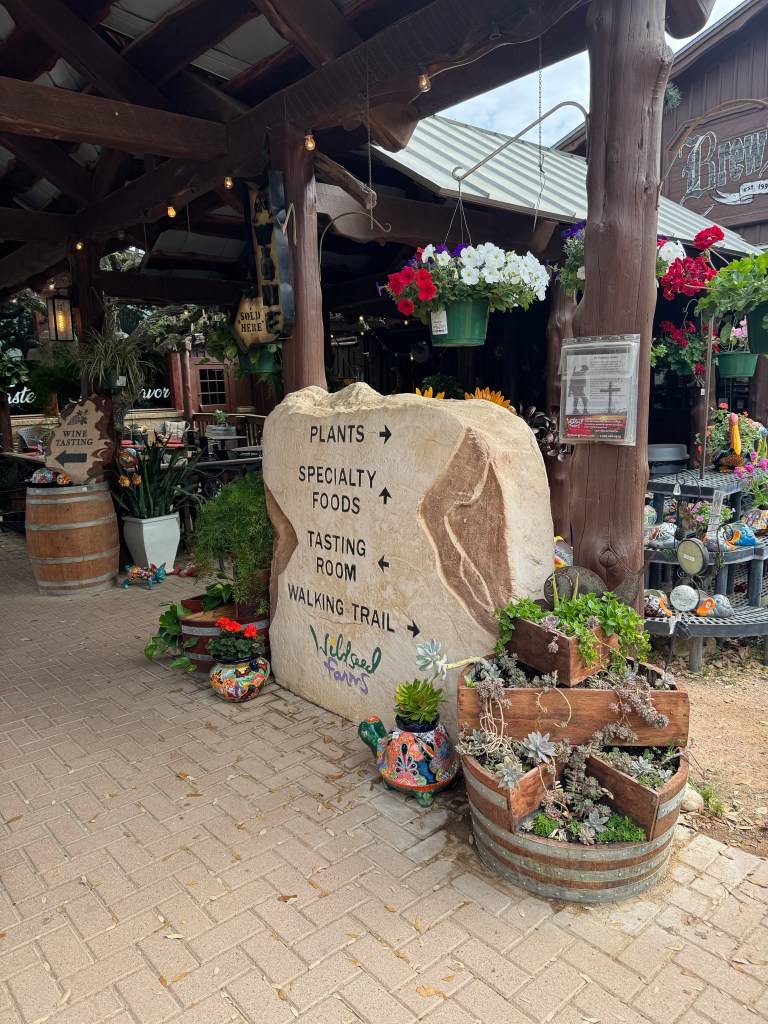
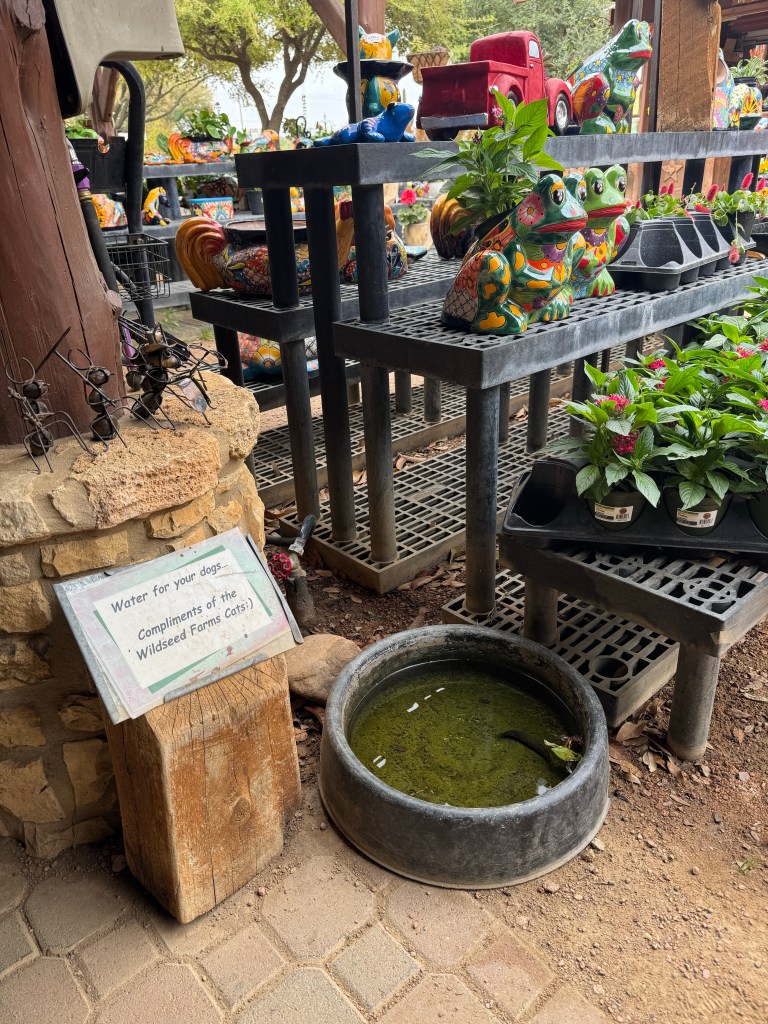
On the way back to Dallas, we made one last stop at Wildseed Farms, and it felt like the perfect way to wrap up the trip. There was something so peaceful about walking through the beautiful fields and taking in the colors, especially after a few full days of exploring. It was a simple stop, but one that added such a lovely final touch to the journey. Ending the trip surrounded by flowers and open skies somehow felt just right — calm, scenic, and a gentle reminder that sometimes the best memories come from the little pauses along the way.


This little Austin-to-Fredericksburg getaway had a bit of everything: birthday joy, family time, toddler adventures, good food, a little wine, and the kind of slow moments that make a trip feel truly special. The best part wasn’t anything big or extravagant — it was simply getting to celebrate Keanah, make memories together, and enjoy each stop along the way.

And honestly, that’s the kind of trip that stays with you.
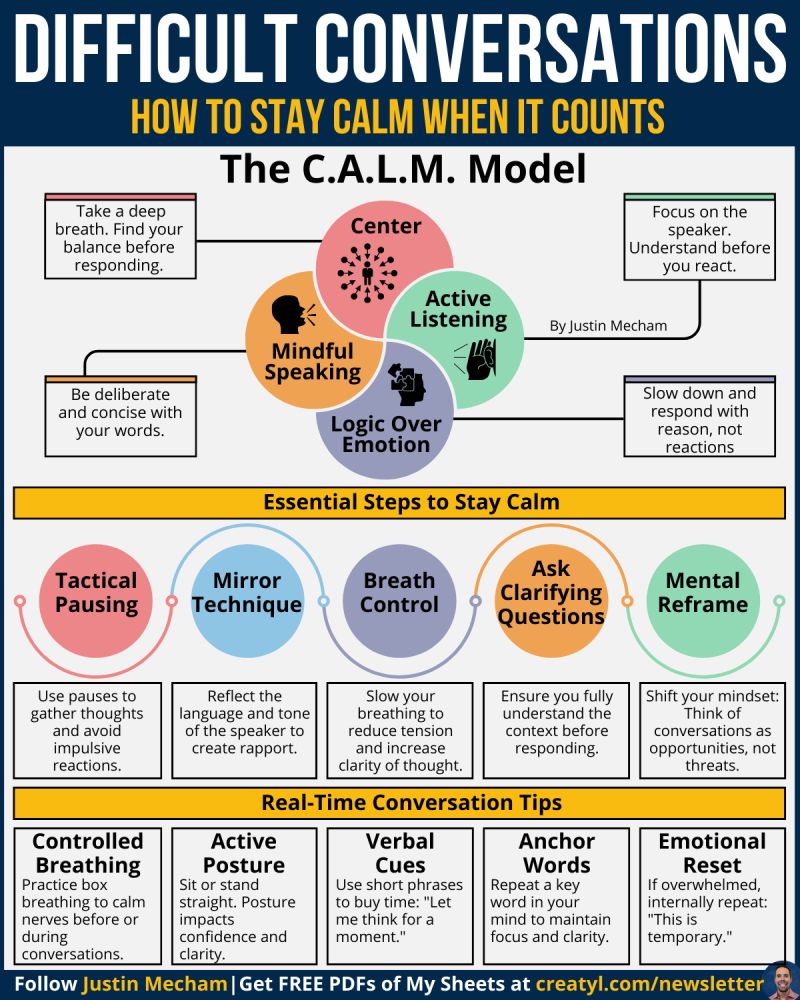
How to stay calm when it counts

The fastest way to lose respect,

is reacting too fast:

I learned this the hard way.

It only takes one moment.
One rushed reply.
One emotional sentence.

That’s all it takes to lose the room.

Calm is not a personality trait.

It’s a practiced skill.

And the people who master it
quietly control the moment.

Here’s the pattern that actually works
when pressure hits:

1️⃣ Ground before you speak
— Pause for two breaths.
— Let your body settle first.

If your body is rushed,
your words will be too.

2️⃣ Listen past the urge to reply
— I wait longer than feels comfortable.
— Understanding beats winning every time.

People calm down
when they feel heard.

3️⃣ Choose thinking over reacting
— Fast answers feel strong.
— Slow answers land stronger.

Clarity always outperforms speed.

4️⃣ Speak with intent, not emotion
— Short sentences.
— Clear point.
— No extra heat.

Less words.
More weight.

If tension rises mid-conversation:
• I pause instead of filling silence
• I mirror one key phrase back
• I slow my breathing on purpose
• I ask one clean question
• I frame it as progress, not danger

Quick anchors I rely on:
• Box breathing
• Tall posture
• “Let me think for a second”
• One focus word
• A reminder that this moment passes

Try this once this week:
• Breathe before responding
• Ask before explaining
• Slow down when it feels urgent

That urgency is the test.

Calm is not weakness.
It’s control when it counts.

And people never forget
who kept their composure under pressure.

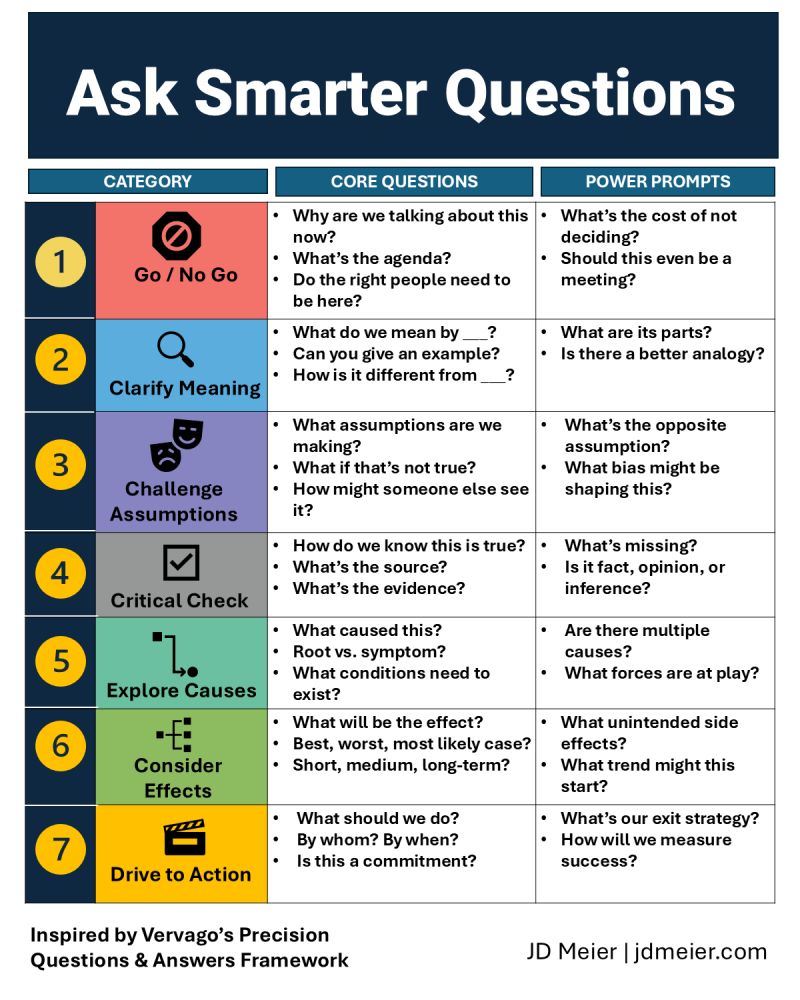
Ask Smarter Questions

You can tell a leader’s level in 5 minutes.

Just listen to their questions.

Most people memorize “smart questions.”
Great leaders do something very different.

They design the interaction.

They move through different types of questions to shape the room’s thinking:

Go / No Go – “Should this even be a meeting?”
Clarify Meaning – “What do we actually mean by this?”
Challenge Assumptions – “What if that’s not true?”
Critical Check – “What’s the evidence?”
Explore Causes – “What forces are at play here?”
Consider Effects – “What trend might this start?”
Drive to Action – “What will we do, by when, and how will we measure success?”


Average leaders get stuck in one or two of these.
The best leaders climb up and down this ladder on purpose.

In 25 years at Microsoft, this was one of the simplest ways I helped leaders jump a level in how they show up in meetings.

Next meeting, try this:
Pick ONE category and live there for the first 10 minutes.

Watch how the quality of thinking, and how people see your leadership, changes.

Which category do you spend most of your time in right now?

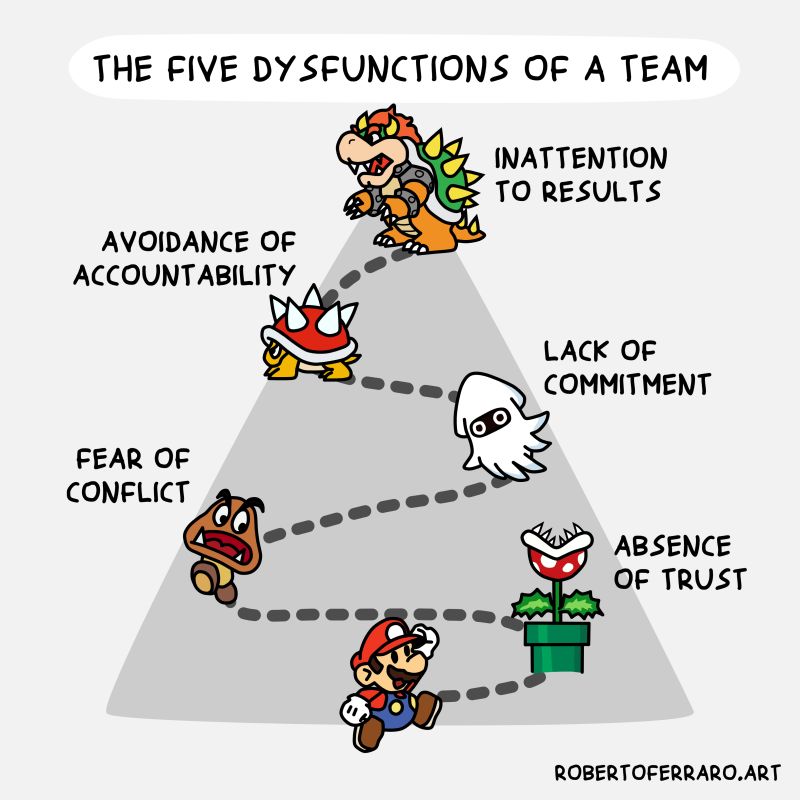
THE FIVE DYSFUNCTIONS OF A TEAM

Trust is the foundation for team performance 🤝

In his 2002 book, “The Five Dysfunctions of a Team,” Author Patrick Lencioni identifies five common team performance problems.

🛡️ Absence of Trust: team members consumed with self-protection or undermining peers lose focus on collective goals.

When trust is present, they are open and vulnerable with the group, enabling them to dedicate their energy to the work.

😱 Fear of Conflict: over-politeness and withheld opinions hamper the team’s progress.

Productive conflict, grounded in trust, encourages challenging and improving ideas without resorting to personal attacks or destructive arguments.

🤔 Lack of commitment: hesitation in decision-making leads to missed opportunities.

Without robust debate, individuals may not fully engage with team decisions, affecting overall commitment.

🗣️ Avoidance of team accountability: a lack of mutual accountability can lead to unaddressed mistakes and substandard performance.

Supporting struggling team members is essential to achieve team goals.

🎯 Inattention to team results: Focusing on personal agendas or superficial team image undermines the team’s primary objectives.

The collective goal should always take precedence over individual interests or external perceptions.

The book presents these dysfunctions in an entertaining “management fable” format, illustrating how a skilled leader can overcome these challenges.

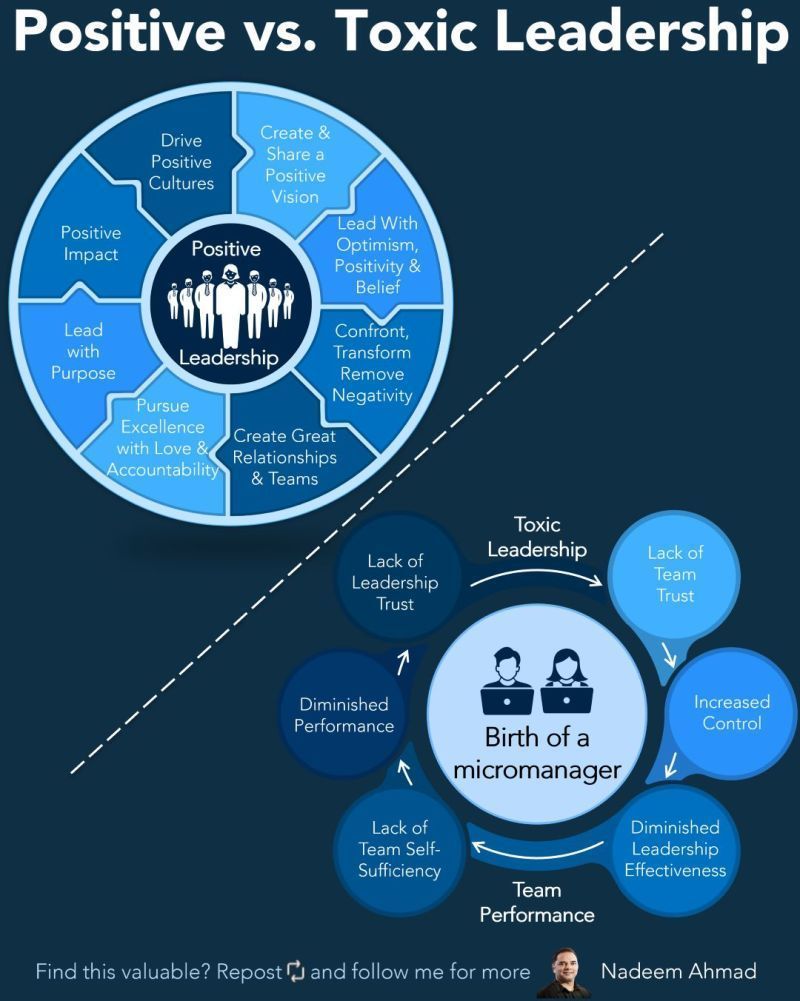
Positive vs Toxic Leadership

Navigate away from toxic leadership with these 7 steps
(your career will thank you):

Earlier this week, I posted about positive vs. toxic leadership.

As part of my research, I found that 56% of employees report having “toxic” workplace leaders! *

That is wild!

Toxic leadership can cast a long shadow on workplace culture.

Recognizing toxic traits is the first step towards illumination:

➟ Arrogance and Self-interest
➟ Lack of Confidence and Incompetence
➟ Inconsistent Expectations and Discrimination
➟ Overemphasis on Hierarchy and Ignoring Feedback

The fallout is real—workplace bullying, unproductive behavior, psychological distress, and more.


Here’s how you can deal with it:

1️⃣ 𝗘𝗺𝗽𝗮𝘁𝗵𝘆 𝗢𝘃𝗲𝗿 𝗝𝘂𝗱𝗴𝗺𝗲𝗻𝘁:
↳ Attempt to help rather than passing judgment. It can transform perspectives.

2️⃣ 𝗢𝘄𝗻 𝗬𝗼𝘂𝗿 𝗥𝗲𝗮𝗰𝘁𝗶𝗼𝗻𝘀:
↳ Stay composed. Controlling your reactions preserves your professionalism.

3️⃣ 𝗗𝗼𝗰𝘂𝗺𝗲𝗻𝘁 𝗘𝘃𝗲𝗿𝘆𝘁𝗵𝗶𝗻𝗴:
↳ Keep records. It’s your safety net when memory fails or disputes arise.

4️⃣ 𝗦𝗲𝘁 𝗕𝗼𝘂𝗻𝗱𝗮𝗿𝗶𝗲𝘀:
↳ Draw clear lines. Professional boundaries protect your mental space and well-being.

5️⃣ 𝗢𝗽𝗲𝗻 𝗗𝗶𝗮𝗹𝗼𝗴𝘂𝗲:
↳ Engage in honest conversations. Candidness can be the catalyst for change.

6️⃣ 𝗦𝗲𝗲𝗸 𝗖𝗹𝗮𝗿𝗶𝘁𝘆:
↳ Clarify expectations and instructions. Misunderstandings breed discontent.

7️⃣ 𝗘𝗴𝗼 𝗔𝘀𝗶𝗱𝗲:
↳ Focus on the job. Invest your energy in your work, not in clashing egos.


We spend a significant slice of life at work; don’t let toxicity darken it.

Steering clear of toxic traits and handling challenging leadership with grace can light up your path to career success.

Have you ever faced toxic leadership, and how did you navigate through it?

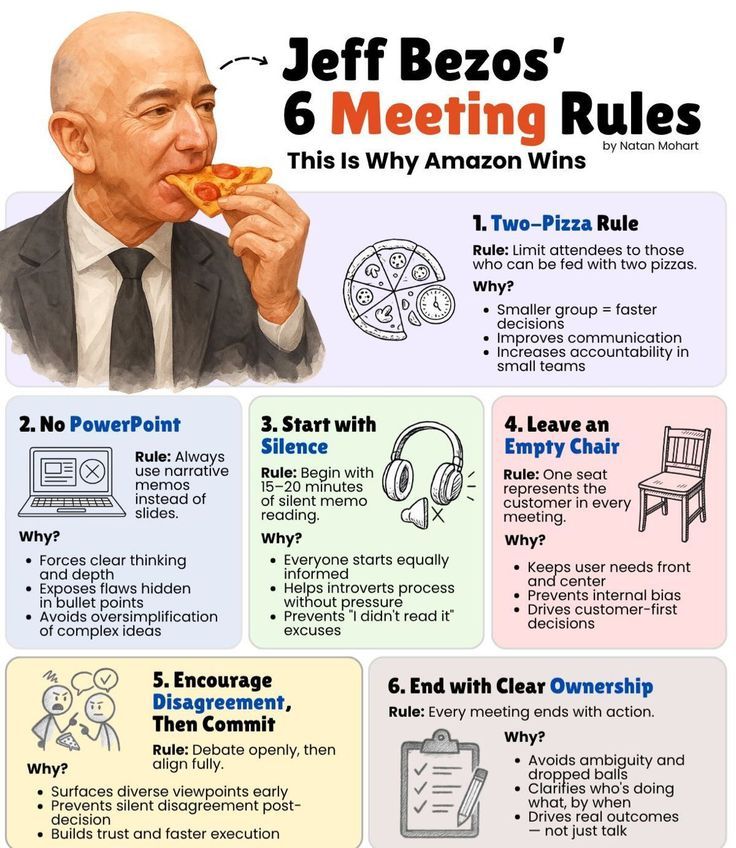
Jeff Bezos’ 6 Meeting Rules

Jeff Bezos introduced a few simple rules that completely changed how decisions were made.

And they’re still relevant for every organisation today.

1️⃣ The Two-Pizza Rule
If two pizzas can’t feed the group, the meeting is too big.
Smaller groups lead to faster decisions, clearer conversations, and higher accountability.

2️⃣ No PowerPoint
Instead of slides, use written narratives.
This forces deeper thinking and prevents ideas from hiding behind bullet points.

3️⃣ Start with Silence
Begin meetings with 15–20 minutes of silent reading.
Everyone starts on the same page. No excuses. No surface-level discussions.

4️⃣ Leave an Empty Chair
That chair represents the customer.
It keeps conversations grounded in real impact, not internal politics.

5️⃣ Encourage Disagreement, Then Commit
Healthy debate is encouraged.
Once a decision is made, everyone aligns & executes fully.

6️⃣ End with Clear Ownership
Every meeting must end with action items and owners.
No ambiguity. No dropped balls.

What I often tell leaders is this:
× Meetings are not a calendar problem.
✓ They are a leadership problem.

When meetings have clarity, purpose, and ownership, teams move faster without working longer hours.

If most of your meetings feel draining, the solution isn’t fewer meetings. It’s better ones.

📌 Which of these rules do you think would make the biggest difference in your organisation today?

Happiness Isn’t a Place You Arrive At

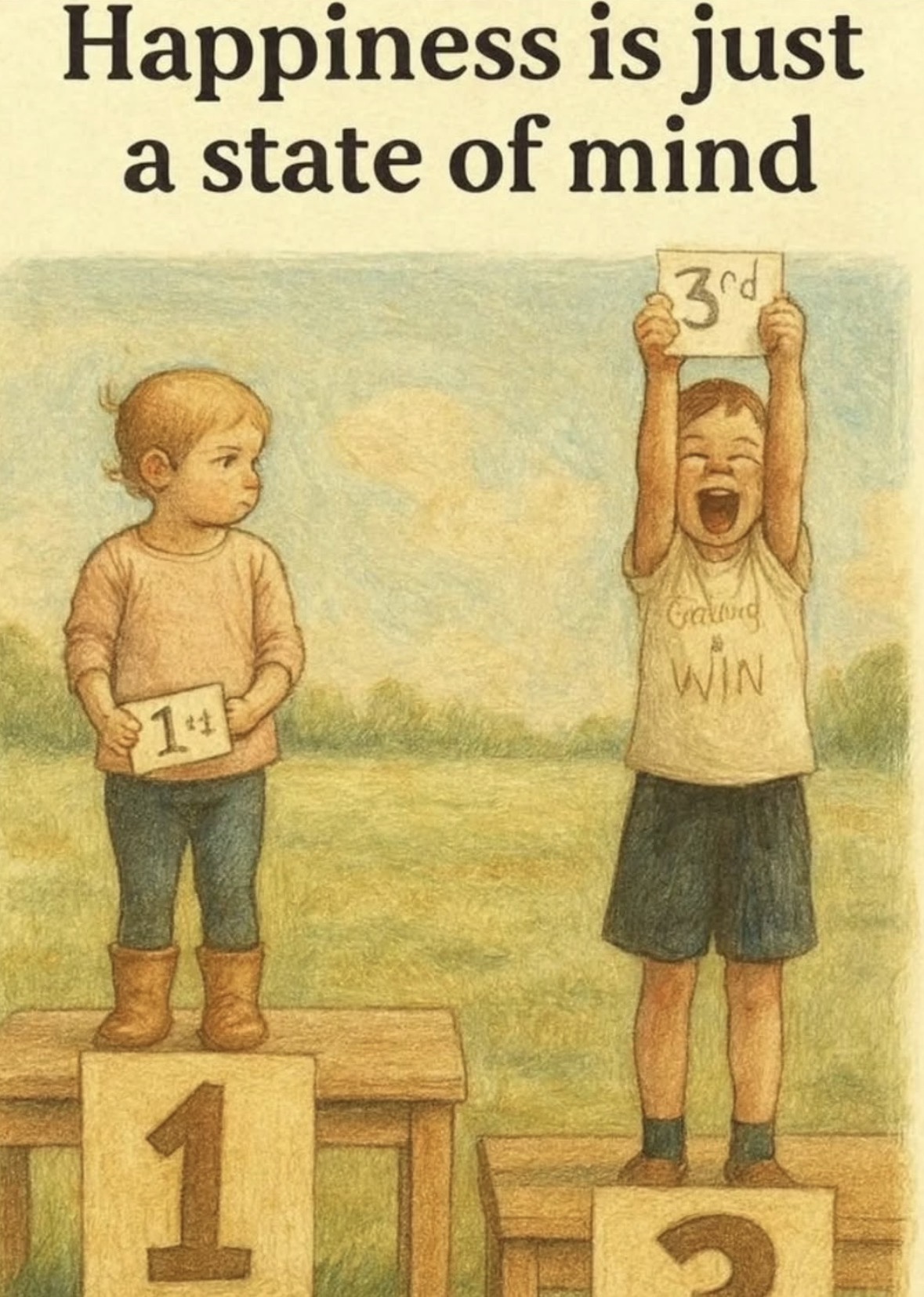
“Happiness is just a state of mind” is one of those lines people throw around so casually that it can almost sound dismissive. Like if you’re struggling, overthinking, tired, or carrying something heavy, all you need to do is change your mindset and suddenly life will feel lighter. But the truth is, while there’s something deeply real in that phrase, it’s also a lot more layered than it sounds.

Happiness isn’t always found in the big things people chase. It’s not automatically waiting for you at the next promotion, the next relationship, the bigger house, the dream trip, or the moment life finally starts looking the way you imagined it would. We spend so much of our lives attaching happiness to conditions. I’ll be happy when this works out. I’ll feel better when I get there. I’ll finally relax when everything settles down. But life has a funny way of never fully “settling down.”

There’s always something. A new responsibility. A new worry. A new pressure. Even in the moments we prayed for, there can still be stress, grief, uncertainty, and exhaustion. That’s why so many people reach milestones they thought would change everything, only to realize they still feel like themselves. Still human. Still carrying the same thoughts, the same patterns, the same inner noise.

That’s where the phrase starts to make sense.

Happiness really is, in many ways, a state of mind. Not because pain isn’t real. Not because circumstances don’t matter. And definitely not because people can just “think positive” their way out of hard seasons. But because the quality of your life is often shaped less by what’s happening around you and more by the way you’re learning to hold what’s happening within you.

Two people can live through the same kind of day and walk away with completely different experiences of it. One sees inconvenience, frustration, and everything that went wrong. The other notices the small win, the lesson, the laugh, the little mercy tucked inside the mess. Same day. Different mind.

That doesn’t mean one person is naive and the other is realistic. It just means perspective is powerful.

A lot of us have been taught to treat happiness like a reward. Something earned after enough hard work, enough healing, enough success, enough proving. But maybe happiness isn’t supposed to be something you chase until you collapse. Maybe it’s something you practice. Something you notice. Something you make room for, even before life becomes ideal.

Because if happiness depends entirely on perfect conditions, most of us will miss it.

The hard truth is, there will always be reasons to be unhappy. Bills to pay. People to disappoint. Delays. Losses. Misunderstandings. Loneliness. Bad news. Fatigue. There will always be a version of life that feels unfinished. If you wait for everything to line up before you allow yourself to feel peace, you may end up spending years postponing joy.

And joy hates being postponed.

Sometimes happiness is loud. It’s celebration, laughter, music in the car, dinner with people you love, a prayer answered, a dream unfolding. But sometimes happiness is almost invisible. It’s the quiet exhale after a hard week. It’s your child reaching for your hand. It’s the sunlight hitting your room just right. It’s coffee while the house is still asleep. It’s getting through something you thought would break you and realizing you’re still here.

That kind of happiness matters too.

Maybe even more.

Because real happiness isn’t always a high. It isn’t constant excitement or a life with no problems. Sometimes it’s just inner steadiness. A groundedness. A soft ability to be present without needing every moment to be extraordinary. It’s being able to sit in an ordinary Tuesday and still find something beautiful about being alive.

That’s a mindset.

And mindsets aren’t magic. They’re built.

They’re built in the way you talk to yourself when things go wrong. In the stories you repeat in your head. In whether you choose gratitude without denying grief. In whether you keep feeding bitterness or start making room for grace. In whether you let one bad moment define your whole day. In whether you keep looking at your life through the lens of what’s missing, or begin honoring what’s already here.

That doesn’t happen overnight. It takes intention. It takes awareness. Sometimes it takes unlearning. Sometimes it takes healing old wounds that taught you happiness was unsafe, temporary, or always out of reach. Sometimes it means admitting you’ve been so focused on surviving that you forgot how to notice beauty.

But you can relearn.

You can train your mind to stop racing past the good.

You can teach your heart to stop assuming joy has to be huge to be real.

You can start becoming someone who doesn’t need every external thing to cooperate before allowing themselves a moment of peace.

That’s the freedom in this idea.

If happiness is just a state of mind, then it isn’t always locked behind circumstance. It isn’t owned by the lucky, the wealthy, the successful, or the people whose lives look polished from the outside. It becomes available in smaller, quieter, more human ways. It becomes something you can return to, even in imperfect seasons.

Not every day will feel happy. Some days will feel heavy, unfair, or deeply exhausting. Some seasons are meant for endurance, not performance. But even then, the state of your mind matters. The way you speak to yourself matters. The way you frame your life matters. The things you choose to notice matter.

Maybe happiness isn’t about forcing a smile or pretending everything is okay.

Maybe it’s about learning that peace can coexist with chaos.

That gratitude can coexist with longing.

That hope can coexist with pain.

And maybe the most beautiful part is this: happiness doesn’t always have to be found. Sometimes, it’s simply chosen.

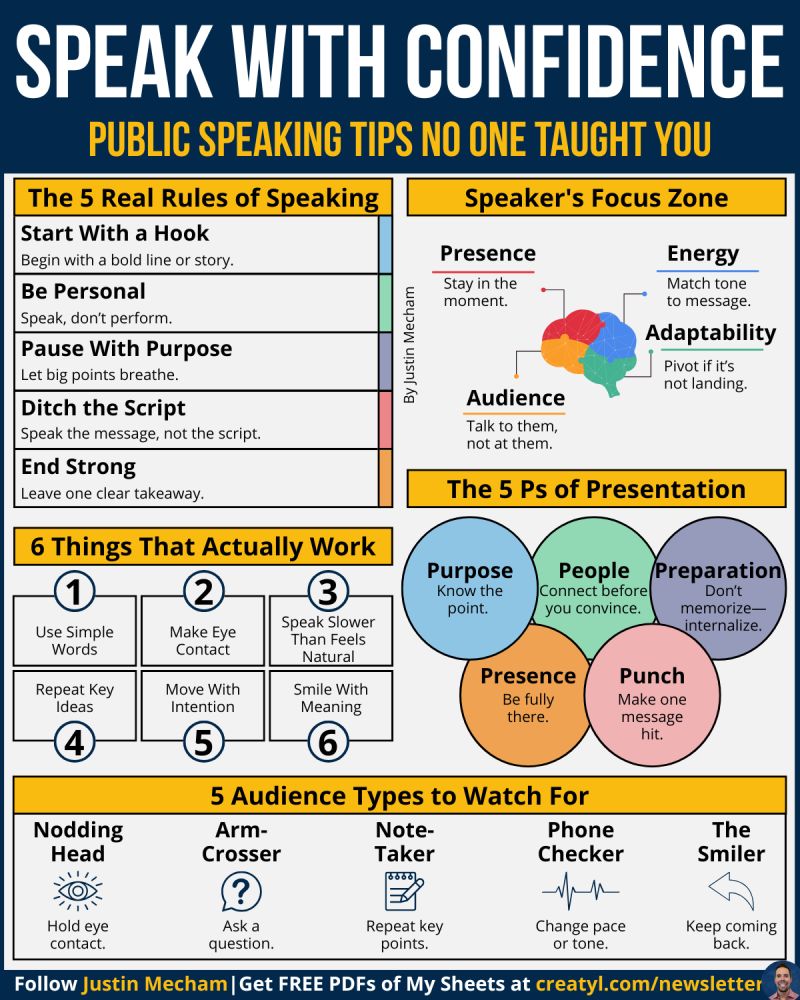
Speak With Confidence

Confidence is not memorized,

I learned that the hard way:

I tried scripts.
I tried tricks.
I tried sounding “professional.”

None of it worked.

What worked was this.

Confidence is felt, not performed.

Here’s the simple framework I use now.

🟦 What actually matters
• Open with a bold first line
• Speak like a real person
• Pause on purpose
• Drop the script
• End with one clear takeaway

People remember clarity, not cleverness.

🟧 Where your focus should live
• Stay in the moment
• Match your energy to the message
• Speak with people, not at them
• Adjust when it stops landing

Confidence rises when you stop forcing it.

🟥 The five pieces that hold it together
• Purpose: know your point
• People: connect before you convince
• Preparation: internalize, don’t recite
• Presence: be fully here
• Punch: make one idea stick

Less content. More connection.

🟨 What actually works on stage
• Simple words
• Slower pace
• Eye contact
• Intentional movement
• Repeat what matters
• Smile when it means something

Calm beats clever every time.

🟪 Read the room in real time
• Nods mean continue
• Crossed arms mean engage
• Notes mean reinforce
• Phones mean change pace
• Smiles mean you’re landing

The audience tells you everything.

🟩 Try this next time
• Start with one strong line
• Drive one message
• Pause more than feels normal
• Watch faces, not slides

Confidence is not volume.

It’s clarity.
Presence.
Connection.

And once you feel it, your audience feels it too.

Not Everyone Will Know What You’re Worth

A diamond in the wrong hands is just a stone.

That line hits hard because it says something most of us learn the long way.

Sometimes, your value doesn’t change. The environment does. The people around you do. The eyes looking at you do. And suddenly, something rare, strong, and beautiful gets treated like it’s ordinary. Overlooked. Misunderstood. Dismissed.

That doesn’t mean it stopped being a diamond.

It just means it was placed where it couldn’t be recognized.

A lot of people spend years trying to prove their worth to spaces that were never built to hold them properly. They shrink themselves. They over-explain. They perform. They become easier to digest, easier to manage, easier to ignore. Not because they are lacking, but because they are standing in front of people who only know how to value what benefits them.

And that can mess with your head.

Because when something precious is constantly treated like it’s nothing special, it starts wondering if maybe it really is just a stone.

That’s how self-doubt creeps in. Quietly. Repeatedly. Through the little moments. The conversations where you weren’t heard. The relationships where your love was taken for granted. The jobs where your effort was expected but never appreciated. The friendships where you kept showing up but never felt deeply seen.

It’s rarely one big thing.

It’s usually the slow erosion of being in the wrong hands for too long.

The wrong hands don’t always look cruel. Sometimes they look familiar. Sometimes they look charming. Sometimes they look like people you wanted approval from so badly that you ignored how small you felt around them.

That’s what makes it tricky.

Not every place that holds you knows how to honor you.

Not every person who has access to you has the capacity to appreciate you.

And not every lack of recognition is proof of a lack of value.

That part matters.

Because so many people tie their worth to how they’re received. If they’re loved, they feel lovable. If they’re chosen, they feel enough. If they’re praised, they feel talented. If they’re wanted, they feel worthy.

But what happens when the room is full of people who can’t recognize depth? What happens when you’re trying to be understood by someone who only knows how to skim the surface?

You start mistaking their limitations for your truth.

You think maybe you’re too much. Or not enough. Too emotional. Too ambitious. Too sensitive. Too intense. Too quiet. Too complicated.

When really, maybe you’re just rare.

And rare things are not always recognized immediately.

Some people only know how to value what is obvious. Loud. Easy. Convenient. But the most meaningful things in life usually aren’t.

Real character isn’t flashy.

Depth isn’t always easy to explain.

Loyalty isn’t always loud.

Wisdom doesn’t always demand attention.

And genuine hearts are often underestimated in a world that rewards performance.

There’s also this uncomfortable truth no one talks about enough: some people can see your worth and still not know how to handle it.

That’s another kind of wrong hands.

They may admire you, but not respect you.

Need you, but not nurture you.

Want access to your light, but resent what it reveals in them.

And when that happens, they may minimize you just to feel bigger.

They may make you question yourself just to keep control.

They may treat you casually because fully honoring you would require them to rise in ways they’re unwilling to.

That still has nothing to do with your worth.

It only tells you about their capacity.

A diamond doesn’t beg to be called precious.

It simply is.

Its value is not created by the person holding it.

Its value exists long before anyone notices.

That’s the part we forget when life gets painful.

We think being misunderstood means we are unclear.

We think being overlooked means we are ordinary.

We think being mishandled means we are too fragile.

We think being left means we are unlovable.

But sometimes, it just means we stayed too long in the wrong hands.

And maybe healing starts there.

Not by convincing everyone to see you.

Not by polishing yourself into exhaustion for people committed to misunderstanding you.

Not by turning yourself inside out to become more acceptable.

But by moving.

By releasing the need to be validated by those who never had the tools to value you properly.

By learning that discernment is just as important as self-worth.

Because yes, knowing you’re a diamond matters.

But so does knowing where not to stay.

You can be brilliant and still be buried.

You can be soft and still be strong.

You can be deeply valuable and still be surrounded by people who treat you like you’re replaceable.

That doesn’t change what you are.

It just means your environment is lying to you.

And the beautiful thing is, the right hands feel different.

The right hands don’t make you audition for care.

They don’t punish your depth.

They don’t act threatened by your growth.

They don’t benefit from your self-doubt.

They handle you with intention.

They notice the details.

They protect what is sacred.

They understand that rare things are not meant to be rushed, used, or carelessly tossed around.

The right hands don’t just admire your shine.

They respect your weight.

So if you’ve been feeling unseen lately, this is your reminder.

You do not have to question your value every time someone fails to recognize it.

You do not have to become smaller to be easier to keep.

And you do not have to keep calling yourself a stone just because the wrong hands never learned what a diamond looks like.

Sometimes the most powerful thing you can do is stop asking for appreciation in places that only know how to consume.

Leave the table.

Leave the room.

Leave the pattern.

Leave the hands that keep mishandling what was never common to begin with.

You were never ordinary.

You were just held by people who didn’t know what they had!

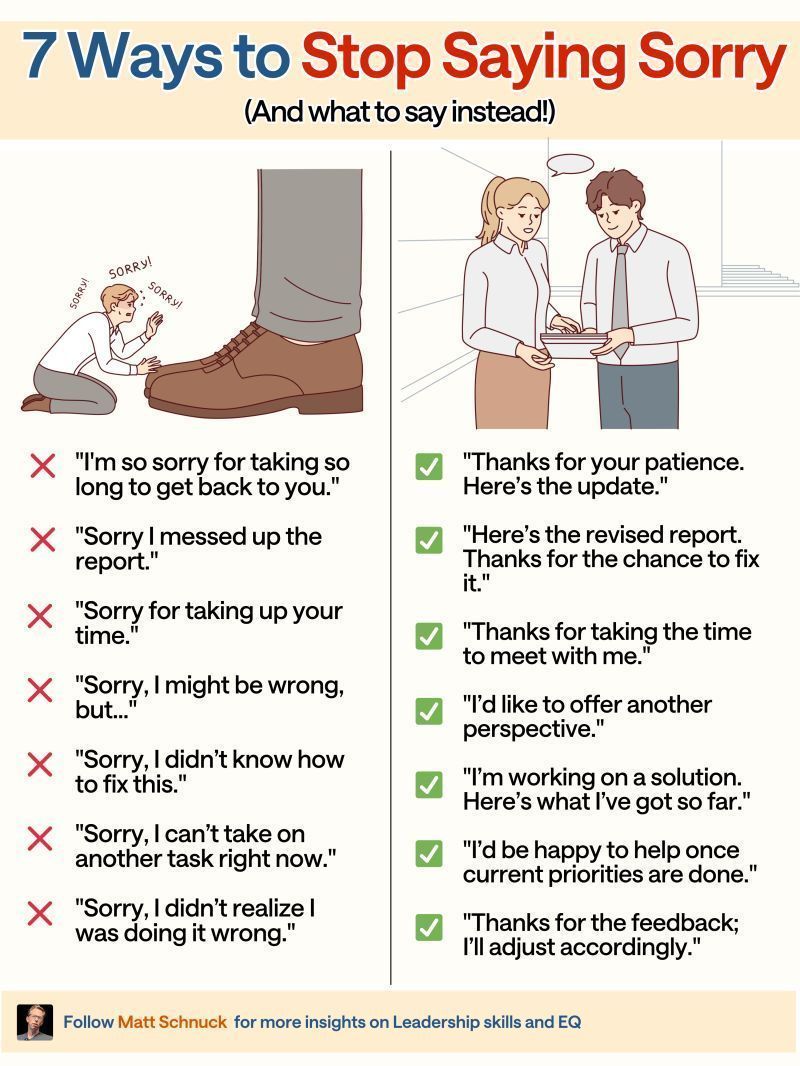
7 Ways to Stop Saying Sorry

Over-apologizing is sabotaging your success.

How to stop saying sorry:

Ever find yourself saying “sorry” for things like delays, mistakes, or even asking a question?

It might seem polite, but over-apologizing can undermine your confidence and credibility.

✅ Instead of “sorry,” focus on:

✨ Providing updates, not apologies.
✨ Turning mistakes into opportunities.
✨ Showing gratitude instead of guilt.
✨ Communicating confidently and setting boundaries.
✨ Accepting feedback without over-apologizing.

💡 A small shift in language can make a big difference. Speak with confidence and let your professionalism shine.

🌟 When an apology isn’t necessary, what do you say instead of sorry?