
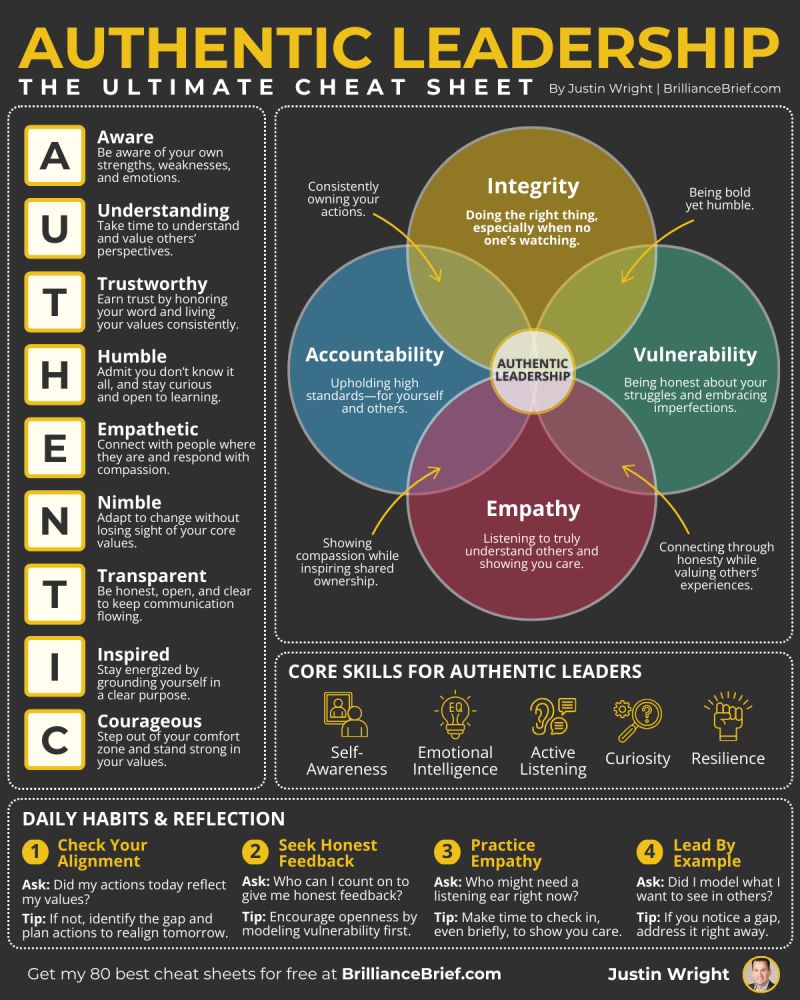
Less than 25% of leaders show authenticity consistently.
A leader’s style can be the difference between:
An employee quitting their dream job,
or growing into their true potential.
Most leaders obsess over what they accomplish.
Few pay attention to how they show up.
In my 24 years in business, I’ve learned:
True leadership isn’t about perfection.
It’s all about connection.
Own your vulnerability.
Admit when you’re wrong.
Ask for help when you need it.
It’s okay to be human.
Think about the best leader you ever had.
I bet they made you feel:
➟ Heard
➟ Valued
➟ Capable
That’s the power of authentic leadership.
It’s not about having all the answers.
It’s about being real. Building trust. Inspiring growth.
Maya Angelou was right:
“People will forget what you said,
they’ll forget what you did,
but they’ll never forget
how you made them feel.”
Be the leader who brings out the best in others.
Not by demanding perfection,
but by showing what’s possible through authenticity.
The best part?
You already have everything you need.
Just be you.
What Not to Say in High-Pressure Moments

Stress exposes real leadership.
It’s not about how you act when things are easy,
But how you show up when the pressure hits.
This guide will help you get it right:
1) Don’t say: “Calm down, it’s not that serious”
↳Because: It downplays emotions and blocks real connection
↳Instead try: “This seems intense. Want to walk through it together?”
2) Don’t say: “This isn’t acceptable behavior”
↳Because: It shames without offering support or solutions
↳Instead try: “Let’s talk about what happened and how we can improve it”
3) Don’t say: “Never mind, I’ll handle it myself”
↳Because: It takes away learning opportunities and builds resentment
↳Instead try: “Let’s go through it now so you can lead it next time”
4) Don’t say: “Why is this still incomplete?”
↳Because: It triggers defensiveness instead of encouraging progress
↳Instead try: “How’s it coming along? Is there anything getting in your way?”
5) Don’t say: “I don’t have time for this right now”
↳Because: It signals disinterest and makes others feel dismissed
↳Instead try: “Can we find time to revisit this when I can give it full focus?”
6) Don’t say: “You should know how to do this already”
↳Because: It discourages asking for help and creates shame
↳Instead try: “Let’s walk through this again to make sure it’s clear”
7) Don’t say: “I need this right away”
↳Because: It creates urgency without clarity or planning
↳Instead try: “Can you get this done by X? Let me know early if you run into any blockers”
8) Don’t say: “That’s just how we do it”
↳Because: It shuts down creative thinking and innovation
↳Instead try: “What ideas do you have for improving this?”
9) Don’t say: “Make sure this is perfect”
↳Because: It adds pressure and discourages momentum
↳Instead try: “Let’s aim for excellence, not perfection”
10) Don’t say: “You need to always be reachable”
↳Because: It creates burnout and blurred boundaries
↳Instead try: “Let’s align on when and how we’ll communicate during this stretch”
11) Don’t say: “Your feelings don’t matter right now”
↳Because: It dehumanizes the team and erodes morale
↳Instead try: “I know this is a big ask. What support would help you push through?”
What you say matters.
Don’t let stress make it be something you’ll regret.
Take a breath.
And respond like a leader.
It’s worth the effort.
Which of these do you think is most destructive?
Your title doesn’t make you a success
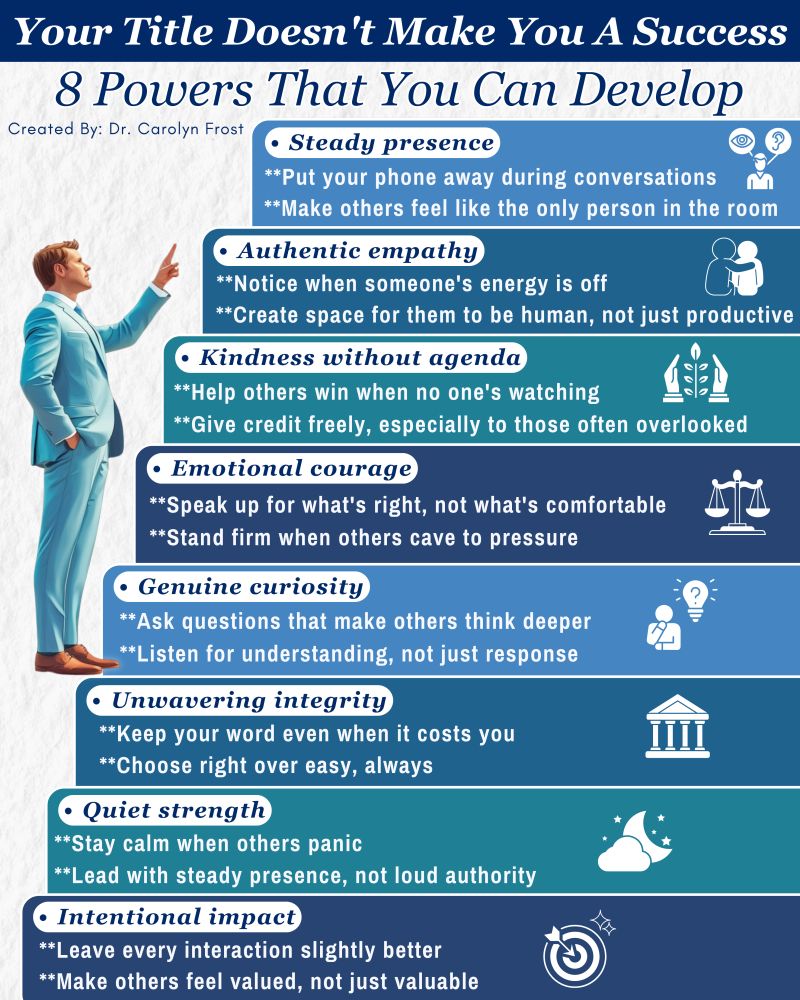
The way you choose to treat others does!
True success isn’t granted by position.
It’s earned through presence.
These 8 powers (that you can develop) transform ordinary careers into extraordinary legacies 👇🏼
1) Steady Presence
↳ Take three breaths before responding to tension
↳ Put phones away during all conversations
↳ Stay calm when others are reactive
2) Authentic Empathy
↳ Ask “What’s challenging about this?” without fixing
↳ Remember personal details shared in passing
↳ Validate feelings before offering solutions
3) Kindness Without Agenda
↳ Compliment work that can’t be repaid
↳ Recognize those who are often overlooked
↳ Welcome new people without being asked
4) Emotional Courage
↳ Name your feelings: “I’m concerned and curious”
↳ Be first to admit when you’re wrong
↳ Address tensions others avoid
5) Genuine Curiosity
↳ Ask “What am I missing?” before deciding
↳ Replace “won’t work” with “tell me more”
↳ Listen to understand, not to respond
6) Unwavering Integrity
↳ Speak of absent people as if they’re present
↳ Keep promises without reminders
↳ Acknowledge mistakes immediately
7) Quiet Strength
↳ Pause after others finish speaking
↳ Lower your voice for important points
↳ Say no without over-explaining
8) Intentional Impact
↳ Set clear intentions before each meeting
↳ Ask “How did that land?” after feedback
↳ Give public recognition where it’s due
Your power doesn’t come from your position.
It comes from your presence.
Which of these powers will you strengthen today?
Smarter People Are a Gift, Not a Competition

It takes a certain kind of maturity to be around brilliant people and not feel small. To listen without rushing to prove you belong. To learn without needing to show you already know. Somewhere along the way, many of us were taught that being the smartest in the room meant you’d “made it.” But that’s a lonely kind of success—because if you’re always the smartest person in the room, it probably means you’ve stopped growing.
Having access to people who think faster, see differently, or know more isn’t a threat—it’s one of the biggest blessings you can have. Their very presence challenges your limits. They sharpen your perspective, humble your ego, and open doors to things you didn’t even know existed. It’s like running next to someone who’s a little faster than you; you don’t resent them, you just find yourself running better.
The trick is to switch from comparison to curiosity. When you stop asking, “How do I measure up?” and start asking, “What can I learn from them?”—everything changes. Your conversations get richer. Your work improves. You start to operate with a quiet confidence that doesn’t need to compete. Because here’s the truth: confidence isn’t about believing you’re better than others—it’s knowing you don’t have to be.
The smartest people I’ve met don’t intimidate me anymore. They inspire me. They remind me that intelligence isn’t a trophy, it’s a tool—and tools get sharper when shared. So when you find yourself surrounded by people who are more experienced, more creative, or more insightful than you, don’t pull back. Lean in. Ask questions. Listen deeply.
You’ll realize that being in that circle doesn’t make you less capable—it means you’re exactly where you’re supposed to be. Growth doesn’t happen in comfort zones. It happens in the company of people who stretch you, who make you rethink, and who remind you that there’s always more to learn.
So next time you walk into a room full of brilliance, don’t let your ego whisper, “You don’t belong here.” Let your gratitude say, “What a blessing that I do.”
9 Signs You’re Overcommitted
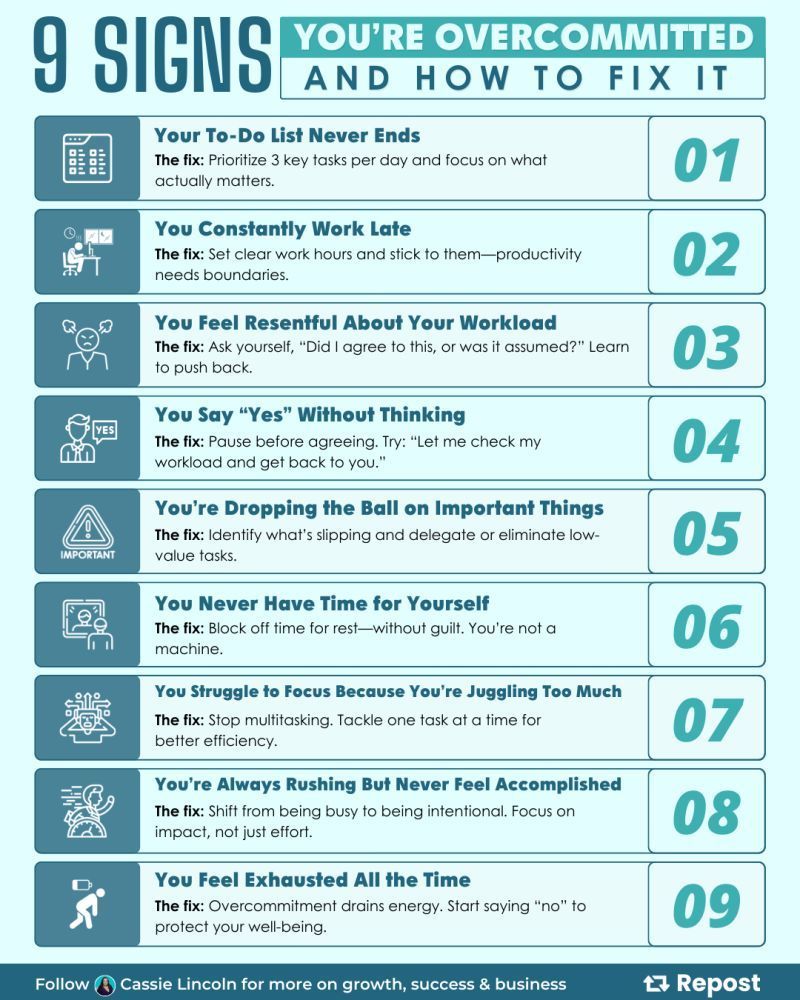
Taking on too much doesn’t mean you’re productive—it means you’re overloaded.
Burnout happens when you say yes to everything and no to nothing.
Here are 9 signs you’re overcommitted—and how to fix it:
1️⃣ Your To-Do List Never Ends
The Fix: Prioritize 3 key tasks per day and focus on what actually matters.
2️⃣ You Constantly Work Late
The Fix: Set clear work hours and stick to them—productivity needs boundaries.
3️⃣ You Feel Resentful About Your Workload
The Fix: Ask yourself, “Did I agree to this, or was it assumed?” Learn to push back.
4️⃣ You Say “Yes” Without Thinking
The Fix: Pause before agreeing. Try: “Let me check my workload and get back to you.”
5️⃣ You’re Dropping the Ball on Important Things
The Fix: Identify what’s slipping and delegate or eliminate low-value tasks.
6️⃣ You Never Have Time for Yourself
The Fix: Block off time for rest—without guilt. You’re not a machine.
7️⃣ You Struggle to Focus Because You’re Juggling Too Much
The Fix: Stop multitasking. Tackle one task at a time for better efficiency.
8️⃣ You’re Always Rushing But Never Feel Accomplished
The Fix: Shift from being busy to being intentional. Focus on impact, not just effort.
9️⃣ You Feel Exhausted All the Time
The Fix: Overcommitment drains energy. Start saying “no” to protect your well-being.
If you don’t set limits, your time will always belong to someone else.
Leading Change

Most teams don’t fear change—
They fear being left in the dark:
When people don’t know what’s happening,
they fill the silence with fear.
And that’s what breaks trust—
not the change itself.
When leaders aren’t transparent, teams feel:
❌ Overwhelmed by sudden changes
❌ Confused by shifting priorities
❌ Disconnected from decisions
❌ Uncertain about the future
❌ Distrustful of leadership
❌ Left in the dark
But when change is led openly –
✅ Trust stays strong
✅ Teams align faster
✅ Decisions improve
✅ Engagement increases
✅ Fear turns into confidence
✅ People understand the ‘why’
The key?
Clarity.
Honesty.
Consistency.
People don’t resist change—
They resist being left out of it.
Teams can’t support what they don’t understand.
Say the plan. Show the reason.
Let people see where they fit.
Atomic Habits

People don’t fail because they’re lazy.
They fail because their systems are broken
The truth is, motivation fades.
But habits run on autopilot.
Want to reinvent your results?
Here’s how James Clear’s Atomic Habits shows us to do it:
1️⃣ Make it Obvious
↳ Design your environment for success. Your surroundings are stronger than your willpower.
2️⃣ Make it Attractive
↳ Bundle habits with rewards. Want to read more? Pair it with your favorite coffee.
3️⃣ Make it Easy
↳ Reduce friction. Prep healthy meals. Lay out your gym clothes. Remove obstacles.
4️⃣ Make it Satisfying
↳ Track wins. Celebrate progress. Tiny rewards build big consistency.
Breaking Bad Habits?
Flip the system:
✅ Hide the cues
✅ Reframe the habit as harmful
✅ Add friction
✅ Make it unsatisfying
Remember:
Small, consistent actions > sporadic motivation.
1% better every day = 37x improvement in a year.
❓ What’s one tiny habit that changed your life?
The Weight You Don’t See

People often say, “You’re so strong,” as if that’s always a compliment. But sometimes strength isn’t a choice — it’s survival. It’s waking up, showing up, smiling through the ache, and carrying on even when every step feels like it’s taken through mud. Just because someone carries their load with grace doesn’t mean it isn’t heavy. It only means they’ve learned how to keep moving without letting it crush them.
There’s a strange kind of invisibility that comes with appearing “fine.” When you seem put together, no one asks if you’re tired. When you’re reliable, no one checks if you’re breaking. When you’re calm in chaos, people assume you’re untouched by it. But the truth is — composure often hides exhaustion. Strength often hides strain. Some of the most peaceful faces belong to people who’ve wrestled the hardest battles in silence.
And maybe that’s the hardest part. The world doesn’t see the moments when you bite your tongue to keep from crying. Or when you wake up from a sleepless night and still pour your coffee, put on your shoes, and go about your day as if everything’s fine. No applause, no sympathy — just quiet endurance.
So if that’s you — the one who carries a lot but doesn’t let it show — know this: it’s okay to set it down sometimes. It’s okay to say, “This is heavy.” You don’t owe anyone the illusion of effortless strength. There’s courage in admitting that life can be overwhelming. There’s grace in saying, “I need a minute.”
And when someone around you seems steady, don’t assume they’re unshaken. The ones who carry it well often do so out of necessity, not ease. Ask them how they’re really doing. Offer a pause, a prayer, a presence — something that reminds them they don’t have to be strong all the time.
Because everyone’s carrying something. Some burdens are visible; others are tucked neatly behind a practiced smile. But weight is weight, no matter how well it’s held. And sometimes, the kindest thing you can do — for yourself or someone else — is to stop pretending it’s light.
Understanding your team’s thinking style
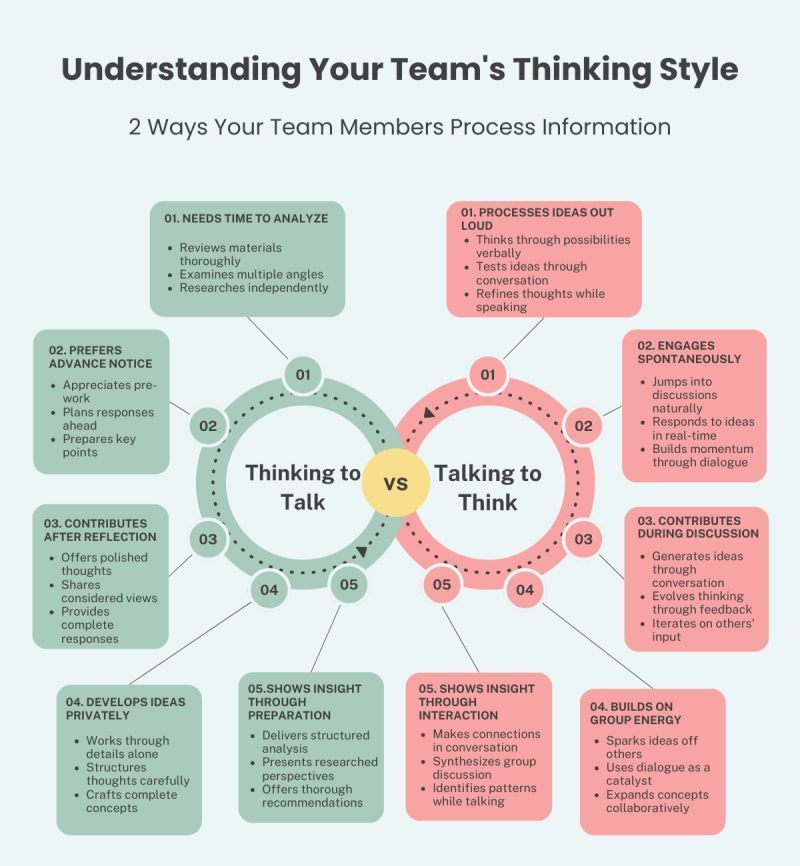
Do you talk to think — or think to talk?
This one question changed how I understand team dynamics.
A leader recently told me they were trying to “fix” their team’s communication:
“The quiet ones need to speak up. The vocal ones need to tone it down.”
This leader…
–>They weren’t solving a communication problem.
–>They were overlooking a processing difference.
People process ideas differently.
Some talk to think:
↳ They figure things out as they speak
↳ Refine ideas through sharing
↳ Gain energy from discussion
Others think to talk:
↳ They build ideas quietly
↳ Connect the dots internally
↳ Speak when their thoughts feel complete
Neither is wrong. Both are valuable.
What looks like “holding back” may be thoughtful reflection.
What feels like “taking over” might be thinking out loud.
Start designing for how they process.
-Time to talk
-Space to think
-Respect for both
The best ideas don’t come from uniformity.
They come when every thinking style has room to breathe.
Our Weekend in New York

There’s something about waking up in New York that makes you feel like anything’s possible. The city hums even before the sun fully rises, as if it’s whispering, “Come on, there’s so much to see.”
Day 1
We started our day at Rockefeller Center, where the morning chill made the ice rink sparkle. Watching skaters twirl under the flags felt like stepping into a scene from a holiday movie — cheerful music, warm coffee, and that unmistakable New York energy. Just across the street, St. Patrick’s Cathedral stood in quiet contrast. We slipped inside for a few moments, letting the stillness of the cathedral wash over us. Its stained glass and towering arches made time slow down — a peaceful pause before the rest of the day took off.

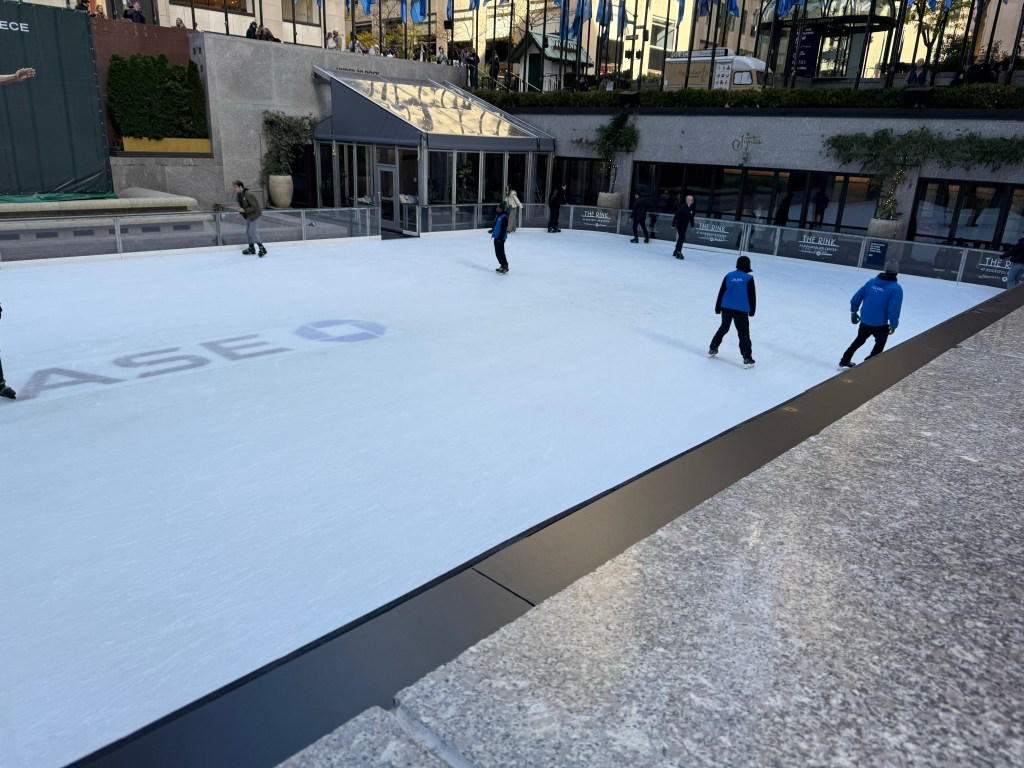
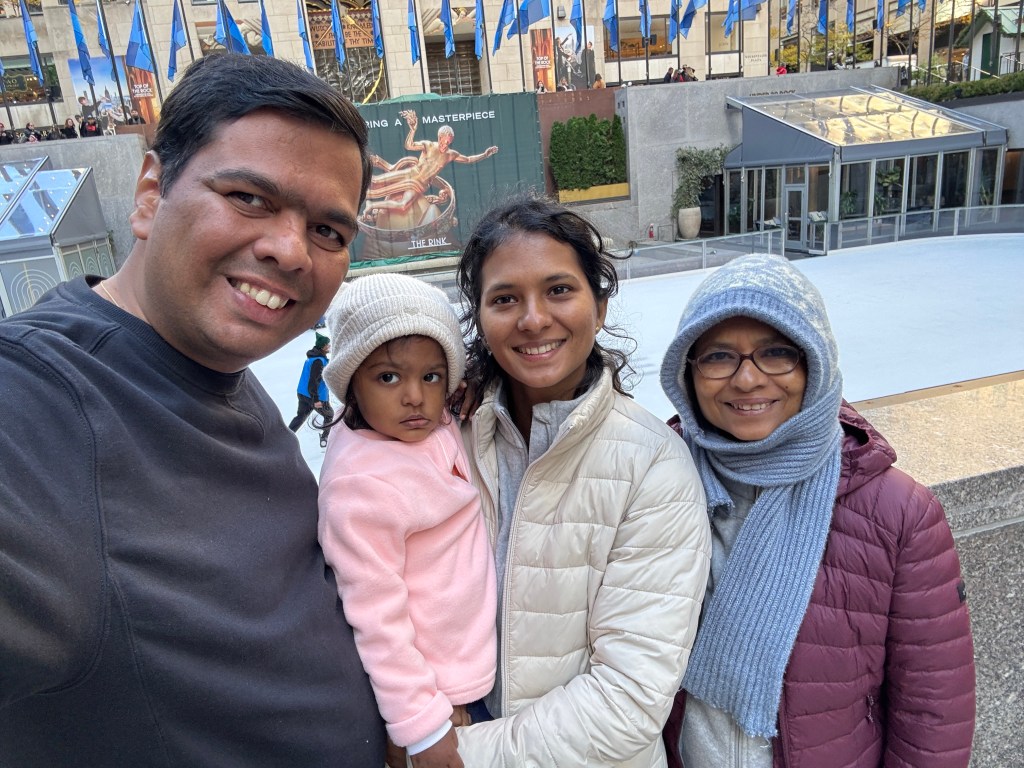



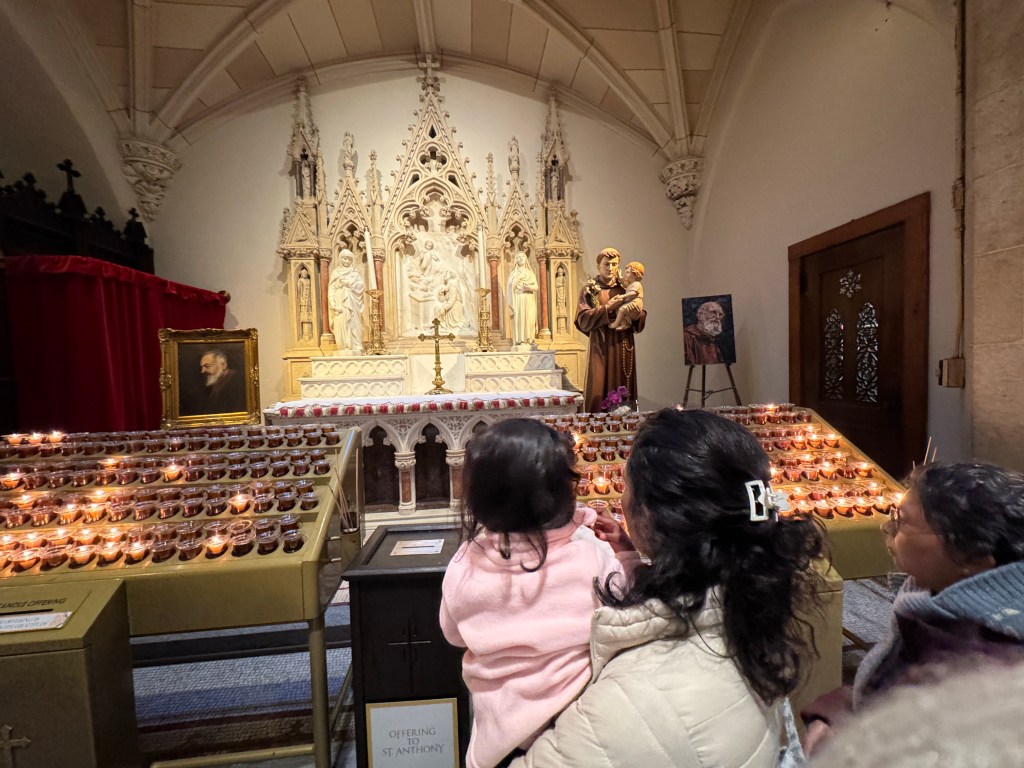


From there, we headed all the way downtown to Battery Park. The wind was crisp, the water alive with movement, and there she was — the Statue of Liberty, standing tall across the harbor. No matter how many times you’ve seen her, there’s always something stirring about that sight. It’s like looking at the very idea of hope.







Next up was the One World Observatory. The elevator ride is a show in itself — history flashing across the walls as you rise to the top in seconds. And then suddenly, you’re standing above the city, watching the skyline sprawl endlessly beneath you. We had lunch there, overlooking Manhattan, where every skyscraper felt like a story and every street below like a memory in motion.








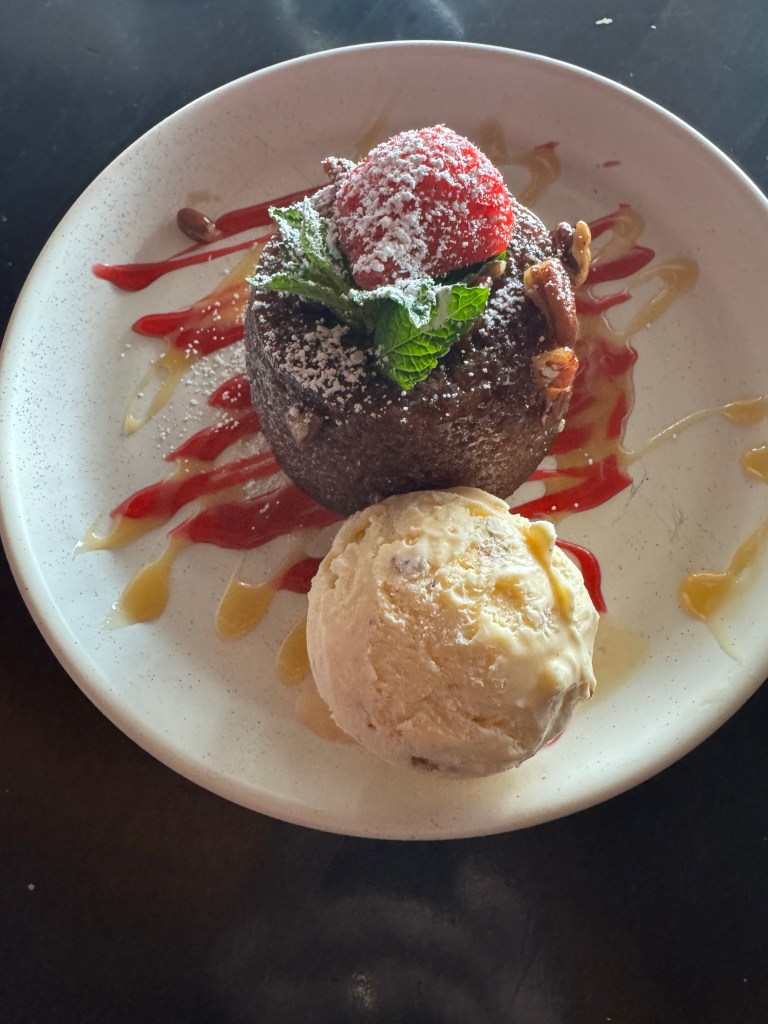










Afterward, we made our way to the 9/11 Museum. It’s hard to describe what it feels like walking through it — part sadness, part awe, part gratitude. The exhibits are powerful and deeply personal. You leave quieter than you entered, with a different kind of appreciation for life and resilience.
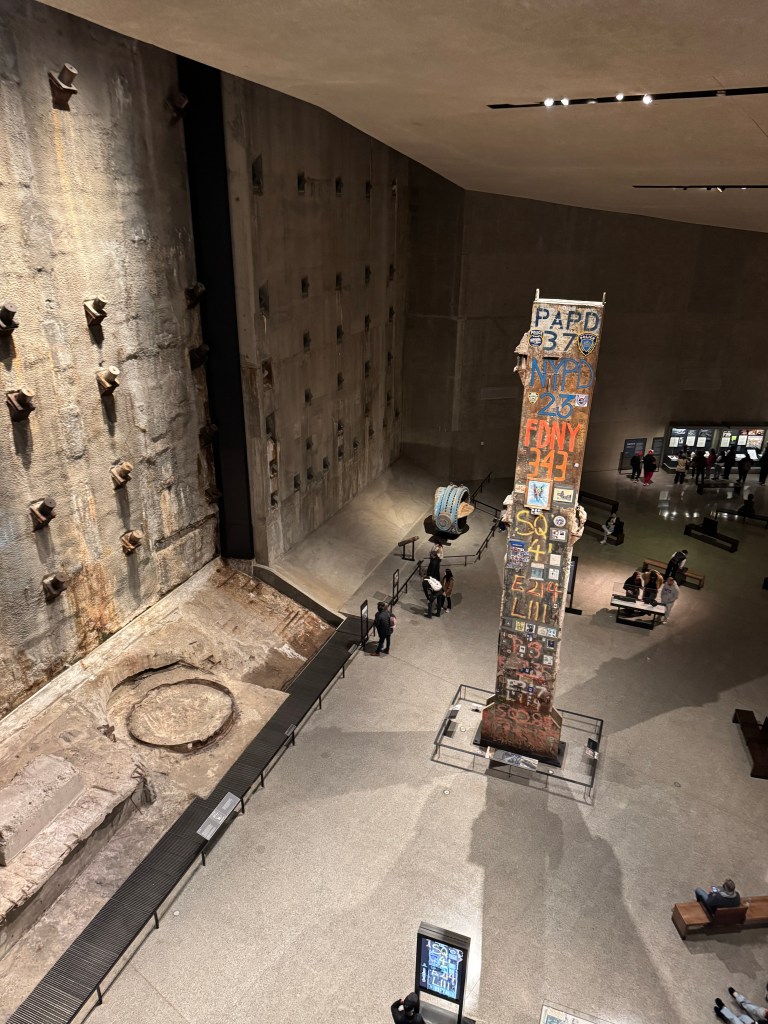

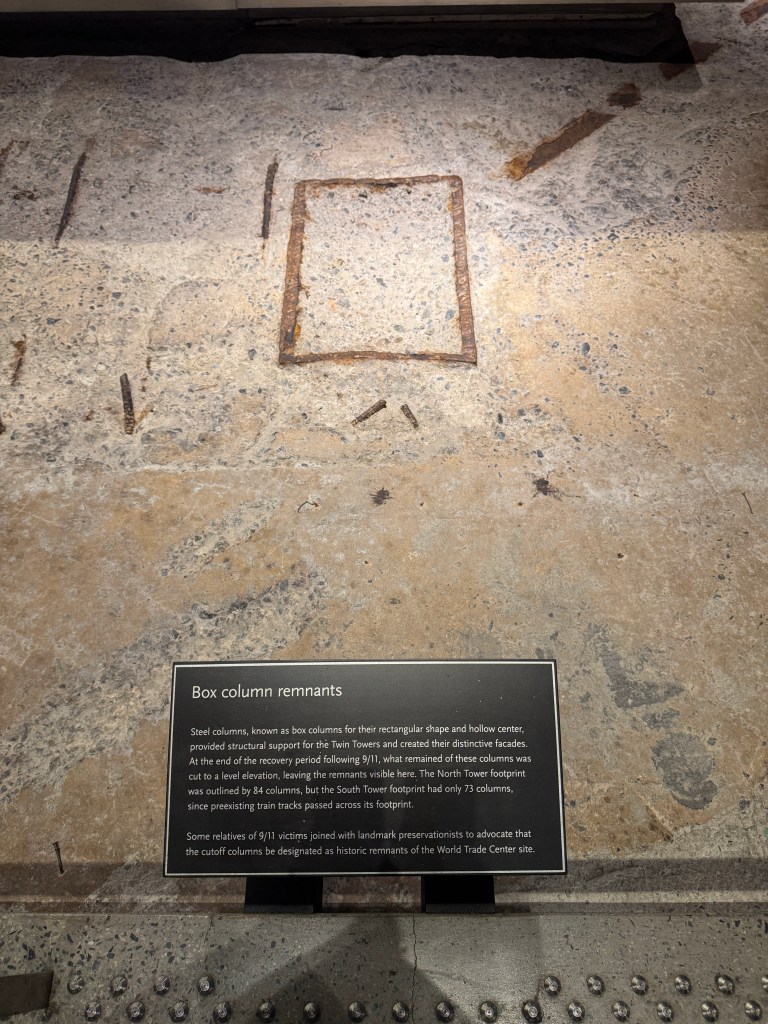

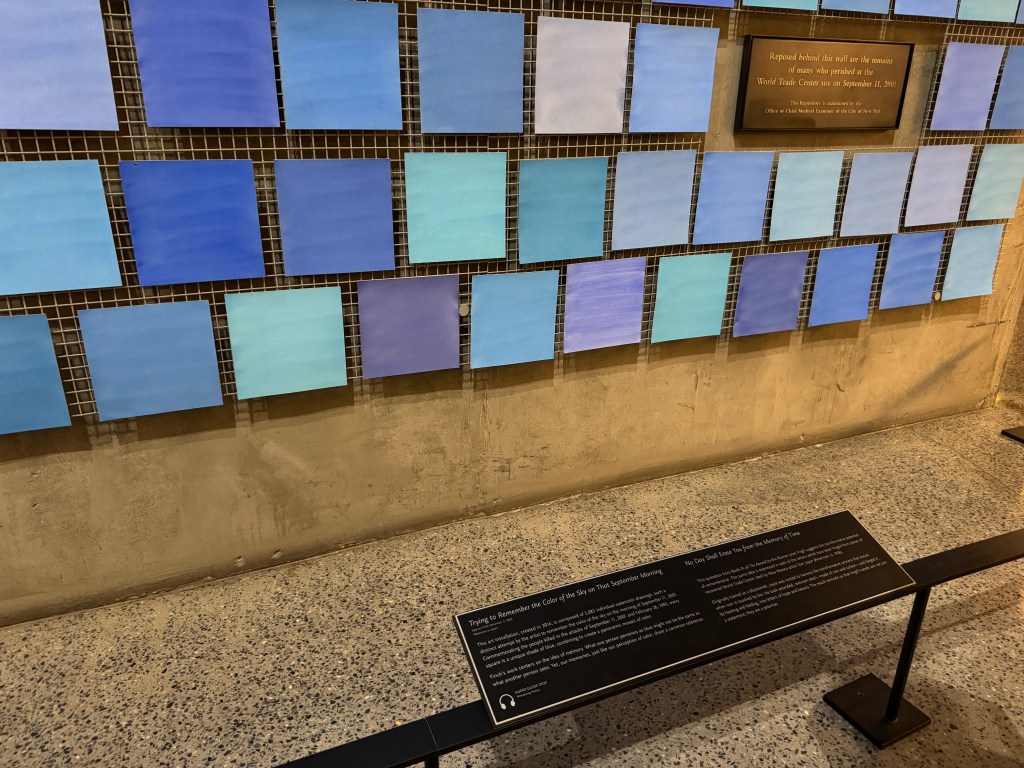

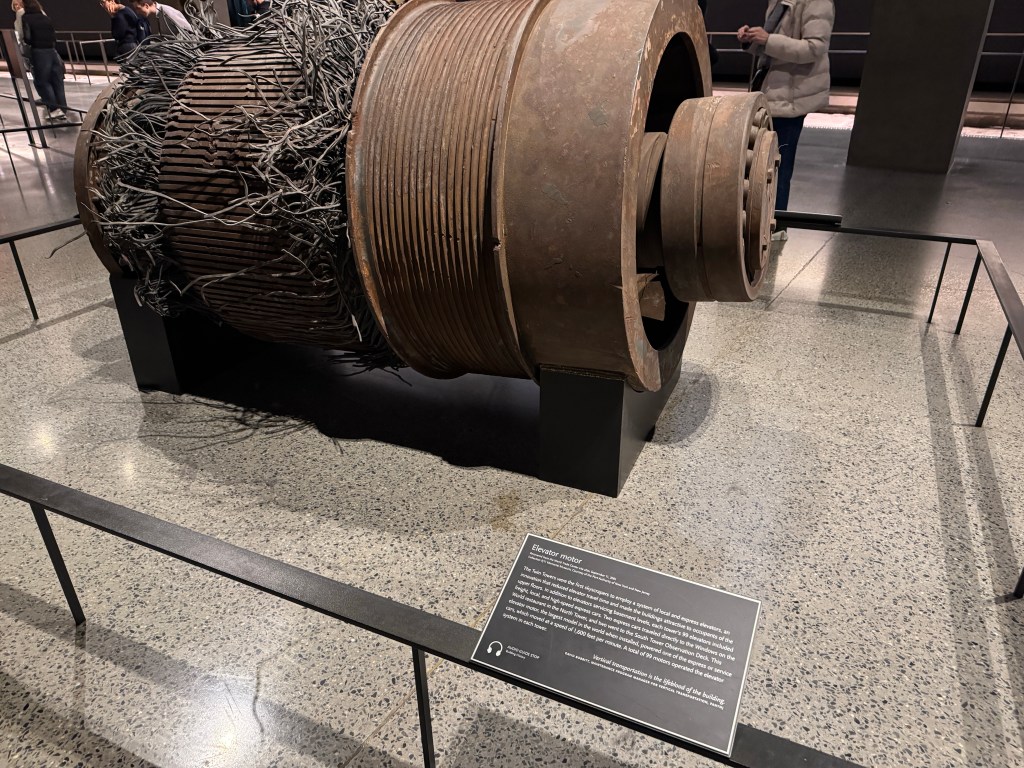


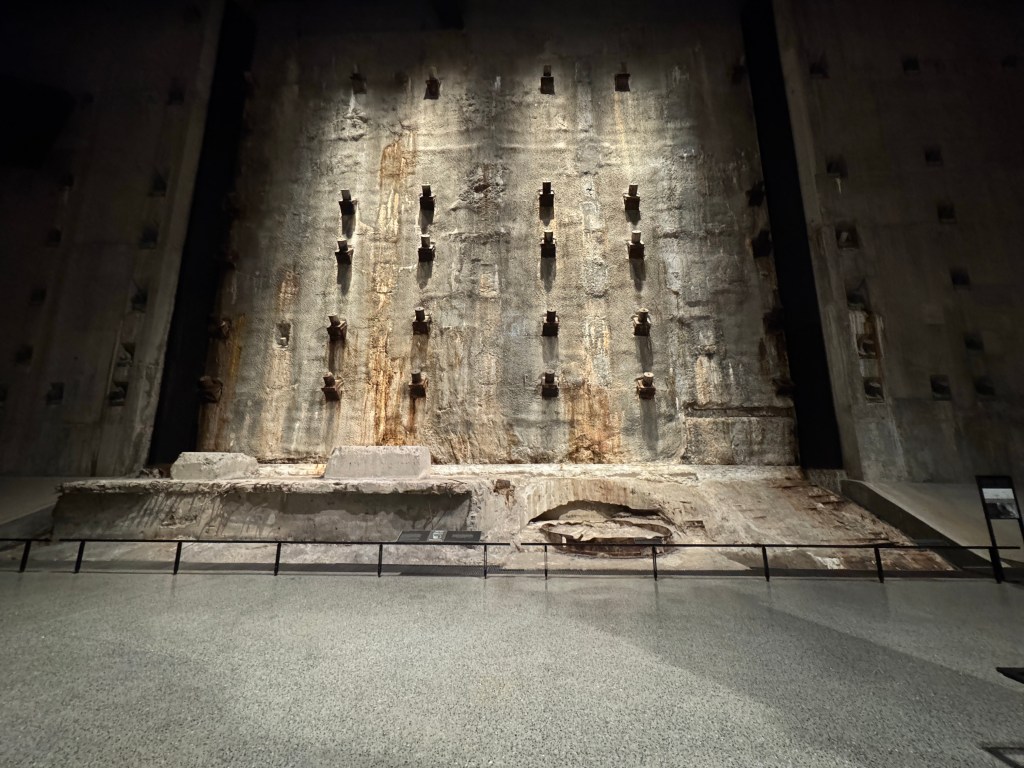



Our day ended with a train ride from the Oculus back to Times Square. The Oculus, with its soaring white ribs, felt almost otherworldly — calm, clean, and bright. But as soon as we stepped into Times Square, we were back in the heartbeat of New York — lights flashing, people laughing, music pulsing through the air.


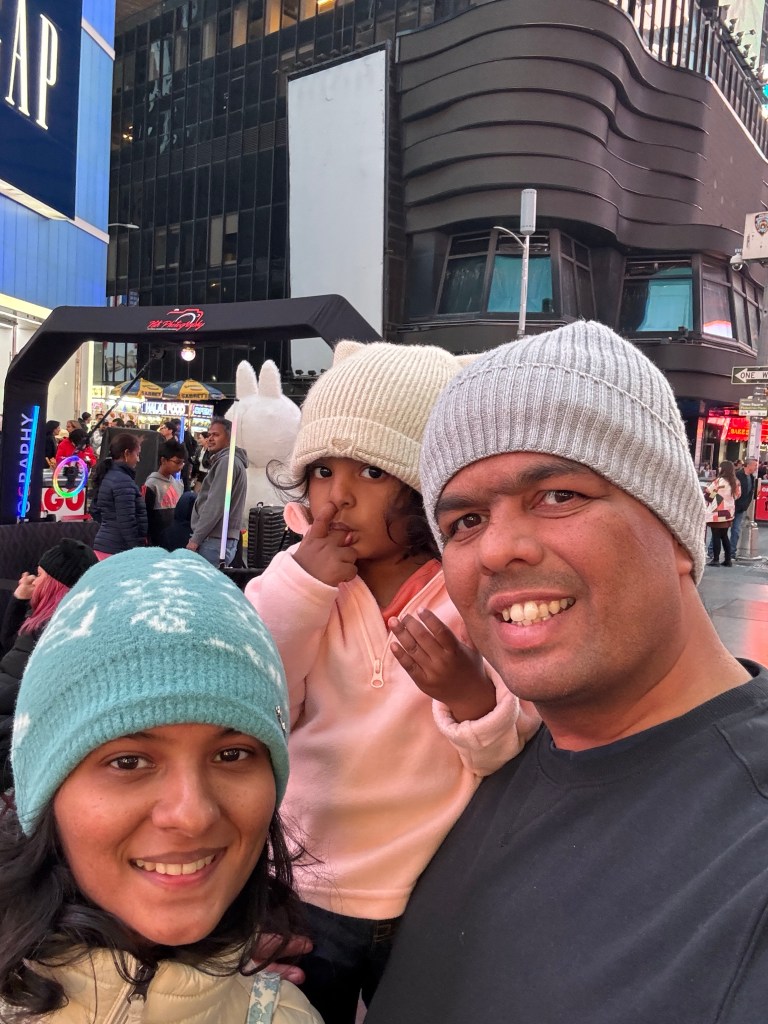


It was the perfect closing scene — a day that began with serenity and ended in chaos, but in the best possible way. That’s the beauty of New York — it gives you both, often in the same breath.
Day 2: Fall Colors and Family Moments
Day 2 in New York unfolded like a slow, beautiful film — one where every frame had a touch of gold from the autumn sun. We started our morning at Grand Central Station, that timeless cathedral of movement where even the rush feels poetic. The echo of footsteps, the ceiling of constellations, and the quiet rhythm of travelers all heading somewhere — it never loses its magic.


From there, we caught a train to Port Chester. The ride was short but filled with the kind of conversation that drifts easily — the kind that only happens when family is together and no one’s in a hurry. Outside, the trees flashed their colors like they knew their season was almost over — orange, crimson, amber — a whole palette painted across the Hudson line.
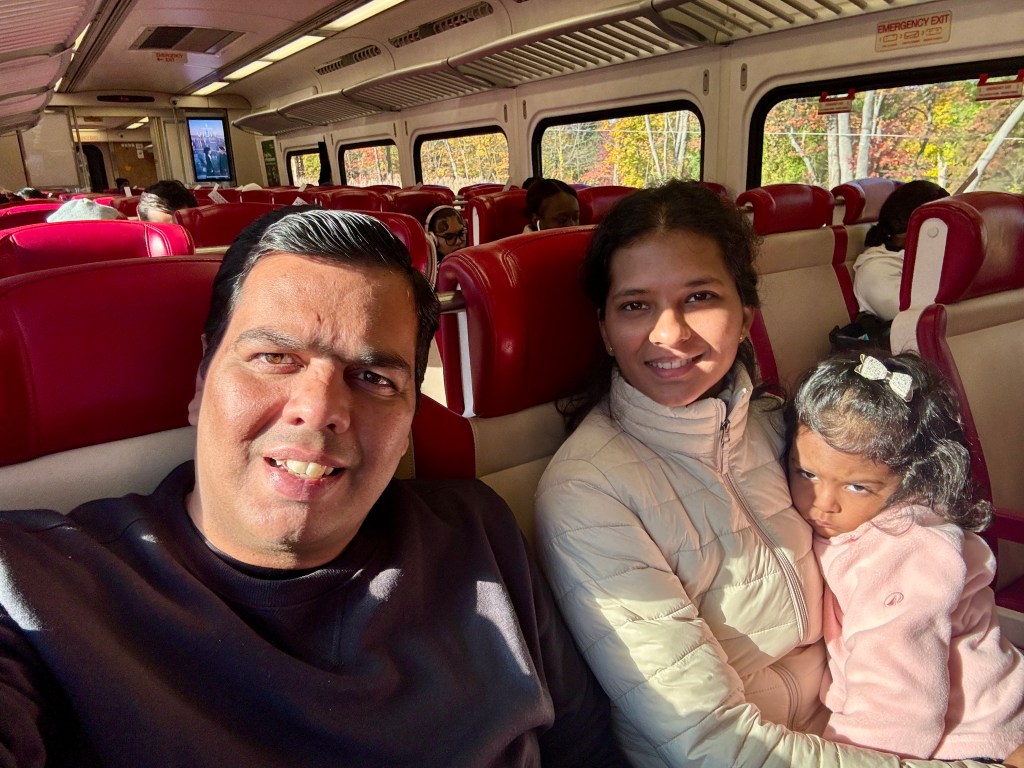
Mass at the local church brought a comforting calm. There’s something grounding about stepping into a place of prayer away from home; the rituals are the same, yet the faces are new. Aunt Maletta, Julian, and Gabby felt right at home too — familiar faith in unfamiliar pews.




Afterward, lunch at Rafele was everything you’d want after a morning like that — warm bread, laughter, and a table that stayed full long after the plates were cleared. The conversations bounced between memories and plans, each story adding another layer to the day.

The afternoon took us to the Pepsi Park sculpture garden — a quiet surprise filled with open skies, striking art, and trees dressed in fall’s finest. This is the headquarters of Pepsi, located in Harrison. We took more photos than we’ll ever print, but each one tried to capture the way the sunlight hit the leaves just right, or how Gabby’s laughter carried in the breeze.











We ended the day at Tiki Beach boardwalk, watching the light fade over the water. The air was crisp, the sky blushing with sunset, and the waves whispering the kind of peace you only find at the end of a full day.




We made one last stop before calling it a night — a cozy little pub nearby, the kind with soft lighting, friendly chatter, and the perfect end-of-day warmth. After a few laughs and a quick toast to the day, we walked off the night near Madison Square Garden and Macy’s, city lights shimmering around us. The streets felt alive, but not rushed — like New York was winding down too, just at a different rhythm.




It wasn’t about checking places off a list — it was about slowing down, soaking in small wonders, and being surrounded by people who make ordinary moments feel extraordinary.
 Kenrick Vaz