
They crossed the line—
Now it’s your move:
Most people think disrespect
is about what was said.
It’s not.
It’s about what happens next.
That’s where your real power shows up.
You can’t control someone else’s tone, ego,
or behavior—but you can decide what
you will do in the moment.
And that choice is what keeps you in control.
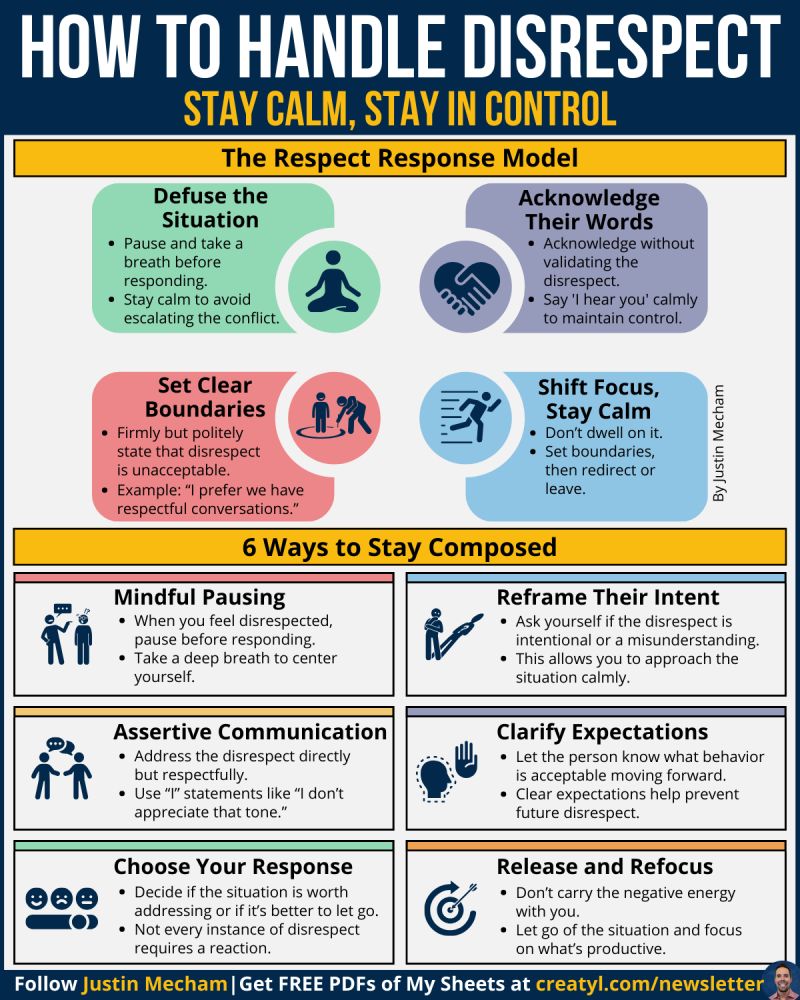
Use my Respect Response Model to respond
without raising your voice, lowering your
standards, or losing your peace:
🟢 Defuse first
Take a breath. Pause before you respond.
🟣 Acknowledge calmly
Say “I hear you” without validating the disrespect.
🔴 Set boundaries
Be clear on what’s not okay—firm but respectful.
🔵 Shift the focus
Stay calm. Redirect, step away, or change the subject.
And if you want to stay grounded
when people cross the line:
🔹 Reframe their intent
Was it disrespect—or a misunderstanding?
🔹 Use “I” statements
Explain what crossed the line
without making it personal.
🔹 Choose your response
Not every comment deserves your energy.
You don’t win by outshouting anyone.
You win by staying clear on who you are—
while under pressure.
Because anyone can react.
Few know how to respond.
The Quiet Kind of Magic

We spend a lot of time chasing the loud version of magic. The kind that sparkles from a distance. The kind that photographs well. Lights strung just right. Gifts wrapped with precision. Homes that look like they belong on a holiday card. It’s easy to believe that magic lives there—on display, waiting for approval.
But real magic is quieter than that.
It doesn’t announce itself when you walk into a room. It settles in gently, almost unnoticed, until you pause long enough to feel it.
It shows up the moment you feel welcome. Not impressed. Not evaluated. Just welcome. The kind of welcome that doesn’t care how big the house is or how carefully curated the space looks. The kind that says, you’re safe here, without using words. Sometimes that welcome comes from others. Sometimes, and this matters more than we admit, it comes from ourselves.
There’s a special warmth in being seen. Not the spotlight kind, but the human kind. Being noticed without being measured. Being understood without needing to explain. In a crowded room, it can feel rare. In a quiet moment, it can feel profound. And when it happens, even briefly, it changes the way the day feels.
We often confuse noise with meaning. More people, more plans, more effort must mean more magic—right? But some of the most meaningful moments happen when nothing extraordinary is going on. No agenda. No performance. Just presence.
A cup of coffee enjoyed slowly. Music playing softly in the background. Light falling across a room in a way that feels kind. These moments don’t ask for attention, but they reward it. They remind us that beauty doesn’t need an audience to be real.
There’s also a quiet courage in choosing to create something beautiful for yourself. No applause. No validation. Just the simple decision that you are worth the effort. That your space, your time, your peace matter—even on an ordinary day, even when no one else is watching.
That kind of love is subtle but powerful. It doesn’t rely on seasons or celebrations. It doesn’t expire when the lights come down or the decorations are packed away. It stays. It grounds you. It becomes a steady source of calm in a world that constantly asks for more.
And maybe that’s what magic really is. Not something we manufacture with things, but something we allow through care. Care for others. Care for moments. Care for ourselves.
It’s the feeling of being at home, wherever you are. It’s knowing you don’t have to earn belonging. It’s recognizing that even a quiet day spent alone can be full, meaningful, and beautiful.
That kind of magic doesn’t shout.
It doesn’t sparkle on demand.
But once you notice it, you realize it’s been there all along—waiting for you to slow down and let it in.
Negotiate Like a Donkey (Not a Peacock)
Want to win your next high-stakes negotiation?
Stop trying to be the smartest person in the room.
The flashy Peacock negotiator leads with expertise, confidence, and fast anchors.
The humble Donkey negotiator? Patient. Steady. Inquisitive. Deceptively simple.
And paradoxically—the donkey wins more.
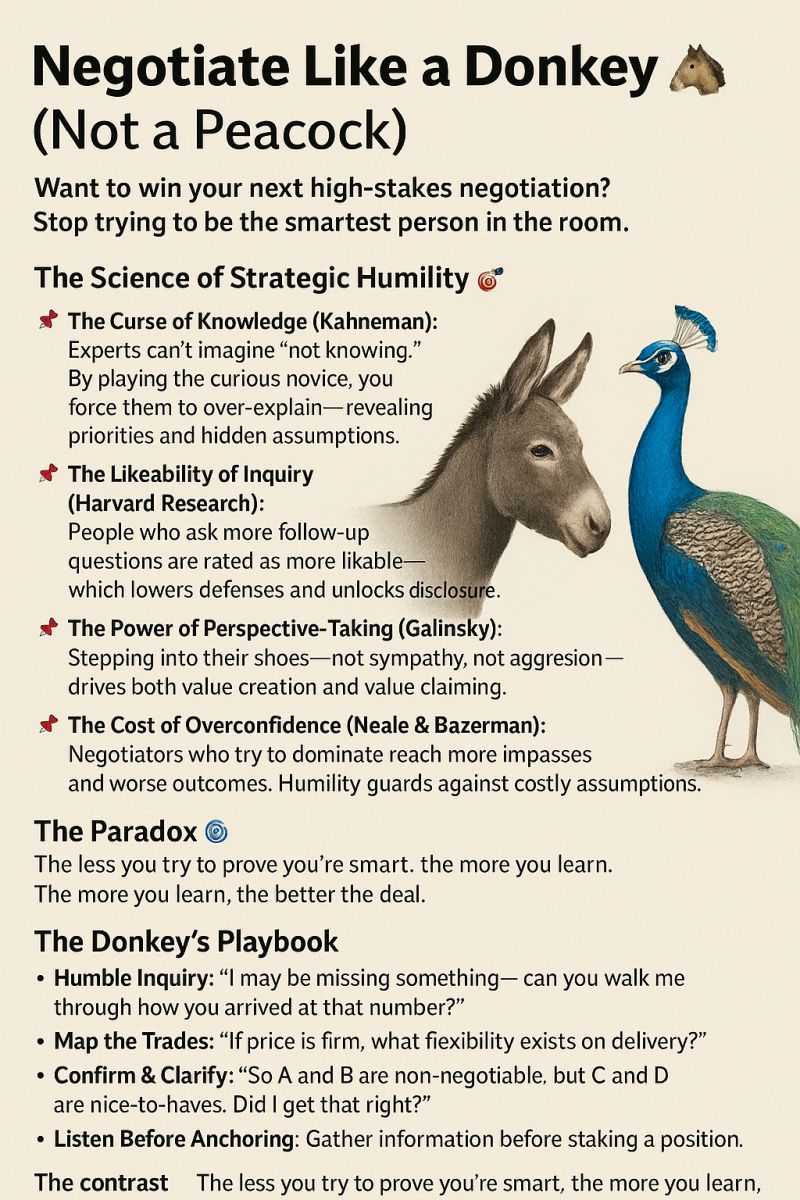
The Science of Strategic Humility 🎯
📌 The Curse of Knowledge (Kahneman):
Experts can’t imagine “not knowing.” By playing the curious novice, you force them to over-explain—revealing priorities and hidden assumptions.
📌 The Likeability of Inquiry (Harvard Research):
People who ask more follow-up questions are rated as more likable—which lowers defenses and unlocks disclosure.
📌 The Power of Perspective-Taking (Galinsky):
Stepping into their shoes—not sympathy, not aggression—drives both value creation and value claiming.
📌 The Cost of Overconfidence (Neale & Bazerman):
Negotiators who try to dominate reach more impasses and worse outcomes. Humility guards against costly assumptions.
The Paradox 🌀
The less you try to prove you’re smart, the more you learn.
The more you learn, the better the deal.
The Donkey’s Playbook
· Humble Inquiry: “I may be missing something—can you walk me through how you arrived at that number?”
· Map the Trades: “If price is firm, what flexibility exists on delivery?”
· Confirm & Clarify: “So A and B are non-negotiable, but C and D are nice-to-haves. Did I get that right?”
· Listen Before Anchoring: Gather information before staking a position.
The Contrast
🦚 Peacock: Asserts, performs, anchors fast → Thin trust, fixed-pie deals.
🐴 Donkey: Probes, re-asks, clarifies → Rich disclosure, creative trades, durable agreements.
Sometimes the smartest negotiator is the one who looks like the slowest learner.
The donkey outsmarts the peacock. Every time.
👉 In your next negotiation, what’s the one “dumb” follow-up question you’re willing to ask that might make it the smartest deal of the year?
Navy Seal Mantras
What can the military teach us about resilience?
A lot, it turns out.
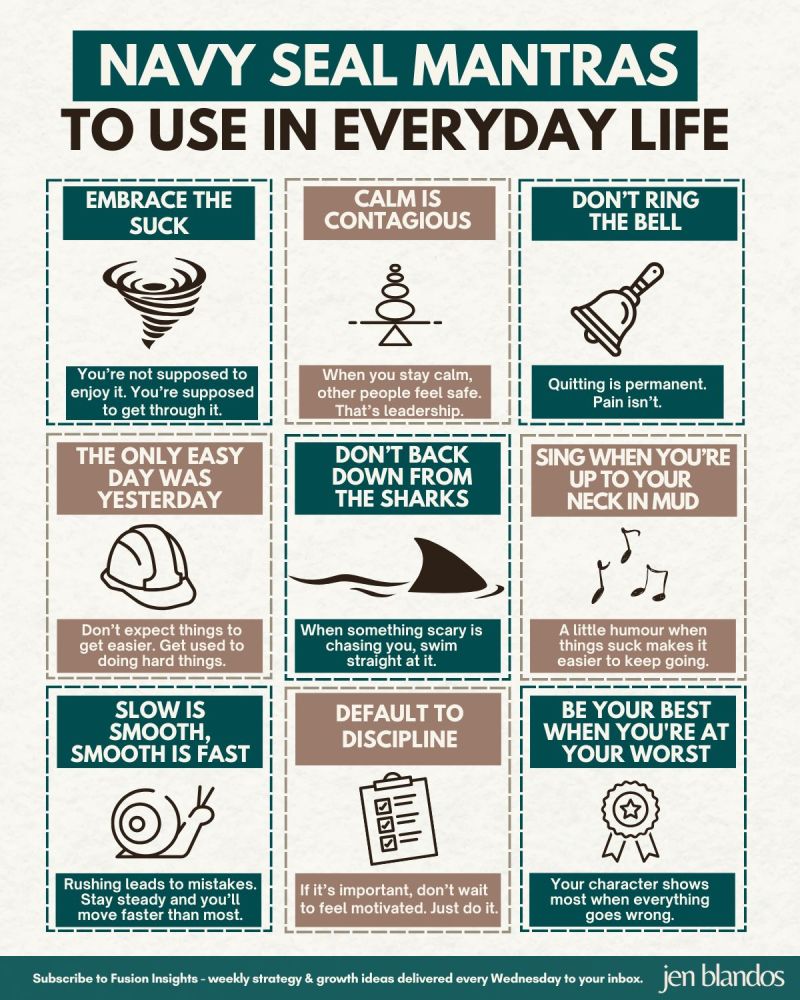
These 9 mantras used by Navy SEALs can help navigate everyday stress, tough decisions and personal growth.
1/ Embrace the suck
↳ You’re not supposed to enjoy hard things. You’re supposed to finish them.
2/ Calm is contagious
↳ Your presence matters. Composure is leadership.
3/ Don’t ring the bell
↳ Quitting feels easy now. But regret lasts longer.
4/ The only easy day was yesterday
↳ Get comfortable doing what’s uncomfortable.
5/ Don’t back down from the sharks
↳ Face your fear head-on. Don’t flinch.
6/ Sing when you’re up to your neck in mud
↳ A sense of humour can carry you further than strength.
7/ Slow is smooth, smooth is fast
↳ Rushing causes mistakes. Move steady and win.
8/ Default to discipline
↳ Motivation fades. Discipline carries you when it does.
9/ Be your best when you’re at your worst
↳ Your character shows when everything falls apart.
7 Habits of Effective Leaders
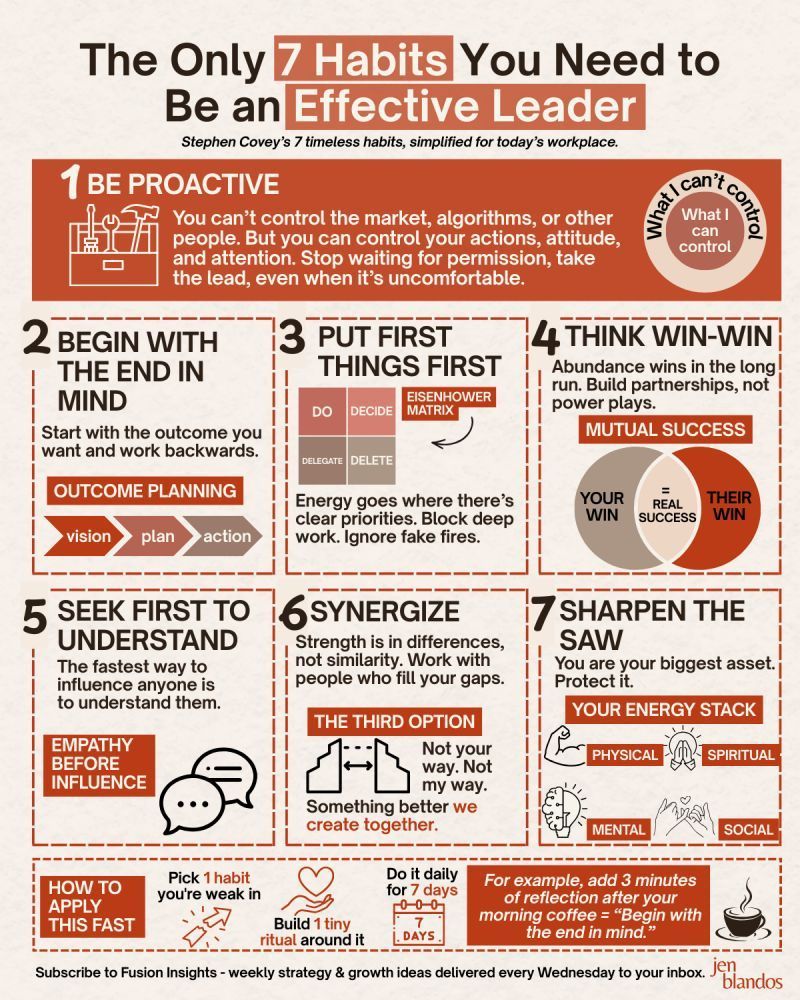
Stephen Covey’s 7 Habits were published in 1989.
But in today’s world of burnout and “busywork” – they’re more relevant than ever.
This is the cheat sheet I wish every manager, founder, and exec had on their wall.
Because “high performance” isn’t about doing more.
It’s about doing the right things, in the right way.
If you only pick one:
↳ Be proactive.
↳ Prioritise what actually matters.
↳ Protect your energy like it’s your edge – because it is.
Start small.
Build the habit.
Then stack the next one.
Reengage Quiet Clients
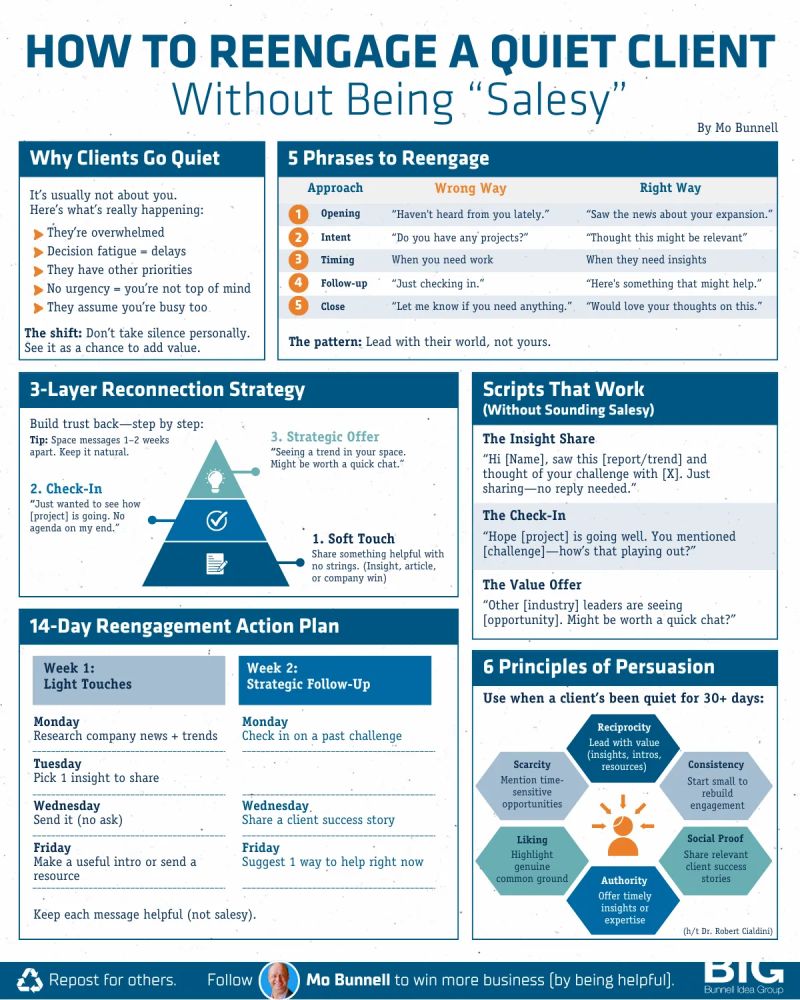
That quiet client?
They’re not lost…
They may just need the right nudge.
Everyone’s busy.
They may be overloaded.
And you’ve slipped off their radar.
But here’s the truth:
Silence isn’t rejection.
It’s an opportunity in disguise.
The key is reengaging, without pressure.
Just small, thoughtful nudges that rebuild trust over time.
Here’s my simple 3-step reconnection plan:
1. Soft Touch
→ Share a useful article, trend, or insight
→ Highlight a company or personal win
→ Expect no reply, just offer value
2. Strategic Check-In
→ Reference a past project or challenge
→ Ask how it’s going, no hidden agenda
→ Keep it warm, short, and personal
3. Value-Forward Offer
→ Mention a trend you’re seeing in their space
→ Share a quick story or useful idea
→ Suggest a short call only if helpful
Stack these steps, and you’ve got a trust-building
sequence that works.
Space your messages 1–2 weeks apart.
Keep them short.
Always lead with their world, not yours.
💬 Got a client you’d love to reengage?
Try step one this week.
And let me know what happens.
5 Levels of Listening
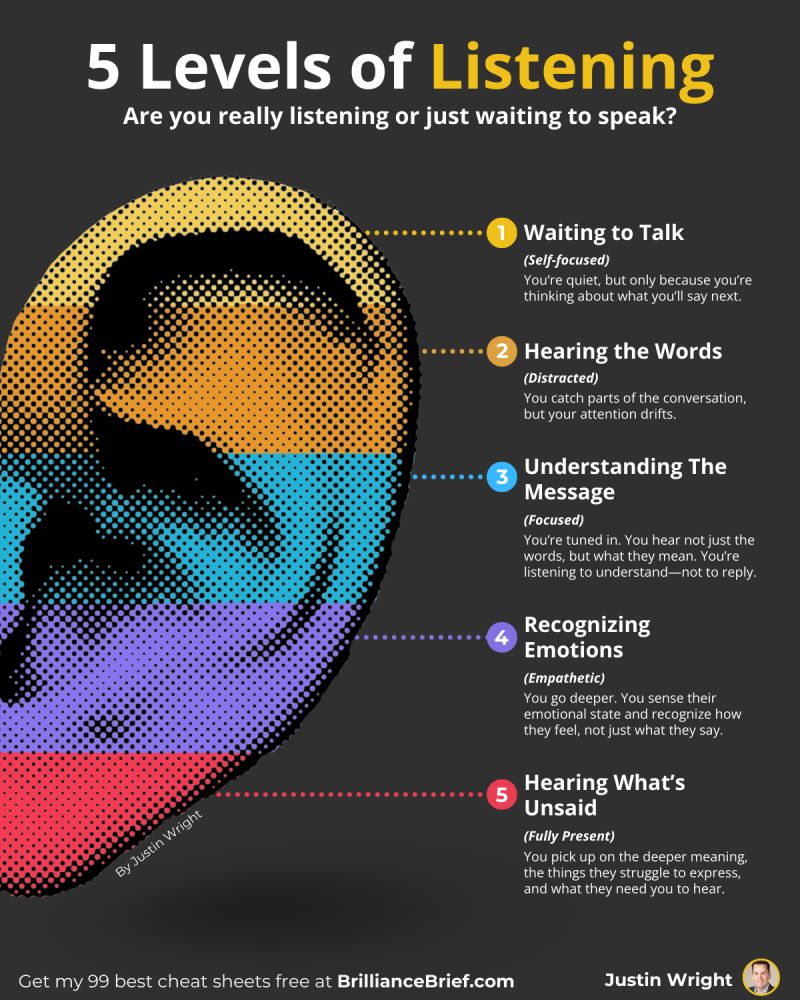
Most people think they’re great listeners.
But they’re stuck at level 2.
They nod.
They make eye contact.
They wait for their turn to speak.
But they’re not really hearing you.
The difference between good leaders and great ones?
They’ve mastered the art of real listening.
Because if you can’t listen, you can’t lead.
You miss what your team isn’t saying.
You miss what your clients really need.
You miss the chance to build trust (before you need it).
Great listening isn’t passive.
It’s not about being quiet.
It’s a skill.
And most people are at the bottom of the scale.
Here are the 5 levels of listening:
1/ Waiting to talk
You’re quiet, but only because you’re thinking about what to say next.
2/ Hearing the words
You catch some of it, but your attention drifts.
3/ Understanding the message
You’re focused. You listen to understand, not just to reply.
4/ Recognizing emotions
You show empathy. You sense how they feel, not just what they say.
5/ Hearing what’s unsaid
You’re fully present. You pick up on tone, hesitation, and the hidden needs beneath the words.
Leaders who reach level 5?
They build trust faster.
They strengthen relationships.
They make people feel seen and safe.
They diffuse tension before it explodes.
You don’t need to talk more to lead better.
You need to listen deeper.
Which level are you leading from?
SMART Framework

Are you setting goals that stick? Or are you just dreaming?
Many people set goals but struggle to achieve them. The SMART framework can guide you through setting goals that are not just wishful thinking but steps towards real progress.
Here’s how to apply the SMART criteria:
1. Specific 🎯
A goal should be clear and specific. For example, instead of saying, “I want to get fit,” say, “I will jog for 30 minutes every morning.”
2. Measurable ⏱️
You need to track your progress. Ask yourself, “How will I know when I’ve achieved this goal?” Incorporating numbers helps you measure growth. For instance, “I will read one book a month.”
3. Achievabl ✅
Ensure your goals are realistic. Consider your current resources and constraints. Setting a goal like “I will lose 5 pounds in a month” is more achievable than “I will lose 50 pounds.”
4. Relevant 🔗
Your goals must align with your life purpose and long-term objectives. A goal needs to matter to you. For example, if you want to advance your career, “I will learn a new programming language” is relevant.
5. Time-Bound 📅
Your goals should have a deadline. This creates a sense of urgency. For instance, “I will complete my online course by the end of June” ensures you focus on the task at hand.
To reinforce your goal-setting journey, here are some tips:
– Write your goals down and place them where you’ll see them.
– Review your progress regularly and adjust if necessary.
– Celebrate small victories along the way.
By using the SMART framework, you create clarity in your goal-setting. It transforms vague aspirations into achievable milestones.
Before the Year Slips Away

There’s something quietly sacred about these last days of the year. The noise has mostly died down. The big celebrations are either behind us or about to happen, and in between there’s this soft, suspended moment where time feels slower, thinner, almost transparent. Like the year is exhaling.
We arrive here tired. Not the kind of tired sleep fixes, but the deeper kind that comes from carrying twelve months of showing up. Plans that worked. Plans that didn’t. Conversations we replay in the shower. Versions of ourselves we tried on and outgrew. Losses we didn’t expect. Wins we didn’t pause long enough to celebrate.
And yet, somehow, there’s still room for magic.
Not the dramatic kind. Not fireworks or miracles that change everything overnight. The small kind. The kind that slips in unnoticed if you’re not paying attention.
It looks like an unexpected message from someone you thought had forgotten you. A quiet morning where the light hits just right and you feel okay for no particular reason. A laugh that surprises you because you didn’t think you had it in you anymore. A moment of peace that doesn’t demand anything from you.
This is the kind of magic that doesn’t announce itself. It doesn’t ask you to be healed, fixed, or figured out. It just finds you as you are.
These days at the end of the year don’t ask for resolutions yet. They don’t need grand promises or perfectly articulated goals. They ask for something gentler. They ask you to notice. To soften. To stop gripping the year so tightly and let it become a story instead of a burden.
Maybe the magic is realizing you survived things you once thought would break you. Maybe it’s forgiving yourself for the ways you fell short. Maybe it’s finally understanding that rest is not a reward, it’s a requirement. Or that becoming is rarely loud; it happens quietly, in ordinary days, when no one is watching.
There’s a strange kindness in endings. They remind us that nothing stays unfinished forever. That even heavy chapters eventually turn into pages you no longer have to reread. The year doesn’t need you to sum it up perfectly. It just needs you to let it end.
So if you’re feeling behind, uncertain, or tender right now, you’re not doing it wrong. This in-between space is meant to feel a little undefined. It’s where reflection meets hope, where grief and gratitude can sit in the same room without arguing.
May a little magic find you in these last days of the year.
Not because everything is resolved, but because you kept going.
Not because you have all the answers, but because you’re still open.
Not because the year was easy, but because you’re still here to witness its quiet closing.
And maybe that’s enough.
Hot Springs, Arkansas
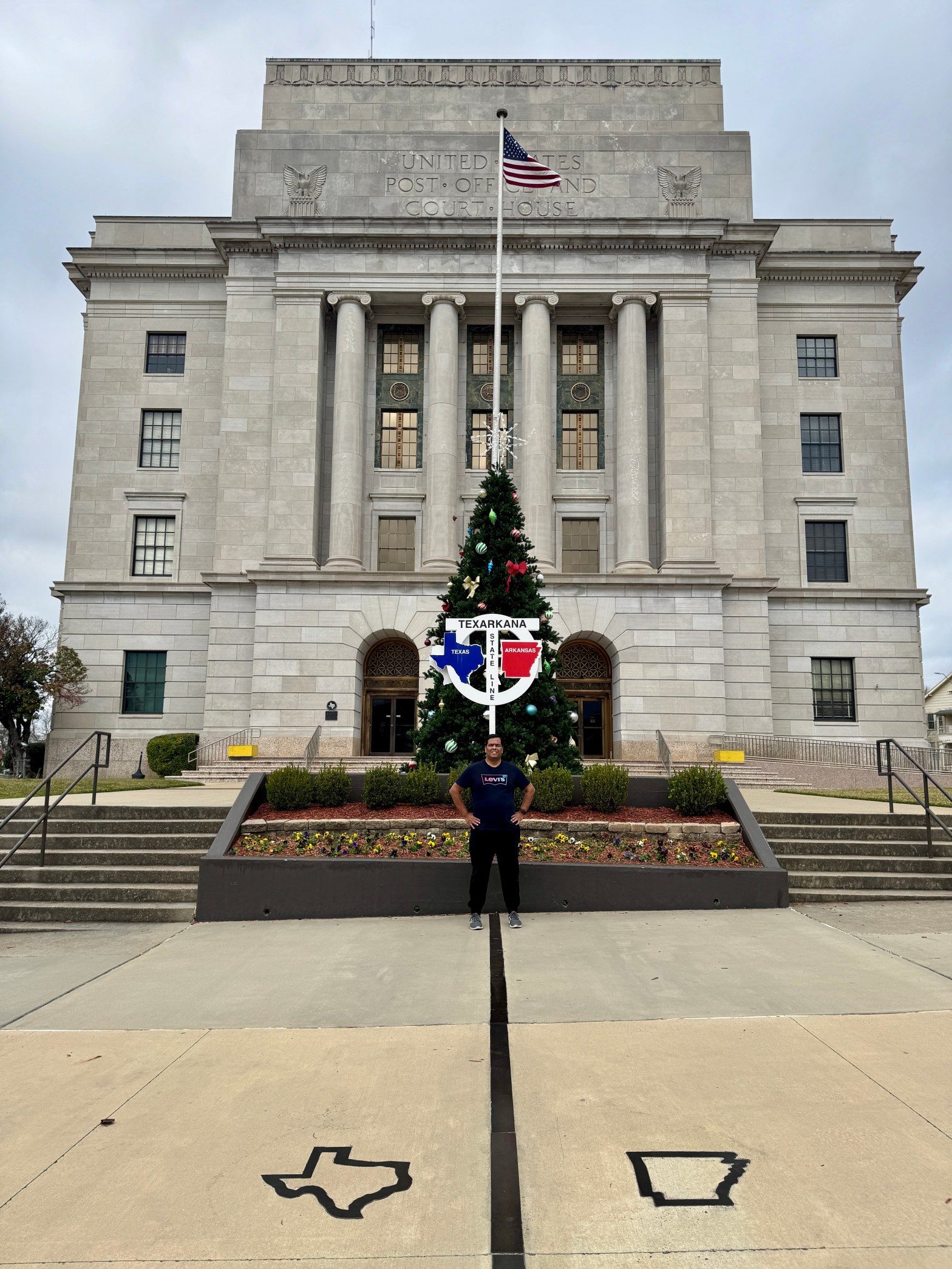
We didn’t set out chasing anything grand on this trip. No packed checklist, no rush to “see it all.” Just a simple idea: drive out, slow down, and let Hot Springs do what it’s known for—make you breathe a little easier.
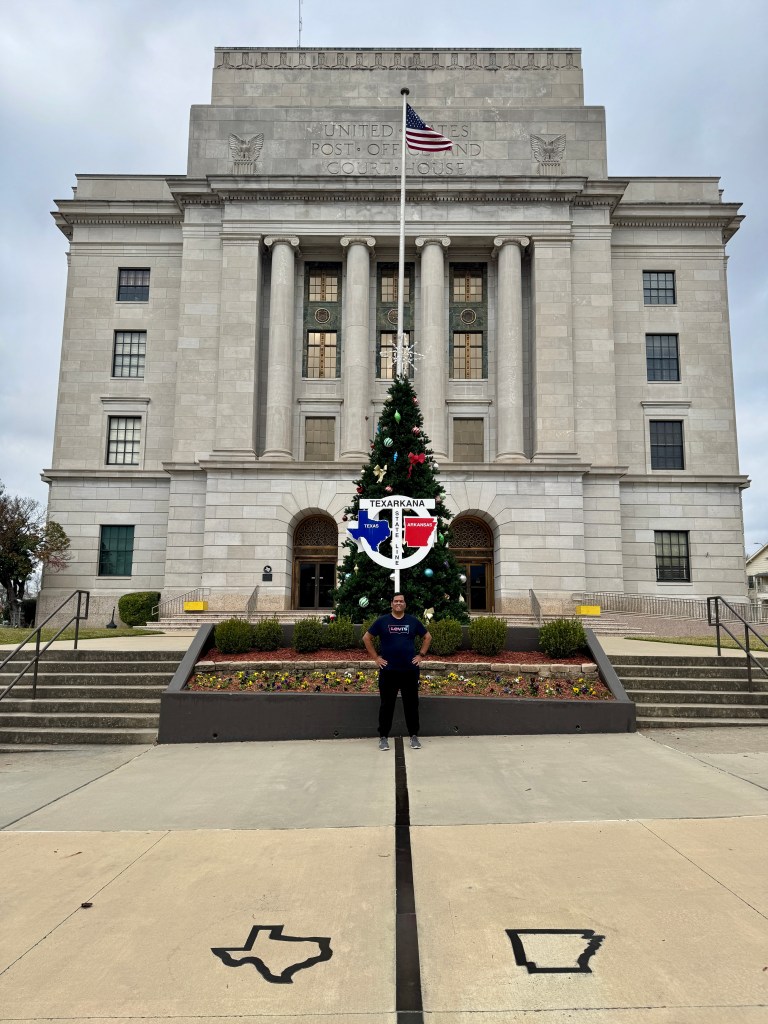
The journey itself eased us into that mindset. Our first real pause was at the Texarkana state line. One foot in Texas, one in Arkansas—one of those small, slightly cheesy stops that somehow always feels worth it. There’s something grounding about marking the moment you’ve crossed into somewhere new, even if it’s just a sign and a quick photo. It felt like a soft reset. The road ahead, a lighter schedule, and the quiet excitement of being somewhere different.

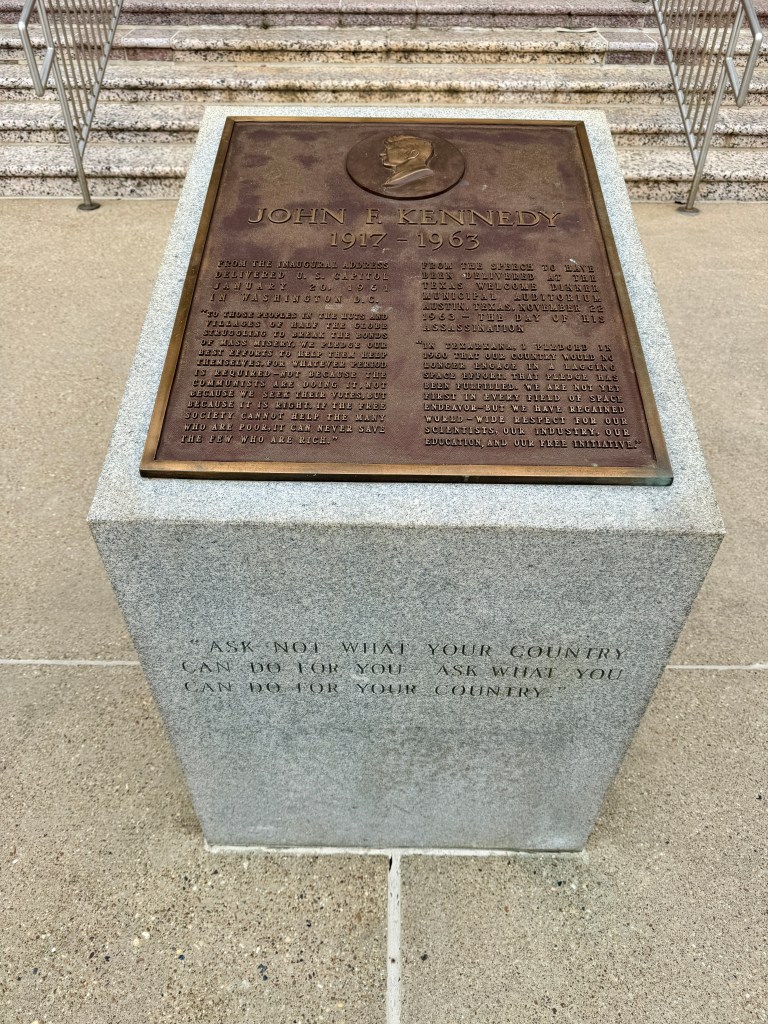



By the time evening rolled around, we made our way to Garvan Woodland Gardens for their Christmas lights. I’ll be honest: the wait tested our patience. Almost an hour just to get in, inching forward, wondering if the payoff would match the hype—especially with a long day already behind us. But once we stepped inside, all of that melted away.
The gardens were transformed. Trees wrapped in soft, glowing lights. Paths illuminated just enough to guide you forward without stealing the magic. Reflections shimmering on the water, making everything feel doubled, deeper, calmer. It wasn’t loud or overdone. It was thoughtful. Almost reverent. The kind of place that makes you instinctively slow your steps and lower your voice.
















Walking through the lights felt less like an attraction and more like an experience meant to be absorbed. Kids pointing in wonder. Adults lingering a little longer than usual. Couples pausing to take photos, then putting their phones away and just standing there for a moment. The wait suddenly made sense. Some things need a little patience before they reveal themselves.
















Day Two greeted us at an easy pace, the kind that feels right after a night of lights and lingering walks.
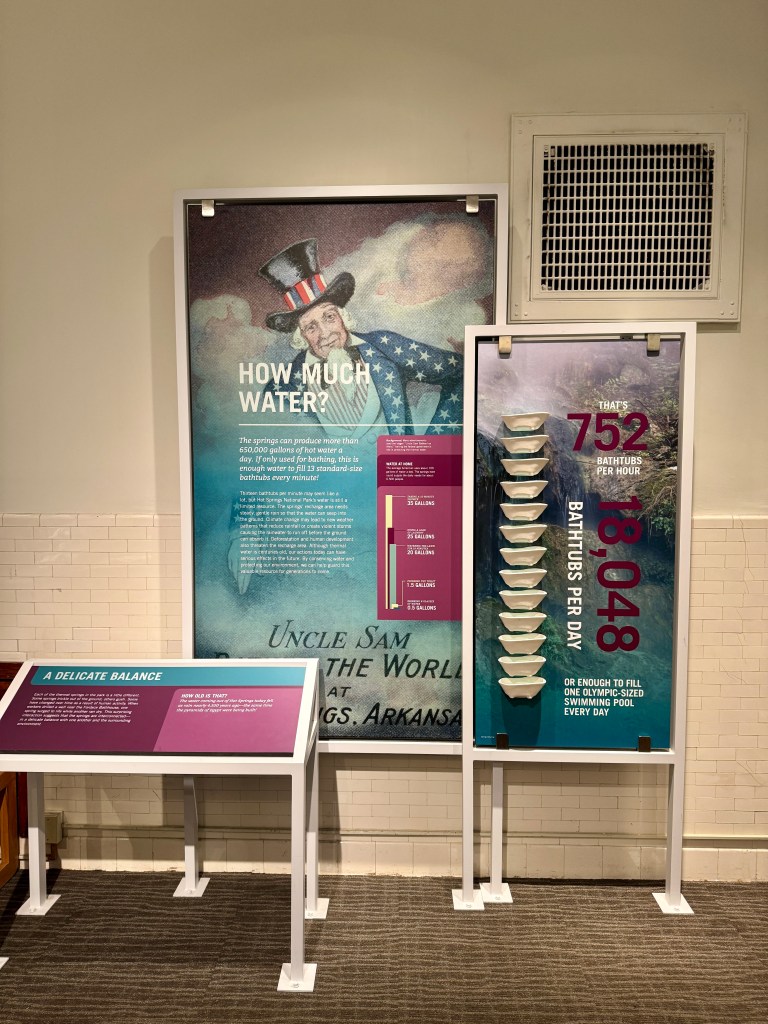
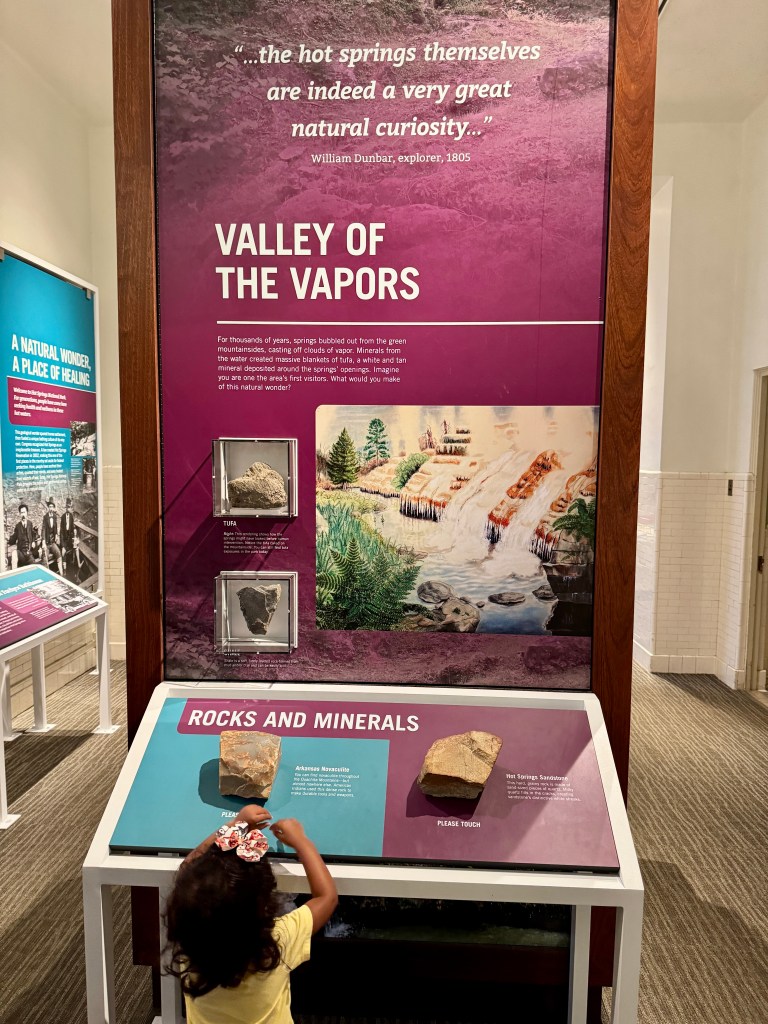
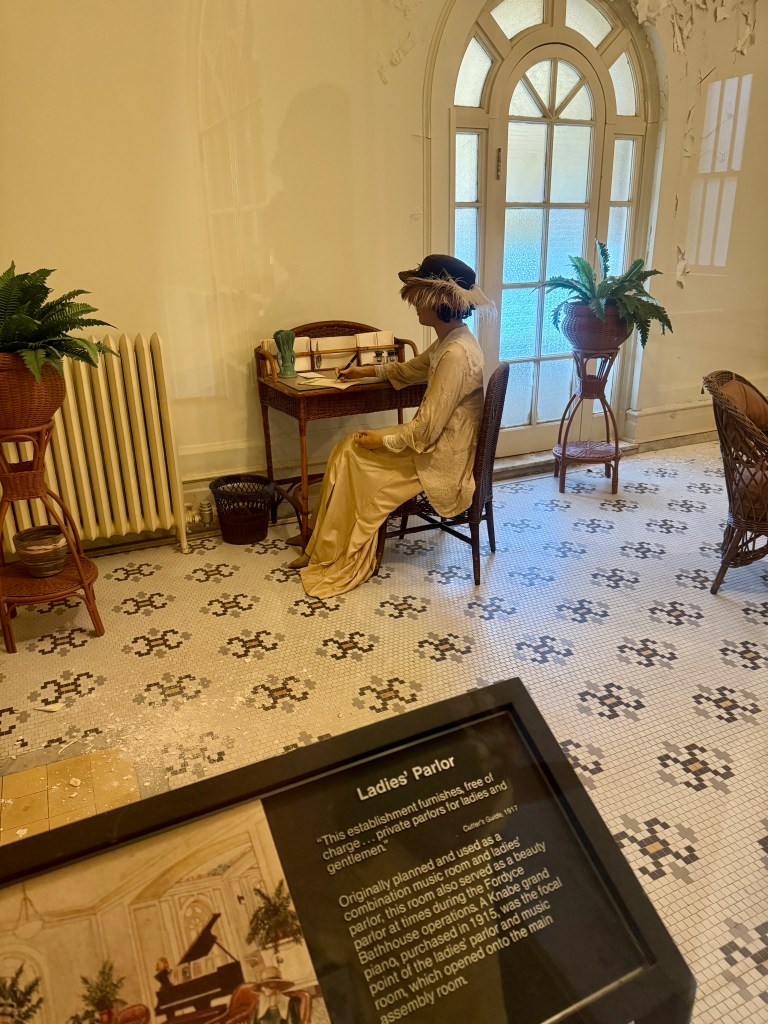
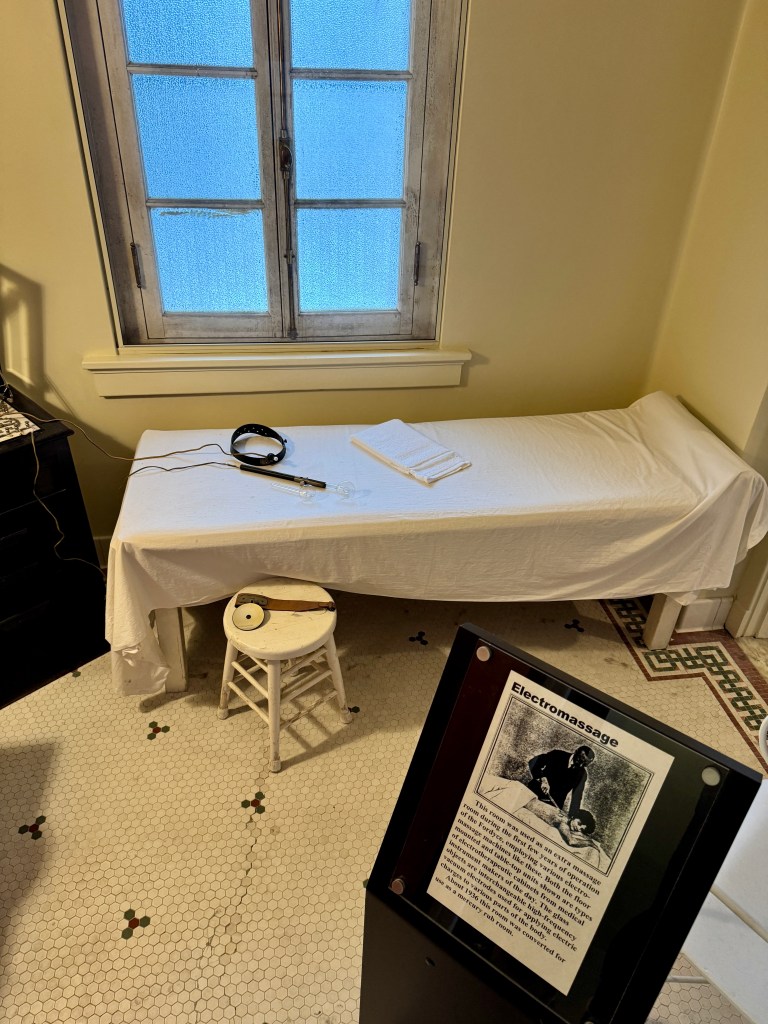
We started the morning at the Fordyce Bathhouse Museum, stepping into a piece of Hot Springs history that quietly explains why this town exists in the first place. Walking through the preserved bathhouse rooms, it was easy to imagine a time when people arrived here with nothing but time and hope, trusting mineral water and rest to do their healing. The tiled rooms, old tubs, and faded photographs didn’t feel like a museum frozen in time—they felt human. Like reminders that slowing down has always been part of the cure here.





















From there, we headed up to the Hot Springs Mountain Tower. The ride up already hinted at what was coming, but the view at the top still managed to surprise us. Layers of trees stretching endlessly, the town tucked gently below, and that feeling of being just far enough removed to see everything clearly. It wasn’t dramatic in a loud way. It was calm, wide, and grounding—the kind of view that makes conversations pause naturally.




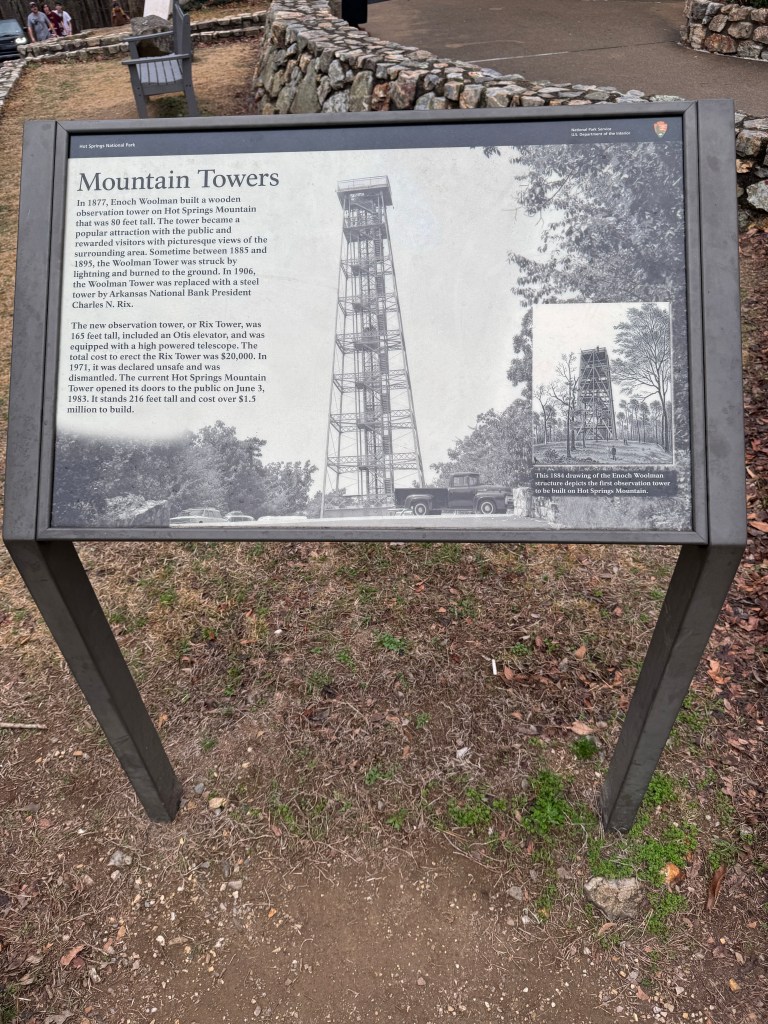

Standing there, it felt like the perfect counterbalance to the day before. Where the Christmas lights glowed softly in the dark, this was clarity in daylight. No rush, no agenda—just perspective. And somehow, that made the whole trip feel complete already, even though we still had time ahead of us.
As we headed back, there was no feeling of rushing to “get back to real life.” Hot Springs has a quiet way of reminding you that real life isn’t somewhere else—it’s right there in the pauses, the views, the waiting, the warmth. From standing on a state line to standing above the treetops, the trip gently nudged us to slow down and look around a little longer than usual.
We came back to Dallas with calmer minds, lighter hearts, and the sense that sometimes the best trips aren’t about how much you fit in, but how fully you show up. And that feeling? It lingered well after the road carried us home.
 Kenrick Vaz