
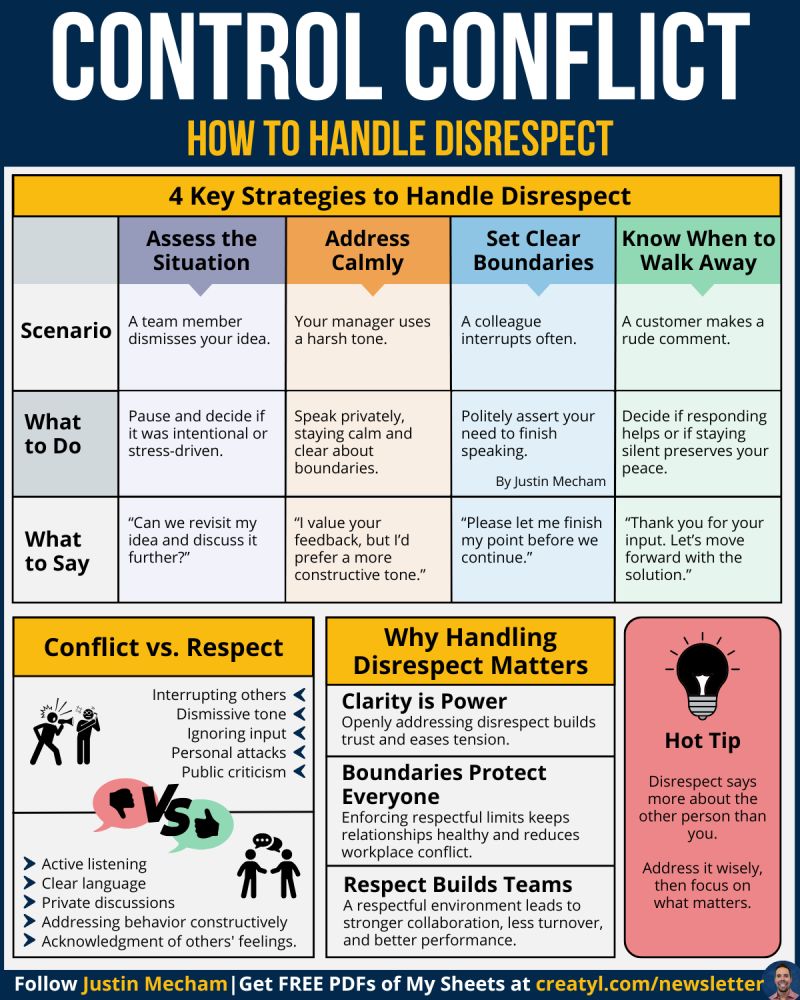
You don’t have to win the argument—
You just need to keep your peace:
Disrespect doesn’t need to escalate,
it needs to be handled clearly.
The goal isn’t to get the last word.
It’s to stay steady and stay in control.
Here’s how to respond when
respect breaks down:
🟣 Assess the situation
Pause and ask: was it stress,
or was it personal?
🟠 Address calmly
Speak privately.
Keep it clear and steady.
🔵 Set boundaries
Let them know what you need to
continue respectfully.
🟢 Know when to walk away
Not every comment deserves
your energy.
Keep in mind:
⚠️Disrespect shows up as ignoring,
interrupting, or cutting down.
☑️Respect sounds like clarity, calm,
and follow-through.
People remember how you
react more than what you say.
Holding your ground doesn’t
mean raising your voice.
It means deciding who gets your energy—
And who doesn’t.
Say No Without Guilt
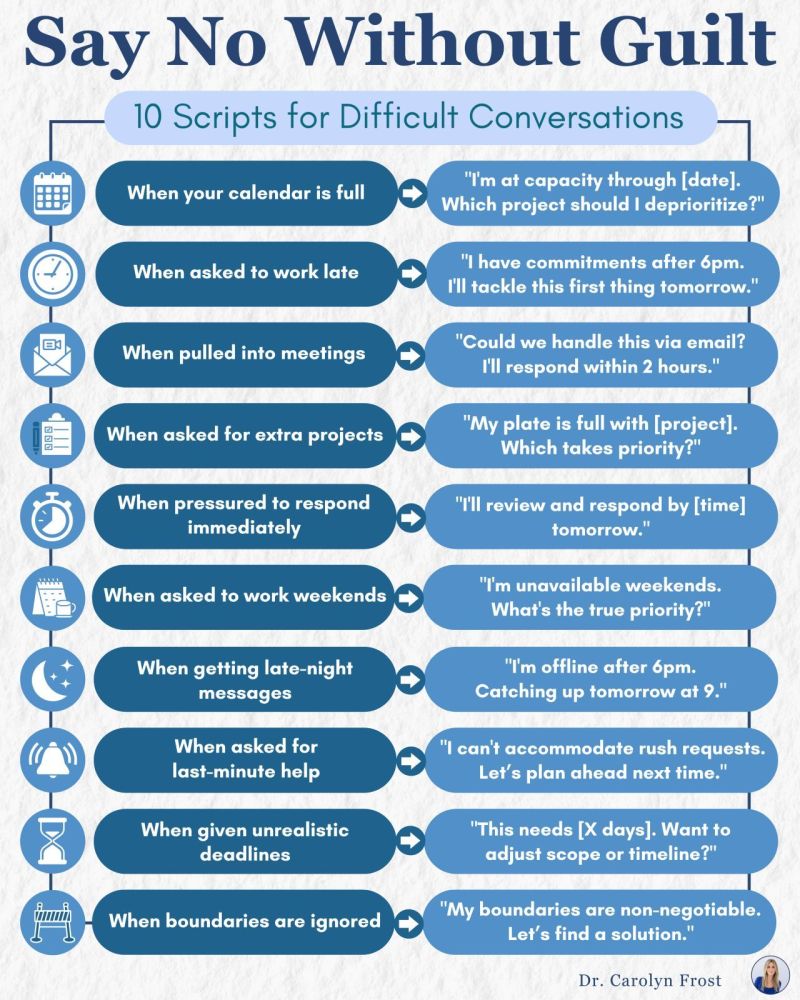
Turn uncomfortable no’s into power moves.
10 scripts for respect without confrontation:
Every day you face the choice…
Cave to pressure or protect your priorities.
But saying no doesn’t have to feel uncomfortable.
These scripts transform boundary-setting into your greatest strength:
1. “I’m at capacity through [date]. Which project should I de-prioritize?”
↳ Puts the decision back where it belongs – no conflict needed
2. “Could we handle this via email? I’ll respond within 2 hours.”
↳ Maintains control while showing clear commitment
3. “My plate is full with [project]. Which takes priority?”
↳ Turns overwhelm into strategic conversation
4. “I have commitments after 6pm. I’ll tackle this first thing tomorrow.”
↳ Sets expectations without needing to explain
5. “I’ll review and respond by [time] tomorrow.”
↳ Creates space without creating tension
6. “I’m unavailable weekends. What’s the true priority?”
↳ Clear, professional, impossible to argue with
7. “I’m offline after 6pm. Catching up tomorrow at 9.”
↳ Simple boundaries that command respect
8. “I can’t accommodate rush requests. Let’s plan ahead next time.”
↳ Teaches others how to work with you effectively
9. “This needs [X days]. Want to adjust scope or timeline?”
↳ Offers solutions while holding firm
10. “My boundaries are non-negotiable. Let’s find a solution.”
↳ Your power move when everything else fails
Your time is valuable.
Your boundaries are non-negotiable.
Decisions Made Easy
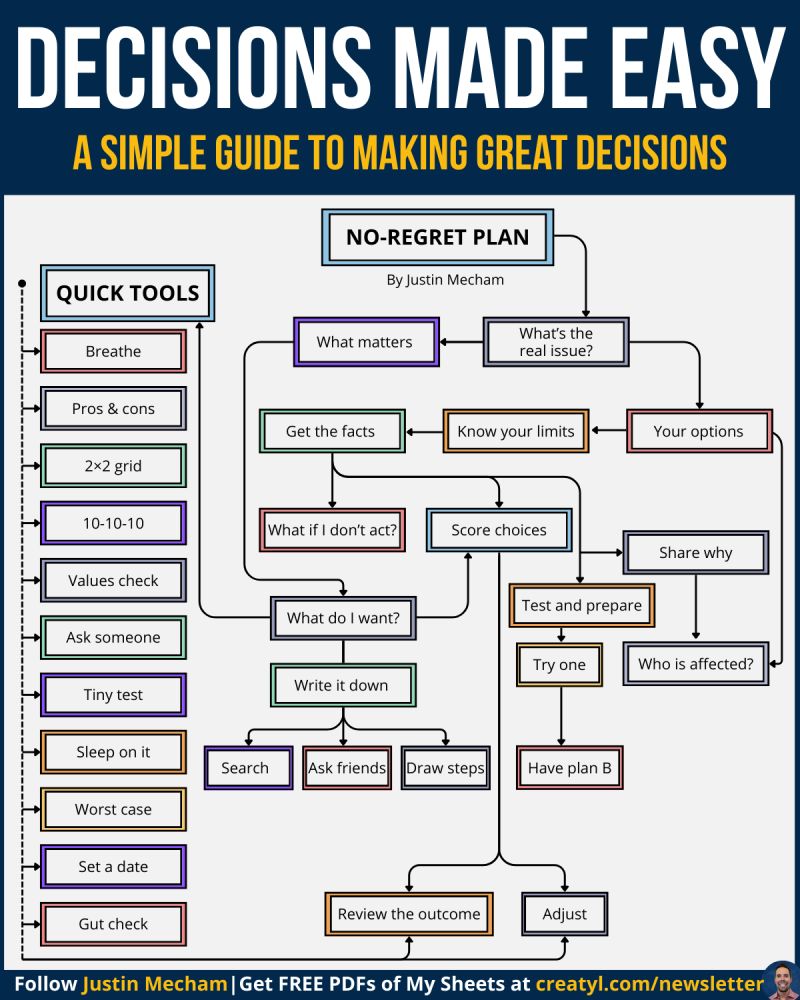
More options won’t save you—
But this will:
Most bad decisions don’t
come from lack of options—
They come from skipping the process.
A smart decision starts with clarity:
1️⃣ Pinpoint the real issue
2️⃣ Decide what matters most
3️⃣ Get the facts that actually matter
4️⃣ Know your limits before you choose
5️⃣ Map your options and what each could mean
Then stress-test your choice:
☑️ Use a quick pros & cons
☑️ Try the 10-10-10 rule
☑️ Run a tiny test before going all in
☑️ Imagine how to handle the worst case
☑️ Sleep on it before locking it in
The goal isn’t to overthink—
It’s to act with confidence
and avoid “what if” regret.
My sheet walks you through
the full step-by-step process.
Clarity is built, not found.
Issue → facts → limits → options → test.
Borrowed Time, Borrowed Worry
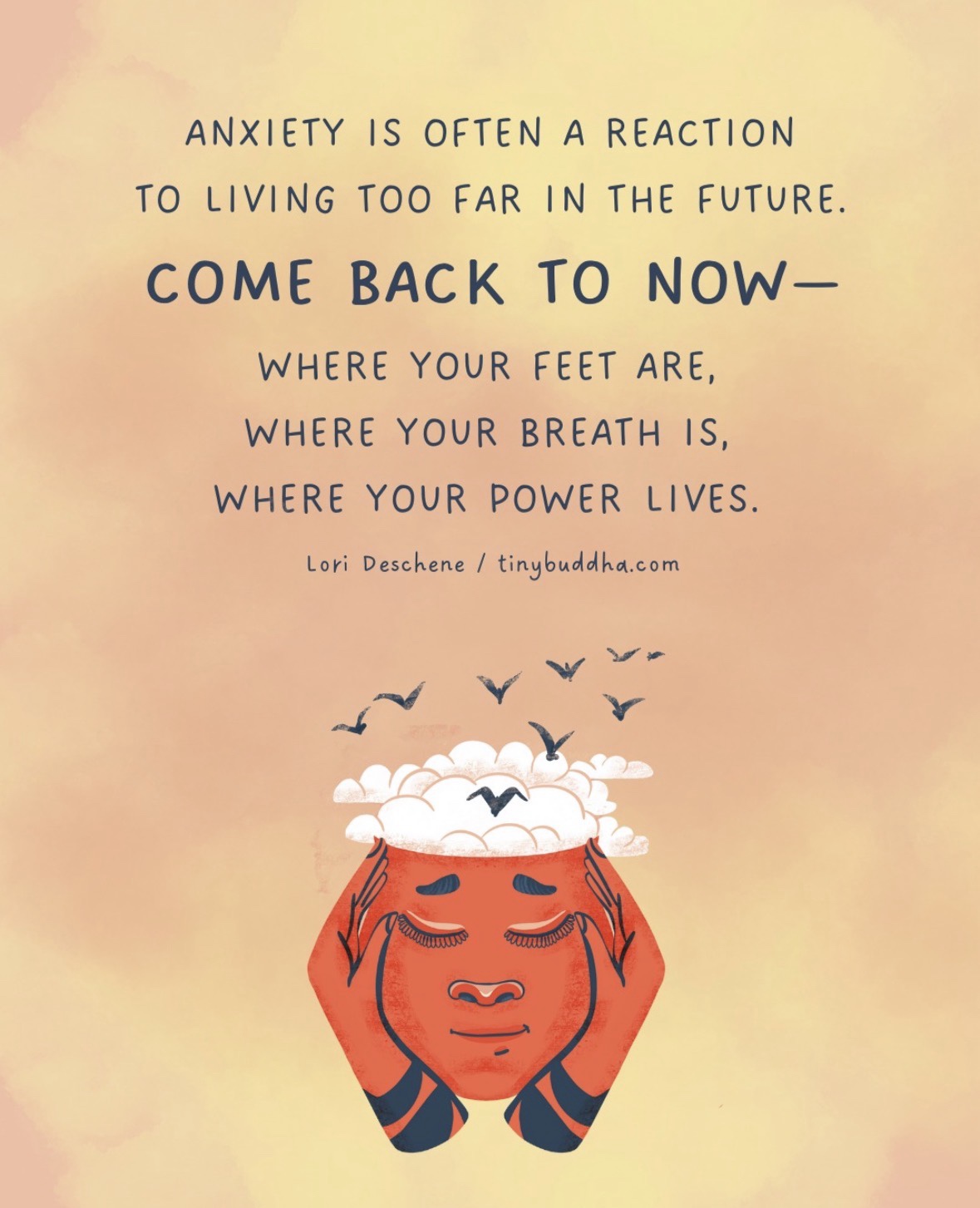
Anxiety has a funny way of convincing us that the future is already happening. Not next week. Not next year. Right now. It pulls tomorrow into today and asks us to carry it all at once—the conversations that haven’t happened, the mistakes that haven’t been made, the outcomes that haven’t arrived. And then we wonder why our chest feels tight, why our mind won’t slow down, why rest feels out of reach.
Most of the time, anxiety isn’t about what’s happening. It’s about what might happen. It’s the brain sprinting ahead, trying to protect us by predicting every possible scenario. Useful in small doses. Exhausting when it becomes a way of living.
The strange thing is this: the future has no weight on its own. We give it weight by dragging it into the present. We replay imagined failures as if they’re memories. We rehearse worst-case scenarios as if preparation alone can prevent pain. Somewhere along the way, “being responsible” turns into “being perpetually on edge.”
The present moment, on the other hand, is almost always quieter than we expect. Look around. Right now, your feet are likely on solid ground. Your breath is still showing up for you, without being asked. Your body is doing an incredible amount of work just to keep you here. This moment may not be perfect, but it’s usually survivable. Often, it’s even okay.
Coming back to now isn’t about pretending the future doesn’t matter. It does. Planning has its place. Dreams need direction. Responsibilities don’t disappear just because we take a breath. But there’s a difference between visiting the future and moving in.
When anxiety spikes, it’s often a signal that we’ve overstayed our welcome somewhere that doesn’t yet exist.
Power doesn’t live in ten different versions of tomorrow. It lives here. In what you can do next. In the choice to pause before reacting. In the ability to ground yourself in what’s real instead of what’s imagined. You don’t need to solve your entire life today. You just need to stay present for it.
There’s something deeply human about needing reminders like this. To unclench the jaw. To drop the shoulders. To notice the inhale, then the exhale. These small acts aren’t insignificant. They’re anchors. They pull us back from spirals and return us to solid ground.
The world often rewards urgency. Faster answers. Quicker decisions. Constant anticipation. But your nervous system doesn’t thrive there. It thrives in safety, rhythm, and now. When you meet the present moment fully, you’re not falling behind. You’re actually catching up—to yourself.
So if today feels heavy, ask yourself a gentle question: am I reacting to what’s happening, or to what I’m afraid might happen? If it’s the latter, that’s your cue to come home. Back to your breath. Back to your body. Back to the only place where you can actually do something.
The future will arrive when it’s ready. It always does. Until then, this moment is enough. This breath is enough. And you, right here, are more capable than your anxious thoughts would have you believe.
Smart Decisions
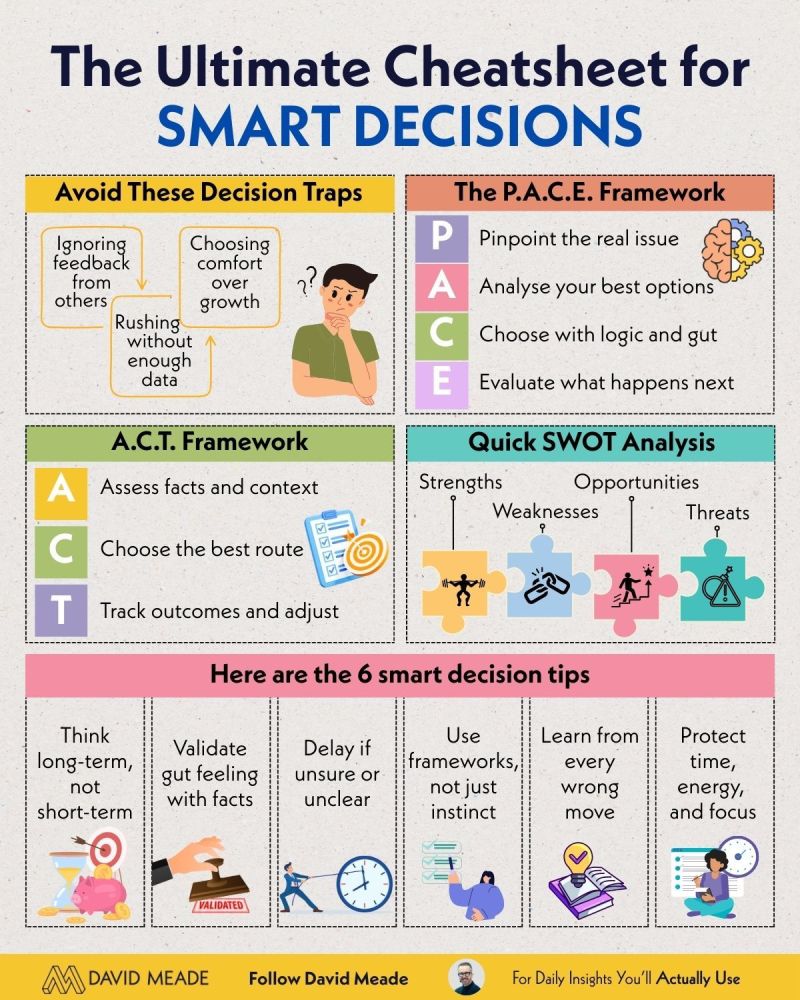
There are a lot of habits I’m working on improving.
Better sleep.
Better food.
Better fitness.
But above all else, it is better decision-making.
In my keynotes, I remind clients that decisions are the “oxygen of high-performing teams”.
When decisions slow down, businesses slow. Some die.
Decide to improve your choices today.
Start here:
1: Pinpoint the real issue
↳ Cut through the noise and identify what truly matters.
↳ Ask “What problem am I actually trying to solve?”
2: Analyse your best options
↳ Consider alternatives beyond the obvious choices.
↳ Use a quick SWOT for each option
3: Choose with logic and gut
↳ Balance data-driven thinking with intuition.
↳ Validate your gut feeling with facts before deciding.
4: Evaluate what happens next
↳ Consider the long-term implications, not just immediate results.
↳ Ask “What’s the second-order consequence of this choice?”
Avoid These Decision Traps:
Ignoring feedback from others
↳ Seek diverse perspectives to challenge your thinking.
↳ The best decisions rarely happen in isolation.
Choosing comfort over growth
↳ The right decision isn’t always the easy one.
↳ Growth happens at the edge of your comfort zone.
Rushing without enough data
↳ Delay if you’re unsure or the picture is unclear.
↳ But remember: perfect information rarely exists.
Follow these golden rules:
Think long-term, not short-term
↳ Most regrets come from short-sighted choices.
Use frameworks, not just instinct
↳ Systematic thinking beats random guesswork.
Learn from every wrong move
↳ Failed decisions are only failures if you don’t learn from them.
Protect your time, energy, and focus
↳ These are your most valuable resources for making good choices.
What’s your best decision-making tip?
7 Signs You’re Dealing With An Inauthentic Person
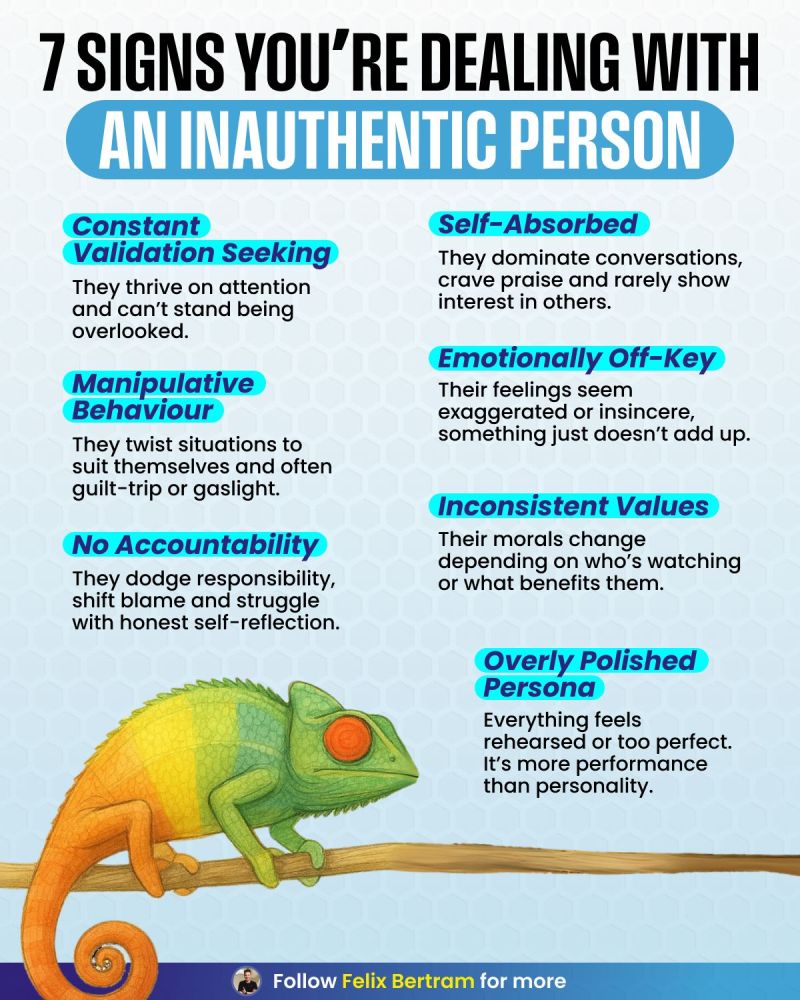
Growth filters out fake people.
Their mask slips the moment you rise.
Credits to Felix Bertram, make sure to follow!
_____
People around you will always praise your success.
The problem is, there are very few who mean it.
For them, your achievements feel like a threat.
And if you don’t catch it quickly,
they’ll do what it takes to keep you small.
It’s not always obvious when someone is fake.
But here are 7 signs to look out for:
1. Self-absorbed
↳ They control every conversation they’re in.
↳ They crave praise but show little interest in you.
2. Emotionally off-key
↳ Their feelings are exaggerated or insincere.
↳ Something feels off whenever they speak.
3. No accountability
↳ They dodge responsibility.
↳ Honest self-reflection is a struggle for them.
4. Constant validation seeking
↳ They thrive on attention.
↳ They struggle when someone else is in the spotlight.
5. Manipulative behaviour
↳ They twist situations to suit themselves.
↳ Often they’ll guilt-trip or gaslight you.
6. Inconsistent values
↳ Their morals change depending on who they’re with.
↳ Or they’ll change if it benefits them.
7. Overly polished persona
↳ Everything feels rehearsed or too perfect.
↳ Their interactions feel like a performance.
Spotting these signs is the start.
But when all else fails, trust your instincts.
You know best whenever something feels off.
Which one of these signs do you notice quickest?
12 Hard Truths About Success
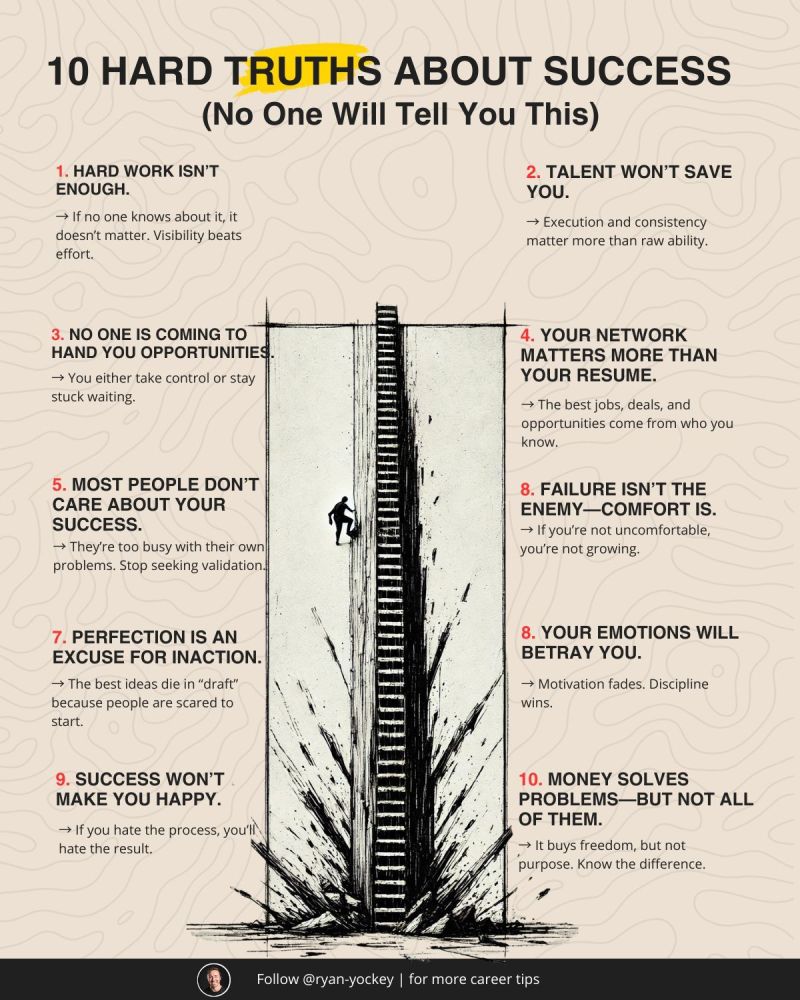
Read this before you waste another year chasing the wrong things.
1️⃣ Hard work isn’t enough.
→ If no one knows about it, it doesn’t matter. Visibility beats effort.
2️⃣ Talent won’t save you.
→ Execution and consistency matter more than raw ability.
3️⃣ No one is coming to hand you opportunities.
→ You either take control or stay stuck waiting.
4️⃣ Your network matters more than your resume.
→ The best jobs, deals, and opportunities come from who you know.
5️⃣ Most people don’t care about your success.
→ They’re too busy with their own problems. Stop seeking validation.
6️⃣ Failure isn’t the enemy—comfort is.
→ If you’re not uncomfortable, you’re not growing.
7️⃣ Perfection is an excuse for inaction.
→ The best ideas die in “draft” because people are scared to start.
8️⃣ Your emotions will betray you.
→ Motivation fades. Discipline wins.
9️⃣ Success won’t make you happy.
→ If you hate the process, you’ll hate the result.
🔟 Money solves problems—but not all of them.
→ It buys freedom, but not purpose. Know the difference.
1️⃣1️⃣ Most people quit too soon.
→ The winners? They just last longer than everyone else.
1️⃣2️⃣ Success isn’t given. It’s taken.
→ No one is going to push you. If you want more, you have to make it happen.
The Enough Theory

Most of us are quietly running an exhausting experiment.
If I improve a little more.
If I explain myself better.
If I become calmer, smarter, more patient, less sensitive, more successful.
Then maybe I’ll finally be enough.
So we try. We adjust. We sand down edges. We overthink text messages, rehearse conversations, apologize for things that didn’t need apologies. We confuse effort with love and self-erasure with growth. And when it still doesn’t work, we turn the conclusion inward: I must be the problem.
But here’s the part we rarely stop to question—what if “enough” was never the variable?
In your best moments, when you are showing up fully, trying honestly, offering the best version of yourself you know how to give, there will still be people for whom it won’t land. They’ll focus on what’s missing. On what you didn’t say right. On who you aren’t yet. No amount of polishing will change the fact that alignment can’t be manufactured.
And in your worst moments—the messy ones, the tired ones, the seasons where you’re not impressive or productive or particularly likable—you’ll find someone who doesn’t need you to perform. Someone who stays. Someone who understands that worth doesn’t disappear just because you’re having a hard chapter.
That’s the quiet truth behind the Enough Theory: love was never about perfection. It was about fit.
The wrong people tend to experience you as a list of flaws to be managed. They notice your pauses, your doubts, your rough edges. They make you feel like love is conditional—something you earn by behaving correctly. Being with them feels like standing trial. You’re always one mistake away from disapproval.
The right people experience you as a whole. They see the same imperfections but don’t treat them as disqualifiers. They notice your light even when you’re standing in the dark. With them, effort feels mutual, not one-sided. You don’t feel smaller trying to be loved; you feel more yourself.
This is where so many of us get stuck. We assume that repeated rejection is proof of unworthiness, when often it’s just proof of misalignment. We keep auditioning for roles we were never meant to play, in relationships that require us to betray who we are to belong.
You were never unworthy.
You didn’t fail because you weren’t enough.
You were just offering yourself to the wrong audience.
And the moment that shifts—when the eyes looking at you are the right ones—something profound happens. You stop trying to convince. You stop overcorrecting. You stop shrinking. Love becomes less about proving and more about being.
The Enough Theory isn’t about waiting for validation. It’s about recognizing that your value isn’t negotiated in other people’s limitations. It’s about trusting that alignment feels lighter, calmer, safer. It doesn’t ask you to disappear to be accepted.
You don’t need to become more lovable.
You just need to be seen by someone who knows how to love what’s already there.
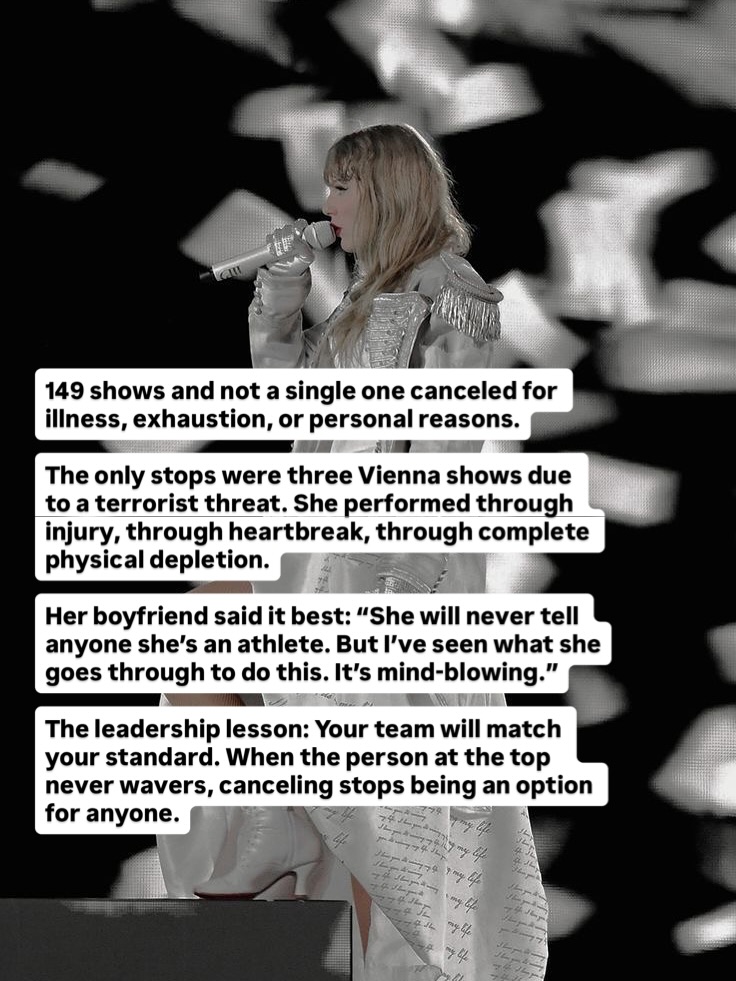
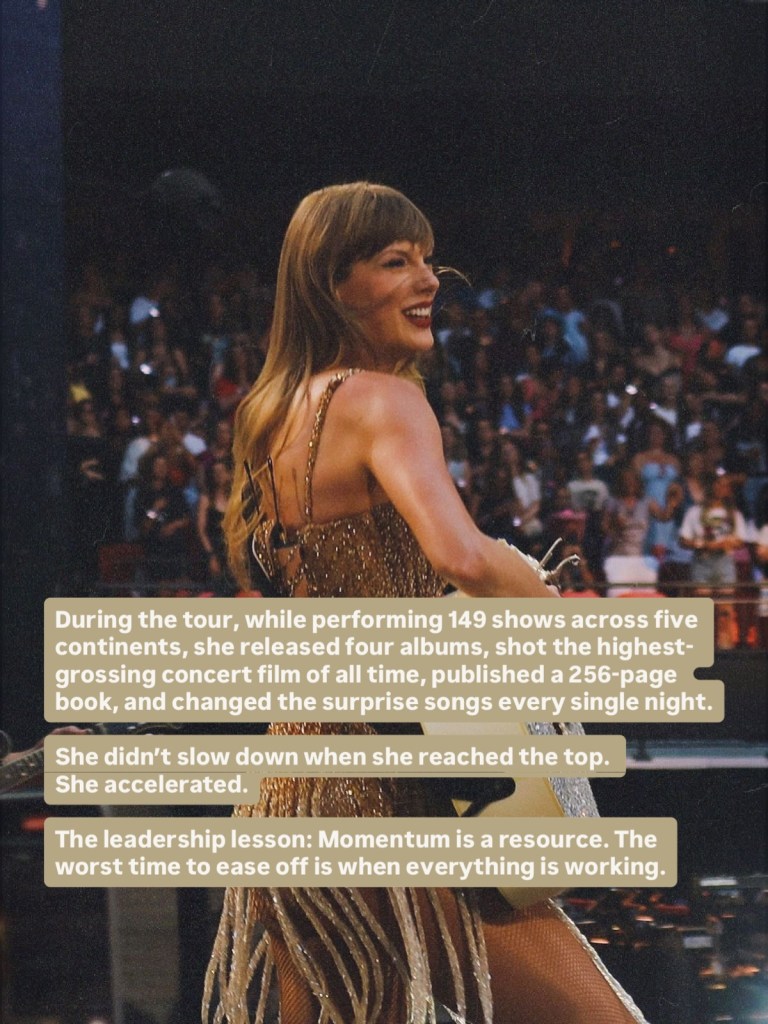
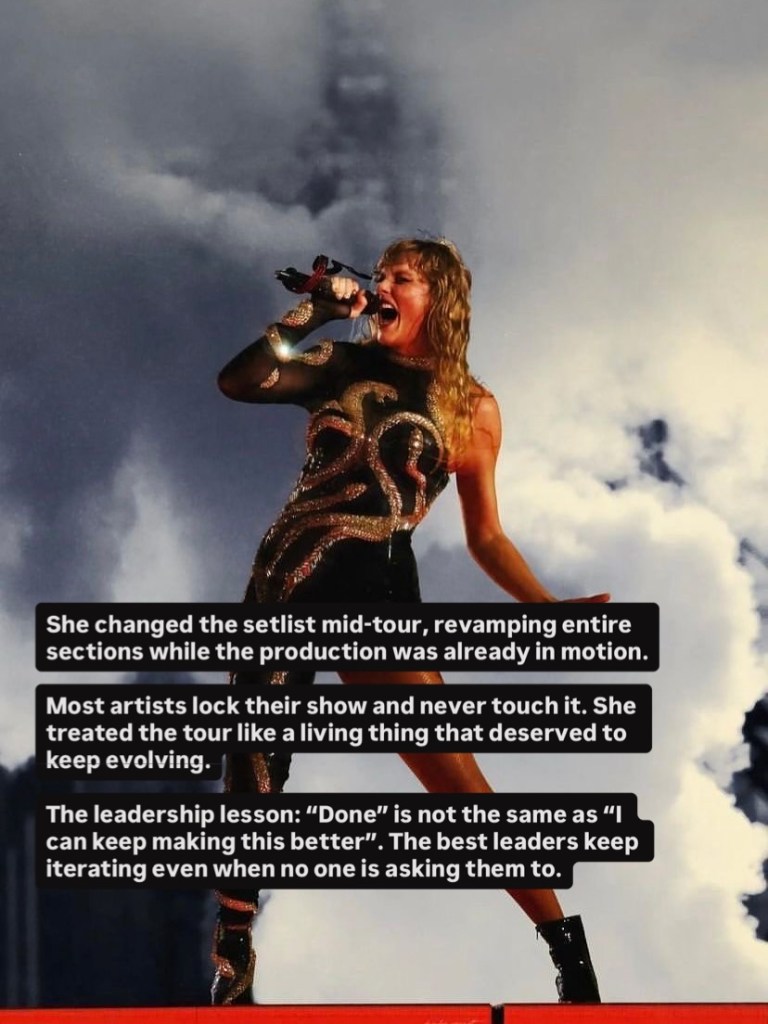
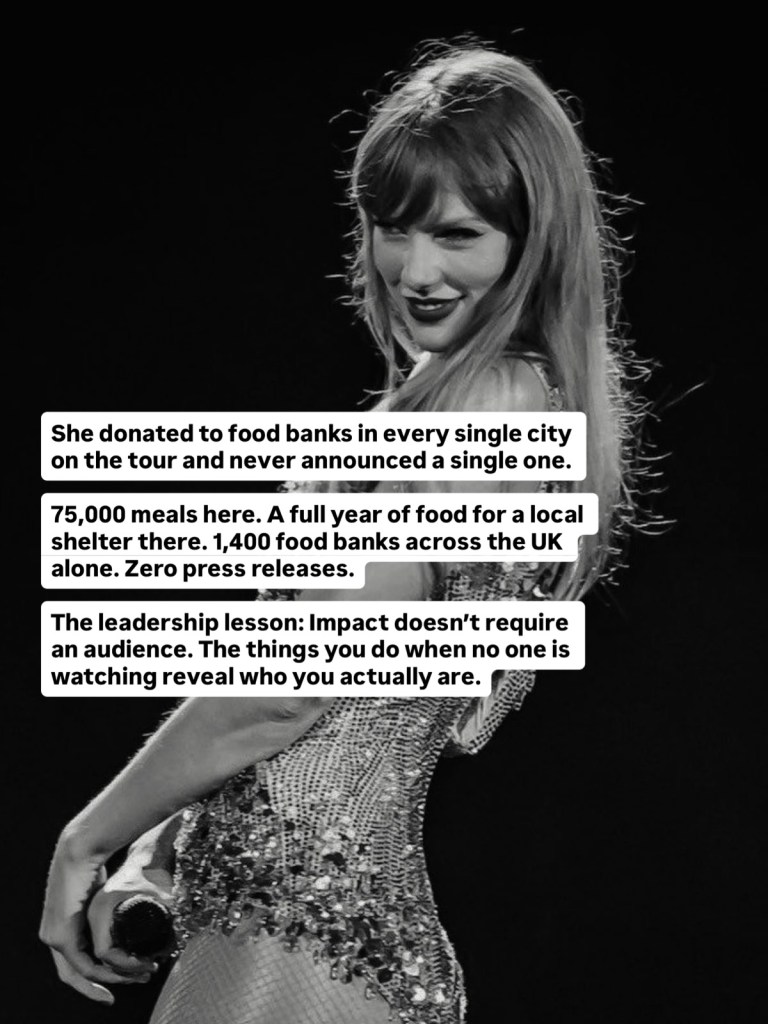
The Discipline Behind the Glitter
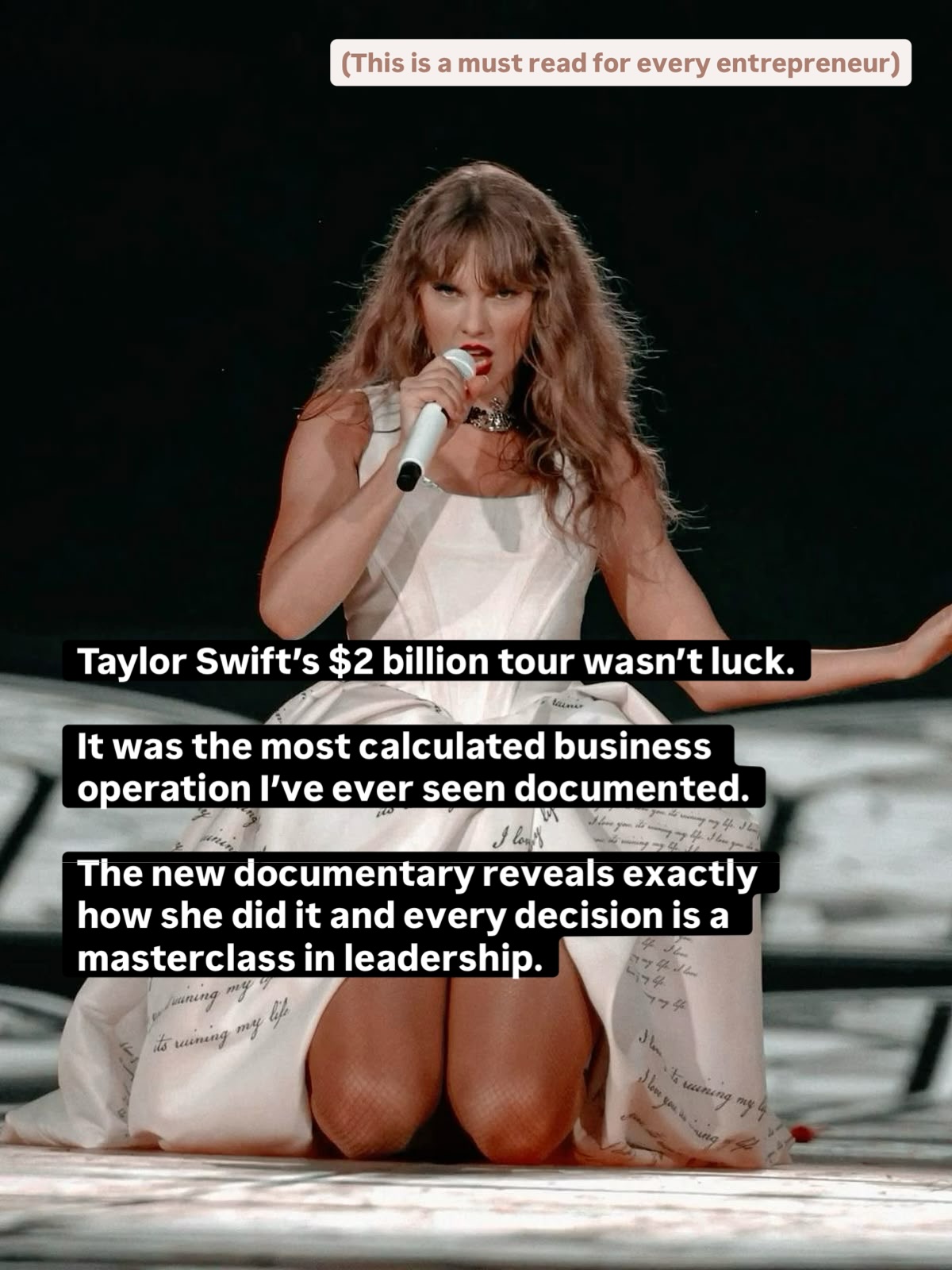
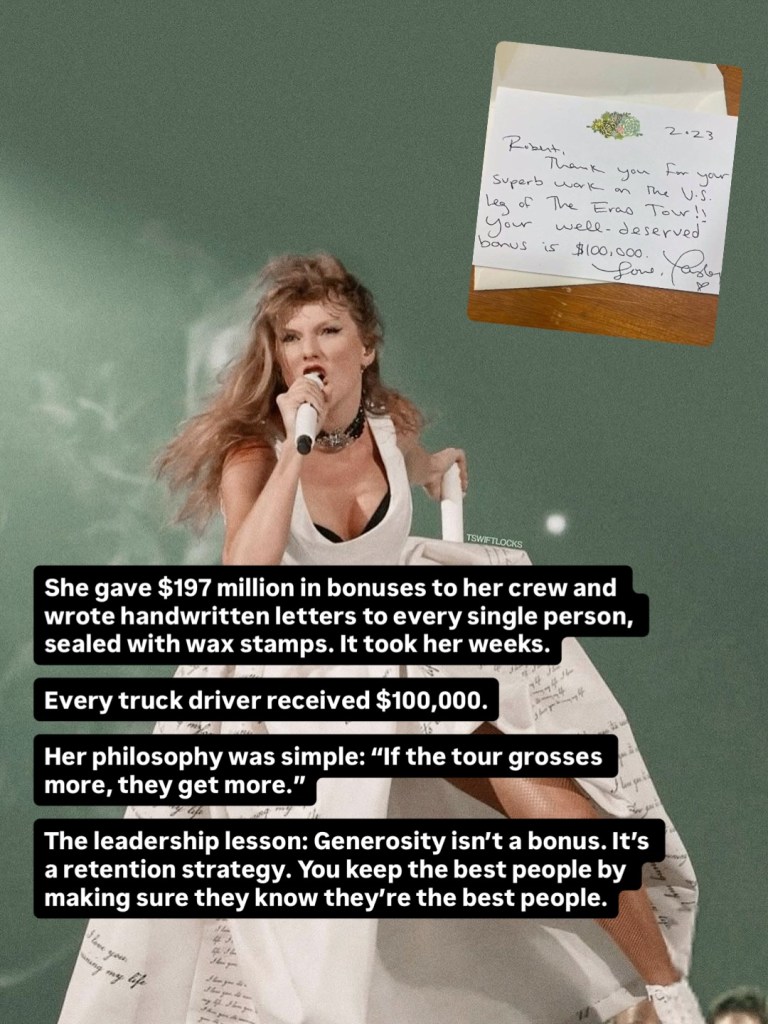
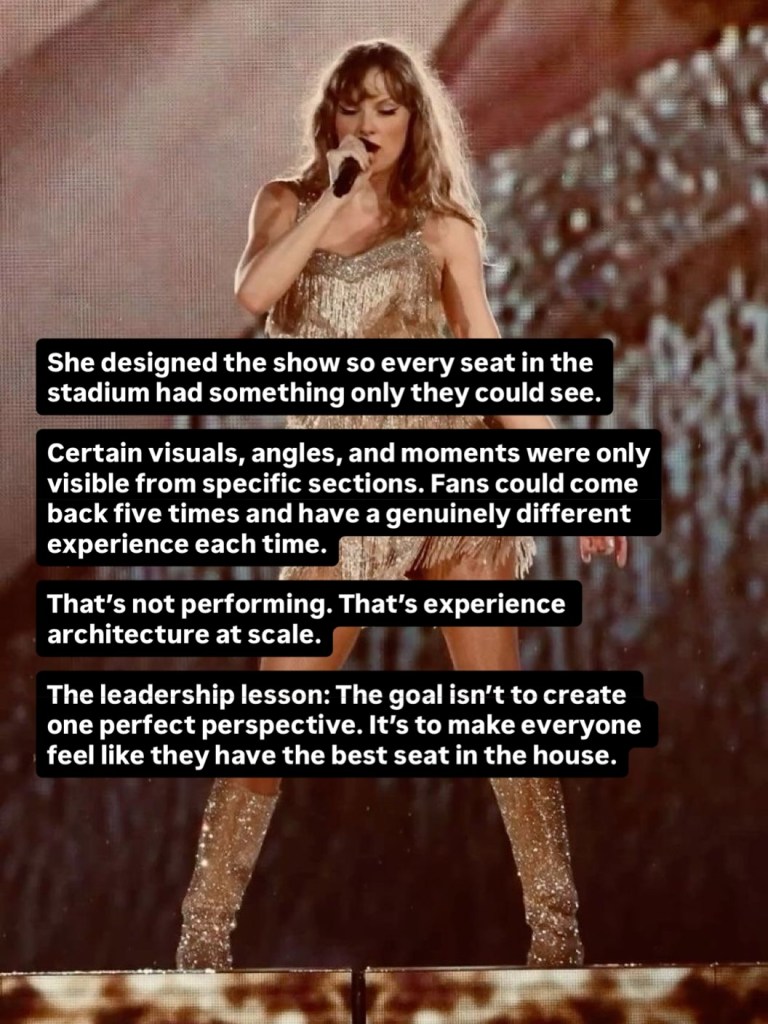
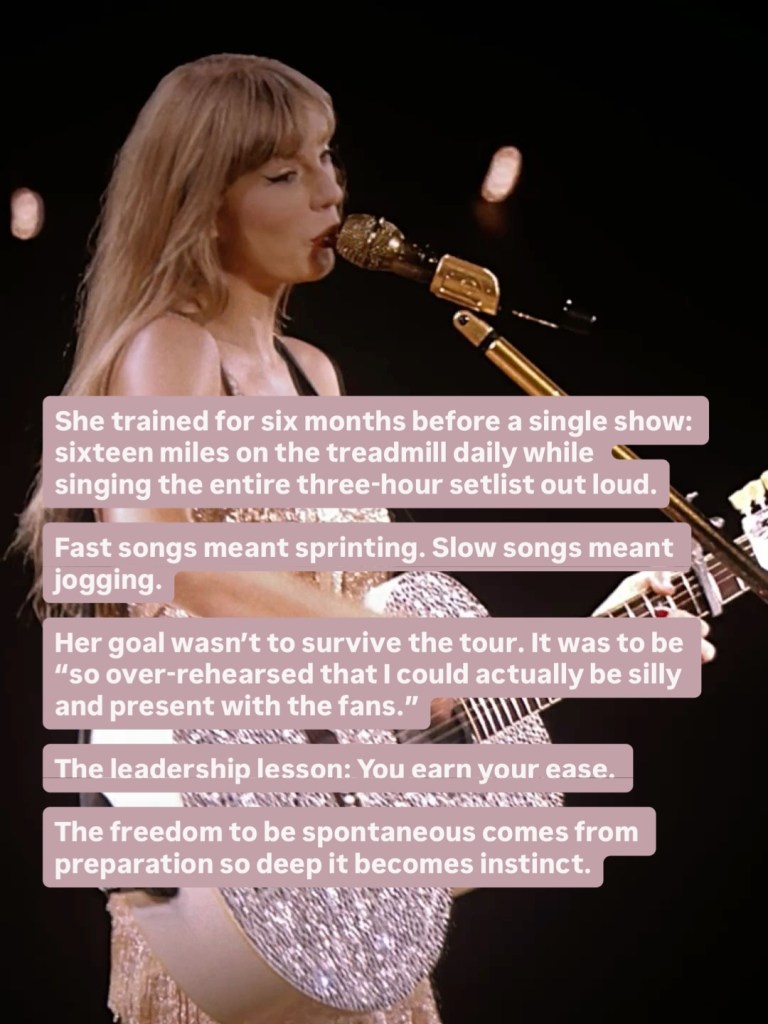
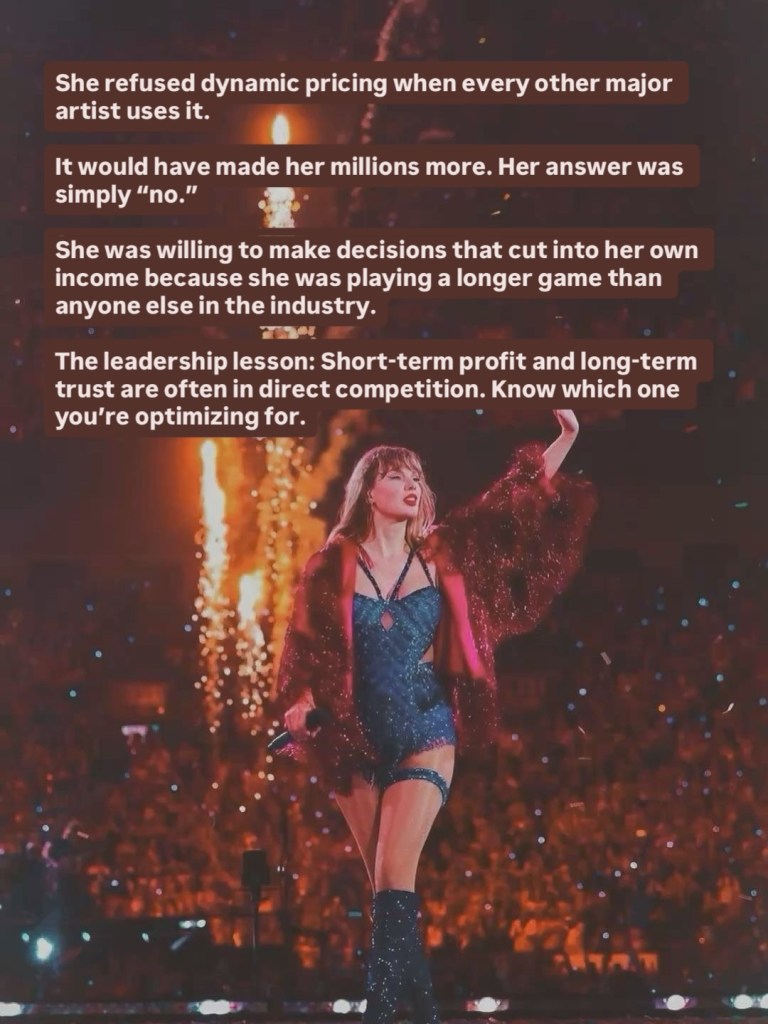
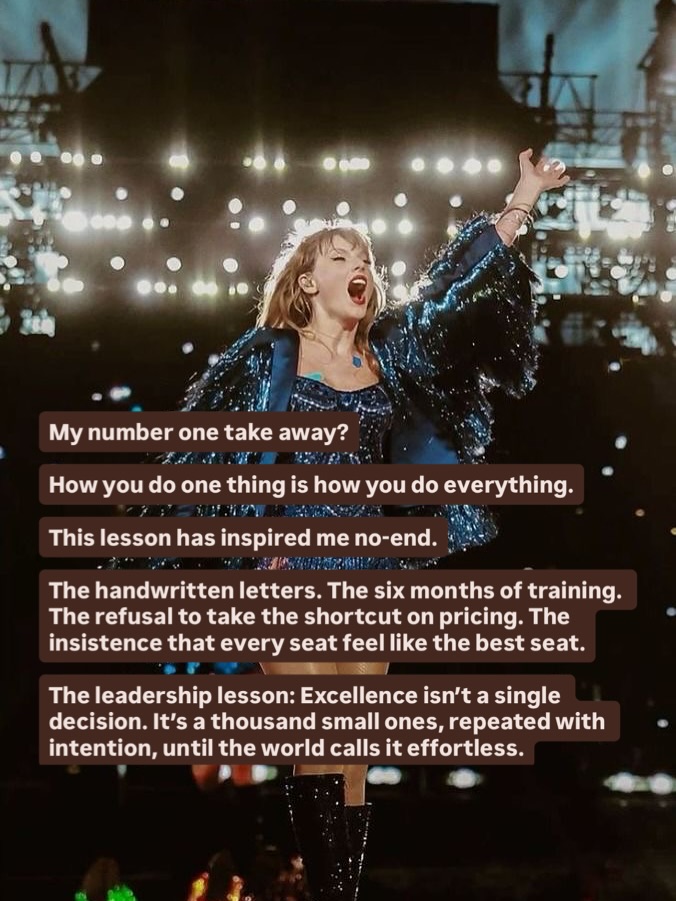
It’s easy to look at a $2 billion tour and call it talent, timing, or luck. But when you look closer—really look—you see something else entirely. You see preparation so intense it borders on obsession. Decisions made months, even years, in advance. A relentless respect for craft, people, and the long game. What looks effortless from the outside is actually the result of precision, discipline, and deeply intentional leadership. This carousel isn’t about music or fame. It’s about what sustainable excellence actually looks like when no one is watching—and why that mindset applies far beyond a stage. Thanks Natalie for this



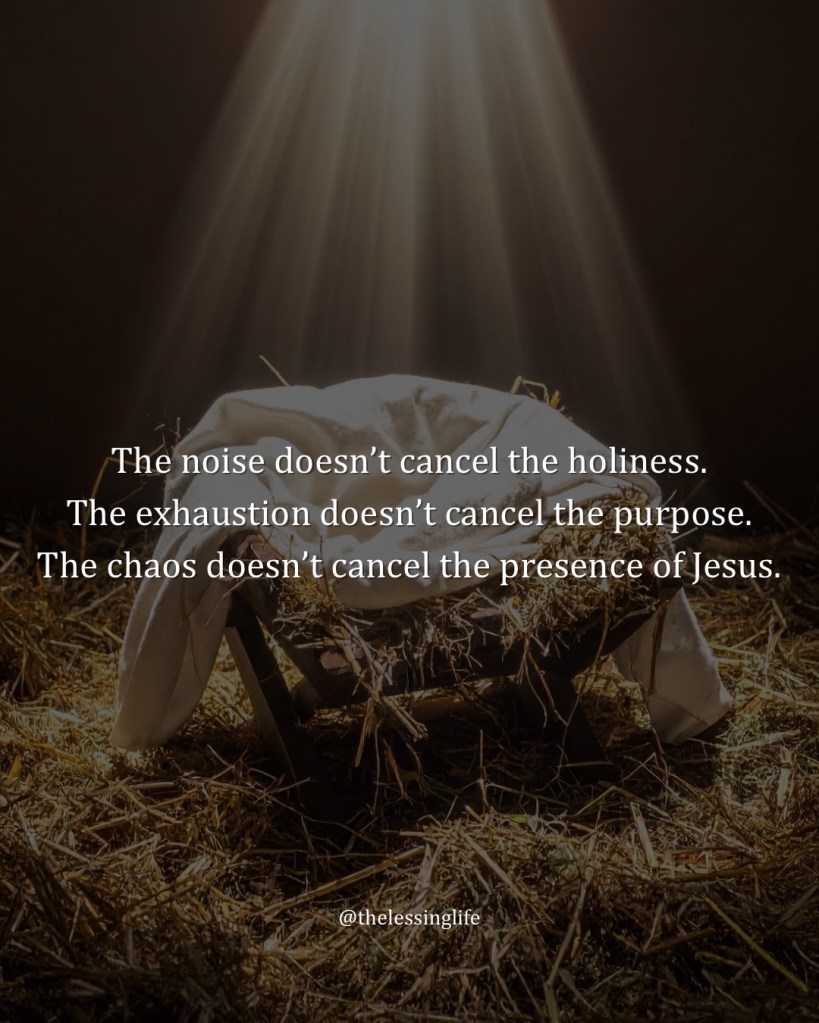
Christmas was Holy, Not Perfect
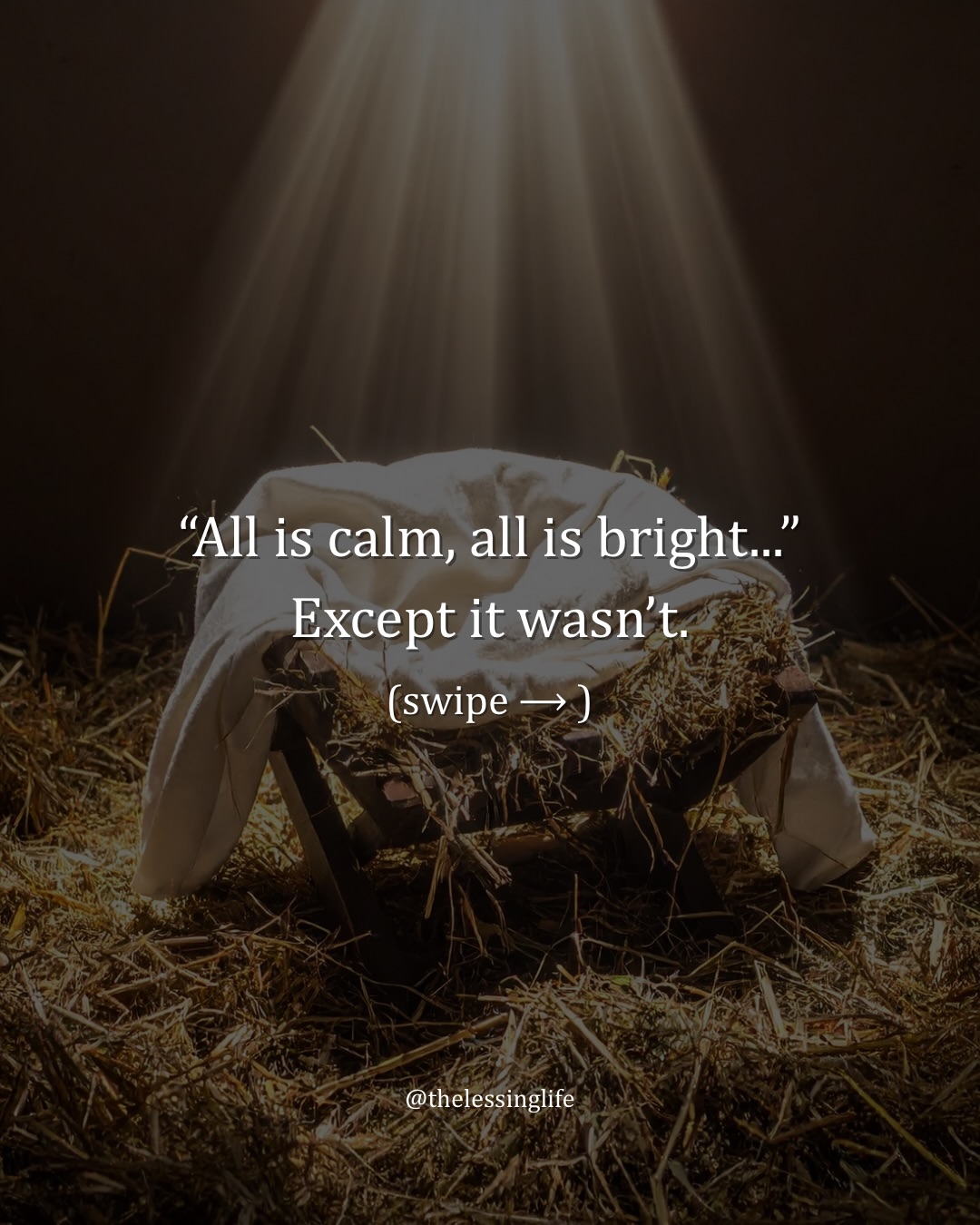
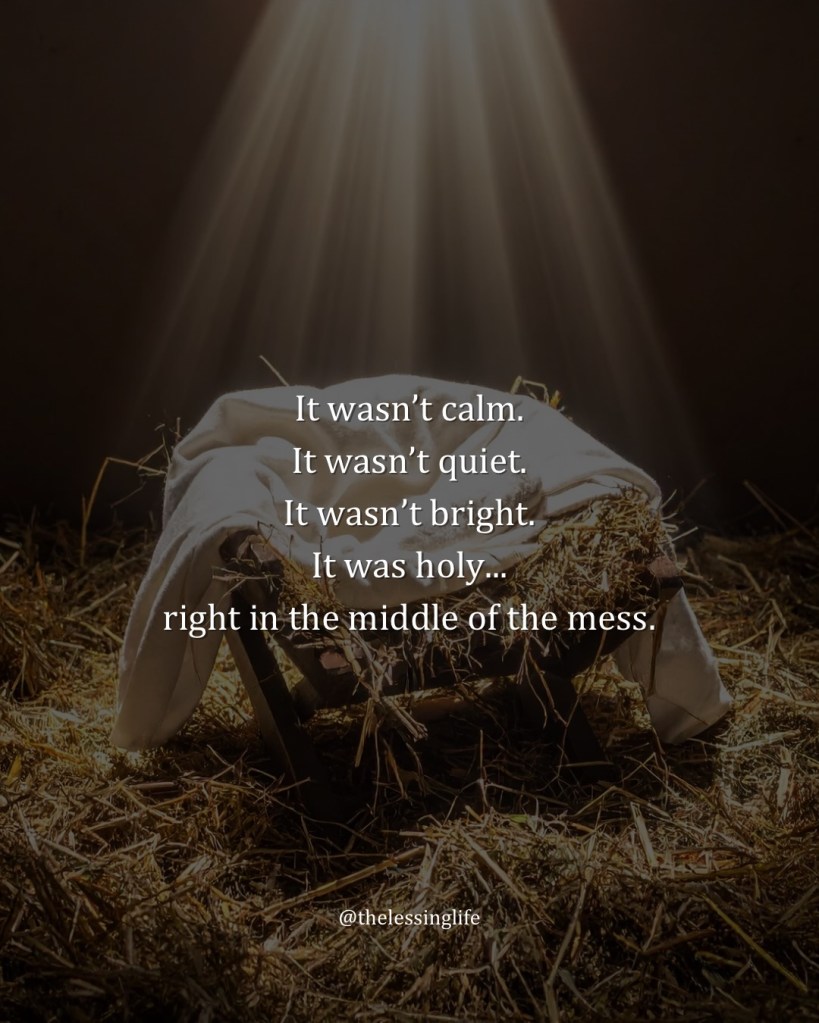
Christmas wasn’t calm or quiet, and it certainly wasn’t picture-perfect. It was messy, chaotic, and real—Mary with a newborn in a crowded, cold barn, surrounded by animals and strangers. Maybe that’s the point: the most extraordinary moments often arrive in the midst of disorder, reminding us that hope and love don’t need perfection to shine. Loved this post from Insta.







 Kenrick Vaz