
Most leaders don’t lack effort—
They lack structure, try this:
Great leadership isn’t reactive—
It runs on rhythm.
The best leaders don’t just respond.
They set a repeatable pace.
Here’s how to lead with
clarity instead of chaos:
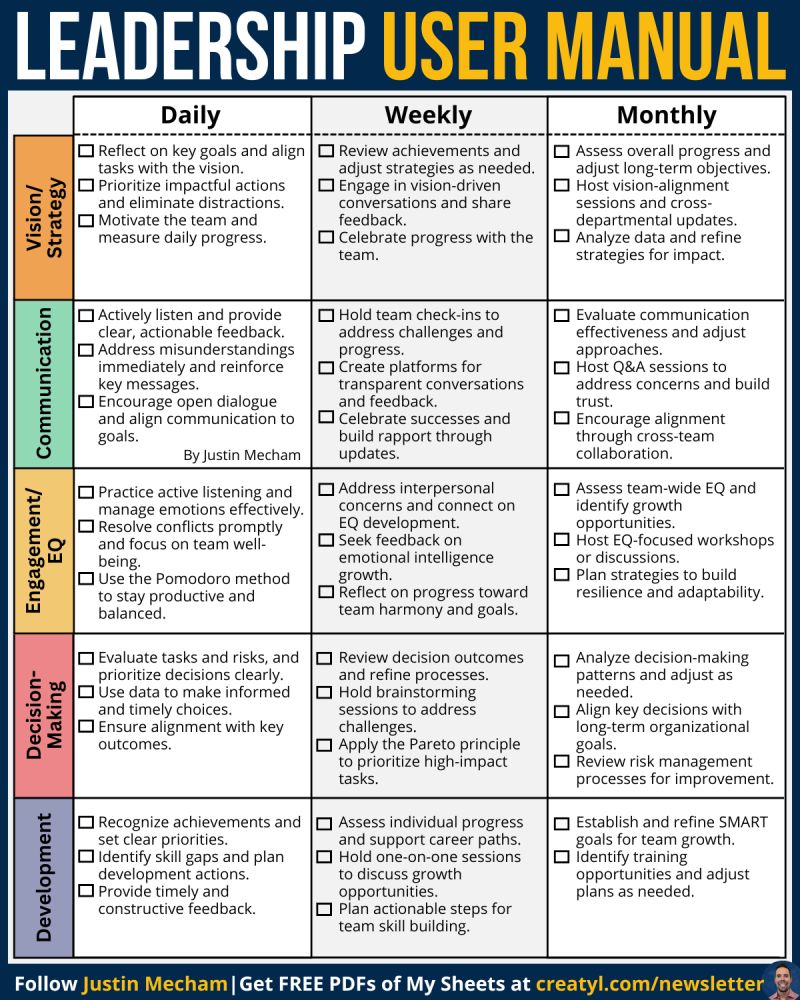
Daily ➝ Control the chaos
🟨 Give feedback before confusion starts
🟨 Stay calm, even when it’s messy
🟨 Fix issues before they spread
🟨 Clear distractions early
Weekly ➝ Align the humans
🟧 Talk goals, not just tasks
🟧 Adjust what’s not working
🟧 Grow your people on purpose
🟧 Coach through decisions
Monthly ➝ Lead with altitude
🟥 Zoom out, spot the patterns
🟥 Reset direction with clear goals
🟥 Create connection across teams
🟥 Build emotional clarity (not just KPIs)
You don’t need to do everything.
You just need to do the right things.
Because leadership isn’t about doing more,
It’s about doing what matters on purpose.
How to Assess, Guide, Mentor Your Team
This leadership stat really hit me:
71% of employees who believe that their boss can identify their
abilities are more engaged & enthusiastic at work.
When we think of employee development, we typically think:
❇︎ Training
❇︎ Certifications
❇︎ Providing feedback
❇︎ Even performance reviews
But we’ve already started in the wrong place. ❌
You have to pick the destination before you map out your drive.
↳ & figure out what to pack for the journey. 🧳
Here’s what to do instead:
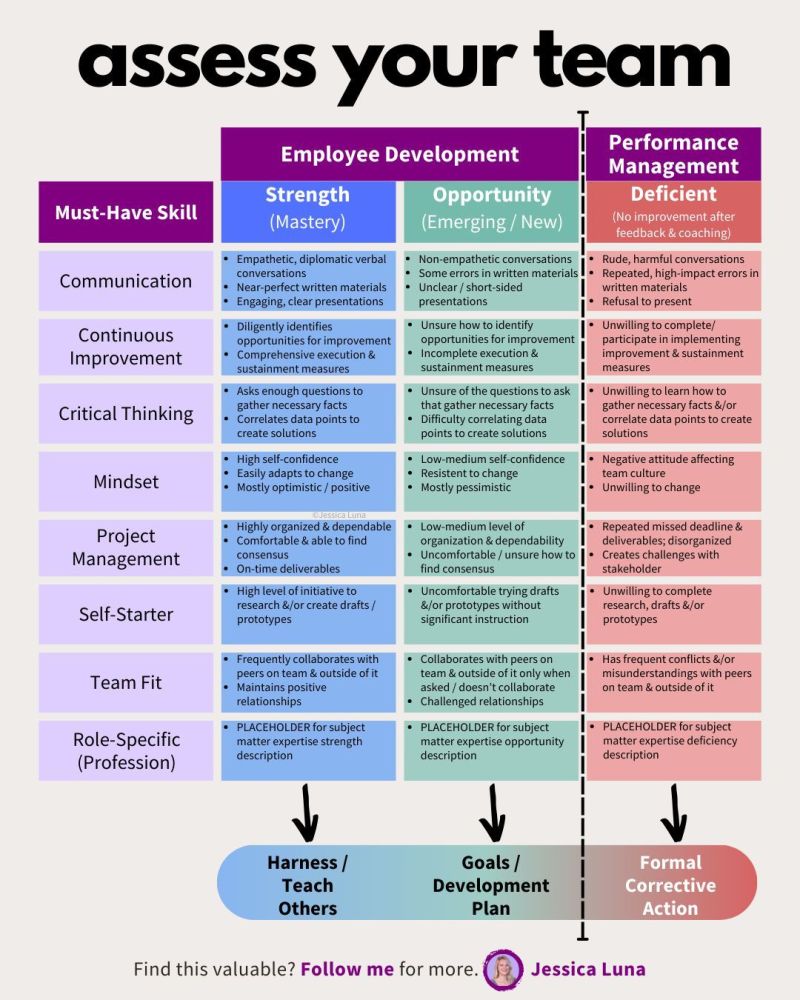
1️⃣ Choose the skills / abilities you want your team to possess
2️⃣ Define what “good” (a strength) & “bad” (a deficiency) looks like
3️⃣ Compare “good” to how they perform now
4️⃣ Partner with them to create a development plan to get them to “good”
5️⃣ If possible, pair strength/opportunity opposites for peer learning
6️⃣ Plan to address deficiencies, if they arise (performance management)
#6 snuck in there on us, didn’t it?!
Part of being an effective leader is holding your team accountable.
Without accountability, you’re compromising your culture.
Lucky for you, this cheat sheet shows you the relationship between
employee development & performance management. 🪢
Use this cheat sheet as a guide to assess your team, identify mentor opportunities, & know when they need your help getting back on track.
“Compassionate accountability means treating people
as valuable, capable, & responsible.”
– Nate Regier
Hearts That Don’t Give Up
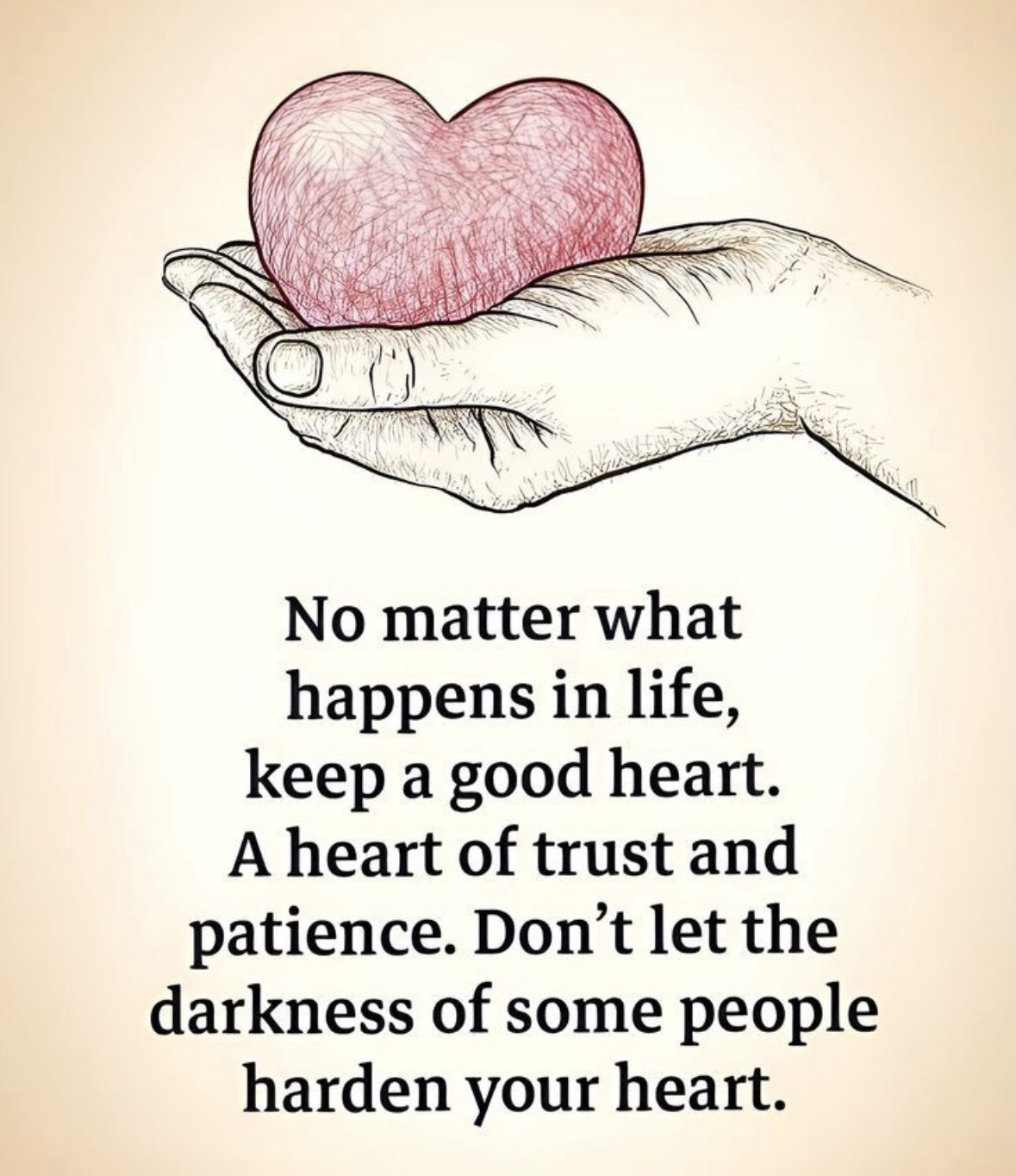
There’s something powerful about choosing to keep a soft heart in a world that sometimes feels determined to make you tougher than you want to be. Life will throw its share of shadows at you—moments that shake your trust, people who don’t show up the way you hoped, seasons that test more than you ever signed up for. And yet, the real strength isn’t in becoming cold or distant. It’s in deciding, every single time, that your heart is still worth protecting… not by hardening it, but by keeping it open.
It’s strange how the world teaches us that softness is vulnerability, but if you’ve ever walked through something heavy and still managed to stay kind, you know that’s not true. Patience doesn’t mean you’re naïve. Trust doesn’t mean you’re blind. Carrying a good heart through the ups and downs is a choice—a quiet, stubborn kind of courage that doesn’t get enough credit.
Because the truth is, darkness is loud. Hurt is loud. Disappointment is loud. And it’s easy to let those echoes convince you to match their tone. It’s easy to let one bad moment rewrite the way you show up in every other moment. It’s easy to let someone else’s bitterness find a home in you. But that’s not who you are. And deep down, you know it.
The real challenge is staying rooted in who you want to be, even when the world gives you reasons to be someone else. It’s remembering that your heart, as it is—gentle, patient, trusting—is not a weakness to fix but a gift to guard. Yes, people will misunderstand it. Some will take it for granted. Some will confuse your kindness for something they can misuse. But you don’t have to let their shadows dim your light.
You’re allowed to step back. You’re allowed to protect your peace. You’re allowed to walk away from anything that repeatedly hurts you. But you don’t have to become hardened to do it. You don’t have to mirror the darkness you’ve experienced. Rising above isn’t about being perfect—it’s about not letting the wrong things change the right parts of you.
Maybe the world doesn’t need more hardened hearts. Maybe it needs more people who still believe in goodness, even after everything that tried to convince them otherwise. People who still choose patience when frustration would be easier. People who still choose trust when disappointment would be simpler. People who still choose love in a world that often forgets how to show it.
So keep your heart good. Not because life is always fair, but because you know who you are. Because you know that softness is strength. Because you know that staying true to yourself matters more than matching anyone else’s darkness.
And because, even on the days you feel bruised or let down or tired of being the one who keeps trying, that good heart of yours is still your greatest gift—and it’s worth holding onto.
Thanksgiving Weekend, Houston

Thanksgiving weekend took us to Houston this year—a short getaway with no packed agenda, just time together and room for surprises (both good and not-so-good).
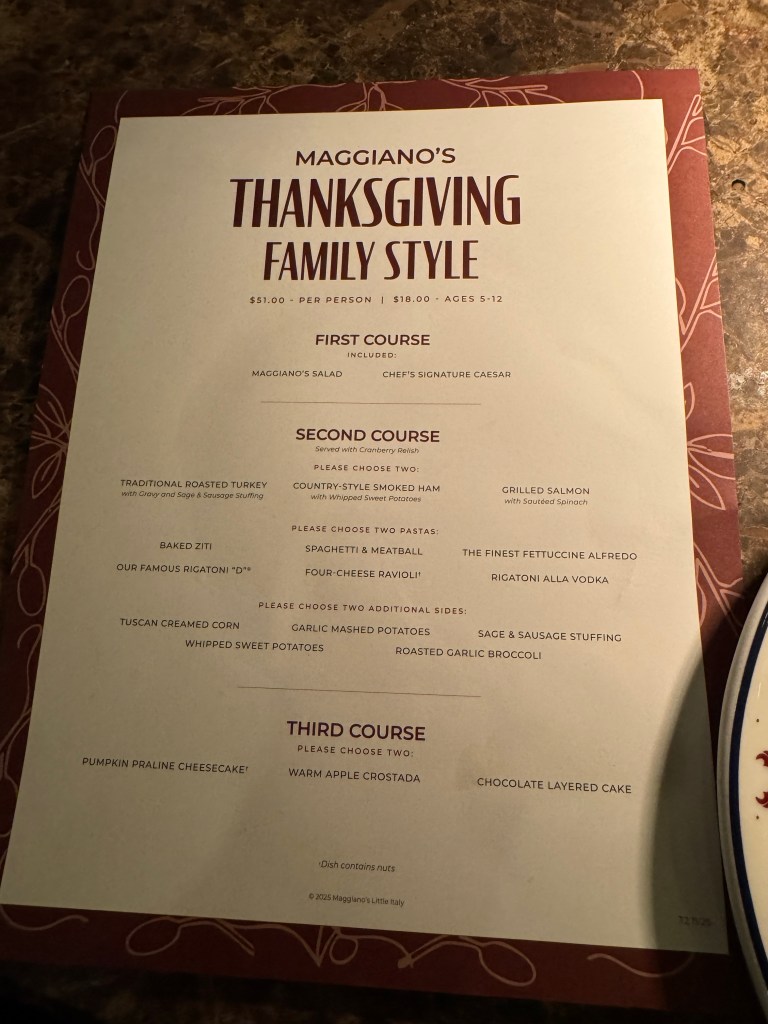
We kicked things off the way any holiday weekend should: with a comforting, indulgent dinner at Maggiano’s. Big portions, familiar flavors, and that cozy buzz of families doing exactly what we were doing—slowing down, catching up, and eating a little more than planned. It felt like the perfect start to a weekend meant for togetherness.




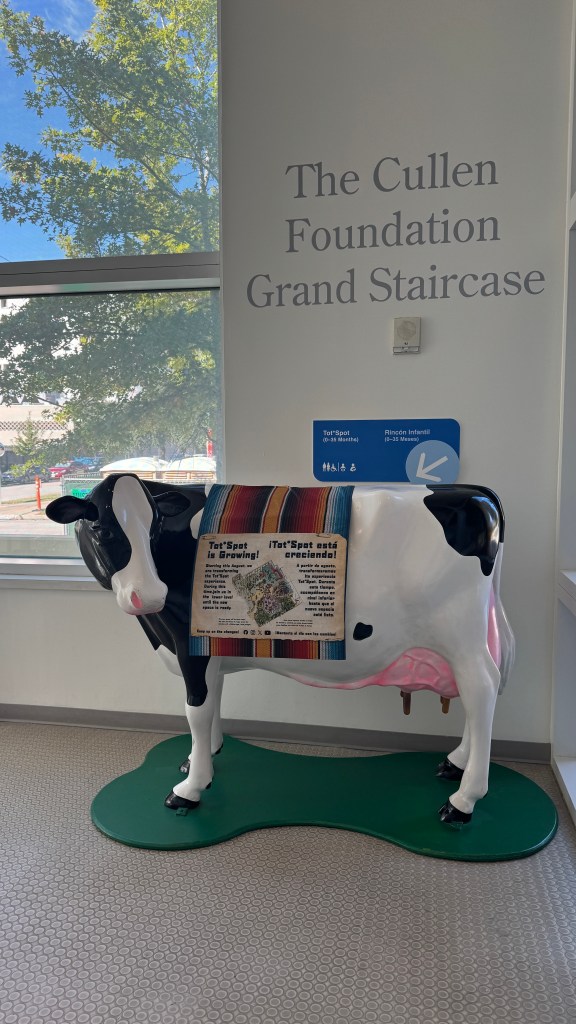
Day two didn’t quite go as expected. We had our hearts set on the Houston Zoo, especially for our little one, only to find it closed. The disappointment was real—for us and definitely for the tiny human who was ready to see animals. After a brief reset (and some convincing), we pivoted to the Children’s Museum instead. And honestly, it turned out to be one of the highlights of the trip. Watching curiosity take over, tiny hands busy with exhibits, and laughter echoing through the halls reminded us that sometimes Plan B is exactly what you need.









That evening, we took a relaxed drive through holiday lights. No rushing, no getting out of the car—just glowing tunnels of color, soft music, and that quiet magic that Christmas lights seem to bring, especially when seen through a child’s wide-eyed wonder.


Our final day was all about the Galleria. It felt like a city within a city—lively, festive, and full of energy. Ice skating in the middle of a mall still feels a little surreal, but it added to the charm. The children’s fun area gave our little one space to play and burn off energy, while we soaked in the simple joy of watching them have fun.











The weekend didn’t go perfectly, but that’s kind of the point. It was filled with good food, small disappointments, happy surprises, and moments that reminded us why we travel together in the first place. Grateful for the memories, the detours, and a Thanksgiving weekend that felt full in all the right ways.
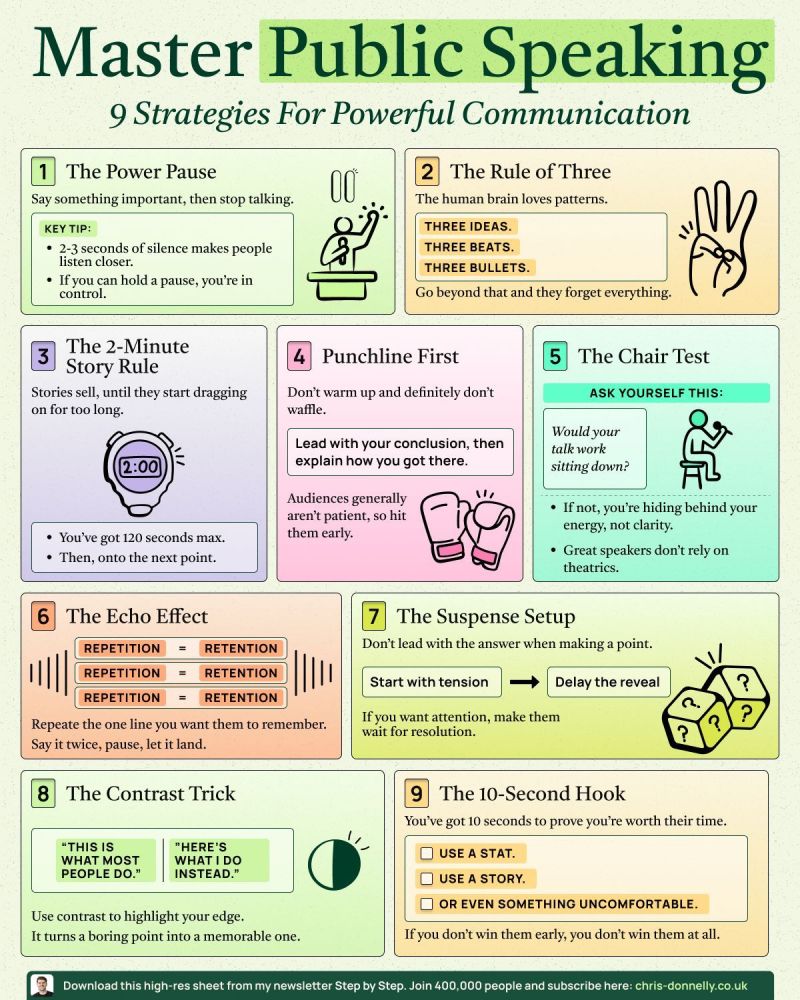
Master Public Speaking
Statistically, we’d rather die than do public speaking.
Overcome that fear with these 9 strategies:
It’s like Jerry Seinfeld said,
“At a funeral, most people would rather be in the casket than doing the eulogy.”
But ultimately, public speaking is a more important skill than you realise.
It shows up in:
🗣️ The Monday team meeting
🗣️ The investor update
🗣️ The client pitch
It’s one of the most important skills in business, genuinely.
If you can’t explain your ideas clearly when it matters,
You’ll miss out on opportunities others are getting.
And yet, no one really teaches us how to do it well.
So here are 9 strategies that will change the way you communicate forever 👇
1️⃣ The Power Pause
↳ Say something important, then stop talking.
✅ 2-3 seconds of silence makes people listen closer.
✅ If you can hold a pause, you’re in control.
2️⃣ The Rule of Three
↳ The human brain loves patterns.
✅ Three ideas, beats, or bullet points.
✅ Go beyond that, and they forget everything.
3️⃣ The 2-Minute Story Rule
↳ Stories sell, until they start dragging on for too long.
✅ You’ve got 120 seconds max.
✅ Then, onto the next point.
4️⃣ Punchline First
↳ Don’t warm up and definitely don’t waffle.
✅ Lead with your conclusion, then explain how you got there.
✅ Audiences generally aren’t patient, so hit them early.
5️⃣ The Chair Test
↳ Ask yourself this: Would your talk work sitting down?
✅ If not, you’re hiding behind your energy, not clarity.
✅ Great speakers don’t rely on theatrics.
6️⃣ The Echo Effect
↳ Repeat the one line you want them to remember.
✅ Repetition = retention. Repetition = retention. Repetition = retention.
✅ Say it twice, pause, let it land.
7️⃣ The Suspense Setup
↳ Don’t lead with the answer when making a point.
✅ Start with tension → Delay the reveal
✅ If you want attention, make them wait for resolution.
8️⃣ The Contrast Trick
↳ ”This is what most people do.” ”Here’s what I do instead.”
✅ Use contrast to highlight your edge.
✅ It turns a boring point into a memorable one.
9️⃣ The 10-Second Hook
↳ You’ve got 10 seconds to prove you’re worth their time.
✅ Use a stat, a story, or even something uncomfortable.
✅ If you don’t win them early, you don’t win them at all.
Public speaking is a fundamental skill.
The better you explain ideas, the faster they can spread…
Inside your team, on stage, or on LinkedIn.
That’s a bit of hack in your career.
What’s your biggest struggle with public speaking?
How to Handle Difficult Conversations
The conversation you’re avoiding—
Is the one you need the most:
Tough talks aren’t the problem.
Avoiding them is.
When you skip hard conversations,
you create more conflict.
But let’s be honest—
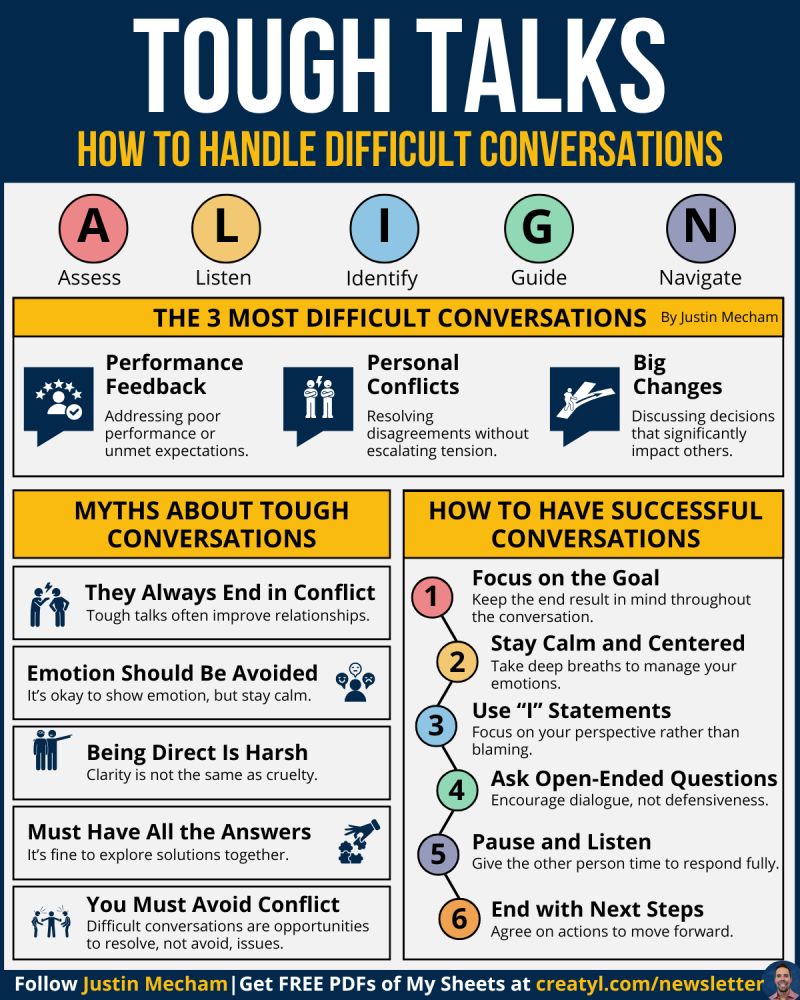
The 3 hardest conversations at work?
🔵Performance feedback
🔵Personal conflict
🔵Big changes
And yet—
These are the conversations
that shape your culture most.
Here’s what people get wrong:
🚫 “You should avoid conflict at all costs”
🚫 “Tough talks always end in conflict”
🚫 “Being direct is being harsh”
🚫 “You need all the answers”
🚫 “You can’t show emotion”
None of that is true.
The best leaders lean in, not away.
They:
✅ Stay calm
✅ Listen fully
✅ End with action
✅ Focus on the goal
✅ Use “I” statements
✅ Ask open-ended questions
You don’t need to be perfect.
You just need to be present.
Because the strongest teams,
don’t avoid tough talks.
They know how to have them.
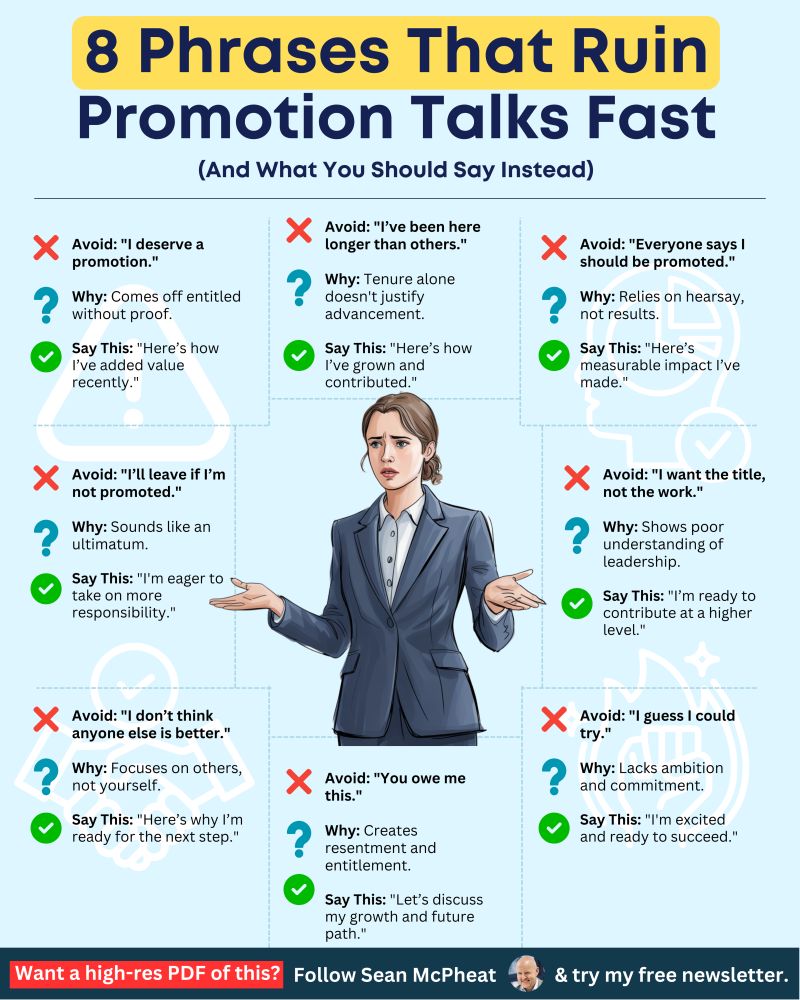
8 Phrases That Ruin Promotion Talks
Promotions don’t just go to top performers.
They go to the best communicators too ⬇️
You’re not being overlooked.
You might just be saying the wrong things in
promotion conversations.
Statements like:
“I deserve a promotion.”
“I’ve been here longer than others.”
“I’ll leave if I’m not promoted.”
These might feel bold but they often backfire.
Why? Because they create pressure without proof.
Here’s what managers actually hear:
❌ “You owe me this.”
Creates resistance, not recognition.
❌ “Everyone says I should be promoted.”
Sounds like gossip, not evidence.
❌ “I want the title, not the work.”
Signals ego, not readiness.
Strong candidates use facts, not force.
They lead with value, not volume.
✅ “Here’s how I’ve added value in the last 6 months.”
✅ “Here are measurable results I’ve delivered.”
✅ “I’m ready to take on more responsibility, here’s how I’ve prepared.”
Promotions don’t go to those who shout the loudest.
They go to those who show they’re already doing the job they want.
So if you want to be promoted:
– Start acting the part now
– Back yourself with evidence
– Focus on how you help the business grow
🧠 Remember; the strongest case for a promotion
is made with data, not desperation.
The Chapters You Don’t See Yet
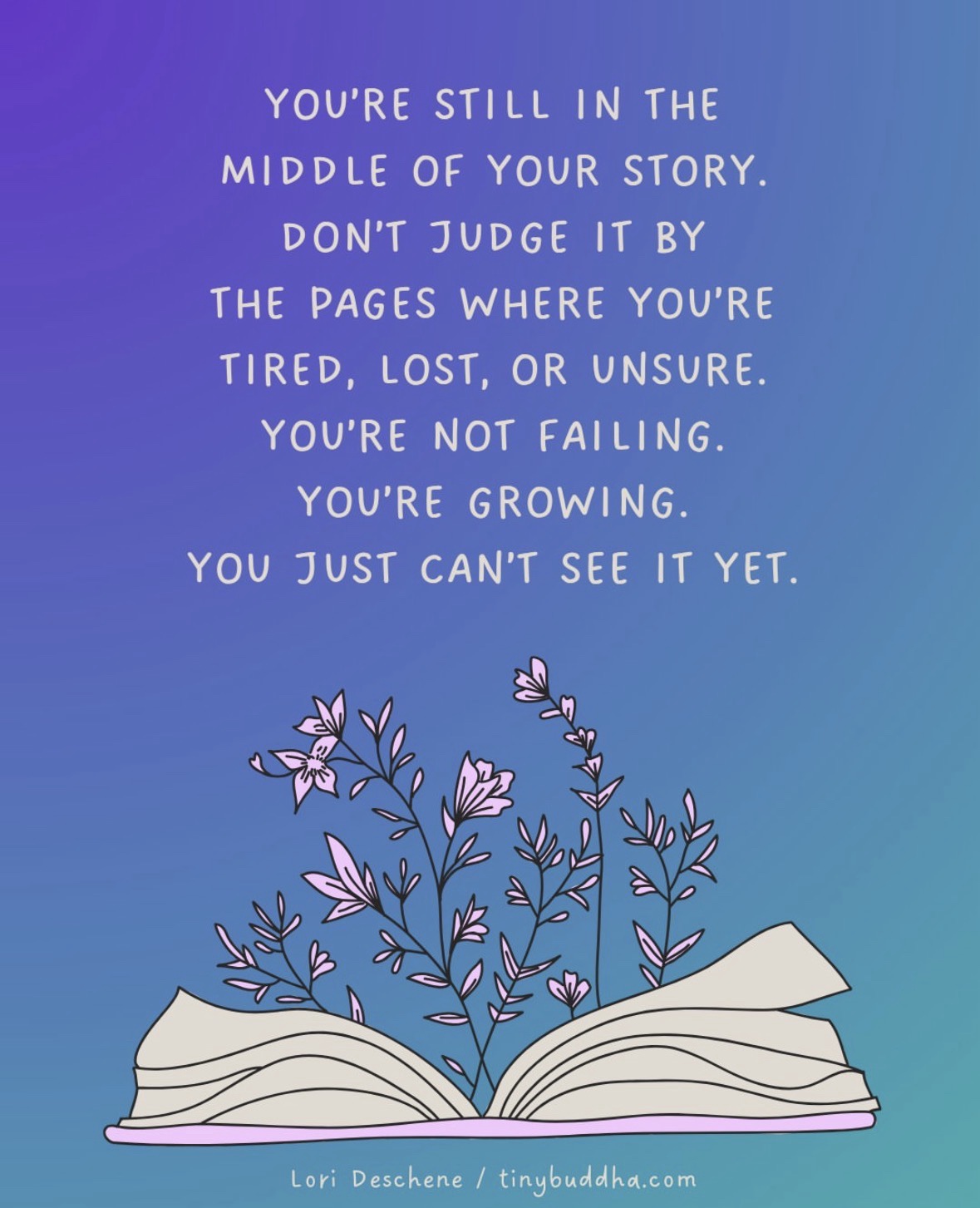
Some days feel like you’re stuck in the messiest part of your own story. You know the chapters—where everything feels slow, heavy, confusing, or downright exhausting. The pages where you’re doing your best but it still feels like you’re falling short. It’s easy to look at those moments and think the whole book is going downhill. But those aren’t the chapters that define you. They’re just the ones you happen to be reading right now.
And today, with Thanksgiving in the air, there’s something grounding about that reminder. Gratitude isn’t about pretending the hard chapters don’t exist. It’s about noticing the quiet strength that’s kept you moving through them. It’s about acknowledging the small, unglamorous victories—getting up when you didn’t want to, showing up when it was easier not to, trying again when yesterday drained you. Sometimes the most meaningful things to be thankful for are the ones you almost overlook.
We rarely give ourselves credit for the parts of growth we can’t see. We notice the struggle, not the shift. We feel the uncertainty, not the alignment quietly happening underneath. You don’t realize you’ve grown until something that used to break you suddenly doesn’t. You don’t recognize your progress until a moment arrives where you handle things differently—calmer, stronger, clearer. And even then, you might miss it because you’re already worried about the next thing.
Holidays have a way of making us pause, even if just for a moment. And in that pause, you can look around and realize that even if everything isn’t perfect, even if you’re still figuring things out, you’ve made it this far. That counts for something. Maybe more than you think. Gratitude doesn’t erase the tired or lost or unsure pages, but it does remind you that you’ve survived every chapter you once thought you couldn’t.
Sometimes growth feels like failure because it’s uncomfortable, unfamiliar, and slower than we want it to be. But growth is rarely loud. Most of the time it’s subtle—like soft rewiring happening beneath the chaos. You don’t always notice it while you’re in the middle of it, and that’s exactly why these moments feel so uncertain. You’re not meant to see the whole picture yet. You’re meant to trust that the work you’re putting in is shifting something, even if you can’t name it.
Think about all the past chapters in your life that once felt impossible—how you moved through them, how you changed because of them. Back then, you didn’t realize you were building a version of yourself that could hold more, handle more, hope more. This season will be no different. And maybe today, gratitude can be your bookmark—a small reminder that even the unfinished parts of your story hold meaning.
So if the page you’re on feels heavy, don’t assume it’s the whole story. Don’t mistake discomfort for defeat. You’re not stuck—you’re transitioning. You’re not failing—you’re forming into someone stronger than before. Trust that something is happening beneath the surface, even if it’s not visible yet.
You’re still in the middle of your story, and that’s a beautiful place to be. The best chapters don’t come from having it all figured out—they come from making it through the parts where you almost gave up but didn’t. And today, of all days, give yourself a moment to be thankful for the courage it took to get here—and the hope quietly carrying you forward to whatever comes next.
5 Proven Innovation Frameworks
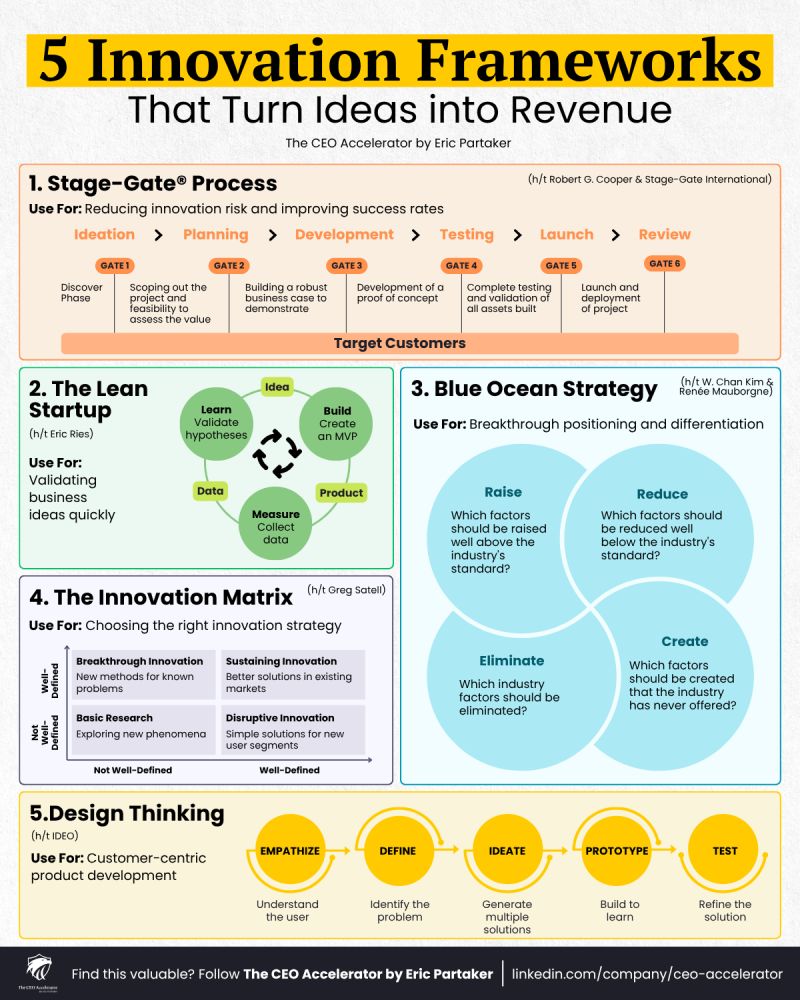
5 proven innovation frameworks that turn ideas into revenue.
(Here’s exactly when to use each one.)
Most innovation efforts fail.
Not because the ideas are bad.
But because leaders use the wrong approach for their situation.
Think of frameworks like power tools.
A drill won’t help you cut wood.
A saw won’t help you drive screws.
Here are 5 frameworks that work—when you use them right:
1. Stage-Gate® Process
↳ Perfect for: Managing $1M+ initiatives
↳ ROI driver: Stops 73% of doomed projects early
↳ Key move: Each gate saves you from disaster
2. The Lean Startup
↳ Perfect for: Validating business ideas quickly
↳ ROI driver: 10X faster time to revenue
↳ Key move: Build-Measure-Learn in weeks
3. Blue Ocean Strategy
↳ Perfect for: Breakthrough positioning and differentiation
↳ ROI driver: 3X margins in new markets
↳ Key move: Make competition irrelevant
4. The Innovation Matrix
↳ Perfect for: Choosing the right innovation strategy
↳ ROI driver: Right strategy = 5X success rate
↳ Key move: Match problem type to solution path
5. Design Thinking
↳ Perfect for: Customer-centric product development
↳ ROI driver: 87% less product failures
↳ Key move: Empathize before you build
The real insight?
Innovation isn’t about having more ideas.
It’s about executing them effectively.
These frameworks are simply tools that help you do that.
Like having the right equipment for the job.
Your next move:
Look at your biggest opportunity right now.
What’s blocking you from turning it into reality?
Pick the tool that solves that specific problem.
Ideas are everywhere.
Execution is everything.
These frameworks help you bridge the gap.
Confidence
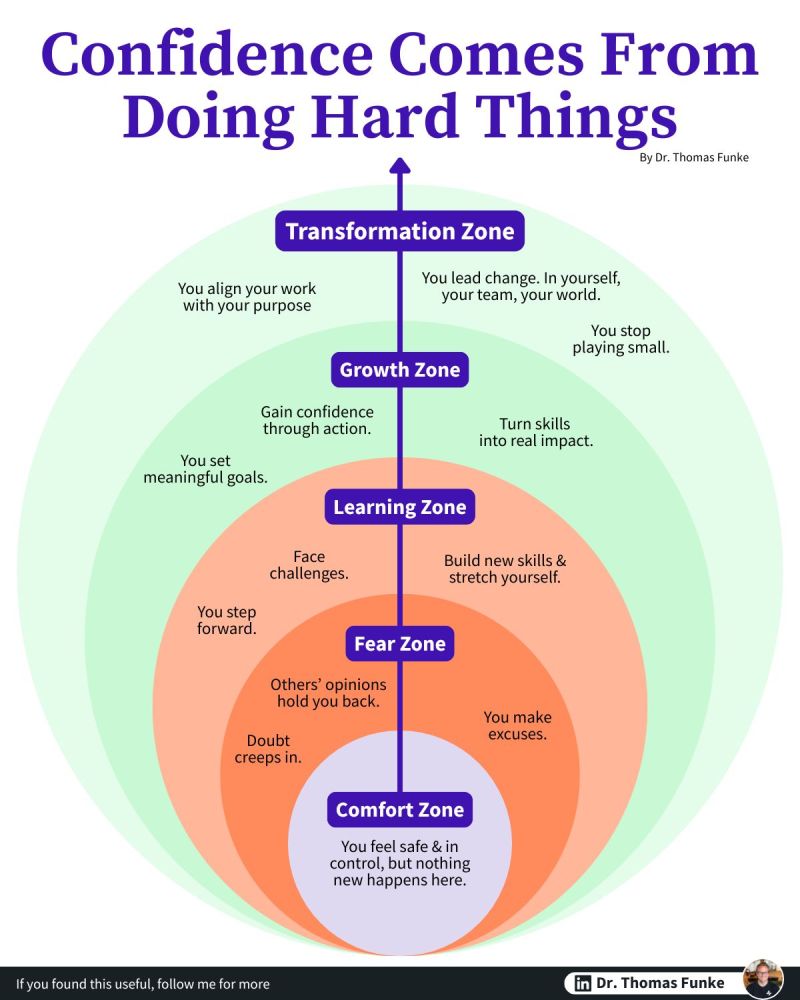
Confidence isn’t built in your comfort zone.
It’s earned one scary step at a time.
The people who land those $200k+ roles aren’t always the most qualified.
They’re the ones living in the learning zone.
Here’s what each zone actually teaches you:
1. Comfort Zone
→ You feel safe, but nothing grows here
→ Your skills stay the same
→ Your opportunities stay limited
2. Fear Zone
→ This is where most people quit
→ Doubt creeps in. Others question you
→ But here’s the secret: This zone is temporary
3. Learning Zone
→ You face real challenges
→ You build new skills that matter
→ You step forward instead of staying stuck
4. Growth Zone
→ You set goals that actually move the needle
→ You turn skills into measurable impact
→ Confidence starts flowing from action, not theory
5. Transformation Zone
→ You align work with purpose
→ You lead change instead of following it
→ You stop playing small
The breakthrough happens when you realize:
Confidence doesn’t come from knowing everything.
It comes from trusting yourself to figure it out.
That promotion you want?
That leadership role calling your name?
That career pivot you keep postponing?
It’s waiting for you in the learning zone.
Not when you feel ready.
Not when you have all the answers.
Right now.
The question isn’t whether you’re qualified.
It’s whether you’re willing to become qualified.
Every successful leader started exactly where you are.
Scared.
Uncertain.
But moving forward anyway.
Your next level is closer than you think.

