
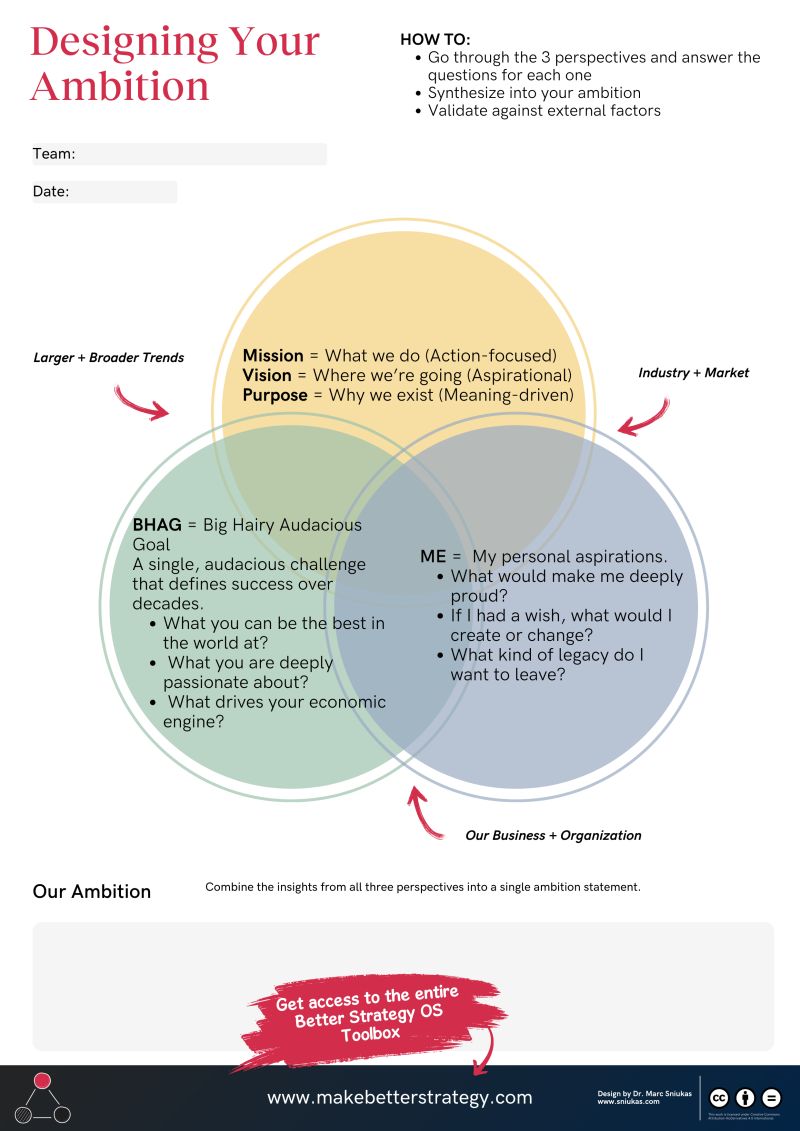
Every winning strategy starts with one uncomfortable question:
How ambitious are you willing to be?
A client once told me:
“Our ambition? To grow 5% a year.”
I asked: “Is that ambition… or just survival?”
That moment shifted the entire conversation.
Because ambition isn’t about what feels safe.
It’s about what forces you to rethink your business.
Without ambition, strategy is just incremental improvement.
Ambition sets the ceiling for what’s possible.
And it should scare you a little — otherwise, it’s not really ambition.
So, what’s your true ambition?
Growth, transformation,…
or simply keeping the lights on?
Yesterday Taught Me. Tomorrow Calls Me Forward.
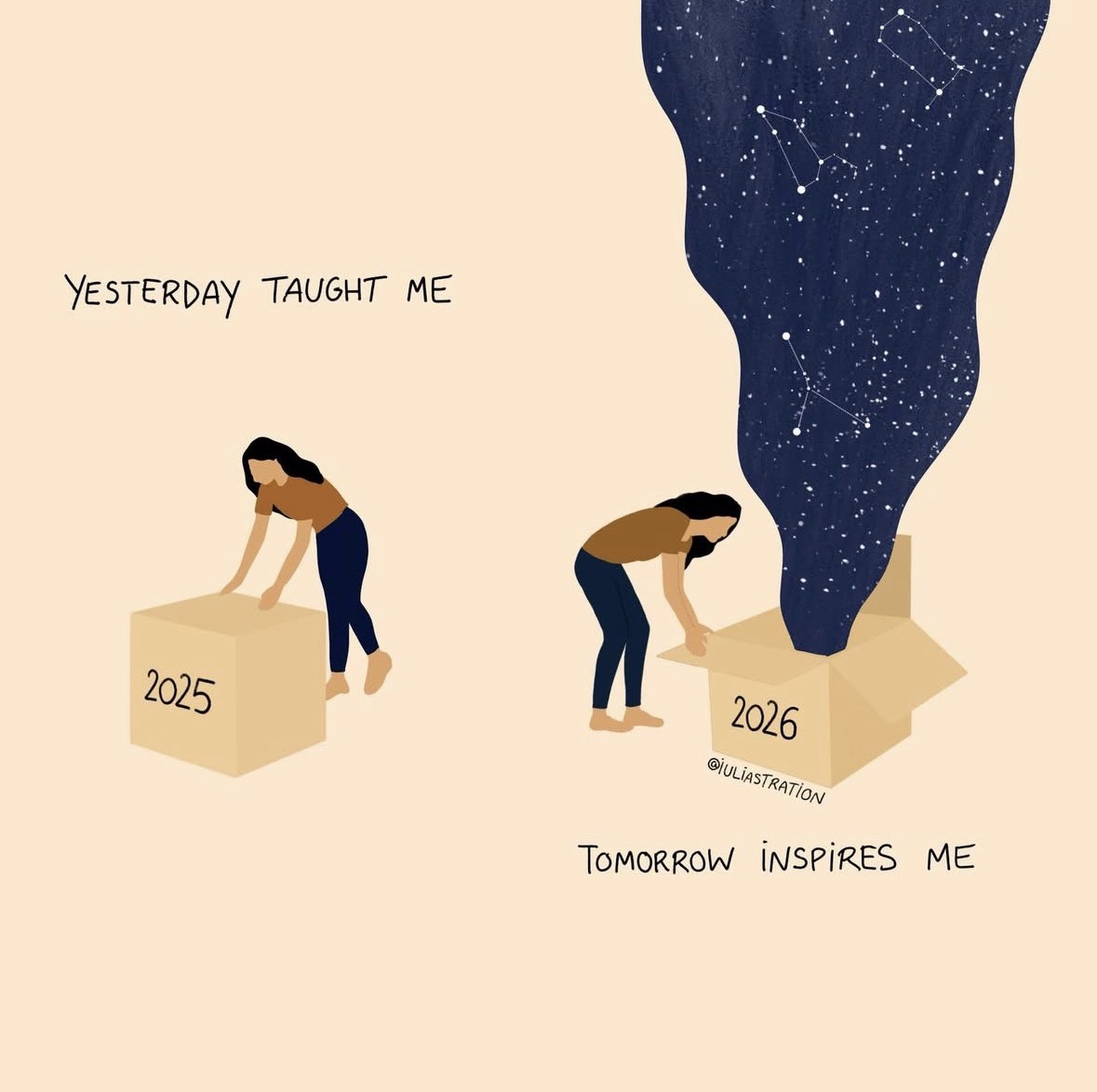
There’s something quietly powerful about standing between what has been and what is still becoming. Yesterday sits behind us like a patient teacher. Tomorrow waits ahead like an open door. And right here—right now—we get to choose how we carry both.
2025 taught me more than I expected. Not in loud, dramatic ways, but in the steady, everyday moments that slowly shape you if you’re paying attention. It taught me that effort doesn’t always show results immediately, and that doesn’t mean it was wasted. Some work is underground for a while, growing roots before anything breaks the surface. I learned that consistency matters more than intensity, and that showing up—especially on ordinary days—is a kind of quiet courage.
Yesterday also taught me about limits. About energy. About how saying yes to everything eventually means saying no to yourself. There were moments when slowing down felt uncomfortable, even irresponsible, but looking back, rest wasn’t the enemy of progress. It was part of it. I learned that burnout doesn’t announce itself loudly; it sneaks in when you ignore the small signals for too long. Listening sooner would have saved time, not lost it.
I learned about people too. About who stays when things are inconvenient. About who celebrates your growth without feeling threatened by it. About how relationships don’t thrive on perfection, but on honesty, patience, and the willingness to keep choosing each other. I learned that it’s okay to outgrow certain spaces, even if they once felt like home. Gratitude and release can exist at the same time.
There were wins in 2025—some visible, some deeply personal. There were also disappointments that didn’t make sense when they happened. But distance has a way of adding clarity. What felt like delay was often protection. What felt like loss sometimes created room for something better suited to who I was becoming. Yesterday taught me that not everything needs to work out the way I planned for it to work out well.
And now, 2026 stands in front of me—not as a promise, but as an invitation.
Tomorrow inspires me because it hasn’t been edited yet. It doesn’t know my mistakes or my fears unless I carry them forward unchanged. It offers possibility without guarantees, which is both terrifying and freeing. Tomorrow doesn’t ask me to be flawless; it asks me to be present. To try again with a little more wisdom than last time. To take what I’ve learned and apply it gently, not harshly.
What inspires me most about tomorrow is the chance to move with more intention. To build slowly and thoughtfully. To choose depth over noise. To create space for what truly matters instead of filling every gap with urgency. Tomorrow inspires me to trust that small, aligned steps taken daily can lead to places that big, rushed leaps never could.
It inspires me to believe that growth doesn’t always look like doing more. Sometimes it looks like doing less, but better. Listening more closely. Responding instead of reacting. Being rooted enough to bend without breaking. Tomorrow invites me to become someone who measures success not just by outcomes, but by peace.
There’s a quiet confidence that comes from knowing you’ve survived your yesterdays. Not perfectly. Not without scars. But with lessons intact. Yesterday taught me. Tomorrow inspires me. And today—today is where the real work happens. Today is where learning turns into living, and inspiration turns into action.
I don’t need tomorrow to be extraordinary. I just need it to be honest. If I can carry forward what yesterday taught me, and step into tomorrow with curiosity instead of fear, that feels like progress. That feels like enough.
Effective Feedback
Are your teams avoiding tough feedback?
Many people shy away from it because
it feels uncomfortable, awkward, even risky.
But the right tools can make feedback easier.
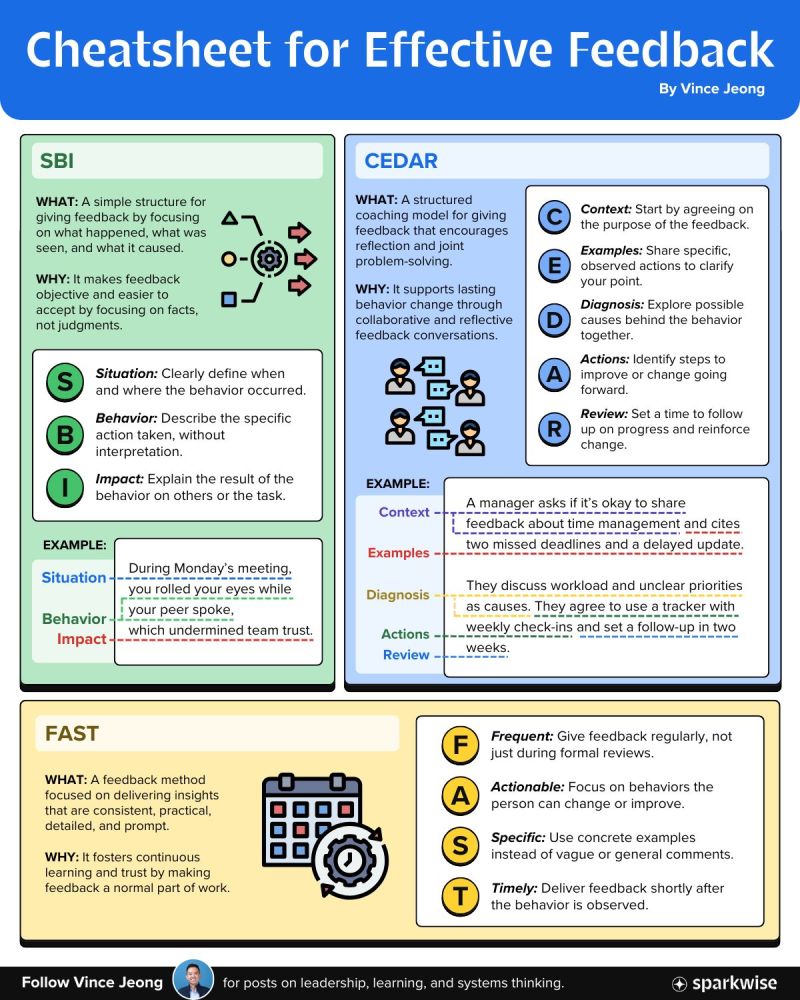
My 3 favorite frameworks:
1. 𝐒𝐁𝐈 — Direct, objective approach
→ Situation: Set the exact context
→ Behavior: Describe what you saw
→ Impact: Explain the real effect
Good for quick, in-the-moment feedback
about a specific incident that just happened.
2. 𝐂𝐄𝐃𝐀𝐑 — Coaching-inspired approach
→ Context: Agree on the purpose
→ Examples: Share specific instances
→ Diagnosis: Explore root causes
→ Actions: Define next steps
→ Review: Schedule follow-up
Good for address recurring patterns and
creating a plan for lasting behavior change.
3. 𝐅𝐀𝐒𝐓 — Be consistent
→ Frequent: Not just annual reviews
→ Actionable: Focus on changeable behaviors
→ Specific: Use real examples
→ Timely: Strike while it’s relevant
Above all, be fair and caring.
The goal isn’t to prove you’re right.
It’s to help others improve and thrive.
Which framework do you like best?
Burnout Map

Burnout isn’t sudden—
It’s silent until it’s not:
Here’s how to spot it early
and stop it before it starts:
⚡ Daily Habits That Help
• Use start + stop rituals to mark your day
• Work with your energy, not against it
• Keep one screen open at a time
• Leave notes for your future self
• Write what you won’t do today
• Say no to small time-stealers
• Take tiny 3-minute breaks
🚩 Burnout Red Flags
• Brain fog
• Snapping fast
• Goals unclear
• Rushed all day
• Tense shoulders
• Overload of inputs
• Not asking for help
• No joy in your work
• Saying yes too often
• Staying up late again
• Ignoring food, water, or rest
• Too many unread messages
The earlier you catch it,
the easier it is to fix.
Use my sheet for the
full Burnout Map—
And keep your energy
before it slips away.
Burnout is easier to prevent
than recover from.
Catch the signs early.
Protect your energy before
it costs you everything.
Top 12 Goal Methods
Hard work doesn’t fix a broken goal—
Do this instead:
Here’s what no one tells you:
Your goal isn’t the problem—
Your method is.
Use the right method, and progress
becomes automatic.
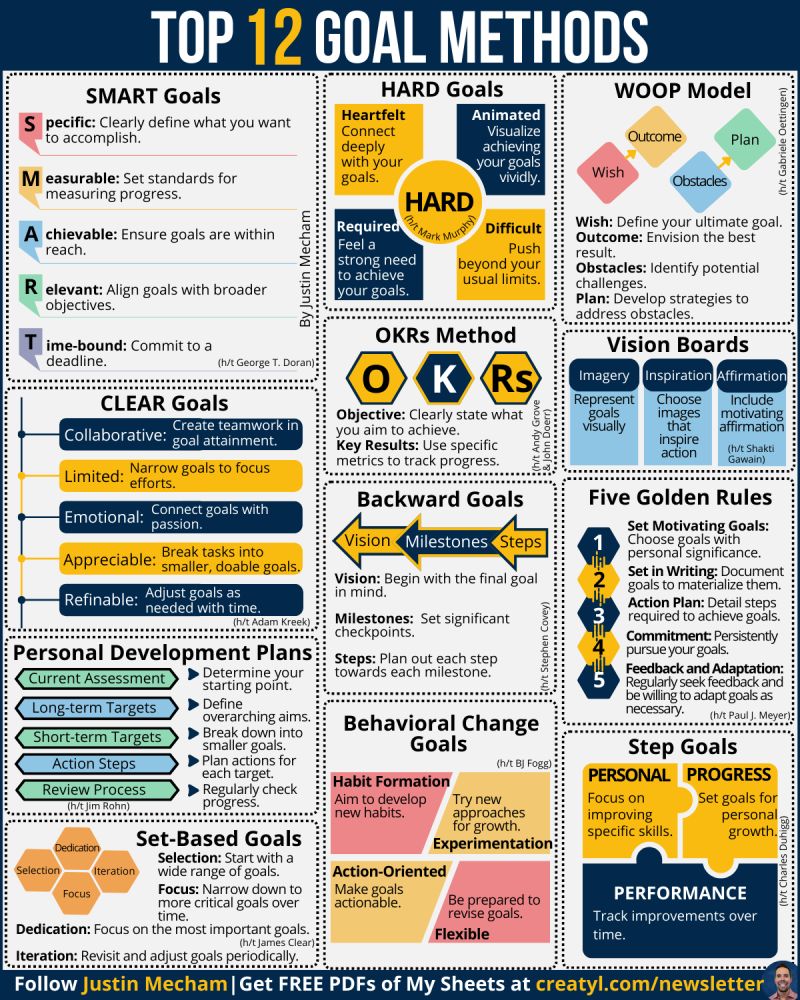
Here are 12 of the best goal systems:
(Simplified so you can test them fast.)
🔵 SMART Goals
Clear, measurable, doable.
🟡 HARD Goals
Pick goals that matter to you.
🔴 WOOP Model
Spot problems before they happen.
🟢 CLEAR Goals
Make it simple and team-friendly.
🟣 OKRs Method
Say the goal, track what works.
🟠 Vision Boards
Use images that keep you focused.
🔵 Backward Goals
Work backward from the finish line.
🟡 Five Golden Rules
Write it down, check it often.
🔴 Personal Development Plans
Start small, grow as you go.
🟢 Behavioral Change Goals
Build habits, stay flexible.
🟠 Set-Based Goals
Try a lot, stick with what works.
🟣 Step Goals
Pick one thing and track your progress.
Use my sheet to test what fits—
So your goals stop breaking…
And start working.
Black Coffee Lessons

Black coffee isn’t trying to impress anyone. It doesn’t hide behind foam or sugar or clever flavors. It shows up exactly as it is—bitter to some, comforting to others, and completely unapologetic about it. And that’s where the lesson quietly sits: you don’t have to be sweet to be liked by everyone.
Some people take one sip of black coffee and immediately reach for sugar. Others wrinkle their nose and push the cup away. And then there are those who savor it, who’ve learned to appreciate the depth, the warmth, the honesty of it. The coffee hasn’t changed in any of these moments. Only the preference of the person drinking it has.
We spend so much of life trying to sweeten ourselves. Softening opinions. Diluting honesty. Adding just enough extra to make sure no one feels uncomfortable around us. We adjust our tone, our boundaries, our values—sometimes without even realizing we’re doing it—because being liked feels safer than being real.
But black coffee reminds us of something freeing: not everyone is your audience.
If you’ve ever been told you’re “too direct,” “too quiet,” “too intense,” or “not fun enough,” you’ve felt this tension. Somewhere along the way, you may have wondered if you should add a little sugar—be less honest, more agreeable, easier to digest. The truth is, that might make you more palatable to some people. But it won’t make you more you.
Sweet coffee is popular for a reason. It’s easy. It goes down smooth. It doesn’t ask much of the drinker. Black coffee, on the other hand, asks for patience. It asks you to slow down, to let your taste adjust, to notice the layers instead of masking them. Not everyone wants to do that kind of work—and that’s okay.
The mistake is thinking that rejection means something is wrong with you.
Not liking black coffee doesn’t make someone wrong. And being black coffee doesn’t make you flawed. It simply means there’s a mismatch. Preferences aren’t moral judgments. They’re just preferences.
There’s also something deeply honest about not trying to be universally appealing. When you stop chasing approval, you free up energy for things that actually matter—doing good work, building real relationships, living with integrity. You stop performing and start existing.
Ironically, that’s often when the right people find you.
The ones who don’t need you to be sweeter. The ones who don’t ask you to shrink or soften or explain yourself away. The ones who sit with you, take a sip, and say, “Yeah. This is good.”
Black coffee people tend to find each other. Not loudly. Not immediately. But meaningfully.
This lesson doesn’t mean becoming harsh or careless. Black coffee isn’t rude; it’s just honest. There’s a difference between authenticity and abrasiveness. The point isn’t to push people away—it’s to stop pulling yourself apart to keep everyone close.
If you’re constantly exhausted from being “on,” from managing how you’re perceived, from editing yourself mid-sentence, it might be time to ask: who am I doing this for? And what would it look like to just… not?
Some days, being yourself will cost you invitations, approval, or applause. Other days, it will gain you respect, trust, and peace. Over time, the trade-off becomes obvious.
Life tastes better when you stop over-sweetening it.
So drink your coffee how you like it. Speak how you mean it. Live how you believe it. The people who need sugar will find sugar. And the ones who appreciate depth will pull up a chair, wrap their hands around the cup, and stay.
You don’t have to be sweet to be liked by everyone.
You just have to be real enough to be loved by the right ones.
After the Fall, Before the Fire

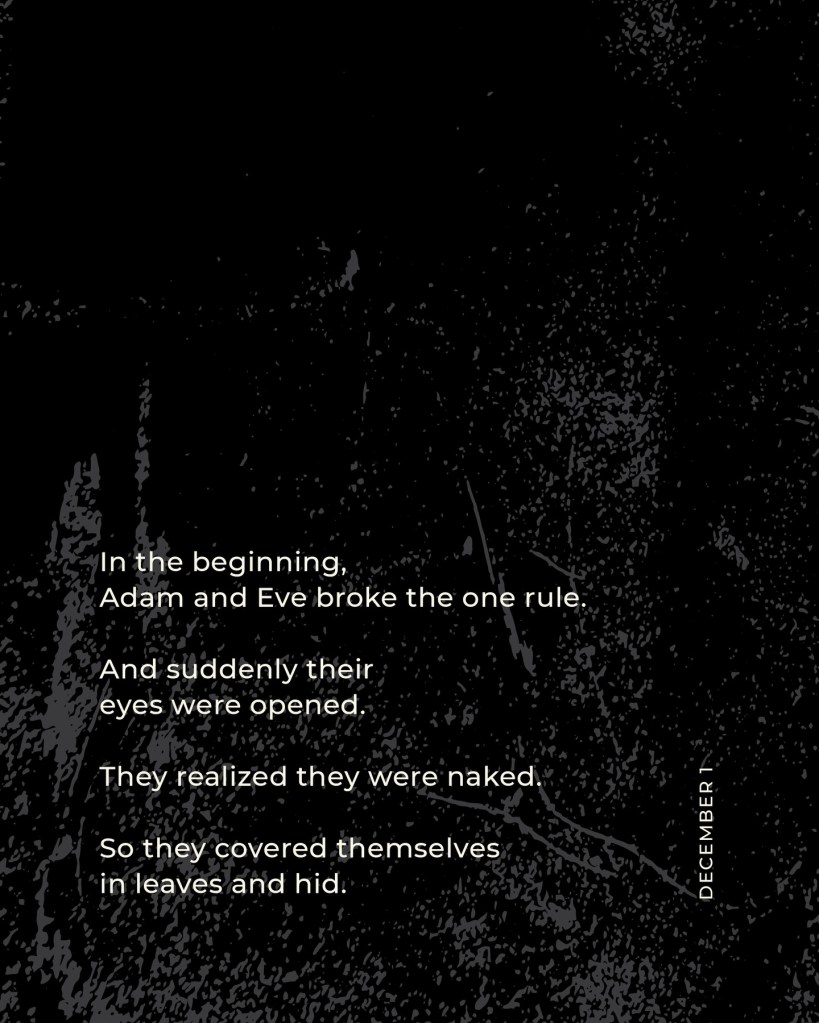
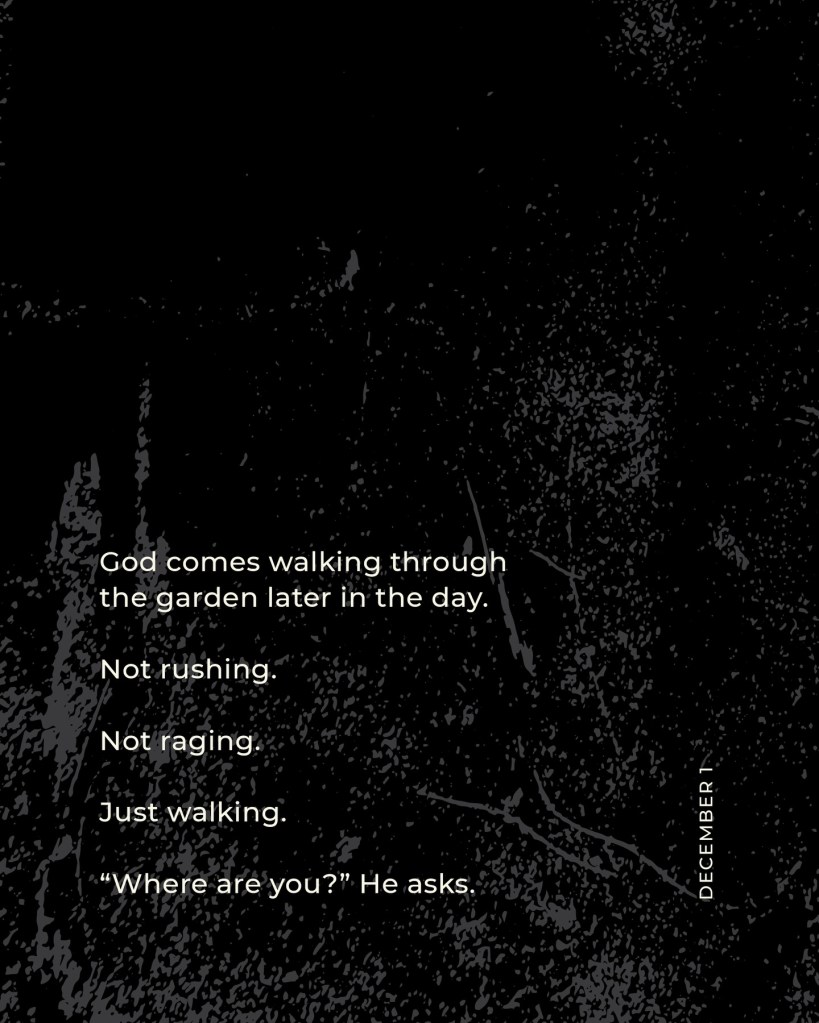
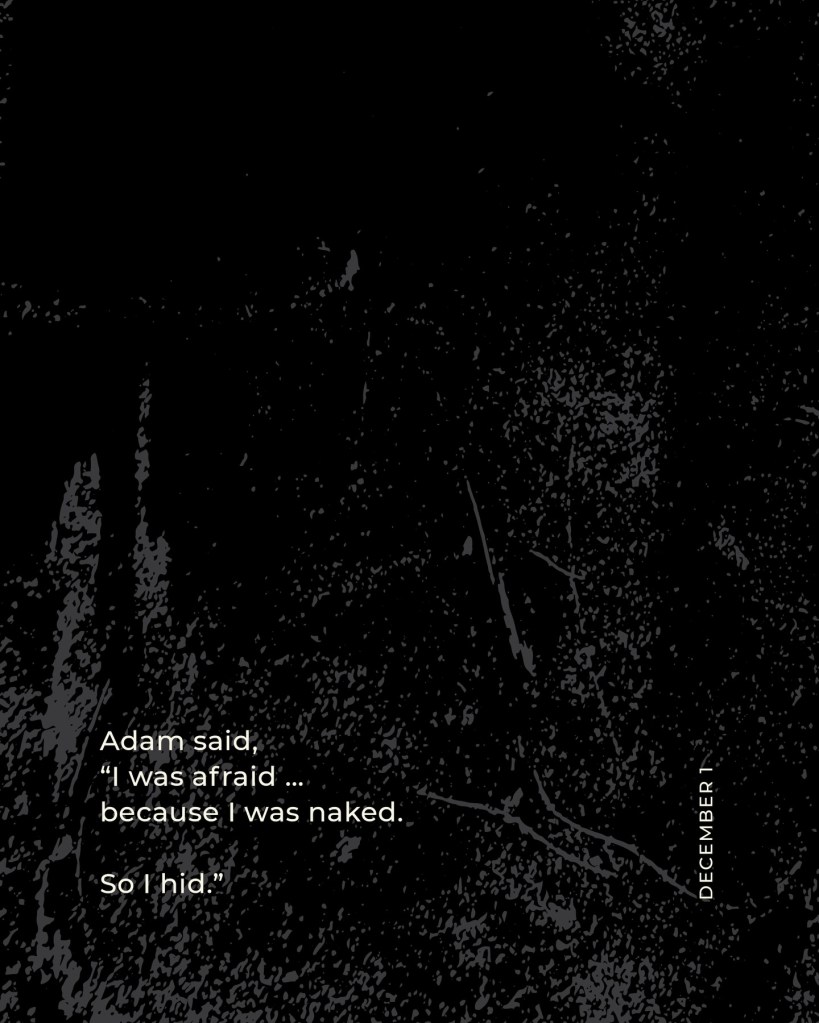
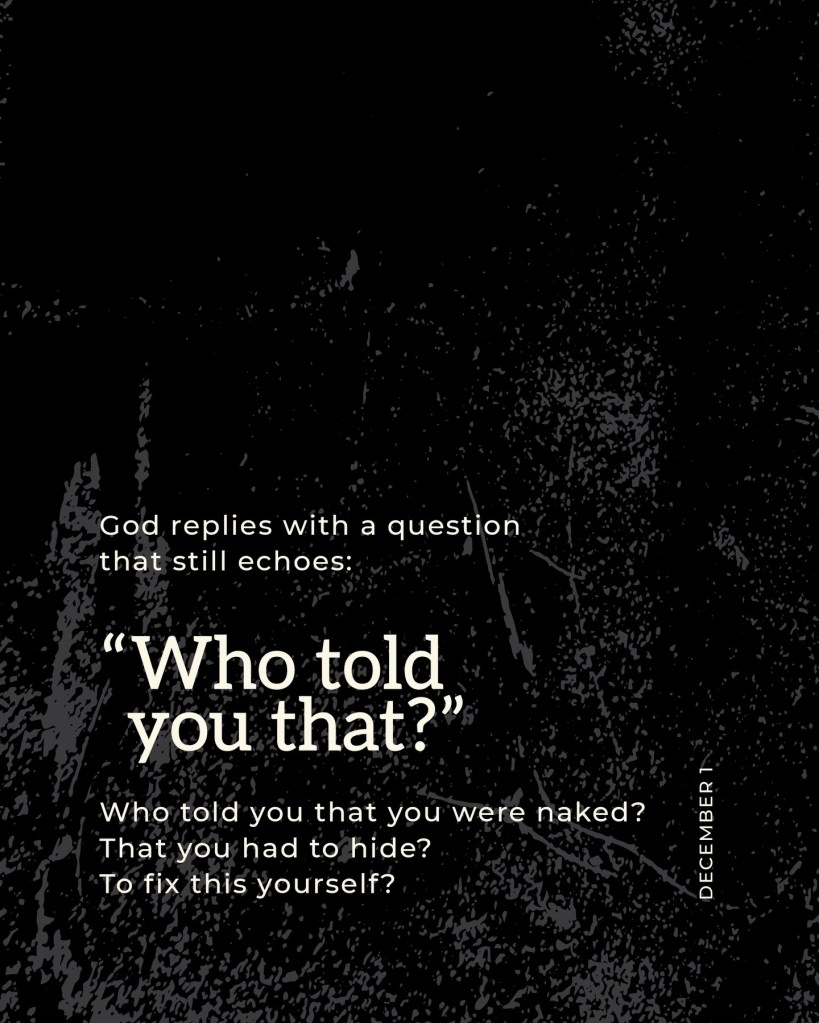
One of the most astonishing truths about God is not found in thunder or judgment, but in what comes immediately after humanity’s first failure. Right after the fall—when fear enters the world, when shame hides behind fig leaves, when trust is broken—God’s response is not rage. It is care. He seeks. He speaks. He clothes. He stays present in the wreckage rather than abandoning it.
This moment quietly reshapes how we understand God’s heart. Before laws are given, before consequences unfold, before history begins its long ache toward redemption, there is tenderness. A God who moves toward the broken instead of away from them. A God whose first instinct is not to punish, but to preserve, protect, and prepare a way forward.
That single response changes everything—not just how we read the beginning of Scripture, but how we interpret grace, mercy, and the patience that continues to meet us even now.




Effective Meetings
Your calendar’s full.
But nothing moves forward.
That’s not a productivity issue.
That’s a meeting issue.
Look, meetings are supposed to create alignment.
Most just create inertia.
Here’s what I’ve seen from teams that actually win:
Good meetings feel sharp.
Bad ones feel like déjà vu.
So how do you run the first kind?
Try this:
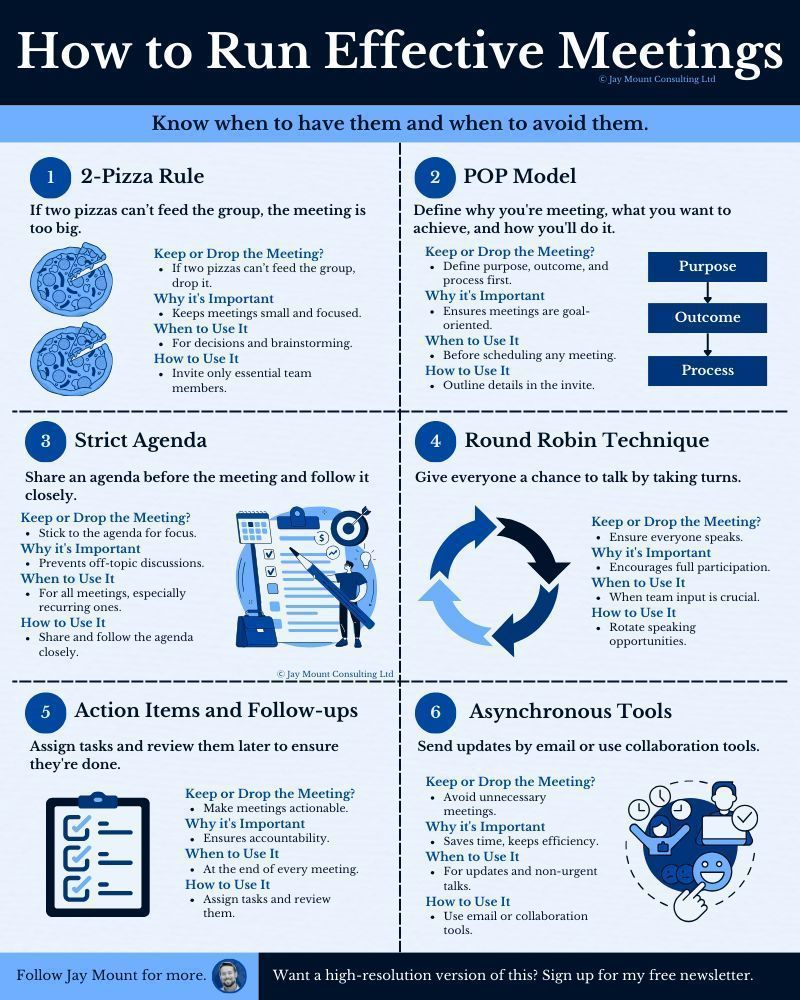
1. 2-Pizza Rule > If two pizzas can’t feed the room, it’s too big.
2. POP > Purpose. Outcome. Process. No POP? Cancel it.
3. Strict Agenda > Send it. Follow it. End it.
4. Round Robin > Everyone speaks. No passengers.
5. Follow-Ups > If nobody owns next steps, it never happened.
6. Async First > Status updates = email, not Zoom.
These aren’t hacks.
They’re culture.
Because the point isn’t more meetings.
It’s momentum.
Save this before your next team sync.
And tell me, what’s the meeting habit your team refuses to drop?
Say It Right
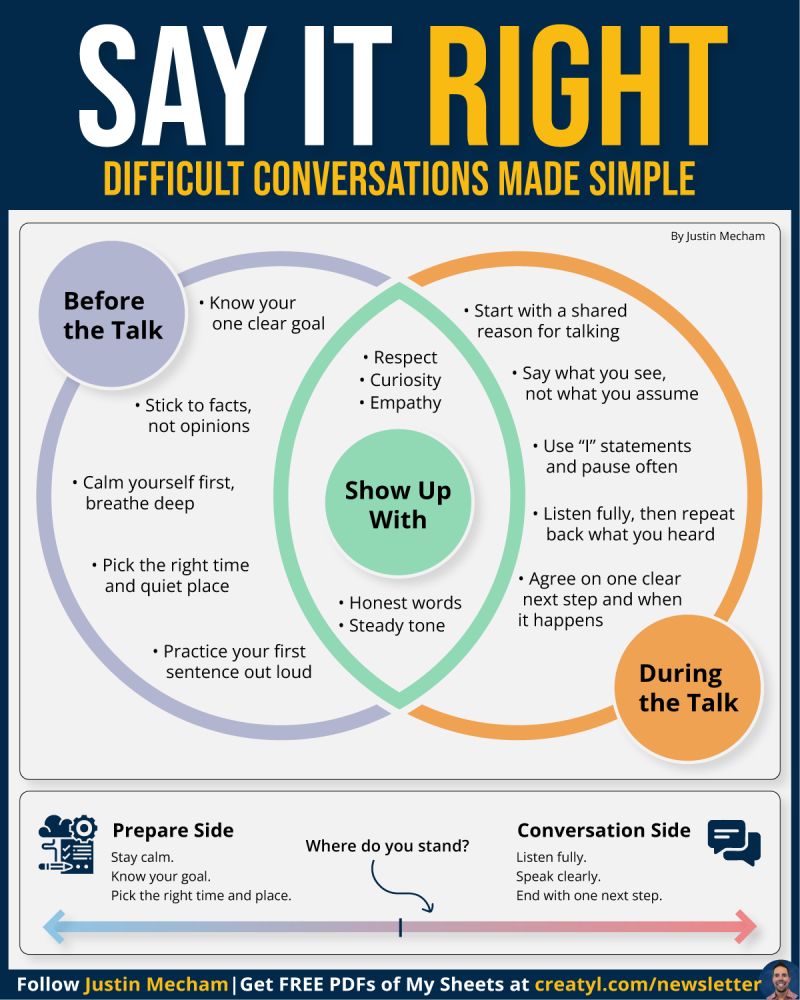
The hardest fight isn’t with them—
It’s with you:
The real conflict isn’t between people—
it’s between emotions.
Most conversations go sideways
before the truth ever gets said.
Not because you’re wrong.
Not because they’re difficult.
But because emotion takes the wheel
and clarity gets lost.
You don’t need perfect words.
You need a simple way forward.
Calm spreads fast, but only
when you carry it first.
Here’s how to lead with calm, not chaos:
🟣 Repeat what they said back
🟢 Breathe and slow down
🟠 Pick one clear goal
🟣 Use “I” statements
🟢 Agree on one next step
🟠 Stick to facts, not opinions
🟣 Start with one shared reason
Hard talks aren’t solved by talking louder—
They’re solved by thinking clearer.
The people who stay calm
aren’t avoiding conflict—
They’ve trained for it.
They choose clarity over control.
Curiosity over defense.
One step over ten.
Use my sheet to feel ready, not reactive.
Because the next hard conversation
might be tomorrow.
And the way you show up
will shape everything after.
How to Manage Stress
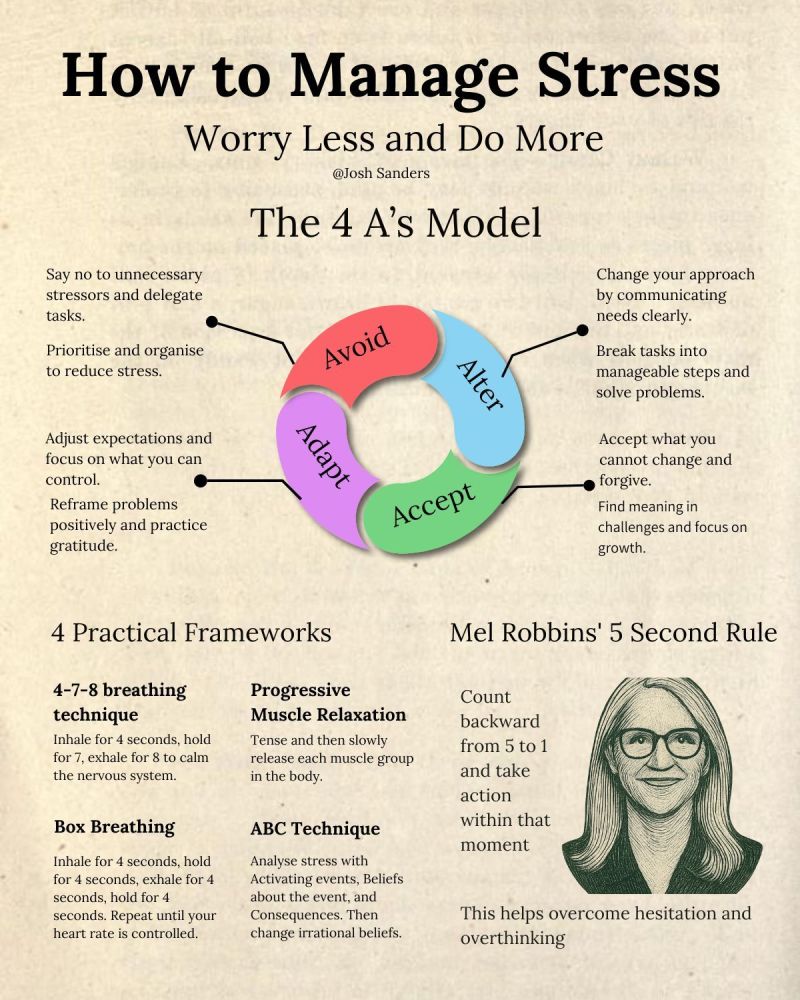
Stress isn’t the enemy
Your reaction is
Most people treat stress like a problem.
But stress is a pattern, and patterns can be rewired.
Here’s what works for me:
1/ The 5 Second Rule by Mel Robbins
↳ Count 5-4-3-2-1, then move, this really helps stop overthinking before it spirals
Here are 3 more powerful tools to try:
2/ 4-7-8 breathing
↳ Inhale for 4, hold for 7, exhale for 8, relaxes your nervous system
3/ ABC Technique
↳ Break the stress cycle: Activating Event, Belief, Consequence
4/ Progressive muscle relaxation
↳ Calm your body first, your mind follows

