

Early in my career I used to think asking questions made me look stupid.
Especially in meetings where I was supposed to be the “expert.”
But the smartest people I know ask the most questions.
Take one of my former managers.
He’d walk into meetings and ask things like “Help me understand why this approach works better.”
Because he wanted to really understand.
And sometimes he asked the questions in a big meeting, naming the “elephant in the room”.
I started copying him. Instead of pretending I had all the answers, I got curious:
“What am I missing here?”
“What assumptions are we making?”
“What is the biggest risk of this approach?”
Curiosity builds trust faster than pretending to know everything.
Because there’s no one who knows everything, and people know it.
Now when I’m stuck on a problem, I don’t go for solutions first.
I ask questions. It’s uncomfortable, but it works.
What’s the last question you were afraid to ask at work? Why didn’t you ask it?
8 Toxic Habits to Break

Success isn’t just about what you do.
Sometimes it’s about what you stop doing.
This might be uncomfortable to read but…
Many leaders are silently sabotaging
their leadership potential.
8 habits you must drop to perform at your best:
1. Micromanaging Every Detail
↳ Trust is the foundation of high-performing teams.
↳ When you constantly hover, you’re telling
your team you don’t believe in them.
2. Getting Defensive from Feedback
↳ The best leaders know feedback is a gift.
↳ Your growth depends on your ability to listen,
reflect, and adapt.
3. Waiting for the Perfect Moment
↳ Here’s the truth: perfect timing doesn’t exist.
↳ While you wait for perfect, your competitors
are taking action.
4. Prioritizing Urgency Over Strategy
↳ The urgent will always scream louder than
the important.
↳ But real success comes from focusing on what
moves the needle.
5. Avoiding Difficult Conversations
↳ Problems don’t age well.
↳ Every conversation you avoid today becomes
a bigger challenge tomorrow.
6. Speaking Without Considering Impact
↳ As a leader, your words carry weight.
↳ One thoughtless comment can undo months
of trust-building.
7. Saying Yes When Your Gut Says No
↳ Your instincts are shaped by experience.
↳ Learn to trust that inner voice – it’s usually right.
8. Holding Onto Past Mistakes
↳ Your mistakes are lessons, not life sentences.
↳ Use them as stepping stones, not anchors.
One final thought:
These habits didn’t develop overnight.
And they won’t disappear overnight either.
But awareness is the first step to transformation.
Choose one habit to break this week.
Start there.
Because the leader you become tomorrow
depends on the choices you make today.
What habit would you add to the list?
The Spark Before the Spotlight: Be the One Who Believes
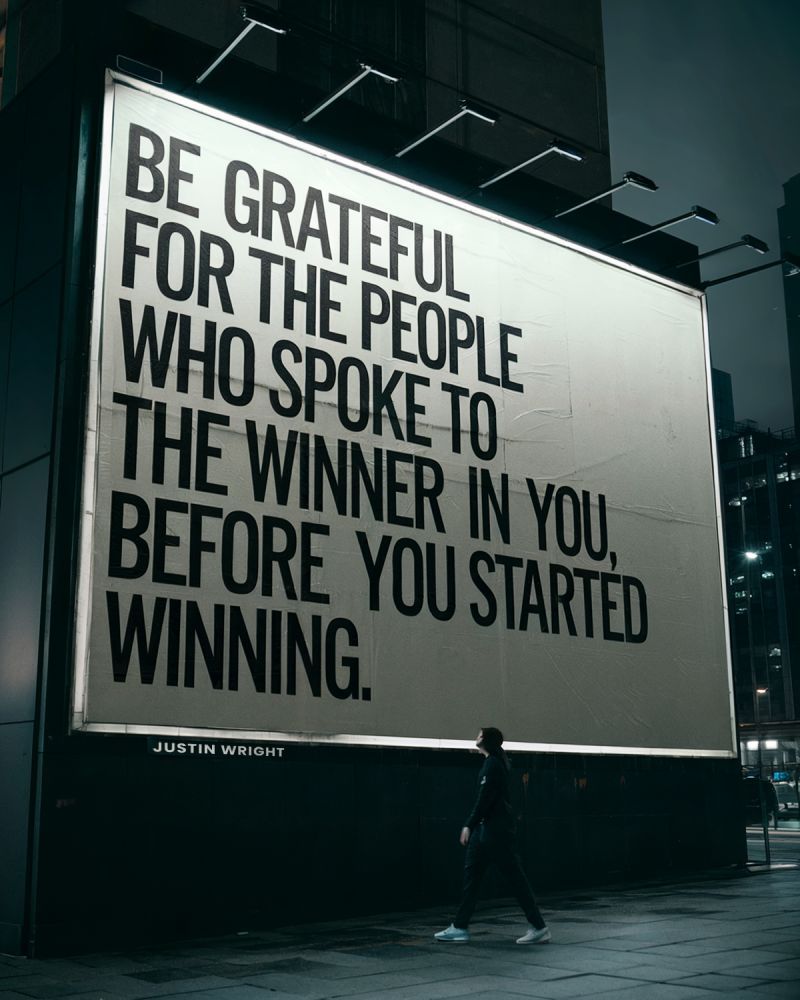
What if I told you that the secret ingredient behind almost every success story isn’t luck, talent, or timing?
It’s someone who believed.
Yes. According to countless stories—98% of successful people had someone who saw their potential before the world did. Before the promotions, the big break, or the headlines, there was someone who:
➟ Spotted the spark
➟ Took a chance
➟ Opened a door
➟ Said, “I believe in you”
Let that sink in.
Think about your own journey. Chances are, you’re where you are today because someone backed you. Not because of a perfect resume or an endless list of accolades, but because they saw something raw, untapped, and real in you.
Maybe it was a teacher who told you that you had a voice.
Maybe it was a manager who gave you that first shot at leading.
Maybe it was a mentor who said, “Keep going” when you were ready to give up.
Those people—those quiet champions—change lives.
And here’s the magic: you can be that person for someone else.
Look around.
Who on your team is putting in the effort but hasn’t been noticed yet?
Who’s got the grit, the heart, the curiosity—but not the years of experience?
Who just needs one person to say, “I see you. Let’s go”?
Be that person.
Be the spark for someone else’s story.
Take the chance.
Open the door.
Speak belief into someone who hasn’t yet learned to believe in themselves.
Because true success isn’t just about the mountains you climb—it’s about who you lift up along the way.
So here’s the real question:
Who believed in you?
And more importantly…
Who needs you to believe in them today?
8 Mistakes That Kill Team Morale
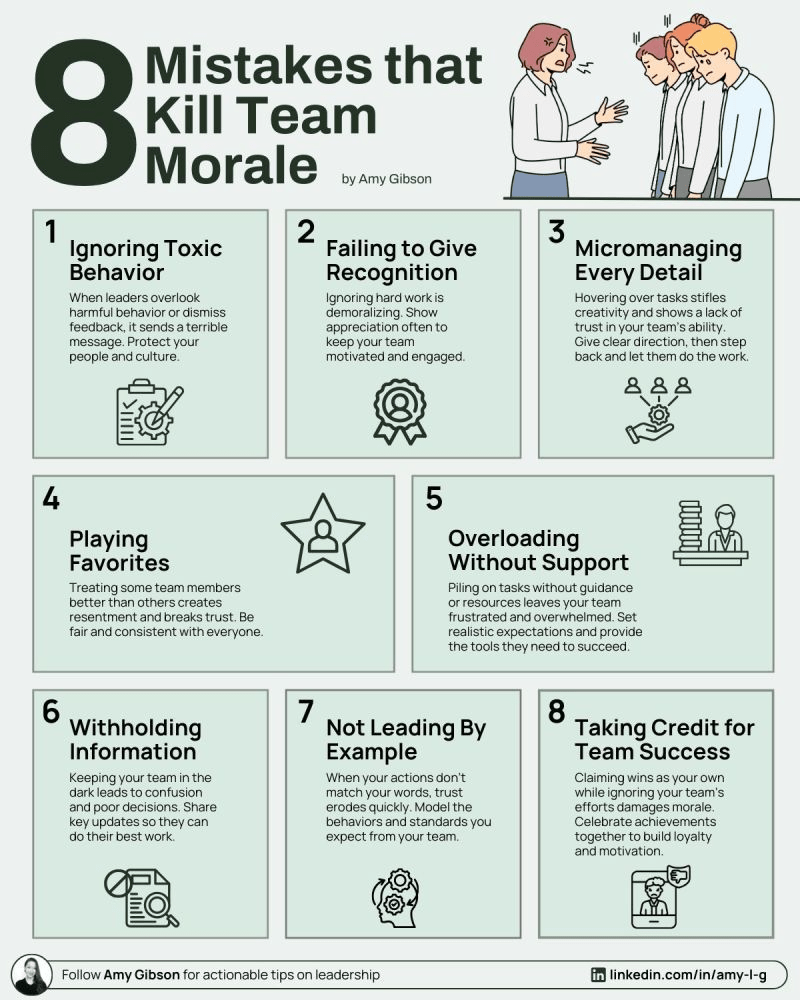
Leaders can kill team morale without realizing it.
And the worst part?
These 8 mistakes are completely avoidable.
1. Ignoring Toxic Behavior
↳ Staying silent speaks volumes
↳ Ignoring issues makes good people leave
2. Failing to Give Recognition
↳ Everyone wants to feel appreciated
↳ People who feel valued tend to stay longer
3. Micromanaging Every Detail
↳ Your team needs trust to be creative
↳ Give direction, then give space
4. Playing Favorites
↳ Unfair treatment creates resentment
↳ Consistency builds trust across your team
5. Overloading Without Support
↳ More tasks always doesn’t mean more results
↳ Support shows your team you care about them
6. Withholding Information
↳ Knowledge gaps cause rumors to spread
↳ Open communication leads to confidence
7. Not Leading By Example
↳ Make sure your actions match your words
↳ Your team mirrors your behavior
8. Taking Credit For Team Success
↳ Team wins belong to the team
↳ Take care of your team and they’ll
take care of your customers
Remember:
Your team may forget what you said in meetings.
But they’ll never forget how you made them feel.
Be the kind of leader you’d want to follow.
How to Tell a Story People Love

Most presentations fail before the first slide. Here’s why.
If you’ve ever spent hours perfecting fonts, tweaking bullet spacing, and still ended up with a flat presentation… you’re not alone.
Here’s the trap:
We obsess over slides instead of story.
Want to get out of the weeds and into real impact?
Use this 3-step reset:
1. Clarity First: Pyramid Principle
➞ Lead with your main message.
➞ Structure every slide around that one clear “So what?”
2. Slide Like a Story
➞ Start with a headline that sparks interest.
➞ Follow with logic, visuals, and a meaningful closer.
3. Design Less. Guide More.
➞ Each slide should move the audience forward—not just “present” data.
➞ Your deck isn’t decoration—it’s direction.
Reframe:
You’re not building slides.
You’re building understanding.
Kindness isn’t weakness
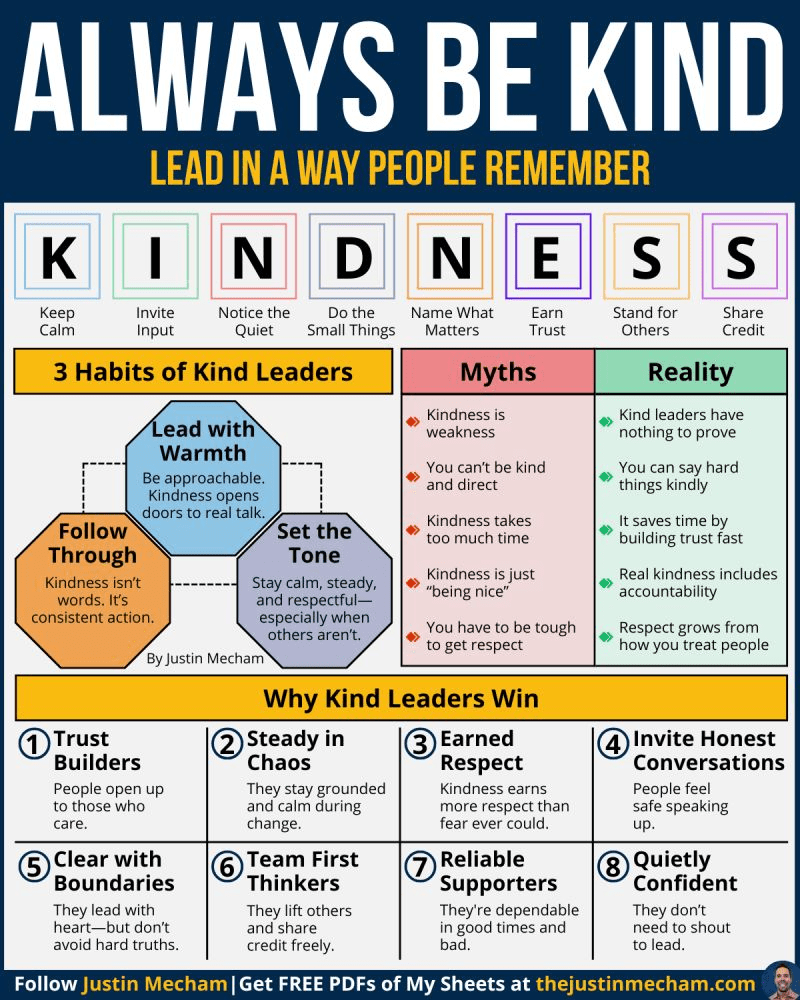
It’s the fastest way to earn trust:
People don’t remember titles.
They remember how you made them feel.
Kind leaders lead differently.
Reality is:
🟢 Empathy doesn’t slow you down, it sharpens decisions
🟢 Kindness builds loyalty, not just compliance
🟢 Strong leaders lead with heart and spine
🟢 Respect isn’t demanded—it’s returned
🟢 Kind leaders have nothing to prove
🟢 You can say hard things kindly
🟢 Kindness builds trust faster
🟢 Calm is a power move
🟢 Clear is kind—confusion isn’t
🟢 People follow leaders who listen
🟢 Real kindness includes accountability
🟢 Kindness doesn’t mean lowering the bar
🟢 Respect grows from how you treat people
🟢 Kind leaders don’t fear conflict—they face it right
Use my sheet to lead more kindly.
Because kind leadership isn’t soft.
It’s smart.
And it works.
It doesn’t mean lowering the bar.
It means raising the standard for
how people treat each other.
Lead with kindness.
And your impact will outlast your title.
Fritz Animal Petting Farm

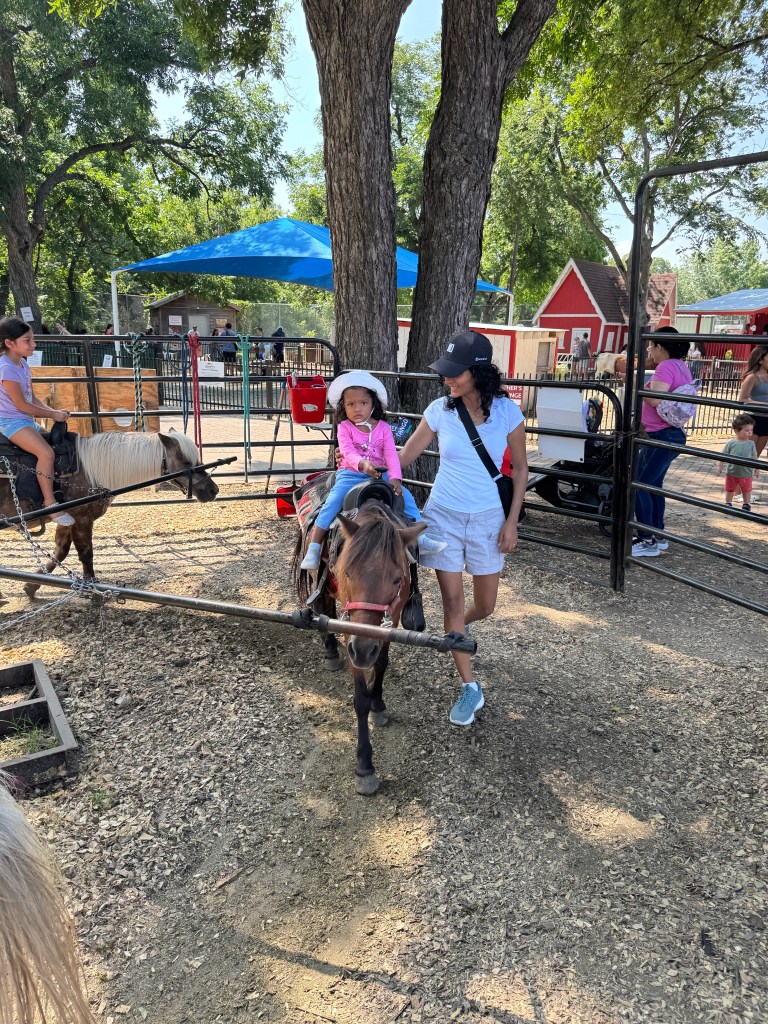
When your 2-year-old starts the day with a pony ride, you know it’s going to be a good one.
Our little adventure to Fritz Animal Petting Farm turned into one of those rare days where everything feels just right—sunny skies and curious animals!
Pony Rides & Big Smiles
The moment we entered, Keanah made a beeline for the pony rides. Watching her sit tall on that tiny pony, holding on with determination and grinning like she owned the ranch—it was pure gold. We could’ve gone home right after and called it a successful day. But oh, there was so much more.
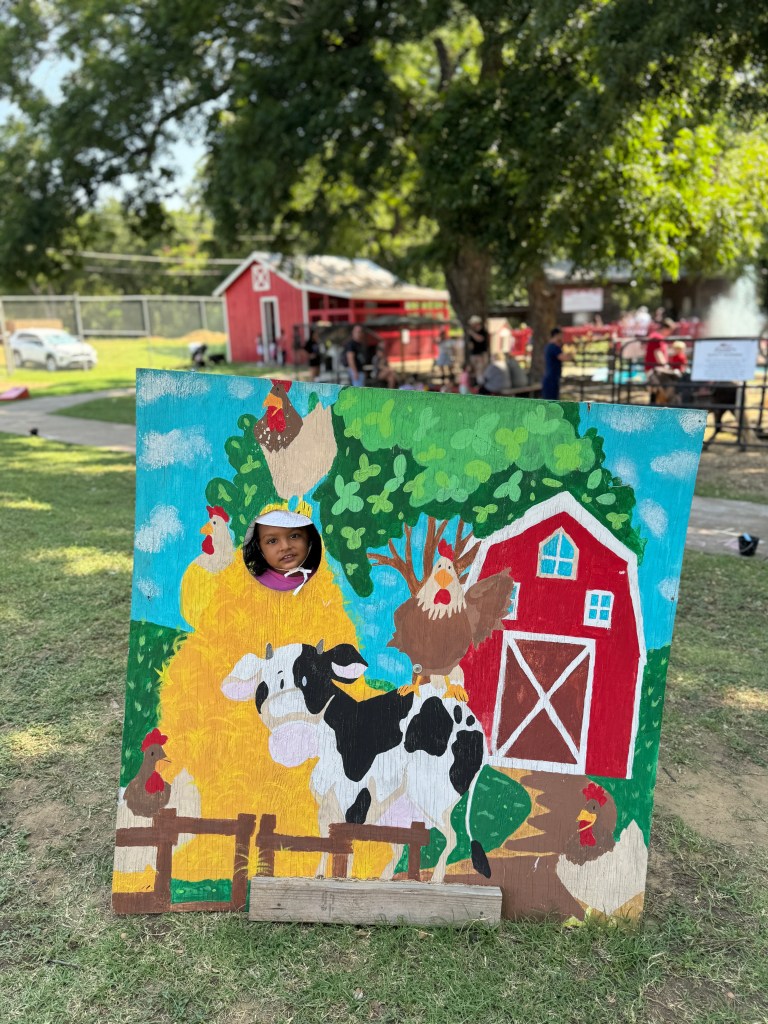


Lemurs & Lego Blocks?
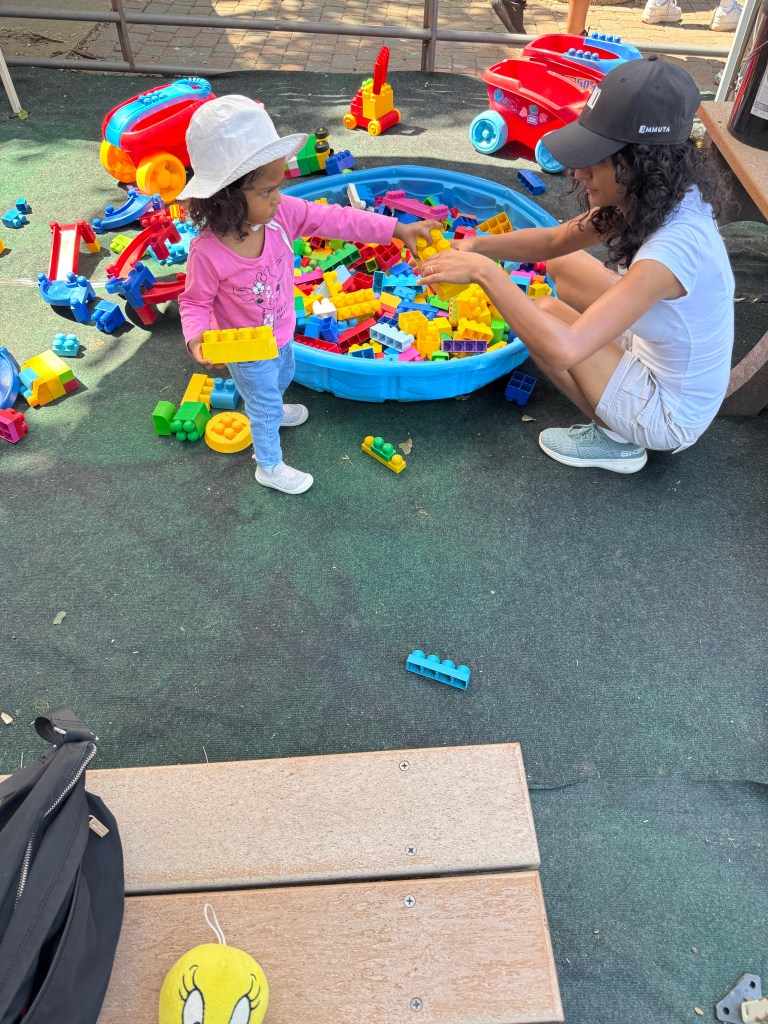
Next stop: the lemur enclosure! We stared in awe as the lemur hopped around, clearly wondering if they were some kind of magical monkey-cat hybrids. Just beside it was a surprise hit: a toddler play area with LEGO blocks. Who knew we’d go from farm life to fine motor skills in 10 steps?
It gave us a little break while she got to work building!


Sleeping Macaw & Moo-tiful Moments
We were excited to see the colorful macaw—only to find him napping like he’d had a long week. Toddlers get it.
Thankfully, the next few stops were wide awake and ready to party:
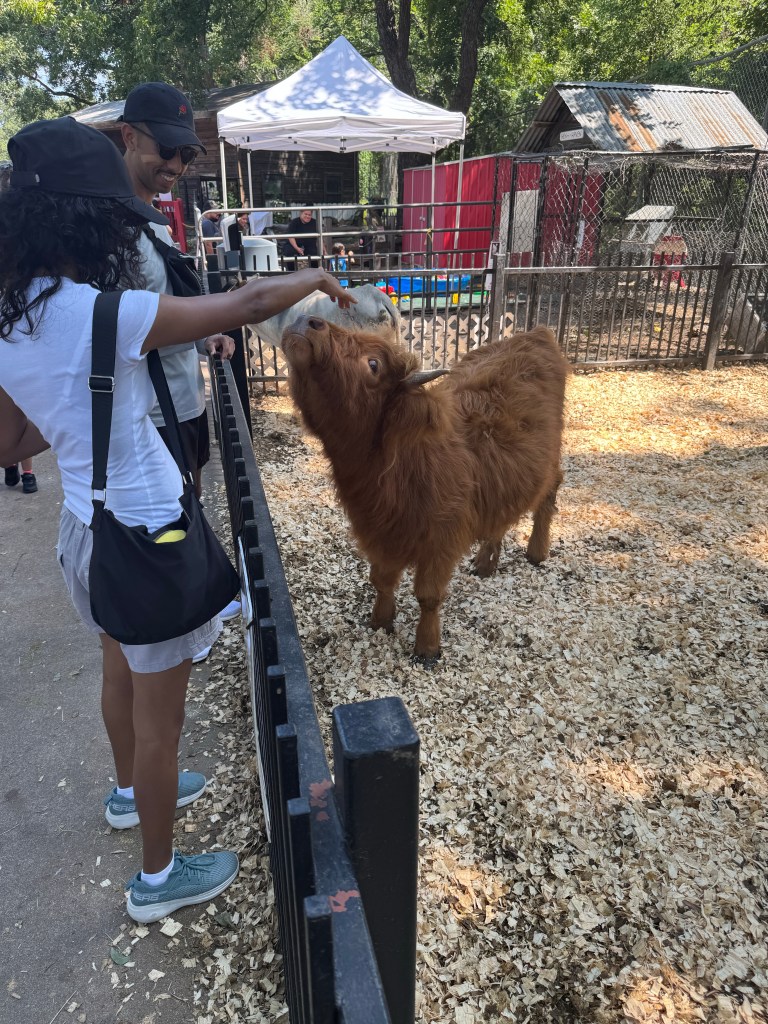
A ridiculously cute cow who leaned in for pets like a puppy. The fluffy alpaca who looked suspicious but posed like a pro. And of course, the goats—who ate right out of Keanah’s tiny hand!









Cows, Cuddles & Closing Time
Before we left, we petted the cows. By the end of the visit our hearts were full!





Would We Go Again?
Absolutely. It’s not every day you get ponies, lemurs, LEGOs, and cows—all in one wholesome, outdoorsy adventure. If you’re looking for a toddler-friendly day trip that blends playtime, learning, and lots of animal magic, Fritz Animal Petting Farm delivers.
Just don’t forget the wipes. And maybe a snack. For you and the goats.
Empathy
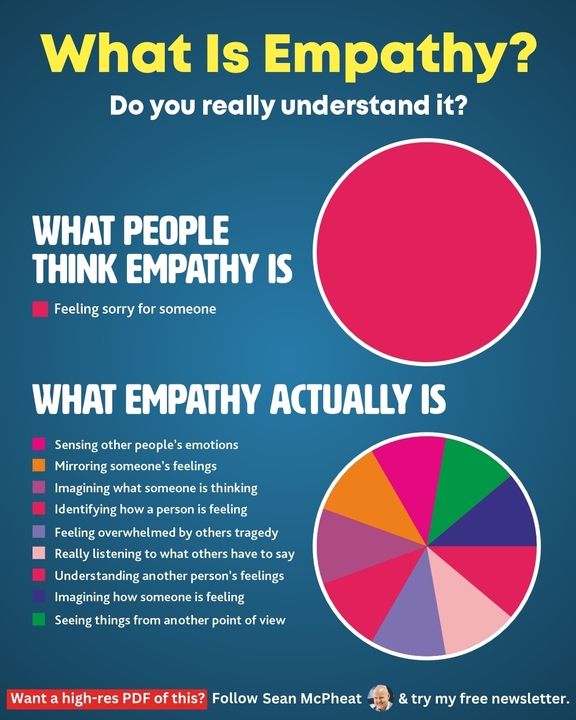
Empathy’s not feeling sorry for someone.
That’s just scratching the surface ⬇️
Real empathy is much more than that.
Here’s what it actually looks like:
Sensing other people’s emotions
Mirroring their feelings
Imagining what someone is thinking
Identifying how a person is feeling
Feeling overwhelmed by others’ tragedy
Really listening to what others have to say
Understanding another person’s feelings
Imagining how someone is feeling
Seeing things from another point of view
Empathy isn’t just about sympathy – it’s about connection.
It’s the foundation of strong relationships, great leadership, and deep trust.
Without it, people feel unheard. Misunderstood. Disconnected.
With it, teams thrive. Leaders inspire. Relationships grow.
🧠 Remember: The more you understand others,
the stronger your impact becomes.
The High Cost of Staying on the Wrong Train: Why Early Exits Save More Than Just Time

Life is an ongoing journey, often filled with choices that set us on particular paths. We embark on new careers, commit to relationships, pursue ambitious projects, or adopt certain habits, all with the hope of moving towards a better future. Yet, despite our best intentions, there are moments when we find ourselves on a trajectory that simply doesn’t feel right, a path that deviates significantly from our true north. It’s in these pivotal moments that we are faced with a crucial decision, perfectly encapsulated by a timeless piece of wisdom:
“If you get on the wrong train, get off at the nearest station; the longer it takes you to get off, the more expensive the return trip will be.”
This profound metaphor applies to nearly every aspect of our lives, from career choices and personal relationships to financial investments and daily habits. It speaks to the critical importance of self-awareness, the courage to admit mistakes, and the wisdom of acting decisively to correct course.
Recognizing You’re on the Wrong Track
The first step in getting off the wrong train is admitting you’re on it. This isn’t always easy. We often invest significant time, effort, and even money into our chosen paths, making it difficult to acknowledge that they might be leading us astray. Signs you might be on the wrong train include a persistent feeling of dread or exhaustion, a lack of passion for what you’re doing, constant friction or struggle without meaningful progress, or a deep sense of misalignment with your core values. It could be a career that drains your spirit, a project that’s clearly unsustainable, or a habit that’s detrimental to your well-being. Listening to these subtle cues, rather than dismissing them, is vital for early detection.
The Power of the “Nearest Station”
The quote emphasizes getting off “at the nearest station.” This highlights the power of immediate action. The sooner you recognize and act on a misstep, the less damage is done, and the easier it is to pivot. This isn’t about impulsive decisions, but rather about decisive action once the realization hits. It takes courage to admit a mistake, especially when others might expect you to continue down a certain path. However, clinging to a suboptimal situation out of stubbornness or fear of judgment only perpetuates the problem. Embracing the “nearest station” mentality means prioritizing your well-being and long-term success over short-term discomfort or the “sunk cost fallacy” – the mistaken belief that past investments justify future poor decisions.
The Escalating Cost of Delay
The latter part of the quote rings particularly true: “the longer it takes you to get off, the more expensive the return trip will be.” This “expense” isn’t just financial. It encompasses a wide array of costs that accumulate over time:
- Time: Precious years spent on something that doesn’t serve you, years that could have been invested in a fulfilling direction.
- Energy: Emotional, mental, and physical exhaustion from battling an uphill struggle or suppressing your true desires.
- Financial: Money invested in training, education, or ventures that yield no positive return, or even incur losses.
- Opportunity Cost: The paths not taken, the growth opportunities missed while you were stuck.
- Emotional Toll: Regret, resentment, diminished self-confidence, and a sense of being trapped.
- Relational Strain: Relationships can suffer when you’re deeply unhappy or pursuing a misaligned path.
Each passing day on the “wrong train” adds to this cumulative burden, making the eventual pivot harder, more disruptive, and more painful.
The wisdom of getting off the wrong train at the nearest station is a profound reminder that our journey is our own to navigate. It champions self-awareness, courage, and decisive action over inertia and the fear of change. By listening to our inner compass and being willing to course-correct early, we not only minimize the costs of misdirection but also free ourselves to find the paths that truly lead to fulfillment and success. Don’t let the momentum of a mistaken journey dictate your destination; choose your path wisely, and be ready to change tracks when necessary.
Team Motivation
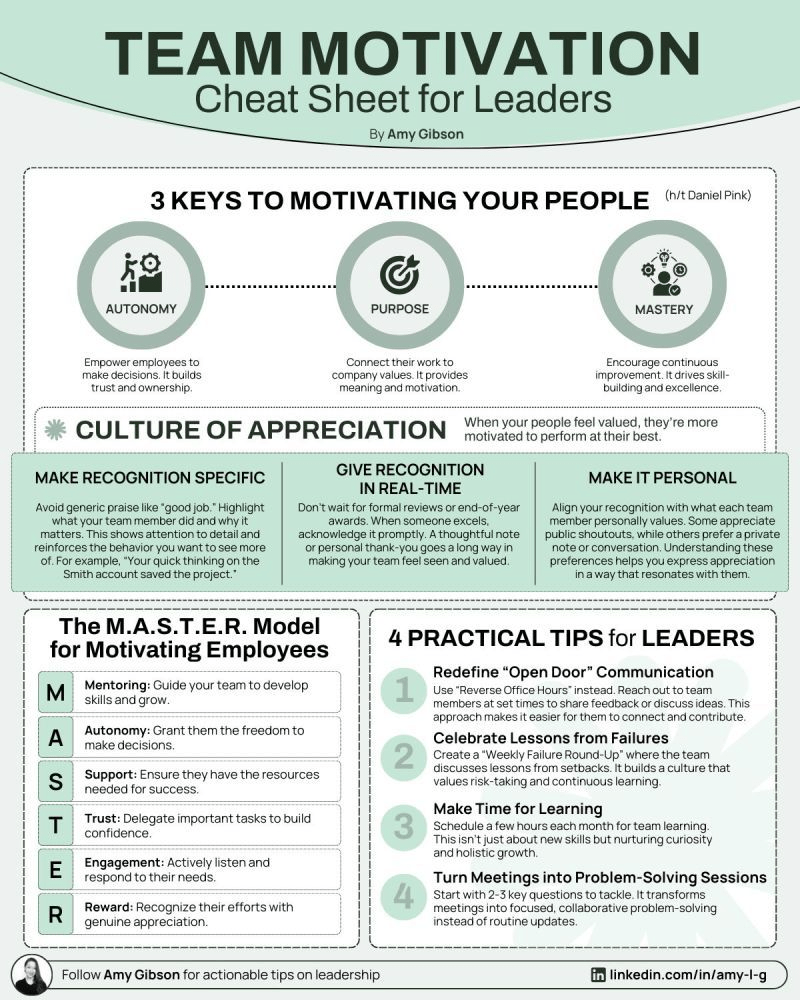
Most leaders get motivation wrong.
They throw money at the problem, instead of
considering what research shows:
Motivation runs much deeper than that.
🔖 Save this cheat sheet of what (actually)
motivates most people.
1. Autonomy
↳ Give your people room to make decisions
↳ Build trust through independence
↳ Watch ownership naturally grow
2. Purpose
↳ Link daily work to larger goals
↳ Show how tasks create impact
↳ Help work feel meaningful
3. Mastery
↳ Support continuous learning
↳ Provide growth opportunities
↳ Let skills develop naturally
But here’s what ties it all together:
A culture of real appreciation.
✅ Make recognition specific
↳ Tell them exactly what impressed you.
✅ Give real-time feedback
↳ Acknowledge effort when it happens.
✅ Make it personal
↳ Understand whether your team member
prefers public or private praise.
The practical steps matter too:
— Guide, don’t micromanage
— Listen more than you speak
— Provide needed resources
— Delegate meaningful work
— Make learning part of work
The truth is:
Motivation isn’t complicated.
It just requires consistent attention.
Your team wants to do good work.
Your job is creating the right conditions.
 Kenrick Vaz