Speak Without Words

Most communication problems

are not word problems:

I learned this the hard way.

I said the right things
and still lost the room.

That is when it clicked.

People feel you
before they hear you.

Your body speaks first.
Your words just confirm it.

Small signals decide trust
in seconds.

Here is what actually matters.

🙂 Your face
— Big reactions feel fake.
— No reaction feels cold.
— Subtle mirroring builds connection.

🎙️ Your voice
— Flat loses attention.
— Sharp creates tension.
— Warm and steady creates safety.

🤲 Your hands
— Hidden feels guarded.
— Wild feels messy.
— Open and calm builds trust.

📏 Your space
— Too close feels pushy.
— Too far feels distant.
— Comfort keeps people engaged.

🧍 Your posture
— Slouching closes you off.
— Fidgeting shows doubt.
— Standing tall signals calm confidence.

👂 Your listening
— Phones break trust fast.
— Forced nodding feels off.
— Eye contact and pauses show respect.

Try this this week 👇
• Slow your movements.
• Lower your voice slightly.
• Keep hands visible.
• Give people space.
• Pause before replying.

You don’t need better words.

You need your body to agree with them.

Speak Without Words

Most communication problems

are not word problems:

I learned this the hard way.

I said the right things
and still lost the room.

That is when it clicked.

People feel you
before they hear you.

Your body speaks first.
Your words just confirm it.

Small signals decide trust
in seconds.

Here is what actually matters.

🙂 Your face
— Big reactions feel fake.
— No reaction feels cold.
— Subtle mirroring builds connection.

🎙️ Your voice
— Flat loses attention.
— Sharp creates tension.
— Warm and steady creates safety.

🤲 Your hands
— Hidden feels guarded.
— Wild feels messy.
— Open and calm builds trust.

📏 Your space
— Too close feels pushy.
— Too far feels distant.
— Comfort keeps people engaged.

🧍 Your posture
— Slouching closes you off.
— Fidgeting shows doubt.
— Standing tall signals calm confidence.

👂 Your listening
— Phones break trust fast.
— Forced nodding feels off.
— Eye contact and pauses show respect.

Try this this week 👇
• Slow your movements.
• Lower your voice slightly.
• Keep hands visible.
• Give people space.
• Pause before replying.

You don’t need better words.

You need your body to agree with them.

Bloom in Your Own Season

There’s something quietly exhausting about comparison.

It sneaks in when you least expect it. You’re scrolling through your phone, looking at someone else’s career, someone else’s family, someone else’s body, someone else’s success, someone else’s confidence. Suddenly, the life you were just living starts to feel smaller. Less impressive. Less enough.

That’s the danger of comparison. It has a way of making you overlook the beauty of what’s already in your hands.

The truth is, comparison doesn’t just steal joy. It steals clarity. It distracts you from your own path by convincing you that someone else’s path is the one that matters more. It makes you question timing, worth, progress, and purpose. It whispers that you’re behind, when maybe you’re just growing differently.

And that difference matters.

Not everyone is meant to live the same story. Not everyone is supposed to shine in the same way, at the same time, or in the same place. Some people bloom early. Some bloom later. Some grow quietly underground for a long time before anyone sees the fruit. That doesn’t make the process less meaningful. It makes it real.

We live in a world that constantly invites us to measure ourselves against other people. Their milestones become our pressure. Their wins become our insecurity. Their highlight reels become the standard we unfairly hold ourselves to. But what we often forget is that we’re usually comparing our behind-the-scenes to someone else’s best angle.

That’s not truth. That’s distortion.

And when you live too long in distortion, you start losing touch with your own purpose.

Your purpose was never meant to look exactly like someone else’s. It was never meant to be copy-pasted from another person’s life. The things that make you different, the pace you move at, the struggles you’ve survived, the lessons you’ve learned, the way you love, the way you think, the way you show up in quiet moments… all of that matters. All of that shapes the reason you are here.

There is beauty in being uniquely you.

Not the polished version. Not the version that has it all figured out. Not the version that looks impressive to everyone else. The real you. The growing you. The trying-you-best-you. The you that keeps showing up even when life feels uncertain. That version deserves grace. That version deserves appreciation.

Sometimes we think purpose has to be loud to be valuable.

We think it has to come with recognition, applause, titles, followers, or some grand visible achievement. But often, purpose is much more personal than that. Sometimes purpose looks like being a safe place for your family. Sometimes it looks like raising a child with love and patience. Sometimes it looks like staying kind in a world that keeps hardening people. Sometimes it looks like choosing integrity when no one is watching. Sometimes it looks like surviving something that should have broken you and still finding a way to smile.

That counts.

A lot more than you think.

The world may celebrate what is flashy, but heaven often honors what is faithful.

And maybe that’s what you need to remember today: your life does not need to look like anyone else’s to be meaningful. You do not need to compete for worth. You do not need to rush to prove that you’re doing enough. You do not need to shrink because someone else is shining. Their light does not cancel yours.

There is room for both.

Actually, there is room for all of us.

A flower doesn’t waste time wishing it were a tree. The moon doesn’t apologize for not being the sun. The ocean doesn’t compare itself to the sky. Creation itself teaches us this lesson over and over again: beauty is found in purpose, not in imitation.

When you stop comparing, you start noticing.

You notice how far you’ve come.

You notice the strength you’ve built in private.

You notice the prayers that were answered in ways you didn’t expect.

You notice the people who genuinely love you.

You notice the gifts you’ve been downplaying because they came naturally to you.

You notice that your journey has its own kind of magic.

And that’s where joy begins to return.

Because joy doesn’t come from being better than someone else. It comes from being at peace with who you are becoming.

That doesn’t mean you stop growing. It doesn’t mean you stop dreaming. It just means your growth is no longer fueled by insecurity. It’s fueled by intention. By gratitude. By self-respect. By trust that what is meant for you will not miss you.

So if you’ve been feeling behind lately, or overlooked, or unsure if your life is measuring up, hear this clearly: you are not late. You are not less. You are not falling short because your journey looks different.

You are living a life that is being shaped with its own purpose.

Maybe slower.

Maybe quieter.

Maybe less obvious to the world.

But still beautiful.

Still valuable.

Still deeply important.

Embrace your own beautiful purpose in this life.

Stop borrowing standards from people who were never meant to be your blueprint. Stop doubting the goodness of your own road just because it doesn’t look like theirs. Stop dismissing the sacred work happening inside you simply because it isn’t visible yet.

Some of the most meaningful transformations happen in silence.

Keep going.

Keep growing.

Keep trusting.

Keep becoming.

And when comparison tries to creep back in, remind yourself of this simple truth:

You were not created to copy.

You were created to contribute.

In your own way.

In your own time.

With your own story.

And that story is worth celebrating!

11 Signs You’re A Leader People Want To Follow

Leadership isn’t about your title.
It’s about how you make people feel.

11 signs you’re a leader others (actually) want to follow:

01/ You defend them when they’re not in the room.
02/ You give credit in public and coach in private.
03/ You fight battles they don’t even know about.
04/ You shut down toxicity before it spreads.
05/ You see their potential before they do.
06/ You make their success your priority.
07/ You stay kind when times get tough.
08/ You apologize when you mess up.
09/ You show up when it matters.
10/ You let them outgrow you.
11/ You keep your promises.

I’ve known “leaders” with fancy titles
who made me feel invisible.

And others who led by influence
and changed entire careers.

The difference?

One cared about their position.
The other cared about their people.

Here’s what real leaders know:

Your team’s success is your success.
Their growth is your legacy.
Their trust is what makes you a leader.

Not your title.

Be the leader who makes people believe
in themselves.

That’s the kind of impact that lasts forever.

The Rust You Don’t See

Iron looks invincible.

Strong. Solid. Unshakable.

You can strike it, test it, pressure it, and it still holds its ground. It takes force to bend it. It takes heat to shape it. It takes effort to break it.

And yet, for all its strength, iron has one quiet weakness.

Rust.

Not something from the outside trying to destroy it in one dramatic moment. Not a single blow. Not some massive enemy. Just a slow, silent process from within and around it that, over time, weakens what once seemed unbreakable.

That’s what makes this thought so powerful.

No one can destroy iron, but its own rust can. In the same way, no one can truly destroy a person the way their own mindset can.

That hits hard because it’s true in ways most of us don’t want to admit.

A lot of people spend their lives worrying about external obstacles. The competition. The critics. The failures. The betrayals. The bad luck. The missed opportunities. The people who doubted them. The doors that never opened.

And yes, those things are real. Life can absolutely be unfair. People can hurt you. Circumstances can slow you down. Disappointments can shake you.

But often, the real damage doesn’t come from what happened.

It comes from what you start believing because of what happened.

You fail once, and suddenly your mind whispers, “Maybe I’m not good enough.”

You get rejected, and your thoughts turn it into, “I’m always overlooked.”

You make a mistake, and instead of learning from it, you label yourself as incapable.

You go through heartbreak, loss, or disappointment, and before long, you’re not just carrying pain. You’re carrying a story that says you’re unlucky, unworthy, or destined to keep losing.

That’s the rust.

Not the event itself.

The meaning you let it attach to your identity.

That’s what slowly weakens people.

Not because they aren’t strong, but because even strong people can be worn down by repeated negative thoughts they stop questioning.

Mindset isn’t just about “thinking positive” all the time. It’s not pretending everything is fine when it isn’t. It’s not forcing fake motivation on hard days. And it’s definitely not ignoring real struggles.

Mindset is deeper than that.

It’s the lens you use to interpret your life.

It’s the voice in your head when no one else is around.

It’s the story you tell yourself after a setback.

It’s the difference between “This is hard” and “I can’t do hard things.”

It’s the difference between “I’m learning” and “I’m failing.”

It’s the difference between “This season is painful” and “My life is ruined.”

The world will test you. That part is guaranteed.

But your mindset decides whether the test becomes a lesson or a life sentence.

Think about how many people look successful on the outside but are quietly losing on the inside. They have talent, resources, support, opportunity, maybe even admiration from others. But their thoughts are constantly working against them.

They second-guess every move.

They compare themselves to everyone.

They replay old mistakes.

They expect rejection before they even try.

They talk themselves out of chances they haven’t even taken yet.

They sabotage progress because deep down, they don’t believe they deserve it.

From the outside, they still look like iron.

But inside, the rust has started.

And the scary thing about rust is that it doesn’t always announce itself.

It can sound reasonable.

It can sound like caution.

It can sound like humility.

It can sound like “being realistic.”

But there’s a difference between realism and self-destruction.

Realism says, “This will take work.”

Rust says, “Why bother?”

Realism says, “You’re not there yet.”

Rust says, “You’ll never get there.”

Realism says, “You made a mistake.”

Rust says, “You are the mistake.”

That distinction matters more than most people realize.

Because the way you speak to yourself becomes the way you see yourself.

And the way you see yourself shapes what you attempt, what you tolerate, what you believe you deserve, and how long you keep going when things get hard.

The good news is this: rust can be dealt with.

It can be noticed early.

It can be cleaned off.

It can be prevented.

And the same is true for the mind.

You can catch negative patterns before they become identity.

You can challenge beliefs that were built in pain.

You can replace constant self-criticism with self-awareness.

You can stop assuming every hard season means you’re failing.

You can choose thoughts that strengthen you instead of slowly eating away at you.

That doesn’t happen overnight.

It takes intention.

It takes honesty.

It takes paying attention to the conversations you have with yourself when nobody else can hear them.

Because that inner dialogue is shaping more of your future than you think.

You don’t need a perfect mindset. Nobody has one.

You just need a healthier one.

One that says, “I can grow.”

One that says, “This moment doesn’t define me.”

One that says, “I’ve survived hard things before.”

One that says, “I may not have control over everything, but I do have control over what I feed my mind.”

That last part is huge.

You can’t always control who disappoints you.

You can’t always control what falls apart.

You can’t always control how long a storm lasts.

But you can control whether you let every storm convince you that you were never meant to see sunshine again.

That’s where strength really lives.

Not in pretending you never struggle.

But in refusing to let struggle become your identity.

So protect your mind the way you’d protect anything valuable.

Be careful what you repeat to yourself.

Be careful what voices you let shape you.

Be careful what pain you allow to become permanent truth.

Because most people aren’t destroyed all at once.

They’re slowly worn down by the beliefs they keep feeding.

And just like iron, the greatest threat isn’t always what hits from the outside.

Sometimes it’s what’s quietly forming within!

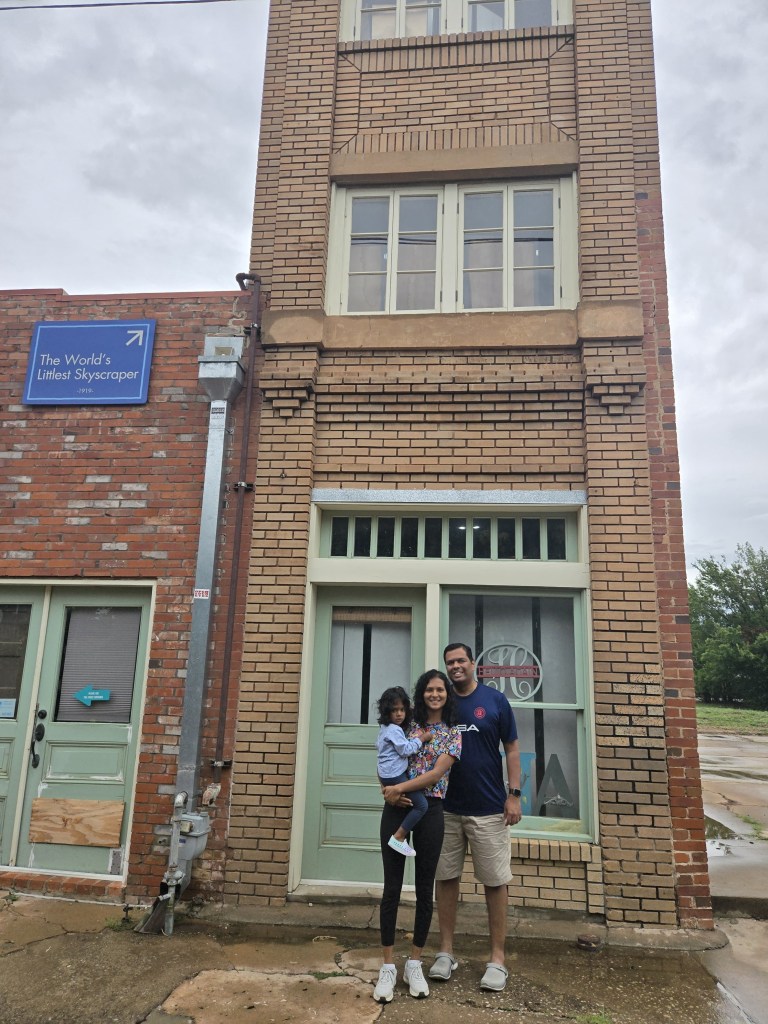
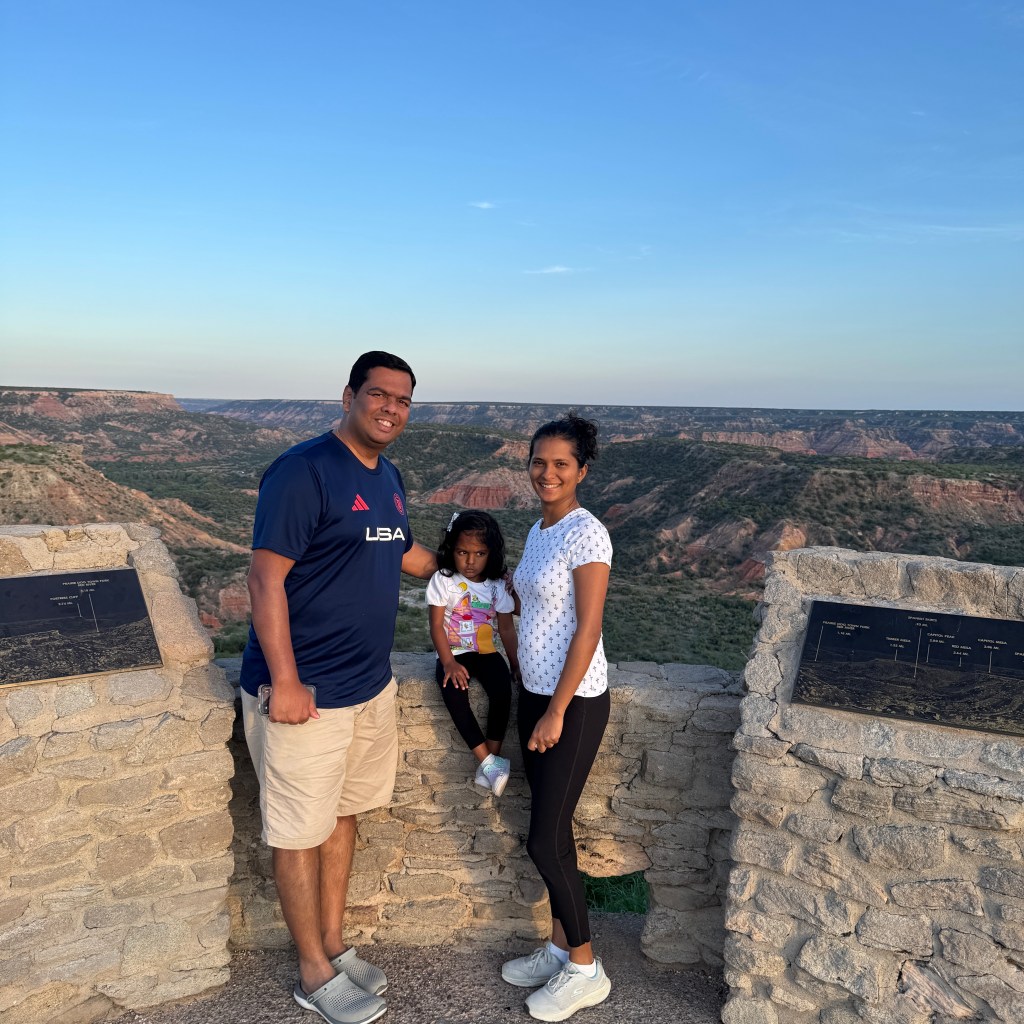
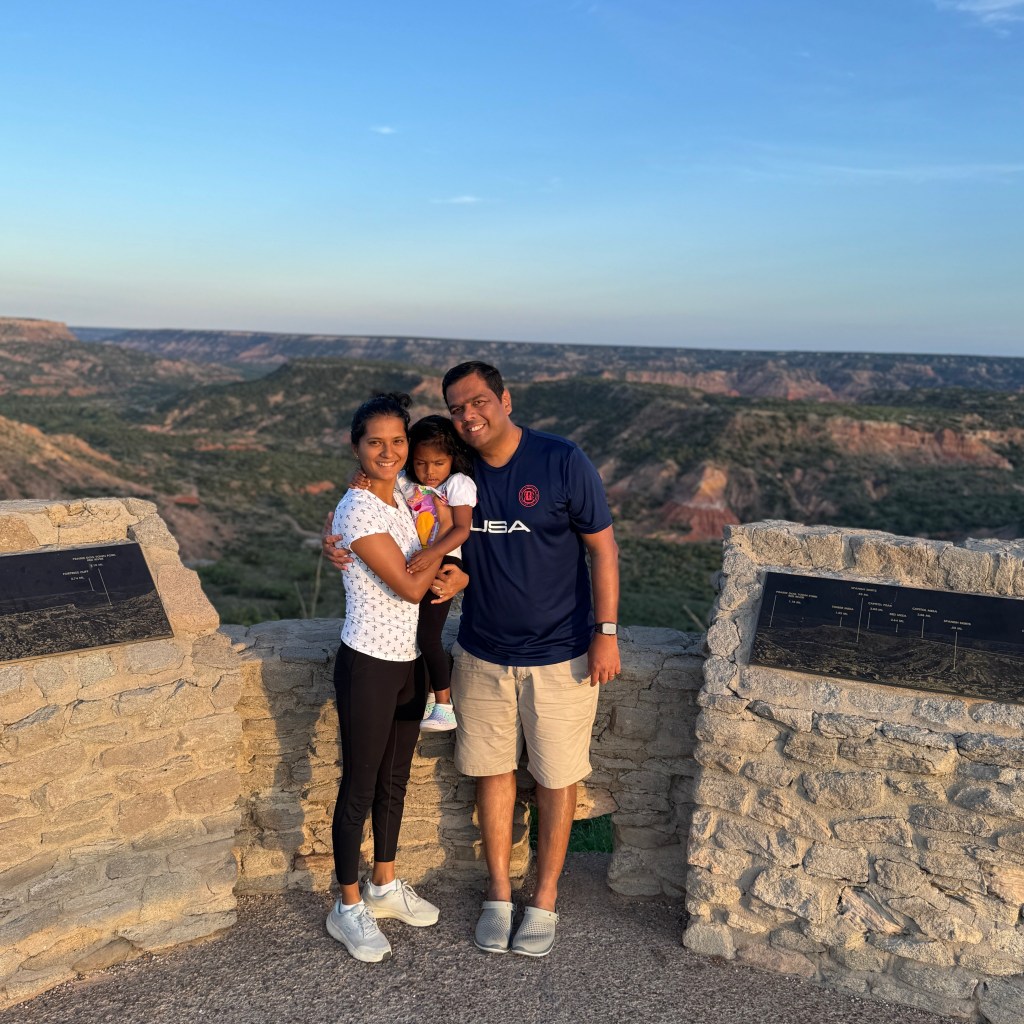
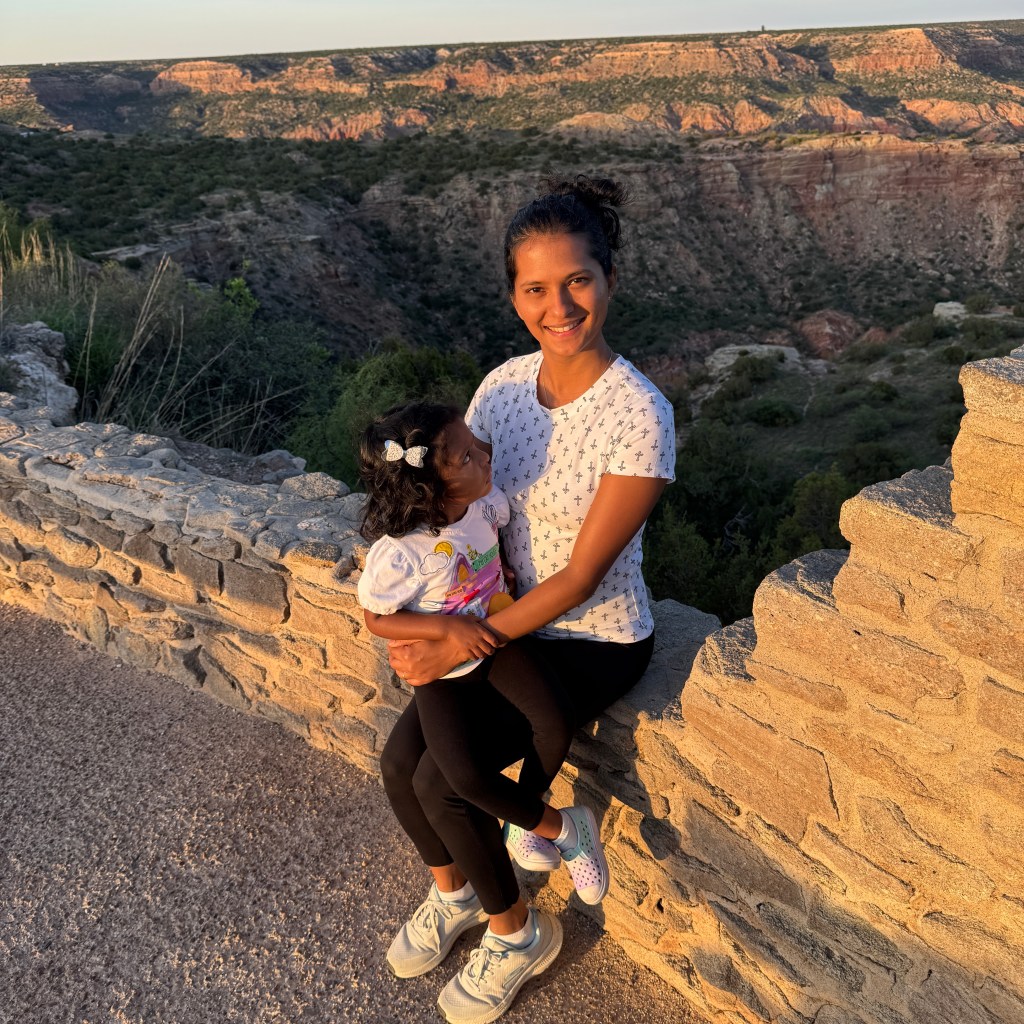
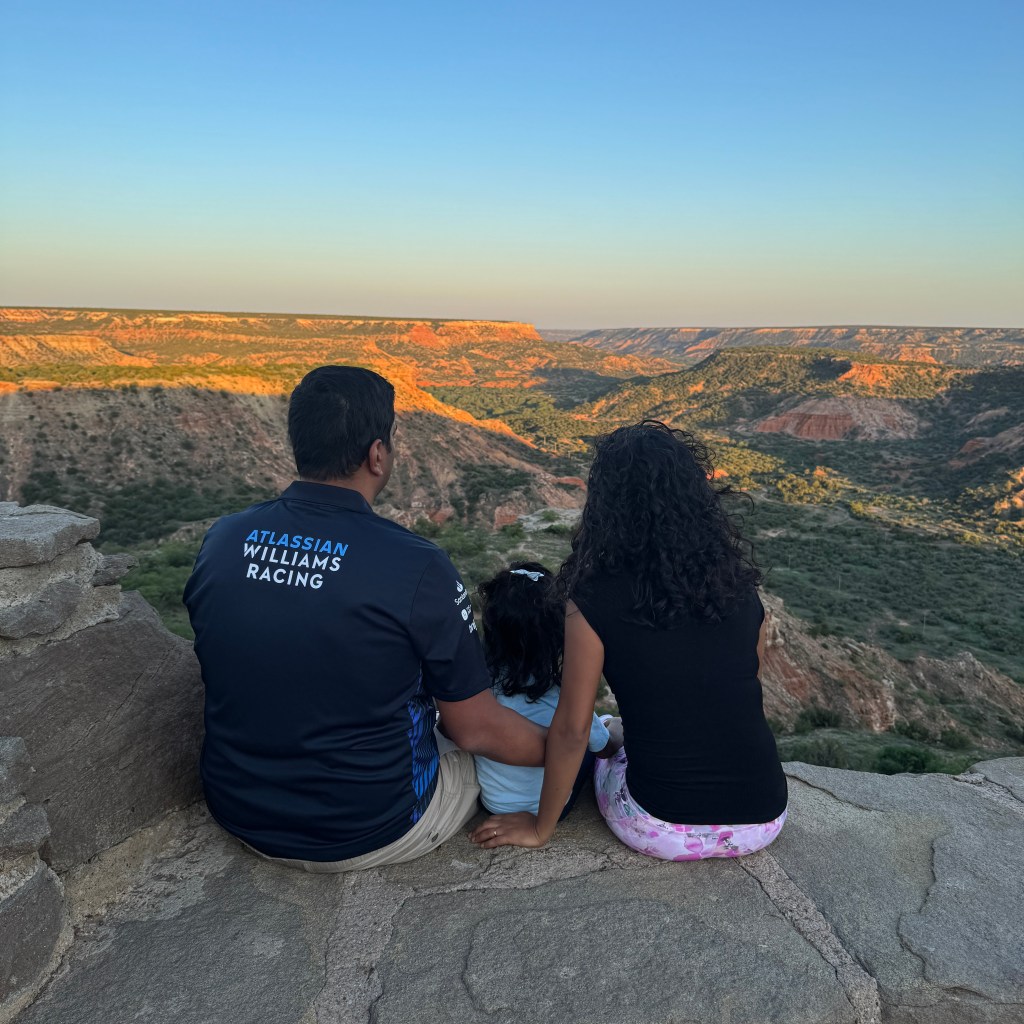
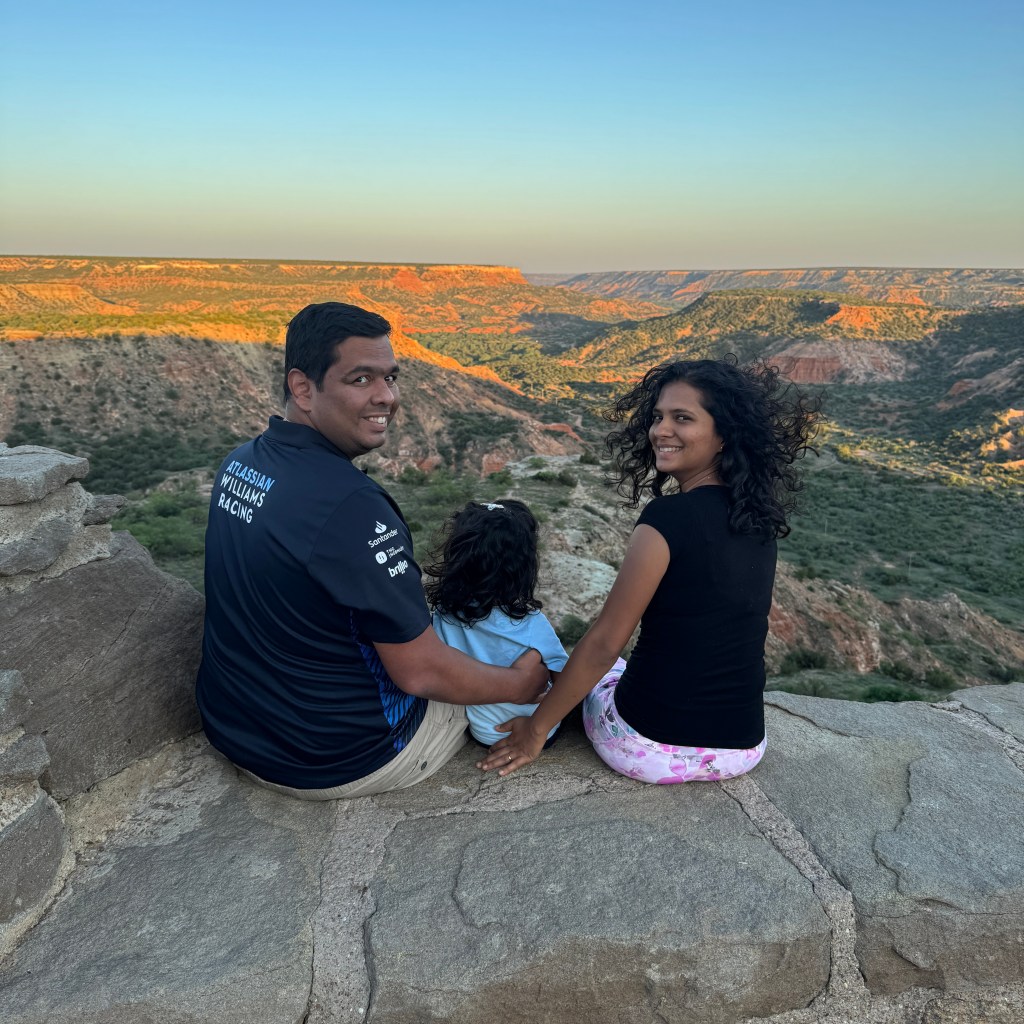
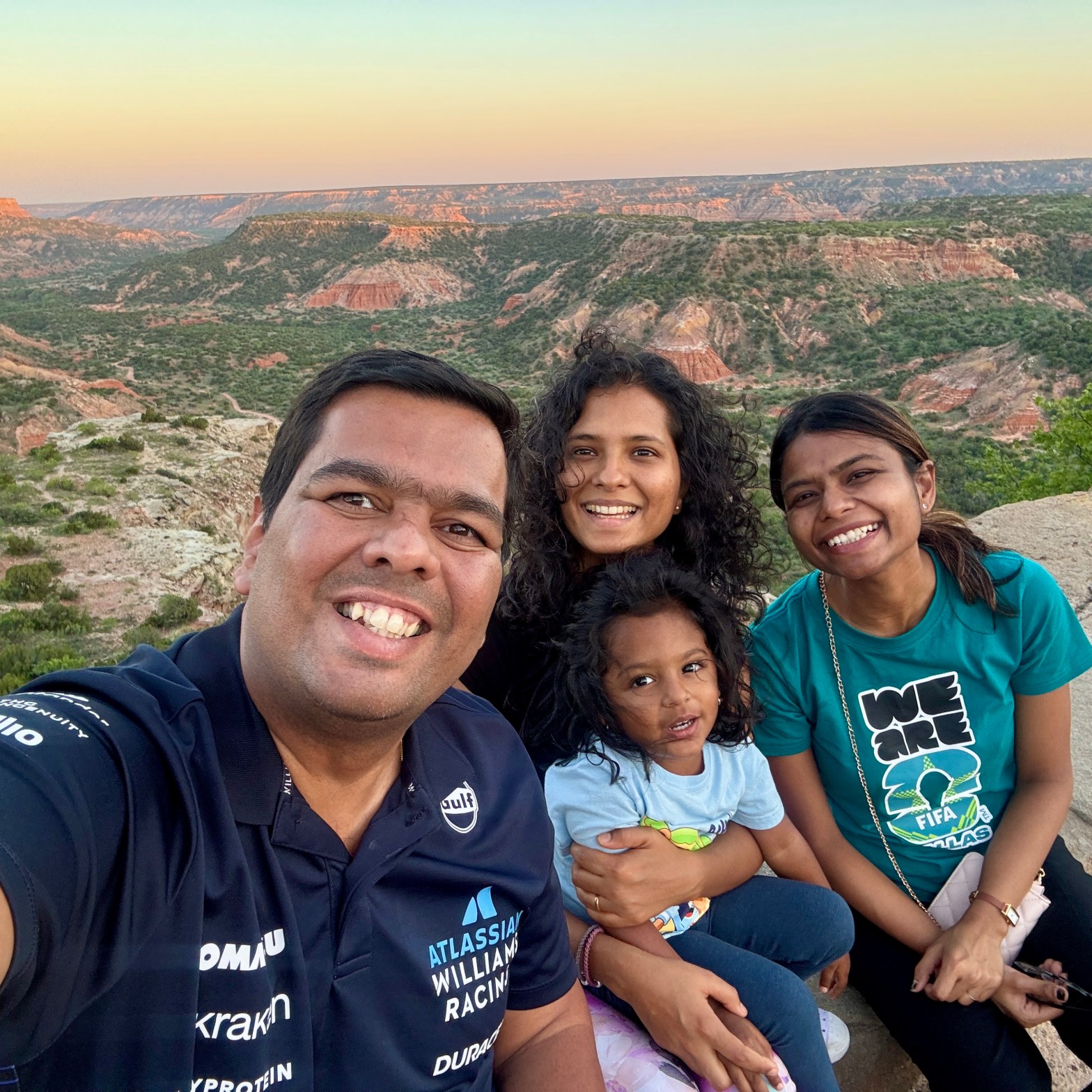
A Little Birthday Getaway: Austin to Fredericksburg with Our Birthday Girl

There’s something special about celebrating a birthday with a little trip, and this year, Keanah’s birthday gave us the perfect reason to make some sweet family memories in Austin and Fredericksburg.

We started off by heading to Austin on Keanah’s birthday, and honestly, it already felt like the perfect beginning. We got to spend the day with family, Uncle Brian, Aunt Kim, and Azaria, which made it feel extra meaningful. There’s just something about birthdays that feel fuller when they’re shared with people you love. We kept it simple and relaxed, spending time together and visiting a nearby park, which, with a little one, is always a win. Fresh air, open space, and a happy toddler is sometimes all you need for a perfect birthday moment.

The next day was all about one of the highlights of the trip: Thinkery. If you have a curious little explorer, this place is such a gem. Keanah had an absolute blast with Azaria, and it was one of those days where you just get to watch your child light up from one activity to the next. Hands-on fun, endless curiosity, and lots of little moments that make you stop and smile. It was the kind of day that leaves everyone happily tired by the end of it.

After soaking in Austin, we made our way to Fredericksburg the following day. The drive itself felt like part of the experience, with that shift from city energy to a slower, more laid-back Hill Country vibe. On the way, we made a stop at Rhinory, where we got to enjoy a glass of wine — a nice little pause before settling into the rest of the day. And yes, we saw the rhino too! It was one of those simple travel moments that just feels right: a scenic stop, a good sip, and nowhere to rush to.

On the way, we also made a stop at Sauer-Beckmann Farm, and it turned out to be such a lovely little detour. It was one of those places that instantly slows you down and makes you appreciate the simple things. With its old-fashioned farm setting, open space, and peaceful atmosphere, it felt like stepping into a quieter time. For Keanah, it was such a fun little experience to explore, and for us, it was a chance to enjoy a bit of Texas history in the most charming way. Sometimes the unexpected or unhurried stops end up being the ones that make a trip feel even more memorable, and this was definitely one of them.

From there, we headed for lunch at Ausländer, which felt like the perfect Fredericksburg choice. Good food, cozy atmosphere, and that classic local charm that makes the town feel so inviting. After lunch, we checked in, took some time to rest, and slowed things down a bit before heading out again in the evening.

Later, we made our way to Marktplatz, and it was the loveliest way to end the day. There’s something about strolling through Fredericksburg in the evening that just feels peaceful. It wasn’t about doing too much — just being there, taking it in, and enjoying the moment together. Those unhurried family evenings always end up becoming some of the most memorable parts of a trip.

On the way back to Dallas, we made one last stop at Wildseed Farms, and it felt like the perfect way to wrap up the trip. There was something so peaceful about walking through the beautiful fields and taking in the colors, especially after a few full days of exploring. It was a simple stop, but one that added such a lovely final touch to the journey. Ending the trip surrounded by flowers and open skies somehow felt just right — calm, scenic, and a gentle reminder that sometimes the best memories come from the little pauses along the way.

This little Austin-to-Fredericksburg getaway had a bit of everything: birthday joy, family time, toddler adventures, good food, a little wine, and the kind of slow moments that make a trip feel truly special. The best part wasn’t anything big or extravagant — it was simply getting to celebrate Keanah, make memories together, and enjoy each stop along the way.

And honestly, that’s the kind of trip that stays with you.

How to stay calm when it counts

The fastest way to lose respect,

is reacting too fast:

I learned this the hard way.

It only takes one moment.
One rushed reply.
One emotional sentence.

That’s all it takes to lose the room.

Calm is not a personality trait.

It’s a practiced skill.

And the people who master it
quietly control the moment.

Here’s the pattern that actually works
when pressure hits:

1️⃣ Ground before you speak
— Pause for two breaths.
— Let your body settle first.

If your body is rushed,
your words will be too.

2️⃣ Listen past the urge to reply
— I wait longer than feels comfortable.
— Understanding beats winning every time.

People calm down
when they feel heard.

3️⃣ Choose thinking over reacting
— Fast answers feel strong.
— Slow answers land stronger.

Clarity always outperforms speed.

4️⃣ Speak with intent, not emotion
— Short sentences.
— Clear point.
— No extra heat.

Less words.
More weight.

If tension rises mid-conversation:
• I pause instead of filling silence
• I mirror one key phrase back
• I slow my breathing on purpose
• I ask one clean question
• I frame it as progress, not danger

Quick anchors I rely on:
• Box breathing
• Tall posture
• “Let me think for a second”
• One focus word
• A reminder that this moment passes

Try this once this week:
• Breathe before responding
• Ask before explaining
• Slow down when it feels urgent

That urgency is the test.

Calm is not weakness.
It’s control when it counts.

And people never forget
who kept their composure under pressure.

Ask Smarter Questions

You can tell a leader’s level in 5 minutes.

Just listen to their questions.

Most people memorize “smart questions.”
Great leaders do something very different.

They design the interaction.

They move through different types of questions to shape the room’s thinking:

Go / No Go – “Should this even be a meeting?”
Clarify Meaning – “What do we actually mean by this?”
Challenge Assumptions – “What if that’s not true?”
Critical Check – “What’s the evidence?”
Explore Causes – “What forces are at play here?”
Consider Effects – “What trend might this start?”
Drive to Action – “What will we do, by when, and how will we measure success?”


Average leaders get stuck in one or two of these.
The best leaders climb up and down this ladder on purpose.

In 25 years at Microsoft, this was one of the simplest ways I helped leaders jump a level in how they show up in meetings.

Next meeting, try this:
Pick ONE category and live there for the first 10 minutes.

Watch how the quality of thinking, and how people see your leadership, changes.

Which category do you spend most of your time in right now?

THE FIVE DYSFUNCTIONS OF A TEAM

Trust is the foundation for team performance 🤝

In his 2002 book, “The Five Dysfunctions of a Team,” Author Patrick Lencioni identifies five common team performance problems.

🛡️ Absence of Trust: team members consumed with self-protection or undermining peers lose focus on collective goals.

When trust is present, they are open and vulnerable with the group, enabling them to dedicate their energy to the work.

😱 Fear of Conflict: over-politeness and withheld opinions hamper the team’s progress.

Productive conflict, grounded in trust, encourages challenging and improving ideas without resorting to personal attacks or destructive arguments.

🤔 Lack of commitment: hesitation in decision-making leads to missed opportunities.

Without robust debate, individuals may not fully engage with team decisions, affecting overall commitment.

🗣️ Avoidance of team accountability: a lack of mutual accountability can lead to unaddressed mistakes and substandard performance.

Supporting struggling team members is essential to achieve team goals.

🎯 Inattention to team results: Focusing on personal agendas or superficial team image undermines the team’s primary objectives.

The collective goal should always take precedence over individual interests or external perceptions.

The book presents these dysfunctions in an entertaining “management fable” format, illustrating how a skilled leader can overcome these challenges.

Positive vs Toxic Leadership

Navigate away from toxic leadership with these 7 steps
(your career will thank you):

Earlier this week, I posted about positive vs. toxic leadership.

As part of my research, I found that 56% of employees report having “toxic” workplace leaders! *

That is wild!

Toxic leadership can cast a long shadow on workplace culture.

Recognizing toxic traits is the first step towards illumination:

➟ Arrogance and Self-interest
➟ Lack of Confidence and Incompetence
➟ Inconsistent Expectations and Discrimination
➟ Overemphasis on Hierarchy and Ignoring Feedback

The fallout is real—workplace bullying, unproductive behavior, psychological distress, and more.


Here’s how you can deal with it:

1️⃣ 𝗘𝗺𝗽𝗮𝘁𝗵𝘆 𝗢𝘃𝗲𝗿 𝗝𝘂𝗱𝗴𝗺𝗲𝗻𝘁:
↳ Attempt to help rather than passing judgment. It can transform perspectives.

2️⃣ 𝗢𝘄𝗻 𝗬𝗼𝘂𝗿 𝗥𝗲𝗮𝗰𝘁𝗶𝗼𝗻𝘀:
↳ Stay composed. Controlling your reactions preserves your professionalism.

3️⃣ 𝗗𝗼𝗰𝘂𝗺𝗲𝗻𝘁 𝗘𝘃𝗲𝗿𝘆𝘁𝗵𝗶𝗻𝗴:
↳ Keep records. It’s your safety net when memory fails or disputes arise.

4️⃣ 𝗦𝗲𝘁 𝗕𝗼𝘂𝗻𝗱𝗮𝗿𝗶𝗲𝘀:
↳ Draw clear lines. Professional boundaries protect your mental space and well-being.

5️⃣ 𝗢𝗽𝗲𝗻 𝗗𝗶𝗮𝗹𝗼𝗴𝘂𝗲:
↳ Engage in honest conversations. Candidness can be the catalyst for change.

6️⃣ 𝗦𝗲𝗲𝗸 𝗖𝗹𝗮𝗿𝗶𝘁𝘆:
↳ Clarify expectations and instructions. Misunderstandings breed discontent.

7️⃣ 𝗘𝗴𝗼 𝗔𝘀𝗶𝗱𝗲:
↳ Focus on the job. Invest your energy in your work, not in clashing egos.


We spend a significant slice of life at work; don’t let toxicity darken it.

Steering clear of toxic traits and handling challenging leadership with grace can light up your path to career success.

Have you ever faced toxic leadership, and how did you navigate through it?