We’re taught to speak up, stand out, and sell ourselves. But the real power in any room? It belongs to the one who listens.
Not the loudest. Not the fastest. Not the most impressive vocabulary. But the person who leans in, slows down, and creates space for others to be fully seen.
Here’s how you become that person—the one with quiet influence and magnetic presence.
1. The 2-Second Rule
Wait two full seconds before responding. Most people rush to fill silence. Don’t. That pause? It’s powerful. It invites honesty. It makes people reveal what they really meant.
Silence isn’t awkward. It’s a superpower.
2. The Echo Effect
Mirror their last three words. Then ask: “Tell me more about that.” That simple loop shows you’re listening. Not just hearing—but tuning in.
People don’t trust the smartest person. They trust the one who makes them feel heard.
3. The Empathy Bridge
Start with: “That must feel…” and name an emotion. Let them confirm or correct it. Either way, you’re building connection.
“That must feel overwhelming.” “Actually, it’s more frustrating.” Boom. You just crossed the bridge.
4. The Power Park
Park your…
Solutions
Stories
Snap judgments
You’re not there to fix or compare. Just stay present. Your undivided attention is the most generous thing you can give.
5. The Gold Question
Two words: “What else?” That’s it. Say it, and you unlock the part of the story that others never get to hear.
Real listening starts after they finish talking.
The Truth No One Tells You
The most powerful person in the room isn’t the one with the best pitch, the slickest words, or the strongest opinions.
It’s the one who:
Creates calm in chaos
Makes people feel safe enough to open up
Has the discipline to hold space
Knows when to say nothing—and mean everything
So be that person. The one who listens so well, others walk away thinking you’re brilliant, just because you made them feel heard.
Silence doesn’t weaken your voice. It sharpens your impact.
There’s a quiet strength in kindness—especially when things get hard.
We often think of leadership in terms of strategy, decisiveness, or charisma. But when the pressure mounts, deadlines tighten, or uncertainty looms, the real test of leadership shows up in something less flashy but far more powerful: kindness.
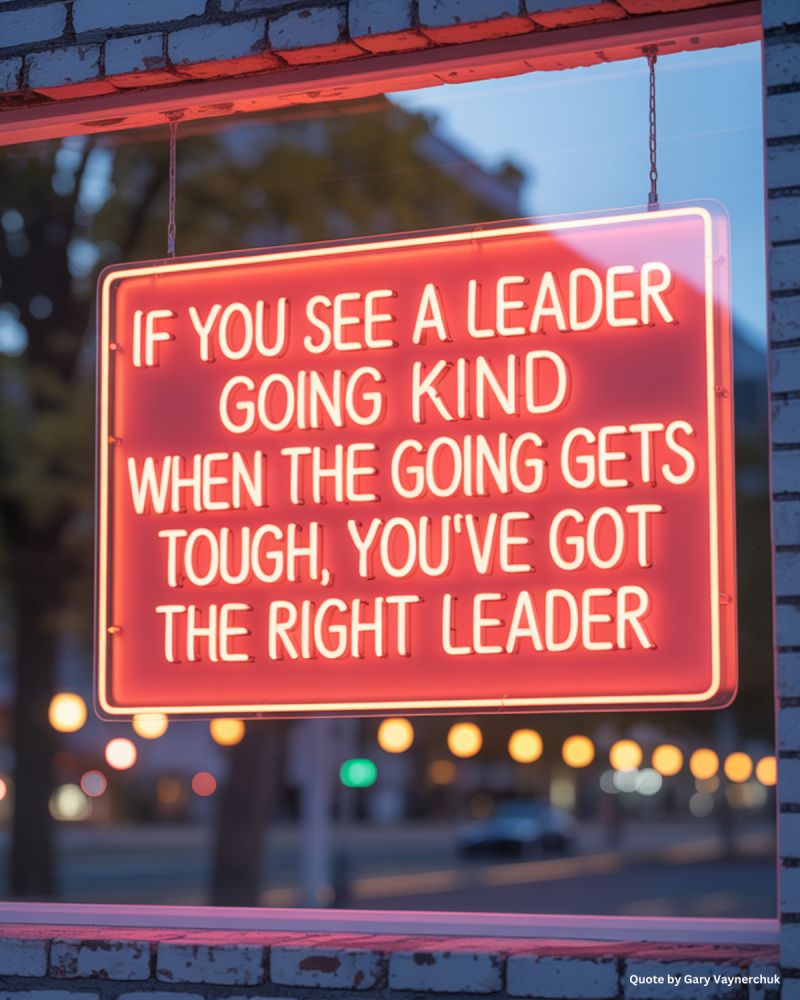
“If you see a leader going kind when the going gets tough, you’ve got the right leader.”
This isn’t about being soft. It’s about being centered. The leader who chooses empathy over ego, patience over panic, and clarity over chaos, brings something irreplaceable to the table—emotional resilience that holds the team together.
Kindness Isn’t Weakness—It’s Strategy
In times of stress, teams naturally look to their leaders for cues. A calm, kind presence doesn’t just lower tension—it creates psychological safety. It says, “We’ll figure this out together.” That mindset can be the difference between breakdown and breakthrough.
The Calm in the Storm
Great leaders don’t wait for the storm to pass to show kindness. They bring it into the storm. They check in. They pause to listen. They lead with grace, even when making hard calls. And in doing so, they earn trust not just for the task at hand, but for the long haul.
Leading by Example
The next time things get tough—delays, escalations, tough client meetings, internal conflict—watch how your leader reacts. Do they lean into the chaos or rise above it with composure and care?
That, right there, is your compass. That’s someone worth following.
Leadership is not defined by how loud your voice is in a crisis—but by how kind your heart is. When the going gets tough, the kind get leading.
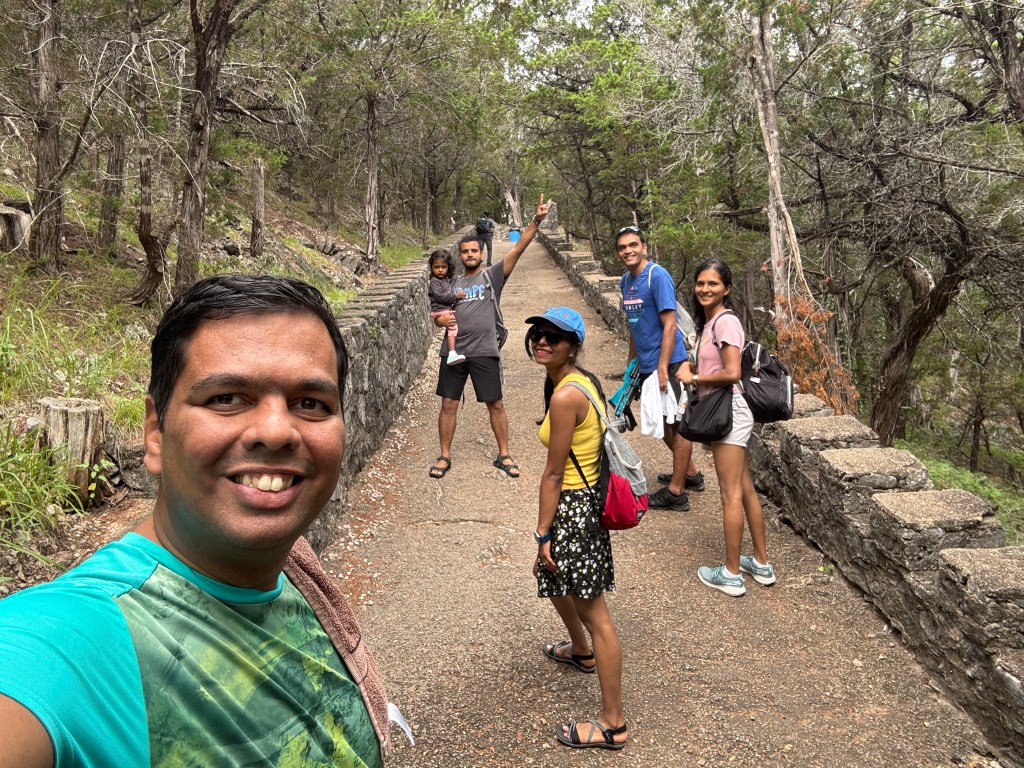
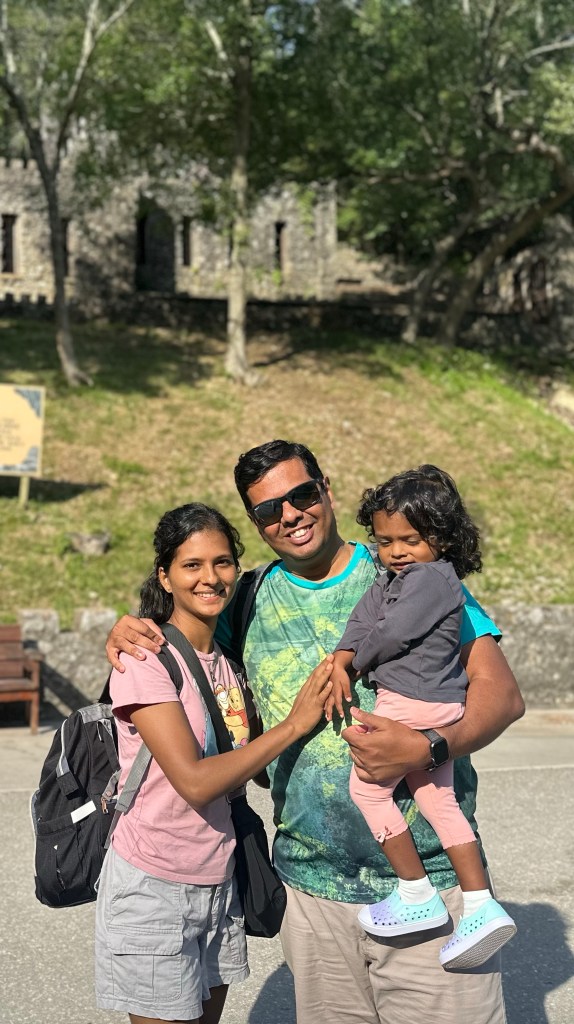
Some trips aren’t just about the destination—they’re about the people you share the road with, the stories that unfold along the way, and the small moments that turn into lifelong memories. That’s exactly what our trip to Oklahoma turned out to be.
Hitting the Road to Turner Falls
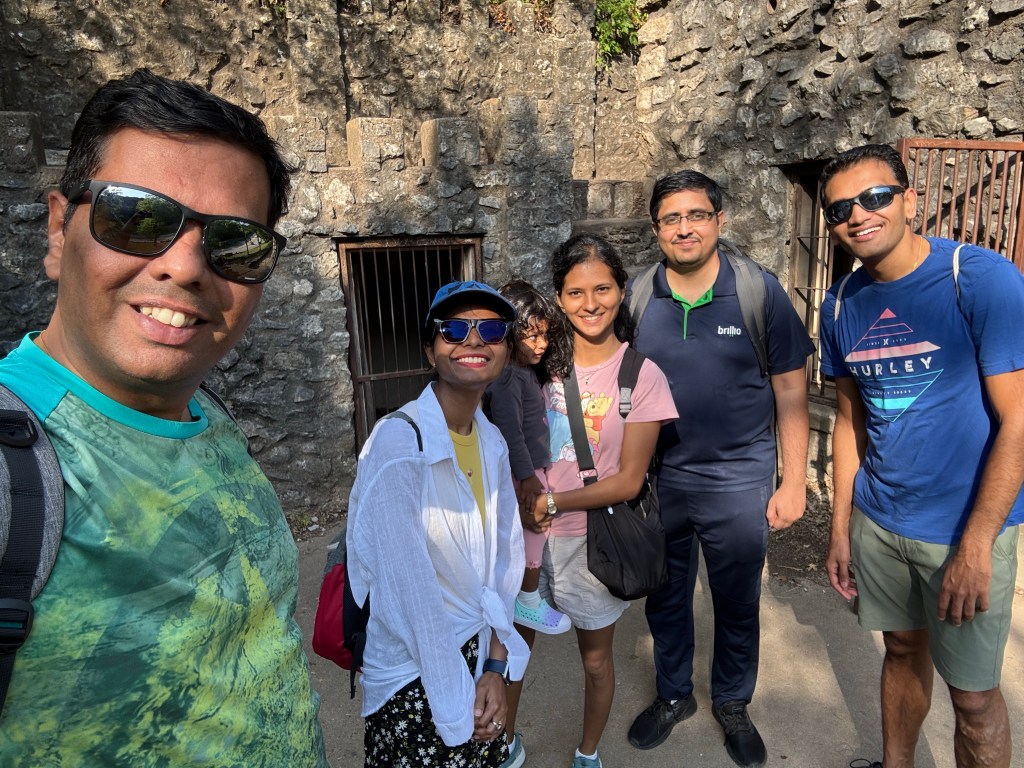
We kicked off our adventure early in the morning, loading up the car with snacks, playlists, and contagious energy. The drive to Turner Falls was a scenic, laughter-filled ride with our office crew—a refreshing break from screens and deadlines. As we neared the falls, the air felt cooler, the roads windier, and our excitement peaked.
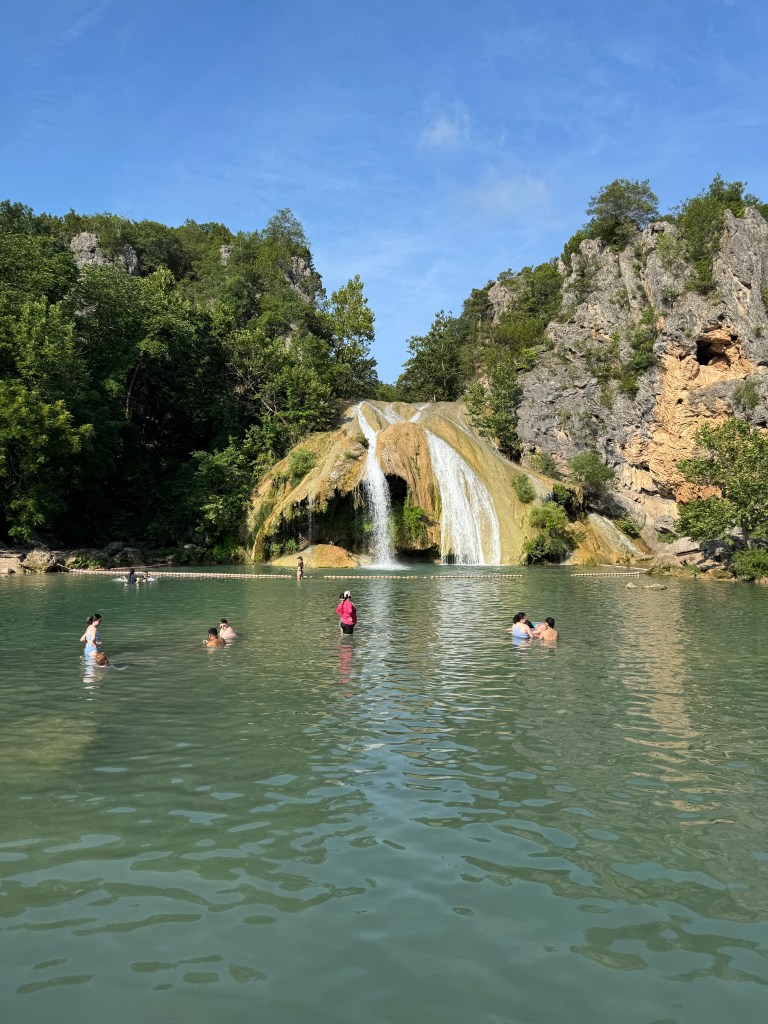
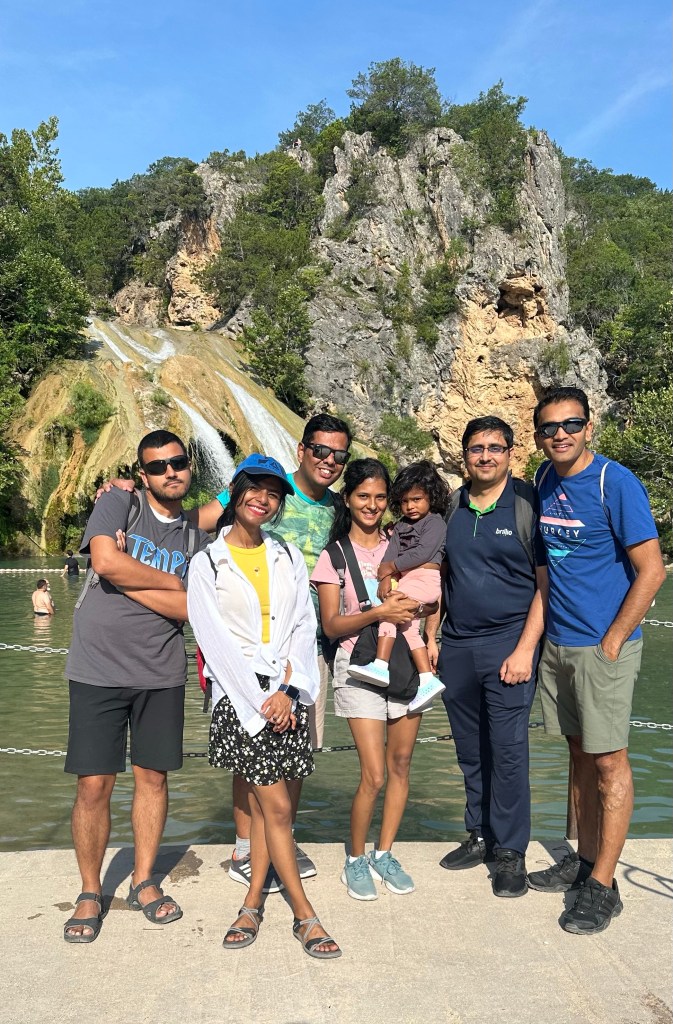
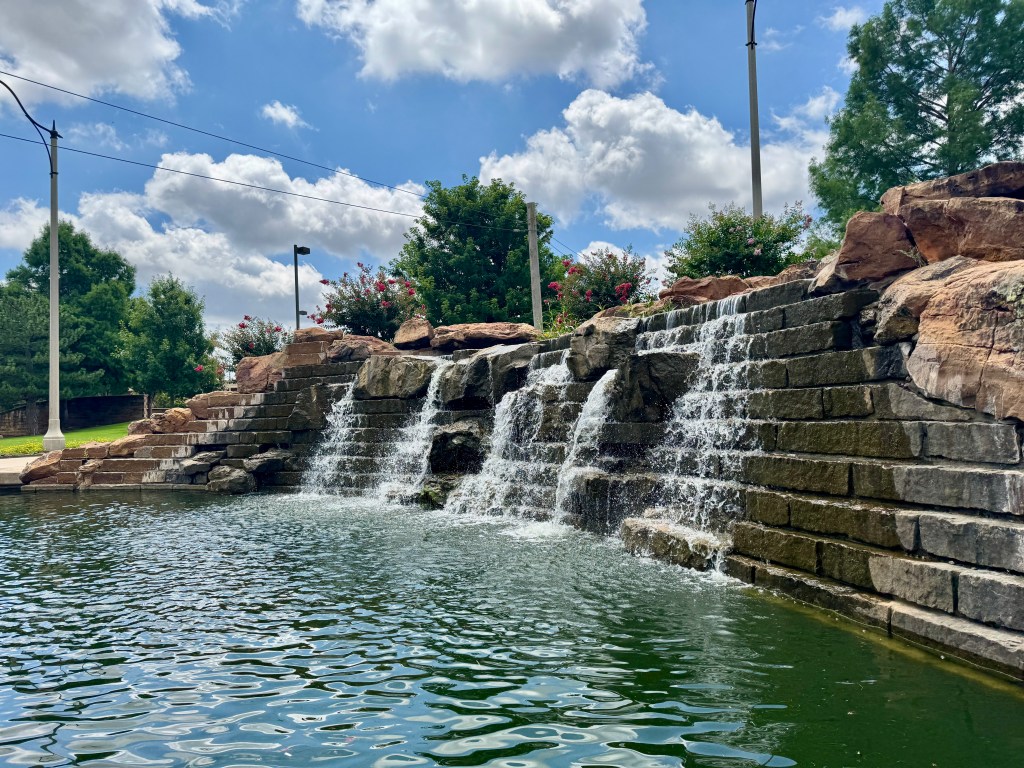
Turner Falls did not disappoint. With its cascading waterfall nestled in the Arbuckle Mountains, it felt like we’d stumbled into a hidden paradise. Some of us dipped our toes in the water, while others went ahead for a swim! We snapped group photos, and let the calm of nature wash over us before packing up for the next stop.
Afternoon with the Animals at OKC Zoo
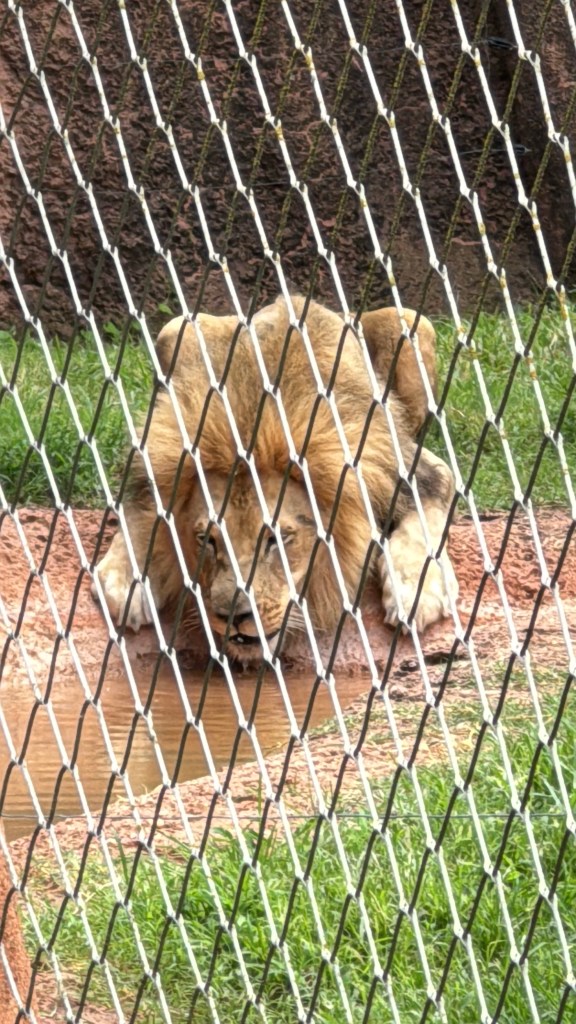
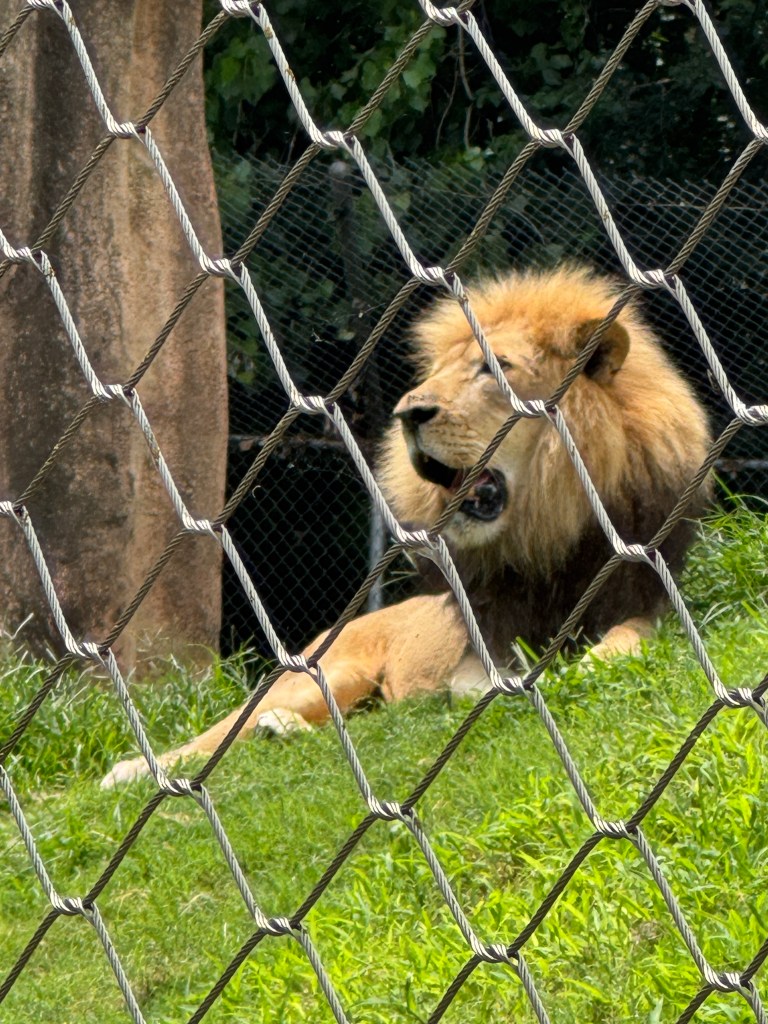
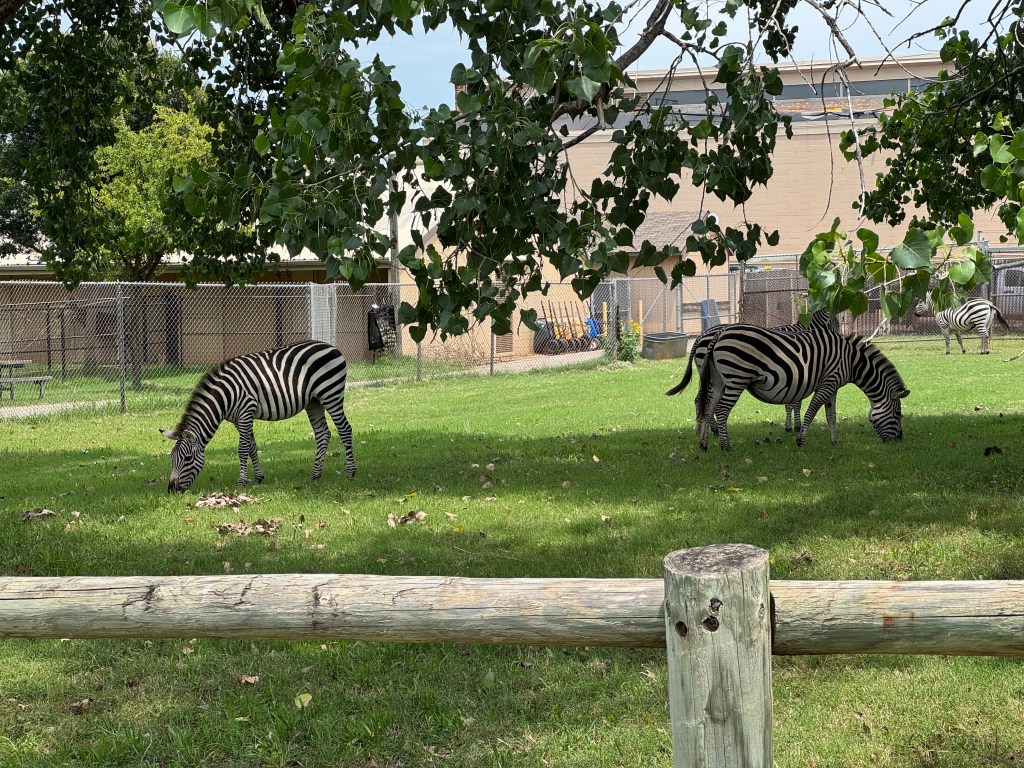
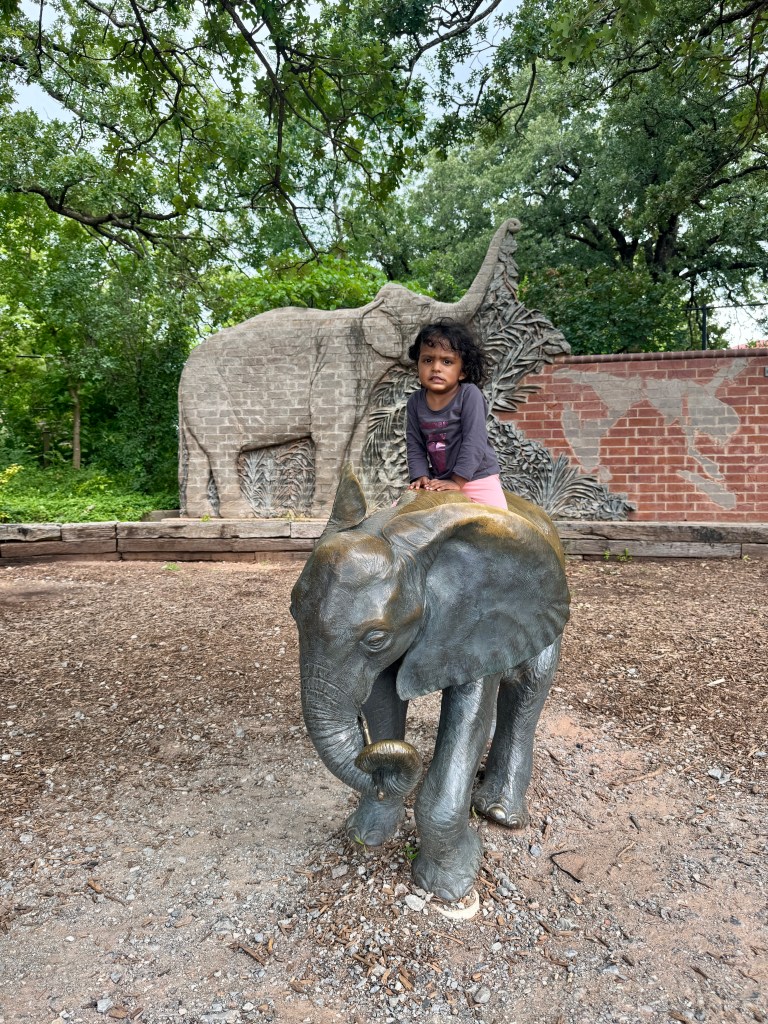
By afternoon, we rolled into Oklahoma City and made our way to the OKC Zoo. Whether it was the majestic lion, or the zebras, ostriches, cheetahs, the zoo had something for all of us—childlike wonder included!
Day 2: Stockyards and Bricktown Charm
The next morning, we embraced Oklahoma’s cowboy roots at the Stockyards. From the rustic charm of old-west storefronts to the scent of leather and barbecue in the air, it was like stepping into another era.
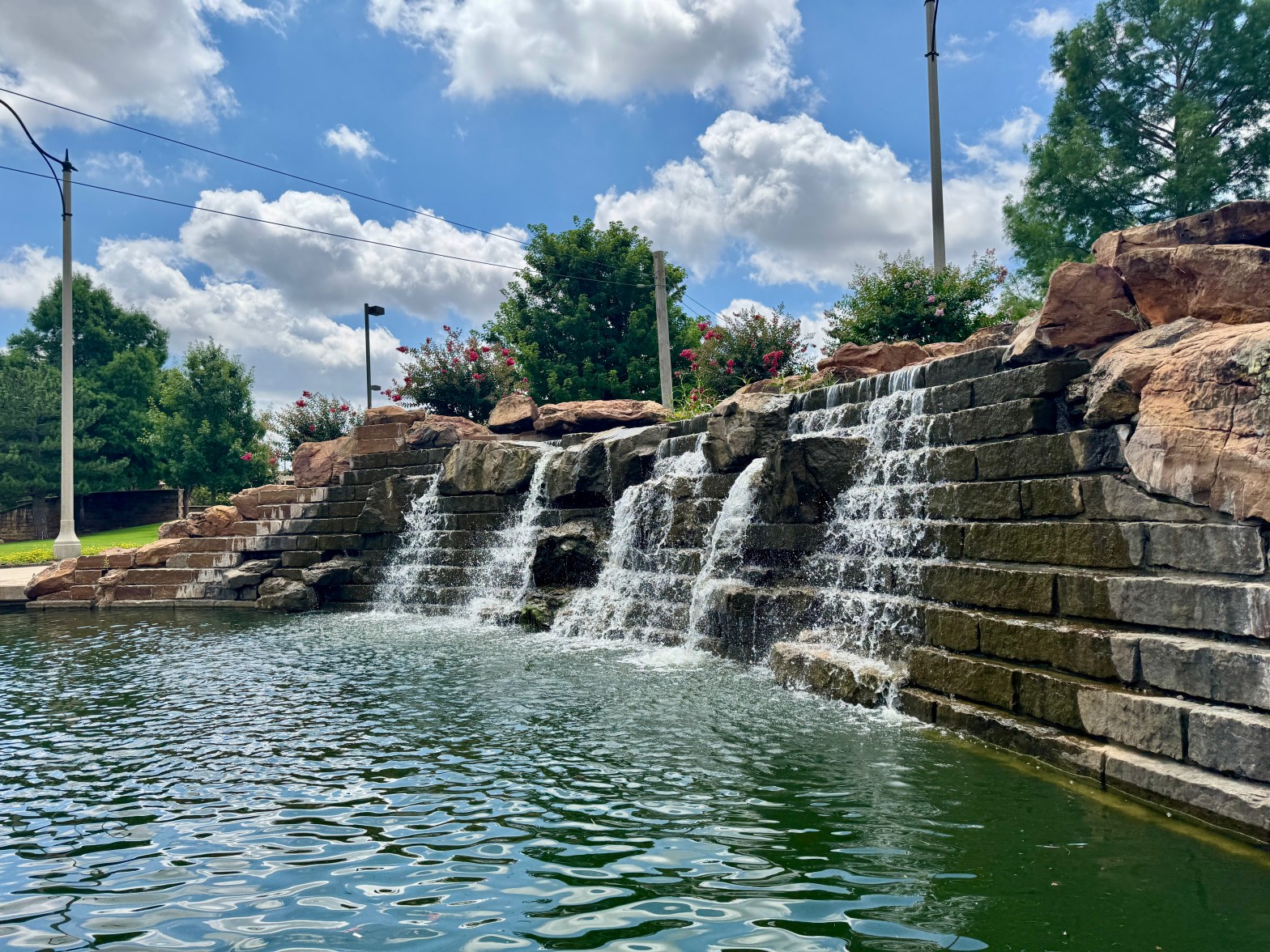
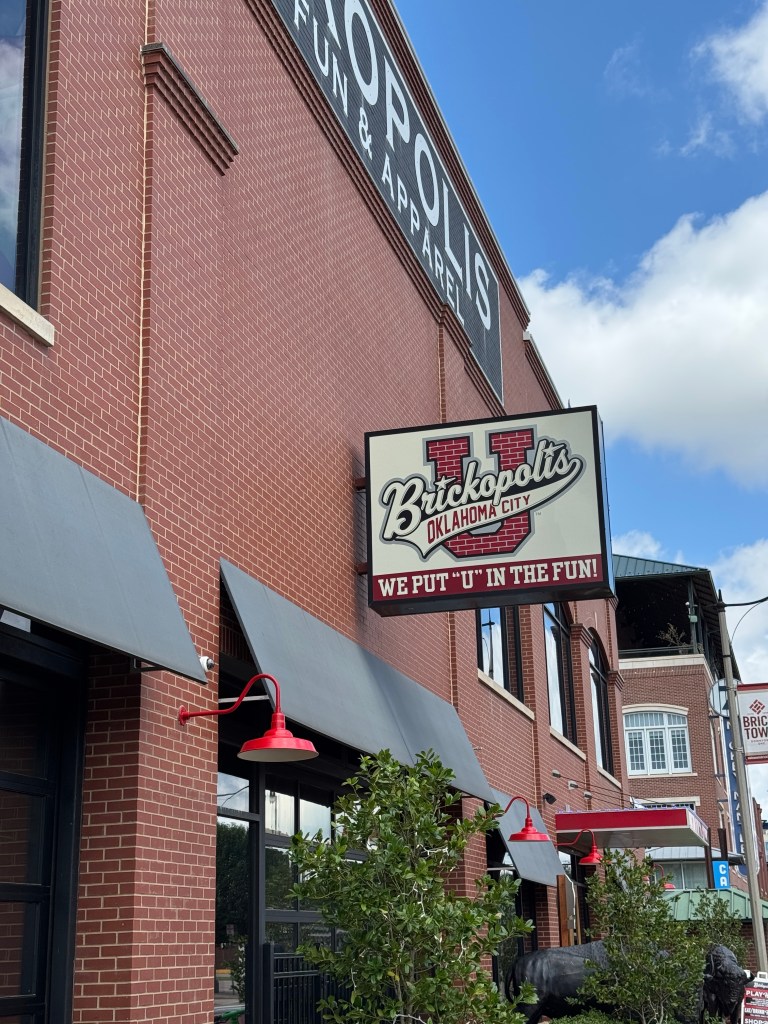
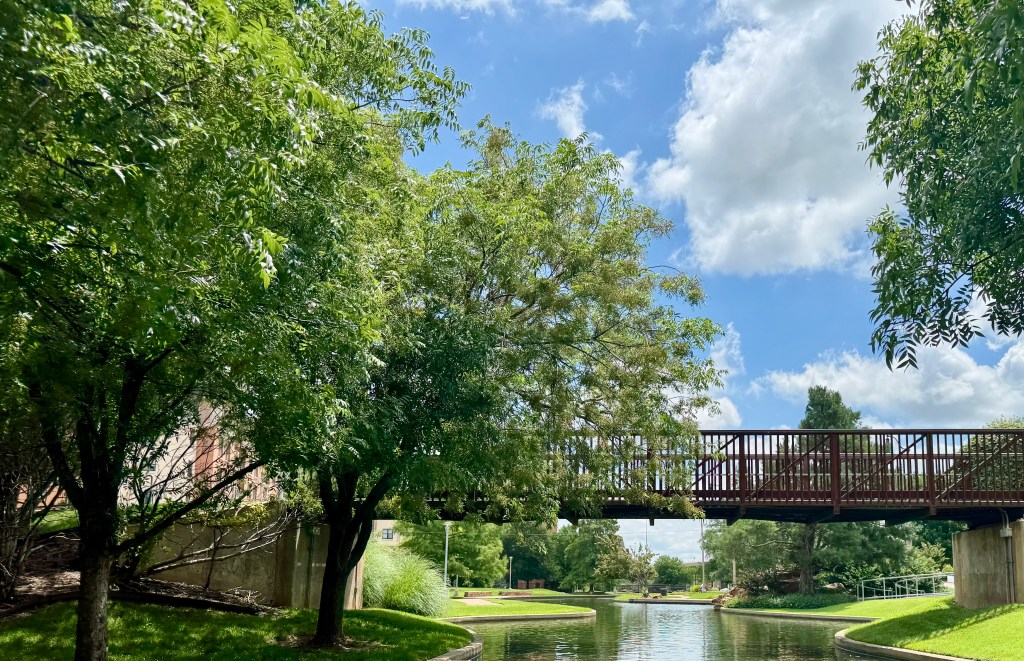
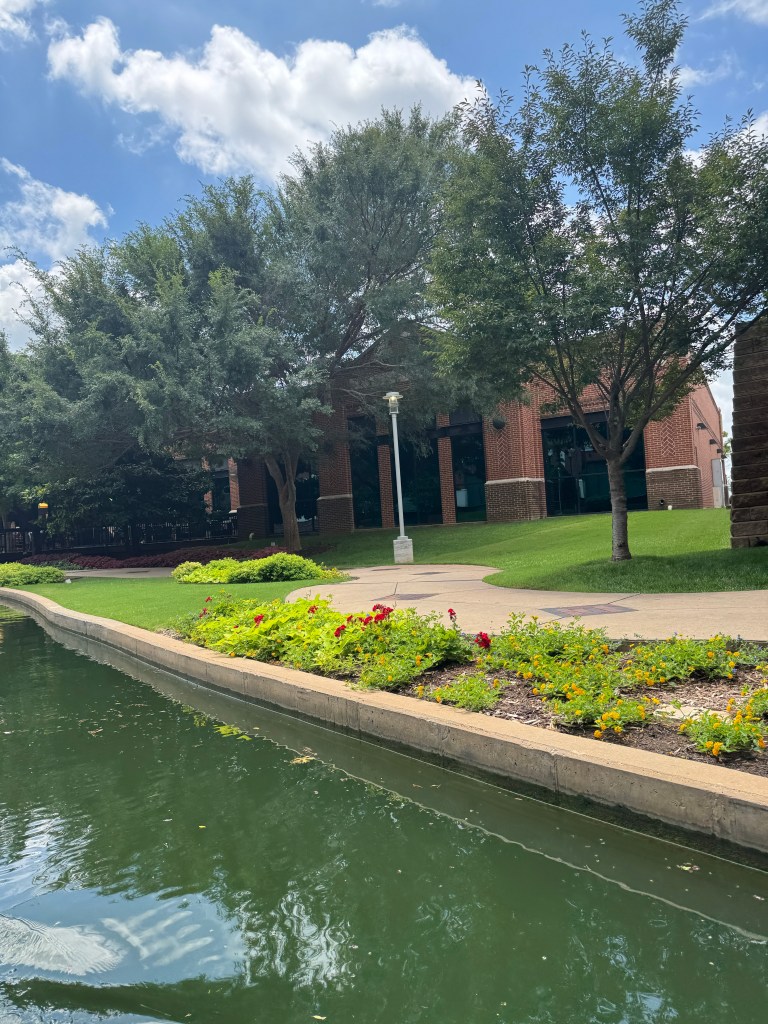
Later, we strolled through Bricktown, cruising down the canal on a boat ride that revealed the city’s urban heartbeat. The water shimmered under the afternoon light, and the red-brick buildings standing tall around us told stories of history and revival. Bricktown’s beauty and laid-back vibe left us absolutely charmed.
Wandering Through Bricktown: A Day in Oklahoma City
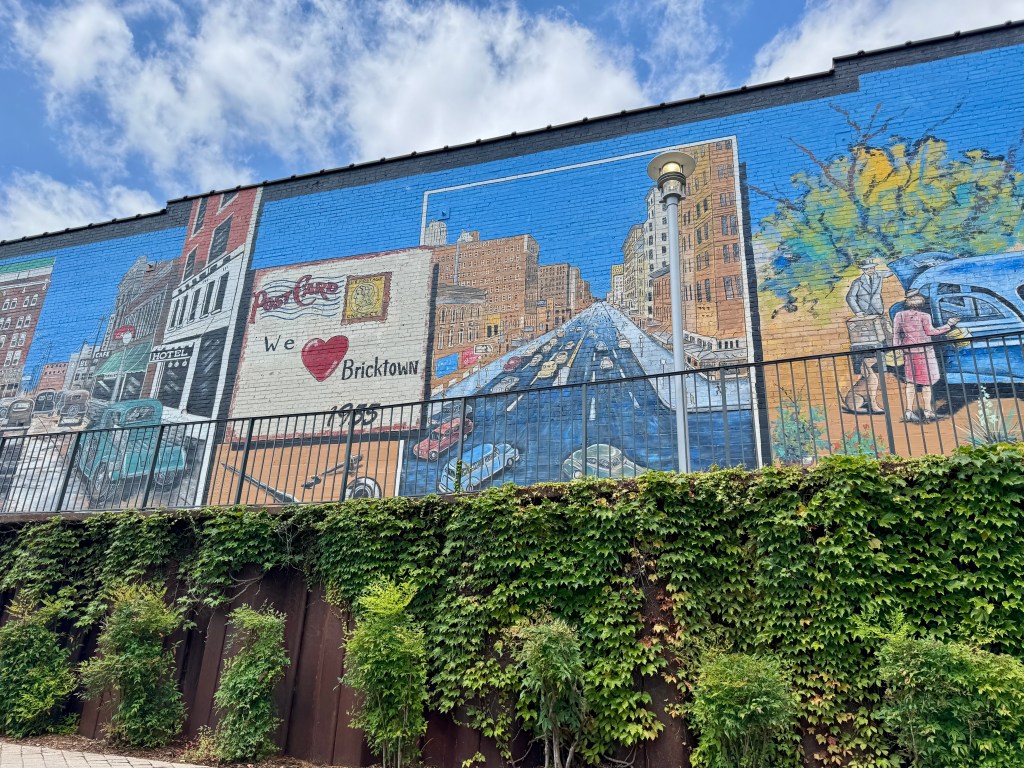
After a scenic morning at Turner Falls, we drove down to Oklahoma City and found ourselves immersed in the charm of Bricktown—a place where history, art, and modern architecture meet with surprising harmony.
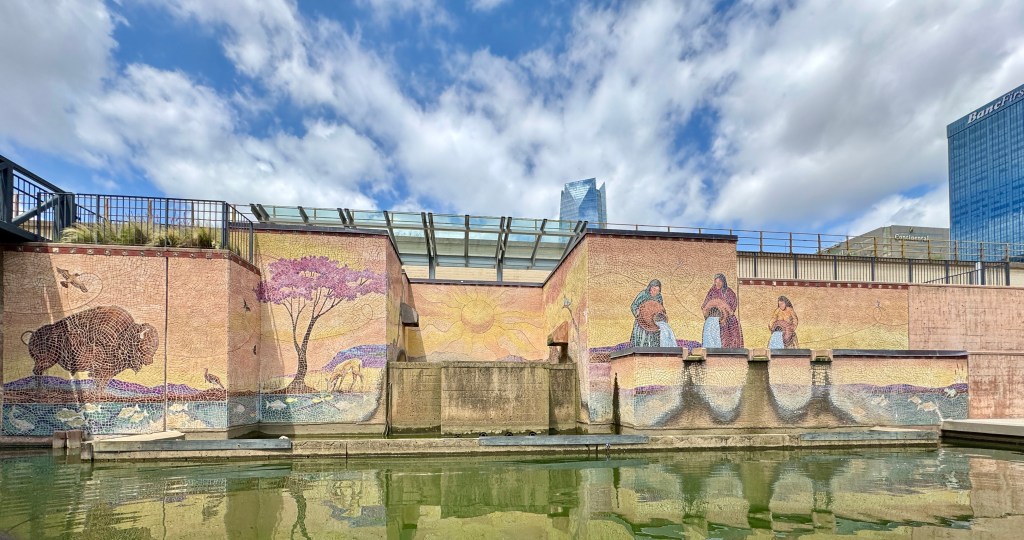
The Bricktown Canal – An Urban Revival Masterstroke
Originally constructed in 1999 as part of the MAPS (Metropolitan Area Projects) initiative, the Bricktown Canal was designed to revive downtown OKC and turn it into a vibrant destination. Stretching about one mile, the canal winds its way through the historic Bricktown district, offering scenic rides on water taxis with guided tours full of history and local trivia.
Cost to build: Approx. $23 million
Length: Around 1 mile
Depth: About 4 feet deep
Purpose: Urban revitalization and tourism
Walking alongside the water or floating through it, you’re reminded how infrastructure can spark life into an old warehouse district, turning it into a bustling cultural hub.
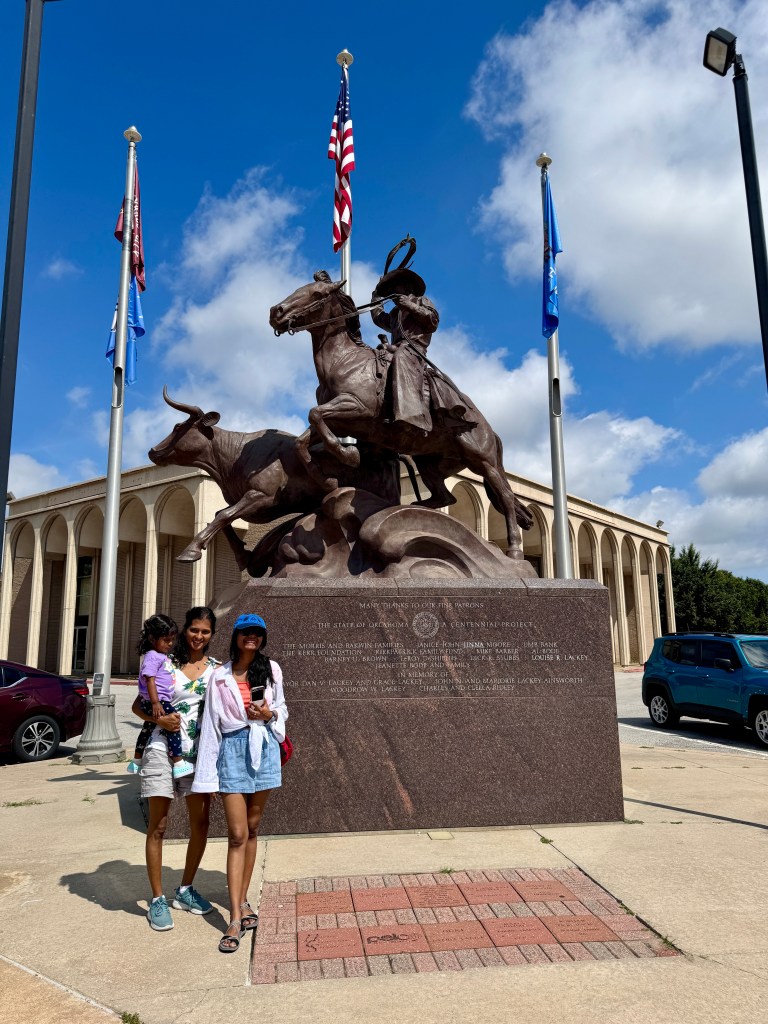
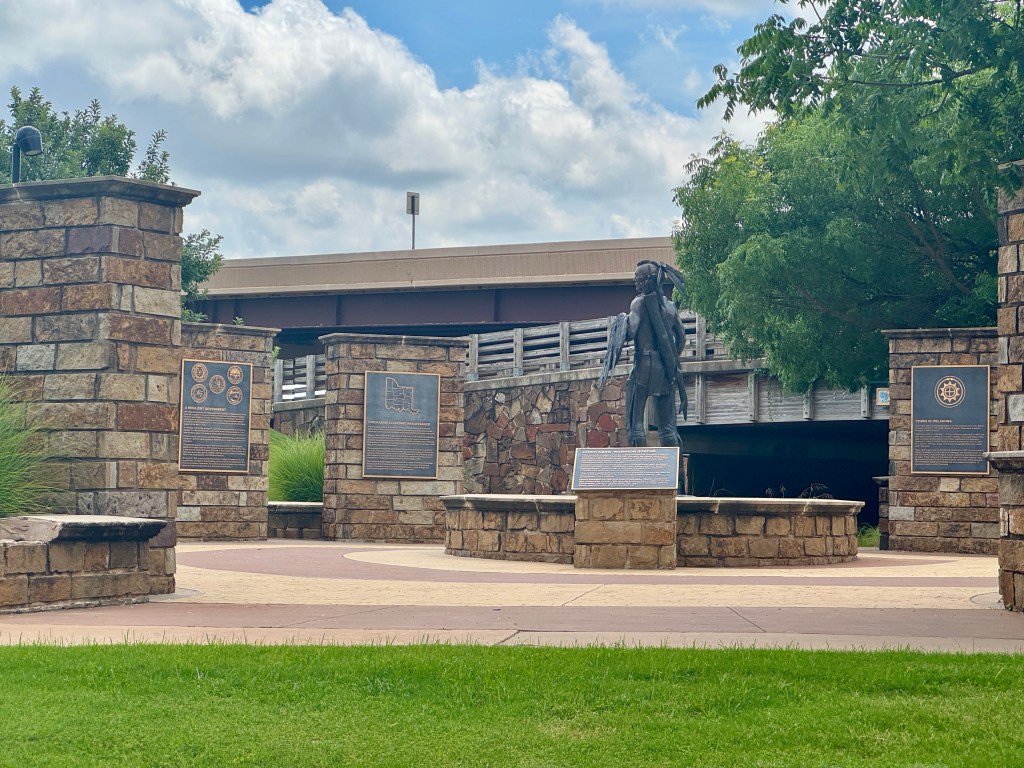
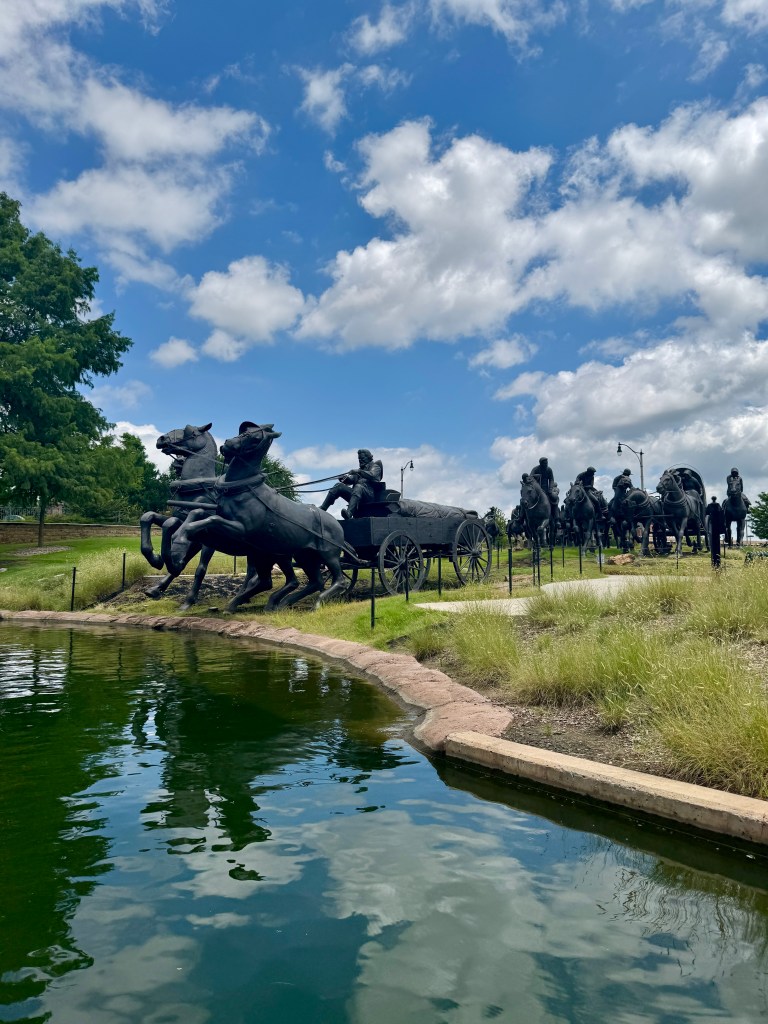
Life-like Sculptures: The Centennial Land Run Monument
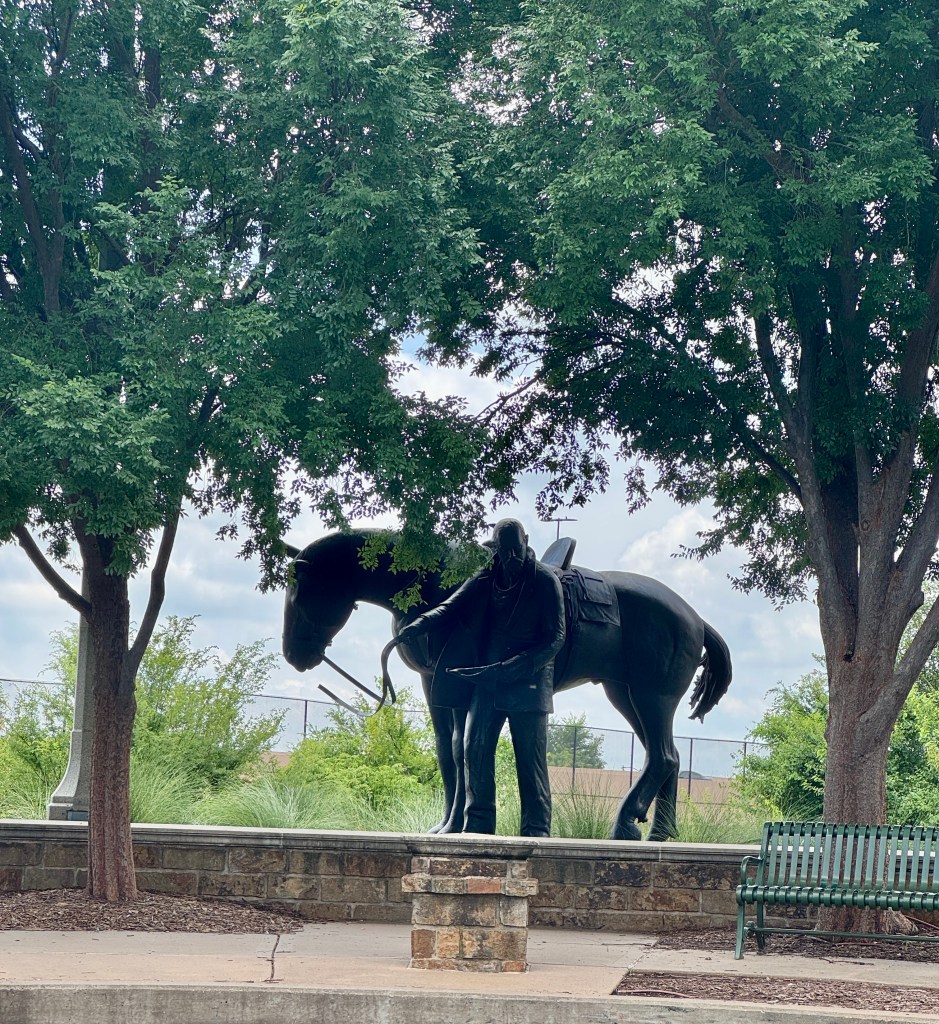
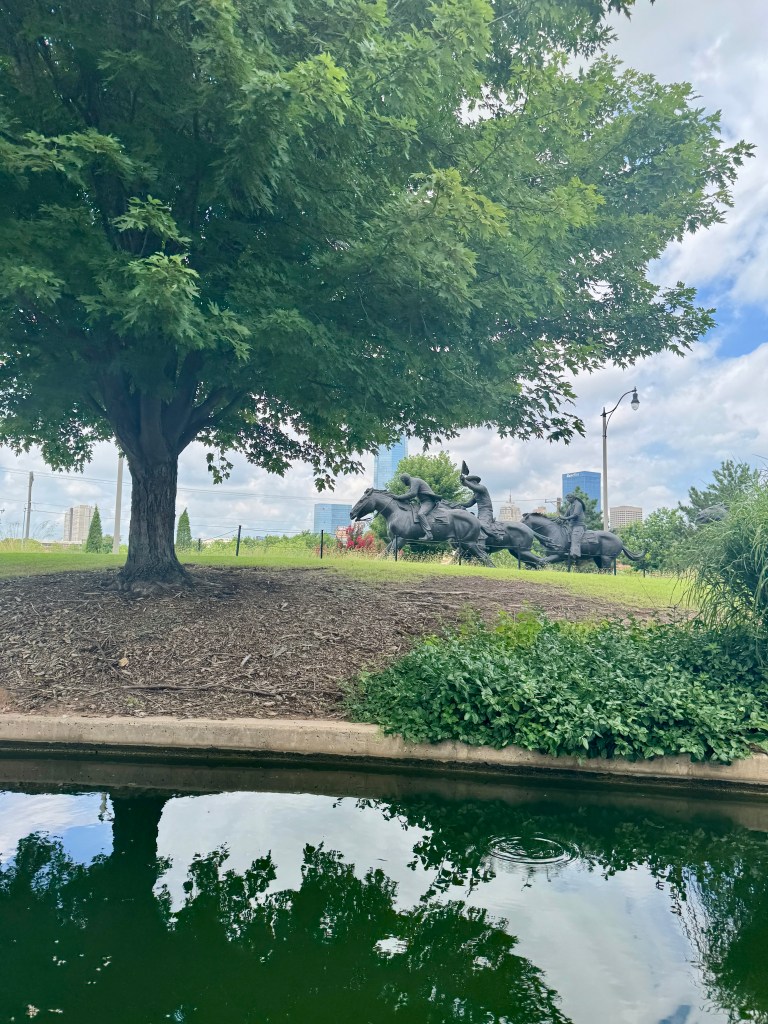
Near the canal, we came across one of the most awe-inspiring art installations in the state—the Centennial Land Run Monument. Spread across over 365 feet, this bronze sculpture series captures the chaotic energy of the 1889 Land Run, with settlers, wagons, and horses frozen mid-motion.
Artist: Paul Moore
Material: Bronze
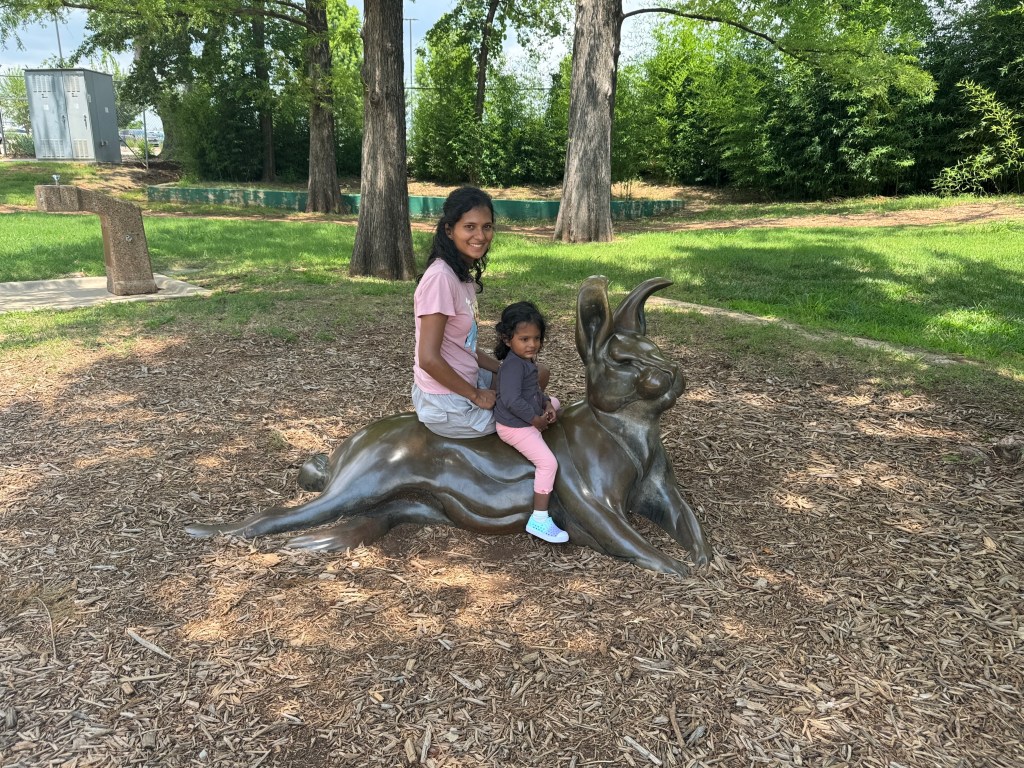
Number of pieces: Over 45 figures, including 38 horses, wagons, riders, and even a jackrabbit
Started: 1990s
Here’s the most personal touch: Paul Moore sculpted himself into the monument. Look closely, and you’ll find a rider whose face matches that of the artist—a humble tribute to his roots and his role as storyteller. Even more touching, several members of Moore’s family were used as models for the other settlers, including his mother, son and wife. This adds a layer of intimacy and authenticity—a literal family legacy cast into the heart of Oklahoma.
What’s truly surreal is how life-like the figures are—you can almost hear the thunder of hooves and feel the grit of the wild frontier as you stand beside them.
This is Paul Moore himself!
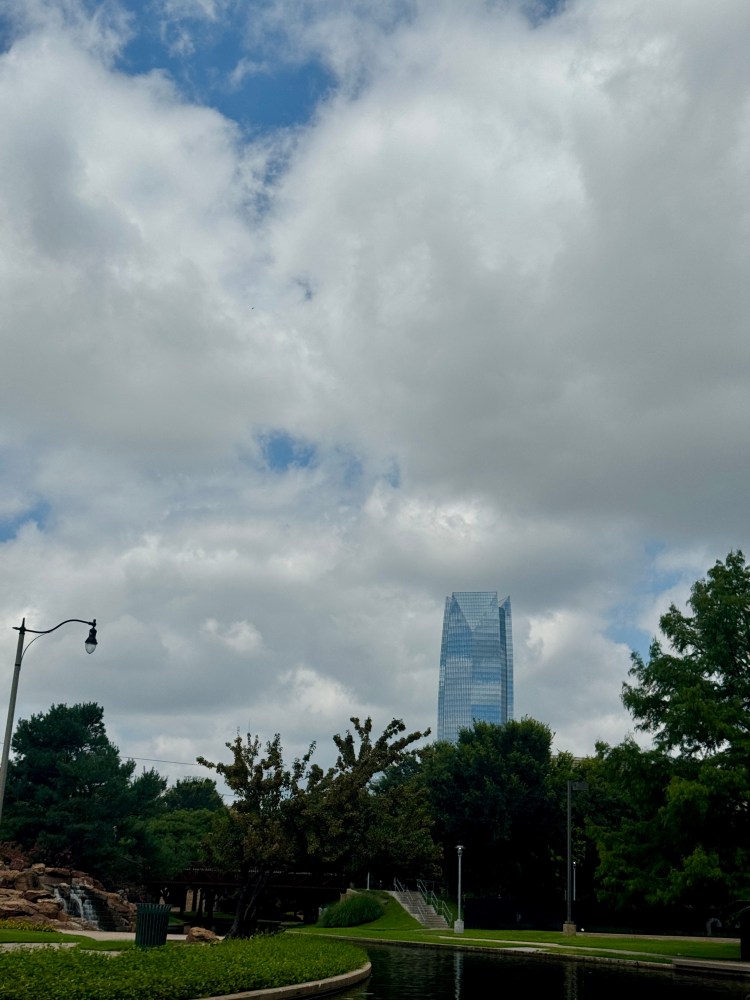
Devon Tower: Touching the Oklahoma Sky
As you look up from the canal or stroll through Bricktown, one building dominates the skyline: the Devon Tower.
Height: 844 feet
Floors: 50 stories
Completed: 2012
Architect: Pickard Chilton
Use: Headquarters of Devon Energy, with office spaces, a fitness center, and a 49th-floor restaurant (Vast)
It’s not just the tallest building in Oklahoma City—it’s the tallest in all of Oklahoma, and among the top 50 tallest buildings in the U.S.
But what makes the Devon Tower especially unique is its design inspiration—it’s shaped to resemble a drill bit, paying homage to Oklahoma’s deep roots in the oil and gas industry. The gently tapering glass façade and cylindrical form mimic the precision and motion of a drill, symbolizing energy exploration and innovation.
This architectural metaphor isn’t just for aesthetics—it reflects the company’s identity (Devon Energy) and the city’s role in fueling America. From certain angles, especially at dusk, the tower gleams like a massive steel and glass torch, drilling into the sky—a bold emblem of OKC’s evolving skyline.
The Drive Back
The three-hour drive home was surprisingly peaceful. The car was quieter this time—not from tiredness, but from a shared contentment. Music played softly in the background, the sun set behind us, and we couldn’t help but reflect on how a short getaway can make a big difference.
With waterfalls, wild animals, western flair, and wonderful company, our Oklahoma trip reminded us of the magic that comes when you step away from routine and say yes to the open road.
















 Kenrick Vaz