From Noise to Being Understood

I used to believe that communication was everything.

That as long as I was articulate, expressive, or honest—I was doing my part.

Talk it out. Say how you feel. Explain your point. Speak your truth.

And yet… sometimes, it still fell flat. Misunderstood. Misinterpreted. Missed entirely.

Then it hit me:

Communication isn’t the goal. Understanding is.


Talking ≠ Being Heard

You can pour your heart out in the most carefully chosen words. But if the other person isn’t really listening—not just to your words, but to your meaning—it’s all just background noise.

You feel unheard. They feel overwhelmed.

And the gap between you grows wider, even in the thick of conversation.


Understanding Is a Two-Way Street

Understanding means slowing down to see beyond words.

It’s not about what’s said—it’s about what’s meant.

It requires empathy. Curiosity. Presence.

It’s asking, “Did I hear you right?” instead of jumping to respond.

Real understanding transforms communication from a transaction into a connection.


So What Now?

Speak, yes. Express yourself fully.

But also:

Create space for silence. Ask questions that go deeper than surface-level replies. Listen to understand, not just to answer.


The next time you find yourself in a conversation that feels like a dead-end, ask yourself:

“Am I being heard—or just speaking?”

“Am I hearing them—or just listening for my turn?”

Because in the end, words are powerful—but only when they’re received with intention.

Understanding is the real magic.

And it turns noise into meaning!
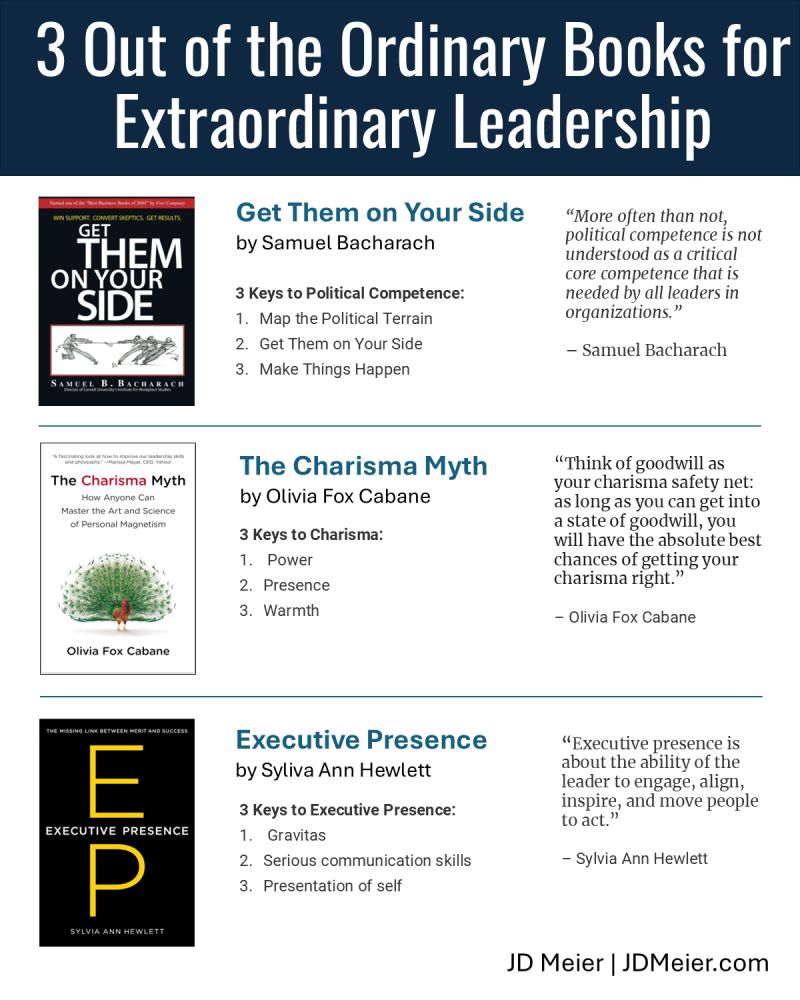
3 Outstanding Leadership Books

Extraordinary leadership requires learning skills you don’t learn in school.

The higher you go, the more you need to master what often looks like 𝘦𝘭𝘶𝘴𝘪𝘷𝘦 𝘮𝘢𝘨𝘪𝘤 —
but is learnable if you have the right guide.

Here are 3 books that demystified some of the most important leadership skills for me:

𝟭. 𝗣𝗼𝗹𝗶𝘁𝗶𝗰𝗮𝗹 𝗖𝗼𝗺𝗽𝗲𝘁𝗲𝗻𝗰𝗲 — 𝙂𝙚𝙩 𝙏𝙝𝙚𝙢 𝙤𝙣 𝙔𝙤𝙪𝙧 𝙎𝙞𝙙𝙚
One of the most crucial skills I had to learn was 𝘱𝘰𝘭𝘪𝘵𝘪𝘤𝘴.
If you don’t understand it, you’ll be used (and sidelined) by those who do.

𝘎𝘦𝘵 𝘛𝘩𝘦𝘮 𝘰𝘯 𝘠𝘰𝘶𝘳 𝘚𝘪𝘥𝘦 is like an engineer’s guide to influence.
It teaches you how to:
• Create centers of gravity in an organization
• Trigger domino effects of support
• Read the political landscape
• Build genuine influence without becoming “political”

Best of all: it gives you a simple, repeatable model for mastering 𝘱𝘰𝘭𝘪𝘵𝘪𝘤𝘢𝘭 𝘤𝘰𝘮𝘱𝘦𝘵𝘦𝘯𝘤𝘦 — essential if you want to lead big change.

𝟮. 𝗖𝗵𝗮𝗿𝗶𝘀𝗺𝗮 — 𝙏𝙝𝙚 𝘾𝙝𝙖𝙧𝙞𝙨𝙢𝙖 𝙈𝙮𝙩𝙝
It’s a myth that you either “have” charisma or you don’t.
Charisma is a learnable skill — a combination of:
𝗣𝗼𝘄𝗲𝗿, 𝗣𝗿𝗲𝘀𝗲𝗻𝗰𝗲, and 𝗪𝗮𝗿𝗺𝘁𝗵

Charisma is one of the highest forms of leadership power.
An insight that served me well early at Microsoft:
𝗖𝗵𝗮𝗿𝗮𝗰𝘁𝗲𝗿 𝘁𝗿𝘂𝗺𝗽𝘀 𝗲𝗺𝗼𝘁𝗶𝗼𝗻 𝘁𝗿𝘂𝗺𝗽𝘀 𝗹𝗼𝗴𝗶𝗰.
(From another favorite: 𝘛𝘩𝘢𝘯𝘬 𝘠𝘰𝘶 𝘧𝘰𝘳 𝘈𝘳𝘨𝘶𝘪𝘯𝘨.)

Leaders who build charisma lead movements, not just meetings.

𝟯. 𝗘𝘅𝗲𝗰𝘂𝘁𝗶𝘃𝗲 𝗣𝗿𝗲𝘀𝗲𝗻𝗰𝗲 — 𝙀𝙭𝙚𝙘𝙪𝙩𝙞𝙫𝙚 𝙋𝙧𝙚𝙨𝙚𝙣𝙘𝙚 𝗯𝘆 𝗦𝘆𝗹𝘃𝗶𝗮 𝗔𝗻𝗻 𝗛𝗲𝘄𝗹𝗲𝘁𝘁
Executive Presence once felt like the most elusive skill of all.
But with a 𝘎𝘳𝘰𝘸𝘵𝘩 𝘔𝘪𝘯𝘥𝘴𝘦𝘵, you can learn anything —
if you find the right source.

Sylvia was a rebel with a cause — but realized that without Executive Presence, she’d hit a ceiling in both life and leadership.

She decoded it into 3 practical pillars:
𝗚𝗿𝗮𝘃𝗶𝘁𝗮𝘀, 𝗦𝗲𝗿𝗶𝗼𝘂𝘀 𝗰𝗼𝗺𝗺𝘂𝗻𝗶𝗰𝗮𝘁𝗶𝗼𝗻 𝘀𝗸𝗶𝗹𝗹𝘀, and 𝗣𝗿𝗲𝘀𝗲𝗻𝘁𝗮𝘁𝗶𝗼𝗻 𝗼𝗳 𝘀𝗲𝗹𝗳

This book helped me see that Executive Presence isn’t a mysterious “𝗶𝘁 𝗳𝗮𝗰𝘁𝗼𝗿” —
it’s a skill set you can build intentionally.

𝗕𝗼𝘁𝘁𝗼𝗺 𝗹𝗶𝗻𝗲: If you want to lead at the highest levels —
learn 𝗣𝗼𝗹𝗶𝘁𝗶𝗰𝗮𝗹 𝗖𝗼𝗺𝗽𝗲𝘁𝗲𝗻𝗰𝗲, 𝗖𝗵𝗮𝗿𝗶𝘀𝗺𝗮, and 𝗘𝘅𝗲𝗰𝘂𝘁𝗶𝘃𝗲 𝗣𝗿𝗲𝘀𝗲𝗻𝗰𝗲.

These 3 books helped me.

They might just unlock your next level too.

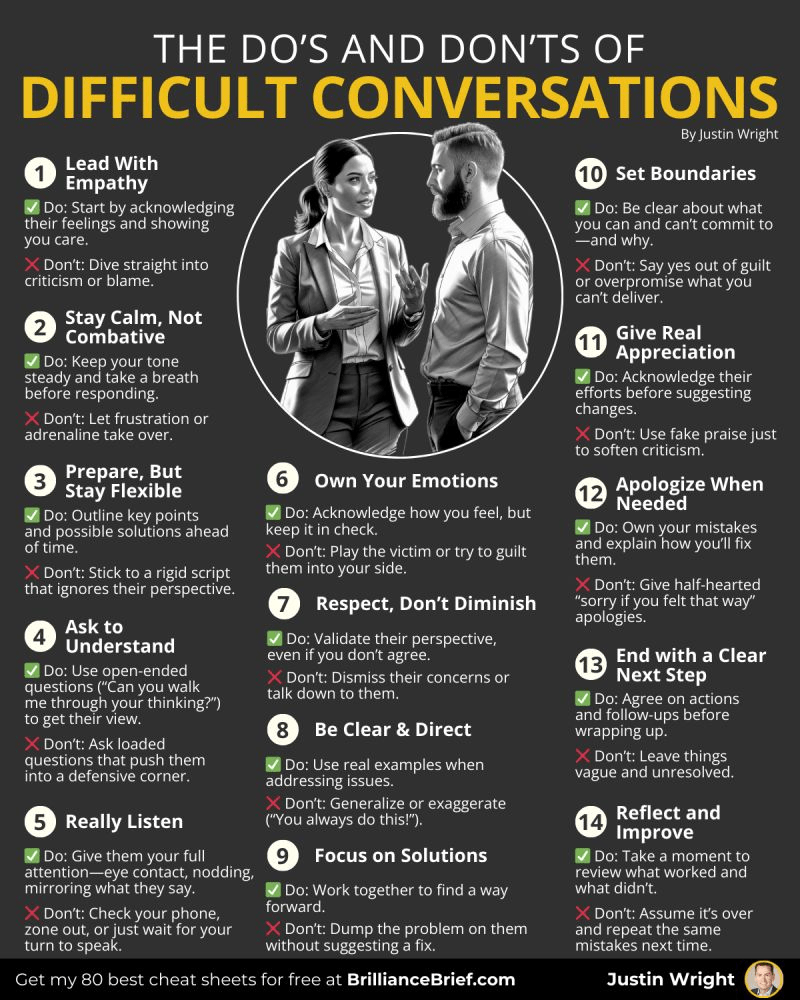
Difficult Conversations

I used to avoid difficult conversations.

(You know the ones.)

➟ The team member who keeps missing deadlines

➟ The boss whose expectations are unclear

➟ The feedback that needs to be said (but feels too hard)

I thought silence kept the peace.

But I learned the hard way:

Silence often does more damage than words ever could.

One of my project managers was slipping.

The team saw it. So did I.

But I said nothing for months.

When I finally spoke up, he said:

“I’ve been waiting for you to bring this up.

I thought you didn’t care.”

That hit me hard.

💥 My silence wasn’t kindness.

It was abandonment. Disguised as keeping the peace.

I started showing up differently.

Not around the hard stuff.

But through it.

Every courageous conversation you have

builds something better:

✅ A culture of honesty

✅ Trust that can withstand tension

✅ Solutions that actually fix the real problems

If you’re holding back that conversation,

the one you keep pushing down…

It might be the most important leadership move

you’ll make this year.

Your team isn’t waiting for perfection.

They’re waiting for you to lead.

You’ve got this 💪.

Hard ≠ Hopeless: The Truth About New Beginnings

You’ve probably been there—staring at something unfamiliar, your mind flooded with self-doubt.

“Why is this so hard?”

“Maybe I’m not cut out for this…”

But then you stumble upon a quote like this:

“It feels hard because it’s new, not because you’re not good enough.”

Suddenly, everything clicks.

This quote isn’t just comforting—it’s a powerful mindset shift.


Growth Begins Where Comfort Ends

Think about the first time you tried to ride a bike, write code, give a presentation, or even parent a child. The struggle wasn’t a sign of failure; it was a signal that you were doing something you’ve never done before.

New doesn’t mean impossible. It means unpracticed. And unpracticed is where growth lives.


Rewire the Narrative

What if we stopped interpreting struggle as inadequacy, and started seeing it as the cost of entry into a better version of ourselves?

You’re not slow—you’re learning. You’re not lost—you’re exploring. You’re not bad at it—you’re just new.

We don’t shame babies for falling when they learn to walk. We cheer. What if we gave ourselves the same grace?


Next Time It Feels Hard…

Pause. Breathe. Replace “I can’t do this” with:

“This is new. And I’m becoming.”

Because you are. With every challenge you push through, you’re rewiring your skills, your self-belief, your story.

And that’s not weakness. That’s power in progress.

So here’s your reminder: The next time you’re overwhelmed by something new, don’t quit. Don’t shrink. Don’t doubt your worth.

You’re not broken. You’re just beginning.

And that’s exactly where greatness starts!

Talk Like A Top Performer

Words shape outcomes.

The difference between good and great leaders
often comes down to how they communicate.

How they choose their words.
How conscious they are of those words’ impact.

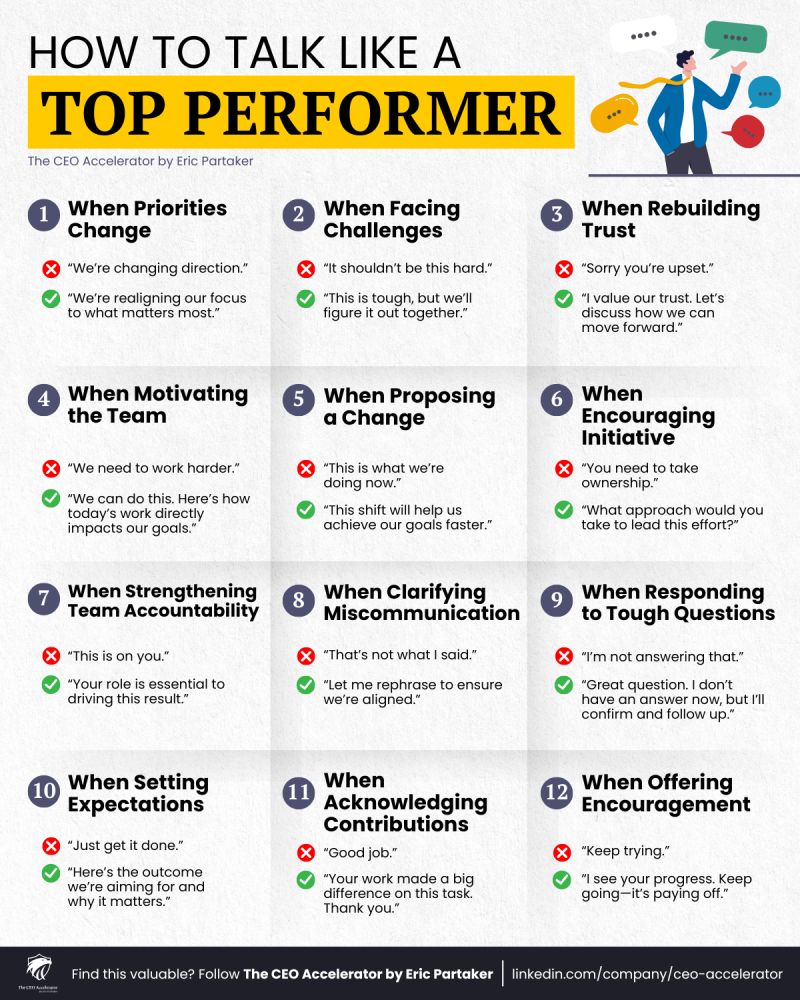
Here’s your playbook for talking like a top performer
in 12 critical moments:

🎯 When Priorities Change

↳ Instead of “We’re changing direction”
↳ Say “We’re making a shift to stay focused on what
matters most”

💪 When Facing Challenges

↳ Instead of “It shouldn’t be this hard”
↳ Say “This is tough, but we’ll figure it out together”

🤝 When Rebuilding Trust

↳ Instead of “Sorry you’re upset”
↳ Say “I value our trust. Let’s talk about how to
move forward”

⚡ When Motivating The Team

↳ Instead of “We need to work harder”
↳ Say “We can do this. Here’s how today’s work
directly impacts our goals”

🔄 When Proposing a Change

↳ Instead of “This is what we’re doing now”
↳ Say “This shift will help us reach our goals faster”

🚀 When Encouraging Initiative

↳ Instead of “You need to take ownership”
↳ Say “What approach would you take to lead
this effort”

📈 When Strengthening Team Accountability

↳ Instead of “This is on you”
↳ Say “Your role is essential to driving this result”

🗣️ When Clarifying Communication

↳ Instead of “That’s not what I said”
↳ Say “Let me rephrase to ensure we’re aligned”

❓When Responding to Questions

↳ Instead of “I’m not answering that”
↳ Say “Great question. I don’t have an answer now,
but I’ll confirm and follow up”

🎯When Setting Expectations

↳ Instead of “Just get it done”
↳ Say “Here’s the outcome we’re aiming for and
why it’s important”

🌟 When Acknowledging Contributions

↳ Instead of “Good job”
↳ Say “Your effort made a big difference
on this task. Thank you”

💫 When Offering Encouragement

↳ Instead of “Keep trying”
↳ Say “I see the progress you’re making. Keep going,
it’s paying off”

Leading like a top performer starts with
speaking like one.

Choose words that lift people up.
That show you care.
That demonstrate true leadership.

Try just one of these shifts today.

Watch what happens.

You might be surprised at the impact.

What’s In Your Control

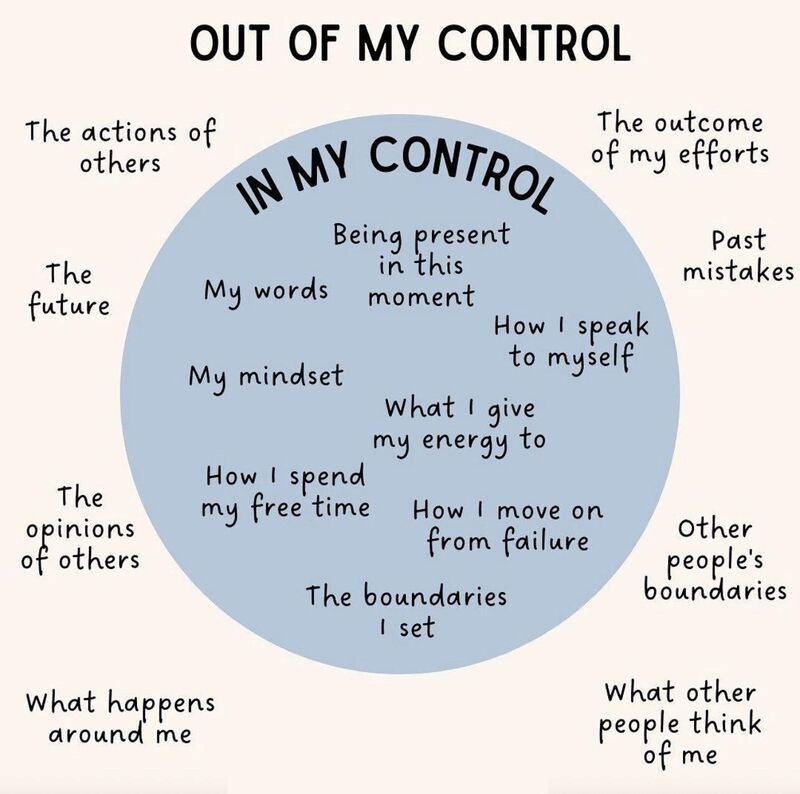
The most important choice in life is whether to 

focus on what we can control or what we can’t.

I know how easy it is to get caught up in what’s

beyond our control—I’ve been there myself.

We often stress over things we can’t control because:

↳ We worry too much about what others think.

↳ We focus on outcomes instead of our actions.

↳ We hold on to past mistakes and future fears.

This only adds to our stress and overwhelm.

But you can shift your focus to what’s within your control.

Here’s how:

1/ Choose Where Your Energy Goes.

↳ Focus on your actions, words, and emotions. Let go of the rest.

2/ Practice Being Present.

↳ Take a deep breath, be here now, and embrace the moment.

3/ Speak Kindly to Yourself.

↳ Notice your inner dialogue. Choose words that uplift.

4/ Set Boundaries for Yourself.

↳ Protect your time and energy. Say no when necessary.

5/ Invest in What Matters.

↳ Direct your energy toward things aligned with your values.

6/ Embrace Setbacks as Lessons.

↳ Failure isn’t the end—it’s part of your growth journey.

7/ Cultivate Gratitude Daily.

↳ Appreciate the small things that make life joyful.

Remember: You can’t control everything, but you can choose where to focus.

Say It While They Shine

We live in a world that echoes with opinions—many of them harsh, hurried, and heavy. Criticism is free-flowing, ever-present, and often uninvited. But appreciation? That’s rarer. Quieter. Easier to withhold.

And yet, it’s the one thing people carry in their hearts far longer than critique.

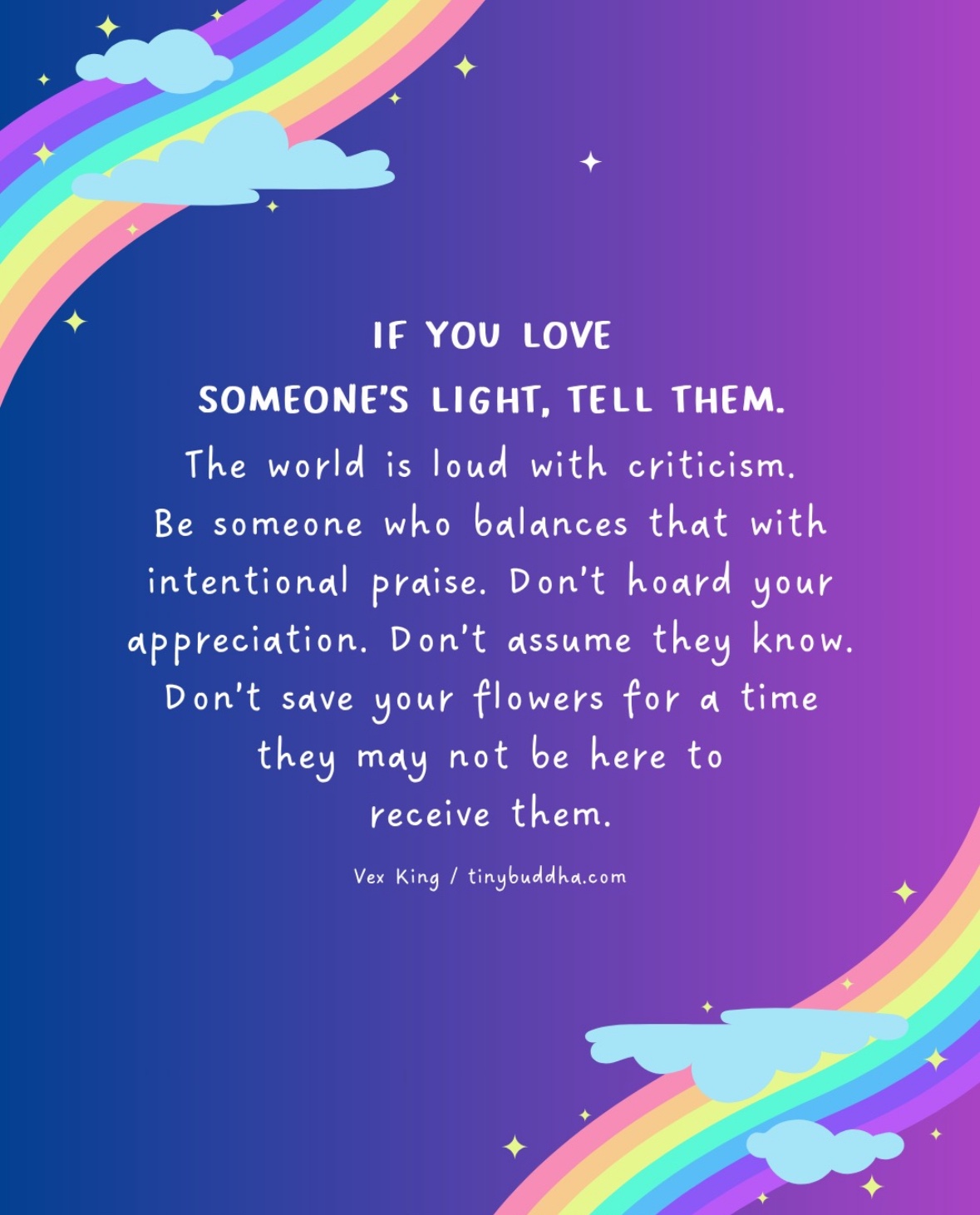
If you love someone’s light—the way they laugh, how they show up for others, their creativity, their kindness, their quiet resilience—tell them. Out loud. Right now. Don’t wait for the “perfect moment” that may never come.

We assume people know we care. We assume our admiration is obvious. But the truth? Most people are walking around wondering if they’re making a difference. Wondering if they’re enough.

Your words could be the reason someone keeps going.

Your kindness could interrupt their spiral of self-doubt.

Your recognition might be the first true affirmation they’ve felt in weeks.

So be the one who doesn’t wait for eulogies or anniversaries.

Be the one who gives flowers in the now.

Be the one who celebrates someone’s light before the world tries to dim it.

Because love—unspoken—is still love, but love spoken?

It becomes fuel. Warmth. Healing. Legacy.

So today, look around.

Think of someone whose light makes your world brighter.

And say it while they shine.

Leadership Styles Toolbox

Adapting leadership in real-time: why mastering multiple styles is critical. 📘

There are six basic leadership styles, according to Daniel Goleman.

➡️ The coercive style

This approach can be convenient in a turnaround situation, but in most cases, it inhibits the organization’s flexibility and employees’ motivation.

➡️ The pacesetting style.

A leader who sets high standards and exemplifies them himself has a positive impact on employees who are self-motivated and highly competent. But other employees may feel overwhelmed.

➡️ The authoritative style.

A “come with me” approach states the goal and allows people to choose how to achieve it. It is less effective when the team is more experienced than the leader.

➡️ The affiliative style.

A “People come first” attitude. This style is beneficial for building team harmony but can allow poor performance to go uncorrected or omit crucial advice.

➡️ The democratic style.

By giving workers a voice in decisions, democratic leaders build flexibility and responsibility and help generate ideas. But sometimes the price is endless meetings and confused employees.

➡️ The coaching style.

Focused more on personal development than on immediate work-related tasks. It works well with self-aware employees who want to improve but not when they are resisting.

The more styles a leader masters, the better. Specifically, switching among authoritative, affiliative, democratic, and coaching styles as conditions dictate is very effective. ⚙️

Waco Wonders: A Day of Wild Laughs, Park Adventures & Peppery Nostalgia

This past weekend, we took a quick family trip to Waco — a spontaneous getaway with my wife and our curious, giggling 2-year-old daughter. And what a day it turned out to be — filled with animals, statues, soda history, and the kind of pasta dreams are made of.

🐒 Morning Roars at Cameron Park Zoo

We started our day at Cameron Park Zoo, a hidden gem tucked into the lush green heart of Waco. As soon as we entered, our daughter’s eyes lit up. From the gentle giraffes stretching up to the treetops to the playful fish splashing in their enclosure, she was completely captivated.

It wasn’t just the real animals that caught her attention. The animal statues scattered around the zoo became her personal jungle gym. She climbed on horses, hugged bronze monkeys, and squealed with delight at every new creature — even the ones that didn’t move. As parents, there’s something magical about watching your child discover the world, one wild animal (or statue) at a time.


🌳 Evening Strolls at Cameron Park

After a quick nap break and some snacks, we headed to Cameron Park itself. The scenic overlook, winding trails, and wide-open spaces were the perfect afternoon escape. We let our daughter run around barefoot on the grass while we soaked in the golden hour light and the sound of birds chirping in the trees. The breeze, the laughter, the shared stillness — it was one of those moments you don’t rush.


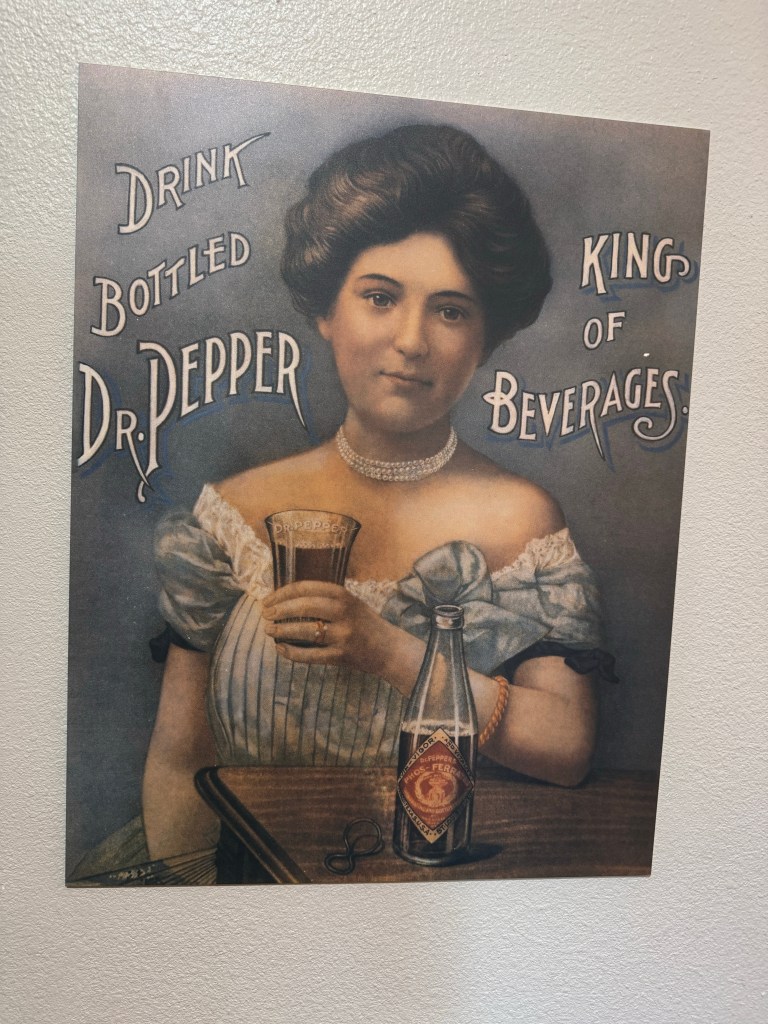
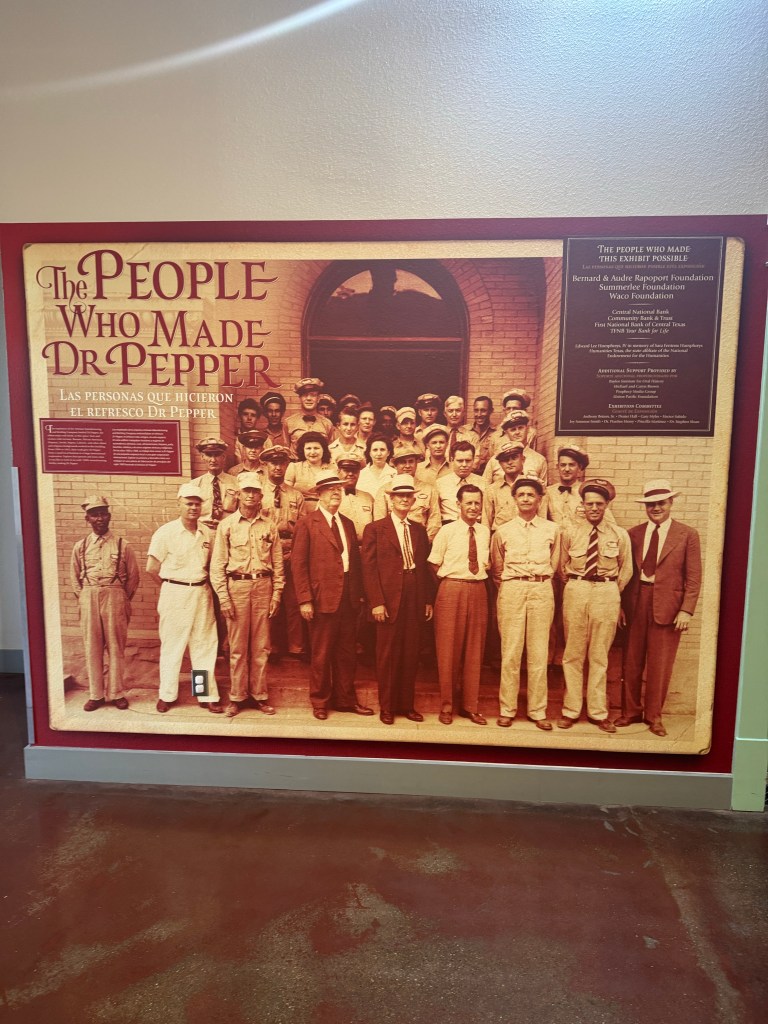
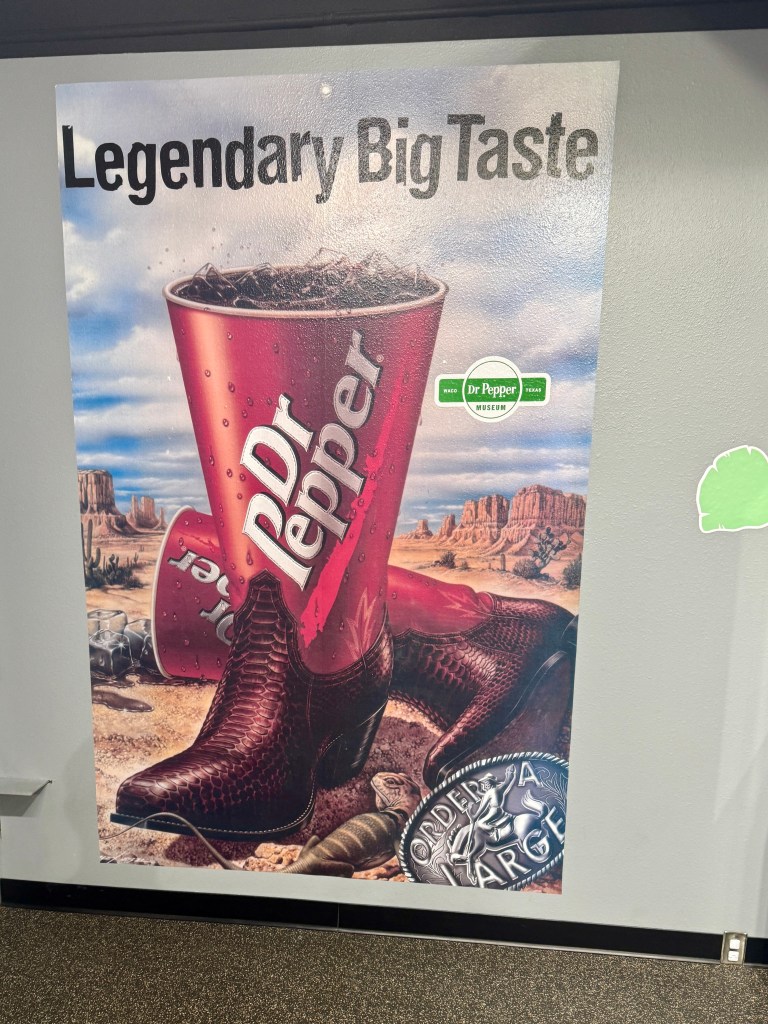
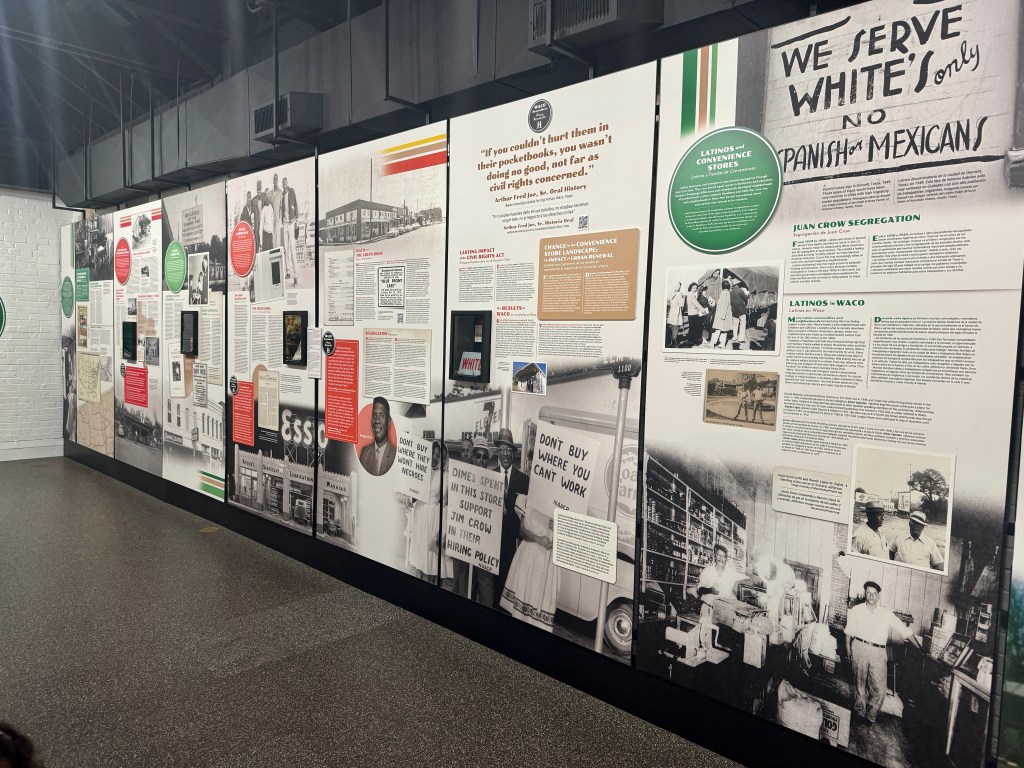
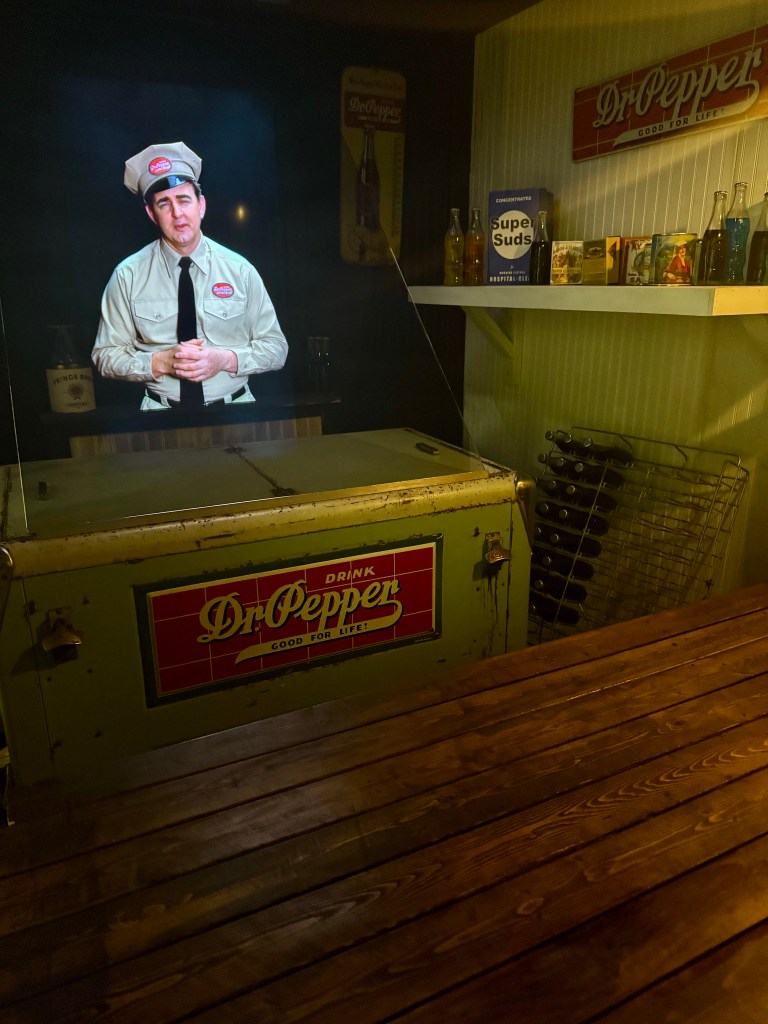
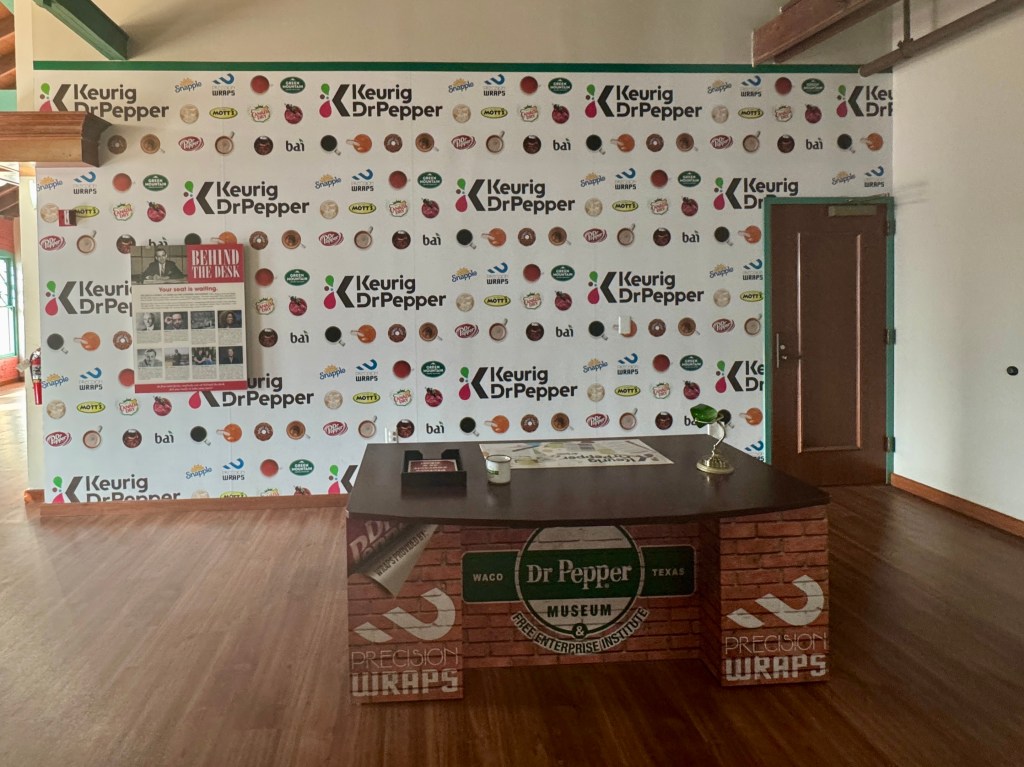
🥤 A Sip of Nostalgia at the Dr Pepper Museum

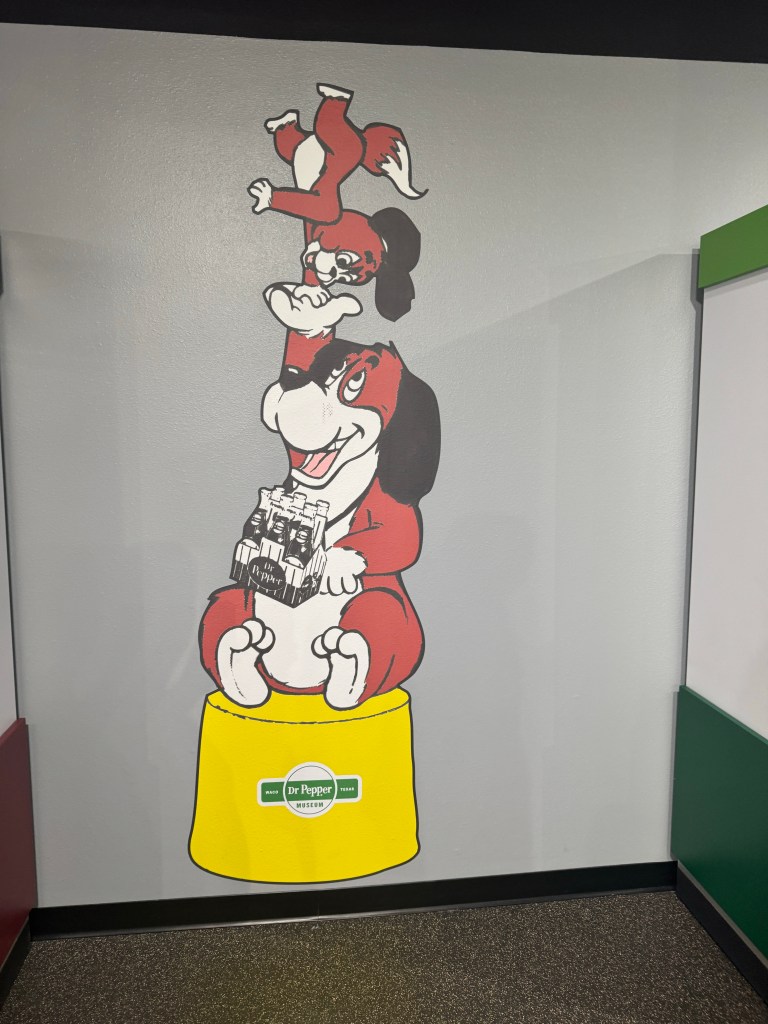
No trip to Waco is complete without a visit to the Dr Pepper Museum. While our toddler didn’t quite grasp the history of one of Texas’s most iconic drinks, she definitely loved the colorful displays and the cool retro soda fountain vibe. And let’s be honest — we adults enjoyed the throwback just as much.


🍝 Dinner Dreams at Baris

To wrap up our day, we sat down for dinner at Baris, a cozy Italian spot that locals love (and now we know why). The pasta was rich and comforting, the garlic rolls were addictive, and the staff made us feel right at home even with a wiggly toddler at the table. There’s something about sharing a hearty meal after a day of walking and laughing that makes it taste even better.


It wasn’t a fancy vacation or a long drive — just a simple day trip. But it reminded us of the beauty in small adventures. In discovering new places through the eyes of our daughter. In hearing her squeals of joy echo through a zoo, a park, a museum. In ending the day around a table, tired but content, hearts full!

Nice People vs Kind People

We’ve been taught to be nice 

But high emotional intelligence asks something deeper

Nice is agreeable, accommodating, easy to work with

It keeps the peace.

Kindness is emotional intelligence in action: 

Grounded, boundaried, and deeply intentional.

Niceness is people pleasing

Kindness transforms companies, careers, and lives

Here’s how kind people truly set themselves apart:

Likeability

↳ Nice people seek to be liked

↳ Kind people build trust and respect

Tough Conversations

↳ Nice people avoid hard conversations

↳ Kind people lean into them with care

Feedback

↳ Nice people give praise to keep the peace

↳ Kind people offer honest feedback that supports growth

Boundaries

↳ Nice people say yes to avoid guilt

↳ Kind people set clear, respectful boundaries

Self-Care & Wellbeing

↳ Nice people overextend to prove worth

↳ Kind people protect energy to stay present

Accountability

↳ Nice people ignore issues to avoid conflict

↳ Kind people address behavior to protect trust

Emotional Awareness

↳ Nice people suppress emotions to appear calm

↳ Kind people stay present with emotion, not ruled by it

Decision-Making

↳ Nice people choose comfort over clarity

↳ Kind people make values-aligned decisions

Your power isn’t in being nice. 

It’s in being deliberately, unapologetically kind. 

Nice keeps the peace. Kind protects what matters.

In a world where you can be anything, be kind.