When passionate people go silent, your culture is broken.

Ever notice how the most engaged, idea-driven employees suddenly stop contributing?

They used to challenge the status quo.

Now, they just sit back.

They don’t push for change anymore.

This isn’t just burnout. 

It’s a red flag.

Here are 5 reasons why passionate employees stop speaking up:

1. They feel unheard.

↳ Their ideas get dismissed or ignored. 

↳ Over time, they learn their input doesn’t matter.

2. There’s too much politics.

↳ They have to play politics to get ideas approved.

↳ Passionate people just want to create, not win popularity contests.

3. Processes block progress. 

↳ Innovation gets stuck behind red tape.

↳ Bureaucracy kills the passion that fuels breakthroughs.

4. There’s no psychological safety.

↳ Speaking up feels risky. 

↳ They worry about being judged for having a different opinion.

5. Leaders don’t walk the talk.

↳ When leaders say one thing but do another, trust erodes. 

↳ Passion dies when trust disappears.

As a leader, bringing back passion starts with you:

↳ Listen more. Judge less.

↳ Cut the red tape that’s blocking progress.

↳ Reward bold thinking and experimentation.

↳ Admit your mistakes.

↳ Trust your team. Empower them with autonomy.

A vibrant culture needs passionate voices.

Don’t let bureaucracy silence yours.

Howdy from Paris

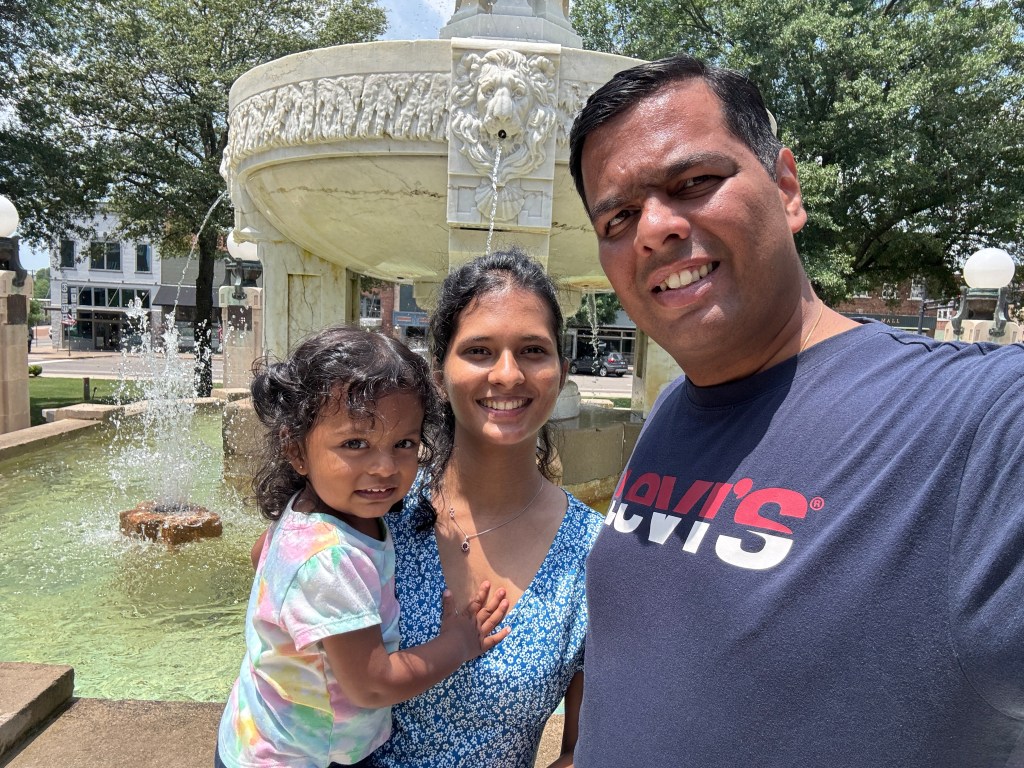
If you’re looking for a small-town escape with big personality, our family’s day trip from Dallas to Paris, Texas hit all the right notes—from meaningful moments to quirky fun.

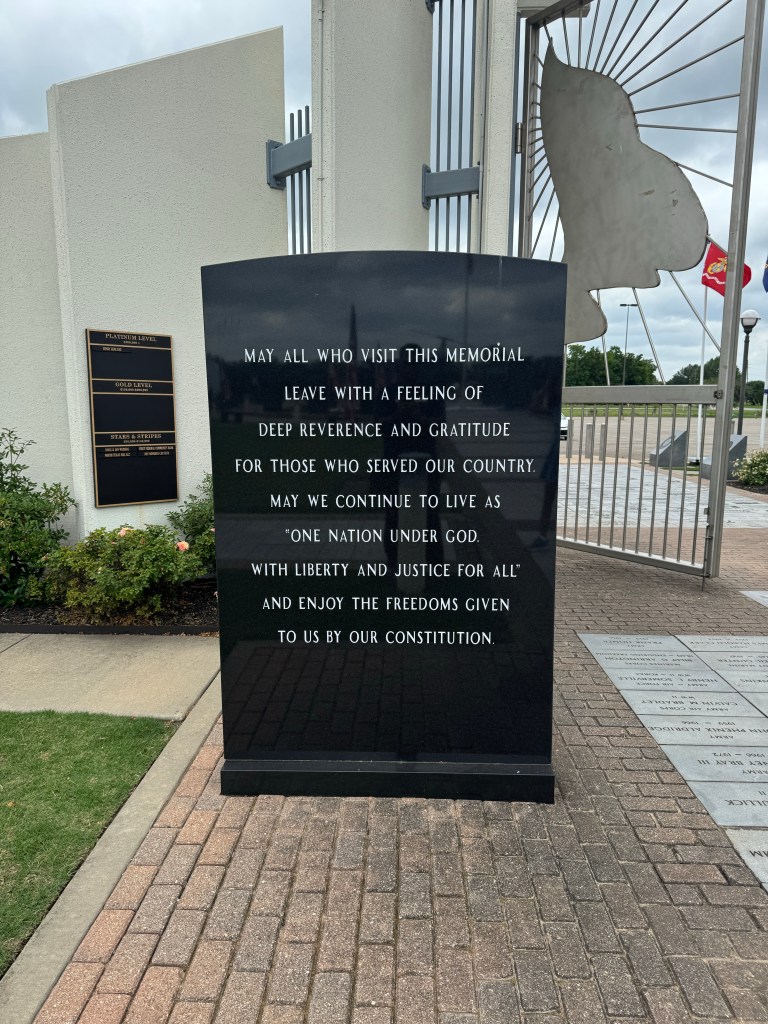
Honoring Heroes: Red River Valley Veterans Memorial

Our first stop was the Red River Valley Veterans Memorial, and it was easily the most moving part of our visit. Surrounded by peaceful grounds and granite walls etched with names, the memorial pays tribute to veterans from all branches of the military. Walking through it as a family gave us a chance to pause, reflect, and teach our little one the importance of service and sacrifice.


The Eiffel Tower… With a Cowboy Hat

Just next door stands one of Texas’s best photo ops: the Paris Eiffel Tower—a 65-foot replica proudly topped with a bright red cowboy hat. It’s a fun, tongue-in-cheek landmark that adds just the right amount of humor to this Texas twist on a French icon.


A Relaxing Park Escape

We wrapped up our visit at the nearby park, enjoying the shaded paths, open green spaces, and fresh air. It was the perfect place to let the kids run around while soaking in the small-town charm.


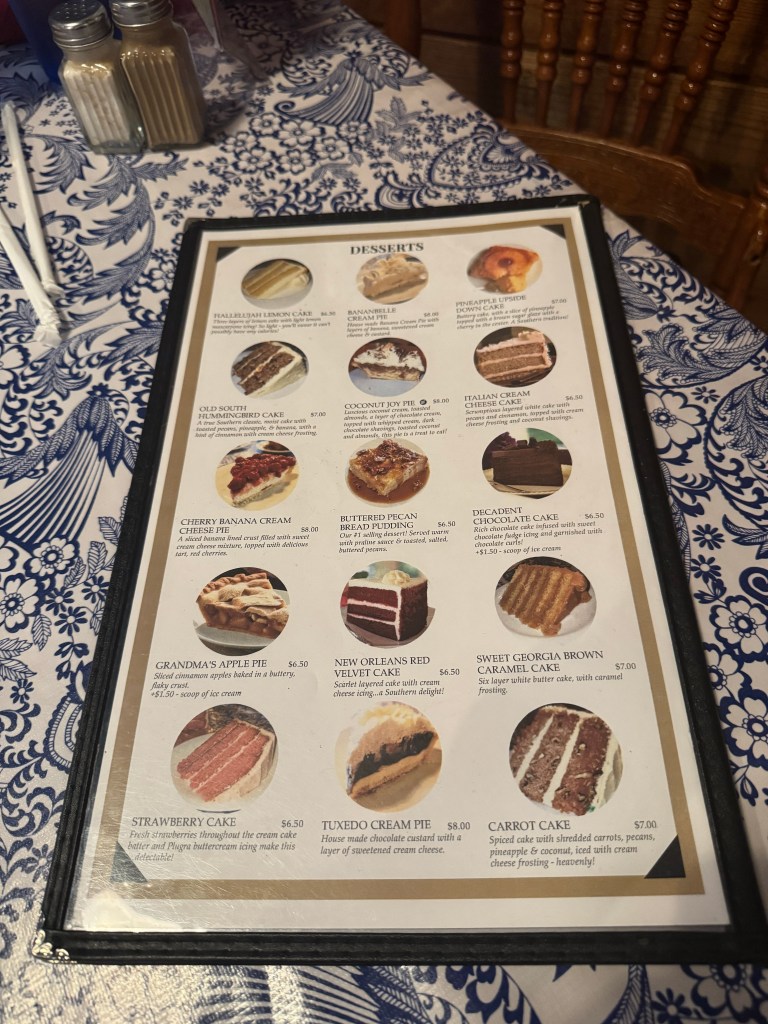
After a good afternoon nap, we visited another park in the evening before heading to a sumptuous dinner at High Cotton Kitchen. The cozy, inviting atmosphere and Southern-inspired menu hit the spot. From perfectly fried chicken to melt-in-your-mouth pork tenderloin, every bite was packed with flavor. We had a hard time choosing our dessert from the mouth watering list. The service was warm and friendly, making us feel right at home—just like the rest of Paris, Texas.


Paris, Texas gave us a day full of simple joys, meaningful moments, and smiles all around. Definitely worth the drive.

10 Career Lessons You Learn Too Late

(Don’t wait until it’s too late.)

Most people only realize these truths after losing years—or even decades—of their career:

1️⃣ Your company isn’t loyal.

→ Loyalty goes to profits, not people. Always build your career on value—not promises.

2️⃣ Hard work alone won’t get you promoted.

→ Promotions go to visible impact, not quiet effort.

3️⃣ Job titles don’t equal influence.

→ People respect actions and results, not titles.

4️⃣ Busy isn’t successful.

→ Impact means doing fewer things, better—not doing everything.

5️⃣ Feedback isn’t personal.

→ Real growth comes from feedback, not praise. Embrace criticism.

6️⃣ You won’t succeed alone.

→ Lone wolves burn out. The best careers grow through relationships.

7️⃣ Perfectionism slows you down.

→ Real success comes from speed, iteration, and improvement—not perfection.

8️⃣ Your network is your net worth.

→ Great opportunities are never advertised. They’re shared privately.

9️⃣ Great careers have boundaries.

→ Burnout doesn’t build careers. Clear boundaries and deliberate rest do.

🔟 Waiting to be noticed guarantees invisibility.

→ Self-advocacy isn’t optional. It’s essential.

Don’t waste years learning these the hard way.

Read this twice—then adjust accordingly.

12 Phrases To Use Under Pressure

It takes 7 words to destroy a career

you spent 30 years building.

We’ve all done it in the heat of the moment:

❌ Said something we’ve regretted 

❌ Snapped at a colleague when stressed

❌ Sent that angry email we wish we could unsend

The brutal truth:

The words you choose under pressure

can make or break your career.

Over 90% of top performers are emotionally intelligent.

✅ They choose wisely.

✅ They don’t react.

✅ They respond.

Regaining control before you respond is key.

Here’s how:

1/ Pause and Breathe

Take 6 slow breaths to calm your mind.

2/ Count to 10

Count to 10 before you say or do anything.

3/ Notice 5 Things

Notice five things you can see, hear, or feel around you.

4/ Ask Yourself Questions

Is this helpful? What will make this better?

5/ Walk Away if Needed

Step away to cool down before reacting.

6/ Use Positive Self-Talk

Say, “I can handle this” or “Stay calm.”

7/ Accept Your Feelings

Feelings pass. Don’t fight them; just let them be.

Remember:

Pressure passes.

Your words last forever.

Choose your response wisely.

Don’t Overthink, Jump

We’ve all been there.

Staring at the edge of a decision, toes curled over the ledge of change, heart pounding with the weight of what if. Whether it’s switching careers, starting a business, leading a new initiative, or even speaking up in a crowded room—there’s a moment of fear before every leap.

And it’s in that moment that Eric Partaker’s words hit like a truth bomb: when it feels scary to jump, that is exactly when you jump.

Not when it’s safe. Not when it’s comfortable. Not when all the lights are green. But when it’s scary.

Because that fear? That’s not a stop sign—it’s a compass.


Fear as a Signal, Not a Wall

We often mistake fear for a red flag. In reality, fear is often a signal that we’re brushing up against the edge of our potential. It’s the body’s way of saying, “You’re about to step into something that matters.”

When you feel fear about something that isn’t life-threatening—like giving a talk, submitting your work, or saying yes to a leadership role—it usually means that there’s growth on the other side.

And if we don’t jump?

We stay stuck. Comfortable, maybe. But also limited.


The Loop of Familiarity

Life has a way of creating loops. Same job. Same doubts. Same missed opportunities. Same reasons for not starting.

Breaking that loop means breaking the pattern. And that means doing the one thing that feels most uncomfortable: leaping.

You might not land perfectly. You might tumble. But each jump teaches you something new—about yourself, about your resilience, about what’s possible.

And slowly, fear loses its power. Not because it disappears, but because you’ve learned it’s not the enemy.


The Magic of the First Jump

The first time you say yes in the face of fear, something shifts. You realize the ground doesn’t give way. In fact, it often rises to meet you.

The project you thought you weren’t ready for? You figure it out.
The new role you feared you’d fail in? You grow into it.
The conversation you were dreading? It clears the air.

Each leap builds a new layer of self-trust. And that’s where transformation begins.


Fear will never vanish. And that’s okay. If anything, it means you’re aiming high enough.

So next time you feel that flutter in your stomach, that doubt in your mind, that “Am I ready?” voice whispering—

Remember: the jump is the breakthrough.

Staying in the same place might feel safe, but growth? Purpose? Impact?

They live on the other side of the leap.


What’s Your Jump?

What leap have you been hesitating to make? Career change? Creative project? Leadership role? Write it down. Sit with it. Then, when the time comes…

Jump.

8 Soft Skills that make you an Exceptional Leader

No one is born an exceptional leader. 

But you can become one by developing these 8 skills:

Many leaders tend to focus on strategy.

Exceptional leaders focus on people as well.

Because people don’t follow titles,

they follow leaders who understand them.

Want to grow in your leadership?

Start with these 8 soft skills:

1. Emotional Intelligence

↳ Leadership is about people, not just processes.

↳ Before reacting, pause and consider their perspective.

2. Clear Communication

↳ Say less, mean more.

↳ Summarize key takeaways after every meeting.

3. Decisiveness

↳ Confidence isn’t about having all the answers,

it’s about taking action.

↳ Focus on the next best step, not perfection.

4. Resilience

↳ Setbacks happen. Great leaders grow from them.

↳ Ask yourself: “What can I learn from this?”

4. Adaptability

↳ Change is constant. Leaders evolve with it.

↳ Challenge your own assumptions often.

6. Influence

↳ Inspire action through trust, not control.

↳ Connect decisions to a bigger purpose.

7. Conflict Resolution

↳ Turn disagreements into progress, not problems.

↳ Focus on shared goals, not personal opinions.

8. Self-Awareness

↳ Know your strengths. Own your weaknesses.

↳ Ask for feedback, and act on it.

But here’s what sets great leaders apart… 

They never stop learning.

The more you practice these skills,

the more confident and connected your leadership becomes.

Because leadership isn’t about knowing everything.

It’s about growing every day.

Which skill are you working on right now?

Kaizen – 7 Steps for Continuous Improvement

The Japanese art high performers use to improve.

Kaizen comes from two Japanese words: 

‘kai’ meaning ‘change’ and ‘zen’ meaning ‘good.’

Kaizen means making small changes for the better.

Use it for:

↳ Personal habits

↳ Work processes

↳ Teams and organizations

It’s what Toyota’s top leaders swear by:

↳ The power of 1% daily improvements

↳ That compounds into massive results

7 Steps High Performers Use To Compound Improvement:

1/ Standardize Your Process

↳ Map out your current workflow

↳ Document what works and what doesn’t

↳ This gives you a baseline for improvement

2/ Make Problems Visible

↳ Small issues become expensive later

↳ Acknowledge problems when they occur

↳ Ask: “What frustrates you most today?”

3/ Attack Issues Immediately

↳ Don’t let problems linger

↳ Come up with a plan to solve them

↳ This keeps issues from becoming roadblocks

4/ Find the Root Cause

↳ Don’t just treat the symptoms

↳ Look for patterns, not just problems

↳ This prevents the core issue from repeating

5/ Propose Your Solutions

↳ Don’t dive in headfirst

↳ Plan out your controlled test solution

↳ Learn fast, without risking everything

6/ Test Smart Solutions

↳ Start with low-risk experiments

↳ Measure results obsessively

↳ Get feedback from everyone involved

7/ Lock In Improvements

↳ If the solution works, add it to your process

↳ Document the new standard

↳ Train your team immediately

Kaizen is not just for business.

It’s a way to keep improving in all areas of life.

“The only constant in life is change.” – Heraclitus

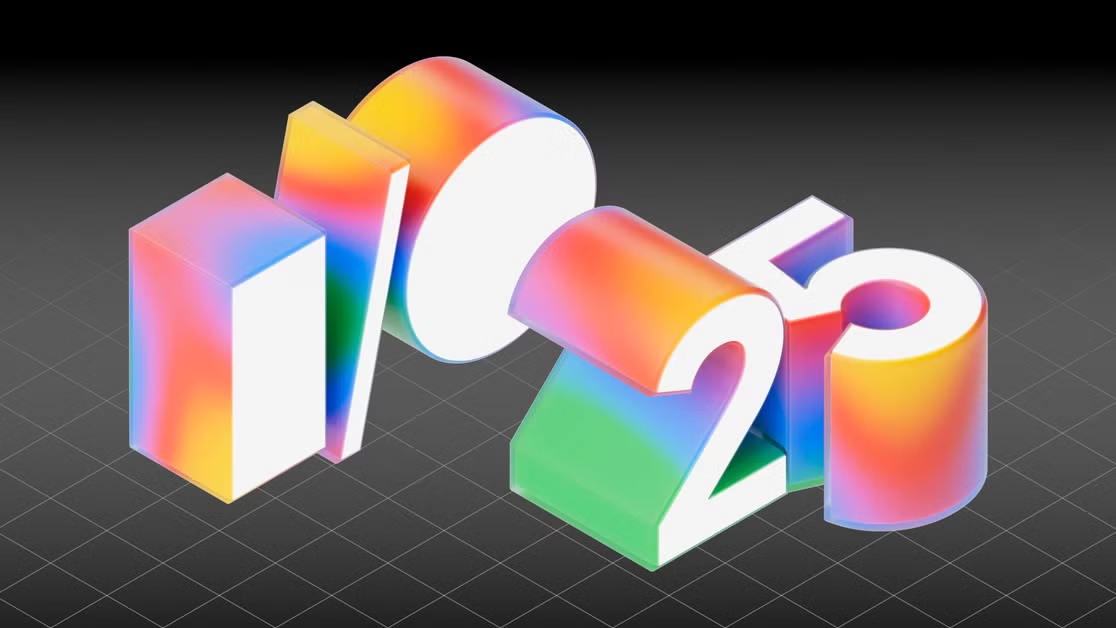
Google I/O 2025: A New Chapter in Everyday AI

Day one of Google I/O 2025 was packed with bold announcements, painting a clear picture: Google is going all-in on AI, not just as a buzzword, but as an everyday utility. Here are the key highlights that caught my attention.

Gemini: Google’s New AI Super Assistant

One of the biggest reveals was Gemini, Google’s next-generation AI assistant that is set to replace Google Assistant.

  • Gemini Live brings the power of real-time interaction by combining your camera, voice, and online information to assist you on the go.
  • In Gmail, Gemini can now generate smart replies that sound just like you by learning your communication style.
  • Google also introduced new subscription models: AI Pro at $20/month and AI Ultra at $250/month, providing different levels of access to advanced capabilities.

This is not just an upgrade; it is a complete reimagining of what a personal digital assistant can be.


Search Gets Smarter with AI Mode

Google’s search experience is also getting a major upgrade with the launch of AI Mode.

  • It allows you to search using conversational prompts, more like talking to a smart friend than typing keywords.
  • You can virtually “try on” clothing or accessories before buying them thanks to AR-based enhancements.

All of this is powered by Gemini 2.5 Pro, which makes these interactions feel more intuitive and human-like than ever before.


New Creative Tools for Developers and Storytellers

Google is not forgetting creators. They announced tools that give creative professionals more power to bring ideas to life:

  • Jules, a new AI pair-programmer for developers which I will be exploring for sure!
  • Imagen 4, capable of generating incredibly detailed images from text prompts.
  • Veo and Flow, tools designed to assist in AI-driven video creation and animation.

Whether you are a developer or a digital artist, these tools aim to supercharge your creative potential.


Smart Glasses and XR Step Into the Spotlight

Google is also exploring the next frontier in wearables.

  • In partnership with Gentle Monster and Warby Parker, they are developing smart glasses that can translate languages in real time, display notifications, and even help you navigate—all without reaching for your phone.
  • The new Android XR platform lays the foundation for extended reality experiences on Android devices, giving a glimpse into immersive, hands-free technology.

AI for Good: Tools That Make a Difference

Beyond convenience and productivity, Google emphasized the role of AI in tackling global challenges.

  • FireSat is a new initiative aimed at detecting wildfires early using satellite imagery and AI analysis.
  • Wing, their drone-based delivery network, is now being positioned to support disaster response and logistics.

This shows Google’s intention to make AI not only powerful, but purposeful.


Google I/O 2025 is not just about future tech—it is about making AI more personal, more helpful, and more integrated into the way we live and work. From productivity to creativity to public safety, Google’s vision for AI is one where it works seamlessly in the background to make life just a little easier—and a lot more interesting.

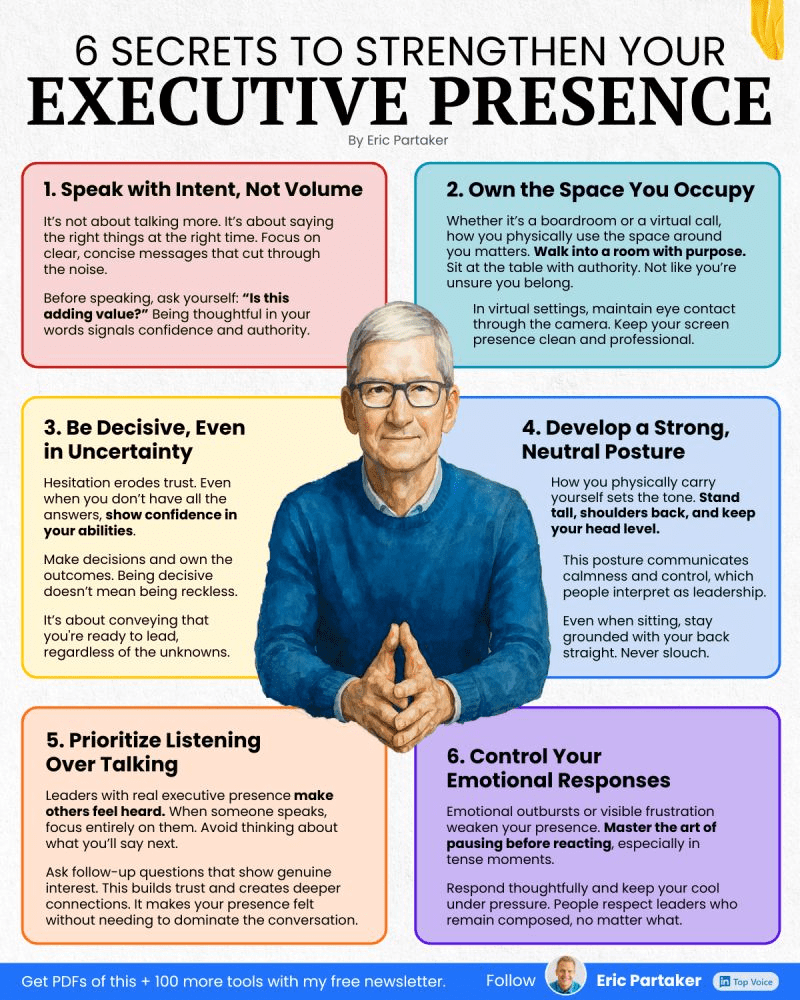
6 Secrets to Strengthen your Executive Presence

Your presence speaks before you do.

But the real question is:

What’s it saying?

If you’re:

— Leading a team

— Hiring top talent

— Raising investment

— Influencing decisions

— Building partnerships

— Presenting to your board

Then executive presence is your silent superpower.

Here’s how to show up like the leader everyone trusts,

before you say a word:

✅ 1. Speak Less, Say More 

People with presence don’t ramble.

They land their message.

Ask: “Is this adding value?”

Make your words do the heavy lifting.

✅ 2. Walk Like You Belong

Presence starts before you speak. 

Walk in with purpose.

Sit like you earned the seat. 

On Zoom? Eye contact. Clean background. Confident posture.

✅ 3. Decide, Even When It’s Hard 

Uncertainty kills trust. 

You don’t need every answer. You need to move. 

Make the call. Own the outcome.

That’s real leadership.

✅ 4. Lead With Posture 

Slouching says: “I’m unsure.” 

Straight back. Shoulders open. Chin up.

Even seated, your body speaks volumes.

Lead with calm, not chaos.

✅ 5. Listen Like It’s Your Job 

Don’t just wait to talk. 

Actually hear them.

Ask sharper questions. 

Trust builds fast when people feel seen.

✅ 6. Control the Heat 

Pressure doesn’t break leaders. It reveals them. 

Pause. Breathe. Then respond. 

Calm earns confidence.

Executive presence isn’t about dominating.

It’s about inspiring confidence.

The strongest leaders don’t need to speak first.

Their presence does the talking.

The Magic of the Unexpected

Life rarely follows our neatly drawn timelines. We plan, we predict, we prepare — and yet, the most incredible things often happen when we least expect them. It’s in the detours, delays, and deviations where the magic hides.

You’ve probably seen it — someone finding love after giving up on dating, landing a dream job after a crushing rejection, or discovering a hidden talent during a season of loss. These moments feel random, almost mystical. But they’re not accidents. They’re part of the bigger picture you haven’t seen yet.

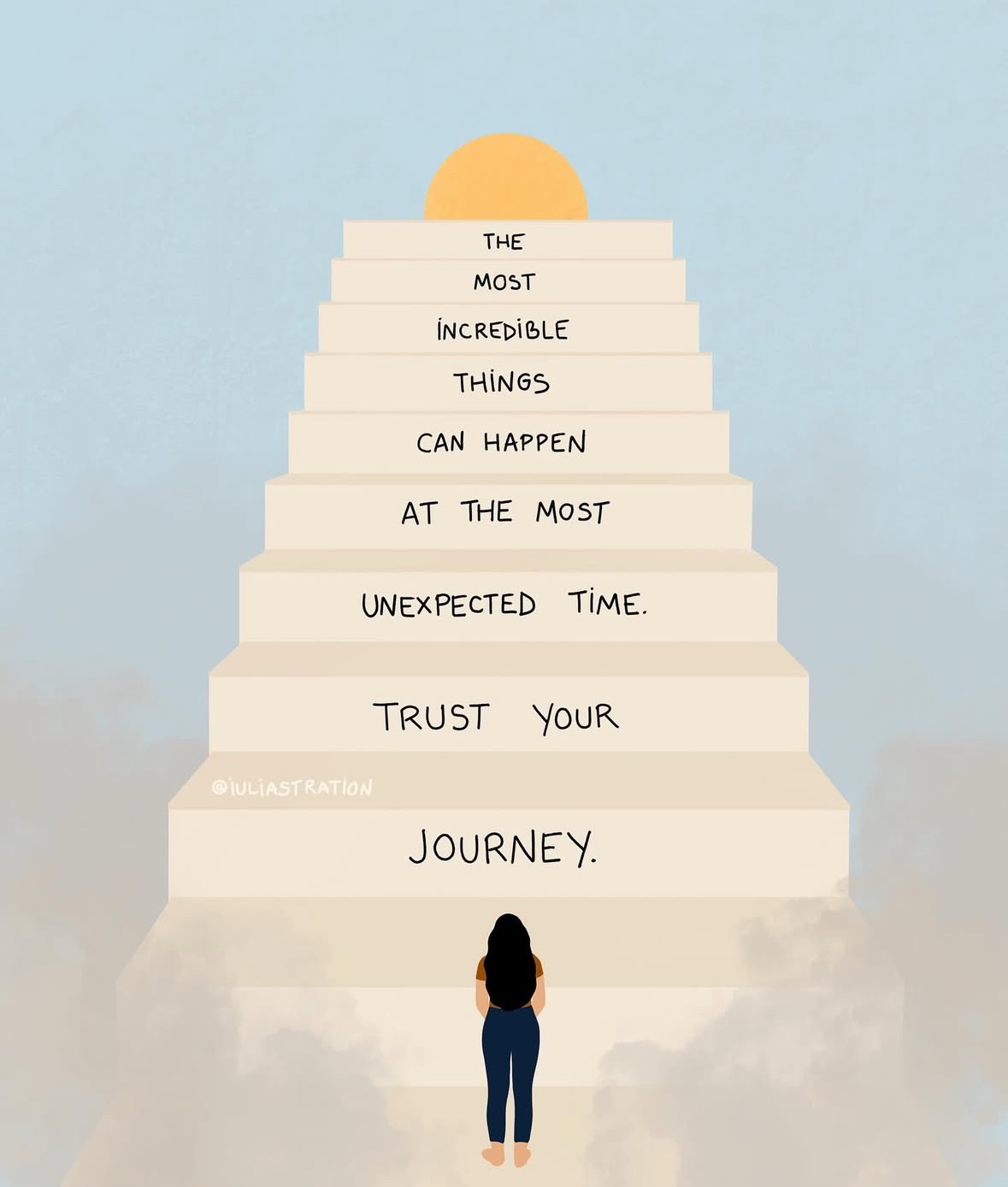
“THE MOST INCREDIBLE THINGS CAN HAPPEN AT THE MOST UNEXPECTED TIME. TRUST YOUR JOURNEY.”

This simple, powerful truth is more than just an inspirational quote — it’s a reminder to keep walking, even when the road is foggy.


Why Trusting the Journey Matters

The “Plan” Isn’t Always the Path: What we want isn’t always what we need. Life’s twists reroute us toward something greater. Timing is Everything: Just because something hasn’t happened yet doesn’t mean it won’t. Sometimes, the delay is a divine setup. Growth Happens in the Waiting: Seasons of uncertainty often shape our character, resilience, and clarity.


Embracing the Unexpected

Stay Open: The best things don’t always come in the package you imagined. Be Present: What’s happening now is preparing you for what’s coming next. Let Go of the Timeline: Trust that everything is unfolding exactly when it should.

So if you’re in a season of uncertainty or things aren’t going according to plan — breathe. You’re not lost. You’re just in the middle of your story.

Keep moving. Keep trusting.

Because the most incredible things can — and will — happen at the most unexpected time.