How to Create a Professional Development Plan

❓STEP 1: WHAT ARE MY CAREER ASPIRATIONS?

Reflect on where you want to be in the short & long term. This could involve advancing in your current field, transitioning to a new industry, or developing specific skills. Clarity in your goals sets the foundation for your PDP.

❓STEP 2: WHAT IS MY SWOT?

An introspective look at your Strengths, Weaknesses, Opportunities, & Threats can provide a realistic view of your professional landscape & highlight areas for growth.

❓STEP 3: WHAT ARE MY KEY PERFORMANCE METRICS?

Key performance objectives should be Specific, Measurable, Achievable, Relevant & Time-bound (SMART). They might include achieving certain sales targets, completing specific projects, or improving certain skill sets.

❓STEP 4: WHAT ARE MY KEY PROJECTS?

Identify key projects that align with your career goals & performance objectives. These projects should challenge you, contribute to your own success as well your organization’s success, & ideally raise your visibility. 

❓STEP 5: HOW WILL I NURTURE KEY RELATIONSHIPS?

Identify & nurture relationships with mentors, supervisors, direct reports, & key stakeholders. These relationships provide support, guidance, feedback, & can open doors to new opportunities.

❓STEP 6: WHAT DO I NEED TO LEARN?

List the training programs, workshops, certifications, or educational courses that will equip you with important skills and/or knowledge. Prioritize them based on their relevance to your goals & the value they add to your career.

❓STEP 7: WHAT MENTORING OR COACHING DO I NEED?

Regular interaction with a coach and/or mentor can accelerate your growth.

❓STEP 8: HOW WILL I BUILD MY NETWORK?

Effective networking is about quality connections rather than quantity. Focus on building a network that is relevant to your career goals. Attend industry events, participate in professional groups, & engage in online platforms to establish & nurture these connections.

❓STEP 9: WHAT IS MY TIMELINE? WHAT MILESTONES WILL I SET?

A timeline with specific milestones turns your plan into actionable steps. Set deadlines for achieving your performance objectives, completing key projects, & undertaking training programs. 

❓STEP 10: REVIEW AND REVISE REGULARLY

Regularly review your PDP to assess progress, reflect on learning, & make necessary adjustments. As your career evolves, your PDP should also evolve to reflect new goals, challenges, & opportunities.

Future You Called — Said Stop Stressing

There’s a quiet kind of power in the quote:

“One day you will look back and wonder why you ever worried.”

It hits differently depending on where you are in life. Maybe you’re in the middle of something uncertain right now — a job change, a health scare, a relationship decision, or just trying to juggle all the chaos life throws at you. The worry feels real, valid, even necessary. But this quote? It’s not about dismissing that worry. It’s about offering a subtle promise: This too shall pass.

We spend so much of our time imagining the worst-case scenarios. Our minds, wired for survival, tend to spin stories of what-ifs and oh-nos. But the truth is, more often than not, the storms pass. The dots connect. Things work out — maybe not the way we pictured, but often in ways we never saw coming.

Think about it. How many moments in your past felt like the end of the world then… but are just funny stories now? Or gentle lessons you’re grateful for?

This quote is your reminder — and mine — to zoom out. To remember that worry rarely changes outcomes, but it always steals the joy of the present. Your future self already knows how this chapter ends. And guess what? They’re smiling.

So the next time your mind starts spinning, whisper this to yourself:

“One day I’ll look back and laugh at this. So maybe today, I’ll breathe instead.”

Hold on. Keep going. The best chapters are still being written.

Story Telling Frameworks

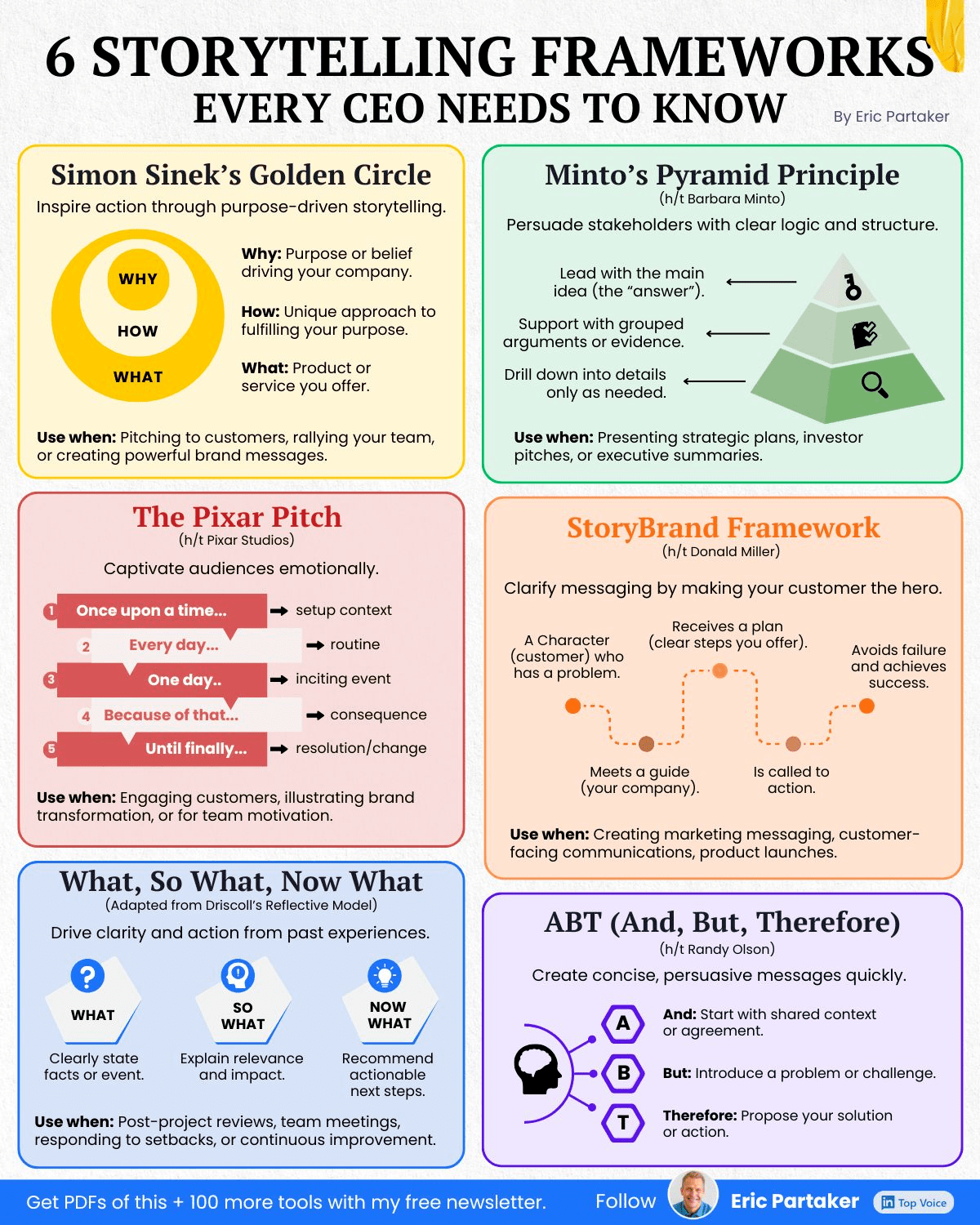
6 storytelling frameworks you need to know.

Most CEOs get storytelling wrong.

And it’s costing them millions.

I’ve seen brilliant ideas die in boardrooms.

Watched potential investors check their phones.

Noticed employees’ eyes glaze over during speeches.

Not because the ideas were bad.

But because the story wasn’t there.

These 6 frameworks change everything:

1) Simon Sinek’s Golden Circle

↳ Don’t start with what you do. Start with WHY you do it.

↳ Then explain HOW you do it differently.

↳ Only then share WHAT you actually offer.

When Airbnb pitches, they don’t just say “we rent rooms.”

They start with “we create belonging.”

2) Minto’s Pyramid Principle

↳ Hit them with your main point first.

↳ Support it with clear evidence.

↳ Add details only if they ask.

Your busy stakeholders will love you for this.

No more waiting until slide 20 for the punchline.

3) The Pixar Pitch

↳ “Once upon a time…” (set the scene)

↳ “Every day…” (show the problem)

↳ “Until one day…” (introduce your solution)

↳ “Because of that…” (share the impact)

↳ “Until finally…” (reveal the transformation)

This structure is pure magic for showing

your company’s journey or vision.

4) StoryBrand Framework

↳ Your customer is Luke Skywalker

↳ You’re Yoda, the guide

↳ Show them how to win

Stop making your company the hero. It’s not about you.

5) What, So What, Now What

↳ State the facts clearly

↳ Explain why anyone should care

↳ Define the next steps

Perfect for turning quarterly reports from sleep aids

into action drivers.

6) ABT (And, But, Therefore)

↳ Set up what everyone agrees on

↳ Introduce the challenge

↳ Present your solution

When you need to be quick and compelling,

this is your go-to.

In today’s world, the best story wins.

It wins the talent.

It wins the customers.

It wins the investment.

Your brilliance deserves a story that matches it.

Master these frameworks, and watch what happens to:

Your impact.

Your influence.

Your bottom line.

Build 2025: AI Agents, Open Web, and the Future of Dev Workflows

Microsoft Build 2025 just wrapped, and it’s clear: we’re entering the age of AI agents, open platforms, and developer-first tooling. Here’s a quick rundown of what went down and what it means for us as developers.

AI Agents: From Assistants to Autonomous Collaborators

The star of the show was the rise of “agentic AI.” Microsoft CTO Kevin Scott revealed that usage of AI agents has more than doubled since last year. These agents are evolving from simple assistants to autonomous collaborators that can handle delegated human tasks. Microsoft’s vision is to build an open “agentic web” where these AI agents can perform tasks and make decisions for users and organizations.


GitHub Copilot Levels Up

GitHub Copilot is no longer just a code completion tool. It now includes an AI coding agent that can autonomously perform tasks such as fixing bugs, adding features, and enhancing documentation. The agent activates once assigned a task by the user, launching a virtual machine, cloning the code repository, analyzing the codebase, and documenting its decision-making process. Upon completing the task, it notifies the developer for review and can respond automatically to comments. This feature is available to Copilot Enterprise and Copilot Pro Plus users.


On-Device AI in Edge: Smarter Web Apps

Edge is getting a significant AI boost with the integration of Microsoft’s Phi-4-mini model directly into the browser. This enables web apps to perform tasks like real-time translation and content summarization right on the user’s device, enhancing performance and privacy.


Windows AI Foundry & MCP: The “USB-C of AI Apps”

Windows is getting support for the Model Context Protocol (MCP), dubbed the “USB-C of AI apps,” allowing AI applications to connect seamlessly with other software, services, and Windows components. This move is part of Microsoft’s vision for a Windows environment where AI agents play a central, interactive role. To ensure secure implementation, Microsoft is initially releasing MCP support to selected developers.


Copilot Studio: Multi-Agent Orchestration

Microsoft Copilot Studio introduced powerful new features, including multi-agent orchestration, allowing developers to coordinate multiple AI agents to work together on complex tasks. This enhancement aims to provide more maker controls and embedded agent builder enhancements, streamlining the development of AI-powered applications.


Microsoft Discovery: AI for Scientific Innovation

Microsoft unveiled Microsoft Discovery, a new AI tool designed to help further scientific innovations across various fields. It enables researchers to utilize data across multiple AI models for real-world simulations and theoretical research, aiming to accelerate scientific breakthroughs.


What This Means for Developers

For us developers, Microsoft Build 2025 signals a shift towards more autonomous and integrated AI tools that can handle complex tasks, allowing us to focus on higher-level problem-solving. The introduction of open protocols like MCP and projects like NLWeb suggests a future where AI integration becomes more standardized and accessible. With tools like GitHub Copilot’s new capabilities and Copilot Studio’s multi-agent orchestration, our development workflows are set to become more efficient and collaborative.

The future of development is here, and it’s agentic, open, and collaborative. Let’s embrace these changes and see where they take us.

The Psychology of Selling: 9 Hidden Concepts That Influence What We Buy

Ever wondered why you said yes to that subscription, chose the premium plan, or felt like a discount was too good to pass up? It wasn’t an accident—it was strategy. Behind every successful sales pitch lies a bit of psychology, a few clever nudges, and sometimes, a full-blown mental illusion.

Kudos to Tom Pestridge for breaking down 9 powerful concepts that organizations use—knowingly or not—to shape our decisions. From the framing effect to the affordability illusion, these principles are working behind the scenes to guide what we perceive as value, urgency, and even necessity.

Whether you’re in sales, marketing, product design, or just curious about the subtle science of persuasion, these insights will change the way you look at everyday buying decisions. Let’s decode the game.

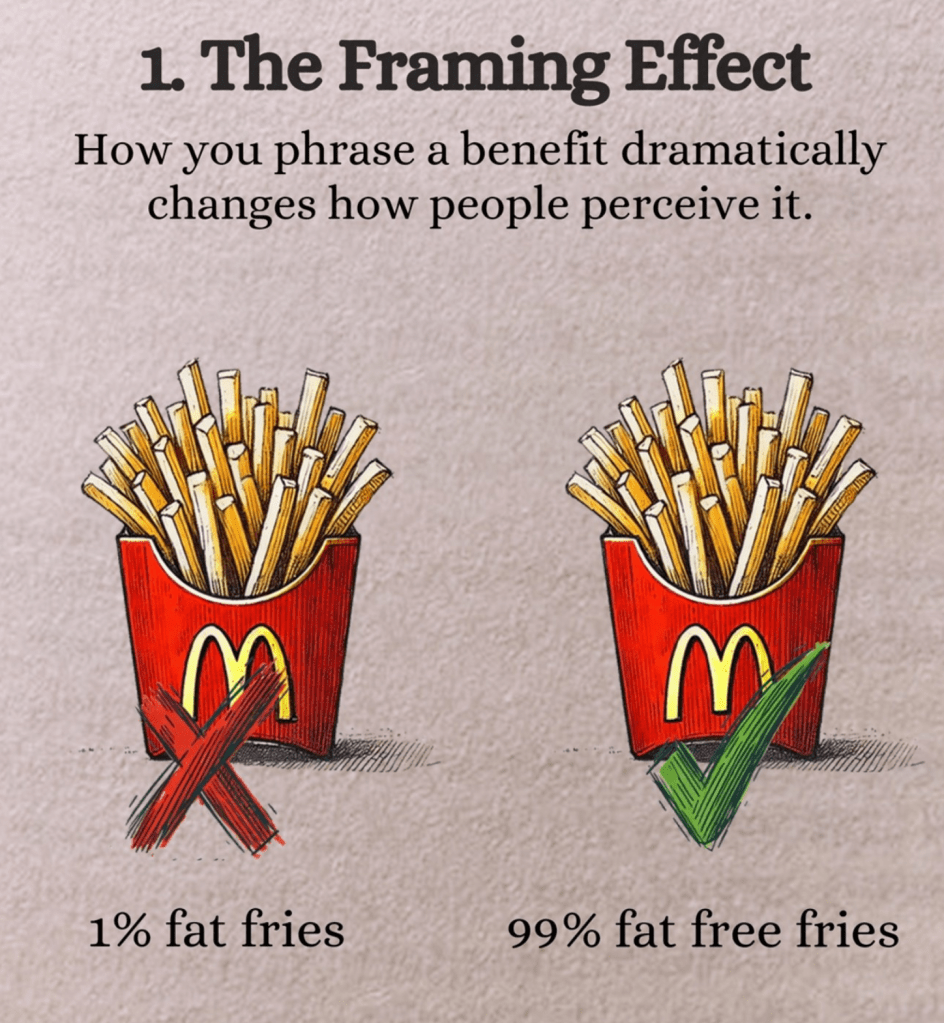
1. The Framing Effect
↳ How you present options shapes what people choose.
↳ Frame benefits strategically to guide decisions.


2. The Affordability Illusion
↳ Big prices feel smaller when broken into chunks.
↳ Break pricing into smaller time units (e.g., per day).


3. The Rule of 3
↳ People never pick the cheapest of several options.
↳ Show three options. Most pick the middle one.


4. The IKEA Effect
↳ We value things we’ve made an effort for.
↳ Let prospects do a (tiny) bit of work upfront.


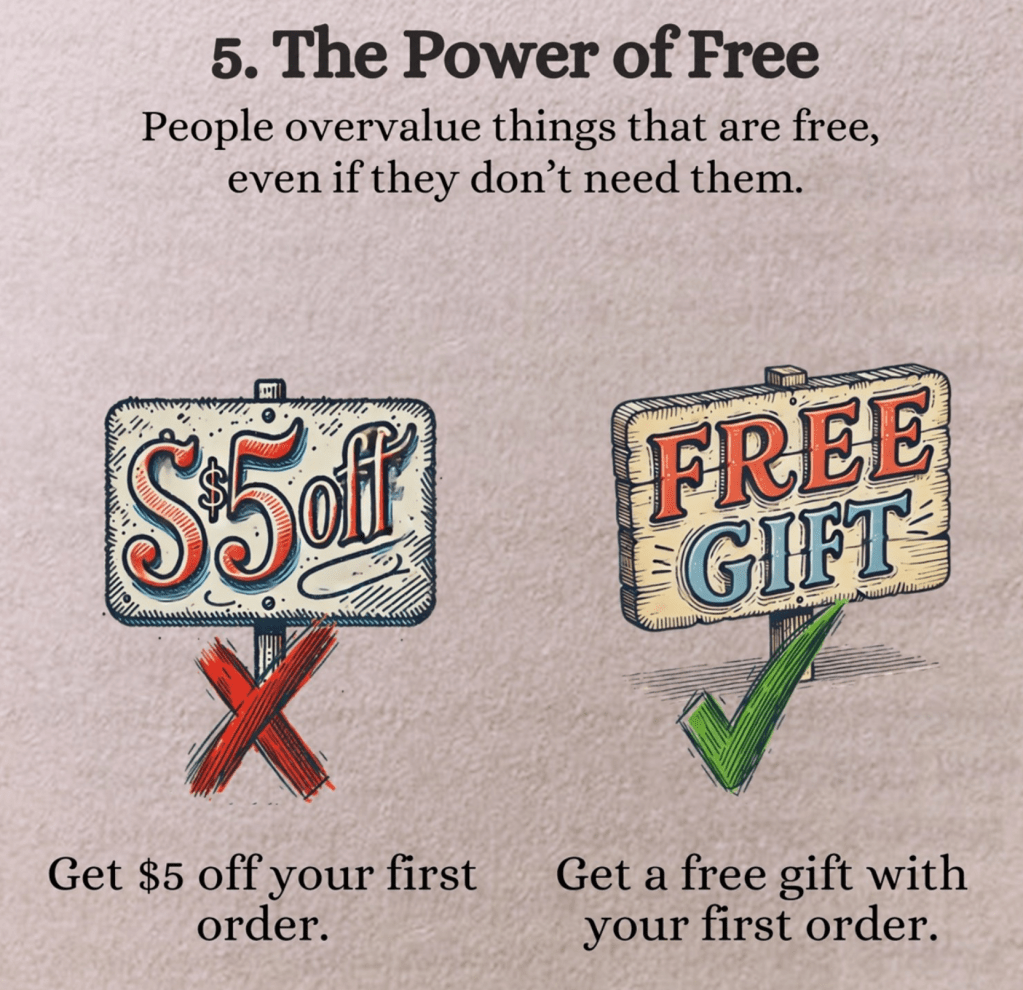
5. The Power of Free
↳ “Free” activates reward centers in the brain.
↳ Add a gift to tip the scale.


6. The Contrast Effect
↳ Prices are judged in relation, not isolation.
↳ Show a premium option to make yours a bargain.


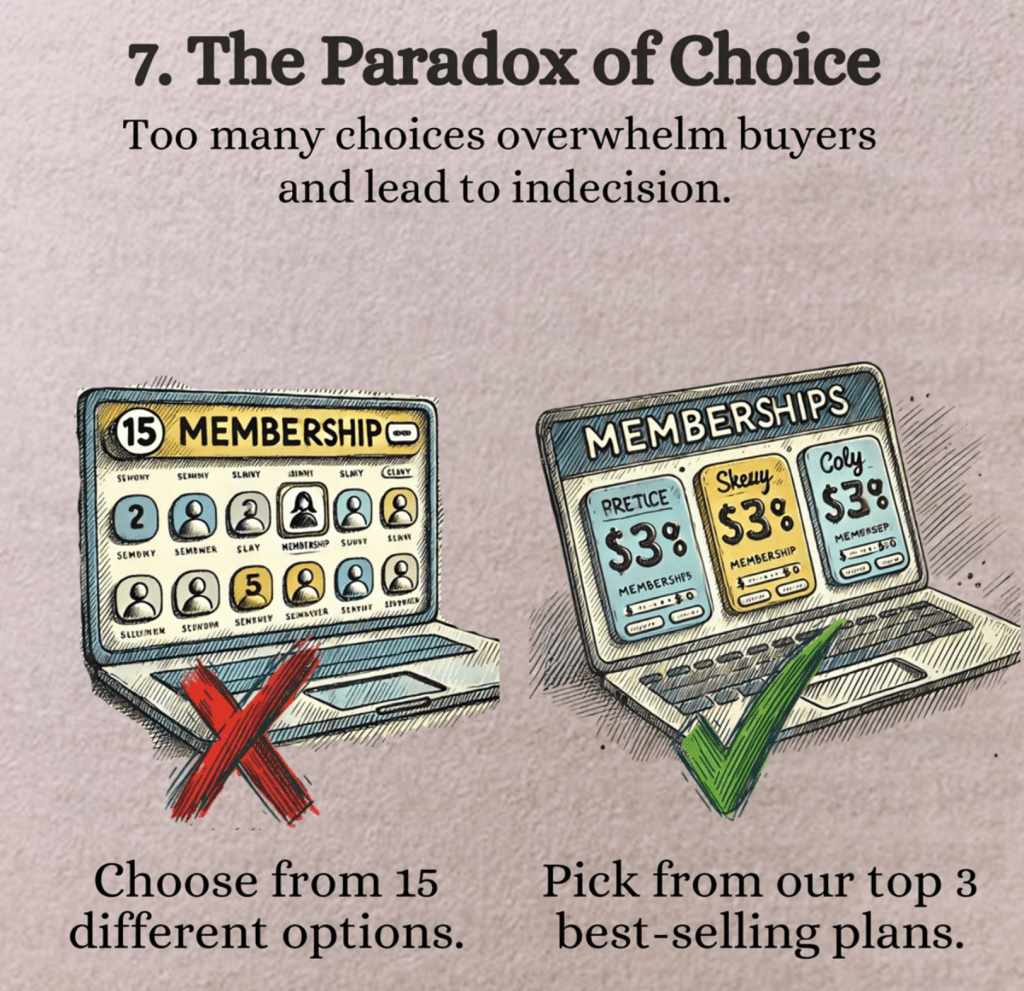
7. The Paradox of Choice
↳ Too many options overwhelm buyers.
↳ Limit choices to reduce indecision.


8. Anchoring Bias
↳ The first price you present sets the bar,
↳ Show a higher price, then your discounted offer.


9. Endowment Effect
↳ We value things more once we own them.
↳ Offer free trials without commitments.


People don’t buy what’s best. They buy what’s best presented. Sales isn’t just about showcasing features or slashing prices—it’s about understanding how people think, feel, and decide. The most successful organizations don’t just sell products; they shape perceptions, guide emotions, and subtly influence choices using principles rooted in psychology and behavioral science.

So the next time you find yourself clicking “Buy Now,” take a moment to ask: What’s really influencing my decision? Because chances are, one of these concepts is hard at work.

And if you’re the one doing the selling—use this knowledge wisely. It’s powerful stuff!

Become an Unstoppable High Performer

By Mastering These 9 Rare Traits today:

– Progressed faster

– Enjoyed their roles more

– Went on to have huge opportunities

Stop worrying about experience.

And focus more on the intangibles. 

Learn these 9 rare traits 

To become the ultimate high performer: 

1. Get sh%t done

↳ Be someone who can get things done without complaint.

↳ Use the 80/20 rule to prioritise the tasks that yield the most reward.

2. Self Awareness

↳ Analyse both your strengths and weaknesses. 

↳ Actively seek to work on and improve the weaker areas.

3. Show Empathy 

↳ Show empathy and respect to everyone you talk to.

↳ Use the empathy framework to fully understand how to give it.

4. Strong Communication

↳ Understand how to communicate ideas to different people. 

↳ Use feedback models to learn how to explain concepts with clarity.

5. Simplify 

↳ Learn to break down complex things into simple bites.

↳ Use the Feynman technique to make simplifying quick and easy. 

6. Emotional Intelligence 

↳ Separate impulsive emotions from decision-making.

↳ Use the 4 branch model to improve your emotional intelligence.

7. Speak Up

↳ Don’t become complacent with unpleasant situations.

↳ See positive change by speaking up for yourself and others.

8. Time Management 

↳ Learn to have complete control over your time and productivity.

↳ Use the Eisenhower Matrix to prioritise, delegate and eliminate tasks.

9. Enjoy Being Wrong

↳ Embrace different viewpoints and take accountability for mistakes. 

↳ Live with a growth mindset and strive to be 1% better every single day.

Remember:

Skills can be taught but attitude can’t. 

Extraordinary Is Overrated: The Quiet Power of Showing Up Every Day

In a world obsessed with overnight success and viral moments, it’s easy to think that greatness is a one-time event. That one extraordinary act, one viral post, or one epic achievement is what separates winners from the rest.

But the truth is much simpler—and far less glamorous.

The people who win in life, in work, and in relationships aren’t necessarily the flashiest. They’re not the ones constantly chasing a spotlight. They’re the ones who do what they said they’d do. Day in. Day out.

They show up.

They show up when no one’s watching.

They show up when the work is repetitive.

They show up even when it’s hard, boring, or thankless.

That’s what builds momentum. That’s what builds trust. That’s what builds greatness.


Reliability Is a Superpower

In a team, we all love the occasional genius—the person who pulls off the miraculous save in the final hour. But give me the teammate who quietly crushes their tasks every single week over the one who makes headlines once in a blue moon.

Because consistency creates compound interest.

When people know they can count on you, they give you more responsibility. More trust. More opportunities. Not because you wowed them once, but because you’ve made excellence a habit.

Excellence Isn’t a Performance—It’s a Practice

Anyone can be extraordinary once.

The real challenge?

Being consistently good.

There’s a quiet, almost boring nobility to it. Writing the code. Answering the support tickets. Following up on action items. Keeping your word when it’s easier to flake. This isn’t glamorous, but it’s how things get built. Relationships. Products. Reputations.

The most respected professionals in any field got there not by a one-time spark of brilliance, but by stacking days of reliability on top of each other.


When No One’s Watching

There’s something profoundly character-defining about doing your best even when there’s no audience. When the reward is delayed. When the only person who knows what you did is you.

That’s integrity.

And here’s the thing: the world does notice. Maybe not today. Maybe not tomorrow. But people remember who shows up. Especially when it’s hard.

The foundation of trust is not performance, it’s consistency.


So, What’s the Secret?

The secret to winning isn’t to chase viral.

It’s to build daily.

To make showing up your identity.

To become the kind of person who’s known for doing what they said they’d do.

And if that sounds too simple or too small—just remember:

Mountains are moved one shovel at a time.

So the next time you’re tempted to chase extraordinary, remind yourself:

“You’ll achieve much more by being consistently reliable than by being occasionally extraordinary.”

Because being extraordinary once makes you a moment.

But being reliable makes you a force.

LA Diaries: Day 4 – Sun, Stars & a Heartwarming Reunion

If I had to pick one word for Day 4 of our LA trip, it would be: connection.

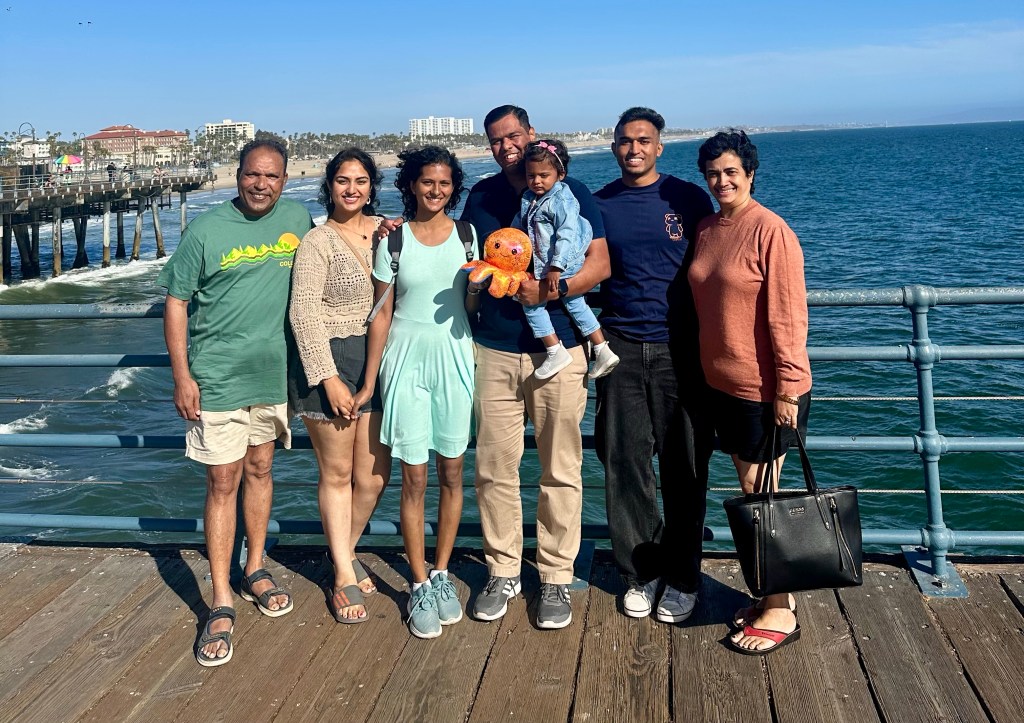
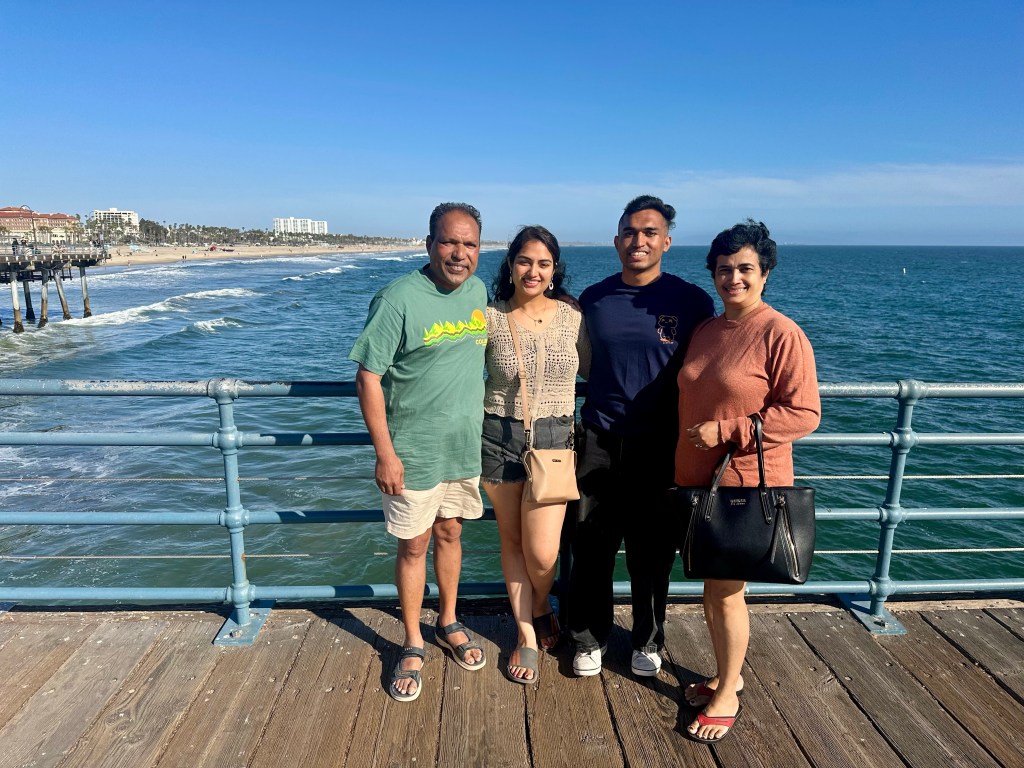
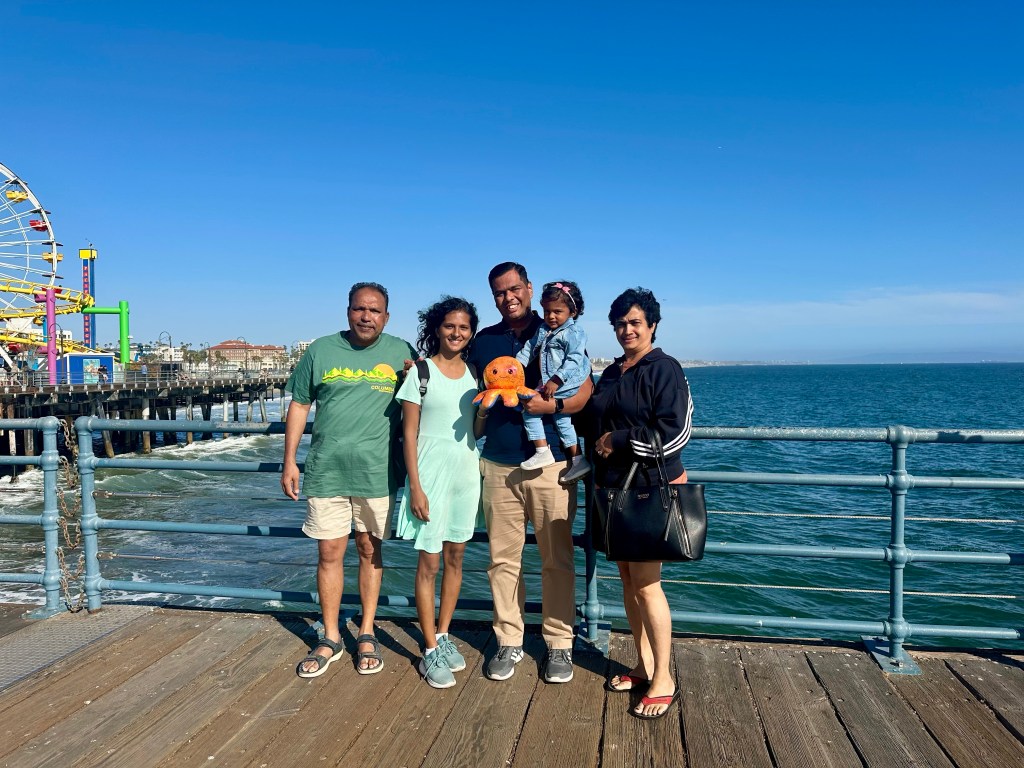
We kicked off the day with that quintessential Southern California experience — a morning at the Santa Monica Pier. The sun was out in all its glory, casting that dreamy golden filter over the Pacific. The ocean breeze, the sound of waves crashing under the wooden pier, and the laughter of families on the rollercoaster instantly set the tone for a laid-back, feel-good morning.

We strolled past the street performers and candy-colored game booths, and watched the iconic Ferris wheel go round and round. My daughter was mesmerized by everything, and let’s be honest — I think I was, too.

But the real highlight came in the afternoon.

After months (honestly, too many months), we finally reunited with family right here in LA. It’s amazing how a simple hug after a long time can fill up all the empty spaces that phone calls and video chats just can’t. There’s something about sharing a meal in person, teasing each other, catching up on real life — it made this day unforgettable.

Another heartwarming moments of the day came from an unexpected place — a street performer at the pier. He was attempting the “hang bar challenge,” trying to hold onto a rotating bar for as long as possible to win a prize. We sat nearby enjoying our burgers, cheering him on. He didn’t just win — he turned the win into something special. Without missing a beat, he walked over our baby with a warm smile and invited her to choose which soft toy she would like for his prize. That simple, generous gesture touched us deeply. It was a reminder of how small moments can create lasting memories.


Next we switched gears — quite literally — and made our way to Rodeo Drive. It’s everything you expect it to be: palm-lined streets, luxurious storefronts, and that glitzy energy that makes you feel like you’re in a movie scene. While we weren’t exactly there for a shopping spree, it was fun to stroll through the fashion capital, window-shop some iconic brands, and snap a few photos pretending we belonged in a couture campaign.

One of the most unexpected and hilarious highlights at Rodeo Drive? My wife and her love affair with the plants — especially the succulents. While most people were drawn to the designer labels and luxury storefronts, she was out there marveling at the landscaping. “Look at this one!” she’d exclaim every few steps, crouching down to admire a perfectly arranged succulent or snapping close-up shots like she was curating a botanical coffee table book. It was like watching someone walk through a high-end plant gallery — totally in her element. Honestly, it added such a fun, personal twist to our Rodeo stroll, and we couldn’t stop laughing at how her “souvenirs” were just dozens of plant photos.


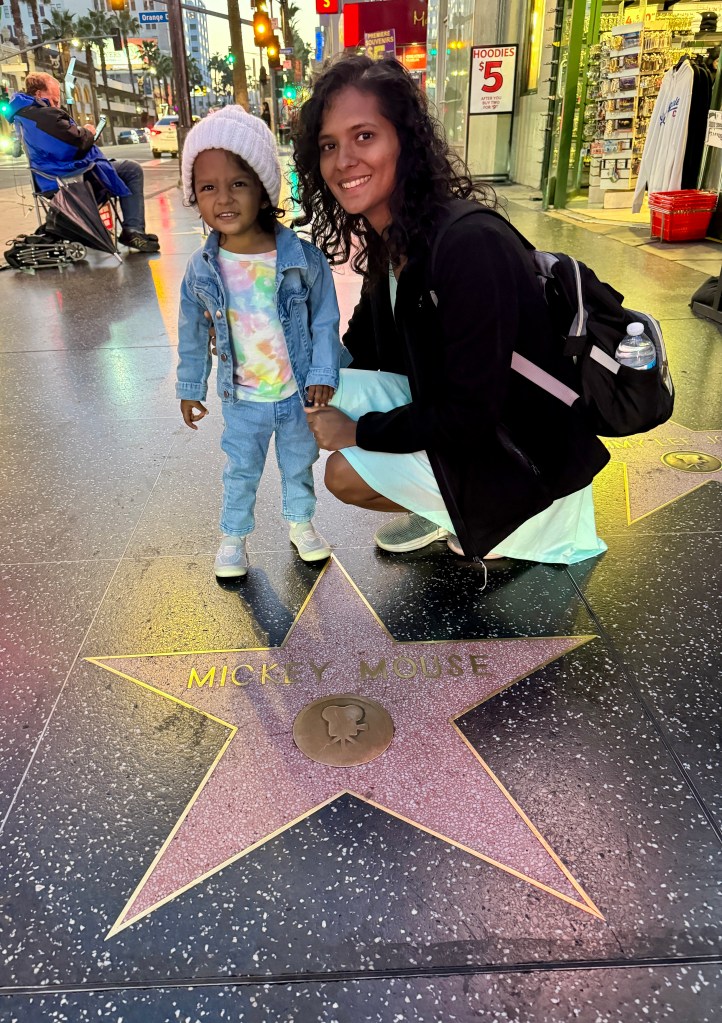
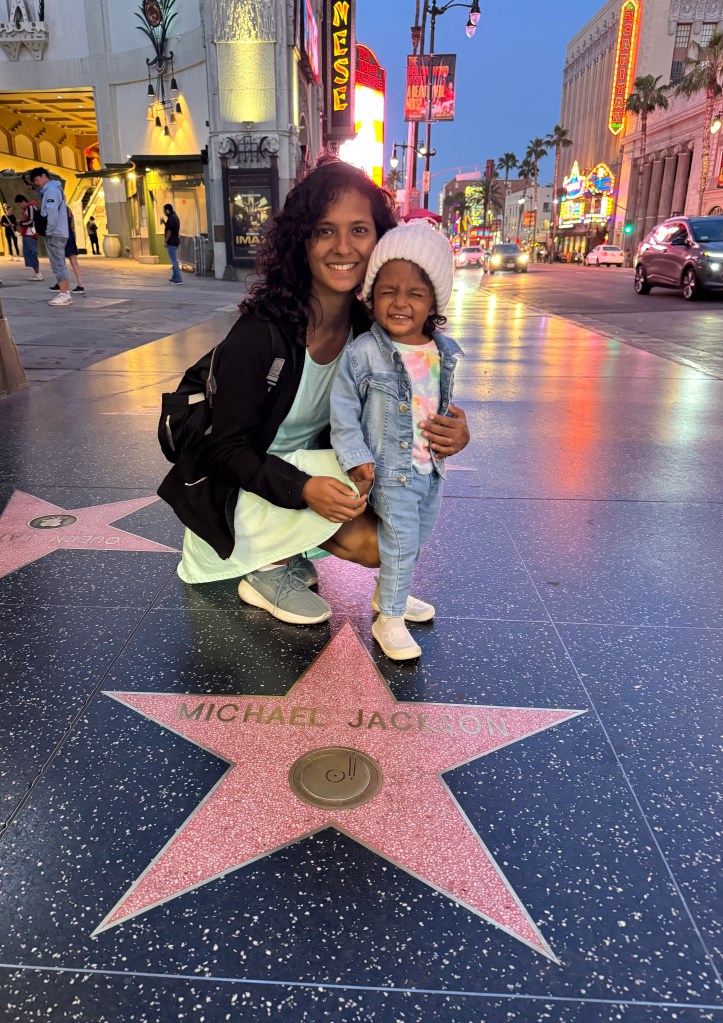
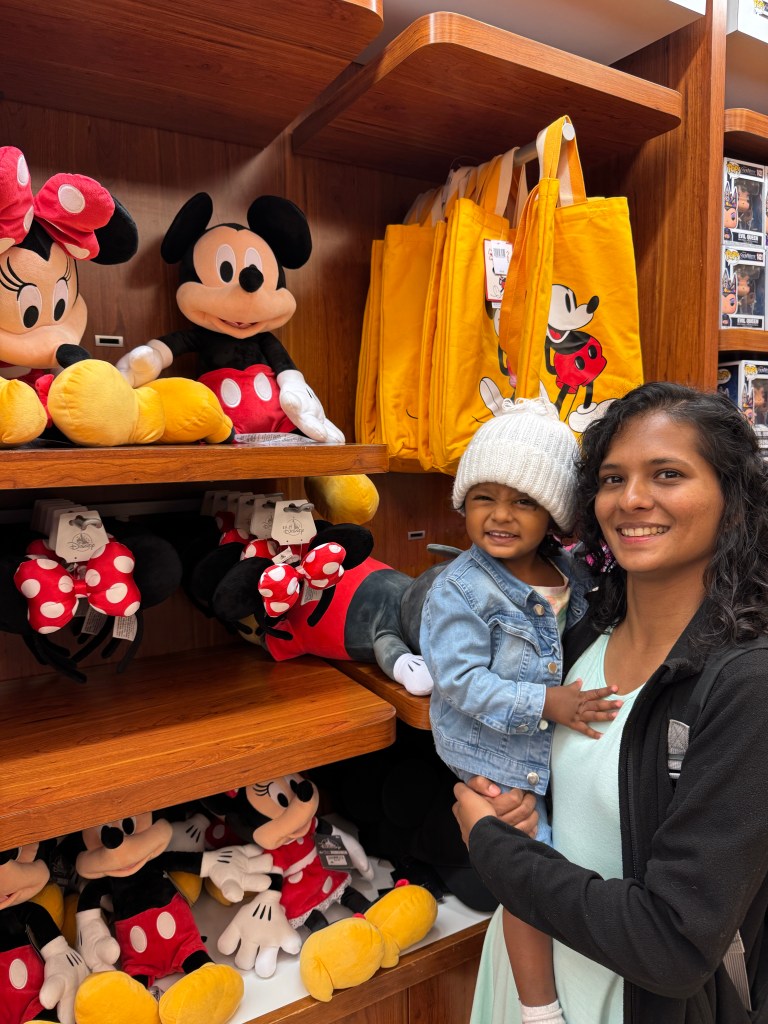
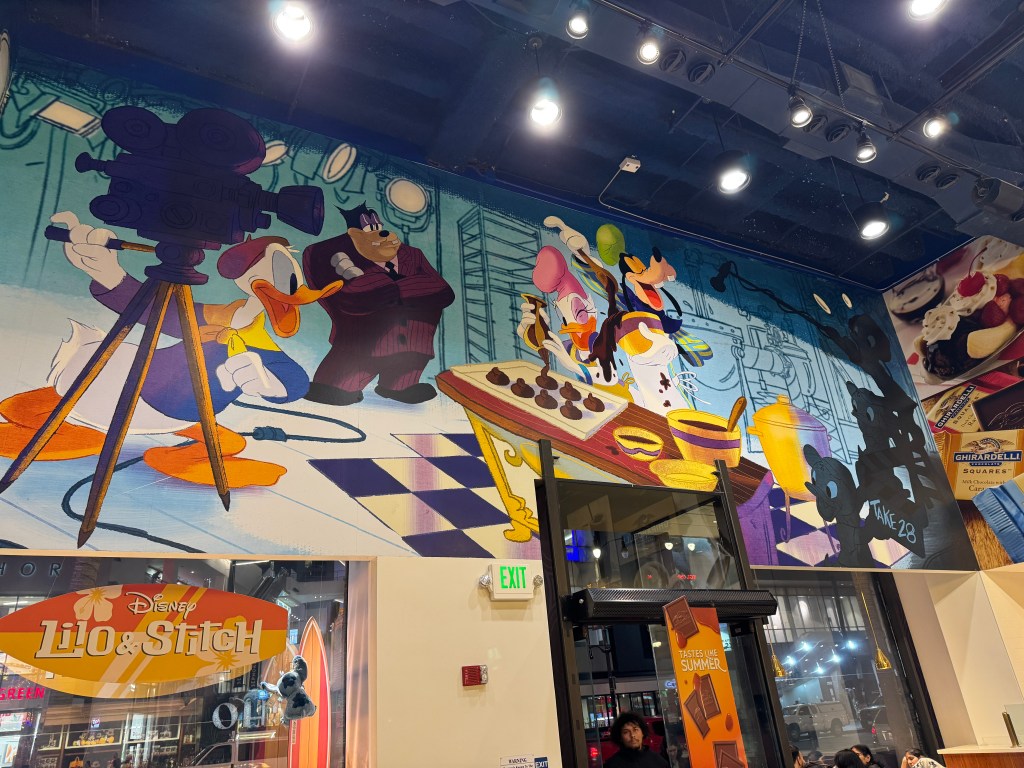
We all then headed to the Hollywood Walk of Fame together, and even though it’s one of the most touristy spots in LA, it had a different vibe this time around. Maybe it was the glow of the city lights reflecting off the stars on the sidewalk, or maybe it was just the joy of being surrounded by loved ones — but it felt magical. We were lucky to spot Mickey Mouse’s star and then of course my daughter went crazy at the Disney Store.

As we drove back, I kept thinking — LA gave us its best today. Not just the sights and sounds, but the warmth of people and the reminder of what really matters.

LA Day 3 – California Science Center & Rose Garden

On day three at LA we ventured into the heart of Los Angeles for a day of exploration, learning, and wonder at the California Science Center—a favorite local gem that’s always full of surprises. With perfect spring weather and just enough clouds to keep it cool, it was the ideal setting for our little family adventure.

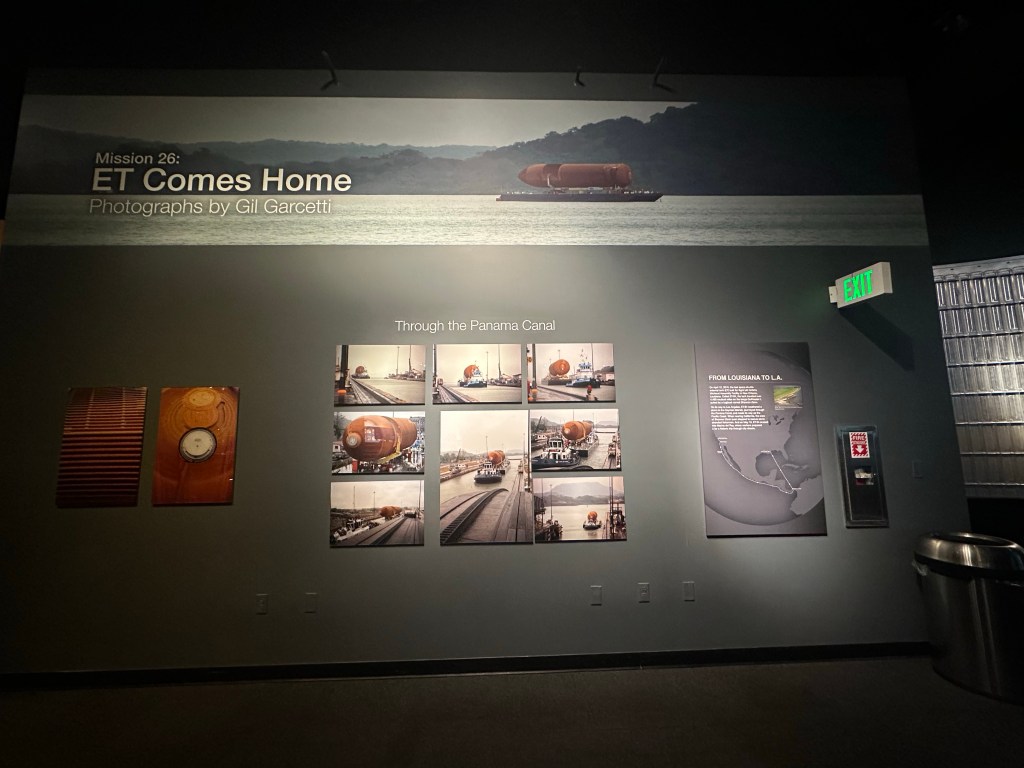
Just after parking we saw the amazing shuttle area that’s under construction. It’ll take a year or so to get completed. The planes at the entrance too were breathtaking!

Ecosystems That Come to Life

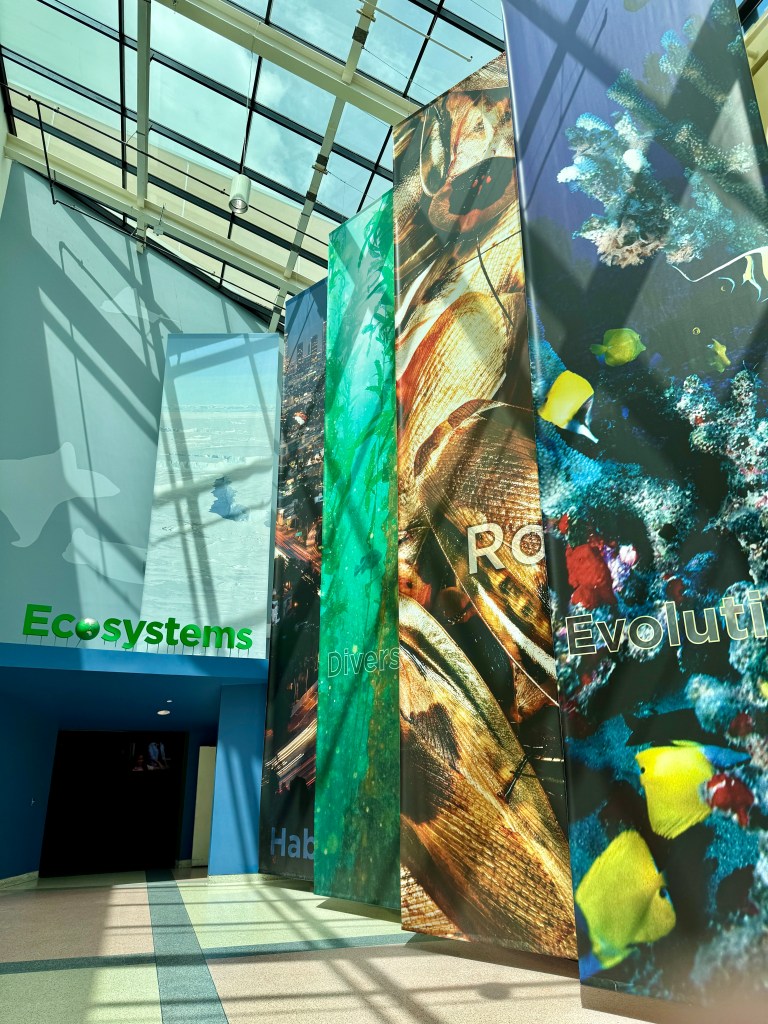
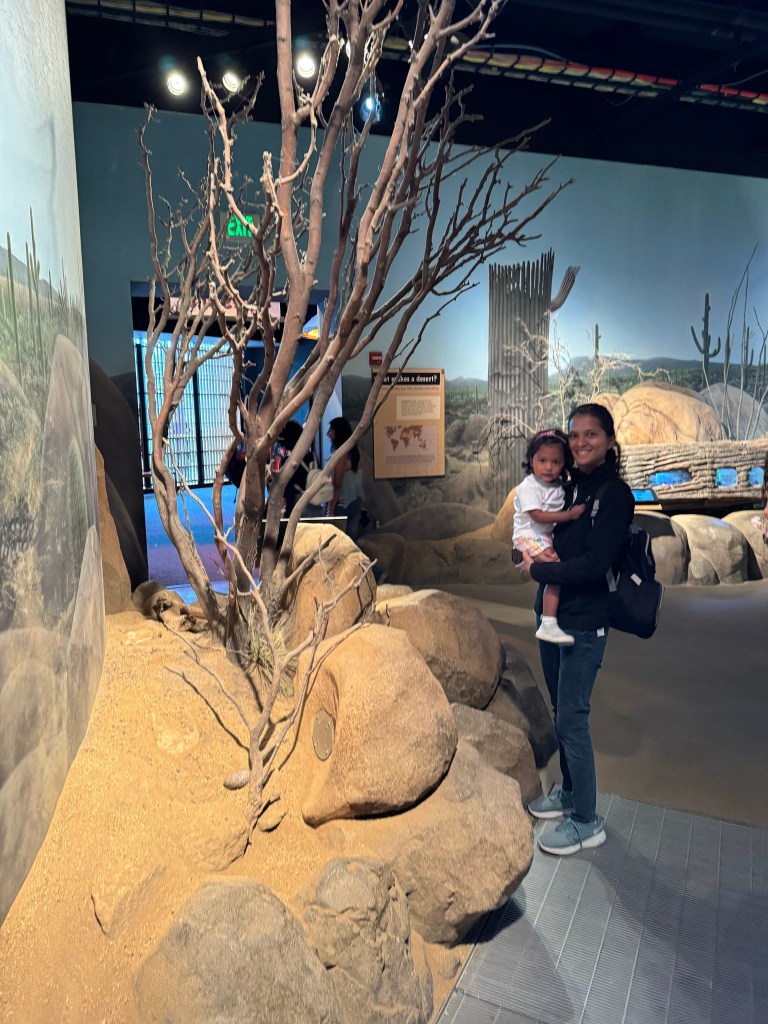
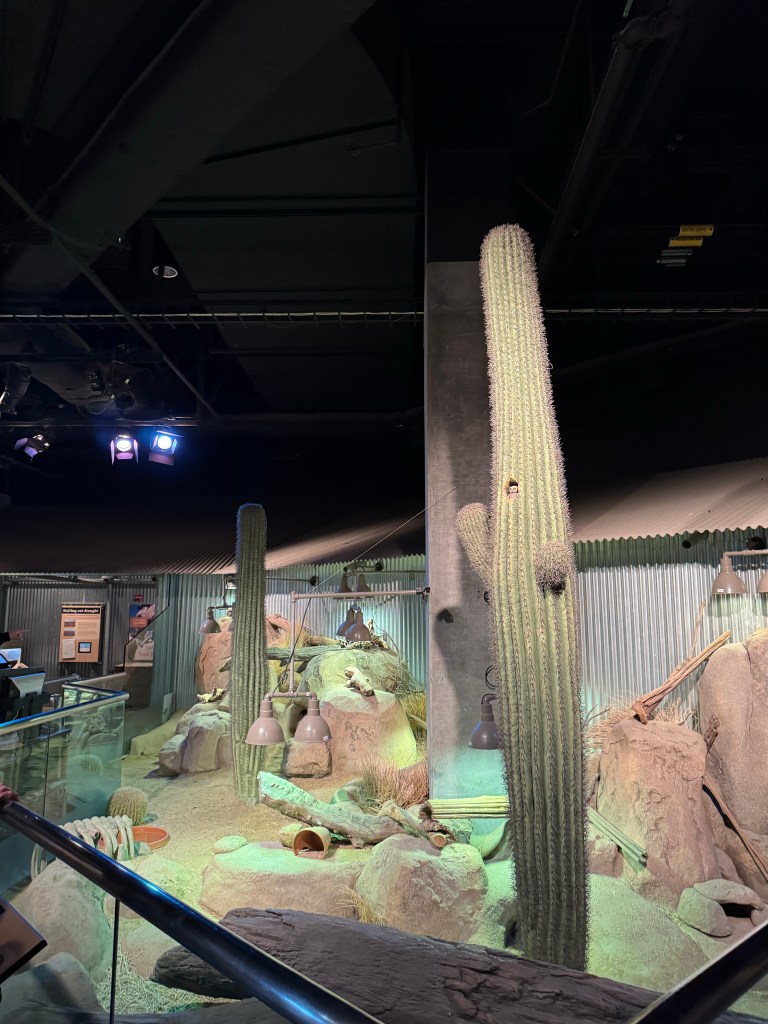
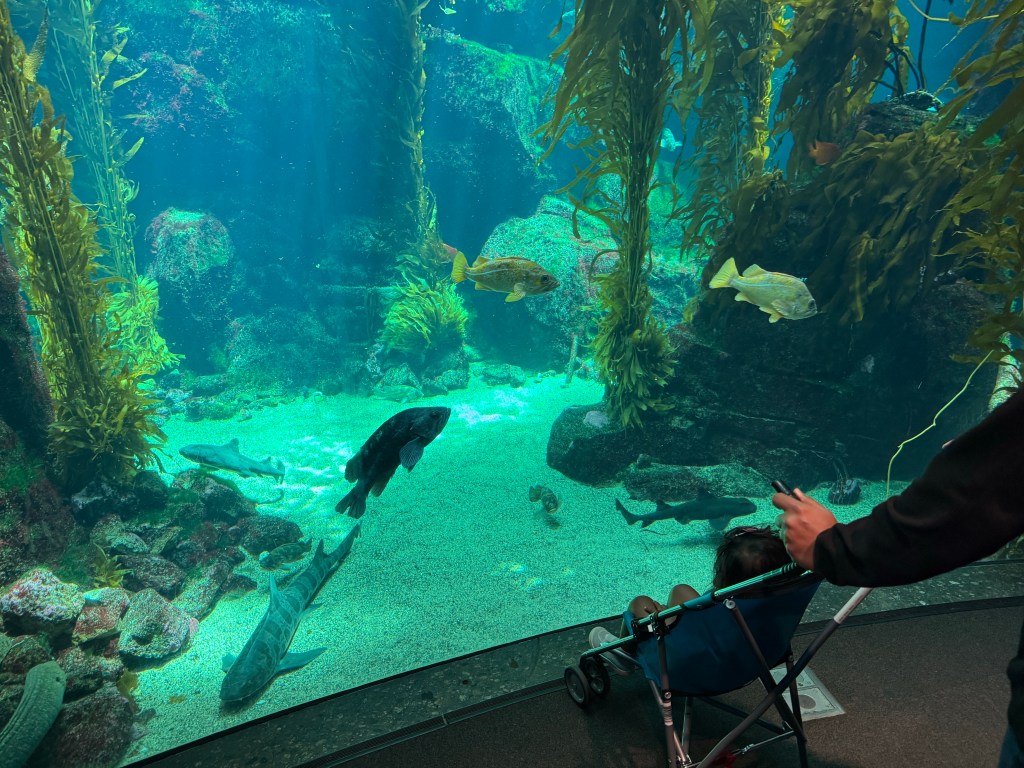
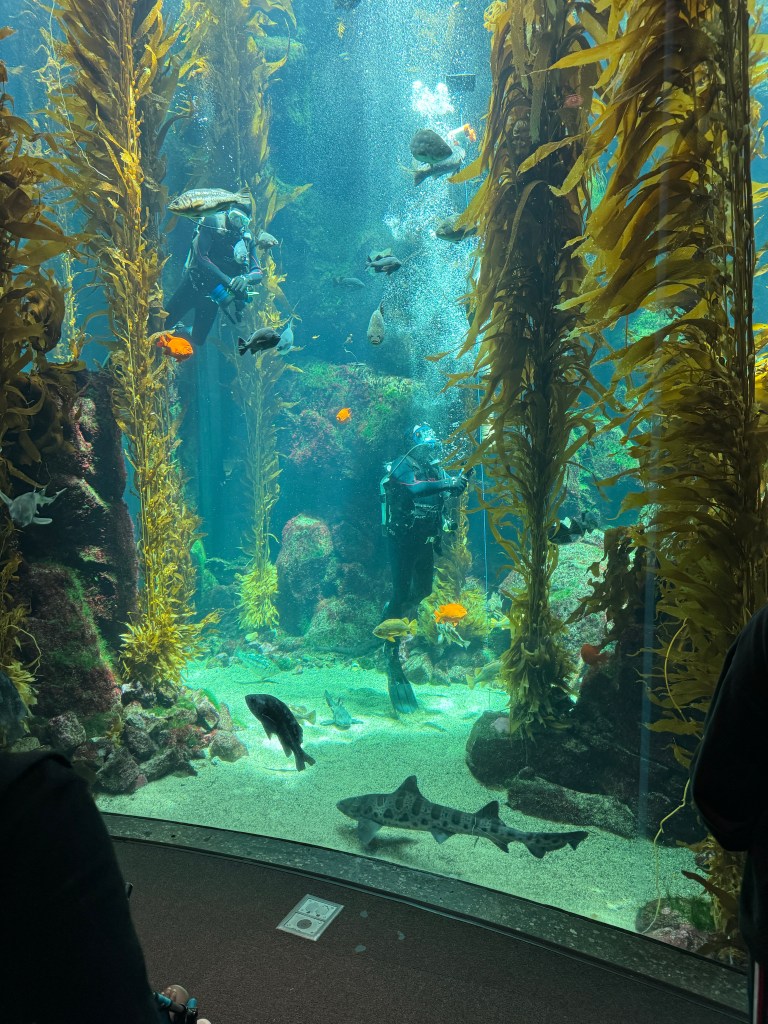
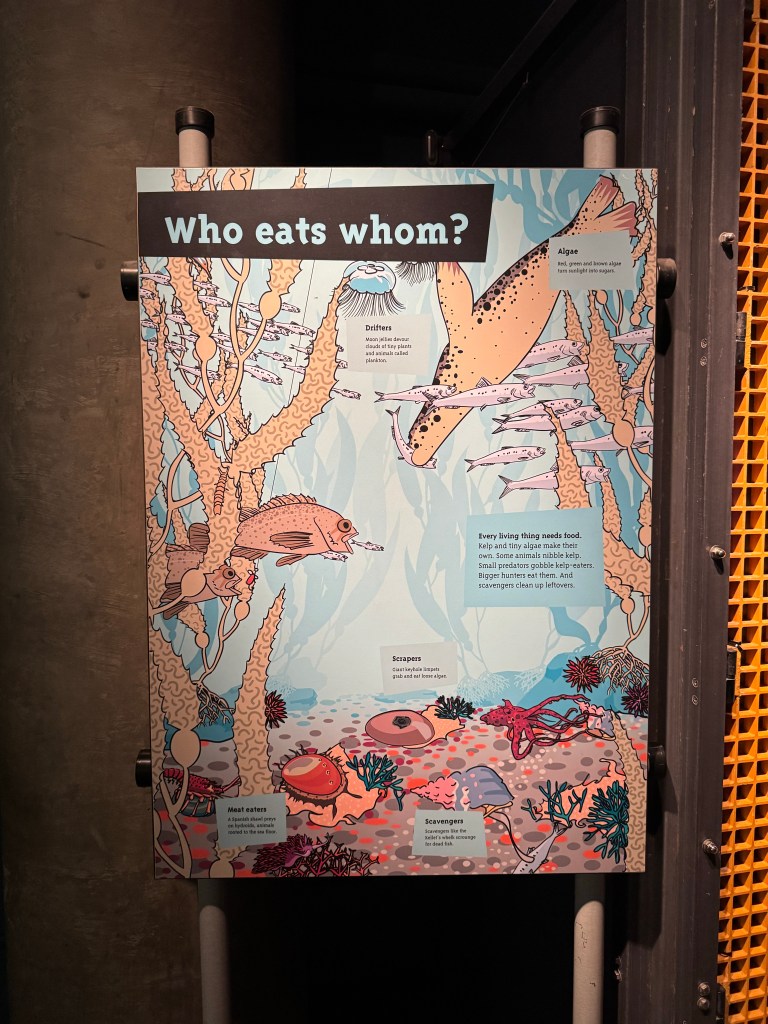
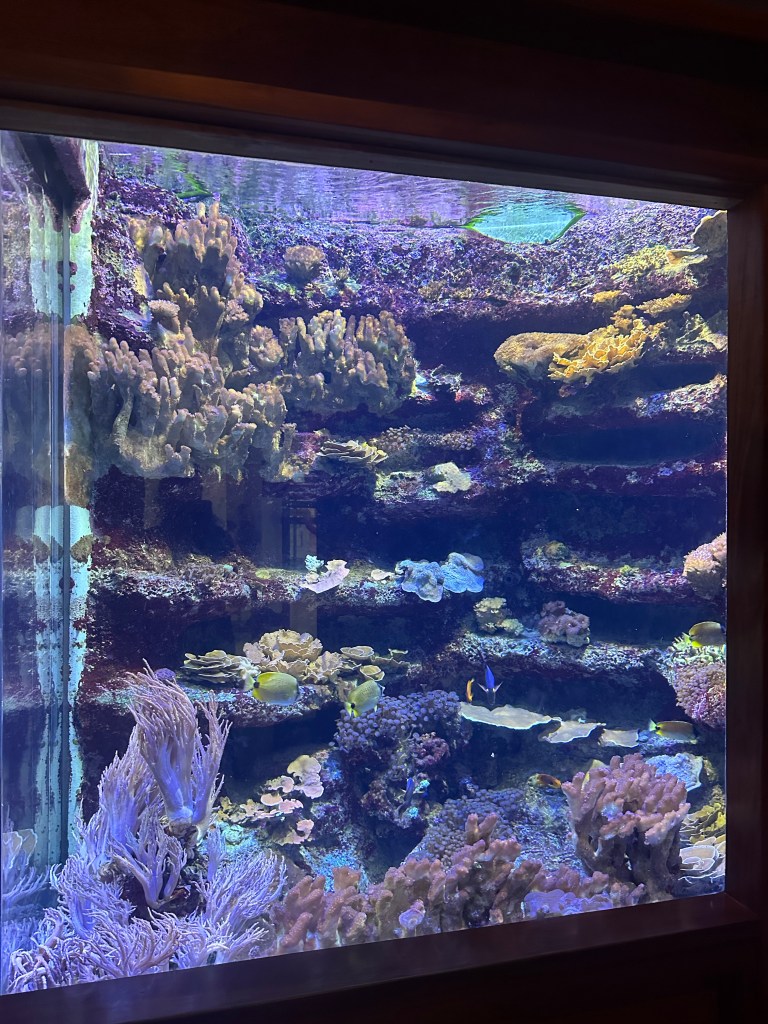
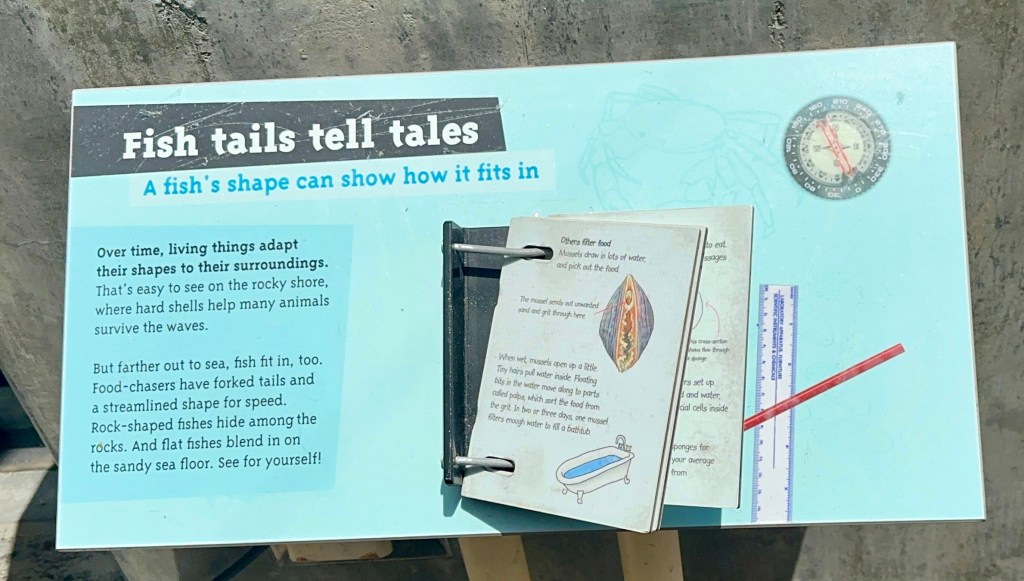
Our journey began in the Ecosystems exhibit, a true highlight of the Science Center. From the moment we stepped inside, we were immersed in interactive habitats that mimicked everything from deserts and polar zones to deep-sea environments and the rainforest. The kelp forest tank was mesmerizing—a multi-story glass aquarium filled with swirling schools of fish, leopard sharks, and giant kelp swaying gently in the water. We were lucky to witness two scuba divers who went into the aquarium.

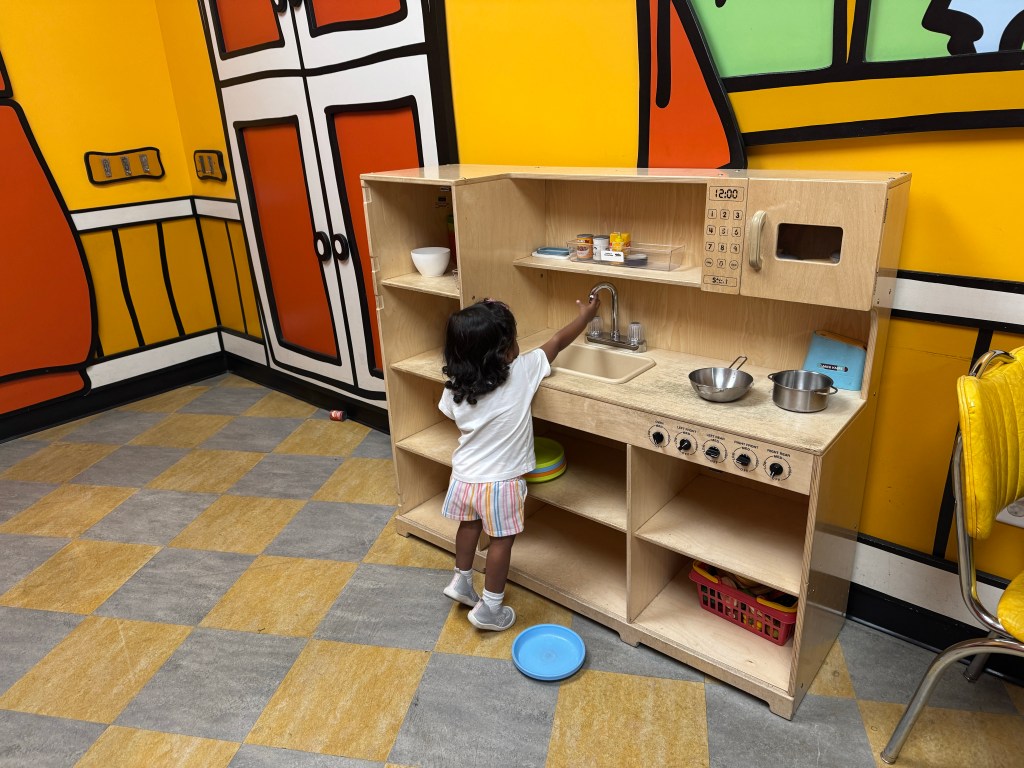
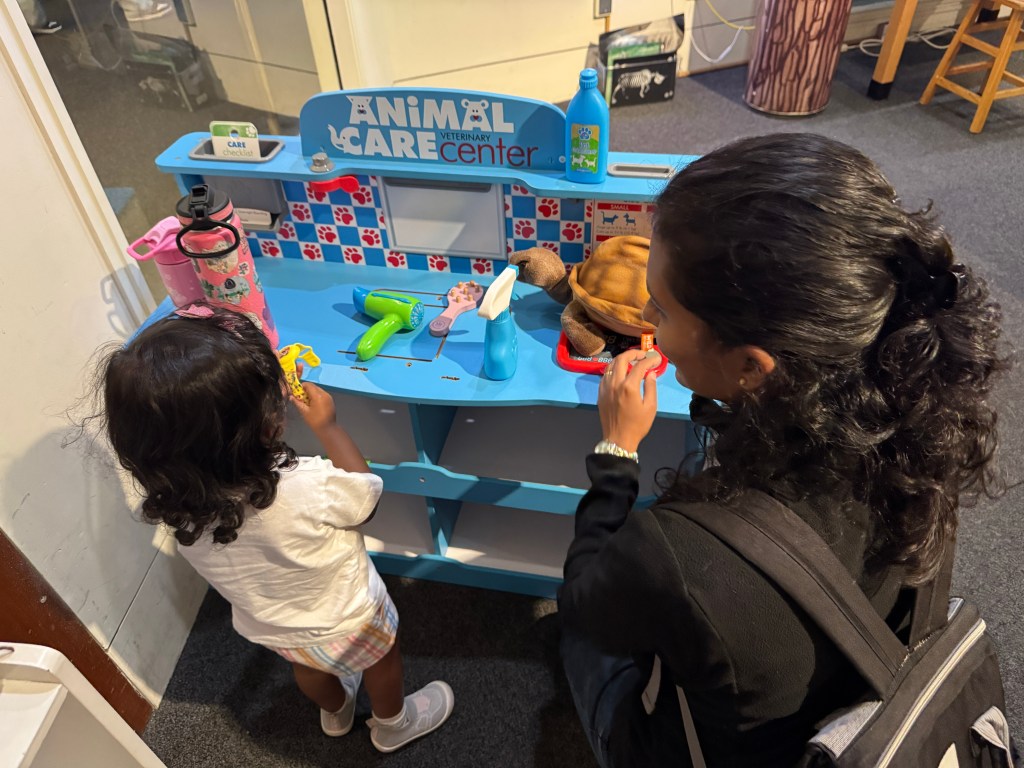
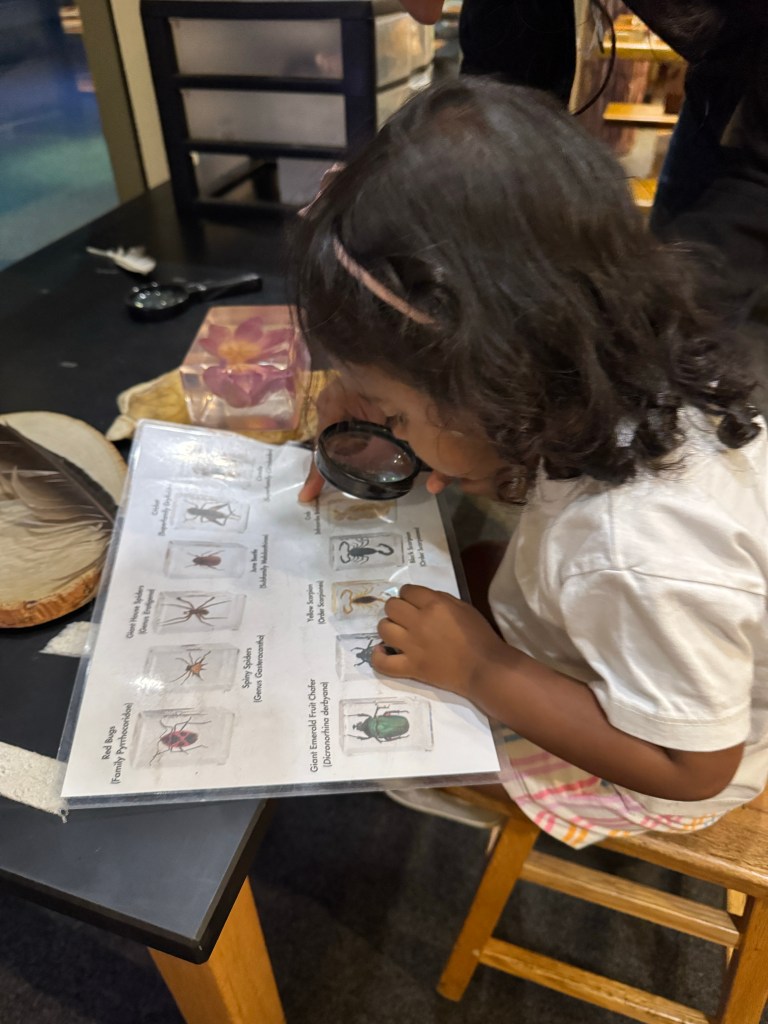
Our daughter especially loved the discovery center. And also later touching the star fish!


The Science of Dogs

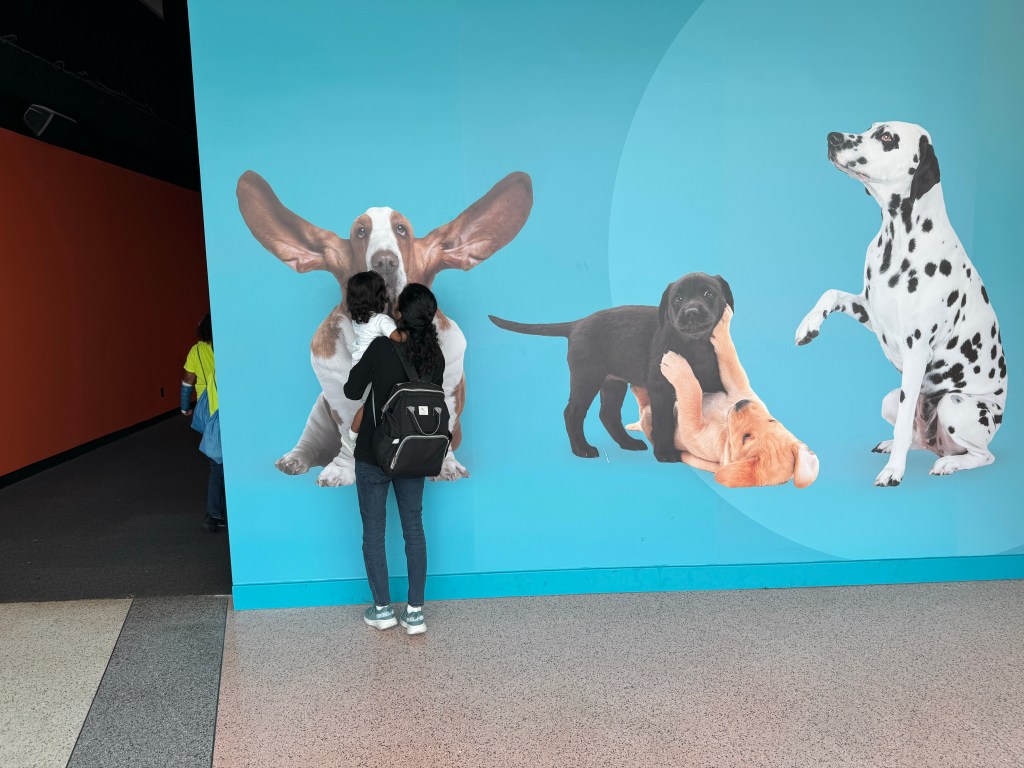
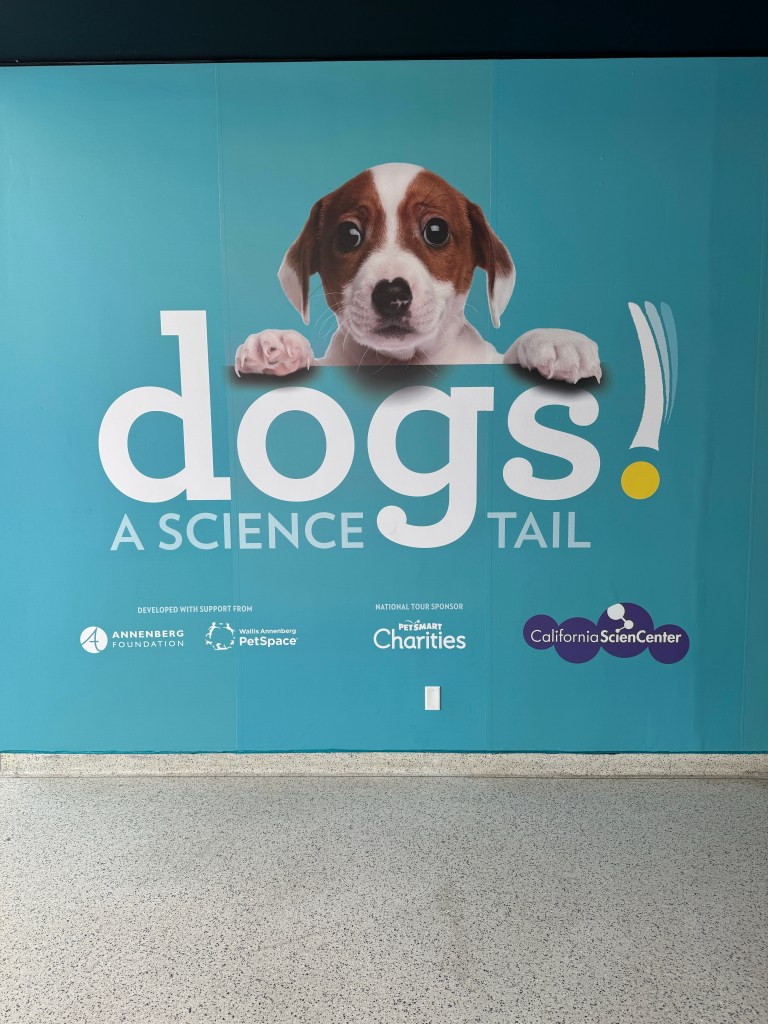
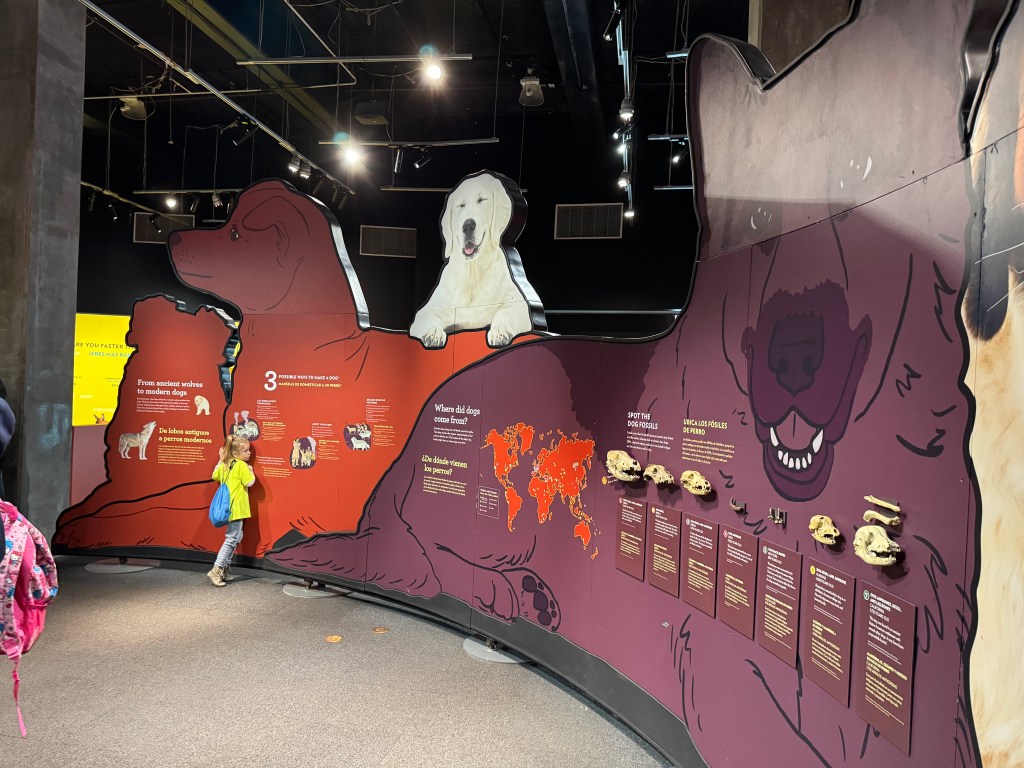
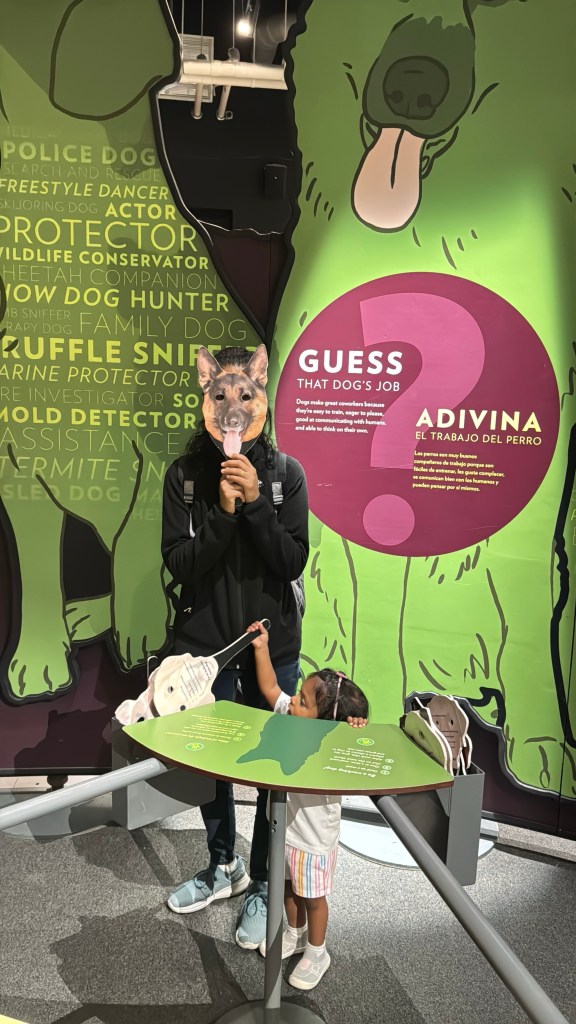
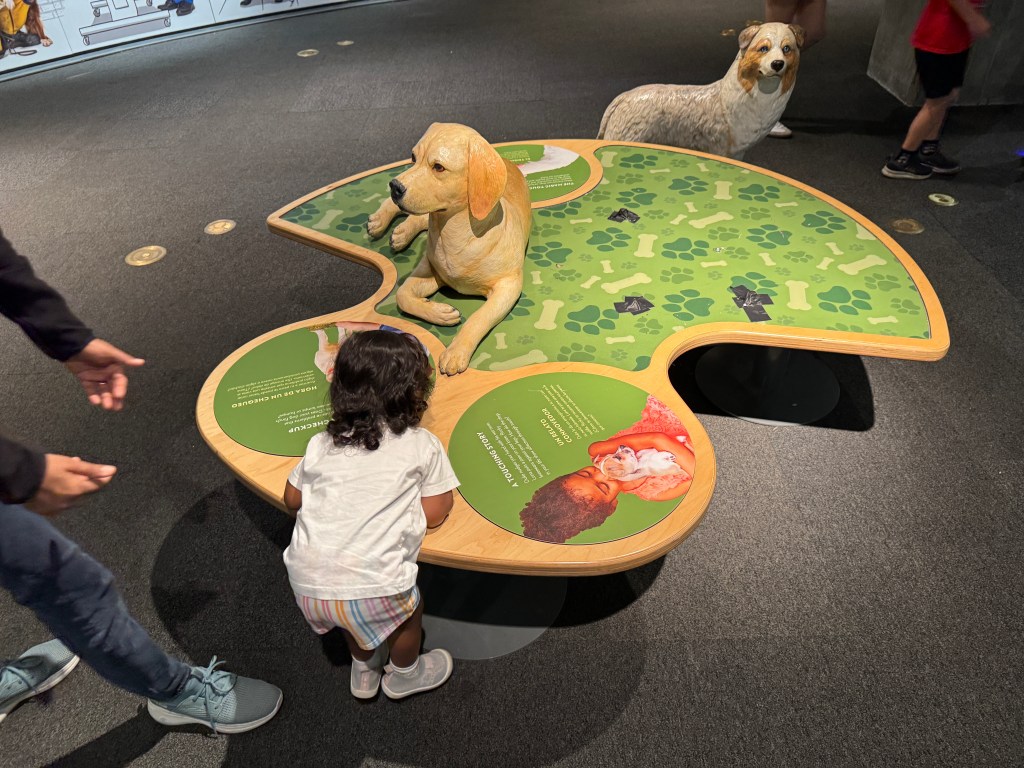
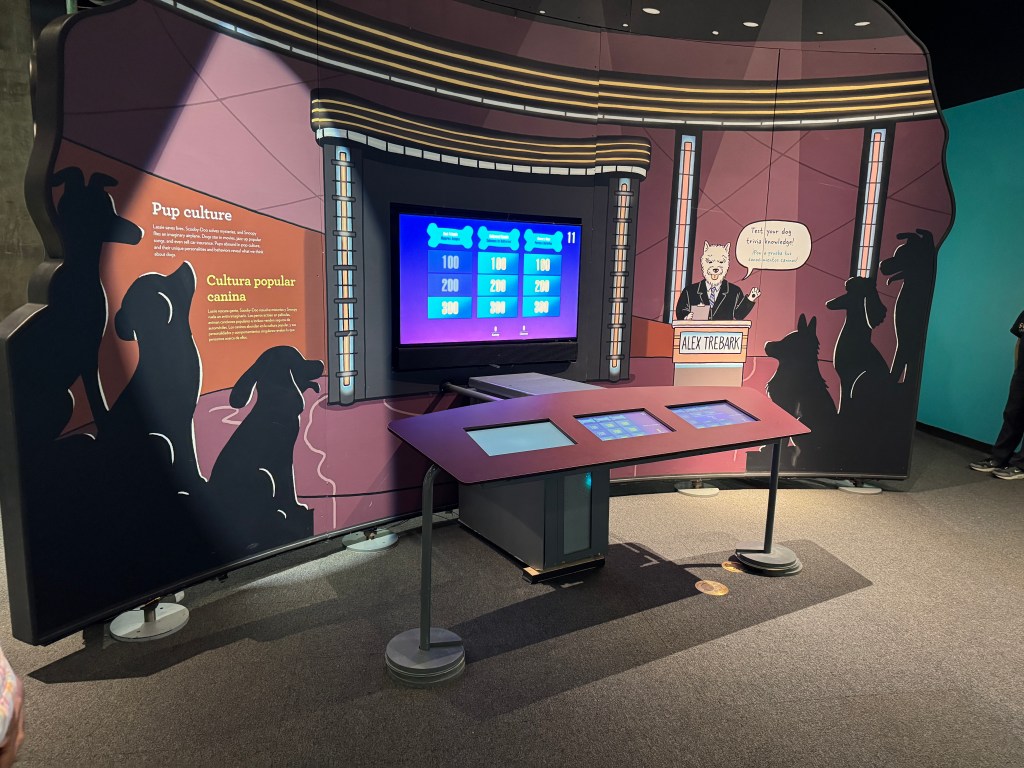
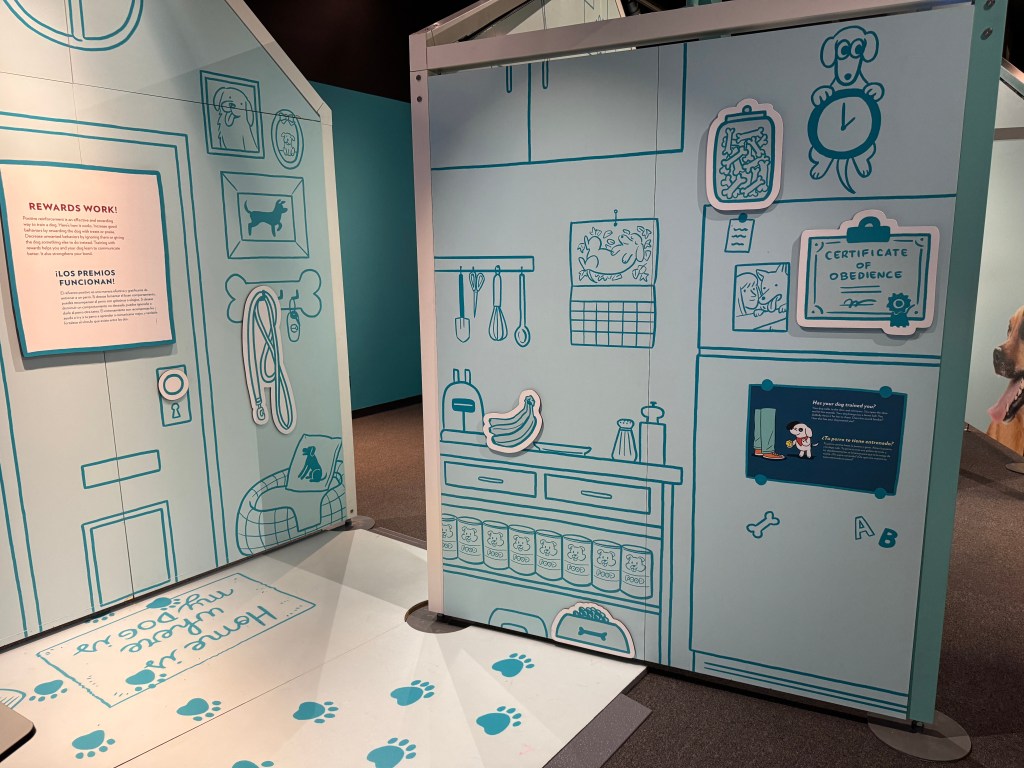
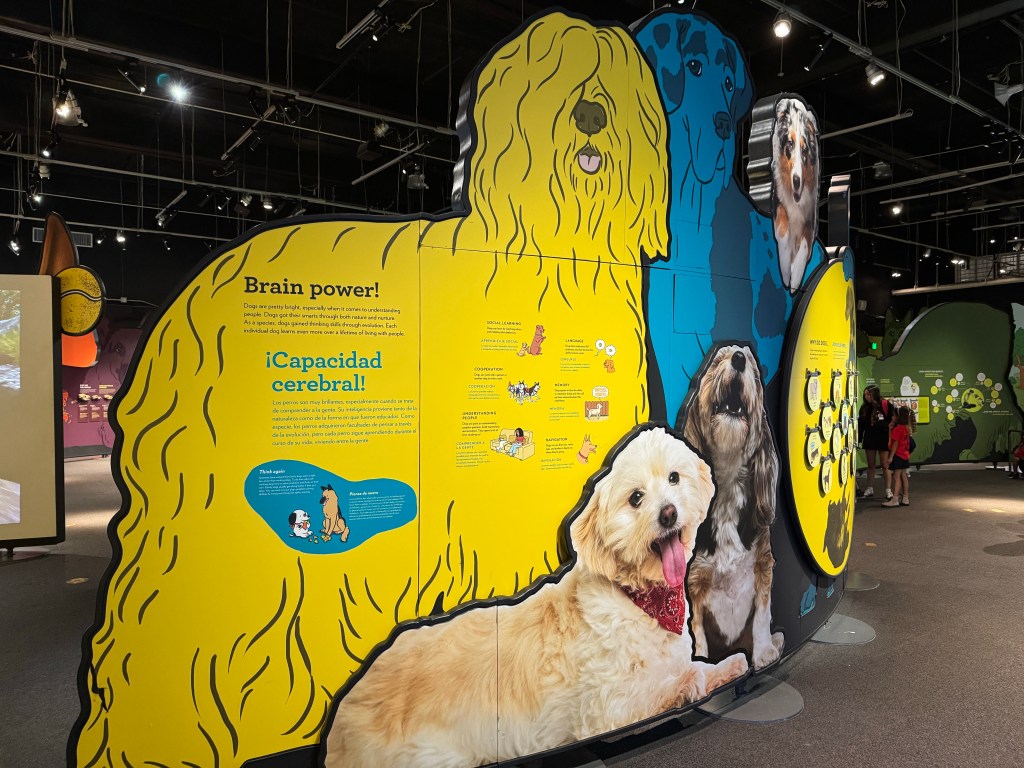
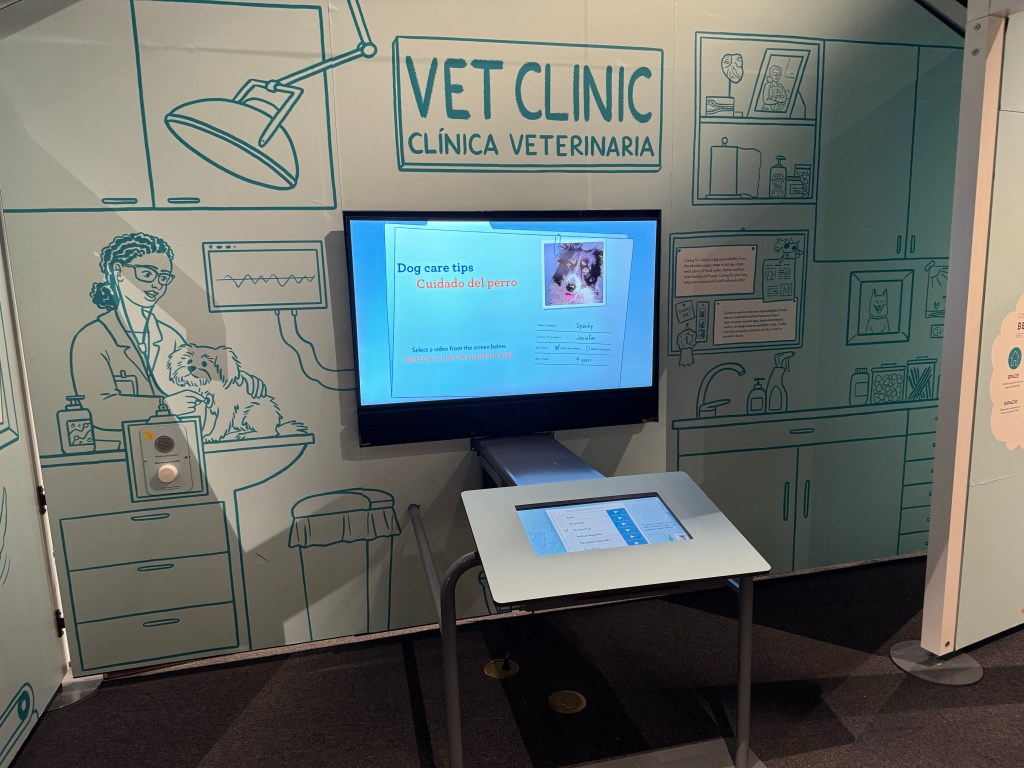
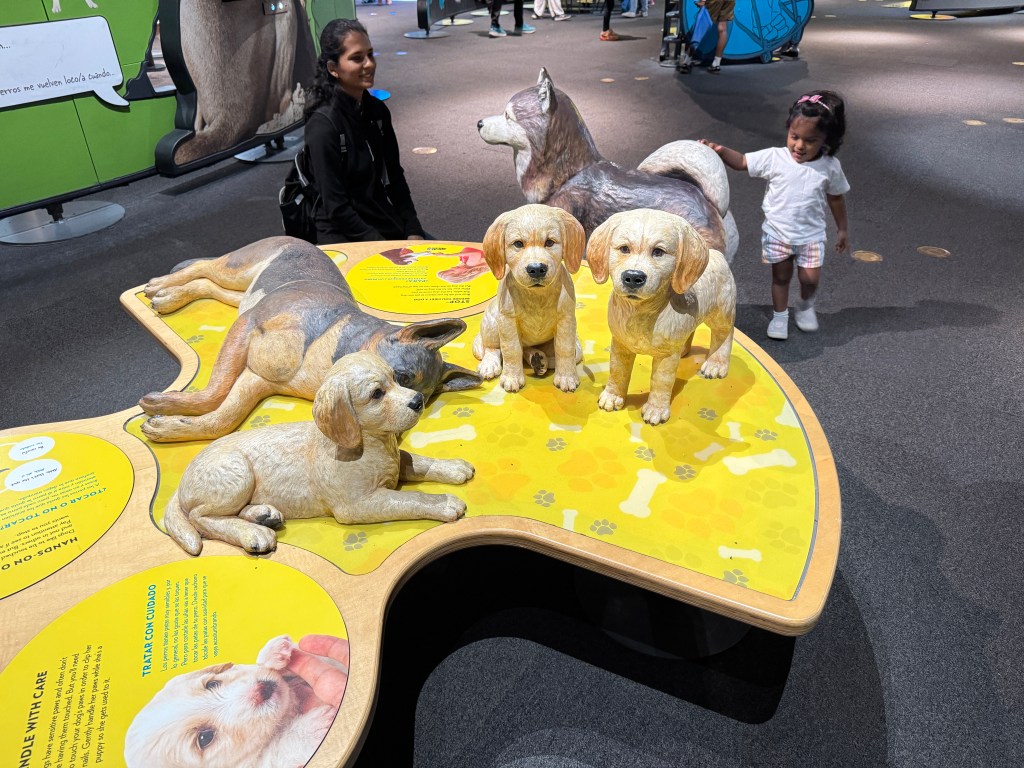
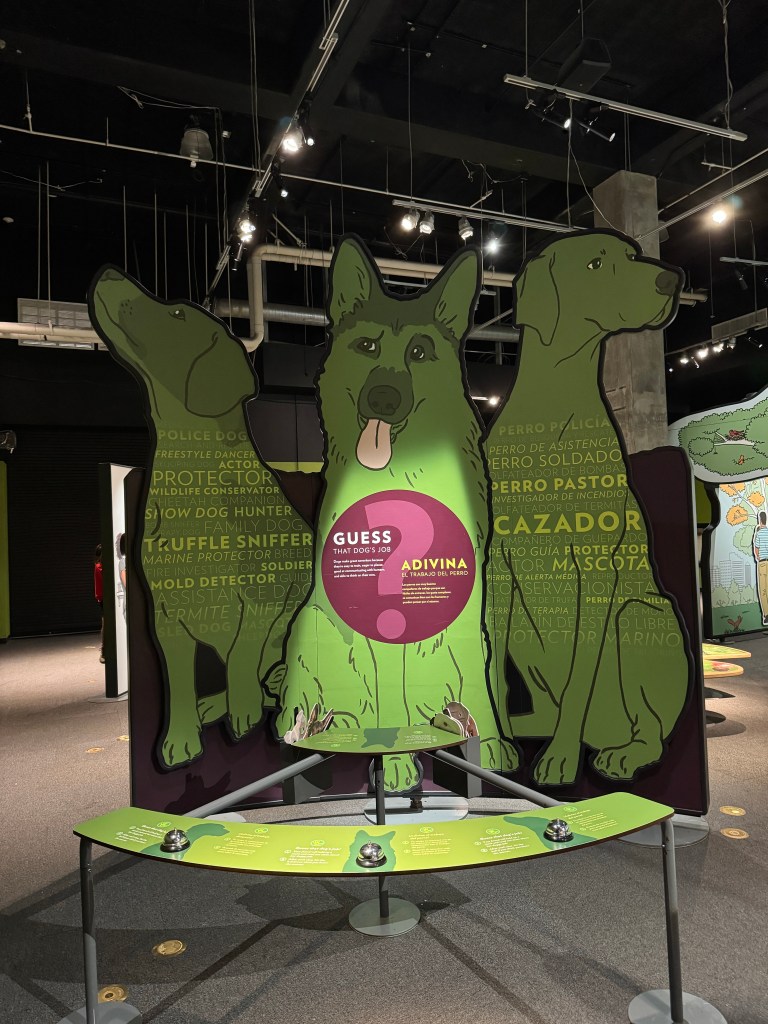
Next up was the special exhibit, Dogs! A Science Tail—a delightful and educational exploration of our furry best friends. The exhibit combined interactive stations with fun facts and real-world science behind how dogs see, hear, and smell the world. There were simulated sniff tests, sound recognition games, and even a station where you could test which dog runs at your speed!

We walked away not only with smiles but with a newfound appreciation for the bond between humans and dogs—how they’ve evolved with us and how they’ve become so tuned into our emotions and behaviors.


Lunch & a Stroll Through Roses

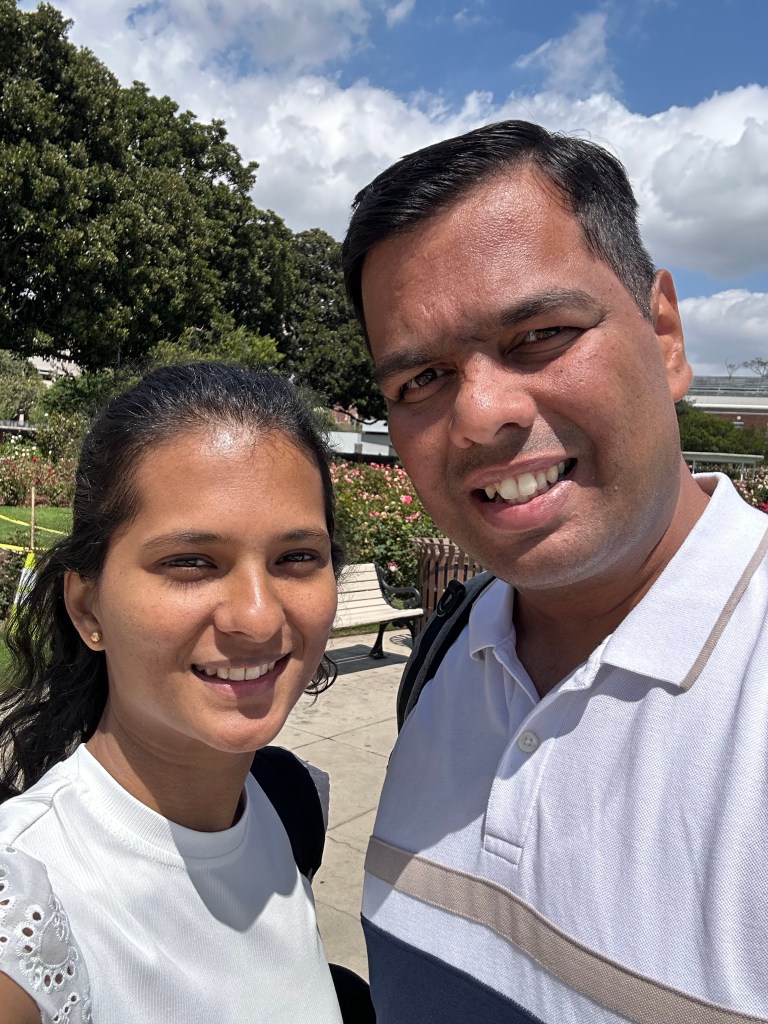
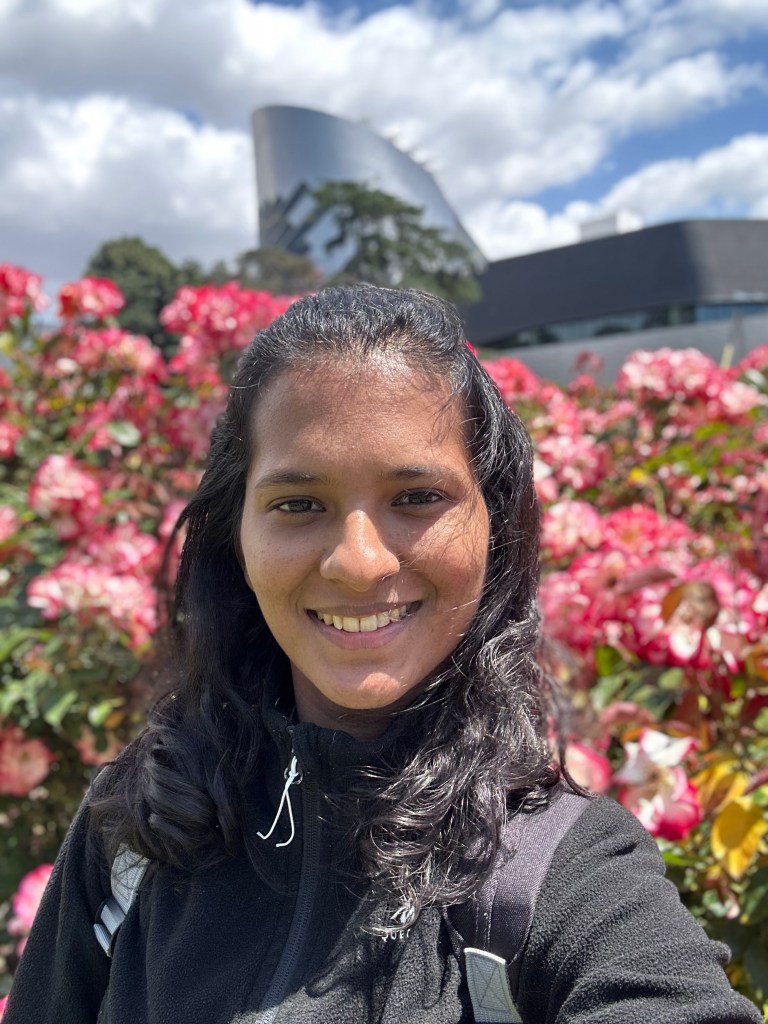
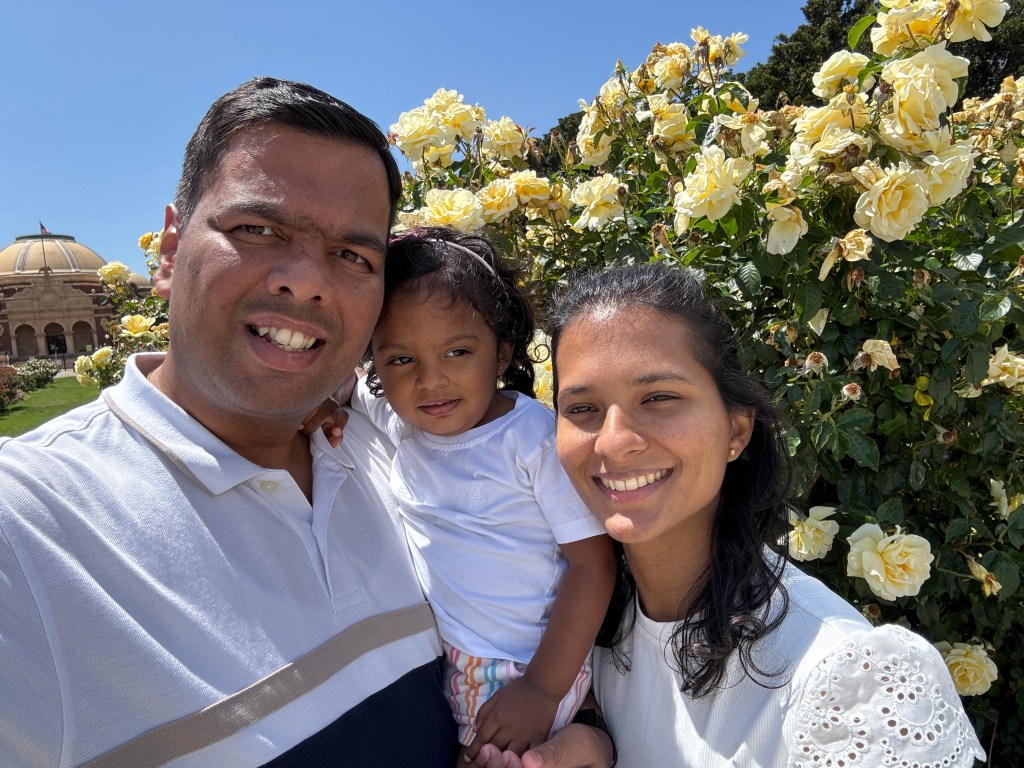
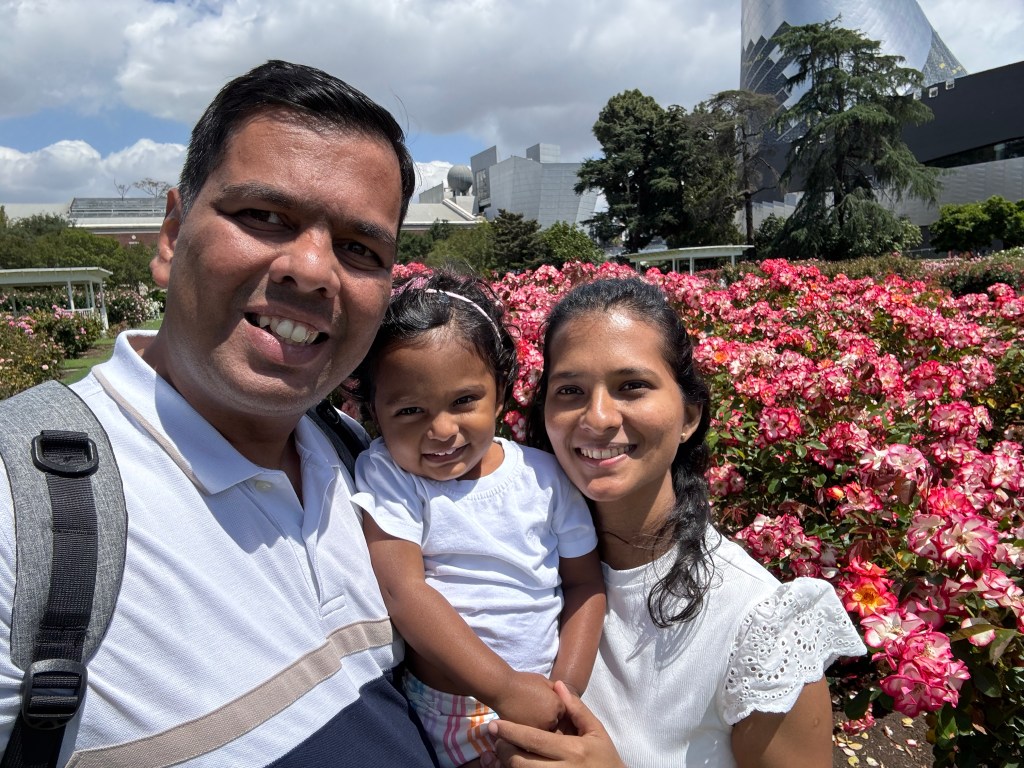
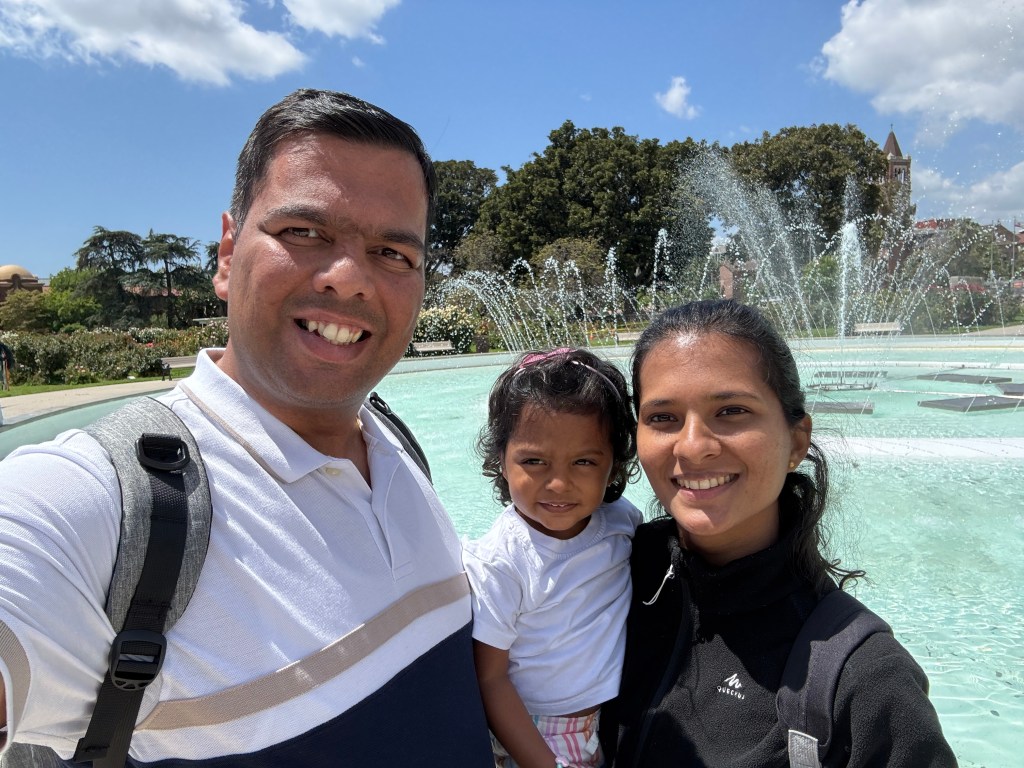
After a morning of exploration, we grabbed lunch at the Science Center café. Refueled and recharged, we took a short walk next door to the Exposition Park Rose Garden.

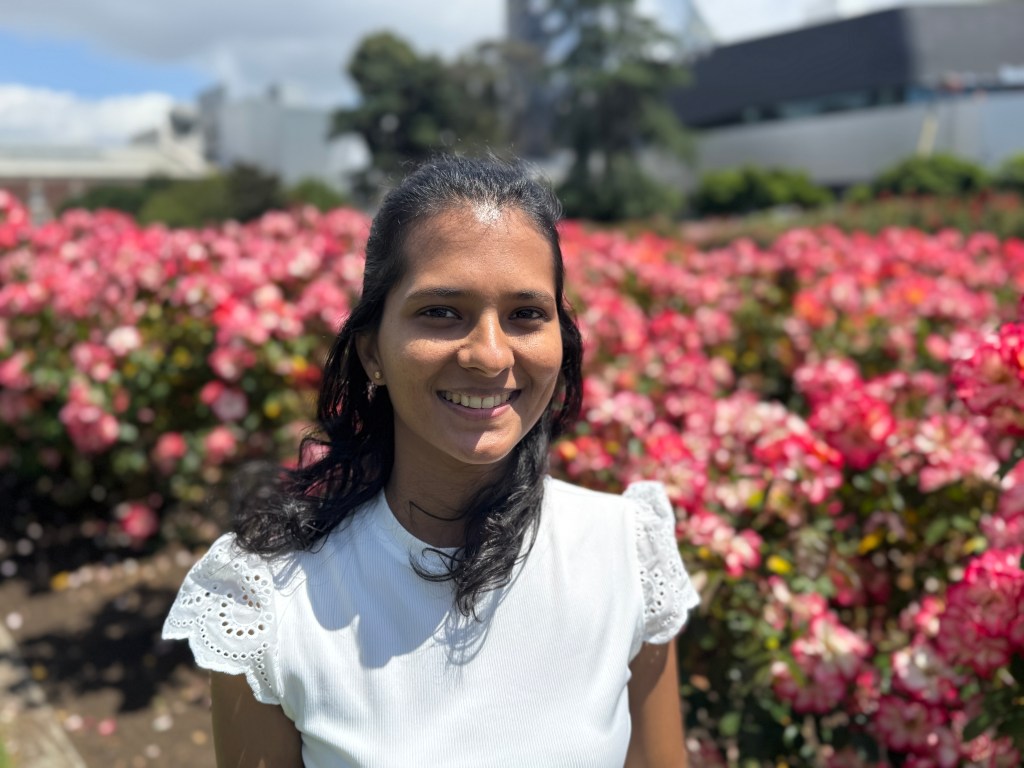
In full bloom, the rose garden was a peaceful contrast to the bustling energy of the museum. Dozens of rose varieties filled the air with fragrance and painted the garden in vibrant pinks, reds, yellows, and whites.

The California Science Center didn’t disappoint, and combining it with a visit to the neighboring Rose Garden made for a perfect family day. Whether you’re local or just visiting LA, this duo of nature and science offers the kind of fun that sticks with you—both in photos and in memory!

City of Angels: Our First Two Days Exploring Los Angeles

We kicked off our Los Angeles trip with excitement, curiosity, and a bit of awe. Traveling as a family with our toddler in tow, we knew we wanted a mix of calm moments, fun experiences, and meaningful sights. And LA did not disappoint. Our first two days set the tone for a wonderful trip full of discovery and beauty.

Day 1: A Quiet Start at the Cathedral of Our Lady of the Angels

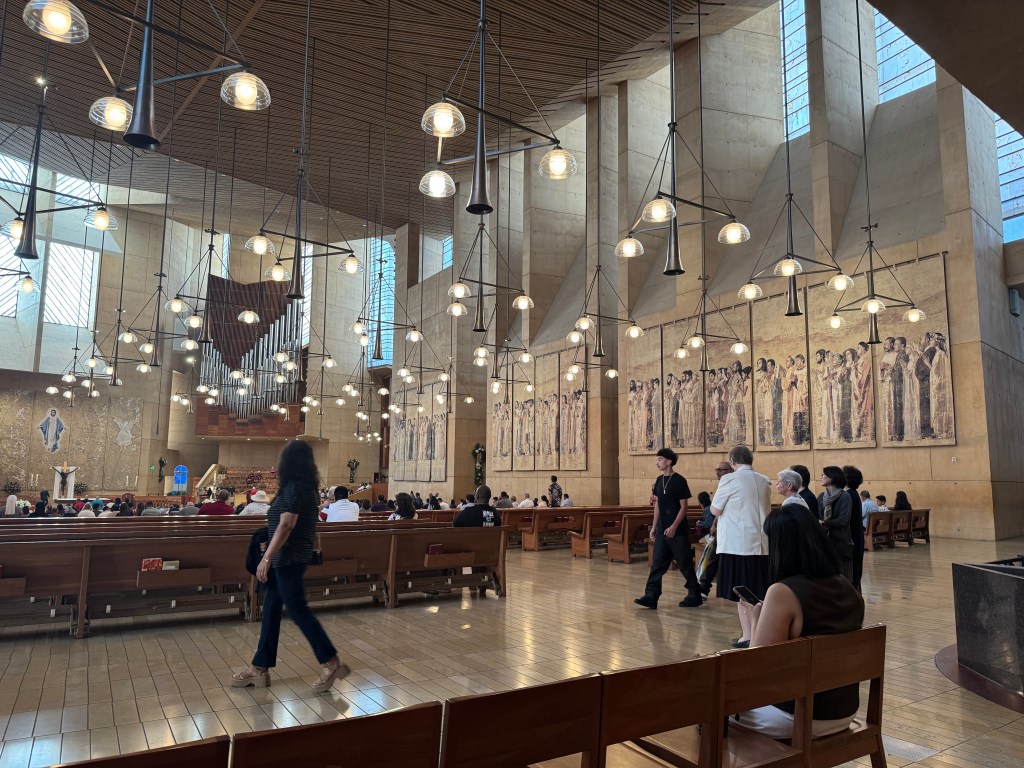
Our trip began on a peaceful note with a visit to the Cathedral of Our Lady of the Angels, a striking architectural landmark in downtown LA. From the moment we stepped onto the plaza, we were struck by the scale and serenity of the place. The cathedral’s modern design—earthy stone, clean lines, and towering ceilings—creates a sacred space that feels both grand and inviting.

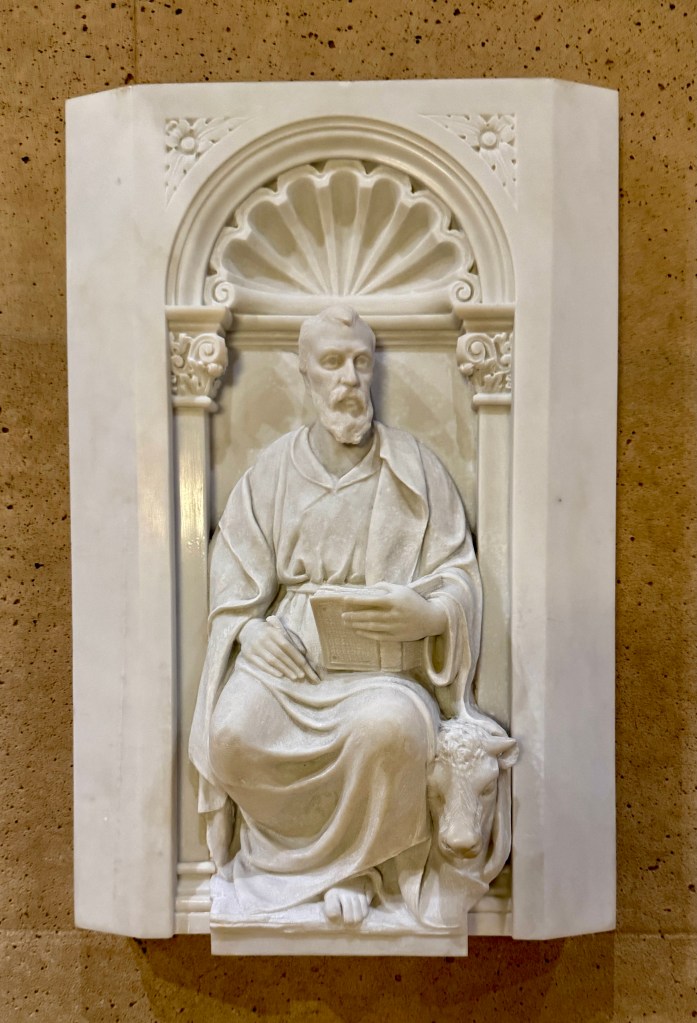
Inside, soft light filtered through alabaster windows, casting a warm glow on the vast sanctuary. The tapestries lining the walls, each depicting saints from across cultures and history, added a rich spiritual texture. Our daughter was fascinated by the space—quietly pointing to the ceiling, then to the massive organ pipes above.

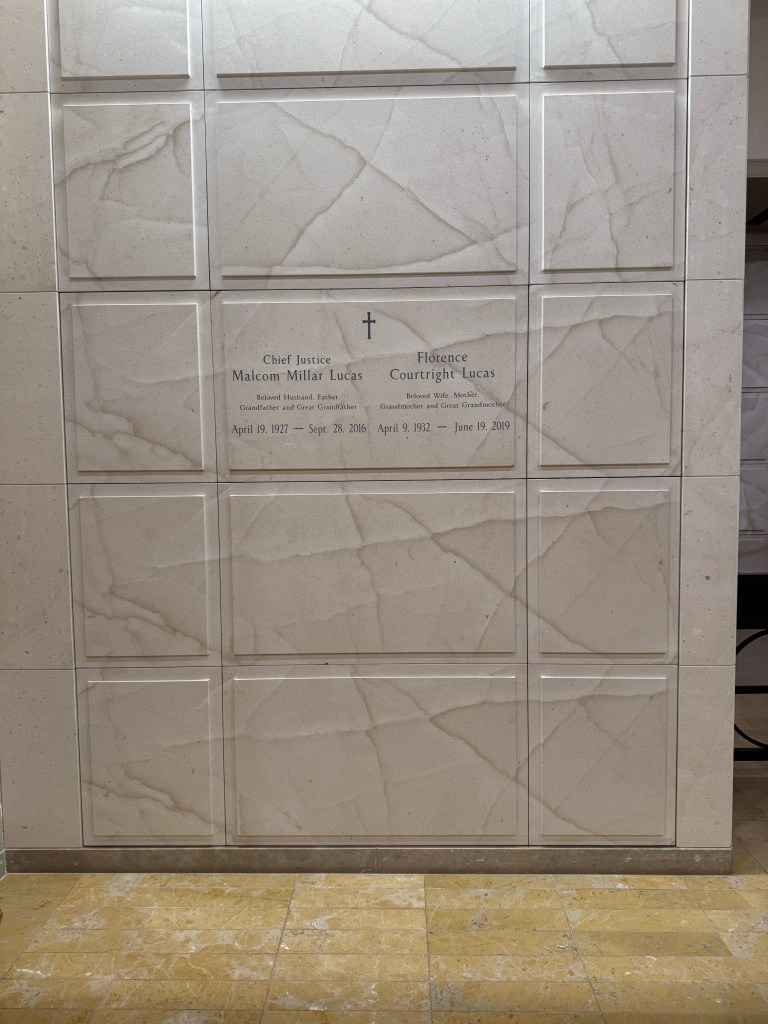
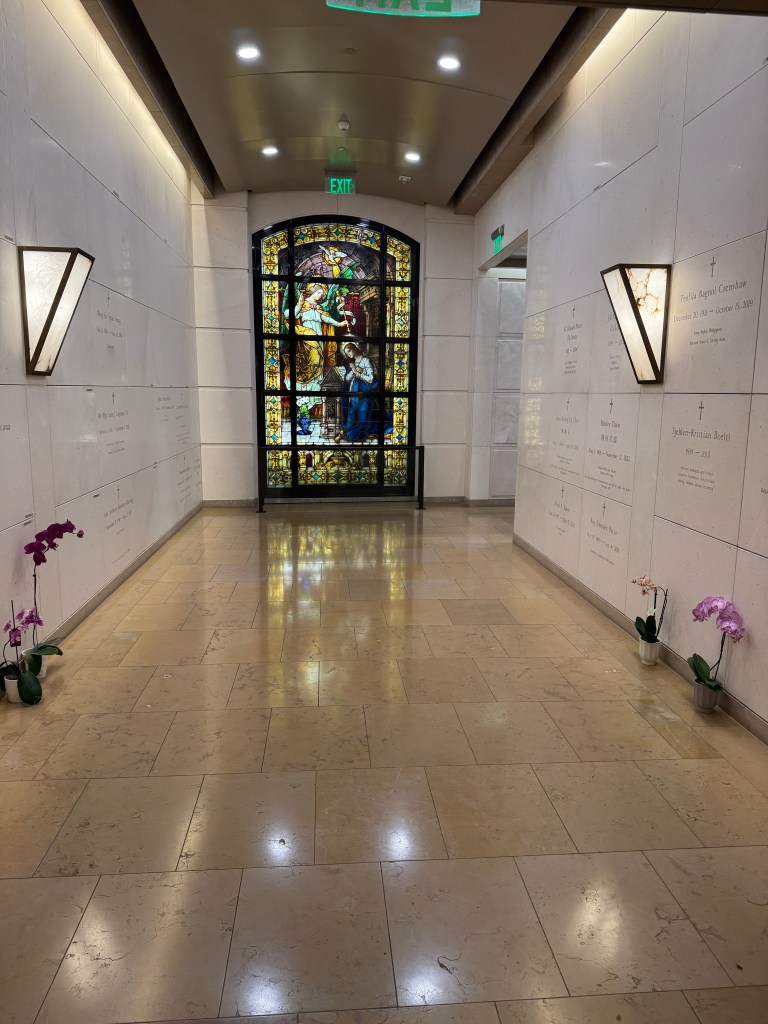
One of the most moving parts of the visit was exploring the mausoleum beneath the cathedral. It was beautifully quiet and reverent, with walls lined with crypts and artistic touches throughout. It was a moment of reflection in the middle of a busy city.

Day 2: Wild Fun at the LA Zoo

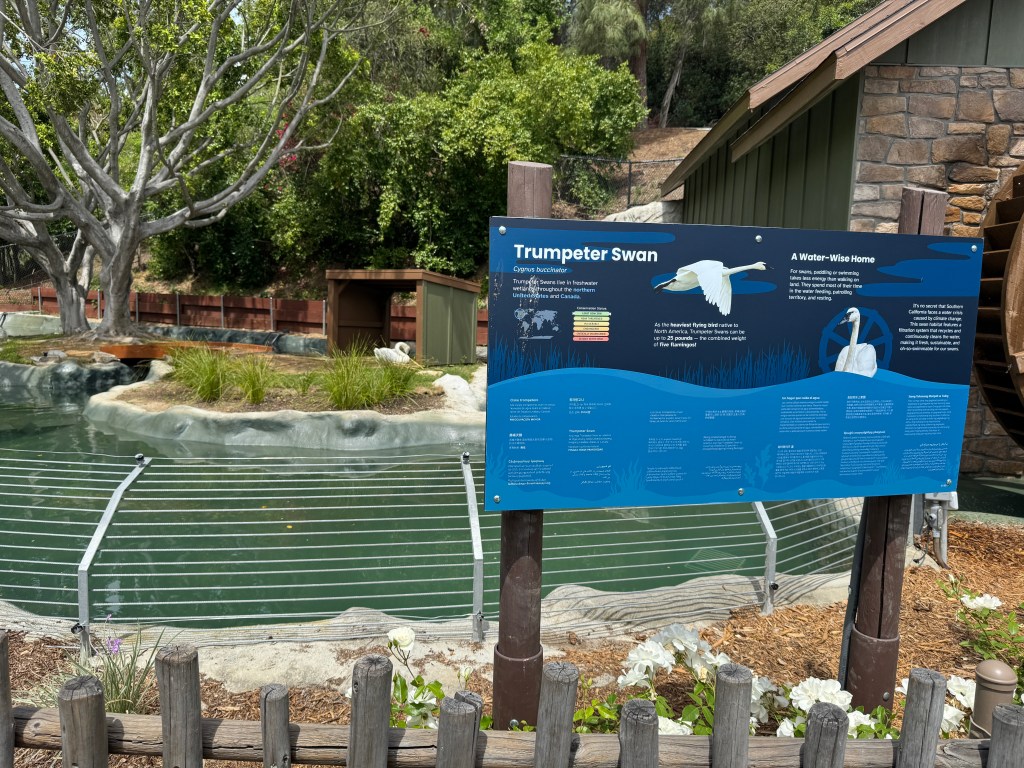
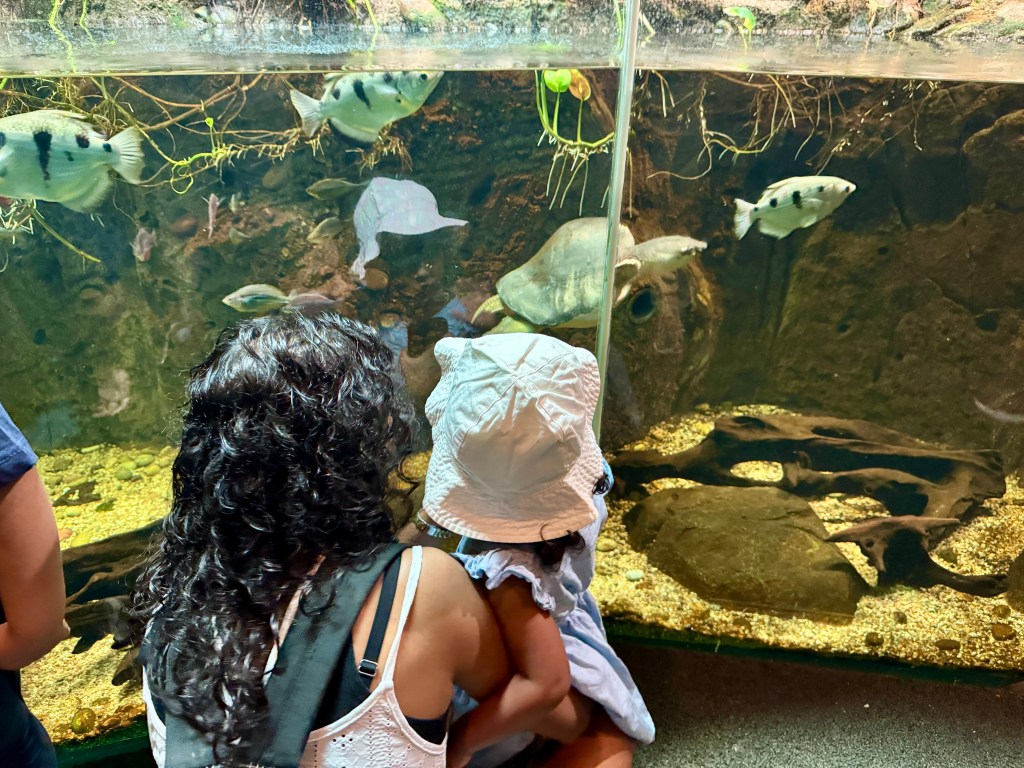
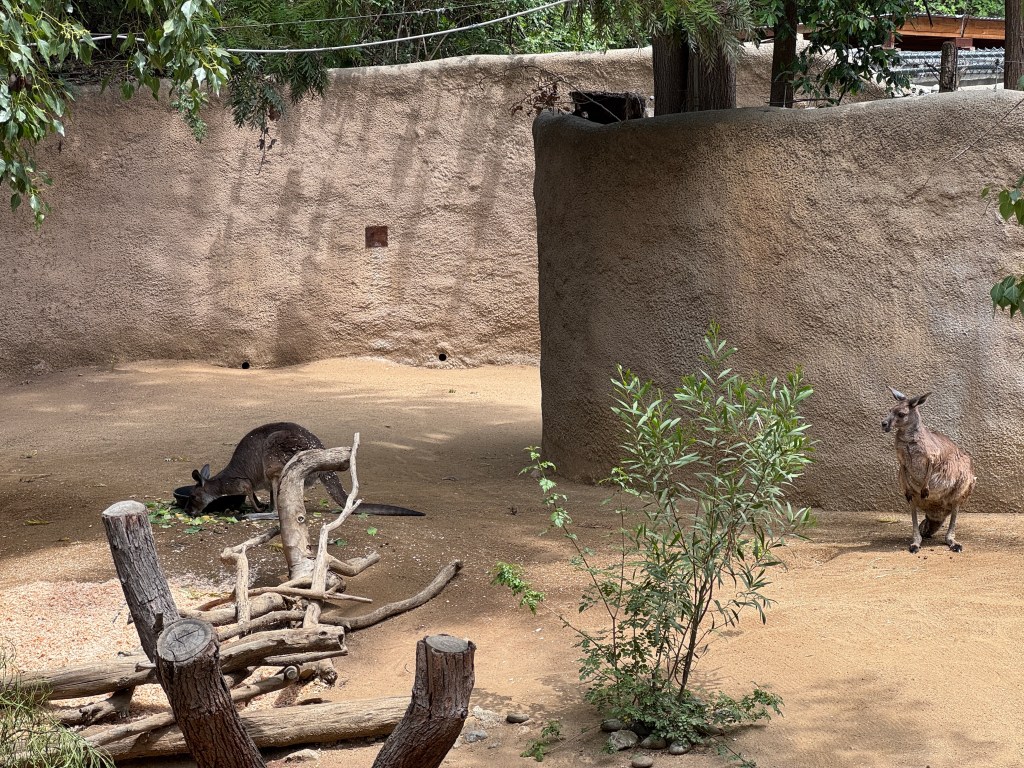
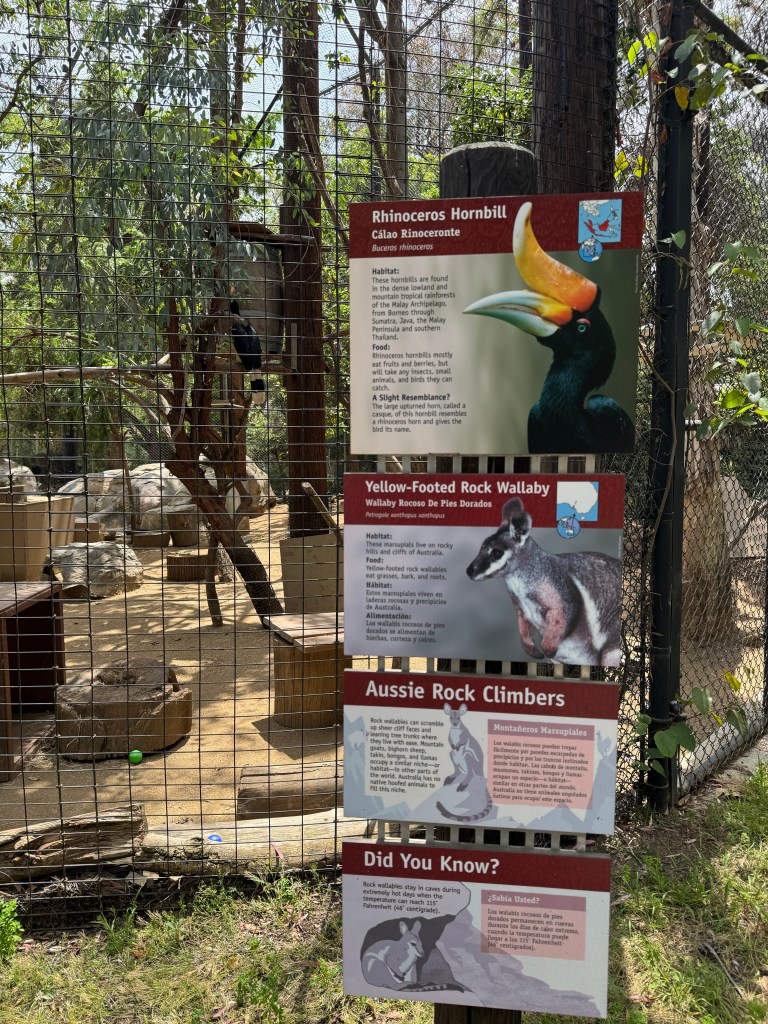
The next day, we flipped the pace completely with a visit to the Los Angeles Zoo, tucked into Griffith Park. It was the perfect family outing—spacious, shaded, and full of animals that kept our daughter wide-eyed and giggling throughout the morning.

The children and farm section is what we started off with and then visited the different sections where we saw meerkats and kangaroos and giraffes and much more.

Wrapping Up Our First 48 Hours

The first two days in LA gave us a taste of the city’s diversity—from sacred stillness to wild wonder. The Cathedral of Our Lady of the Angels reminded us of the spiritual and cultural depth of this city, while the LA Zoo offered lighthearted family fun and a closer look at nature.

If these two days are any indication, LA has something for every mood and moment. And we’re just getting started!