Just Like A Child

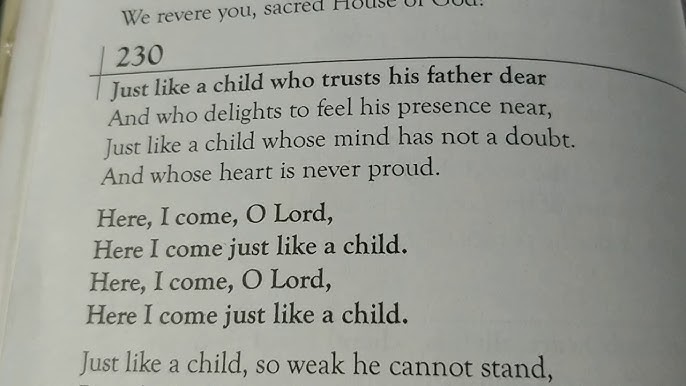
You’ve probably sung the hymn “Just Like a Child” many many times. It is a popular Catholic hymn that reflects a desire for childlike faith, trust, and humility in approaching God. Its origins trace back to the Catholic Charismatic Renewal movement, which emerged in the late 20th century as part of a broader movement emphasizing the Holy Spirit, prayer, and worship in a more personal and lively way.

The song lyrics capture a simple, heartfelt devotion, and its message is inspired by Jesus’ teachings in the Gospels, where He calls His followers to have a childlike faith (e.g., Matthew 18:3: “Unless you change and become like little children, you will never enter the kingdom of heaven”). Its gentle, repetitive melody and lyrics encourage an attitude of surrender, reflecting the simplicity and purity of a child’s love and dependence on their parent—here, on God as the divine parent.

While it may not have a single known author attributed to it, “Just Like a Child” has been included in various hymnals and songbooks used in Catholic worship, especially in communities embracing the Charismatic Renewal spirit.

Absolutely love how the Archdiocese of Bombay have put this together on Children’s Day!

Life Lessons from Google Maps: Embracing Redirection on the Journey to Success

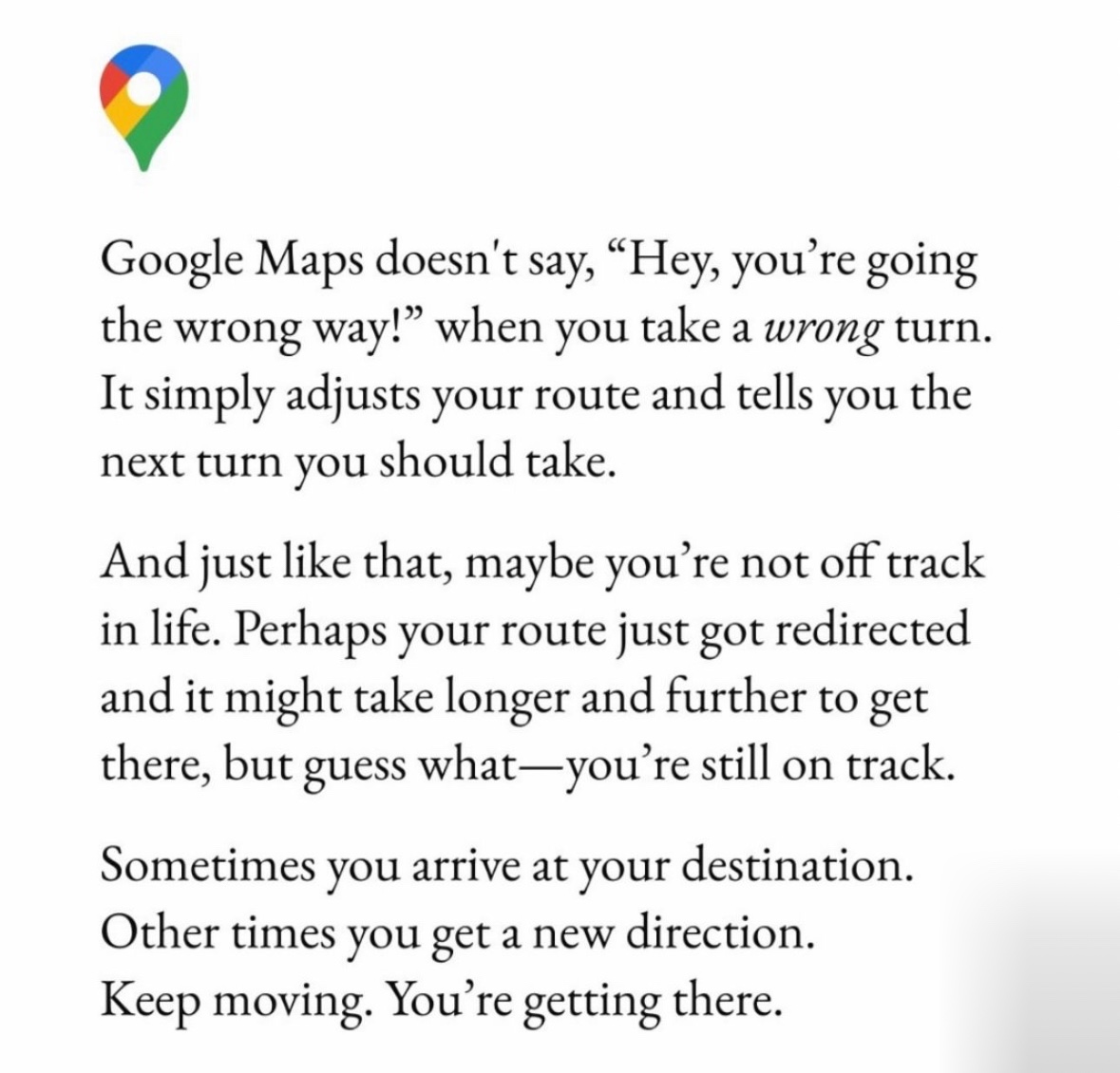
We’ve all been there. Driving along, maybe lost in thought or distracted by a song, only to realize we’ve missed a turn. But rather than berate us, Google Maps doesn’t say, “Hey, you’re going the wrong way!” Instead, it simply recalculates and calmly provides a new route forward. It’s a simple, seamless adjustment, gently guiding us back toward our destination, no matter how many wrong turns we take. In many ways, it’s a powerful metaphor for navigating life’s unexpected detours.

The Art of Redirection

In life, we don’t always follow a straight path to our goals. Mistakes, missed opportunities, or even changes in what we want can make us feel like we’ve gone off course. But what if we’re not off track at all? What if our route has simply been recalculated?

Life, like Google Maps, rarely sounds an alarm when we deviate. Instead, it provides subtle cues, gentle nudges, and sometimes, even unexpected opportunities. These detours may initially seem frustrating, but often, they’re necessary adjustments guiding us to where we need to be, perhaps not the way we envisioned, but often in ways we’ll later realize were essential.


Recognizing the Value of the New Path

We’re conditioned to think of success as a series of milestones on a single path. But Google Maps reminds us that there isn’t just one way to get to where we’re going. There are side roads, scenic routes, and back alleys that we might never have considered but that ultimately add richness and dimension to our journey.

Sometimes, the detours in life are essential for growth. They can teach us resilience, patience, and even new skills that we might never have discovered otherwise. When we’re forced to reroute, we gain an opportunity to see different parts of our world—literally or metaphorically. And though these paths may take longer or seem like diversions, they’re often necessary for our ultimate success.


Patience and Persistence

In our goal-driven society, we tend to focus on arriving quickly, but Google Maps doesn’t stress if it takes longer than expected. It’s a reminder that life is less about how fast we arrive and more about how resilient we are in navigating change. Each detour builds our patience, strengthens our resolve, and shapes who we become.


Keep Moving Forward

Google Maps never encourages us to turn around and go back to the starting point, no matter how many wrong turns we make. It’s a steady voice saying, “You can still get there. Here’s the next step.” Life operates in much the same way. No matter how lost or off-course we may feel, there is always a way forward. The key is to keep moving, even if our path is longer, harder, or less certain than we anticipated.

Sometimes, life reroutes us to an even better destination than the one we had in mind. Other times, it tests our resolve to stay the course. But in every case, moving forward with a sense of purpose, openness, and patience allows us to grow into the people we are meant to be.


Trust the Process

Whether we reach our original goal or find a new one along the way, the journey itself has value. Each redirection isn’t a failure but a lesson, a new view, and a part of our story. Embracing this mindset can transform how we approach the ups and downs, turning life’s uncertainties into opportunities for discovery.


So, the next time you feel off track, remember: maybe you’re just being rerouted. Keep going, follow the path in front of you, and trust that you’re still on your way. Like Google Maps, life will guide you forward, one turn at a time. And though you may end up somewhere unexpected, you’ll realize you’re exactly where you’re meant to be.

Story behind the song: ‘Precious Lord,Take my Hand’

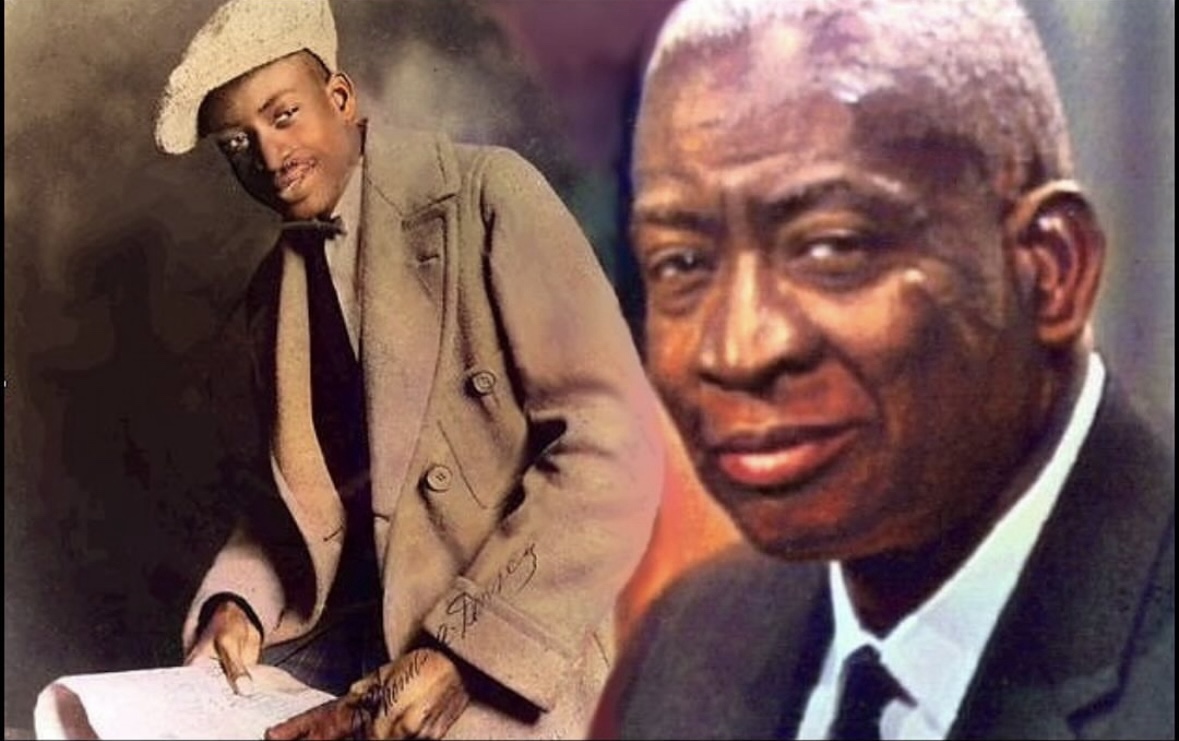
On July 1, 1899, little notice was taken of a baby boy of color, born in Villa Rica, Ga., a small town some 40 miles west of Atlanta. He, one of seven brothers and sisters, was around the church most of his early life. His dad was a devout Baptist preacher, and his mother was an organist. She started young Thomas on the piano when he was 7 years old.

In his late teens, he decided to embark on a career as a blues musician, billed as Georgia Tom. This took him through the night clubs of Atlanta to the jazz houses on the south side of Chicago. Because of his heritage, he very shortly tired of that kind of life and gravitated toward Christian music.

At age 21, he joined the Pilgrim Baptist Church in Chicago where he directed choirs and wrote more than 300 songs. In a taped interview in 1977, Thomas A. Dorsey told this writer the following story, which happened 45 years earlier.

In 1932, at 32 years old, I lived with my wife, Nettie, in a small Chicago apartment. One afternoon, I had to go to St. Louis to sing at a revival. I didn’t want to leave since Nettie was in her last month of pregnancy with our first child.

But, many people were expecting me in St. Louis. So, I kissed Nettie goodbye, hurried downstairs to the car, and set off on Route 66.

Just outside the city, I realized I’d forgotten my music case. When I returned, I found Nettie sleeping peacefully. I hesitated by her bedside, feeling a strong urge to stay, but I brushed it off and quietly left home with my music.

The following night, in the sweltering St. Louis heat, the crowd kept calling me back to sing, over and over. Finally, when I sat down, a messenger boy handed me a telegram. I opened the envelope, and there, pasted on the yellow paper, were the words:

YOUR WIFE JUST DIED.

When I returned, I learned that Nettie had gone into early labor and died from childbirth complications. She had given birth to a son, but that night, he, too, passed away.

I buried Nettie and our baby boy together in the same casket. I was devastated. felt that God had done me an injustice. I didn’t want to serve Him any more or write gospel sings.

I wanted to go back to that jazz world I once knew so well.

As I sat in my dark apartment, I kept thinking back to the day I left for St. Louis. Something had urged me to stay with Nettie. Was that voice God’s? If only I had listened, I would have been with her. From that moment, I promised to listen to God more closely.

But even then, I remained lost in grief.

The following Saturday, a friend took me to a music school in our neighborhood.

The place was quiet. The late evening sun was filtering softly through the curtained windows. I sat down at the piano, letting my fingers wander over the keys.

I then suddenly felt an unexpected peace, as if I could reach out and touch God. A melody began to flow from my hands, one I’d never heard or played before. The words came to me-they just seemed to fall into place:

“Precious Lord, take my hand, lead me on, let me stand!

I am tired, I am weak, I am worn, Through the storm, through the night lead me on to the light,

Take my hand, precious Lord,

Lead me home.”

The Lord gave me these words and melodies, and through them, He healed my spirit. In our deepest grief, we may feel far from God, yet this is when He is closest. It is when our hearts are most open to His restoring power.

Now, I live for Him, willing and joyful, until He gently leads me home.

Embracing Failure: “You Have to Be Willing to Miss to Hit Your Target”

In life, success is often viewed as a straight path, where hard work leads to instant results. But the reality is far more complex. This illustration, “You have to be willing to miss to hit your target,” highlights the vital role that failure plays in achieving our goals. Perseverance is not about getting it right the first time; it’s about continuing to aim despite the times we fall short.

Missing the target can feel discouraging, but it is through these moments of failure that we learn the most. Each “miss” is an opportunity to evaluate, adjust, and improve. Just as an archer refines their technique with each shot, we grow stronger and more capable through our own challenges. The willingness to miss, to accept setbacks, and to keep trying is the essence of perseverance.

Success, then, isn’t just about the final outcome. It’s about resilience—the determination to rise after every fall and keep striving for the goal. By embracing the possibility of missing, we open ourselves to growth, and eventually, we’ll hit the target that once seemed so far away.

The Power of Sharing: How Your Ideas Can Change the World

Ideas are powerful, but they become even more impactful when shared with others. By expressing your thoughts, innovations, or solutions to the world, you ignite a ripple effect that can influence, inspire, and create change far beyond your original intention.

When we keep our ideas to ourselves, their potential is limited. However, sharing them invites collaboration, sparks new conversations, and helps others see possibilities they may not have considered. Your ideas, no matter how small they may seem, can inspire someone else to take action, solve a problem, or think in a new way.

The impact of sharing ideas is exponential. It fuels creativity, promotes growth, and empowers others to share their own thoughts, creating a cycle of innovation and progress. By sharing your ideas, you contribute to a world where everyone can benefit from collective knowledge, making a lasting and meaningful impact.

The Joy of Being a Catechist: A Calling Beyond the Classroom

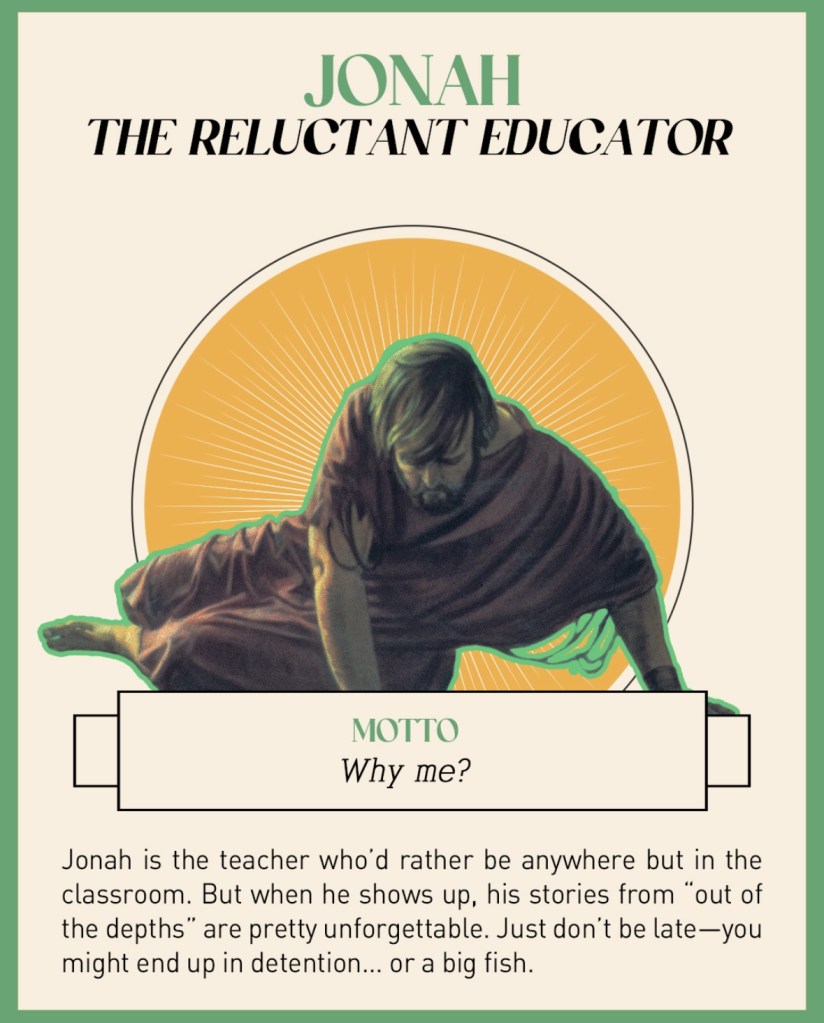
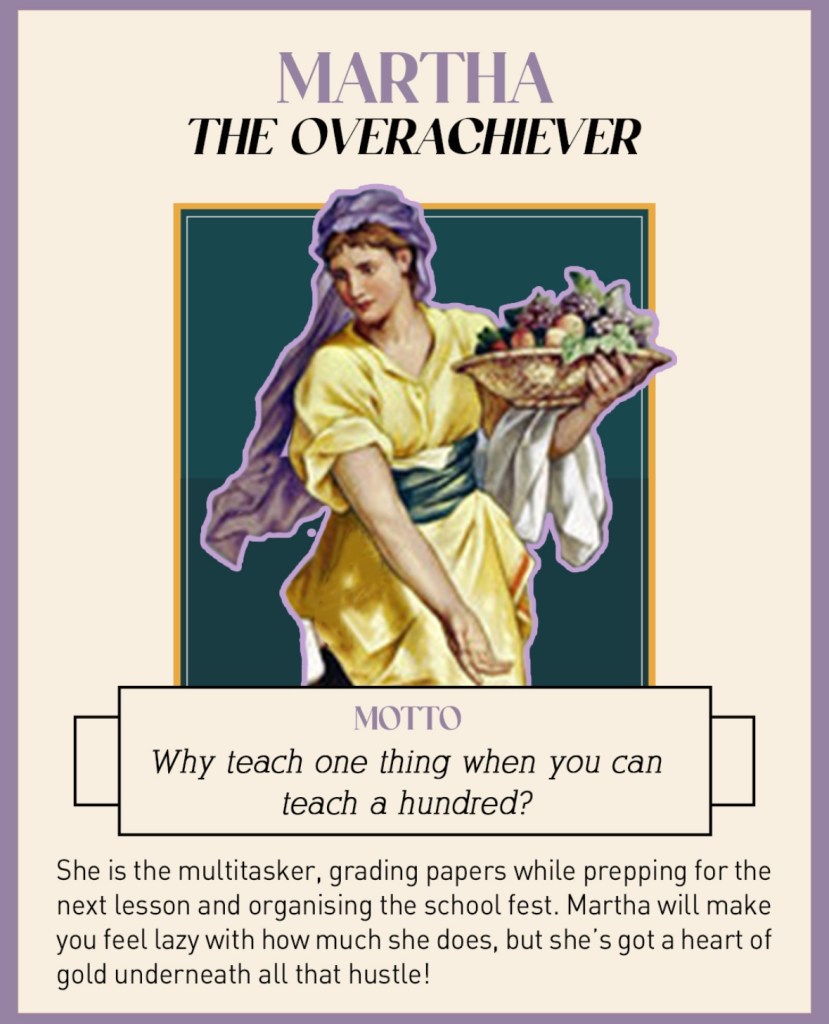
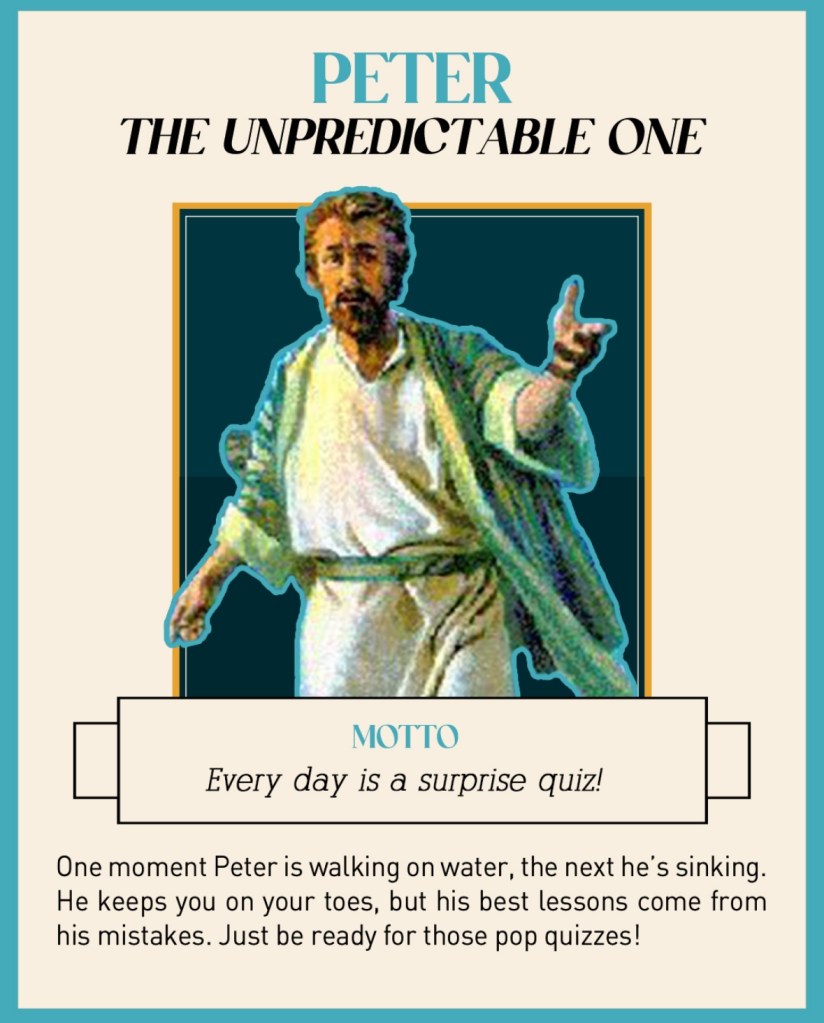
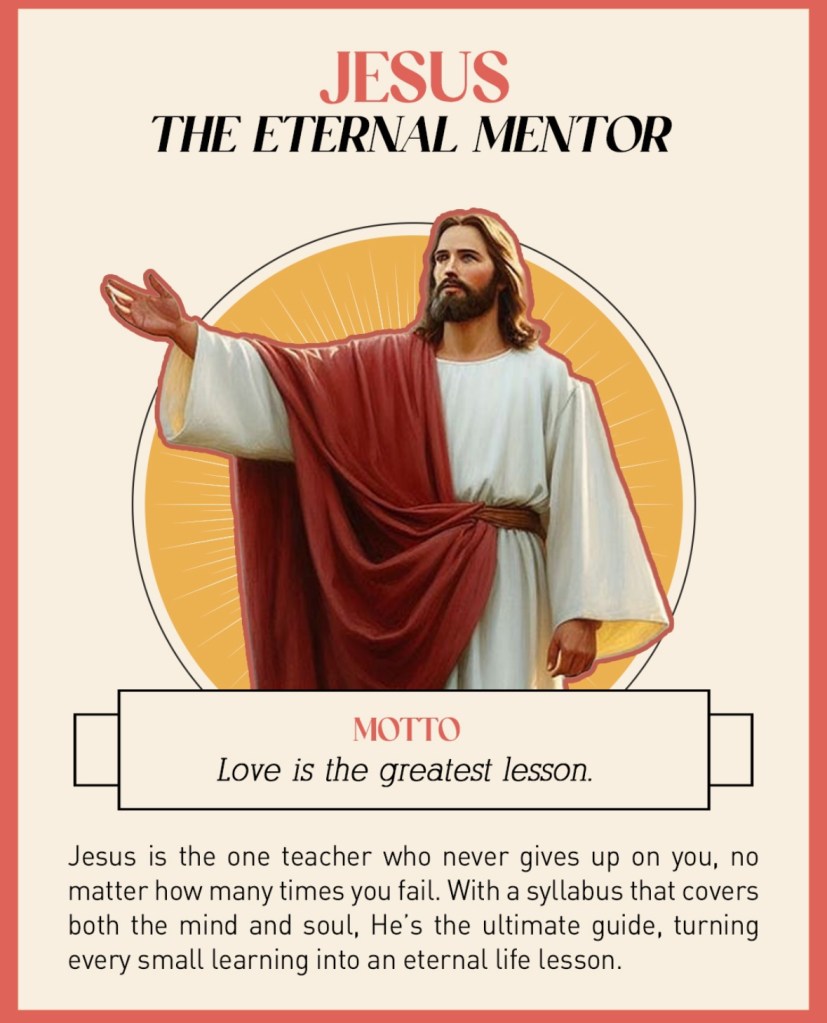
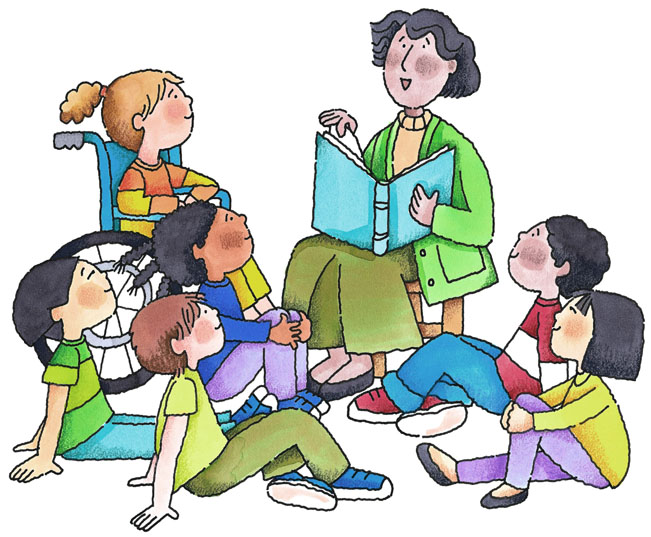
Teaching has always been a noble profession, but there’s something uniquely fulfilling about being a catechist. On this Teacher’s Day, I thought of sharing the profound joy and sense of purpose that comes with guiding young hearts and minds in faith.

A Role of Eternal Impact

Sunday school teaching isn’t just about imparting knowledge—it’s about shaping souls. Every lesson, story, and prayer plants seeds of faith that can grow throughout a child’s life. Knowing that you’re helping to lay the spiritual foundation of future generations gives a deep sense of purpose and eternal impact.


Building Relationships Through Faith

As a catechist, you get to witness the growth of each child in more than just their understanding of scripture. You see their curiosity bloom, their questions deepen, and their friendships flourish. You become a trusted mentor, and these connections last far beyond the classroom. There’s an unmatched joy in watching a child begin to grasp the deeper meanings of love, kindness, and faith.


The Innocence of Children’s Faith

Children approach faith with open hearts and minds, unburdened by the complexities of adulthood. As a catechist, you get to witness this beautiful innocence firsthand. Their simple prayers, honest questions, and genuine desire to know God inspire and often remind you of the pure essence of faith. Every lesson becomes a two-way street where the teacher is as touched as the students.


Creativity and Fun in Teaching

Being a catechist allows for a more creative and engaging approach to teaching. Whether it’s using crafts to illustrate Bible stories, playing games to reinforce lessons, or leading children in lively songs, Sunday school is a joyful space where learning comes alive in fun and imaginative ways. This creative freedom makes teaching both exciting and rewarding.


A Ministry of Love and Patience

Teaching Sunday school nurtures patience, love, and compassion. Every child is different, with unique ways of learning and understanding. As you guide them in their spiritual journey, you also grow in your ability to love unconditionally, understanding their struggles and celebrating their growth. It’s a ministry that refines your character as much as it shapes theirs.


A Reward Like No Other

The rewards of being a catechist aren’t always immediate or visible, but they are deeply profound. Years later when a child recalls a Bible story you taught, or when they share how their faith helped them through a tough time, the sense of fulfillment is immeasurable. You realize that your efforts, however small they may seem, are contributing to something much bigger.


A Role That Transcends

Being a catechist is a unique calling that transcends the traditional classroom. It’s a role filled with purpose, creativity, and love. On this Teacher’s Day, let’s celebrate not just the teachers in schools, but also those who dedicate their time and heart to nurturing the spiritual lives of the next generation.

For every catechist out there,
know that your impact is eternal,
and the joy you bring to these children’s lives is invaluable.

Seeds of Serenity: Cultivating a Garden of Joy

The power of choice is beautifully illustrated in the metaphor of the garden, where we decide which seeds to water. This simple yet profound decision determines the harvest we reap in our lives.

If we water the seeds of negativity, we can expect a harvest of:

  • Resentment: Allowing bitterness to take root, choking out hope and joy.
  • Bitterness: Fostering a sense of entitlement and perpetuating a cycle of pain.
  • Isolation: Withdrawing from others, we wither away, disconnected and alone.

On the other hand, if we nurture the seeds of positivity, we can cultivate a garden of:

  • Happiness: Nourishing joy, contentment, and peace, attracting love and light.
  • Fulfillment: Growing purpose, passion, and meaning, leading to a life of significance.
  • Meaningful Connections: Cultivating empathy, understanding, and unity, fostering a sense of belonging.

The choice is ours. Will we water the seeds of negativity, perpetuating a cycle of pain, or will we nurture the seeds of positivity, cultivating a garden of joy and serenity? Let us tend to our garden with intention and care, choosing to water the seeds that bring life, hope, and happiness. As we sow the seeds of positivity, we reap a harvest of fulfillment, connection, and love.

How Mistakes Show You’re on the Right Path

Mistakes are often seen as failures, something to be avoided or even feared. But what if we shifted our perspective and saw mistakes for what they truly are—proof that we are trying, learning, and growing? The idea that “mistakes are proof that you are trying” is more than just a comforting phrase; it’s a powerful reminder that progress is often born from imperfection.

Take the example of Sara Blakely, the founder of Spanx. Before building her billion-dollar empire, Blakely made countless mistakes. She started out selling fax machines door-to-door and faced rejection after rejection. But instead of giving up, Blakely embraced each mistake as a learning opportunity. She experimented with different ideas and products, often stumbling along the way. It was through these mistakes that she eventually stumbled upon the idea for Spanx. Today, she credits her willingness to fail—and to keep trying despite those failures—as the key to her success.

Blakely’s story is a testament to the idea that mistakes are not the end but the beginning of something greater. When we make mistakes, it means we are pushing our boundaries, stepping out of our comfort zones, and actively trying to achieve something new. Each mistake provides valuable lessons that help us refine our approach, improve our skills, and ultimately move closer to our goals.

In our own lives, it’s easy to get discouraged by mistakes. We might feel embarrassed, frustrated, or even defeated. But it’s important to remember that every mistake is a sign of effort, a step forward in our journey. Whether it’s in your career, relationships, or personal projects, mistakes show that you’re in the game, taking risks, and making progress.

So, the next time you find yourself facing a mistake, instead of seeing it as a setback, view it as evidence that you’re trying. And in the process, you’re learning, growing, and getting one step closer to success. Embrace your mistakes—they are proof that you are on the right path.

The Power of Asking: Unlocking Possibilities

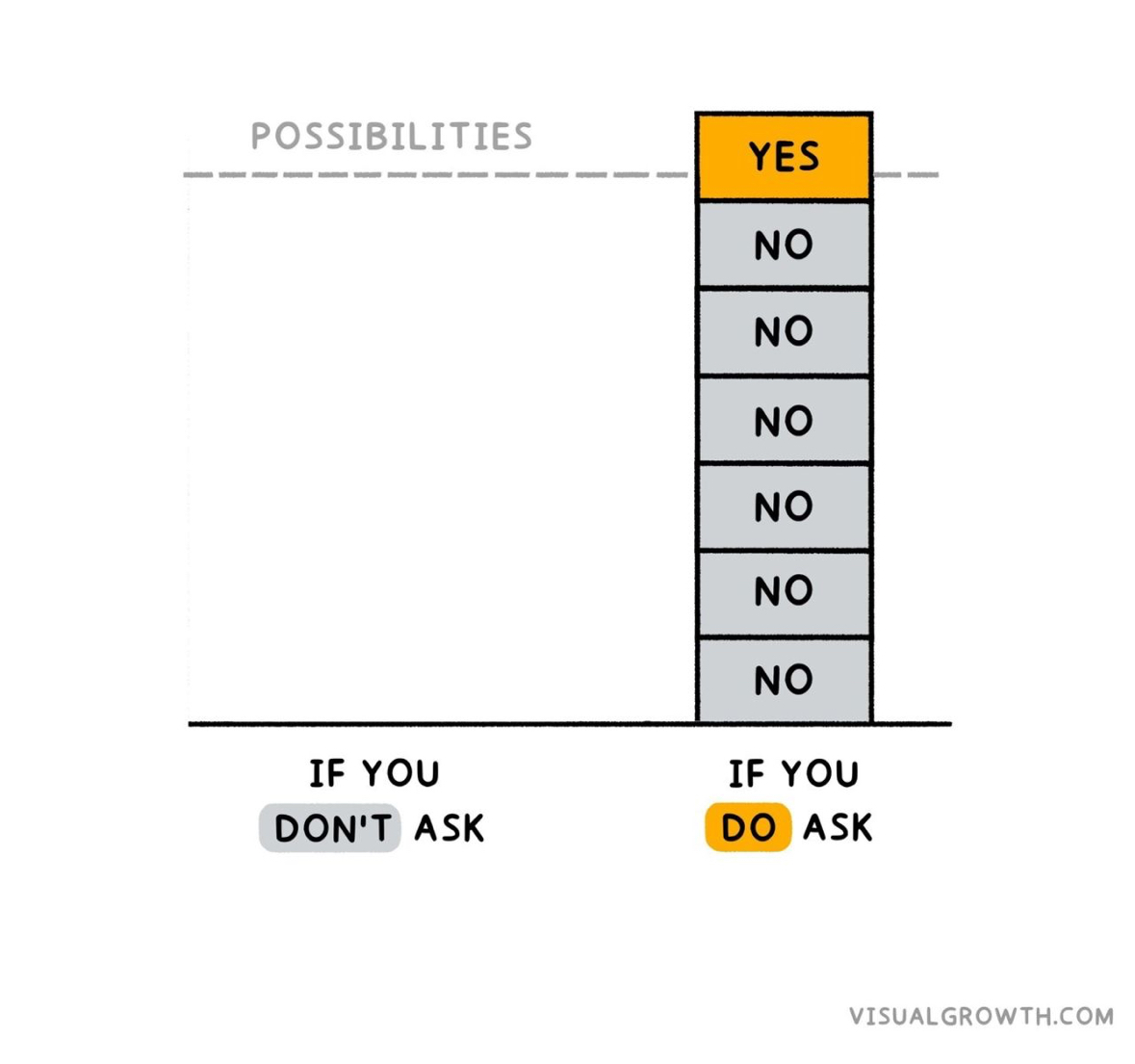
Have you ever wondered how much you might be missing out on simply because you didn’t ask? Whether in our personal lives or professional endeavours, the difference between remaining stuck in the same place and moving forward into new, exciting territories often hinges on one small but transformative action: asking.

When we don’t ask, we tend to stay within the confines of what’s familiar and comfortable. We might avoid seeking advice, requesting help, or proposing new ideas out of fear of rejection, uncertainty, or simply the belief that we should manage on our own. This mindset, however, can lead to missed opportunities, limiting our growth and preventing us from discovering new possibilities that could enrich our lives.

On the other hand, when we take the step to ask, we unlock doors that were previously closed. Whether it’s asking a question in a meeting, seeking feedback on a project, or inquiring about new opportunities, this simple act can lead to unexpected rewards. Asking demonstrates initiative, curiosity, and a willingness to learn and grow. It’s the key that can turn a “no” into a “yes,” transform a challenge into a learning opportunity, and convert an idea into reality.

The difference between the life you live now and the life you could be living often comes down to your willingness to ask. So next time you hesitate, remember that the potential for new opportunities lies just beyond the courage to ask. By embracing this power, you can open up new horizons and explore the full spectrum of possibilities that life has to offer.