Embracing New Beginnings Disguised as Painful Endings

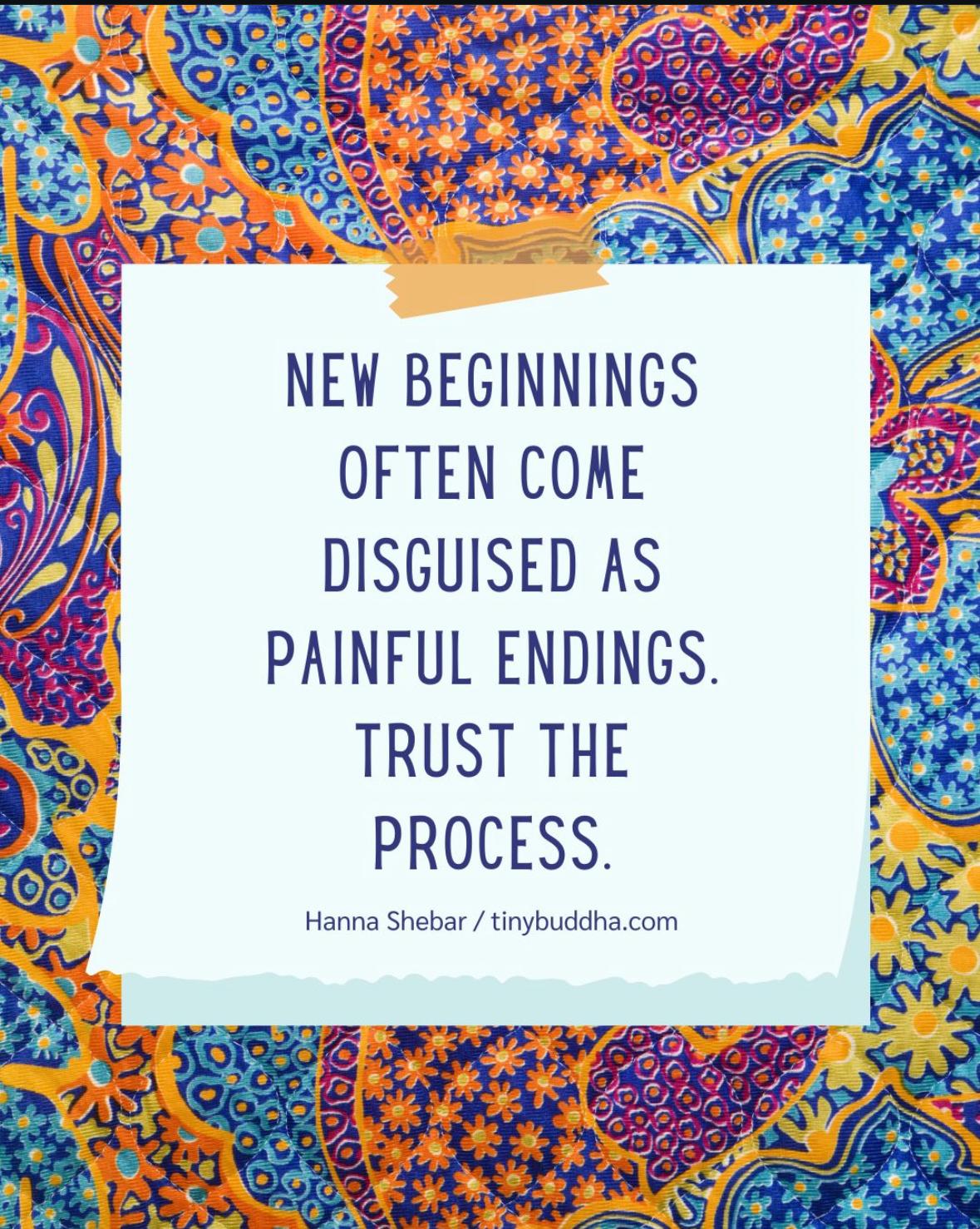
Life has a way of surprising us, especially when we’re faced with what seems like an ending. Whether it’s a job loss, a relationship change, or a sudden shift in our personal or professional journey, we often see these moments as setbacks or losses. But what if these painful endings are actually the seeds of something greater? What if, as the saying goes, “New beginnings often come disguised as painful endings”?

This powerful idea asks us to trust the process, even when the path forward feels uncertain or difficult. It’s a reminder that endings aren’t always failures; sometimes, they are the crucial turning points that lead to something better.

The Hidden Gift of Painful Endings

At first, the concept of painful endings bringing about new beginnings can feel counterintuitive. After all, change is hard, and it’s natural to grieve what we lose. We might feel disappointed, confused, or even angry. But if we can step back and look at the bigger picture, we often find that these so-called endings are merely opportunities in disguise.

Think about the last time you faced a challenge or loss. It may have felt overwhelming in the moment, but over time, didn’t you begin to see how that experience opened new doors or led you down a more fulfilling path? Sometimes, the most painful experiences are the ones that teach us the most and create space for new opportunities to flourish.

A painful ending could be the final chapter of a job that no longer aligns with your values, the end of a relationship that wasn’t serving your growth, or the close of one dream to make way for a new one. These moments may feel like setbacks, but they often hold the key to growth and transformation, even when we can’t see it right away.


Trust the Process: Patience is Key

One of the hardest things to do during painful endings is to trust the process. It’s easy to get caught up in the rush of emotions and the fear of uncertainty. But true transformation requires patience and faith in the journey.

Trusting the process means knowing that every twist and turn, every obstacle and challenge, is shaping you into the person you are meant to be. Just as a caterpillar must go through the painful process of becoming a butterfly, we too must endure moments of discomfort and change before we can emerge stronger, wiser, and more aligned with our true selves.

When we trust the process, we stop fighting against the change and start allowing it to unfold naturally. This doesn’t mean we won’t feel discomfort or doubt along the way, but it does mean that we accept these moments as part of our growth. Each step forward, even if it feels like a setback, is part of the bigger picture.


The Beauty of New Beginnings

When we finally embrace the fact that endings are just the beginning of something new, we start to see the beauty in the transition. New beginnings come with fresh opportunities, renewed energy, and the potential for reinvention. Whether it’s a new career, a fresh perspective, or a new chapter in your personal life, the possibilities are endless.

Even when we feel uncertain or overwhelmed by the change, we must remember that new beginnings often bring more joy and fulfillment than we could have imagined. The key is to stay open to the possibilities and trust that what lies ahead is often far better than what we’re leaving behind.


Moving Forward with Confidence

The next time you find yourself facing a painful ending, take a deep breath and remind yourself: this is not the end of your story, but the beginning of a new chapter. Trust that what seems like a loss is simply preparing you for something greater. The process may not always be easy, but the reward is often worth the wait.

Embrace the discomfort, trust the process, and keep moving forward with confidence. Remember, new beginnings often come disguised as painful endings, and with each ending, you are one step closer to the transformation you’ve been waiting for.


Embrace the Journey

Life is full of twists and turns, and sometimes the most painful moments are the ones that lead to our most significant growth. By trusting the process and embracing new beginnings, we allow ourselves to evolve and move closer to the person we’re meant to become. So, the next time an ending knocks on your door, welcome it as a sign of new possibilities ahead—and trust that the best is yet to come.
Are You Brave Enough To Be The Light?

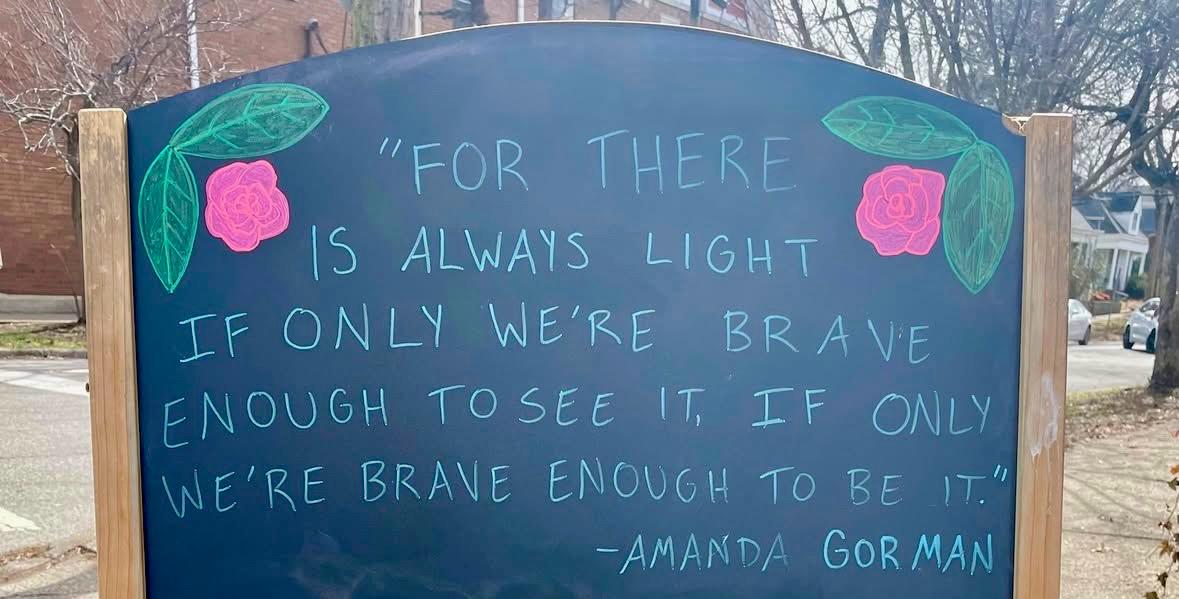
Amanda Gorman, in her powerful poem “The Hill We Climb,” captures the essence of hope, courage, and resilience. One of the most memorable lines in her piece is:

“For there is always light. If only we’re brave enough to see it. If only we’re brave enough to be it.”

These words resonate deeply in times of struggle, uncertainty, and division, offering a gentle yet urgent reminder that light exists even in the darkest of moments. But the true power of these lines lies not just in the acknowledgment of light, but in the call to action—encouraging us to be brave enough to recognize it, and brave enough to become it.


The Light Exists, Even in Darkness

Gorman’s declaration that “there is always light” is not just an observation; it’s a belief. It suggests that hope, beauty, and goodness are inherent parts of our world, even when circumstances seem bleak. This light can take many forms—whether in small acts of kindness, moments of personal growth, or collective efforts for justice and equality. The light is there, waiting for us to acknowledge it.

In times of hardship, when it feels as though the world is overwhelmed by darkness, it’s easy to overlook these glimmers of light. It’s natural to focus on the shadows and the challenges ahead. But Gorman’s words challenge us to shift our gaze, to see beyond the immediate and the difficult, and to seek out those moments of light that remind us of our shared humanity.


The Courage to See the Light

The line “If only we’re brave enough to see it” invites us to consider the courage required to find the light in our lives and in the world. It’s easy to feel overwhelmed or cynical when faced with problems, whether personal or societal. But Gorman encourages us to be brave enough to look for hope, even when it feels out of reach.

Bravery doesn’t always mean grand gestures or heroic acts. Sometimes, bravery is simply the act of choosing to focus on what’s good, to seek the positive even when it feels like negativity surrounds us. It’s about having the strength to believe in a better tomorrow, even if we don’t know exactly what it will look like. The bravery to see light can be as simple as choosing to stand up for what’s right, to lend a hand to someone in need, or to offer a word of encouragement to someone who is struggling.


The Call to Be the Light

But Gorman’s message doesn’t stop with seeing the light; it extends into the realm of action: “If only we’re brave enough to be it.” Here, she urges us to not only recognize the light in the world but to embody it ourselves.

This line challenges us to take responsibility for the energy we bring into the world. It’s a call to act with compassion, to speak with honesty, and to stand with integrity. We all have the potential to be that light, to make a difference in the lives of those around us through our actions, words, and choices.

Being the light doesn’t mean we have to be perfect or always have the answers. It simply means showing up, being present, and offering something positive—whether that’s kindness, understanding, or a willingness to listen. Sometimes the light we need to shine is just our willingness to be vulnerable, to share our stories, and to encourage others to do the same.


Bravery in the Face of Adversity

The beauty of Gorman’s lines is that they acknowledge the challenges that come with being brave. It’s not always easy to see the light, especially when we are bogged down by fear, doubt, or fatigue. And it’s even harder to be that light when the world seems to be full of darkness. But Gorman suggests that it is precisely in these moments of adversity that we must be brave enough to see the light and brave enough to be it.

In a world that can sometimes feel divisive or discouraging, her words remind us that we have the power to create change through our choices. Each small act of courage—whether it’s standing up for someone, pursuing a dream, or offering a smile—contributes to the collective light that can guide us through even the toughest of times.


A Call to Action

Amanda Gorman’s line, “For there is always light. If only we’re brave enough to see it. If only we’re brave enough to be it,” is both an invitation and a challenge. It calls us to recognize that light is always within reach, even when it’s hard to see. But it also compels us to be that light, to embody hope, love, and courage in everything we do.

In a world that often feels heavy, we have the power to choose bravery, to see the light in ourselves and others, and to become the light that guides us forward. The only question is: will we have the courage to do so?

Keanah’s 2nd Birthday Trip to Dallas World Aquarium

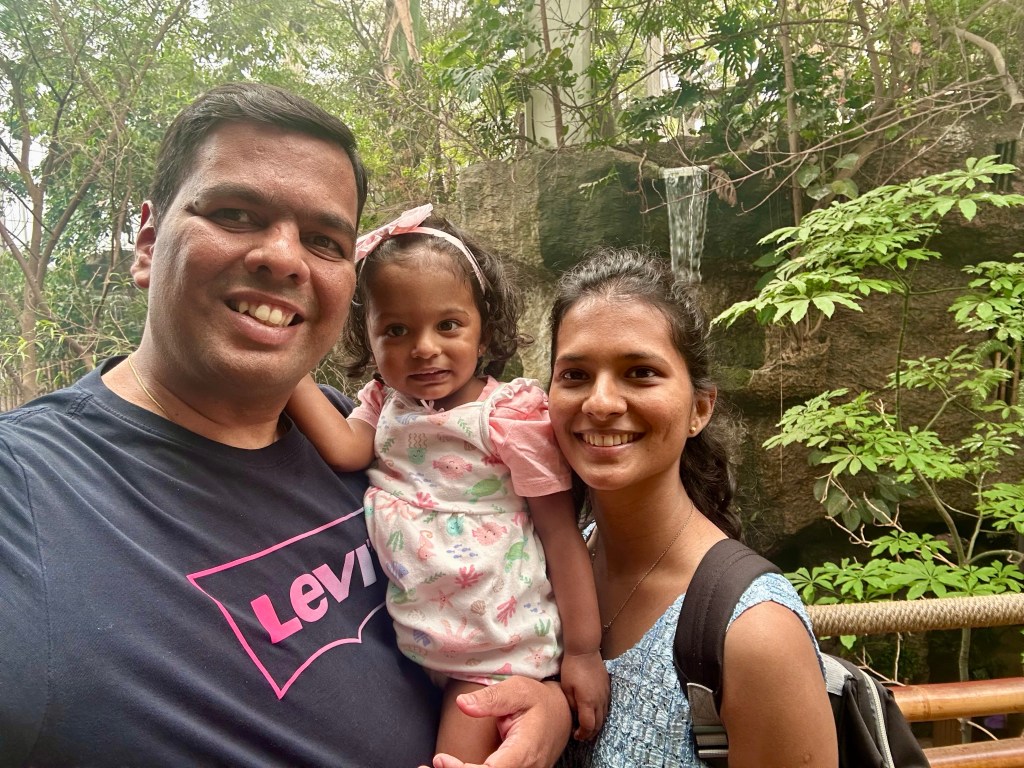
Way before we even left home for Dallas, Ana and myself had already planned to visit the Dallas World Aquarium for Keanah’s second birthday! We’ve been telling her over the last few weeks about our trip and plans. And so she was super excited to see all the fish. Ana painted this lovely piece for the occasion!

And so after finishing all the calls with our family and friends, we set out. A big big thank you to Nayan and Spoorthi for graciously taking us to the aquarium.

I was surprised to see that even though it’s called an aquarium, there is much more than just sea animals. It has three levels.

Ornico Rainforest

Here we enjoyed the cloud forest trek and the canopy level of the ornico secrets of the river rainforest exhibits.


Aquarium

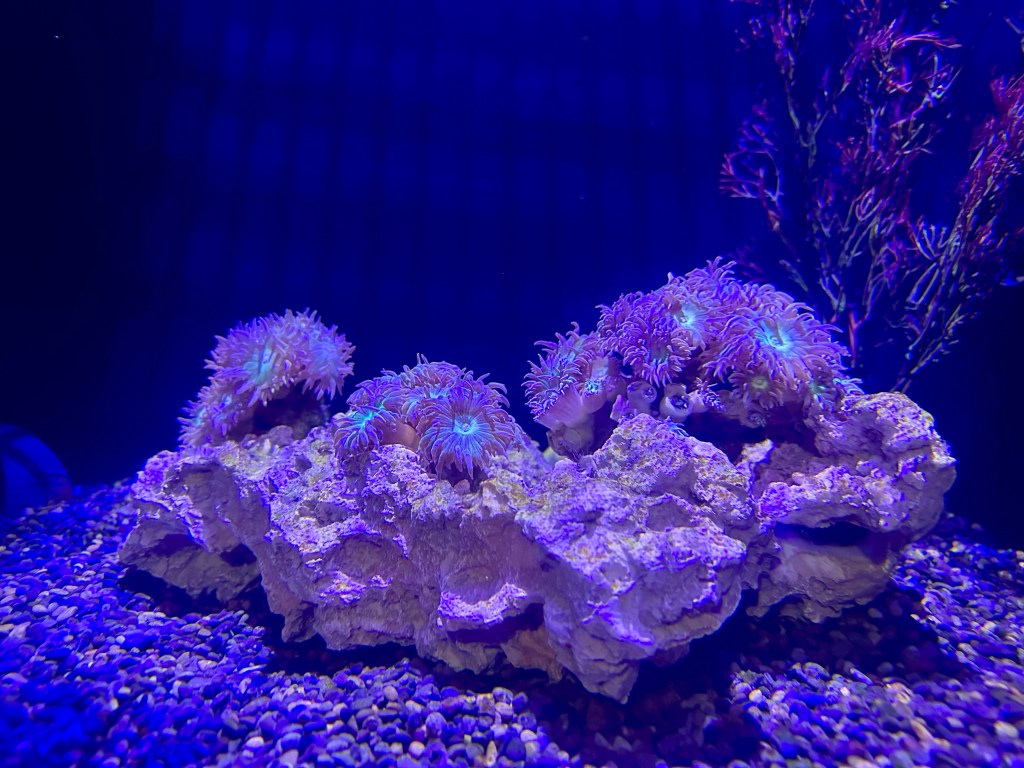
The aquarium adjoins the river exhibit and presents marine life from around the world. We absolutely loved the AMAZING colors of the corals from Sri Lanka, Indonesia, Japan and so many other places. And of course the highlight was the manatee.


Mundo Maya

In this section we had the tunnel through which we viewed the sharks! And on our way there we saw flamingos, owls and the big sea otter!


We ended with a quick bite at the Jungle Cafe before heading back home.

As we wrapped up our visit to the Dallas World Aquarium, we couldn’t help but feel grateful for such a magical day celebrating Keanah’s second birthday. Watching her wide-eyed wonder at the vibrant fish, playful otter, sharks, manatee and the towering waterfall was a reminder of the simple joys of childhood. It was a day filled with laughter, discovery, and precious memories that we’ll cherish for years to come.

If you’re looking for a family-friendly adventure, the Dallas World Aquarium is a fantastic choice—especially for little explorers! We can’t wait to visit again as she grows, seeing the world through her eyes, one amazing experience at a time.

Go With the Flow: Life Lessons From a River

In our fast-paced world, we often equate progress with speed—rushing from one goal to the next, constantly pushing forward. But nature has a different lesson to teach us.

“Listen to the river and it will teach you that moving forward is not about rushing – it’s about flowing with purpose.”

Rivers don’t sprint toward their destination. They move steadily, carving paths through mountains, nourishing everything in their wake, and adapting to obstacles rather than fighting them. They don’t resist change—they embrace it.


The Power of Purposeful Flow

Unlike a flood that destroys everything in its path, a river’s steady current transforms landscapes over time. It doesn’t rush recklessly, yet it never stands still. This is the essence of purposeful movement—progress that is sustainable, impactful, and mindful.

In our own lives, this means:

Embracing patience – Not every success comes instantly, and meaningful growth takes time.

Adapting to challenges – Just as a river finds new routes when blocked, we must pivot rather than resist change.

Staying steady, not stagnant – Progress isn’t about chaotic motion but about consistent, intentional steps forward.


Flow, Don’t Force

When we force things—rushing decisions, chasing trends, or overworking ourselves—we risk burnout and resistance. But when we flow with purpose, we align with the rhythm of life, making our journey not just successful, but also fulfilling.

So the next time you feel pressured to rush, take a moment to listen—to yourself, to nature, to the wisdom of the river. You might just find that the best way forward isn’t to run faster, but to flow smarter.

Luck? It’s Just the World’s Label for Hard Work

How often do we hear someone say, “They got lucky” when talking about a person’s success? Whether it’s a thriving business, a breakthrough app, a best-selling book, or an athlete at the peak of their career, the world loves to package years of struggle into a single word: luck.

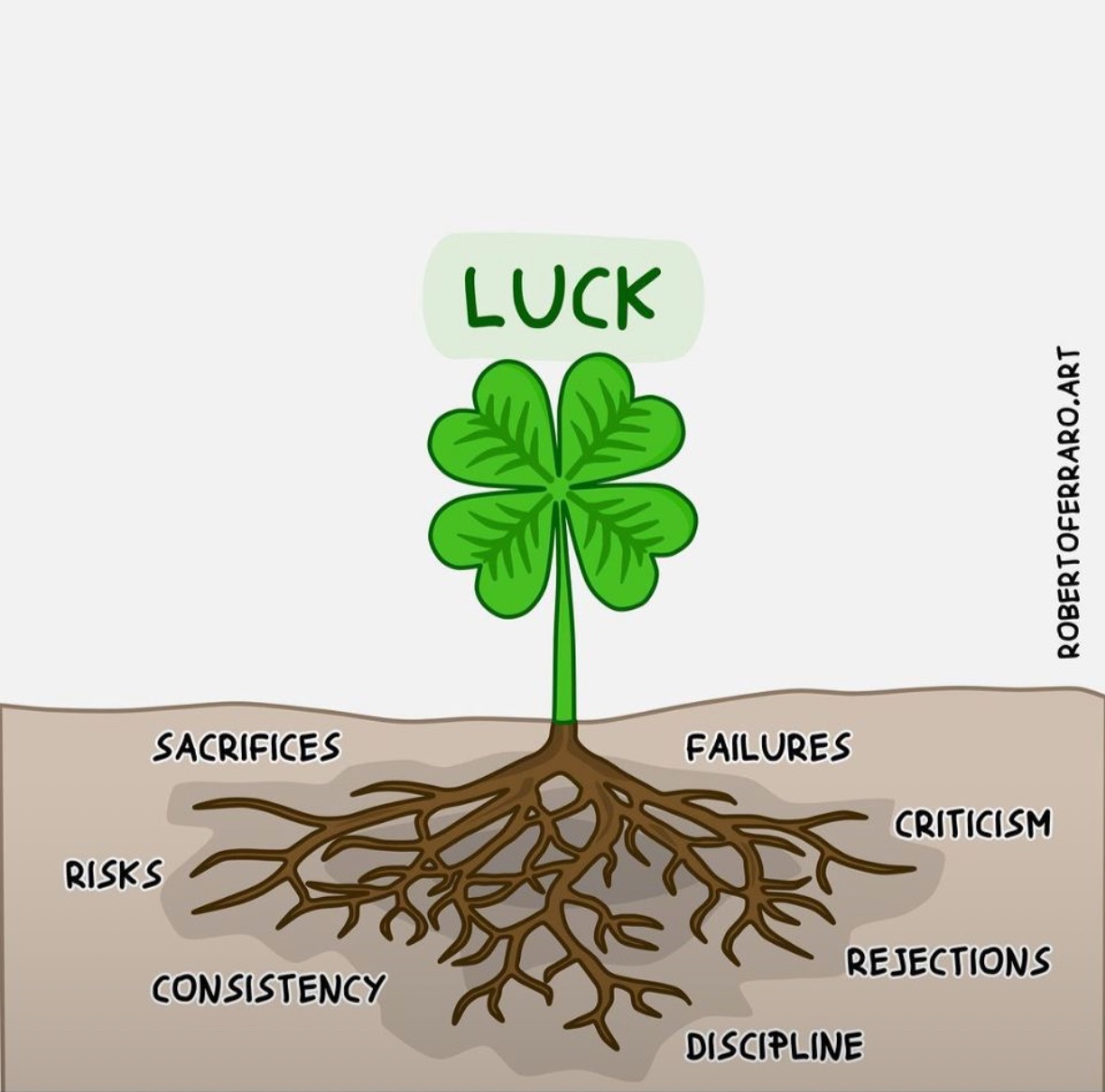
But the truth is, luck is just the visible tip of an iceberg that rests on a deep foundation of sacrifices, consistency, risks, discipline, failures, criticism, and rejection. What people see as an overnight success is often the result of years of unseen effort.

The Sacrifices Behind the “Luck”

Every achievement comes at a cost. The sleepless nights, the missed family gatherings, the weekends spent working instead of relaxing—all of these are sacrifices successful people make long before the world calls them lucky. They invest time, energy, and resources into their craft, often with no immediate reward.


Consistency: The Boring Yet Powerful Secret

Talent is overrated if it lacks consistency. It’s easy to be motivated for a few weeks, but true success comes from showing up every single day, even when no one is watching, even when it feels like nothing is working. The people we call lucky today were once grinding in silence, practicing their craft when no one cared, improving little by little until they broke through.


The Risks That Define the Journey

Every success story involves moments of uncertainty—decisions that could either lead to a breakthrough or a complete failure. Entrepreneurs invest their savings into an idea that might not work. Artists and writers pour their hearts into projects with no guarantee of recognition. Athletes push their bodies beyond limits, risking injury for the dream of making it big. Without taking risks, there’s no real progress.


Discipline: The Unseen Force

Success isn’t about passion alone; it’s about discipline. It’s about doing what needs to be done, even when you don’t feel like it. The discipline to wake up early, to train when exhausted, to study when distractions are tempting—these are the habits that build “luck” over time.


Failure, Criticism, and Rejection: The True Tests

Ask any successful person about their journey, and you’ll hear stories of rejection letters, failed launches, lost investments, and harsh criticism. But here’s the difference: the ones who made it didn’t stop. They treated failure as feedback, criticism as fuel, and rejection as redirection.


When the World Calls It “Luck”

By the time the world notices, the hard work has already been done. The sacrifices have been made. The risks have been taken. The failures have been endured. And suddenly, people say, “Wow, they got lucky.” But those who walked the journey know better.

So the next time you hear someone dismiss success as luck, remember: luck is just what the world calls it when they finally notice the years of invisible work.

Living a Story You’ll Love Watching

“Focus on living a story you’ll feel good watching.” It’s a simple phrase, yet it carries a powerful message. In a world saturated with opinions, judgments, and constant feedback, it’s easy to get lost in the noise and lose sight of your own path. But what if, instead of chasing fleeting approval, we focused on crafting a life that resonates with our authentic selves?

This quote isn’t about creating a perfect, sanitized version of reality. Life, as we all know, is messy. It’s filled with ups and downs, triumphs and setbacks. There will always be critics, those who see things differently, and those who simply don’t understand your journey. That’s the nature of being human.

The Reality of Spectator Opinions
Think of it like this: everyone has a seat in the audience of your life. They’ll cheer, they’ll boo, they’ll analyze every scene, every dialogue. But ultimately, they’re just spectators. They’re not living your story; you are.

The truth is, pleasing everyone is an impossible and ultimately self-defeating task. Someone will always have an opinion, and often, those opinions will clash. Trying to mold your life to fit everyone else’s expectations is like trying to fit a square peg into a round hole – it just doesn’t work.

Taking Control of Your Narrative
So, how do we “live a story we’ll feel good watching” amidst the constant barrage of external opinions? It comes down to these key principles:

  • Know Your Values: What truly matters to you? What principles guide your decisions? When you align your actions with your core values, you create a foundation of integrity that can withstand external pressures.
  • Embrace Authenticity: Be true to yourself, even when it’s uncomfortable. Don’t be afraid to be different, to follow your own path, and to express your unique perspective.
  • Focus on Your Inner Compass: Learn to distinguish between constructive criticism and mere noise. Listen to your intuition, trust your judgment, and make decisions that feel right for you.
  • Accept Imperfection: Your story won’t be flawless. There will be plot twists, unexpected challenges, and moments of doubt. But it’s in those moments that true growth and resilience are built.
  • Prioritize Your Well-being: Your mental and emotional health are paramount. Don’t sacrifice your well-being for the approval of others. Set boundaries, practice self-care, and surround yourself with supportive people.
  • Reflect and Learn: Take time to reflect on your experiences, both good and bad. Learn from your mistakes, celebrate your successes, and continually strive to grow as a person.

The Power of Self-Validation
Ultimately, the most important opinion is your own. When you can look back on your life and say, “I lived authentically, I stayed true to my values, and I made choices that aligned with my best self,” you’ll have a story worth watching.

It’s not about ignoring feedback altogether. Constructive criticism can be valuable for growth. But it’s about filtering that feedback through the lens of your own values and priorities.

Instead of seeking external validation, focus on cultivating self-validation. Build a relationship with yourself based on trust, respect, and self-compassion.

Your Story, Your Choice
You are the author of your own story. You have the power to rewrite the narrative, to choose your own path, and to create a life that you’ll be proud to look back on. So, tune out the noise, embrace your authenticity, and start living a story you’ll truly love watching.

The Power of Care

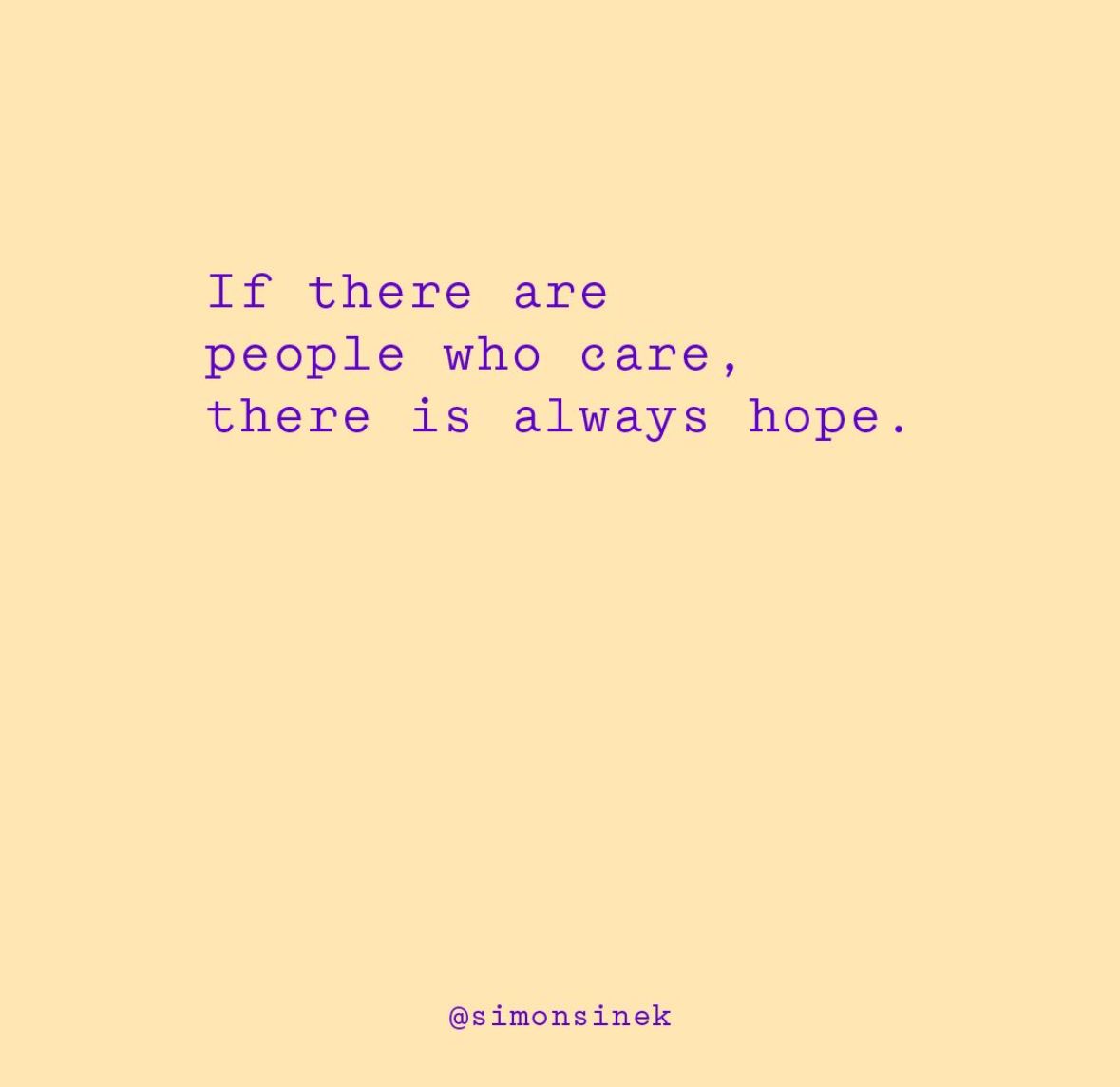
I recently came across a beautiful quote by Simon Sinek: “If there are people who care, there is always hope.” This simple yet profound statement resonated deeply with me, both personally and professionally. In a world that often feels overwhelming, whether due to challenges in our personal lives or the pressures of the professional world, it is the presence of people who care that makes all the difference.

Hope in the Workplace: The Power of a Supportive Culture

In the fast-paced world of technology and business, we often find ourselves chasing deadlines, optimizing processes, and striving for excellence. But beyond all the technical expertise and strategic execution, what truly sustains a thriving workplace is a culture of care. When leaders and colleagues genuinely care about each other’s growth, challenges, and well-being, it fosters resilience, innovation, and motivation.

As a leader, I’ve seen firsthand how teams perform better when they know someone cares. A simple check-in, a willingness to mentor, or an encouraging word can transform an individual’s outlook. When employees feel valued, they don’t just show up to complete tasks—they bring their best selves to work. They push boundaries, think creatively, and support one another through challenges. The presence of care cultivates hope, and hope, in turn, fuels progress.


Hope in Personal Life: The Strength of Human Connections

Beyond the professional sphere, the same principle holds true in our personal lives. Life is unpredictable, often throwing obstacles our way that test our patience, strength, and resolve. In these moments, the people who stand by us—family, friends, mentors—become our greatest source of hope.

Think about a time when you faced a personal struggle. Wasn’t it the presence of someone who truly cared that made the burden a little lighter? Whether it’s a heartfelt conversation, a reassuring presence, or a simple act of kindness, the fact that someone cares reminds us that we are not alone. And as long as we are not alone, hope remains alive.


Bringing Care and Hope Together

Caring is not about grand gestures; it’s about the small, consistent actions that show people they matter. A leader who takes time to listen, a colleague who offers help, a friend who checks in—all of these acts create ripples of hope. In both professional and personal spaces, fostering a culture of care leads to deeper connections, stronger resilience, and a shared belief that no challenge is insurmountable.

Simon Sinek’s words serve as a powerful reminder: Hope is not just a feeling; it is a result of people who care. If we want to create a better workplace, a stronger community, or a more meaningful life, we must start by caring for those around us. Because where there is care, there is always hope.


What are some ways you have experienced the power of care and hope in your own life? I’d love to hear your thoughts!

Trusting the Author of Your Story

Life often feels like a story we are desperate to control. We plan, we push, we rewrite—but sometimes, our efforts lead to frustration rather than fulfillment. The quote “Try not to steal the pen from God as He writes your story—your handwriting will not match His” is a powerful reminder that our lives are best written by the One who sees the whole picture.

When we insist on writing our own script, we may struggle with uncertainty, disappointment, or even regret. Our limited vision tempts us to take matters into our own hands, believing we know what’s best. But God, the ultimate Author, crafts a narrative richer and more beautiful than we could ever imagine. His handwriting—full of wisdom, grace, and purpose—flows in ways we cannot replicate.

Surrendering the pen doesn’t mean being passive. It means trusting the divine storyline, embracing the chapters as they come, and having faith that even the unexpected plot twists are leading to something greater. When we let Him write, our story finds its true purpose.

The Art of Failing Forward: Turning Setbacks into Success

Failure isn’t the enemy. It’s a teacher, a guide, and often, the very thing that propels us toward growth. Many of the most successful people in history—entrepreneurs, athletes, artists—haven’t avoided failure. Instead, they’ve embraced it, learned from it, and used it as a stepping stone to success.

Daniel Abraham’s perspective on failure as a transformative force resonates deeply. He outlines seven key steps to turn failure into growth:

1. Fall – The Stumble That Starts the Journey

Failure is inevitable. Whether it’s a missed opportunity, a rejected proposal, or a project that didn’t meet expectations, setbacks happen. The key is not to fear them but to recognize that every stumble is part of the journey.

2. Acknowledge – Recognize What Went Wrong

The worst thing you can do after failing is ignore it. Acknowledging your mistakes—without excuses or blame—is the first step toward growth. This is where self-awareness and honesty come into play.

3. Iterate – Adjust, Refine, and Try Again

Failure isn’t final. It’s feedback. Once you identify what went wrong, make the necessary adjustments. Small refinements can lead to massive improvements over time. Think of failure as a prototype: each iteration brings you closer to success.

4. Learn – Extract the Lesson Hidden in the Setback

Every failure holds a lesson. Sometimes, it’s about preparation. Other times, it’s about resilience, strategy, or even timing. The real challenge is shifting your mindset to view failures not as roadblocks but as valuable learning experiences.

5. Understand – Gain Deeper Insights from Your Experience

Once you extract the lesson, take it further. Ask yourself: Why did this happen? What patterns am I seeing? How can I apply this knowledge moving forward? The deeper your understanding, the stronger your foundation for future success.

6. Resolve – Build the Strength to Keep Going

Failures can be discouraging, but resilience separates those who succeed from those who give up. Strengthening your resolve means committing to the process—understanding that failure is just a phase, not a final destination.

7. Execute – Apply What You’ve Learned and Move Forward

Knowledge without action is useless. Once you’ve analyzed, learned, and refined, it’s time to put your lessons into practice. Move forward with confidence, knowing you’re better prepared for the next challenge.


People who succeed don’t do so because they never fail. They succeed because they fail—and learn. Every mistake, every misstep, every failure teaches you what doesn’t work and brings you closer to what does.

So, the next time you stumble, remember: Failure isn’t a stop sign. It’s a roadmap. Keep going.

Why Sleep is Essential for Your Well-Being

In our fast-paced world, sleep is often the first thing we sacrifice in pursuit of productivity. However, sleep is not just a luxury—it’s a fundamental pillar of good health and well-being.

Just like in a game of Jenga, your wellbeing is a delicate structure. And just like a missing block can cause a tower to collapse, sleep deprivation can wreak havoc on your health and happiness.

Here’s why getting enough sleep is crucial for your mind and body.

1. Boosts Mental Health

Quality sleep is essential for maintaining emotional balance. During sleep, the brain processes emotions and experiences, helping to manage stress and anxiety. Chronic sleep deprivation, on the other hand, can lead to mood swings, depression, and increased irritability.

2. Enhances Cognitive Function

Ever struggled to concentrate after a restless night? That’s because sleep is crucial for cognitive functions such as focus, memory, and decision-making. During deep sleep, the brain consolidates memories and clears out toxins, ensuring you’re sharp and alert the next day.

3. Strengthens Immune System

Sleep is a natural immune booster. While you rest, your body produces cytokines—proteins that help fight infection and inflammation. Insufficient sleep can compromise your immune response, making you more susceptible to illnesses.

4. Supports Physical Health

From heart health to weight management, sleep plays a significant role in maintaining physical well-being. It regulates hormones that control hunger and metabolism, reducing the risk of obesity. Additionally, restful sleep lowers blood pressure and decreases the risk of heart disease.

5. Improves Productivity and Performance

Contrary to the belief that sleeping less allows for more work, lack of sleep actually hinders productivity. Well-rested individuals have better concentration, faster reaction times, and enhanced problem-solving skills—key factors for success in any endeavor.

6. Promotes Emotional Well-Being

Sleep is directly linked to how you feel throughout the day. It impacts your ability to handle stress, your patience levels, and your overall emotional state. A good night’s rest can lead to a more positive outlook and better social interactions.


Here are 10 habits from Bryan Johnson of Don’t Die that will help you improve your sleep quality:

  1. Treat sleep as a non-negotiable appointment.
  2. Go to bed and wake up around the same time each day, even on weekends.
  3. Unplug from screens and engage in calming activities an hour before bed.
  4. Avoid large meals or sugary snacks close to bedtime.
  5. Avoid caffeine and alcohol in the evening.
  6. Dim the lights and use blue-light blocking glasses before bed.
  7. Keep your bedroom cool, dark, and quiet.
  8. Expose yourself to sunlight within 15 minutes of waking up to regulate your circadian rhythm.
  9. Monitor your sleep patterns to identify areas for improvement.
  10. Make sleep a top priority in your life.

Remember, your wellbeing is a Jenga tower. Prioritize sleep, and you’ll build a strong, resilient foundation for a happy and successful life.

By prioritizing sleep, you’re investing in your physical health, emotional stability, cognitive abilities, and overall quality of life. So, tonight, give yourself the gift of a good night’s sleep—you deserve it!