3 Easy Ways To Be More Assertive

Assertiveness is a crucial trait that plays a significant role in both personal and professional aspects of life. It involves expressing one’s thoughts, feelings, and needs openly and honestly while respecting the rights and opinions of others.

This is going to sound harsh:

If you don’t find your assertive voice, you will be walked over. It will affect your confidence. And this will affect the trajectory of your life.

Recently I came across Jefferson’s Fisher‘s profile on Instagram.

He suggests 3 simple changes you can make right now to become more assertive:

1: Stop over-apologizing.

That’s where you say “I’m sorry” in every other sentence. It’s time to drop that habit.

Instead of saying, “I’m sorry I’m late,” try “Thank you for waiting for me.” Replace “I’m sorry to bother you,” with “I appreciate your time.”

If it is not an apology, do not apologize for it. It’s a submissive position.


2: Stop undervaluing what you have to say.

Your thoughts are important. Never put yourself down before you get out your sentence.

Don’t start with, “This might be a dumb question but…”

Instead, use phrases like, “Can I build upon that?” or “Can I take that further?” This shows you’re engaging confidently with the conversation.


3: “No” is a complete sentence.

If you have a boundary, stick to it.

People might not always like it, but they will respect you for being clear about your limits.


Use these 3 tips and you’ll find your voice growing stronger each day. Assertiveness is a key trait that enhances communication, self-esteem, relationships, and overall well-being. By fostering clear and respectful dialogue, assertive individuals navigate life’s challenges more effectively and build stronger, more fulfilling connections with others. Developing assertiveness is a worthwhile investment that can lead to numerous personal and professional benefits.

The Power of Kindness: A Different Approach to Conflict

In the realm of human interactions, conflicts and disagreements are inevitable. When faced with hostility or unkindness, the instinctive reaction is often to reciprocate in kind, giving others a taste of their own medicine. However, there is a more profound and effective approach: responding with the opposite, with kindness and understanding.

Imagine a world where, instead of mirroring the negativity we receive, we choose to counter it with compassion. This concept, while seemingly counterintuitive, can have transformative effects on both personal relationships and broader social dynamics. When someone lashes out, it’s typically a reflection of their inner turmoil, stress, or pain. Responding with kindness can disrupt this cycle of negativity, offering a moment of connection and potential understanding.

Research supports the idea that positive interactions can lead to better outcomes in conflicts. Studies in psychology have shown that kindness can diffuse anger and open pathways to more constructive communication. By breaking the cycle of negativity, we not only protect our own peace of mind but also create an opportunity for healing and growth in the relationship.

One practical example of this approach is in customer service. Employees who respond to irate customers with patience and empathy often find that the customer’s anger dissipates more quickly, leading to a more satisfactory resolution for both parties. Similarly, in personal relationships, responding to a partner’s criticism with understanding rather than defensiveness can lead to a more productive and loving conversation.

This approach also aligns with many philosophical and religious teachings. For instance, the concept of “turning the other cheek” in Christianity advocates for responding to aggression with nonviolence. Similarly, many Eastern philosophies emphasize compassion and understanding as a means to resolve conflicts and achieve inner peace.

Giving people a taste of their own medicine may provide a momentary sense of satisfaction, but it often perpetuates a cycle of negativity and conflict. By choosing to respond with kindness and understanding, we not only foster more positive interactions but also contribute to a more compassionate and harmonious world. This approach requires strength and patience, but the rewards — improved relationships, personal peace, and a more connected community — are well worth the effort.

Beyond the Surface: Uncovering Hidden Potential

Life often presents us with situations that, at first glance, seem less than promising. Whether it’s a challenging job, a difficult relationship, or a personal setback, things may not always look great on the surface. However, with patience and a deeper exploration, we can uncover hidden potential and opportunities for growth and success.

The Power of Perspective

When faced with adversity, our initial reaction is often to focus on the negative aspects. This surface-level perspective can obscure the underlying potential within the situation. By shifting our mindset and looking beyond immediate appearances, we can begin to see the possibilities that lie beneath. Adopting a positive, inquisitive attitude allows us to recognize opportunities for growth and development.

Embracing Challenges as Opportunities

Challenges often serve as catalysts for discovering hidden potential. Adversity pushes us out of our comfort zones, encouraging creativity, resilience, and resourcefulness. For example, a demanding project at work might reveal previously untapped skills or innovative solutions. By embracing challenges rather than avoiding them, we open ourselves up to new experiences and personal growth.

The Importance of Patience and Persistence

Uncovering hidden potential requires patience and persistence. Immediate results are rare, and the true value of a situation may only become apparent over time. It’s essential to remain committed and resilient, continuing to dig deeper even when progress seems slow. Persistence often leads to breakthroughs, revealing strengths and opportunities that were previously hidden.

Learning and Growth

Every situation, no matter how bleak it may seem, offers a chance to learn and grow. By reflecting on our experiences and seeking to understand the lessons they offer, we can transform setbacks into stepping stones. Continuous learning and self-improvement enable us to see beyond the surface and recognize the hidden potential within ourselves and our circumstances.

Seeking Support and Collaboration

Sometimes, uncovering hidden potential requires a fresh perspective. Seeking support and collaboration from others can provide new insights and ideas. Mentors, colleagues, and friends can help us see possibilities we might have overlooked and offer encouragement to persist in our efforts.


Life’s challenges and less-than-ideal situations often conceal hidden potential just waiting to be discovered. By shifting our perspective, embracing challenges, practicing patience and persistence, and seeking support, we can uncover the opportunities for growth and success that lie beneath the surface. Remember, true potential is often hidden from plain sight, and it is through digging deeper that we find the gems within.

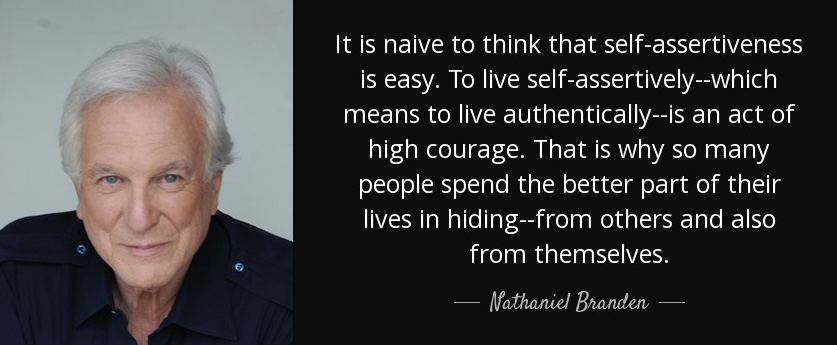
Embrace Your Authentic Self: The Power of Being True to You

In a world where social media, societal norms, and peer pressure often dictate our behaviors and choices, staying true to oneself can be a challenge. However, the journey to self-fulfillment and happiness begins with embracing your authentic self. Encouraging people to be themselves is not only about fostering individual happiness but also about creating a more diverse and vibrant society.

The Value of Authenticity

Being authentic means living in alignment with your values, beliefs, and desires, rather than conforming to external expectations. When you are true to yourself, you experience a sense of inner peace and confidence that cannot be achieved through pretense or conformity. Authenticity allows you to build genuine connections and relationships based on mutual respect and understanding.

Overcoming the Fear of Judgment

One of the biggest obstacles to authenticity is the fear of judgment. We worry about what others will think or how they will react if we reveal our true selves. However, it’s important to remember that everyone has unique qualities and perspectives that deserve to be expressed and celebrated.

Steps to Embrace Your Authentic Self

  1. Know Yourself: Spend time reflecting on your values, passions, and strengths. Understand what truly matters to you and what makes you happy.
  2. Accept Imperfections: Embrace your flaws and imperfections as part of what makes you unique. Perfection is an illusion; authenticity is rooted in realness.
  3. Set Boundaries: Learn to say no to things that don’t align with your values or bring you joy. Protect your time and energy for what truly matters to you.
  4. Surround Yourself with Support: Seek out friends, family, and communities that accept and encourage your true self. Positive support can bolster your confidence to be yourself.
  5. Practice Self-Compassion: Be kind to yourself. Understand that being authentic is a continuous journey, not a one-time achievement.

The Impact of Authenticity

When you embrace your true self, you inspire others to do the same. Authenticity is contagious. By being yourself, you contribute to a culture of openness and acceptance, encouraging others to express their true selves without fear of judgment. This creates a more inclusive and supportive environment where everyone can thrive.


Encouraging people to be themselves is about celebrating individuality and promoting a culture of authenticity. When we embrace our true selves, we unlock our full potential and contribute to a richer, more diverse world. Remember, your uniqueness is your greatest strength. By being true to yourself, you not only enhance your own life but also inspire others to live authentically. Embrace who you are, and let your true self shine.

The Impact of a Single Negative Comment

In the vast sea of human interactions, it’s remarkable how one negative comment can stand out and affect us profoundly. Despite receiving numerous positive remarks, our minds often fixate on that single piece of criticism, allowing it to overshadow our self-esteem and outlook.

The Psychology Behind It

Human psychology plays a significant role in this phenomenon. Known as the “negativity bias,” our brains are wired to give more weight to negative experiences and comments than positive ones. This evolutionary trait, which once helped our ancestors survive by focusing on threats, now manifests in our tendency to dwell on criticism.

Imagine presenting a project at work. You receive several compliments and a few constructive suggestions, but one colleague harshly criticizes your effort, calling it “uninspired.” Despite the positive feedback, your mind fixates on that negative remark. You start doubting your abilities and questioning your worth, even though the majority of the feedback was positive.

Emotional Impact

This negative comment can trigger a cascade of emotions. Feelings of self-doubt, inadequacy, and anxiety may surface, affecting not only your mood but also your performance and interactions with others. The fear of future criticism can lead to a reluctance to take risks or share ideas, stifling creativity and growth.

Breaking the Cycle

To counteract this tendency, it’s important to cultivate resilience and a balanced perspective. Here are a few strategies:

  1. Acknowledge the Positives: Make a conscious effort to focus on the positive feedback and accomplishments. Keep a record of compliments and achievements to remind yourself of your strengths.
  2. Seek Constructive Feedback: Constructive criticism is valuable for growth. View it as an opportunity to improve rather than a personal attack.
  3. Practice Self-Compassion: Treat yourself with the same kindness and understanding you would offer a friend. Recognize that everyone makes mistakes and faces criticism.
  4. Challenge Negative Thoughts: When a negative comment lingers, challenge its validity. Is it based on fact or just one person’s opinion? Reframe it in a more balanced context.
  5. Surround Yourself with Support: Engage with supportive colleagues, friends, and mentors who uplift and encourage you.

While it’s natural to be affected by negative comments, allowing them to dominate our thoughts and emotions can hinder personal and professional growth. By understanding the psychological underpinnings and actively working to shift our focus, we can mitigate the impact of negativity and foster a healthier, more resilient mindset. Remember, one negative comment does not define your worth or capabilities.

Lifelong Learning: The Key to Continuous Growth and Success

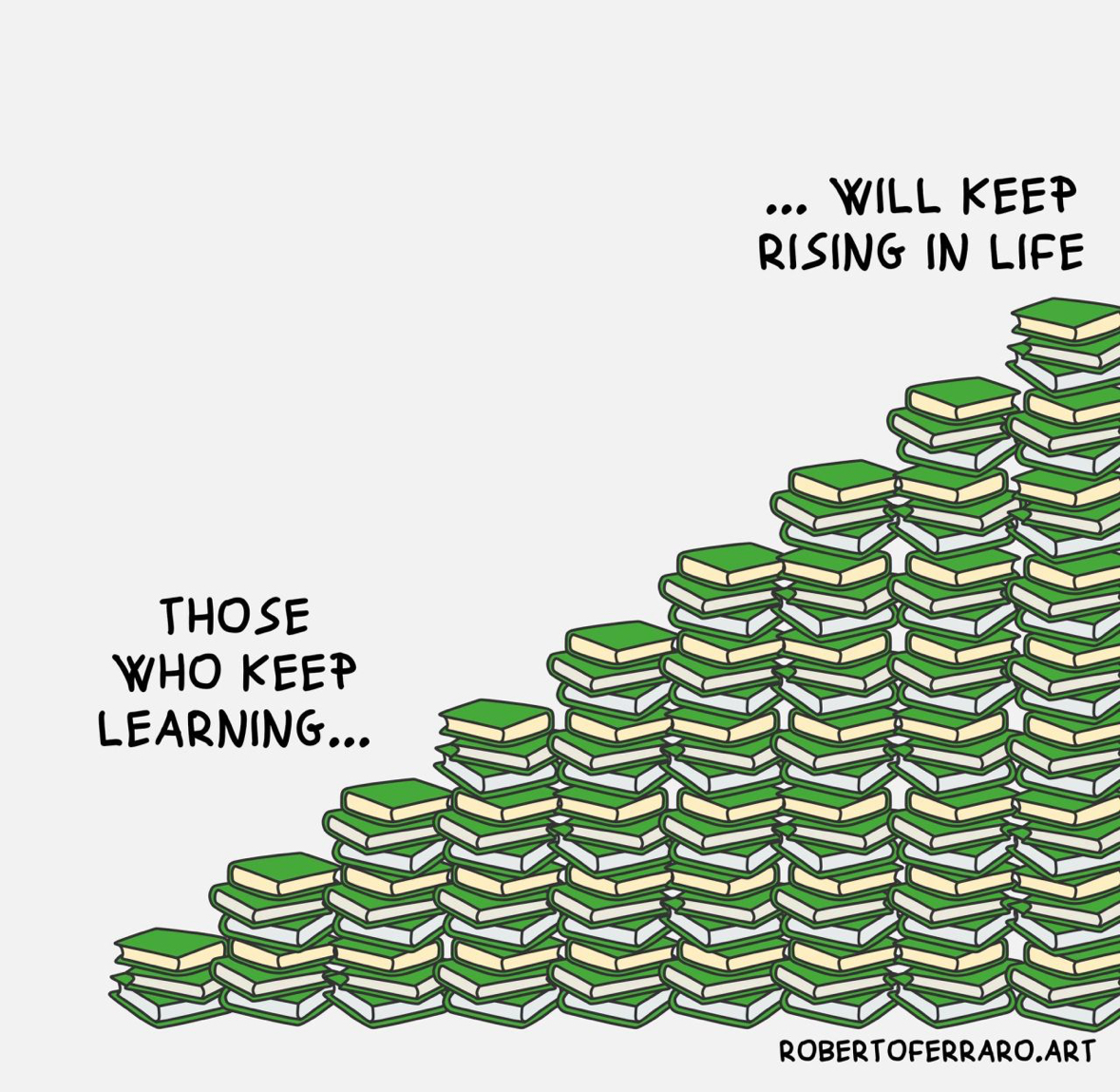
In the dynamic landscape of today’s world, where technology and societal norms evolve at a rapid pace, one principle remains steadfast: those who keep learning will keep rising in life. Lifelong learning is not just a concept; it is a necessity for personal and professional growth. It embodies the continuous pursuit of knowledge, skills, and experiences that enable individuals to adapt, innovate, and thrive.

The Power of Adaptability

In a world where change is the only constant, adaptability is a crucial trait. Lifelong learners cultivate the ability to adjust to new environments, technologies, and challenges. This adaptability stems from a mindset that embraces change rather than fears it. By continuously updating their knowledge and skills, lifelong learners remain relevant and competitive in their fields.

Innovation and Creativity

Continuous learning fuels innovation and creativity. Exposure to new ideas and perspectives stimulates the mind, fostering creative problem-solving and the ability to think outside the box. Lifelong learners are often at the forefront of innovation because they draw on a diverse pool of knowledge and experiences to develop unique solutions.

AI is everywhere today. How can we still innovate and be creative with all the changes around us?

Personal Fulfillment

Beyond professional advantages, lifelong learning contributes to personal fulfillment and growth. It keeps the mind active and engaged, enhancing cognitive function and overall well-being. The pursuit of knowledge can lead to a deeper understanding of oneself and the world, enriching one’s life in myriad ways.

Career Advancement

In the professional realm, those who commit to continuous learning are more likely to advance in their careers. Employers value individuals who demonstrate a commitment to self-improvement and skill development. Lifelong learners often find themselves presented with more opportunities for promotion, leadership roles, and new career paths.

Building Resilience

Lifelong learning builds resilience by equipping individuals with the skills and knowledge to navigate challenges and setbacks. It fosters a growth mindset, the belief that abilities and intelligence can be developed through dedication and hard work. This mindset empowers individuals to persevere through difficulties and emerge stronger.

Creating Opportunities

Opportunities often come to those who seek them out, and lifelong learners are naturally inclined to explore and seize new possibilities. Whether it’s learning a new language, mastering a technological tool, or acquiring a new certification, continuous learning opens doors to diverse opportunities that might otherwise remain inaccessible.


In essence, lifelong learning is the cornerstone of continuous growth and success. It cultivates adaptability, fosters innovation, and leads to personal and professional fulfillment. Those who commit to learning throughout their lives not only rise in their careers but also enrich their lives in countless ways. As the world continues to evolve, the path to success is paved by those who never stop learning.

Changing Your Perspective When You’re Stuck

Feeling stuck is a common experience, whether in personal growth, professional development, or everyday decision-making. It often stems from a fixed mindset, limiting beliefs, or simply the inability to see beyond the current situation. Changing your perspective can be a powerful tool to overcome these feelings of stagnation and open new avenues for progress and innovation.

1. Embrace a Growth Mindset

Adopting a growth mindset is fundamental to changing your perspective. This mindset, popularized by psychologist Carol Dweck, revolves around the belief that abilities and intelligence can be developed through dedication and hard work. When you embrace a growth mindset, you view challenges as opportunities to learn rather than insurmountable obstacles. This shift in perspective encourages resilience and creativity, enabling you to find solutions where you once saw dead ends.

2. Seek Diverse Viewpoints

Engaging with different perspectives can offer fresh insights and broaden your understanding of a situation. Talk to people with varied backgrounds, experiences, and opinions. Listen actively and consider their viewpoints. This can help you see the situation from angles you hadn’t considered before. Reading diverse literature, exploring new fields of knowledge, and exposing yourself to different cultures can also stimulate new ways of thinking.

3. Reflect and Reframe

Reflection is a powerful practice for gaining new perspectives. Take time to step back and assess your situation objectively. Ask yourself probing questions: Why do you feel stuck? What assumptions are you making? How might these assumptions be limiting you? Reframing involves changing the way you interpret a situation. Instead of seeing a problem as a barrier, try viewing it as a puzzle to solve or a stepping stone to growth. This reframing can transform your approach and energy towards the issue.

4. Practice Mindfulness

Mindfulness helps cultivate an open and non-judgmental awareness of the present moment. By practicing mindfulness, you can become more aware of your thoughts and feelings without being overwhelmed by them. This awareness allows you to detach from unproductive thought patterns and create space for new perspectives to emerge. Techniques such as meditation, deep breathing, and mindful journaling can enhance this practice.

5. Take Action and Experiment

Sometimes, the best way to change your perspective is through action. Trying something new or taking a different approach can provide firsthand experience that shifts your viewpoint. Experiment with small changes in your routine, work on different types of projects, or set new goals that challenge your current ways of thinking. Action creates momentum, and even small successes can alter your perception of what’s possible.


Changing your perspective when you’re stuck requires intentional effort and openness to new ideas. By embracing a growth mindset, seeking diverse viewpoints, reflecting and reframing your situation, practicing mindfulness, and taking proactive steps, you can unlock new paths and possibilities. Remember, the way you view a situation greatly influences how you respond to it. Shifting your perspective can transform obstacles into opportunities and propel you forward in ways you never imagined.

The Courage to Admit You’re Wrong and Make a Change

Admitting you’re wrong is often seen as a sign of weakness, but in reality, it is a profound act of courage and strength. It requires self-awareness, humility, and a commitment to personal growth. The ability to recognize and admit mistakes is essential for progress, both personally and professionally.

Acknowledging mistakes can be difficult due to the fear of judgment, embarrassment, or the desire to maintain a facade of infallibility. However, this resistance only hinders growth and learning. When you admit you’re wrong, you open the door to new possibilities and improvements. It shows that you value truth and integrity over ego, and are willing to learn from your experiences.

Making a change after admitting you’re wrong is equally crucial. This step requires an action-oriented mindset. It involves analyzing what went wrong, understanding the root causes, and implementing strategies to avoid similar mistakes in the future. Change is not always immediate; it can be a gradual process that requires persistence and patience. However, each step taken towards improvement builds confidence and resilience.

In professional settings, leaders who admit their mistakes foster a culture of openness and continuous improvement. It encourages team members to be honest about their own shortcomings, leading to collective growth and innovation. Admitting errors and making necessary changes can transform challenges into opportunities for development and success.

On a personal level, admitting you’re wrong and making changes strengthens relationships. It builds trust, as others see that you are willing to take responsibility for your actions and work towards being better. This honesty creates a foundation of respect and understanding, essential for any meaningful relationship.

One compelling real-life example of the courage to admit a mistake and make a change is the story of Howard Schultz, the former CEO of Starbucks. Schultz’s leadership journey with Starbucks is well-documented, and one notable instance showcases his ability to recognize a mistake and take corrective action.

In the early 2000s, Starbucks experienced rapid expansion, opening new stores at an unprecedented rate. While this growth initially seemed like a positive move, it soon became evident that the company’s focus on expansion had led to a decline in the quality of both their products and customer experience. Schultz, who had stepped down as CEO in 2000, returned to the role in 2008 to address these issues.

Upon his return, Schultz openly admitted that the aggressive expansion strategy was a mistake. He acknowledged that Starbucks had lost its way, prioritizing quantity over quality. This admission was a significant moment, as it demonstrated Schultz’s willingness to confront and own up to the company’s missteps.

Schultz didn’t stop at just acknowledging the problem. He implemented a series of changes to revive Starbucks’ brand and restore its core values. One of his first actions was to close over 7,000 stores for a day to retrain baristas on how to make the perfect espresso. This bold move sent a clear message that Starbucks was committed to quality and excellence.

Additionally, Schultz focused on re-engaging with employees and customers, emphasizing the importance of a genuine coffeehouse experience. He reduced the pace of new store openings and closed underperforming locations to refocus on improving existing stores. Schultz’s efforts paid off, as Starbucks gradually regained its reputation for quality and customer satisfaction.

Howard Schultz’s example underscores the importance of admitting mistakes and taking decisive action to rectify them. His willingness to confront the company’s problems head-on and implement meaningful changes not only saved Starbucks from decline but also strengthened its brand and culture.


Ultimately, the courage to admit you’re wrong and make a change is a testament to your character. It signifies a commitment to authenticity, learning, and self-improvement. Embracing this courage can lead to profound personal growth and more meaningful connections with others.

What is in your control?

In a world filled with uncertainty and complexity, it’s vital to recognize what aspects of life are within your control. This understanding can significantly influence your mental well-being, productivity, and overall happiness. Here are a few key areas that are typically within your control:

1. Your Attitude

Your attitude is a powerful determinant of how you perceive and react to various situations. Cultivating a positive and resilient mindset can help you navigate challenges more effectively. By choosing to see obstacles as opportunities for growth, you can maintain a sense of purpose and motivation.

2. Your Effort

The effort you put into your work, relationships, and personal growth is entirely within your control. Whether it’s a project at work, a fitness goal, or improving a skill, the dedication and perseverance you apply can make a significant difference. Focus on what you can do each day to move closer to your goals.

3. Your Reactions

While you cannot control what happens to you, you can control how you respond. This involves managing your emotions and choosing constructive ways to deal with setbacks. Practicing mindfulness and emotional regulation can help you stay calm and composed in stressful situations.

4. Your Choices

Every day, you make countless choices that shape your life. From the food you eat to the people you associate with, these decisions impact your health, relationships, and overall well-being. By making conscious and informed choices, you can steer your life in a direction that aligns with your values and aspirations.

5. Your Actions

Your actions are direct expressions of your intentions and decisions. Taking responsibility for your actions means recognizing their impact on yourself and others. By acting with integrity and purpose, you can build trust and respect in your personal and professional relationships.


Focusing on what is within your control empowers you to take charge of your life. It helps you build resilience, achieve your goals, and maintain a positive outlook even in the face of adversity. Remember, while you can’t control everything, you can always control how you choose to respond and act.

Achieving Success with Integrity and Balance

In the pursuit of success, it’s easy to fall into the trap of prioritizing professional achievements over everything else. However, true success encompasses not just career milestones, but also the well-being of one’s health, family, and character. Striking a balance is crucial for sustainable and meaningful success.

Health: The Foundation of Productivity

Health is often overlooked in the hustle for success. Long hours, high stress, and poor lifestyle choices can lead to burnout and serious health issues. Without good health, achieving and enjoying success becomes impossible. Prioritizing regular exercise, a balanced diet, and adequate sleep are fundamental. Taking breaks, managing stress through mindfulness or hobbies, and seeking medical advice when necessary are essential practices. Remember, a healthy body fosters a sharp mind and sustained productivity.

Family: The Pillar of Support

Family provides emotional support and stability, making it essential to nurture these relationships. Sacrificing family time for work can lead to regret and strained relationships. Allocate quality time for family, engage in meaningful conversations, and participate in family activities. Success is more fulfilling when shared with loved ones. Family not only offers support but also keeps one grounded, providing a sense of purpose beyond professional achievements.

Character: The Core of True Success

Character is the essence of who we are and how we are perceived by others. Upholding integrity, honesty, and ethical behavior is non-negotiable. Compromising on character for short-term gains can lead to long-term repercussions, including loss of trust and reputation. Consistently making ethical choices builds a solid foundation for enduring success. True leaders and successful individuals are those who inspire trust and respect through their unwavering principles.

Achieving Balance

1. Set Clear Boundaries: Define boundaries between work, health, and family time. Stick to a schedule that allows for dedicated time for each aspect of life.

2. Prioritize Self-Care: Regularly engage in activities that rejuvenate your body and mind. This includes exercise, hobbies, and social interactions.

3. Communicate Openly: Maintain open communication with family and colleagues about your commitments and needs. Transparency fosters understanding and support.

4. Stay True to Your Values: Make decisions that align with your core values and principles. Reflect regularly on your actions to ensure they uphold your character.

5. Seek Balance, Not Perfection: Accept that balance doesn’t mean equal distribution of time but rather a harmonious integration of all aspects of life.


Success should never come at the cost of health, family, or character. By maintaining this balance, one not only achieves true success but also ensures it is sustainable and deeply fulfilling.