Hope

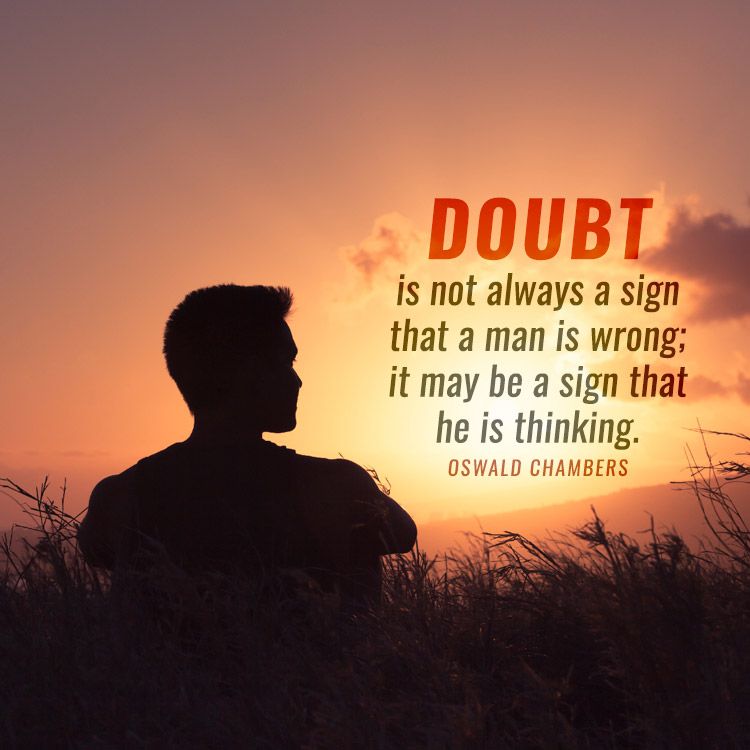
I came across the lovely poem sometime back which touched me deeply. Today’s quote reminded me of these lovely words

Darkness gathers around my being 
Filling me with dread 
The only voices to be heard 
Are the ones inside my head 

I cannot see what’s straight ahead 
I cannot hear them call 
Pure blackness overwhelms me 
I must stop me from this fall 

Slowly I manage a stumble 
I must leave this tunnel behind 
I need to escape this darkness 
I have to clear my mind 

Ignoring the voices in my head 
They start to scream and shout 
I will not surrender 
I know I must get out 

Faster now I pick up pace 
My walk becomes a run 
Something in the distance shines 
Have I finally found the sun? 

The end of the tunnel approaches 
I have made it at last 
I tried so hard to reach it 
And leave the darkness in the past 

As my eyes adjust to this new light 
I stand in complete awe 
People still surround me 
Why hadn’t I noticed that before? 

The world is lit so brightly 
For the sun is shining down 
Light makes such a difference 
A smile replaces my frown 

I do not move 
I watch and listen 
With this new found light 
Things start to glisten 

Day turns to night 
Yet I am still here 
The sun slowly sets 
But there is no longer the fear 

Out comes the moon 
A bright light fills the night sky 
Millions of stars twinkle 
Shining down from up high 

The truth is that darkness 
Can blind one and all 
We must all look for the light 
No matter how small 

I have discovered my own light 
Deep down inside 
I can see, I can hear 
No longer must I hide 

Light is around us 
Wherever we may be 
Its just not always obvious 
Not always there to see 

There is ALWAYS light at the end of the tunnel
At the end of the tunnel it is bright
Don’t sit and suffer in darkness
Speak out and reach for the light 
Good Luck, Bad Luck, Who Knows?

An elderly, hard-working Chinese farmer and his son, had a single horse. They used the horse to plow the field, to sow the seeds, grow the crop, and transport it to the market. The horse was essential for the farmer to earn his livelihood.

One morning, the horse broke the fence and ran away into the woods. When the neighbors found out that the only horse the farmer had, had run away, they came to solace him. They said – “Your only horse has run away just before the planting season. How will you till the land? How will you sow the seeds? This is unfortunate. This is bad luck.”

The farmer replied – “Good luck bad luck. Who knows?”  The wise farmer was unwilling to label this incident good luck or bad luck.

A few days later the farmer’s horse returned from the woods along with two other wild horses. When the neighbors found out the news, they said – ” Now you have three horses! You can till the land much faster with three horses. Maybe you can buy more land and sow more crop and make more money. Or you can sell the other two horses. Either way, you will be a rich man! This is good luck! “

The farmer replied – “Good luck bad luck. Who knows?” Again the wise farmer was unwilling to label this incident good luck or bad luck.

Next morning, the farmer’s son started training the wild horses to that they would help till the land. While attempting to mount one of the wild horses, he fell down and broke his leg. Just before the sowing season, the son would not be able to help the farmer with his broken leg. The neighbors came once again and commented – ” This is really unfortunate. This is bad luck.”

The wise farmer repeated – “Good luck, bad luck. Who knows?”

The wise farmer still was unwilling to label this incident good luck or bad luck.

A few days later, the king’s men started to visit each village in the kingdom. A war had started between their kingdom and a neighboring enemy state. The king’s men were enlisting the eldest son from each family to join the army so that they could defeat the enemy state. When they came to the farmer’s house they saw the son with the broken leg. He would not be of much use in the army and hence they didn’t take him. He was the only eldest son in the entire village who was not forcibly taken by the king’s men to fight the war. The neighbors, some of them with teary eyes, came once again to the farmer and commented – “Your son breaking his leg was really fortunate. He is the only one who was not taken. What a stroke of good luck.“

The farmer calmly replied – “Good luck, bad luck. Who knows?” Again, the wise farmer was unwilling to label it as either good luck or bad luck.


Have you had similar experiences in your own life? What you thought was a setback turned out to be a blessing? And what you thought was unfortunate turned out to be beneficial? However, in the interim, we go through an emotional roller-coaster of happiness and sadness based on how we label the incident!

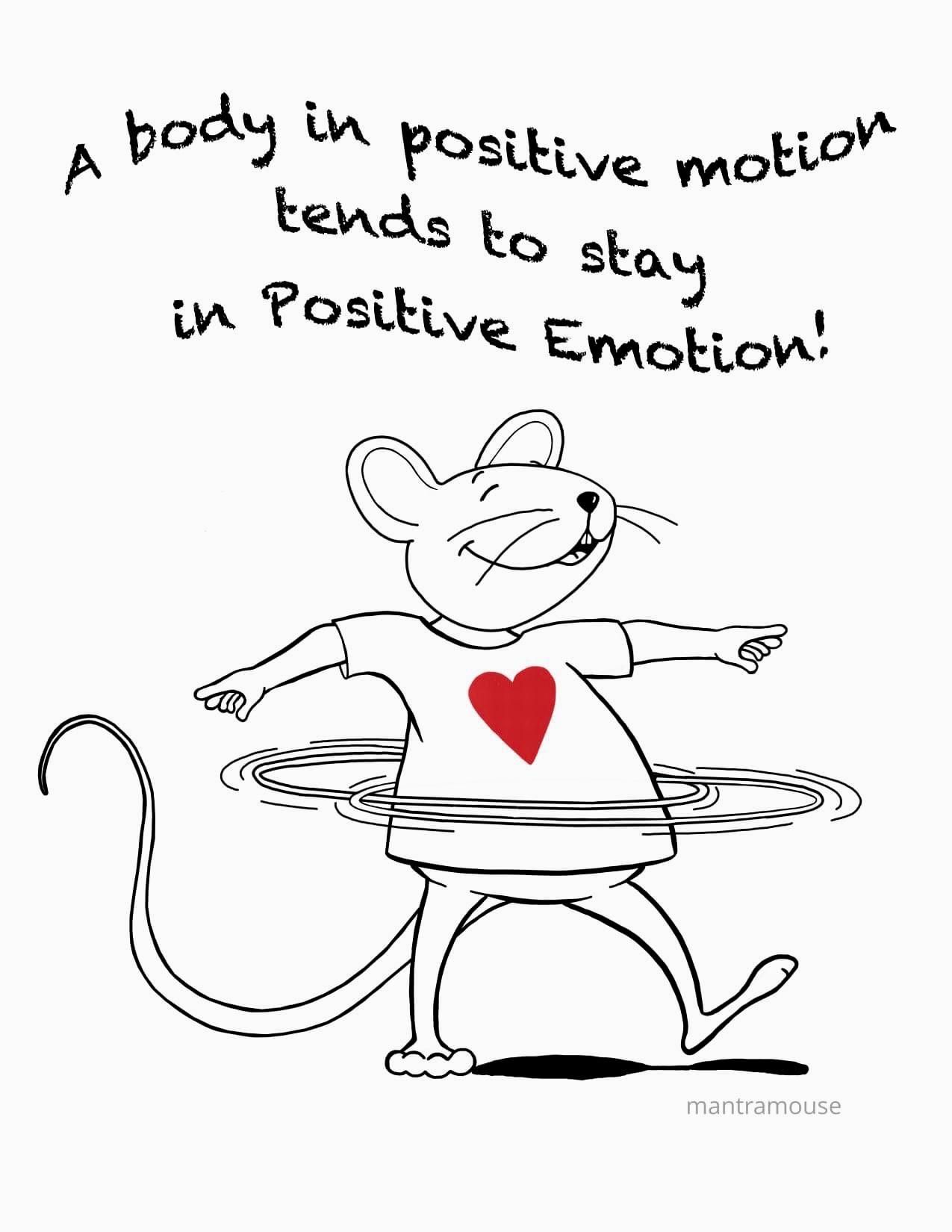
As the quote says, a body in positive motion tends to stay in positive emotion!

Appreciating What You Have

This image takes me back to my first visit to a Jesuit mission station, a village in the Palghar district of Maharashtra. The villagers had to walk a long distances in the hot sun to get essential supplies. We live in a world of instant gratification where we place an order on our phones and we have whatever we want coming to our doorstep within 30-45 minutes. Most of the time, we fail to appreciate the luxuries we have. Instead, we keep looking for more, comparing what we have with others.

So many of us live in a perpetual state of wanting more—more money, more shiny new gadgets, more things. And we chase those material possessions with more gusto than we pursue what’s been empirically shown to increase happiness: more gratitude, more experiences, and more time.

Here are some ways to start learning to appreciate what you have and stop wanting more:

  1. Appreciate What You Have by Practicing Gratitude
    People who are grateful are happier, less depressed and less stressed. Start by thanking someone daily, You can send a short whatsapp message, a message, an email, a phone call.
  2. Get to Know Someone Who Doesn’t Have What You Have
    Interacting with the less fortunate has definitely helped me be grateful for everything I have today. Connecting with people different from us broadens our compassion and awareness and deepens our sense of community—and when we get to know people who don’t have the things we take for granted, it gives us an even deeper appreciation for what we do have.
  3. Appreciate What You Have by Giving More
    The next time you’re about to splurge on a new item for yourself, think about spending it on a loved one—or to charity. More than money, giving your time is much more valuable. I am blessed with the opportunity to mentor Shree through my current organisation’s phone mentoring initiative. Below is what I had shared with the team after the first few weeks.

Asking the Right Questions

There are some of us who keep asking questions about anything and everything. We may call them skeptics, doubting Thomases etc. Life is full of questions, it’s almost as if the more questions we have, the less answers there are. The fact that we have questions is a good thing though, because it means we are invested in this life that we are living. Without people questioning we wouldn’t be where we are today. Legends of history, would just be another face in a sea of people if it weren’t for them questioning and pushing the boundaries.

Here’s why asking questions is important:

  • It helps you uncover the challenges you’re facing and generate better solutions to solve those problems. We’re all spending too much time and energy solving the first iteration of a challenge with the first idea we have. That’s both limiting and counterproductive.
  • It’s how you increase the capacity and potential in those you lead. A good question can create an “aha” moment, which can then lead to innovation and growth.
  • It keeps you in learning mode rather than judgment mode. If you’re asking a question, you’re not rushing in to provide the answer, give the solution, or take on the challenge. It’s a good self-management tool to keep you focused on the bigger picture, and as a leader/manager, that’s your responsibility to your team and to the organization.

Asking the right questions creates happiness. 

We all know how peace and harmony feels, but not many of us take a minute to understand what causes these feelings. When we entertain this deep question, we start understanding how to feel at peace more often. We realize we are the creators of our feelings; they don’t just happen to us.

Start by asking yourself simple but deep questions:

What does happiness mean to me?
Is it possible to have a big problem and to feel good at the same time?

Do I do something every day to reach my dream?

Then start asking yourself more difficult questions:

What is the most important thing for me in life?
How can I work toward achieving that?

The more times we ask ourselves important questions, the easier it gets to accept ourselves and to take charge in changing our lives for the better.

Shine in your own way

A samurai who was known for his nobility and honesty, went to visit a monk to ask him for his advice. When the monk had finished his prayers, the Samurai asked, “Why do I feel so inferior? I have faced death many times, have defended those who are weak. Nevertheless, upon seeing you meditating, I felt that my life had absolutely no importance whatsoever.”

“Wait. Once I have attended to all those who come to see me today, I shall answer you.” – replied the monk.

The samurai spent the whole day sitting in the temple gardens, watching the people go in and out in search of advice. He saw how the monk received them all with the same patience and the same illuminated smile on his face.

At nightfall, when everyone had gone, he demanded: “Now can you teach me?”

The master invited him in and led him to his room. The full moon shone in the sky, and the atmosphere was one of profound tranquility.

“Do you see the moon, how beautiful it is? It will cross the entire firmament, and tomorrow the sun will shine once again.”

“But sunlight is much brighter, and can show the details of the landscape around us: trees, mountains, clouds.”

“I have contemplated the two for years, and have never heard the moon say: why do I not shine like the sun? Is it because I am inferior?”

“Of course not.” – answered the samurai. “The moon and the sun are different things; each has its own beauty. You cannot compare the two.”

“So you know the answer. We are two different people, each fighting in his own way for that which he believes, and making it possible to make the world a better place; the rest are mere appearances.”

Character vs Competence

Growing a team, whether at work or anywhere else, onboarding the right people is key. Competence is necessary, no doubt about that. But for me, character is also very important. A person of integrity who is not skilled for the role will only grow frustrated while frustrating everyone else. So competence is important, but character is more so, and here are four reasons why:

1. Collective character cannot overcome a team member’s lack of character.

If someone joins the team who is not competent in the role, the collective competence of the team can cover the competence deficiencies. Collective competence can mask a lack of competence, but collective character cannot mask someone’s lack of character. If someone joins the team without integrity, the team’s integrity will not cover the person’s lack of integrity.

2. Competence is much easier to teach than character.

While people can surely grow and mature in their character, teaching skills and competence is much easier. A lack of character requires transformation, not just new information.

3. Character impacts the culture more than competence does.

A team member’s lack of character, if not addressed, can corrode trust and sour the whole culture. A lack of competence may harm execution, but a lack of character harms the culture.

4. People need leaders with character more than leaders with competence.

When you consider developing future leaders from the team, you will want men and women of character. Competence may grab attention, but character sustains for the long haul.

The Bamboo Tree

A man got frustrated with life. Despite all the hard work and effort, failure was all that he learnt.  Feeling defeated with life, he left everything and exiled himself in the woods. There he met a Hermit. The disappointed man shared is failure with the hermit. “Give me one good reason not to quit?”- He pleaded the Hermit

“Look”, the hermit said, pointing towards two plants. “Do you see that fern and bamboo there?

“Yes”, the man nodded.

“When I planted the fern and the bamboo seeds, I took very good care of them. I gave them water, light and fertilizer. Within a short period of time the fern quickly grew from the earth”, the hermit continued.

“But despite the Bamboo seed being watered and nurtured for years, it did not outwardly grow as much as an inch. In fact, nothing at all happened in the first year. There was no sign of growth.  But, I did not give up on the Bamboo seed and continued to water and nurture it.  By the fifth year, a tiny sprout emerged from the earth. And within six months, the tree grew a hundred feet tall.”

“So, did the bamboo tree lie dormant for four years only to grow exponentially in the fifth?” the hermit asked.  Baffled by the question the man kept quiet.  “The answer is quite obvious. The little tree was growing underground, developing a root system strong enough to support its potential for outward growth in the fifth year and beyond. Had the tree not developed a strong foundation, it would not have sustained its life as it grew.”

“Did you know that all the time you had been struggling, you were growing strong roots”, remarked the hermit

The man learned his lesson that day. He learnt the value of persistence and hard work. The fern and the bamboo stood right in front of him as he walked towards his life to continue to work on his dreams.

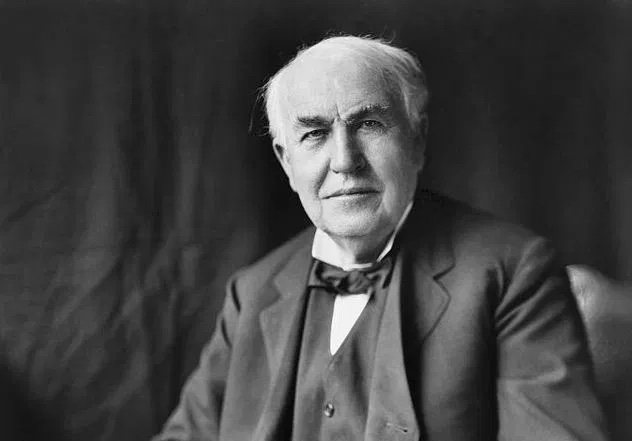
Thomas Edison and a Note

One day the young Thomas Edison came home and handed a paper to his mother from his school. He told her, “My teacher gave this paper to me and told me to give it only to you.”

His mother’s eyes were tearful as she read the letter out loud to her son. “ Your son is a genius. This school is too small for him and doesn’t have good teachers for training him. Please teach him yourself.”

After years, Edison’s mother died and he was renowned as one of the greatest inventors of the century. One day he was going through his old family things. Suddenly, he noticed a folded paper in the corner of a drawer. He took it and opened it up.

On the paper was written: “Your son is addled. We won’t let him come to school any more.”

Thomas Edison cried for hours and then he wrote in his diary: “Thomas Alva Edison was an addled child that, by a hero mother, became the genius of the century.”

Price of a Miracle

A little girl ran to her bedroom and pulled out her piggy bank from a secret drawer in her closet. She broke the piggy bank and took the change and counted it carefully. Three times, even. The total has to be exactly perfect as there shouldn’t be any chance for mistake here.

She carefully placed the coins in a jar and twisted on the cap. She took the jar full of coin and slipped out of the back door. She made her way six blocks to a drug store. She waited patiently for the pharmacist to give her some attention but he was too busy attending other customers at that moment. She tried several times to get his attention, but she wasn’t successful.  Finally, she took a quarter from her jar and banged on the glass counter , which was finally able to get her some attention.

“And what do you want little miss ?” the pharmacist asked the tiny girl in the front of his counter.

“My brother is really, really sick… and I want to buy a miracle.,” the girl answered back.

“I beg your pardon?” said the pharmacist.

“My brother  is really sick and my daddy says only a miracle can cure him now. So, I want to get a miracle for him. how much does a miracle cost?”

“I’m sorry but I can’t help you, We don’t sell miracles here, little girl.” the pharmacist said, softening a little.

“Listen, I have the money to pay for it. If it isn’t enough, I will get more. Just tell me how much it costs.”

Next to the little girl was a tall well dressed man. He stooped down and asked the little girl, “What kind of a miracle does your brother need?”

“I don’t know,” the girl replied with her eyes filled with tears. “I just know he is very sick and has something bad growing inside his head. Doctor says he needs an operation. But daddy can’t pay for it, so we need a miracle to save him now. I can to use all my money to save my brother .”

“How much do you have?” asked the man.

“One dollar and twelve cents, it’s all the money I have now, but I can get some more if needed” the girl  answered barely audibly.

“Well, what a coincidence,” smiled the man. “A dollar and twelve cents, that  is the exact price of a miracle for a little brothers.”

He took her money in one hand and with the other hand he softly holded her hand  and said “Take me to your brother. I want to meet your parents and see your brother. Let’s see if I have the miracle your brother needs.”

The man was a reputed Nuero surgeon. He was just the right person needed to save the little boy’s life. The operation was completed without any charges and it wasn’t long until the little girl’s brother was home again and doing well.

Mommy and daddy were happily talking about the chain of events that  had led them to this happy place. “That surgery”, her Mommy whispered, “it was a real miracle. I wonder how much it would have cost?”

The little girl smiled as she knew exactly how much a miracle costs. One dollar and twelve cents, plus the faith of a little child.

Sitting with the broken

When you think about all the kings and leaders that have ruled throughout human history, few, if any of them, are regarded as people worth following. But look to nearly any religion, major or minor, and you’ll find a fairly common theme. Their messiahs and prophets, while very much human and fallible, all worked toward the same ends.

The Buddha, who saw great human suffering, sought to learn a way to be released from Earthly suffering. The prophet Muhammad was a courageous and strong leader, but merciful and ever-focused on lasting peace for people. Jesus Christ was famous for sitting with the broken, shunning organized religion and the wealthy elite who took everything and gave back nothing.

These people, for whom entire faiths are based around, sacrificed their time as living people for the betterment of others. They each sat with the broken when they full well didn’t have to. Buddha could have continued to be a wealthy, powerful man. Christ could have quietly lived a life as a carpenter. Muhammad could have made a comfortable living as a merchant. But they all chose something else, and that is the source of our respect for them.

Regardless of the way you might think about the world, it’s undeniably true that, particularly in developed countries, there’s a growing disparity between the rich and everyone else. Even average people who’ve done everything right are one stroke of bad luck away from complete ruin.

But the situation is made better by people with big hearts acting in good faith trying to do what they can to help. Volunteering their time, organizing food drives, and through action compelling others to do the same.

Then there are others who are focused on number one: themselves. It is so much less attractive to see somebody surround themselves with the greats and completely ignore the broken.

It doesn’t matter to me who you know, who you’ve met, or who you’ve got an awesome selfie with. It matters to me the broken people you’ve sat with. The hungry, the poor, the suffering, the downtrodden. It is the mark of an incredible person to sit with the broken in this way.

Do you pump up the powerful people you’re connected to or quietly give up parts of your life to help those who have less?

Incredible people whose actions can reverberate throughout history are those who care for people most of the world ignores.