
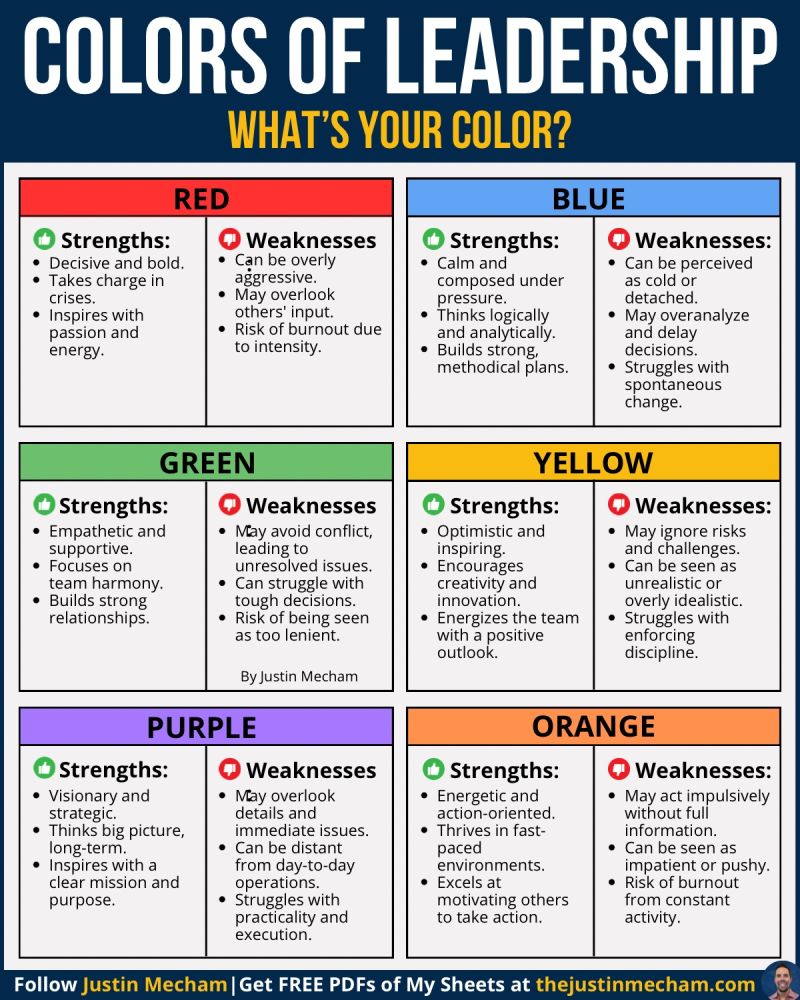
Your leadership style isn’t wrong,
It’s just not understood:
There’s no perfect way to lead,
but there is a smart way to know yourself.
Every leader has strengths,
every style has risks.
What matters is knowing yours:
🔴 Red brings bold energy
But can burn out or miss other voices
🔵 Blue stays calm under pressure
But may seem cold or slow
🟢 Green builds trust and support
But may avoid conflict or hard calls
🟡 Yellow brings ideas and energy
But may struggle with rules or follow-through
🟣 Purple sees the big picture
But may miss details or daily needs
🟠 Orange drives action
But may push too hard or wear out
You don’t need to change your color,
just learn how to lead with it.
Use my sheet to find your style
and lead with more clarity.
You lead better when you know who you are.
Because power comes from clarity, not control.
When Trust Walks In, Performance Shows Up
I was standing in line for coffee at the airport a few months ago, waiting for a delayed flight, when a colleague and I slipped into one of those conversations that start casually but end up sticking with you.
We had both just come out of an interesting workshop, with lots of moving pieces. The kind of environment where people sometimes feel like every step is being tracked, every message scrutinized, every hour accounted for.
At some point he said something that made me pause.
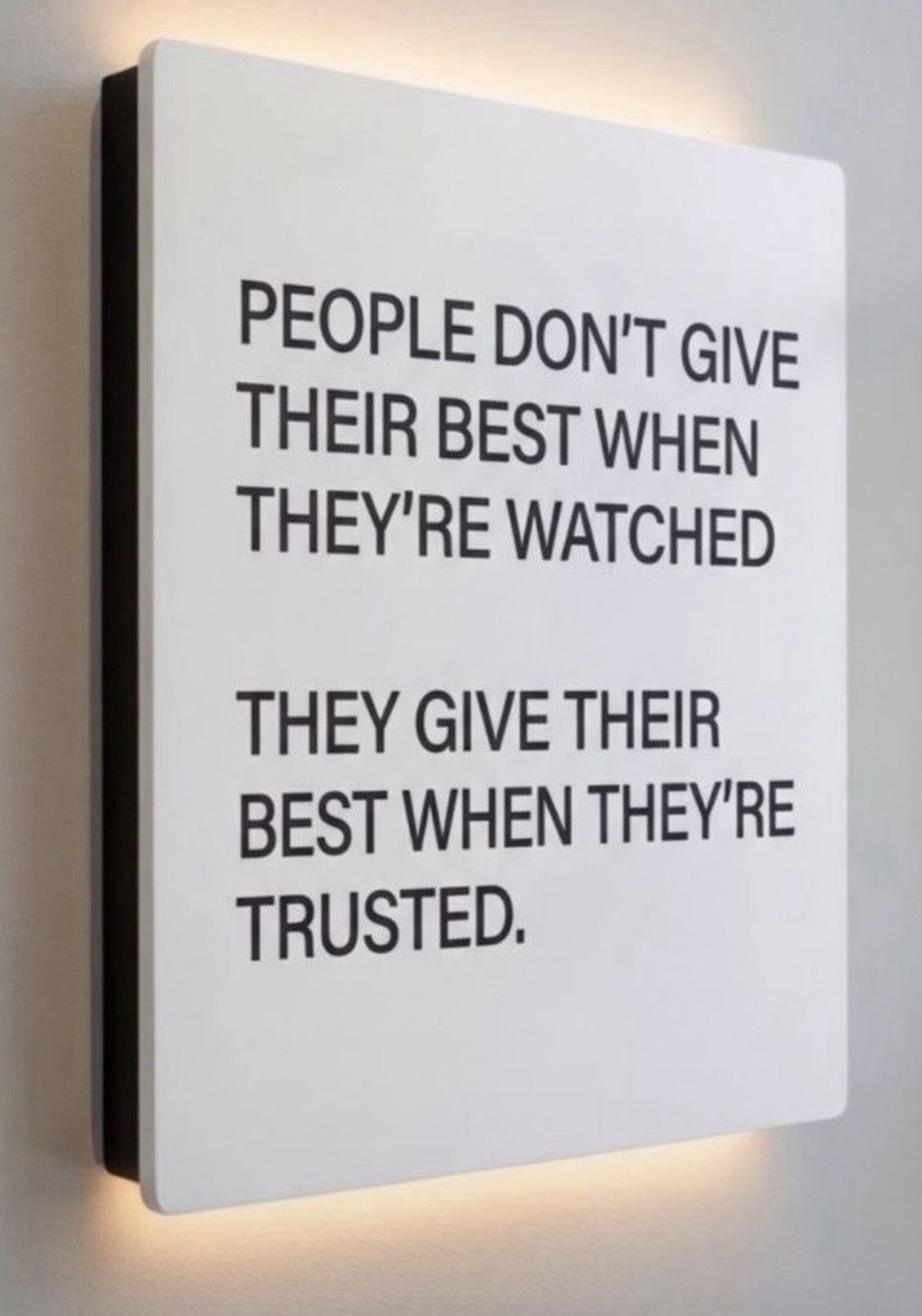
“People don’t really give their best when they’re being watched,” he said. “They give their best when they’re trusted.”
It was simple, but it hit hard because we’ve all seen both sides of that equation.
Most organizations believe that oversight drives performance. More dashboards. More updates. More check-ins. More approvals. The logic feels sound: if you keep an eye on things, nothing slips.
But human beings don’t work like machines on a production line.
When people feel constantly observed, something subtle happens. Their energy shifts from doing great work to avoiding mistakes. Creativity narrows. Initiative slows down. Instead of asking “How can I make this better?” the quiet question becomes “How do I make sure I don’t get blamed?”
You end up with compliance instead of ownership.
And compliance rarely produces anyone’s best work.
Trust changes the equation completely.
When someone trusts you with responsibility instead of hovering over every decision, it sends a very different signal. It says: I believe you can handle this. I believe you’ll figure it out.
That belief has a strange way of raising the bar people set for themselves.
Think about the best teams you’ve been part of. Chances are they weren’t defined by constant supervision. They were defined by clarity, accountability, and a shared sense that everyone was trusted to deliver.
Trust doesn’t mean the absence of expectations. In fact, it usually comes with higher ones.
But the difference is in the posture. Instead of standing over someone’s shoulder, you stand beside them. Instead of controlling every step, you create the conditions for people to take ownership of the outcome.
And ownership is where real performance lives.
I’ve seen incredibly talented people shrink in environments where every move was second-guessed. The same people, in a different team with a little breathing room, suddenly became problem solvers, innovators, and leaders.
Nothing about their capability changed. The environment did.
Trust also does something deeper than improve output. It gives people dignity in their work.
Most professionals don’t want to be managed like they’re trying to get away with something. They want to feel like contributors, not suspects.
When leaders trust their teams, the message is clear: You’re here because you’re capable. Now go do great work.
And surprisingly, that freedom often makes people more accountable, not less.
Because when someone places genuine trust in you, you don’t want to let them down.
Of course, trust isn’t blind optimism. It still needs clear goals, honest feedback, and course correction when things drift. But those things can exist without turning the workplace into a surveillance system.
Good leadership isn’t about watching people closely enough that mistakes never happen.
It’s about building a culture strong enough that people care about the work even when no one is watching.
Standing there in that airport line, coffee finally in hand, my colleague laughed and said something else that summed it up perfectly.
“If someone has to watch you all the time to get good work out of you, that’s not performance. That’s babysitting.”
And he’s right.
The best work rarely comes from pressure alone. It comes from people who feel trusted enough to think, create, and take responsibility for the outcome.
When trust walks into a room, something interesting happens.
People start showing up with their best.
10 Shifts for Leaders
The best CEOs make themselves replaceable
(in most ways).
Not by checking out.
But by building teams that can run without them.
That’s the real flex:
When your company moves fast, makes smart calls,
and delivers results—without you in the room.
But that can only happen when you shift
from control to empowerment.
These aren’t just communication tweaks.
They’re leadership rewrites that drive success.
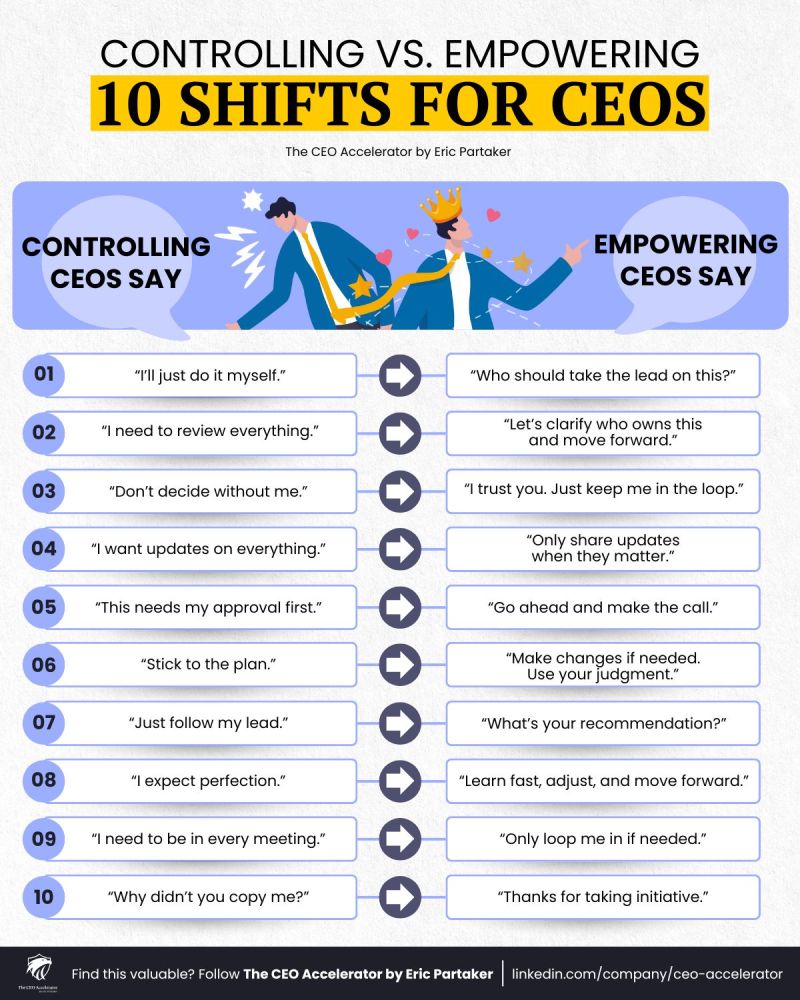
These 10 shifts will get you there:
❌ “I’ll just do it myself.”
✅ “Who should take the lead on this?”
❌ “I need to review everything.”
✅ “Let’s clarify who owns this and move forward.”
❌ “Don’t decide without me.”
✅ “I trust you. Just keep me in the loop.”
❌ “I want updates on everything.”
✅ “Only share updates when they matter.”
❌ “This needs my approval first.”
✅ “Go ahead and make the call.”
❌ “Stick to the plan.”
✅ “Make changes if needed. Use your judgment.”
❌ “Just follow my lead.”
✅ “What’s your recommendation?”
❌ “I expect perfection.”
✅ “Learn fast, adjust, and move forward.”
❌ “I need to be in every meeting.”
✅ “Only loop me in if needed.”
❌ “Why didn’t you copy me?”
✅ “Thanks for taking the initiative.”
Here’s the unlock:
The more your team owns, the less you have to.
That’s how you free yourself to focus on the future.
Not just the day-to-day.
It’s not about giving up control or dropping standards.
It’s about giving your team the tools to thrive
so you can focus on what only you can do.
That’s how great CEOs scale themselves,
and their companies.
Which shift will you put into practice this week?
The One Degree Shift
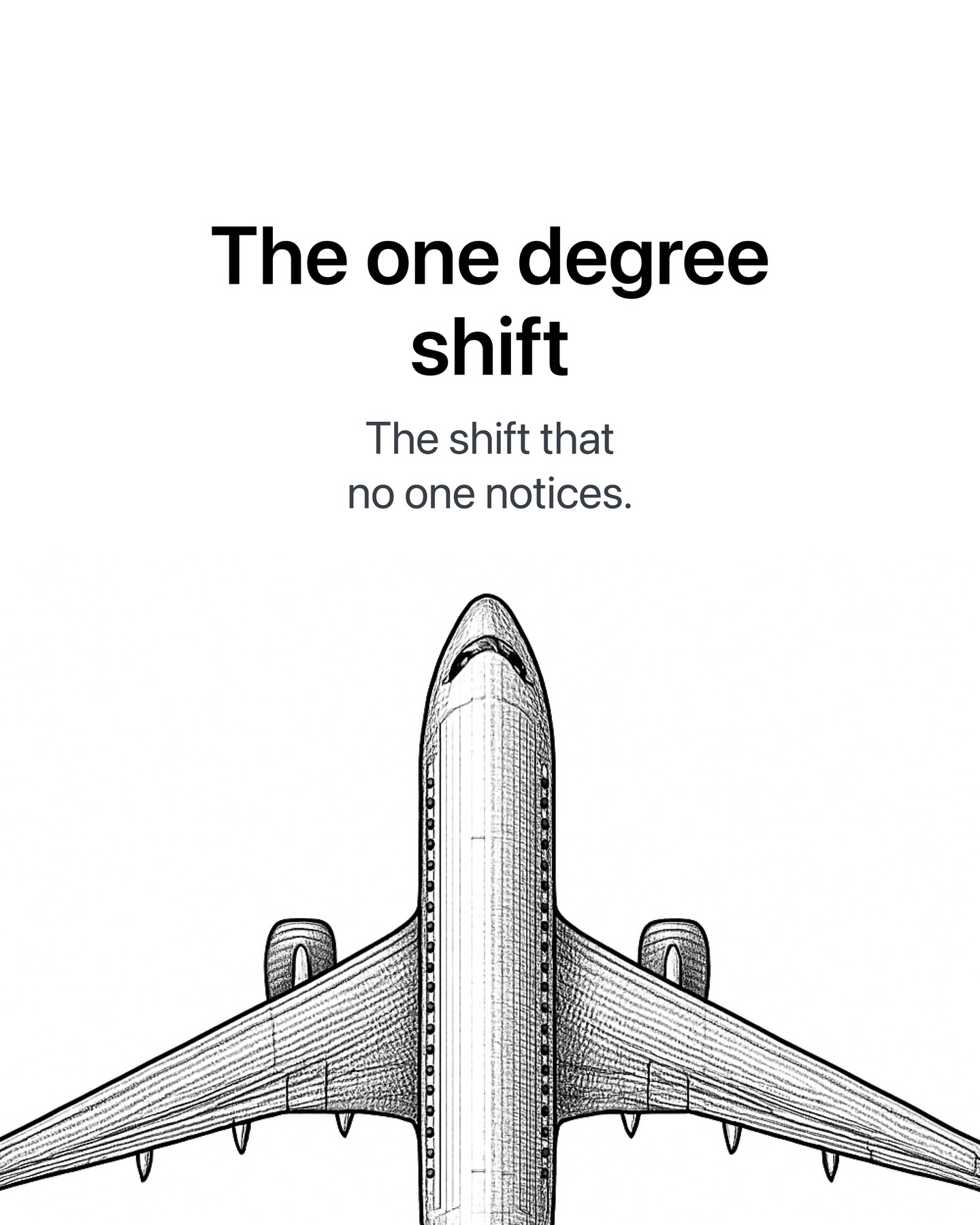
Came across this idea while reading Atomic Habits.
It reminded me that life rarely changes because of big moments.
It changes because of the tiny defaults we stop noticing.
What we do first thing in the morning.
What we reach for when we’re bored.
Who we stop replying to when life gets busy.
None of these feel important in the moment.
But over time, they quietly reroute our life.
I’m trying to pay more attention to mine.
What are some tiny defaults that are slowly drifting you off course?


9 Books You Should Read
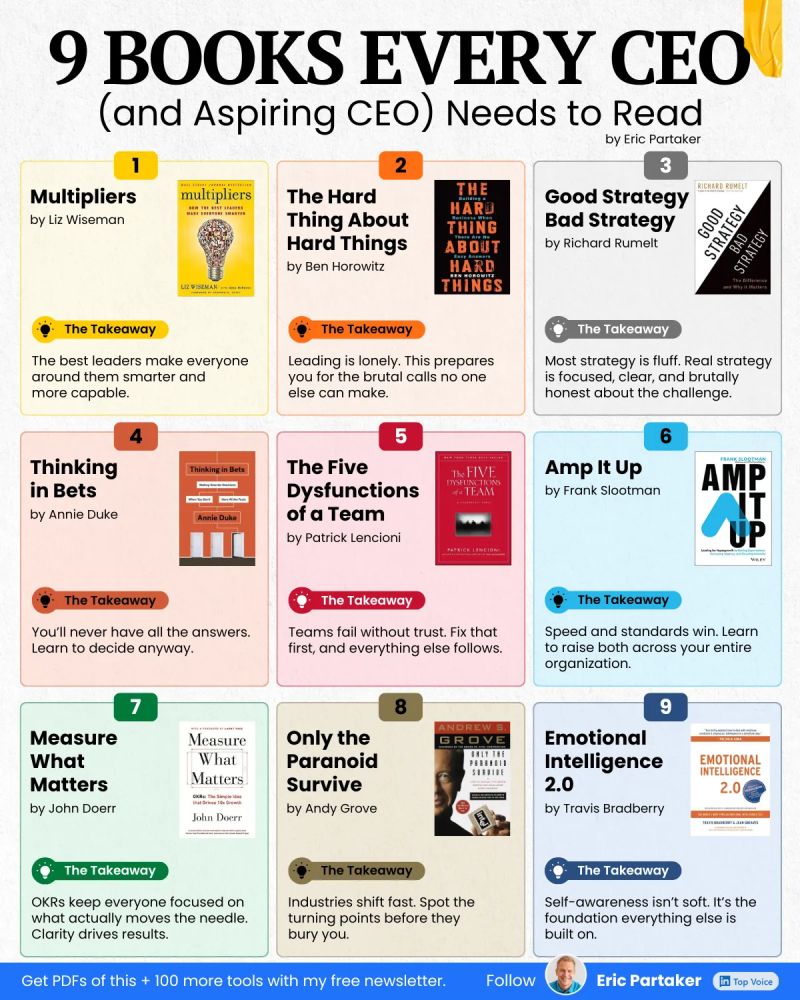
Never underestimate a person who practices
self-education in their free time.
They’re building skills no one asked them to build.
While others wait for the right moment,
self-educators are quietly closing gaps.
Sharpening edges.
Becoming dangerous in the best possible way.
Having coached 600+ CEO, I’ve learned the best
never stop being students.
They’re constantly reading.
Not to impress anyone.
Not to check a box.
But because they understand something vital:
The moment you stop learning,
you start falling behind.
Markets shift.
Industries evolve.
What worked yesterday won’t work tomorrow.
And the leaders who adapt?
They saw it coming.
Because they were paying attention.
Because they invested in themselves before they had to.
Books won’t give you all the answers.
But they will:
→ Challenge assumptions you didn’t know you had
→ Give you frameworks for decisions you haven’t faced yet
→ Show you how other leaders navigated what you’re going through
That’s the real value.
Self-education isn’t a hobby.
It’s a competitive advantage hiding in plain sight.
The people who figure this out early go further.
The ones who never stop?
They become unstoppable.
Which book would you add to the list?
When Silence Becomes the Answer
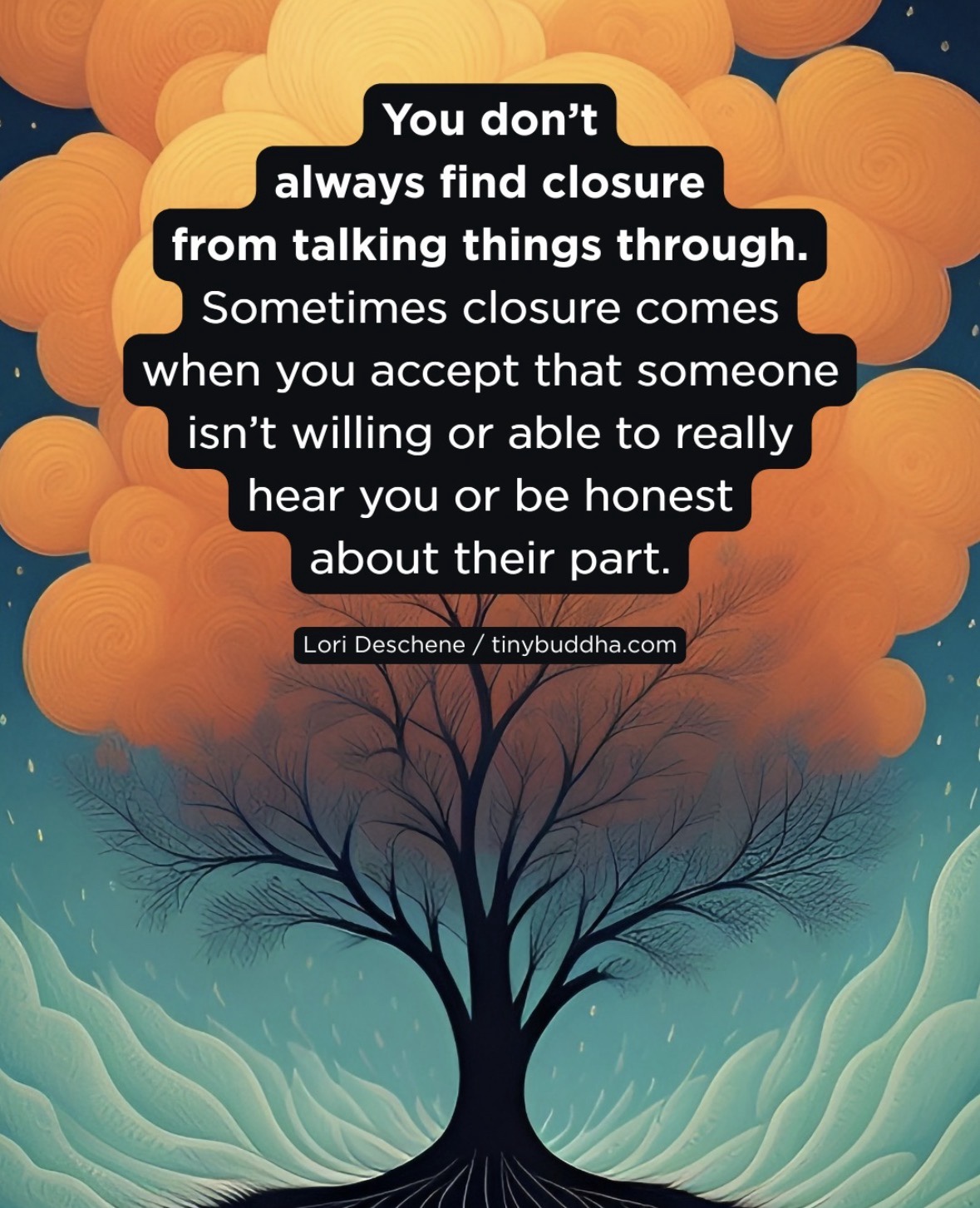
We grow up believing that every story deserves an ending. Not just any ending, but one where everything is explained, feelings are acknowledged, and loose ends are tied neatly together. We imagine conversations where both sides finally understand each other. Where someone admits they were wrong, where we say everything we’ve been holding in, and somehow the air clears.
But life doesn’t always work that way.
Sometimes the conversation never happens. Sometimes it happens, but it goes nowhere. And sometimes you leave it feeling more unheard than before.
That’s the uncomfortable truth about closure. It doesn’t always arrive through words.
We often hold onto the idea that if we could just explain ourselves better, if we could just get the other person to truly listen, things would make sense. We rehearse the conversation in our heads. We imagine the moment they finally understand our perspective. We picture the apology, the accountability, or at least the acknowledgment.
But there are moments when the hardest realization isn’t what someone did.
It’s realizing they’re not willing to see it.
Or they can’t.
Some people simply don’t have the ability to reflect on their own role in things. Others avoid uncomfortable truths because it threatens the story they’ve built about themselves. And some people hear you—but only enough to defend themselves, not enough to understand you.
When you’re dealing with someone like that, no amount of explaining will change the outcome. You can speak calmly, carefully, and honestly, and still feel like your words are bouncing off a wall.
That’s the moment many people get stuck.
Because we think closure is something the other person gives us. We think it arrives when they validate our feelings or admit their mistakes. Until then, we keep trying to reopen the door.
But sometimes closure isn’t something that’s handed to you across a table in a heartfelt conversation.
Sometimes it’s something you quietly claim for yourself.
It comes in the moment you stop expecting the other person to understand. Not because what you felt was wrong, and not because your experience didn’t matter. But because you recognize that their willingness—or ability—to face it simply isn’t there.
That realization can feel disappointing at first. Even unfair.
There’s a certain grief in accepting that someone won’t meet you in honesty or accountability. Especially if you cared about them, trusted them, or believed they were capable of more.
But there’s also a strange kind of peace that follows.
Because once you stop waiting for someone else to acknowledge the truth, you stop giving them control over your sense of resolution.
You stop replaying the conversation you wish you could have.
You stop wondering what else you could have said.
You stop carrying the weight of proving your side of the story.
Closure, in those moments, isn’t dramatic. It doesn’t come with a final speech or a perfect exchange of words. It’s quieter than that.
It’s the moment you accept that someone isn’t willing or able to truly hear you.
And instead of chasing that understanding, you choose to move forward without it.
Not everyone will understand you. Not everyone will own their part. And not every relationship will end with clarity.
But your peace doesn’t have to depend on their awareness.
Sometimes closure isn’t about finishing the conversation.
Sometimes it’s about realizing the conversation was never going to give you what you needed—and deciding that you’re done waiting for it.
Ship It Before It’s Perfect
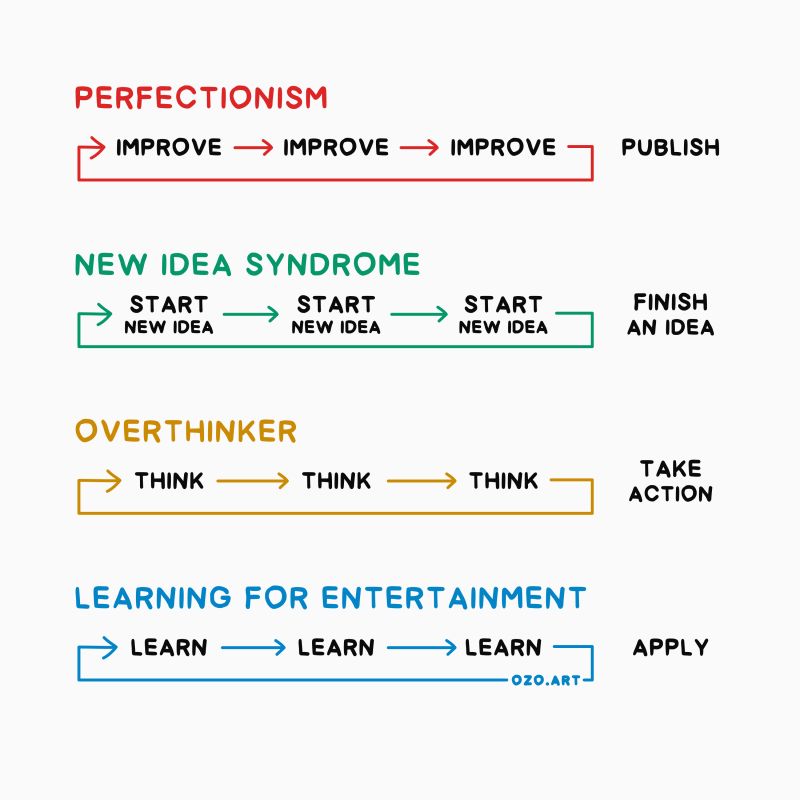
There’s a quiet trap many thoughtful people fall into. It looks like productivity from the outside, but inside it’s something else entirely.
Perfectionism.
It starts with good intentions. You want the work to be better. Clearer. Sharper. More useful. So you improve it. Then you improve it again. Then once more. Each revision feels justified, even responsible. After all, quality matters.
But somewhere along the way, improvement turns into postponement.
The work never quite feels ready.
While perfectionism keeps polishing the same idea, another voice appears: maybe there’s a better idea. Suddenly a fresh concept seems more exciting. Cleaner. More promising. So you jump.
New idea. New start. New momentum.
For a while it feels energizing. Until the cycle repeats. Another idea arrives before the first one reaches the finish line. Over time, your notebook fills with beginnings while the world sees very few endings.
Then comes overthinking.
You think through every angle. Every scenario. Every potential flaw. The mind starts running simulations faster than reality can keep up. The more you think, the harder it becomes to move. Action begins to feel risky because thinking has already explored every possible mistake.
Meanwhile something else sneaks in—learning as entertainment.
You read more books. Watch more videos. Save more articles. Take another course. Learning feels productive, and often it is. But learning without applying slowly turns into a comfortable form of procrastination. Knowledge accumulates while action quietly waits.
The truth is simple but uncomfortable: improvement, new ideas, thinking, and learning are all valuable. But none of them create impact on their own.
Only action does.
Ideas don’t matter until they are finished.
That blog post sitting in drafts.
That side project half-built.
That concept you’ve been refining in your head for months.
None of it exists for the world until you publish it.
Finishing something imperfect teaches more than endlessly refining something invisible. Once an idea is out in the world, reality begins to shape it. Feedback arrives. Experience sharpens it. Progress finally begins.
Perfectionism wants certainty before action.
Real progress happens the other way around.
Action first. Refinement later.
So if you’re caught in the loop—improving, restarting, thinking, learning—try something different today.
Finish one thing.
Publish the article.
Ship the project.
Share the idea.
Let it be imperfect. Let it be real.
Because the people who create meaningful things aren’t the ones with the best ideas sitting in notebooks.
They’re the ones who take an idea…
and apply it.
The Weight of Small Things
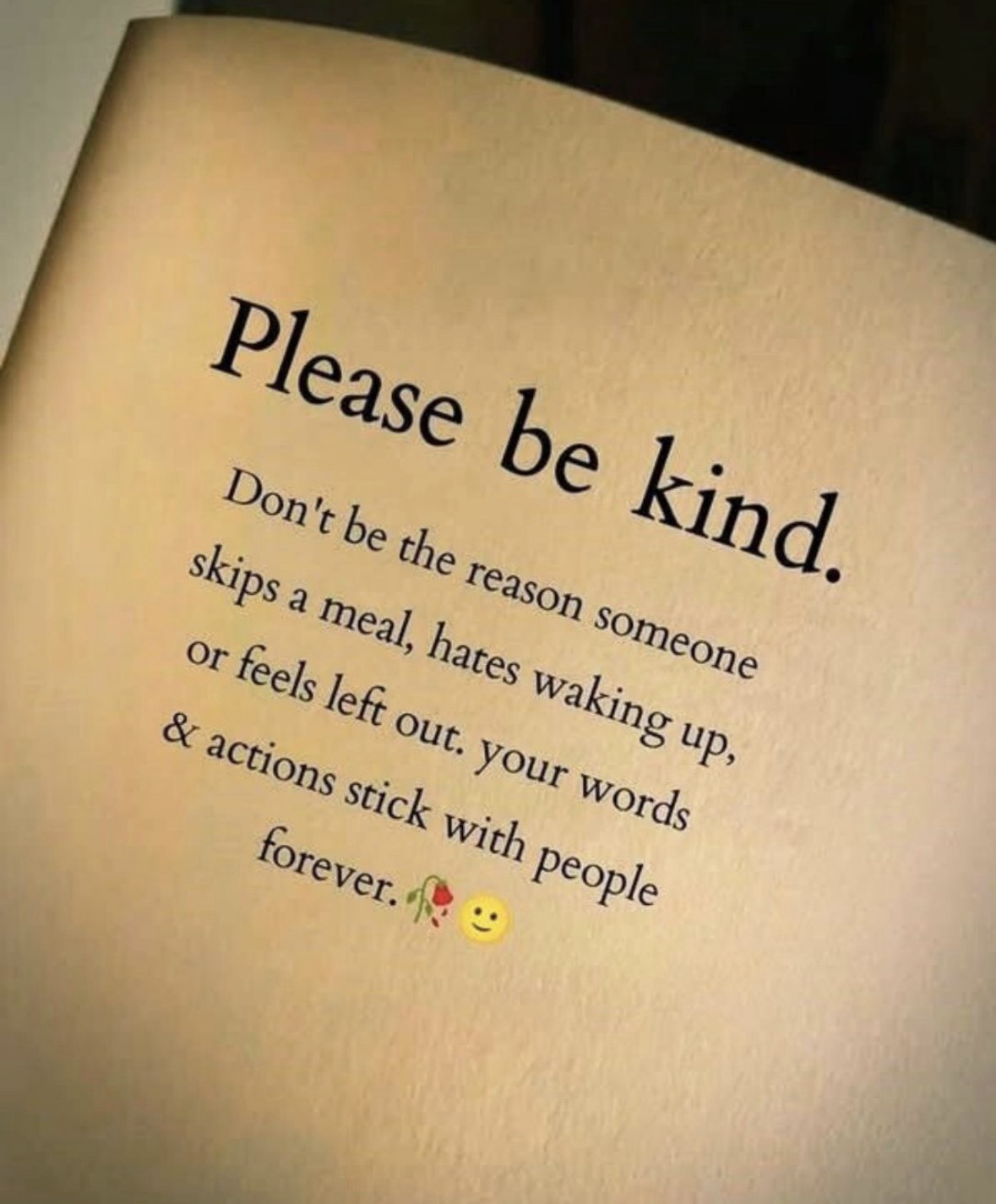
Please be kind.
It sounds simple, almost too simple to matter in a loud, fast world that celebrates big gestures and dramatic moments. But most of life is not lived in grand scenes. It’s lived in small, ordinary interactions — a passing comment, a tone of voice, a message sent too quickly, a joke made without thinking.
And those small things carry more weight than we realize.
Someone might laugh along when a remark lands a little too sharply, but later that night they replay it in their mind. Someone might brush off being excluded, pretending it doesn’t matter, but the quiet feeling of being invisible lingers longer than anyone notices. A careless word can echo far beyond the moment it was spoken.
Sometimes kindness is simply the choice not to add weight to someone else’s day.
You never really know what someone is carrying when they show up in front of you. The coworker who seems quiet might be dealing with something heavy at home. The friend who declines an invitation might be struggling just to get through the week. The person who made a mistake might already be harder on themselves than anyone else could ever be.
Life is already difficult enough without us making it harder for one another.
There are people who skip meals because anxiety sits heavier than hunger. There are people who dread waking up because another day means facing the same environment that drains them. There are people who sit quietly at the edge of groups wondering if anyone would notice if they weren’t there at all.
And sometimes the difference between someone feeling a little lighter or a little heavier comes down to something small — a word of encouragement, an invitation, a moment of patience instead of irritation.
Kindness is rarely dramatic. It doesn’t always get applause. Most of the time, it goes unnoticed by everyone except the person who needed it.
Holding the door. Including someone in the conversation. Choosing understanding over judgment. Pausing before sending the message that might sting. Deciding not to pile on when someone is already struggling.
These are quiet choices, but they ripple outward.
The strange thing about words and actions is that they stay with people long after we forget them. A sentence spoken in passing can sit in someone’s memory for years. A small act of generosity can become the moment someone points to when they say, “That was the day I felt seen.”
We underestimate how permanent ordinary moments can become in someone else’s story.
None of us get it right all the time. We’re impatient. We’re distracted. We’re human. But every day gives us dozens of chances to tilt the scale a little toward kindness instead of indifference.
Not because the world demands perfection, but because people remember how we make them feel.
So before the quick remark, the sarcastic joke, the eye roll, the message typed in frustration — pause for a second.
Choose the version of yourself that leaves people lighter, not heavier.
Please be kind.
You may never know the difference it made. But someone will carry it with them longer than you imagine.
The Quiet Majority
There are days when the world feels heavy.
You turn on the news, scroll through your phone, or overhear conversations that make you wonder if things are falling apart faster than anyone can fix them. The loudest stories are often the hardest ones to hear—conflict, cruelty, dishonesty, people cutting corners or looking out only for themselves. It can start to feel like that’s the whole picture.
But it isn’t.
The truth is, most goodness in the world doesn’t make headlines.
It happens quietly. In small choices. In ordinary moments that never go viral and never get applauded.
It’s the teacher who stays late because a student is struggling and they don’t want that child to feel alone. It’s the nurse who speaks gently to someone who is scared, even after a twelve-hour shift. It’s the neighbor who checks in on the older couple down the street just to make sure they’re doing okay.
No camera. No recognition. Just the quiet decision to do the right thing.
There are people who return wallets they could have kept. People who apologize when they’re wrong. People who stop to help a stranger push a stalled car out of traffic. People who hold doors, offer kind words, give second chances, and choose patience when frustration would be easier.
You rarely hear about them because goodness tends to be quiet.
But it is everywhere.
Every day there are parents doing their best to raise kind children. Coworkers covering for someone who’s having a rough week. Friends sending messages that say, “I’m thinking about you.” Volunteers giving up their weekends. Someone donating anonymously so another person can catch a break.
These moments don’t trend online. They don’t dominate conversations.
But they keep the world moving forward.
It’s easy to forget that the loudest voices are not always the most common ones. The outrage, the cruelty, the selfishness—they grab attention because they shock us. They disturb us. They make us pause.
But they are not the majority.
The majority is quieter.
It’s the people who try.
People who try to be fair even when it costs them. People who try to tell the truth. People who try to forgive. People who try to leave things better than they found them.
Not perfect people.
Just people who keep choosing the better path when they could easily choose the easier one.
If you’re someone who tries to live that way—who pauses before speaking harshly, who helps when no one is watching, who carries a sense of responsibility for the kind of world we’re building—then you’re part of that quiet majority.
You might not always feel like it matters.
But it does.
Every act of decency creates a ripple. Every moment of integrity sets a tone. Every bit of kindness makes it a little easier for someone else to believe that goodness still exists.
And when enough people keep doing the right thing, even in small ways, it builds something stronger than all the noise.
It builds trust.
So on the days when everything feels wrong, remember this.
There are millions of people out there waking up each morning trying to do the right thing. They may never meet each other. They may never be recognized for it.
But together, they are quietly holding the world together.
If you’re one of them, thank you.
The world needs more people exactly like you.
The Spiral Is the Way
For a long time, many of us imagine life as a straight road.
You start somewhere, you move forward, and eventually you arrive at a place where things finally make sense. Growth looks like progress in one direction. Lessons are learned once, neatly wrapped up, and then placed behind you like chapters you’ve already finished reading.
But life rarely moves like that.
More often, the path is a spiral.
You move forward, yes—but you also circle back. You find yourself revisiting the same ideas, the same struggles, the same questions you were sure you had already figured out. At first it can feel frustrating. You might even wonder if you’re going backwards.
Why am I dealing with this again?
Didn’t I already learn this lesson?
But the spiral has a quiet wisdom to it. Each time you return, you’re not standing in the exact same place. You’re seeing the same truth from a different height, a different angle, a different version of yourself.
Think about the things you believed you understood five or ten years ago—friendship, patience, forgiveness, love, purpose. At the time, you probably felt certain you had a clear grasp on them. And in a way, you did.
But then life kept happening.
More people entered your story. Some stayed, some left. Some surprised you with kindness. Others taught you hard lessons you never asked for. Time reshaped you in quiet ways you didn’t notice while they were happening.
And suddenly, something you thought you understood reveals another layer.
You reread a quote that once felt simple and now it feels profound.
You have a conversation that makes an old memory click into place.
You face a familiar situation but respond with a deeper patience than before.
The lesson didn’t change.
You did.
The spiral brings you back not to repeat the past, but to deepen your understanding of it.
It’s a little like walking through a city you’ve lived in your whole life. The streets are the same, the buildings are the same, but one day you notice a detail you’ve somehow never seen before—a mural tucked into an alley, a café that’s been there for years, a quiet park just beyond the corner you usually turn.
Nothing new appeared.
You simply arrived ready to see it.
This is how wisdom grows. Not in straight lines, but in widening circles.
You return to patience after losing it.
You return to forgiveness after holding onto resentment.
You return to courage after moments of doubt.
And each time, the understanding gets a little deeper. The reaction becomes a little softer. The perspective becomes a little wider.
What once felt like failure starts to look more like refinement.
The spiral also explains something many people feel but rarely talk about: growth can look strangely repetitive from the outside. You might still be working on boundaries, still learning to trust, still practicing self-compassion.
But the version of you doing that work today is not the same person who started.
You carry more awareness now. More context. More empathy. Even your mistakes have become teachers.
The spiral honors that kind of growth—the kind that doesn’t rush, doesn’t pretend to be finished, and doesn’t expect perfection on the first pass.
It allows life to unfold in layers.
So the next time you feel like you’ve come back to something you thought you already understood, pause before assuming you’ve failed or regressed.
Look closer.
You may simply be standing on a higher loop of the spiral, seeing the same truth with clearer eyes.
And that is not going backwards.
That is what deeper understanding looks like.
 Kenrick Vaz