Dear Discouraged Parent

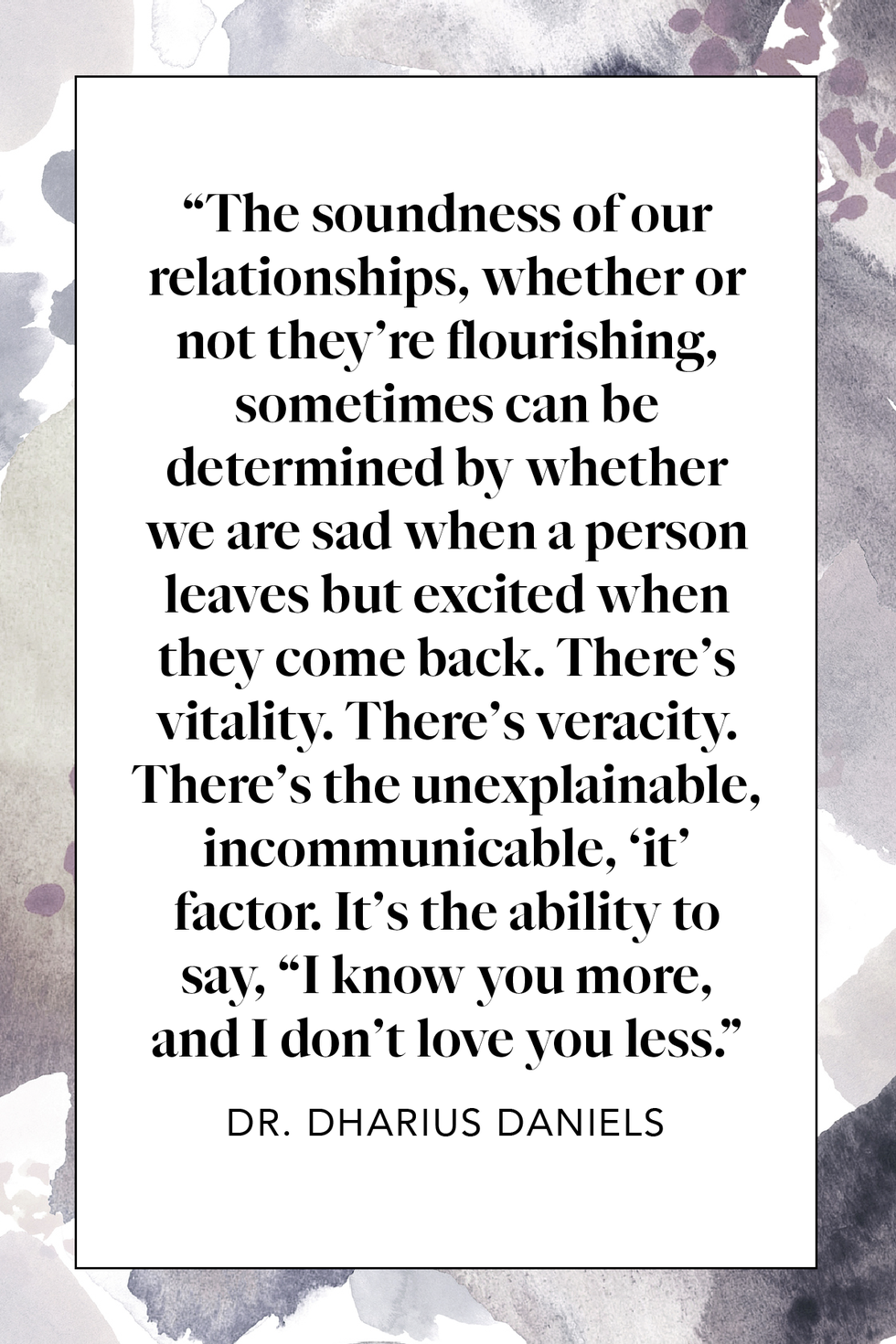
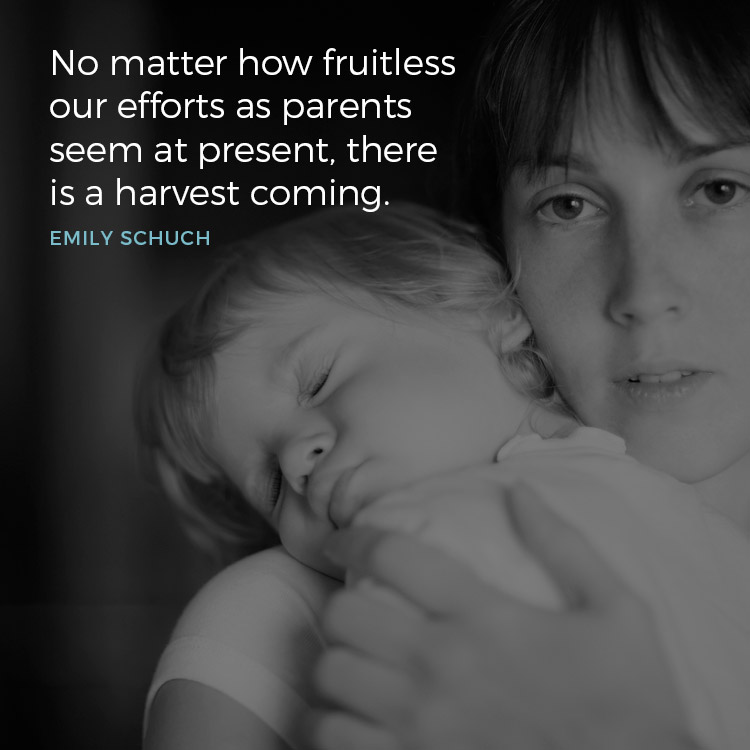
When I saw this quote I remembered this amazing letter I stumbled across.

Dear Discouraged  Parent,

You’re not alone. Parenting is difficult at times. In fact, if you’re really working at parenting, there’s rarely a season that isn’t filled with challenges.

After seeing too many parents struggle with discouragement, I felt like I needed to write this note.

Here’s the bottom line: I feel you.

None of us really feel like the most successful parent on earth. I don’t. You don’t.

Even though I have so much to be thankful for about my family, I still spend too many days wondering whether I’m missing something or not making enough progress.

There’s so much weight on your shoulders. You know what I mean:

  • Knowing you’re actually responsible for another human being
  • Navigating big challenges on less sleep than a human ever really should
  • Watching your kids go through relational challenges and not being able to fix them
  • Working so hard on one character issue only to see another one emerge instead
  • Losing your temper when you swore you’d never do it again
  • Being so focused on parenting well that your marriage suffers
  • Feeling like you’re always under a microscope
  • Not being where you thought you would be at this point in your family life
  • Uncertainty. Constant uncertainty.
  • Knowing your family isn’t perfect and wishing it would be but knowing it won’t ever be
  • Feeling let down by others
  • Letting yourself down
  • Believing other families have it easier than you do

And on and on and on it goes…

This is the side of parenting they never teach you in birthing classes.

So I want you to know something.  The discouragement you feel inside is real and coming from somewhere. Think about this and let this sink in for a while today:

“The happiest & healthiest people are those whose expectations meet reality.”

What do you do with that?

Here are four questions every discouraged parent would benefit from asking themselves:

1. What do I expect my family to give me? 

No family will ever give you ultimate peace, fulfillment, joy, purpose, or anything like that. Neither will a spouse.  If you are expecting that from being a parent or spouse, you won’t find it.

If you are constantly discouraged or frustrated about your family, it might be because you are hoping it will give you something only God can give you.

2. Who am I trying to please? 

You will never please any of your family members fully. It’s impossible because we are imperfect people & they are as well.

If you are trying to please other people every day, you will be miserable.  You can never keep up with anyone else’s expectations. And you’ll let yourself, your family and ultimately God down.

3. How honest am I being with myself & others? 

If you stuff your personal failures and missed expectations instead of dealing with them, you will either implode or explode one day. Discouragement often comes from stuffing things we should just admit and deal with.

If you have a problem with another person, be completely honest about it.  If you are mad at somebody, tell someone (if they’re an adult or old enough….tell them).

If somebody let you down, let them know.  If you have let yourself down, tell a friend.

Lying and pretending leads to misery. Just say it. I have done this numerous times, and it’s terrible at first, but so freeing in the end. And you know what? Much of the time you end up saving the relationship.

4. What lie am I believing? 

Gurus make it seem so easy don’t they? Go to their conference or buy their book and all your problems disappear. Did you ever buy into that lie at some point?

Chances are you thought being a parent would be easier. Well, that’s just a lie.  If you identify the lie you are believing, you will crush some of the discouragement.  The lie that marketers sell you about family is really killing your spirit. Even if you look in the Bible, you’ll discover that relationships are rarely easy.

Your discouragement isn’t just discouragement.  It’s a symptom of something deeper going on.  If you want to create a healthy culture in your family, you can’t live mad all the time.  You can’t be frustrated 24/7.  Take a step today and answer these questions honestly.

I believe it will help you beat your discouragement and get back on the growth track.

So tell me, have you ever been discouraged as a parent?

How have you dealt with it, healthily or otherwise?
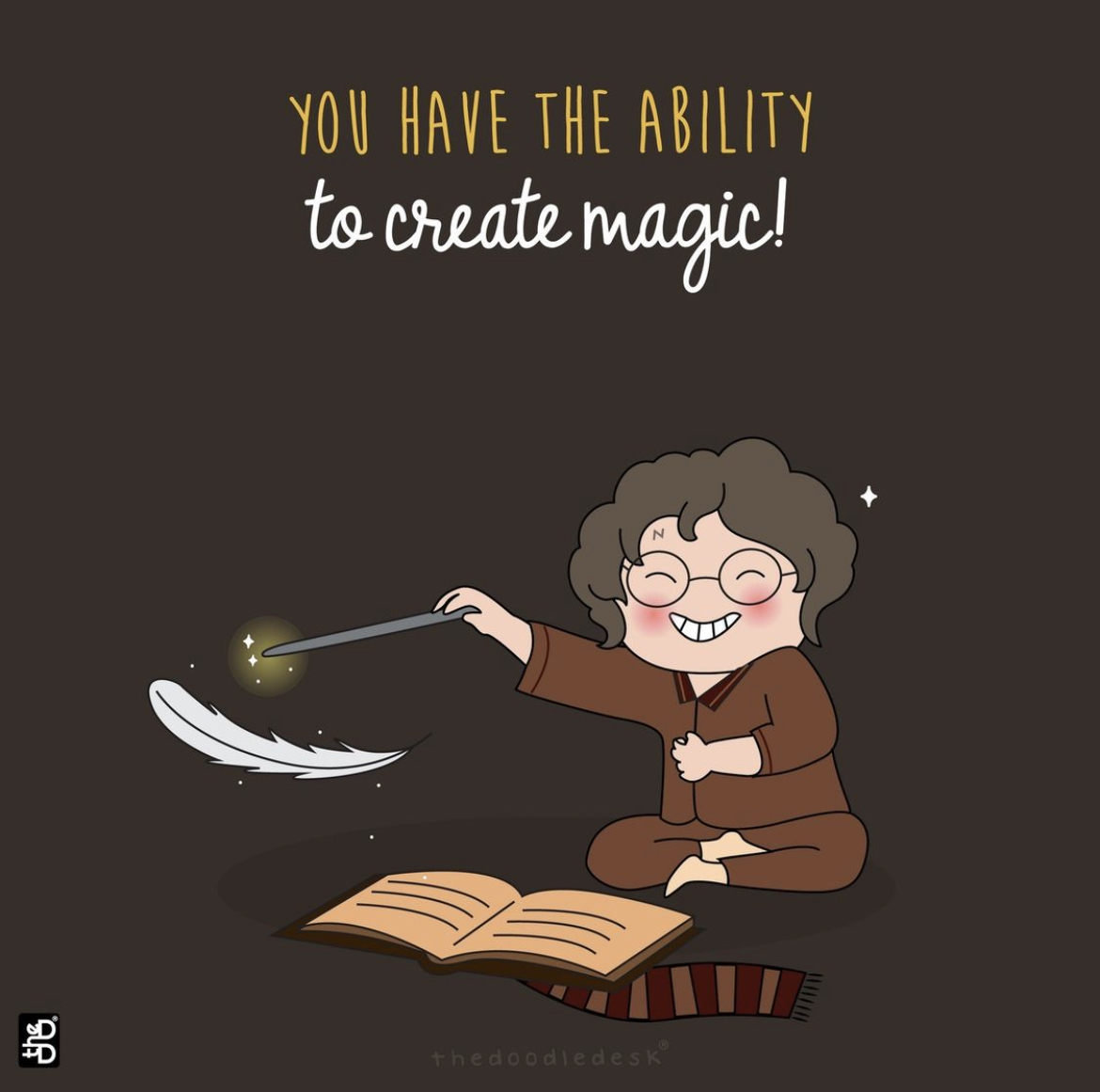
How to tap into your ‘magic powers’

We are all born with this very special gift of magic. It is an immeasurable power, yet is so simple that we often overlook or dismiss it. Each and every one of us has it, yet my guess is that you don’t realize that, just by tapping into this power, you can create a life beyond your wildest dreams. How can you truly and most easily have everything that you want?

As the Beatles said so succinctly, “All you need is love!” Love is the answer to everything.

Let’s take a moment to break it down, so you know how it really works.

Harvard Research done over the past 20 years has proven that when your brain is in a state of happiness, you will have success in virtually every area of your life, both personally and professionally.

And what does it mean to be truly happy? No, it’s not spending the week in the Caribbean or a Disney World vacation. Although these activities can provide fun and loving memories, this is not the “happiness” I am speaking of. When you are authentically happy, you love yourself from the inside out.

Studies show that at least 90 percent of happiness comes from self-love. Loving ourselves is an inside job. It is not to be confused with any form of conceit or narcissism, which isn’t love at all.

Here are seven things you can do to begin filling your own love tank:

1. Be kind to yourself. Love yourself and tell yourself often. Say to yourself, “I love you _____ .” See the greatness in you. Say only loving positive and kind things about yourself, to both yourself and others.

2. Communicate clearly with loving words to others. Say what you mean with love. Words are very powerful. Never ever diminish a person while speaking about them to another person, but build them up by sharing the qualities you truly enjoy in them.

3. Take time for “just you” everyday to increase your calmness. Make it a requirement. Reflect and spend time alone through meditation, prayer, yoga or just being quiet.

4. Take inspired and focused action to turn your dreams into reality.Calmness allows inspiration to flow to you.

5. Smile and laugh a lot… all day long. The simple act of smiling is proven to make you feel better immediately. Just imagine how you would feel if you smiled throughout the day!

6. Make choices and decisions that feel good for you. Only you know what is right for you. Don’t make promises you don’t want to make or you cannot keep.

7. Include things you enjoy and are passionate about in your day, every day, even if only for a short period of time.

As you feel more love for yourself, you will have more love to give to others. It happens effortlessly. The more we see the beauty in ourselves, the more naturally we see the magnificence in others. We stop finding fault with others and we create relationships at levels we never thought possible. When we feel more love for ourselves and others, our behavior changes. And it changes in every area of our lives as we realize the power that we have to create whatever it is that we want.

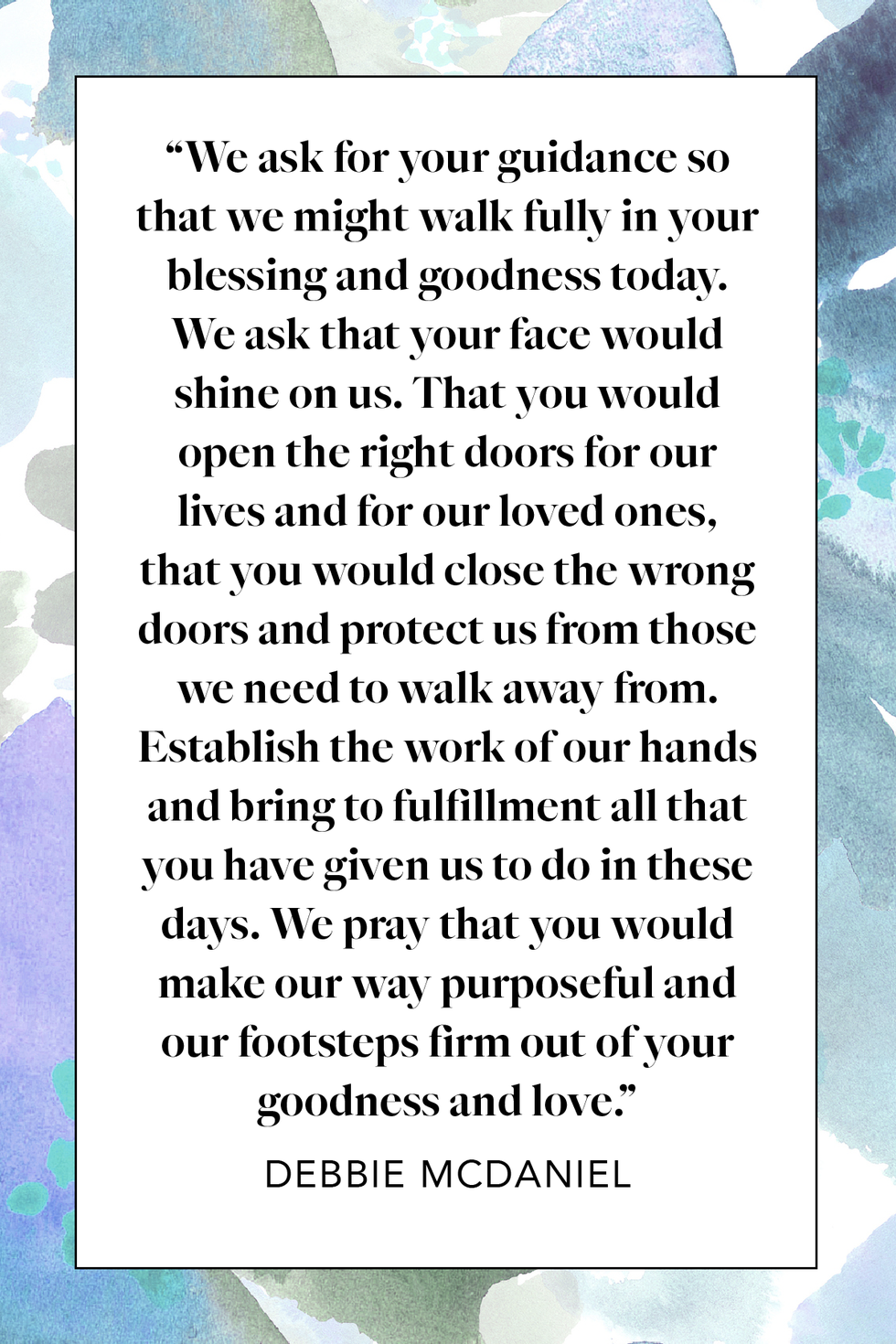
Healing Prayers

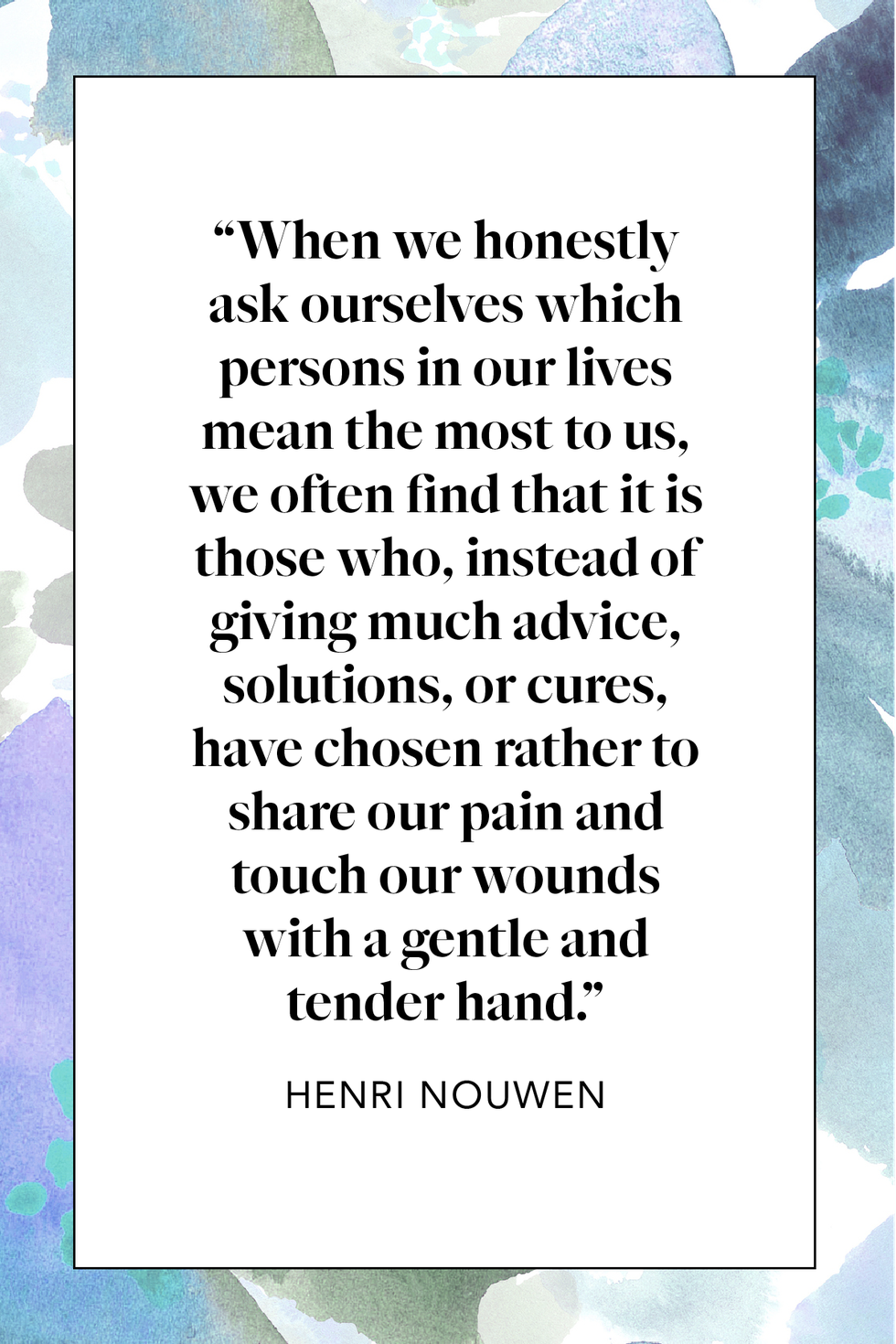
Pain and suffering are, unfortunately, a reality of life. At some point in our lives, we will hurt, or someone around us will hurt. There may be a life-changing accident or soul-crushing diagnosis that will shake us to our souls. It can be worse to see a loved one (family member or friend) in pain. Many a mother has said, “I would take on my child’s pain if I could!”

Seeing a loved one in pain can leave us feeling helpless, hopeless, and angry. We ask God, “Why did You let this happen, Lord?” and feel that “There’s nothing I can do!” There is something we can do – we can always pray! But does really everybody know how to pray for healing for someone else? Here are a few prayers that I came across on Oprah Daily

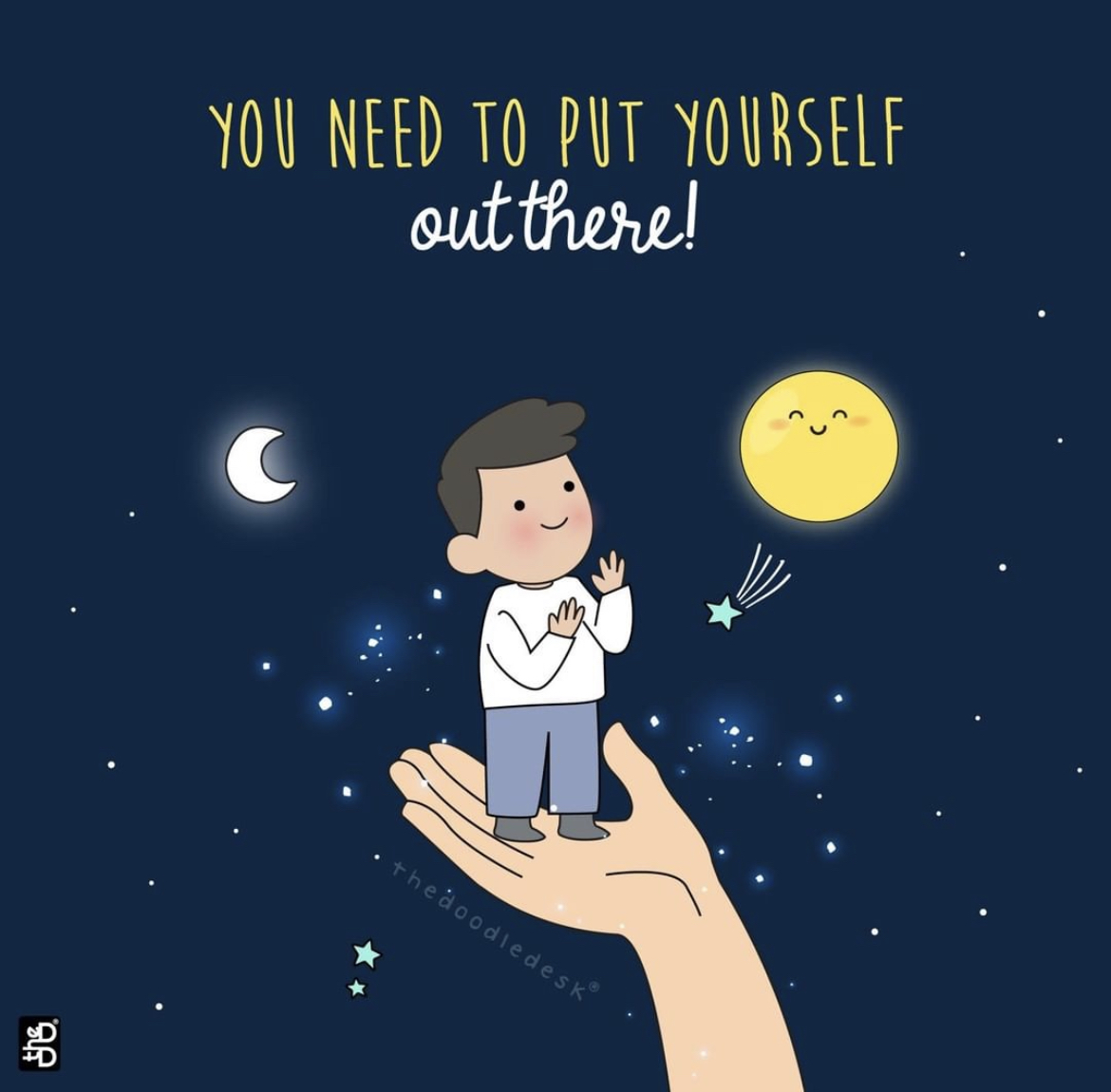
Put Yourself Out There

Do you think you are an introvert or an over-thinker or a perfectionist? Or maybe all these three? Even having just one of these qualities makes it that much harder to get out there and show the world the real you. And if you’re not putting yourself out there, no one will know who you are, what you’re doing and what you are capable of achieving.

I hear often from people who burst with ideas but decline to share them because they dislike the spotlight. Maybe you fear others judging you and your work. Or you’re uncomfortable with self-promotion. Or perhaps you’re afraid of failure, or of success.

So many fears, so many ideas worth sharing. What to do? Here are some ideas to help you power through these disabling emotions.

1. Know that you’re in good company. People have always had to put themselves out there. We tend to think that in the good old days, no one had to self-promote the way we do today. True—but if they wanted to share, or lead, or create, they had to go public with their thoughts too. And this has always been scary. Darwin waited 34 years to publish his idea that humans evolved from monkeys. Scholars call this “Darwin’s Delay,” and many believe it was due to his fear that others would judge his heretical for the times theory.

2. When it comes to social media, think self-expression, not self-promotion. Blogging and tweeting, if practiced properly, feel more like a creative project than an exercise in self-disclosure even though, of course, they are both. They also don’t require the in-person social multi-tasking that many people find so exhausting.

3. Think of it as connecting, not promoting. Self-promotion has a bad wrap. When done wrong, it feels slimy and pushy. First, remind yourself that you’re connecting to other people and building relationships. Let go of the attachment to what’s in it for you. Instead, talk about your work and your projects as a jumping off point for getting to know others and allowing them to get to know you, whether in person or on social media. Share from a place of passion and enthusiasm; it will be contagious!

4. Decide what you’ll share. The internet is a big place. So it’s easy to feel vulnerable — like you could potentially share too much or say things that you regret down the road. It’s important to think about what you are and aren’t comfortable sharing in advance, and set boundaries around the topics that are off limits.

5. Start small. Practice sharing bits and pieces of your story with people in person, and see what people respond to the most. You can also experiment by writing an email to your list or publishing a blog post and sharing it with people you trust. The more you practice putting yourself out there, the easier it will be.

6. Call on your support system. If you’re about to do something really bold, tell your friends about it. Ask them to be there for the event itself (if you’re trying to go live on Instagram, for example). Or ask them to be there for you when it’s all over — either to celebrate your big win or to pick up your spirits if it didn’t go as planned. Knowing you have people in your corner can give you that extra boost of confidence.

And, when the time comes, to be there for them too.

7. Strengthen your backbone and, therefore, your confidence in small steps. Get in the habit of asking yourself where you stand on various questions. When you have firm opinions or a strong sense of right or wrong on a given question, savor the feeling.

The point is to get used to the feeling of having a center and operating from it. Then, produce more consequential ideas from this same place. You’ll still have doubts, of course: “Does it make sense? Will people agree?” That’s normal. But you need to have confidence about the underlying purpose of your undertaking.

What are your tips for putting yourself out there fearlessly? I would love to hear from you!

When God Wrecks Your Plans

The pandemic has definitely shown us very clearly that we are living in a time of uncertainty. Our lives changed in the blink of an eye. It has changed the way we school and work. It has changed the way we interact with others and canceled many plans.

We hear of uncertainty all the time. Uncertainty is the state of not being completely confident, or sure of something. Uncertainty can also sometimes bring along his little friend: anxiety. Anxiety is an emotion made up of feelings of tension, worried thoughts, and physical changes like increased blood pressure.

Quite often, anxiety can rush into our lives making us think we have to be something, do something, or have something before a certain timeframe. When things do not go according to plan, we often tend to worry. 

In today’s age, there is so much pressure to go to college, get a degree, a good job, get married, and buy a nice house with a big backyard. While none of these things are bad, we really have to ask ourselves “What does God want for me?” If you are going to live for God, He is by no means required to adhere to your timeframe or your plans. And that’s not always the easiest lesson to learn.

When I was in high school, I had almost my entire life planned out. I had already planned the college I would go to, and later, where I would attend graduate school. I dreamed of joining the Jesuits and becoming a priest. Now, that was a pretty good plan if I do say so myself. What I didn’t account for is that I would meet Jesus and He would wreck my plans…in a good way. 

Now, I’m living a life that I would have never expected to live. In reality, my timing didn’t match what God wanted for me. That’s why He completely switched up my plans. He saw something in me that I didn’t see in myself. He had plans written for me that I did not have written down for myself. God’s timing is not our timing, and God’s plans will not always be our plans.

Whether we believe it or not, God has us right where He wants us. We are not where we are by accident. The things we go through in life are for our benefit, for our growth, and to make us into the people that He wants us to be. 

The plans you think are good for you, may be the same plans that could delay you of the REAL BLESSING God has in store for you!

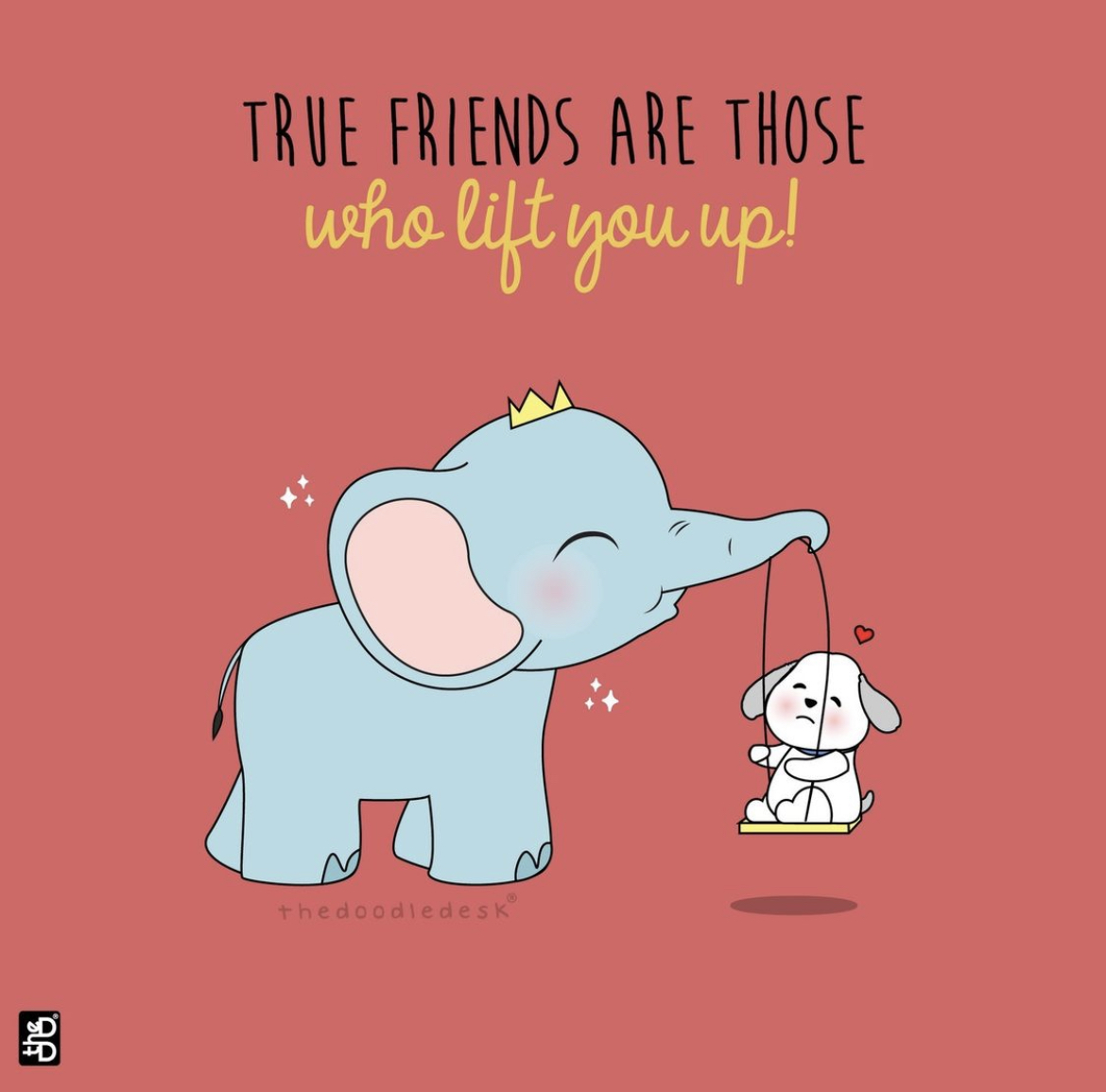
Spend More Time with People Who Lift You Up

We spend far too much time with people who drag us down, add drama to our lives, and make us feel sad, helpless and hopeless. These are the people who shoot down your ideas, focus on the negative, and often play the victim.

Everyone has a bad day, or goes through a tough time, but there is a clear difference. If you want to spend less time with the vampires in your life, there is an easy solution.

Spend more time with people who lift you up.

Spending time with people who lift you up is:

Happiness
Whenever I spend time with people I enjoy being around, I can’t help but smile. It can be a weekend away with my wife, choir practice at Church, or a call with my mummy or sisters. Even just a few words sent back and forth through email with my close friends can change my whole day. These people make my life better, sweeter and happier.

Energizing
Talking about technology with other people, planning with colleagues or brainstorming new creative projects with clients fuels me. Those conversations and connections give me the energy I need to make changes and engage in meaningful work.

Soothing
Spending time with people who lift you is calm in the chaos. When you have a stressful day, connecting with someone who gets you can ease the pain. If you are faced with a big decision or can’t find your way, those amazing people in your life will guide you, calm you, and show you the way.

Simple
People who lift you up don’t always agree with you, or have the answer, but you know they always have your back, and that they always want the best for you. That makes it simple to spend time with them and to trust their intentions. It’s simple to connect and even reconnect when you disagree or lose touch. This is love.

Spend even more time lifting them back.

Lifting them back is all of those things and so much more. Relationships will bloom when you feed them, so choose. Feed the best relationships in your life with wholeheartedness.

You can feed the others with well wishes, prayers, forgiveness and permission to let go. Moving on from a relationship that doesn’t serve either of you in the best possible way makes time for the relationships that do.

When you start devoting your time to fostering your best relationships, the others usually fade away without confrontation or conversation.

Lift people who have no one too.

Choosing to spend less time with people who sabotage your happiness doesn’t mean you can’t take time to lift people who can’t lift themselves. Give your change, a smile, a sandwich, or a few volunteer hours to people who can’t surround themselves with people who lift them. You’ll be surprised at how they lift you too.

Cut out the other stuff that doesn’t lift.

It’s not just people who bring you down. What about ..

  • the nightly news?
  • an upsetting Facebook feed?
  • debt?
  • doubt?
  • guilt?
  • and the physical clutter?

When all of those depressing distractions go, you can really get clear about the way you spend your time, who you spend it with, and how to make those relationships bloom.

Please know how grateful I am that you lift me up, and for giving me the great pleasure of lifting you right back.

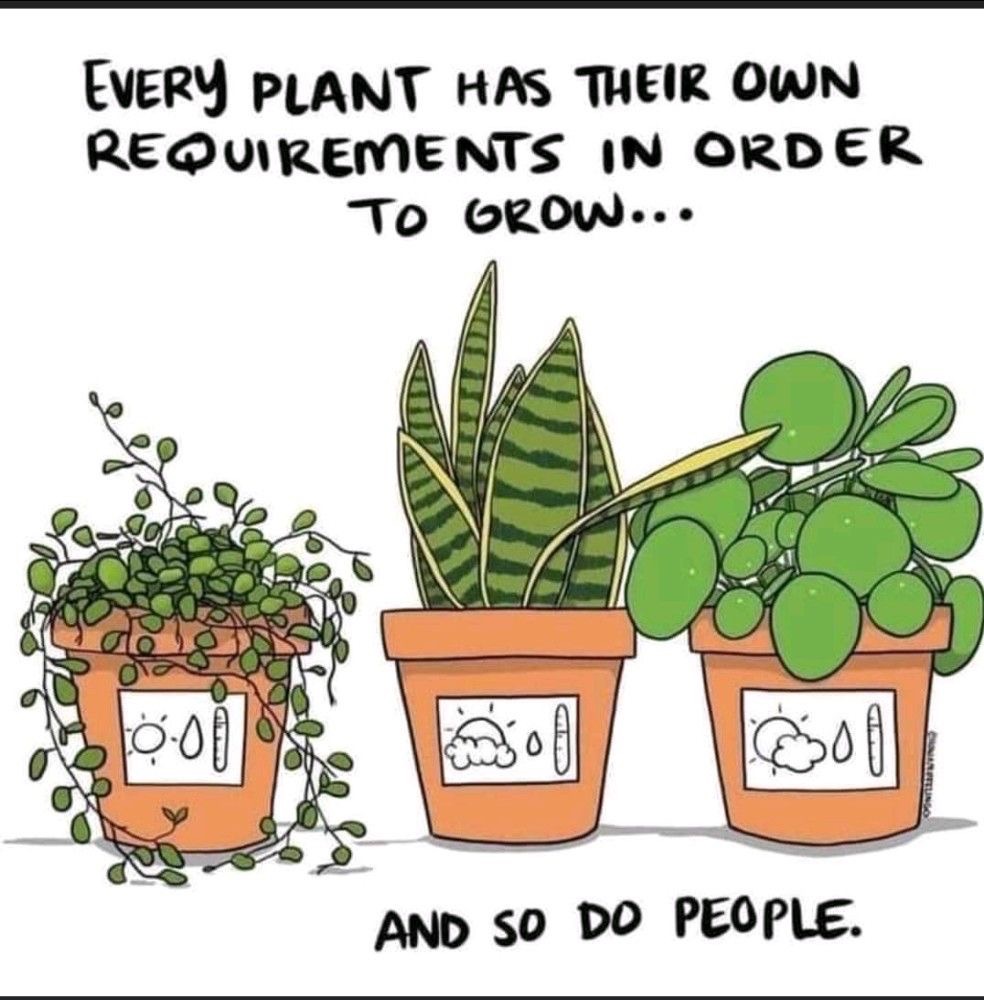
Know your Pace

The truth is, everyone grows at different rates and that’s absolutely okay! Everything happens in divine and perfect timing and we just have to trust in our growth and believe in ourselves. Remember, life has insightful lessons to teach – learn them your way, at your own pace.

Cherish your uniqueness! You have your own set of characteristics, skills, dreams and goals that makes you different from anyone else. Embrace them and don’t be embarrassed by who you are and how much time you take to learn something! Believe in your own self and remember that you are capable and worthy – just as much as anyone else, regardless of what you’ve achieved, regardless of what mistakes you’ve made!

Stop thinking you’re doing it all wrong. Your path doesn’t look like anybody else’s because it can’t, it shouldn’t, and it won’t.

Eleanor Brownn

When we’re tackling a new goal or challenge, people are often quick to give us advice like, “Just push yourself to do it!” and “Just dive in right away—don’t think!” Though they’re attempting to help, it can sometimes feel like peer pressure—like we’re supposed to radically reinvent ourselves right away, regardless of how uncomfortable it makes us feel. Yes, trying new things is an important practice in self-development, but one person’s quick change is another person’s months-long journey.

What I’ve learned: The key is to step out of your comfort zone because you want to, not because everyone else is doing it. The power is in trusting your gut and your intuition. Try new things for your own reasons and when you feel prepared to step out into the great unknown. I’ve learned not to give into peer pressure simply for the sake of appearing courageous. It’s not about waiting for your fear to disappear completely, but knowing when you’re ready to get outside your comfort zone. Real growth comes from making decisions for yourself.

Taking advantage of opportunities for growth is essential to life, but there are times when the people who are giving you the shot might not have your best interests in mind. Especially on the job, it’s hard to turn down opportunities for fear of stunting your career development, but sometimes that’s exactly what you need to do.

It’s brave to step out of your comfort zone, but it’s brave to own when you’re ready for that moment, too. Remember: Real growth comes from making decisions for yourself. And you have the power to decide when you’re ready for your next leap into the unknown.

I absolutely love these three lessons from flowers

Crocus
Azalea

A Crocus is not an Azalea.
We are all born with different features. Don’t expect the same from yourself as you would of someone else. Like the crocus and the azalea, one grows out of the ground at the end of winter in cold weather, while the azalea blooms from a shrub at the beginning of spring when it’s warm. Don’t expect either to bloom at the same time.

Day Lilies
Impatiens

Day lilies need full sun and Impatiens like shade.
Some like it hot, and some like it cool and calm. No one style of yoga is superior or inferior.

All flowers will bloom when it’s the right time and the right conditions.
No flower can force itself to grow, and neither can any person force themselves to do a pose their body can’t handle.

So why compare yourself to someone else? You will bloom when it’s time.

Here’s a lovely poem I came across on Instagram

Control Your Own Happiness

We are the most comfortable generation in the history of humanity and yet we are not it’s happiest one! In fact, all the comforts and advancement in our history was because of some level of unhappiness faced by our ancestors.

Yet, here we are, in the middle of all the comfort constantly living in fear and anxiety-more worried about what could have been or might be, rather than enjoying what is.

There is nobody in this world that has not been happy or doesn’t know how that feels. Somewhere along the way, we just decided to give in to the rigors of life and die a slow death rather than live an exuberant life.

Our happiness is our responsibility, just like a million other things that we are responsible for, which is probably why so many of us are not trying! We are responsible for our careers, for our health, for our sleep, for our relationships and on top of all that, now we have to figure out what makes us happy! It is just easier to blame someone else for this

Happiness is not a complex emotion! Here is how you can get back in touch with that emotion again.

Recognize that you are in control of your happiness.

The first step is to recognize that you are the one in control of your happiness. Your entire happiness lies within you. The more you learn to tap into it internally rather than depending on others to bring that out, the easier it will be for you to be happy.

Repeat with me:

I have at all times, within me, all the happiness that I need and I am solely responsible for my happiness.

Without this realization, it will be hard to keep up with your efforts. A lot of people commit suicide every year. Most of them do so because they forget that happiness is a choice and they can choose that over suicide. Easier said than done, I know.

Do what makes you happy

The simplest and easiest way to feel joyful again is to start doing things that make you happy. Humans have a tendency to make simple things complex. This is one of those such things!

Doing things that ignite joy puts us in a positive state of mind, enabling us to tackle the rest of our business. I have seen the results of this personally myself.

Stop worrying about what others think

As most of us grow up, we worry more about what others think and start behaving according to that rather than live according to what makes us happy. The quality of your life is determined by your thoughts and not by what others think but we tend to forget that don’t we?

When it comes to what others think, throw caution to the wind!

Stop complaining

When you complain, you are doing two things at once — one you are acting like a victim and two, you are wasting more time stuck in the past. I am not denying the fact that someone or something unfair happened to you but how you react to it is under your control.

Don’t let what happened in the past ruin the present moment. Play it back, make a note of the lessons that were there to learn and move on. Complaining about it only ensures that you live that moment again and again while filling you up with anger!

Instead of complaining, do something about it if you can — give feedback or suggestions. Anything you DO is better than sitting and complaining.

Complaining about the past is barely going to change anything but changing the present by doing something small in the future might radically change the future.

Happiness Is Not Rocket Science

Happiness or rather the lack of it makes the world go round. It is one of the most sought-after emotions in our life. A lot of the things we pursue are pursued with the ultimate goal of it leading us closer to happiness.

Happiness might be subjective but it sure isn’t rocket science. We make things complex when they don’t need to be. The options I have mentioned above are not complex. They are the simplest of things that you can do on a daily basis to increase your joy quotient.

Don’t ask what the world needs. Ask what makes you happy and do it. The world needs more people!

Obstacles are Opportunities

Seeing an obstacle as an opportunity is probably the last thing we think about, right? How much more can we take after all? We strive to succeed and something comes along that stops us from trying to realise our dreams. We all have our own story and definition for obstacles, yet we all know what they are and we all experience them! The greater the obstacle however, the greater the opportunity!

Success is to be measured not so much by the position that one has reached in life as by the obstacles which he has overcome

Booker T. Washington

Only after we overcome struggles does it become clear that success can come as a direct result. In fact, dealing with obstacles of varying degrees and urgency is a requirement to succeed in both life and business. Once you get through enough, you realize that even the worst-case scenario can have a positive solution. It may have taken me a few years to understand, but now, I see obstacles as opportunities, and without them, I wouldn’t be where I am today.

Embrace the challenges

Attempting to do anything hard comes with challenges, so embrace them. If we look at obstacles as opportunities to turn problems into progress, we increase our chances of success. Confronting obstacles forces you to assess the situation with new eyes and innovate creative solutions. You end up wiser with new skills and experiences. Challenges force us to access our full potential.

The dove struggles against the wind, not realizing it is the only thing that permits it to fly.

Johann W. Goethe

Change your perspective

Instead of avoiding them, view obstacles as opportunities to improve. Panic and fear in the face of struggle can feel normal. Fail once, and you can easily fall into the trap of believing you’ll always fail. When you can separate the thoughts that cause fear from those creating solutions, you have greater control over handling problems.


Be humble and transparent

When you nurture transparent and honest relationships, you end up with more people willing to help you when you need it. It can be hard to admit when times are tough, but if you try to make the situation not seem as bad as it is, people are much less likely to step up and help. A lot of uncomfortable conversations come with challenges, so dig into that feeling when you sense it and overcome that emotional stress by talking it out as soon as possible. The more you do it, the more confident you become. 

Share everything — not just once a problem occurs but always. This way, you have people who know your thought process and understand enough about you not to lose faith in you or the business when something goes wrong.


 The first challenge you overcome is the most important because it’s the one you’re least prepared to handle, but each time you take one on, you come out more capable of handling anything. Give yourself the mental fortitude it takes to struggle through it because, number one, it’s possible, and number two, after you do it once, it becomes easier. Once you’ve overcome enough, you learn that turning obstacles into greater opportunities always leads to success.

Story Behind The Origin of Valentine’s Day

Much about Valentine’s Day is well known. The handwritten cards, chocolate hearts, and red roses are all staples of the annual tradition, recognized easily at any convenience store. However, much about how the holiday came to be remains a mystery, details lost to time and transformed as romantics retold history. Not only does this holiday have competing origin stories, but there are at least two different saints who might be its namesake. Here’s what we actually know about Valentine’s Day.

The earliest possible origin story of Valentine’s Day is the pagan holiday Lupercalia. Occurring for centuries in the middle of February, the holiday celebrates fertility. Men would strip naked and sacrifice a goat and dog. Young boys would then take strips of hide from the sacrificed animals and use it to whip young women, to promote fertility.

Lupercalia was popular and one of the few pagan holidays still celebrated 150 years after Christianity was legalized in the Roman Empire.

When Pope Gelasius came to power in the late fifth century he put an end to Lupercalia. Soon after, the Catholic church declared February 14 to be a day of feasts to celebrate the martyred Saint Valentine.

According to Noel Lenski, a historian at the University of Colorado at Boulder, Lupercalia was “clearly a very popular thing, even in an environment where the Christians are trying to close it down.” In an interview with NPR Lenski theorizes that the feast was meant to replace Lupercalia. “So there’s reason to think that the Christians might instead have said, okay, we’ll just call this a Christian festival,” he said.

Apart from the name, these feasts share little resemblance to our modern, romantic notions of Valentine’s Day.

Who was St. Valentine?

By some estimations there are over 10,800 saints, of which there are more than 30 Valentines and even a few Valentinas. Two Valentines stand out as likely candidates for the namesake saint, but neither dealt with matters of the heart.

The two Valentines share many similarities, leading some researchers to wonder whether they were the same man. Both Valentines were martyrs, put to death by the Roman Emperor Claudius in the third century. Both men were also said to have died on February 14, although years apart.

The first Valentine was a priest who was arrested during the Roman persecutions of Christians. When brought before the emperor, Valentine refused to renounce his faith and as punishment was placed under house arrest. The head of the house holding Valentine challenged the priest to show the true power of God. Soon, Valentine restored sight to a young blind girl and the whole house converted. Once word of the miracle and conversion reached the Emperor, Valentine was executed.

The second priest, the Bishop Valentine of Terni, was also a miracle worker. Known for his ability to heal physical disabilities, a scholar sent for the bishop to heal his only son, who could not speak or straighten his body. After a night of prayer, the bishop healed the boy—and the family, along with visiting scholars, converted to Christianity. Shortly after the bishop was arrested for his miracles and, after refusing to convert to paganism, beheaded.

The first Valentine’s Day card dates to 1415 when the Duke of Orléans sent a card to his wife while he was he was a prisoner in the Tower of London. In the United States, Valentine’s Day cards didn’t gain popularity until the Revolutionary War, when people took up the habit of writing handwritten notes to their sweethearts. It was only in the early 1900s that cards were mass produced for the holiday.

Although gaining global popularity, Valentine’s Day is still not widely celebrated in countries like Indonesia, Saudi Arabia, and Malaysia. In most of those countries the holiday contradicts aspects of their religion. However, some countries resist Valentine’s Day for political reasons.

Whether you celebrate Valentine’s Day or not (by choice, fate, or otherwise), our ability to love has connected humans for centuries—from the Romans to today. Sure we may no longer whip each other with sacrificial hides, but we all enjoy treating and being treated by those we love.