I am guessing most of you have heard about Flutter. If not, here you go in just one sentence.
Flutter is an open-source framework by Google for building beautiful, natively compiled applications from a single codebase for iOS, Android, Web, MacOS, Windows and Linux.
Dart is the programming language used to code Flutter apps and at the start most developers find it a little hard to grasp. But once they are able to wrap their heads around it, they absolutely love it! However this article is not about Dart but Python! Let’s deep dive into the world of building flutter apps with Python!
Say hello to FLET!
FLET enables developers to easily build real-time web, mobile, and desktop apps in Python.
The crazy thing is that no front-end experience is needed, and although the mobile version is still in development, we can still rely on the Progressive Web App.
Mind-blowing features of FLET
It is powered by Flutter.
You can bring an app to life in a few minutes.
It has a simple architecture.
Apart from Python, other languages like Go, C#, etc. will also be supported.
How to get start with FLET
To install FLET, you use this command if you are using a Python version less than version 3:
pip install flet
Otherwise you can use the following:
pip3 install flet
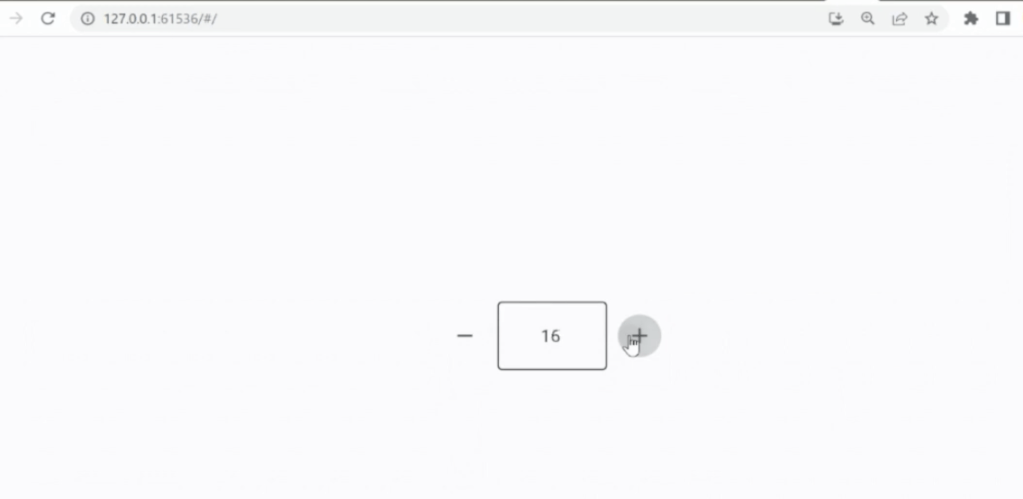
Now let’s build a simple application with FLET. We will be building a simple counter app that has one text field and two buttons, one to increment and one to decrement. Simple enough right?
First, we need to import FLET and other features essential for the counter App
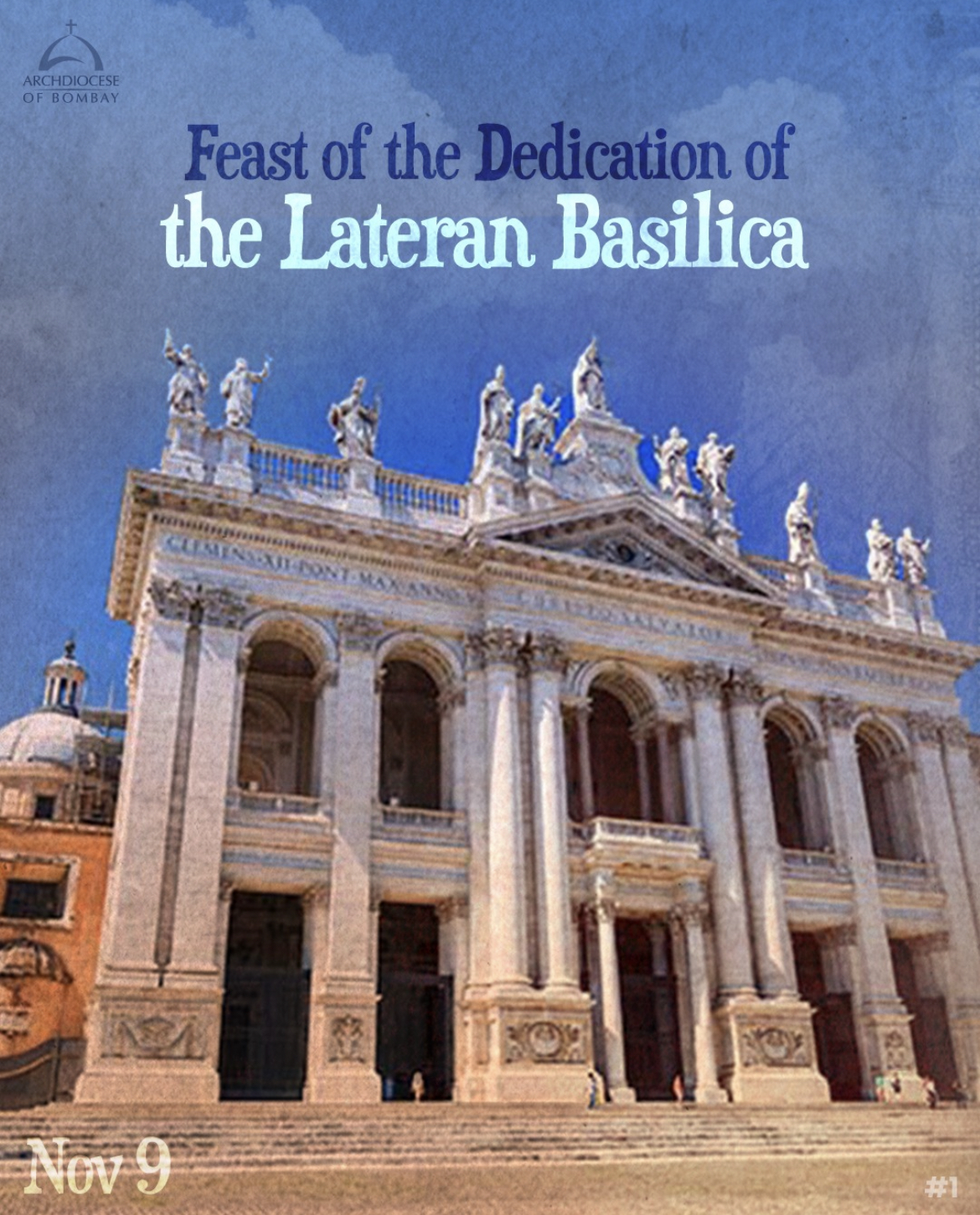
The Archbasilica of St. John Lateran is one of the oldest and highest ranking Papal Basilicas in Rome. Holding the unique title of ‘arch basilica’, it is defined as the “mother and head of all the churches of the city and the world”
Source: Archdiocese of Bombay (Instagram)
Most Catholics think of St. Peter’s as the pope’s main church, but they are wrong. St. John Lateran is the pope’s church, the cathedral of the Diocese of Rome where the Bishop of Rome presides.
Source: Archdiocese of Bombay (Instagram)
The first basilica on the site was built in the fourth century when Constantine donated land he had received from the wealthy Lateran family. That structure and its successors suffered fire, earthquake, and the ravages of war, but the Lateran remained the church where popes were consecrated. In the 14th century when the papacy returned to Rome from Avignon, the church and the adjoining palace were found to be in ruins.
Source: Archdiocese of Bombay (Instagram)
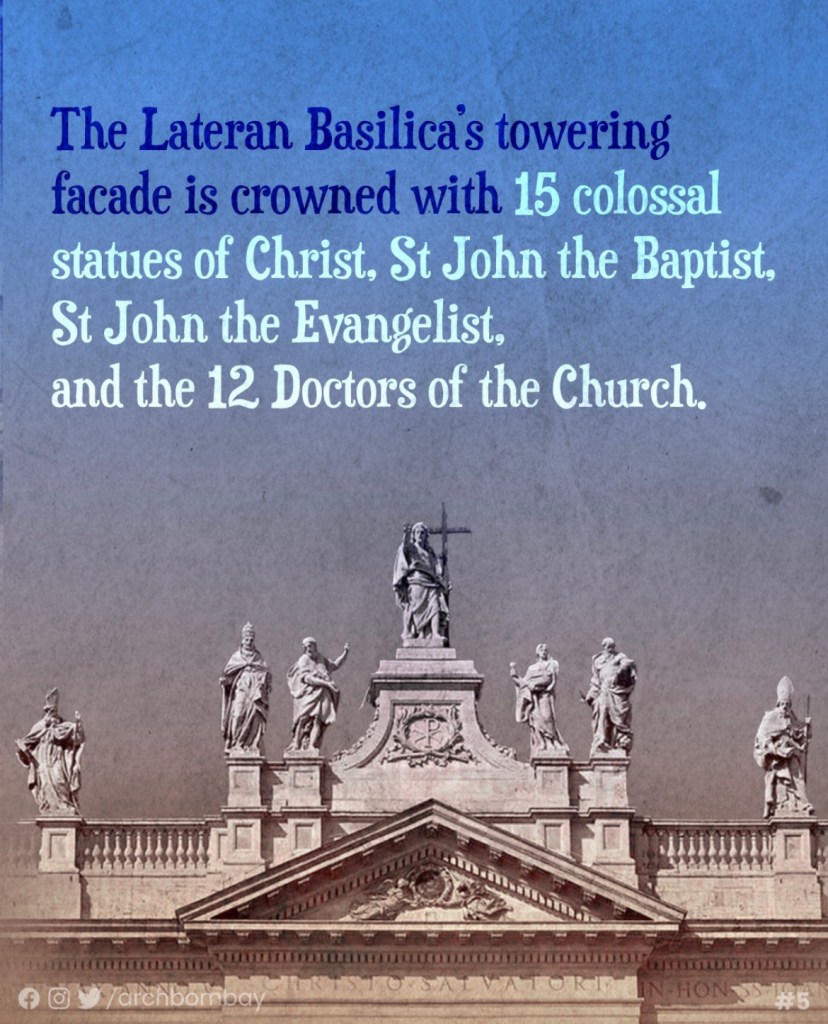
Pope Innocent X commissioned the present structure in 1646. One of Rome’s most imposing churches, the Lateran’s towering facade is crowned with 15 colossal statues of Christ, John the Baptist, John the Evangelist, and 12 doctors of the Church. Beneath its high altar rest the remains of the small wooden table on which tradition holds Saint Peter himself celebrated Mass.
Source: Archdiocese of Bombay (Instagram)
Unlike the commemorations of other Roman churches, this anniversary is a feast. The dedication of a church is a feast for all its parishioners. In a sense, St. John Lateran is the parish church of all Catholics, because it is the pope’s cathedral.
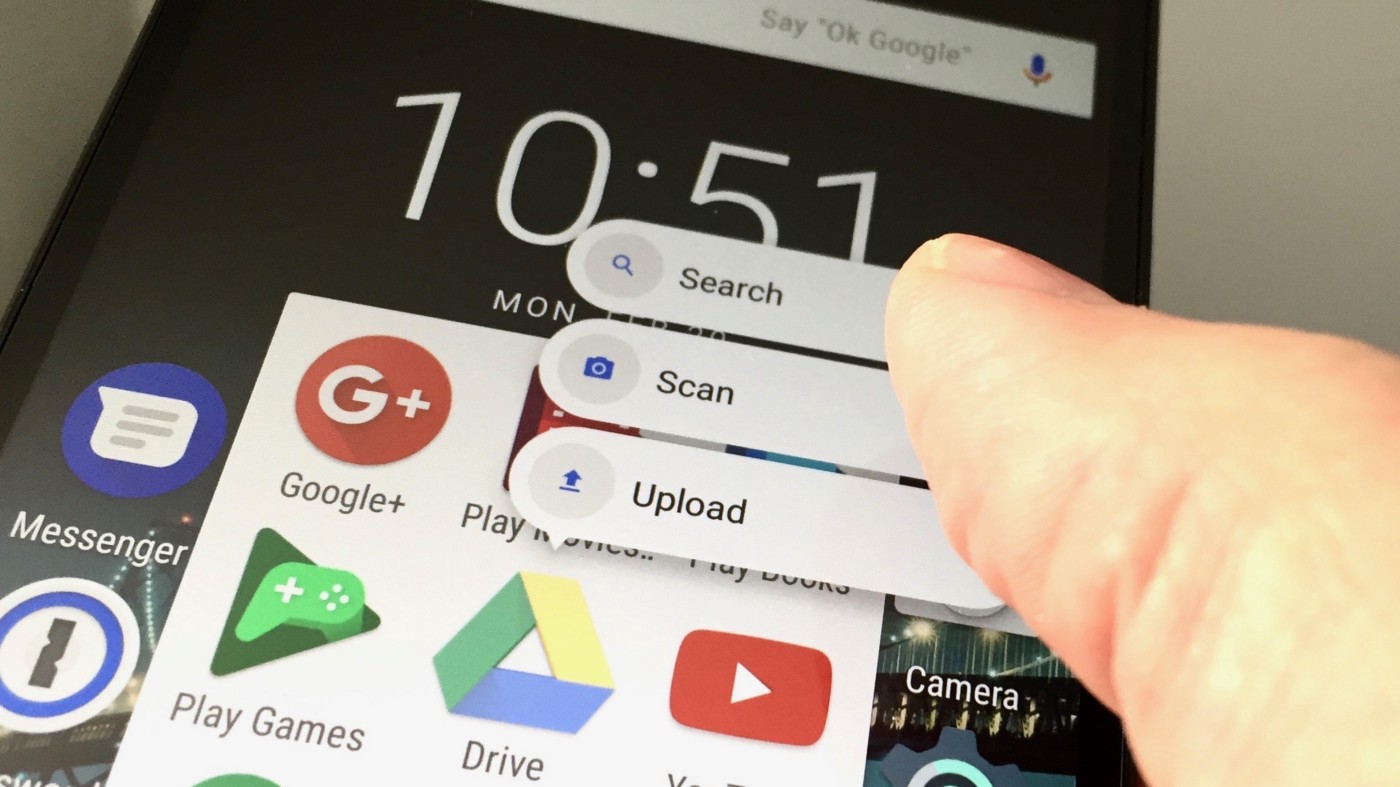
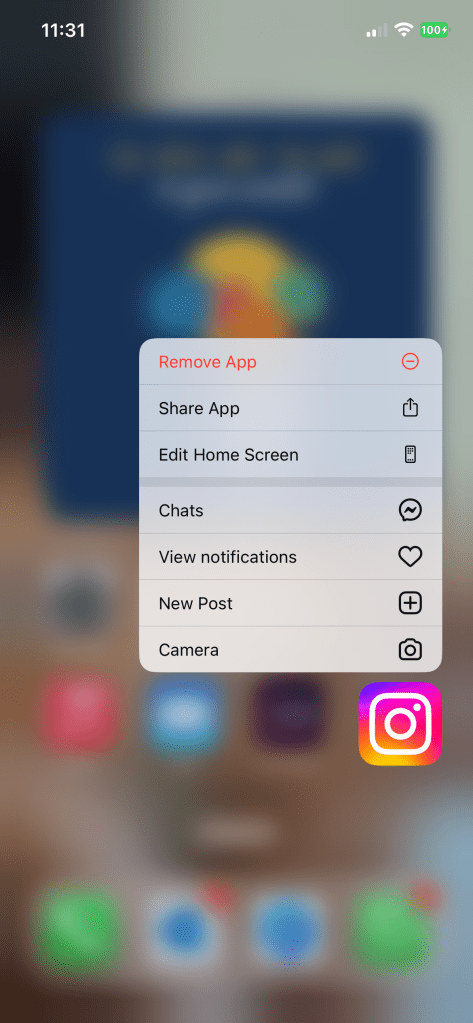
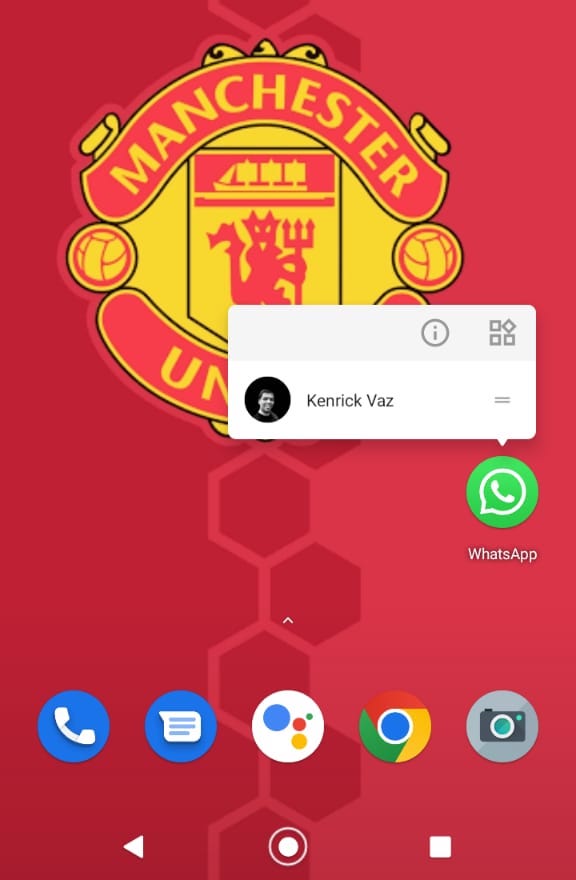
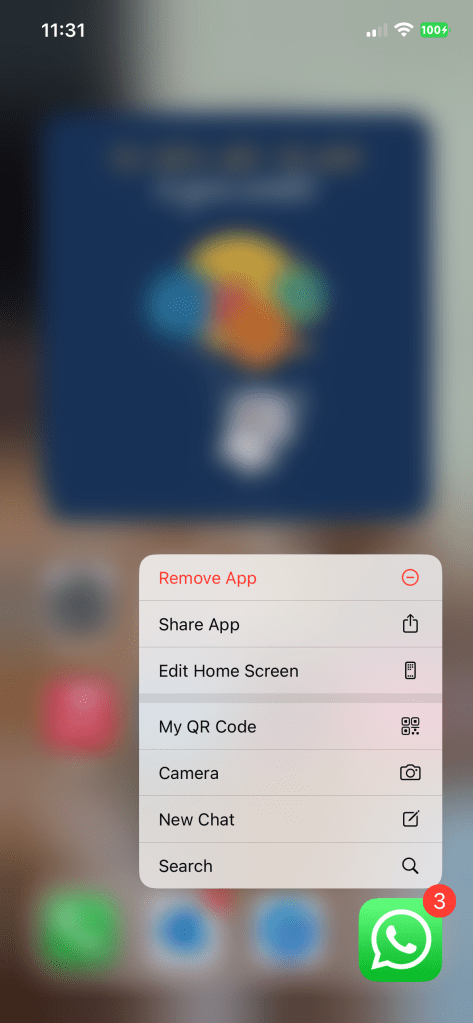
Quick actions are a great way to provide your users fast access to your app’s common functionality within the home screen. iOS 13 introduced the concept of quick actions, where a user can touch and hold an app icon to display a set of shortcuts or actions to perform right from the home screen.
Many of the most commonly used apps consume App Shortcuts to provide users with easy access to its most important features. For example, Instagram provides shortcuts to Camera, New Post, View Activity, and Direct messages, while WhatsApp on Android provides Camera and four conversations.
iOS: Instagram
Android: WhatsApp
iOS: WhatsApp
Developers can also provide their own quick actions to provide users with powerful shortcuts to common app functionality. The iOS Camera app has actions to take different types of photos or to record a video. A shopping app might let you jump directly to your orders or wishlist, and a messaging app might show your favorite contacts so you can easily access them.
I’m sure you can think of ways that quick actions would benefit your users:
Static quick actions, which are always available for your app.
Dynamic quick actions, which your app can define at runtime.
Static vs. Dynamic Quick Actions
There are two types of quick actions available to you: static and dynamic.
You use static actions for actions that never change in your app, like the Mail app’s New Message action.
Use dynamic actions if your actions might change under certain conditions or depend on specific data or state. For example, the Messages app will add quick actions for all of your pinned conversations.
In both cases, you add code to handle a specific action that gets triggered.
Native Android and iOS both have their specific ways implement these shortcuts. In Android, the term used is App Shortcut whereas iOS calls it as Home Screen Quick Actions.
To achieve this functionality in Flutter you can use a plugin called quick_actions. This Flutter plugin allows you to manage and interact with the application’s home screen quick actions
How to use Flutter’s Quick_Actions Plugin
1. Open pubspec.yaml file and add quick_actions plugin dependency under dependencies and hit the Flutter command package get.
name: quick_action
description: A new Flutter application which demonstrates use of quick actions.
version: 1.0.0+1
environment:
sdk: ">=2.1.0 <3.0.0"
dependencies:
quick_actions: ^0.3.0+1
flutter:
sdk: flutter
dev_dependencies:
flutter_test:
sdk: flutter
flutter:
uses-material-design: true
2. Inside your lib folder open main.dart and add import ‘package:quick_actions/quick_actions.dart’;
3. Initialize the library early in your application’s life-cycle by providing a callback, which will then be called whenever the user launches the app via a quick action.
final QuickActions quickActions = const QuickActions();
    quickActions.initialize((String shortcutType) {
      if (shortcutType == 'action_cart') {
        print('The user tapped on the "cart" action.');
      } else {
        print('The user tapped on the "wishlist" action.');
      }
    });
Please note, that the type argument should be unique within your application (among all the registered shortcut items). The optional icon should be the name of the native resource (xcassets on iOS or drawable on Android) that the app will display for the quick action.
What other cool uses of quick actions can you think of? Leave your implementations and ideas in the comments below.
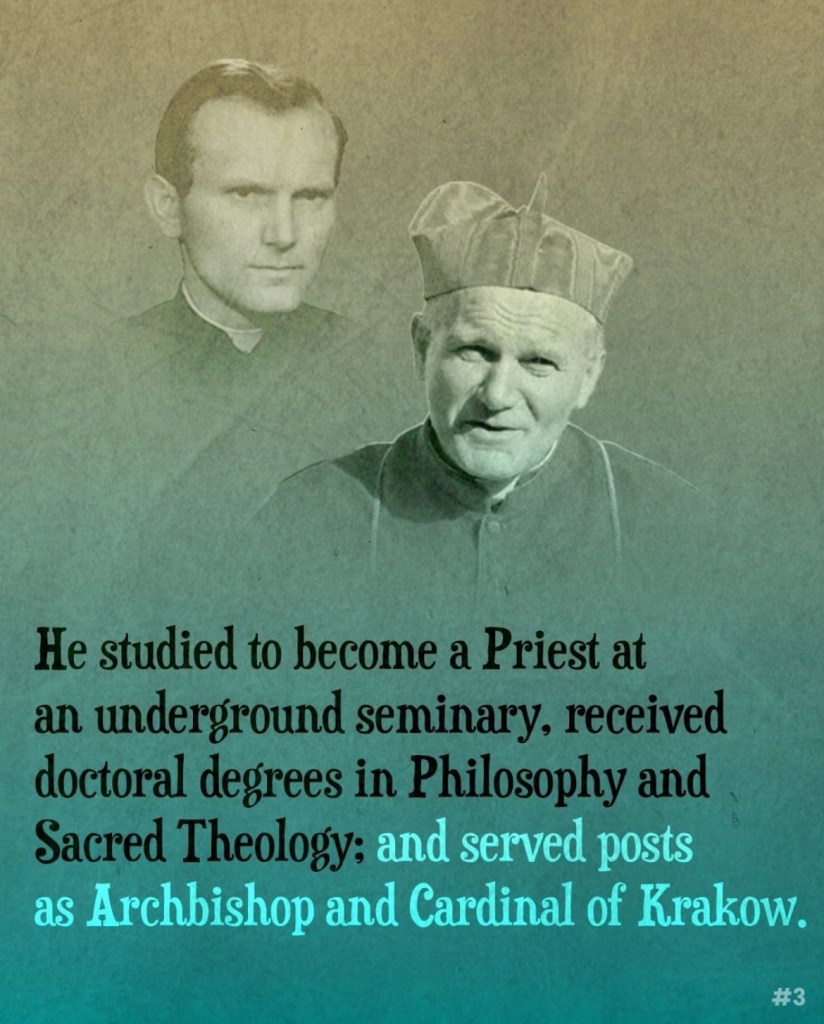
Pope Francis canonized Saint John Paul II with Saint John XXIII in the Vatican City on April 27, 2014, a Divine Mercy Sunday, an observance that he established on April 30, 2000.
October 22 was chosen as his feast day to remember the anniversary of the liturgical inauguration of his Papacy in 1978.
Saint John Paul II served as Pope for 27 years up to the time of his death at the age of 84 on April 2, 2005. He was beatified by Pope Emeritus Benedict XVI on May 1, 2011, also on a Divine Mercy Sunday.
The process for his beatification was the fastest on record as never before has a Pope been beatified by his immediate successor.
Waiving the five-year waiting period, the process started about two months after his death after a French nun, Sr. Marie Simon-Pierre’s miraculous cure from Parkinson’s disease after she prayed to him.
The first non-Italian Pope in 455 years after having been elected to the papacy on Oct. 16, 1978, the Vatican newspaper refers to Saint John Paul II as “a passionate witness to Christ from his childhood to his last breath.”
His pontificate of more than 26 years was the third longest in history. As part of his effort to promote greater understanding between nations and between religions, he undertook numerous trips abroad, traveling far greater distances than had all other popes combined!
Facts
Feastday: October 22 Patron: of World Youth Day (Co- Patron) Birth: 1920 Death: 2005 Beatified: May 1, 2011 Saint Peter’s Square, Vatican City by Pope Benedict XVI Canonized: April 27, 2014 Saint Peter’s Square, Vatican City by Pope Francis
I once heard someone say, If you don’t change you do not grow, But I waved the thought away, For who were they to think they know, I’d always stayed the same, A heart that thrived within the cold, At least that’s what I had been told, But deep within my mind, A thought grew slowly, bit by bit, Until I felt trapped in my skin, For it no longer seemed to fit, There’s a whole world sitting out there, Changing every single day, That proves it’s nothing to be scared of, If you do it the right way, For a day afraid to turn to night, Will miss the silver moon, And a flower that refuses to change, Will never get to bloom, I had thought I was a thorn bush, Only good for snagging clothes, But if you do not dare to change, You’ll never find out you’re a rose.
On October 18, the Church will celebrate the Feast of Saint Luke, one of the four evangelists, or Gospel writers. We will look at five unique facts about Saint Luke, the author of the third Gospel.
Luke was a physician
source: Archdiocese of Bombay (Instagram)
Prior to and during his time as a leader in the early Church, Saint Luke was a medical doctor by trade. In his letter to the Colossians, Saint Paul calls Luke “the beloved physician,” (Colossians 4:14). Luke’s profession as a doctor is even apparent from the way he wrote his Gospel. He includes more miracles of physical healing than do any of the other Gospels (thirteen, compared to twelve in Matthew, eleven in Mark, and only two in John). His description of the sick people whom Jesus cures sometimes displays a knowledge of medicine that is not present in the other Gospels, such as the use of precise medical terms such as “dropsy” (Luke 14: 1-6). In relating the scene in which Jesus cures a woman with a hemorrhage, Luke doesn’t include Mark’s verse that she “had suffered greatly at the hands of many doctors and had spent all that she had. Yet she was not helped but only grew worse,” (Mark 5:26). Perhaps Luke didn’t want to tread on the reputation of his own profession!
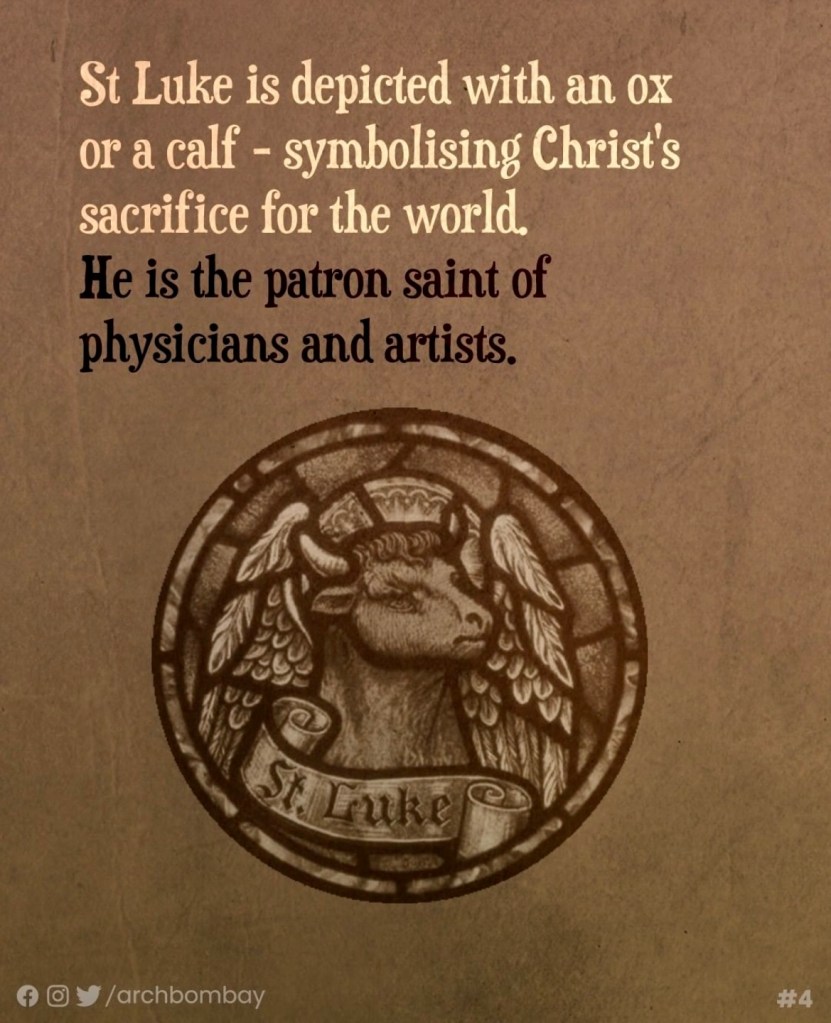
Luke’s symbol is the ox
source: Archdiocese of Bombay (Instagram)
In traditional Christian iconography, each of the four Evangelists is represented by a living creature: Matthew’s symbol is an angel or a man, Mark’s is a lion, Luke’s is an ox, and John’s is an eagle. Luke’s symbol is the ox, a creature known for its strength, reliability, and service to mankind. This is fitting because Luke emphasizes Jesus’ role as both priest (the one making the sacrifice) and the sacrifice itself. The third gospel includes much of what we know about the events leading up to Jesus’ birth and childhood (known as the infancy narratives). Very early on in the Gospel, Luke tells the story of Zechariah the priest, the father of John the Baptist, offering sacrifices to God in the temple (Luke 1: 8-9). Luke speaks of Mary’s role in Christ’s life and the sacrifices that she voluntarily made in order to usher in God’s plan of salvation for mankind. This can be seen, for example, when Joseph and Mary present Jesus in the temple as an infant, the prophet Simeon tells Mary that a sword will pierce her heart (Luke 2: 35). All of these sacrificial figures (Jesus, Mary and Zechariah) are symbolized in the ox.
Luke wrote the Acts of the Apostles
source: Archdiocese of Bombay (Instagram)
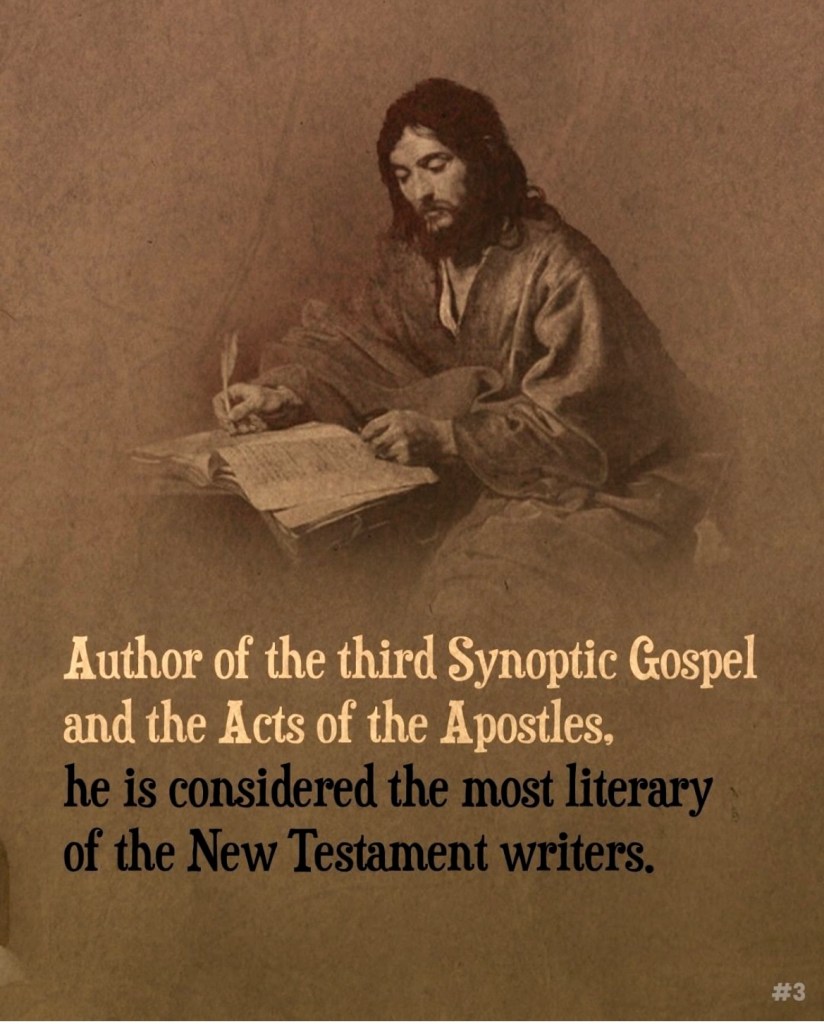
In addition to composing one of the four Gospels, Saint Luke also wrote the Acts of the Apostles, the book immediately following the Gospels. Although Saint Paul wrote more books, Luke’s two contributions are long enough that they actually make up a greater percentage of the New Testament (about 24%) than those of any other author.
Acts of the Apostles serves as a sort of “Volume Two” to Luke’s Gospel. Both are addressed to Theophilus, and Acts begins by referring back to Luke’s Gospel, calling it “the first book,” (Acts 1:1). The introduction to Acts establishes that the first book (Luke’s Gospel) was about the life, teachings, and miracles of Jesus, while this second book is about the acts of Jesus’ Apostles (hence the title), after His Ascension. Throughout Acts, Luke documents the events of the first few years of the Catholic Church, including the stoning of Stephen, the Church’s first martyr (Acts 6); the council of Jerusalem (Acts 15), in which the Church determined that Gentile converts did not need to become Jewish in order to follow Jesus; and a number of Saint Paul’s missionary journeys. A combination of history, travel log and theology, Acts of the Apostles makes for a fascinating glimpse into the life of the early Church.
Luke was a confidante of the Virgin Mary and an Artist!
Source: Illustrated Prayer website
As mentioned above, each of the four Gospels stresses different themes and facets of Jesus’ life. One of the emphases of Luke’s Gospel is the role of the Virgin Mary. The first two chapters of Luke’s Gospel, comprising a hundred and thirty-two verses, are dedicated to the infancy narratives, of which Mary plays the most central role, besides Jesus. Luke chronicles the archangel Gabriel’s visit to Mary to announce the Good News, Mary’s visit to Elizabeth, the Nativity, the visit of the shepherds, Jesus’ naming and circumcision, Jesus’ conversations in the temple at age twelve, and His family life with Mary and Joseph in Nazareth. The level of detail in Luke’s account of Jesus’ early years has led historians to believe that Luke must have known Mary personally, and heard about these events first-hand from her.
Tradition holds that he was the first one to paint a picture of the Virgin Mary! As the tradition goes, he spent a lot of time with the Virgin Mary at St. John’s house, where he got to know her story and about Jesus from her perspective. Thus, he was able to write Jesus’ infancy narrative that occurs in St. Luke. The tradition further goes that, being an accomplished painter, he painted Our Lady’s portrait, putting Christ as an infant with her, as some of the first church icons.
In addition to the Virgin Mary, Luke also mentions Elizabeth, Simon’s mother-in-law, a mourning widow, a prostitute, women of Galilee who followed Jesus, Jairus’s daughter, a woman with hemorrhages, Martha and Mary, a crippled woman, and Mary Magdalene. In doing this, Luke was highlighting the fact that the Gospel message is meant for the whole human race, men and women alike. While much of the ancient world was male-dominated, Jesus went out of his way to bring God’s love to women, many of whom were among the most forgotten and cast-out members of society. It is because of his emphasis on the Virgin Mary and women in general that Luke has been called the “Marian Gospel,” and the “Gospel of women.”
Luke was a companion of Saint Paul
Illustration by Michael Woodruff
Just as Mary is a central figure in Luke’s Gospel, so also Saint Paul occupies a prominent place in the Acts of the Apostles. Luke chronicles Paul’s conversion to the Catholic faith on the road to Damascus, his interactions with Peter and the other Apostles, and his early missionary journeys. This leads many theologians and scholars to believe that Luke must have been one of Paul’s travel companions. He might even have been Paul’s secretary for a time, since in his Second Letter to Timothy, Paul says, “Luke is the only one with me,” (2 Timothy 4:11). Someone like Paul might have had scribes write out their letters as they dictated them orally, and so it’s possible that Luke took dictation from Paul as his scribe. Even if he didn’t physically accompany Paul on all of his missionary journeys, Luke was at least a close confidante of Paul’s, since he probably would have acquired the details from Paul firsthand.
Luke’s occupation, his acquaintances, and his travels all contributed to the way he wrote Acts and his Gospel. This is just one of many examples of how the Bible is a work fully Divine and fully human. The Holy Spirit inspired each of the inspired writers of the Bible to say exactly what He wanted them to say, for the sake of our salvation. At the same time, each human author was truly an author; his own knowledge, style, background and personality went into his work, just as with any human author. Seeing Luke as the physician, the traveler, the friend of Mary, the companion of Paul – in a word, seeing him as a human being – provides a fascinating insight into his writings. The products of both the Holy Spirit’s inspiration and Luke’s own authorship, his Gospel and Acts give us a unique look at the Gospel message. On his feast day today let us pray for his intercession, that we may know Jesus more fully as the Son of Mary, the sacrificial victim of our sins, and the Divine Physician.
With over 6.3 billion global smartphone users, it’s critical mobile apps are inclusive of everyone, including those with vision impairment, hearing limitations, or other physical or cognitive conditions.
What do we mean by an accessible app?
An accessible app means that most people can use it without help from another person, regardless of ability or situation. When there’s a mismatch between the app and the users’ abilities, an app is considered inaccessible.
Web Content Accessibility Guidelines (or WCAG), as the name suggests is a guideline for making your web content or app accessible. The guidelines help you build your app so it’s consumable to a wide range of people. It doesn’t address every user’s needs but it covers the main points and best practices. Even though the guideline’s title suggests they are for the “web”, they’re useful for mobile too.
Mobile application accessibility especially matters because of the ways users interact with content. Mobile apps drive engagement, boost customer loyalty, and give brands more options for personalization of their experiences, so the implications of providing an inaccessible experience might be magnified.
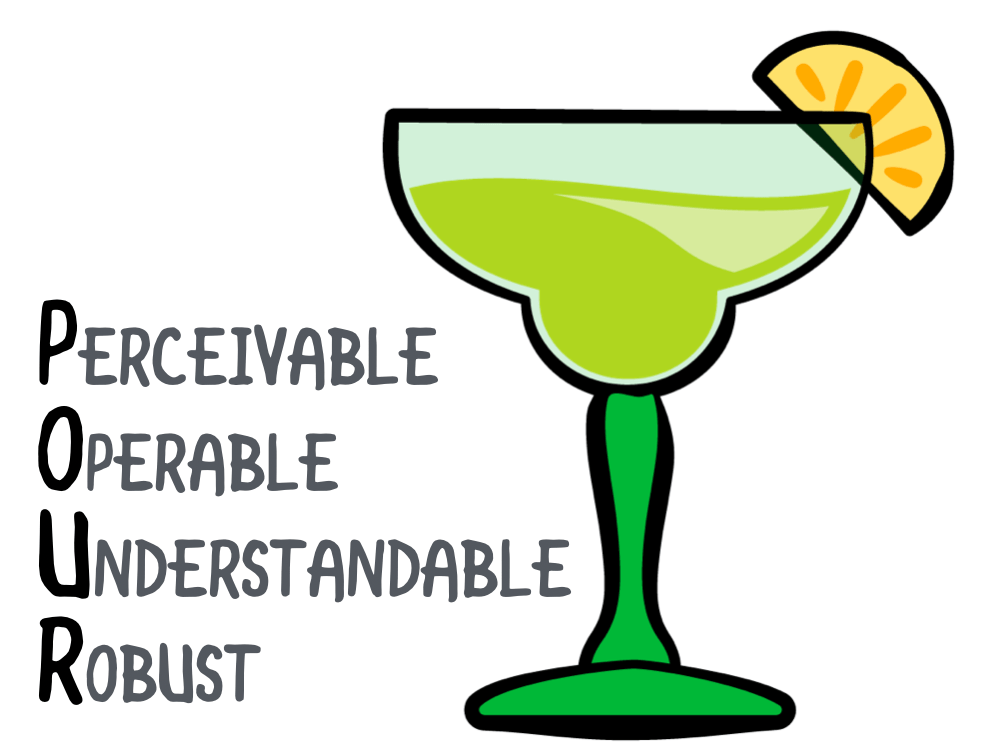
WCAG uses a lovely little acronym to categorize the principles of the requirements:
P erceivable
O perable
U nderstandable
R obust
PERCEIVABLE Information and user interface components must be presented to users in ways they can perceive. This means that users must be able to comprehend the information being depicted: It can’t be invisible to all their senses.
OPERABLE User interface components and navigation must be operable: The interface cannot require interaction that a user cannot perform.
UNDERSTANDABLE Information and the operation of a user interface must be understandable: Users must be able to understand the information as well as the operation of the user interface.
ROBUST Content must be robust enough that it can be interpreted reliably by a wide variety of user agents, including assistive technologies: As technologies and user agents evolve, the content should remain accessible.
Source: blog.bitrise.io
So how do we achieve mobile app accessibility?
Here is a 6 step checklist which covers six inclusive design best practices for mobile apps that a mobile app designer or developer should focus on to ensure accessibility and usability.
1. Design for Varying Screen Sizes
Smaller screens and custom aspect ratios are hallmarks of mobile devices; designers need to account for them when building native apps. A smaller screen limits how much information people can take in at one time, especially when users need to magnify content due to poor vision.
Tips for helping users make the most of small screens include:
Minimizing the amount of information on each page (compared with a desktop or laptop) by providing a dedicated mobile website or designing the site responsively
Providing a reasonable default size for content and touch controls to minimize the need to zoom in and out for users with low vision
Adapting the length of link text to the viewport width
Positioning form fields below, rather than beside, their labels
2. Focus on Touch Targets and Placement
Higher resolution in mobile devices allows for multiple interactive elements to display together on a small screen. But these elements must be large and distanced enough so that users can easily target them by touch.
Tap targets within an app should be big enough for people to interact with precision and confidence, even when they have to perform tasks in a hurry.
Best practices for touch target size include:
Designing touch targets to be at least 9 mm high by 9 mm wide
Adding inactive space surrounding smaller touch targets (closer to minimum size above)
Mobile applications should also position interactive elements where they can be easily reached regardless of how the device is held. Developers should consider how an easy-to-use button placement for some users might cause difficulties for others (e.g., left- versus right-handed use, assumptions about thumb range of motion).
Tips for touch target placement include:
Place buttons where they are easy to access.
Allow flexible use for all interactive elements.
3. Keep Device Gestures Simple and Provide Ample Feedback
Most mobile devices are designed to be operated primarily through gestures on a touchscreen. These gestures can be simple (such as a one-finger tap) or complex (involving multiple fingers, multiple taps).
Gestures used to control native apps should be as easy to execute as possible. Complex gesture control can be particularly challenging for users with motor or dexterity impairments. Create alternatives to allow simple tap or swipe gestures in place of more complex ones.
In addition to simpler gesture control, native apps should be designed so that users can easily go back and fix their course in case of unintentional actions such as accidental clicking. For example, if a user swipes their finger on the wrong part of the application, they should be able to easily go back and access the correct interactive elements.
4. Ensure Consistent Layouts and Templates
Components that are repeated across pages in a mobile application should be presented in a consistent layout.
For example, a native application has a logo, a title, a search form, and a navigation bar. At the top of each page, these elements appear in the same relative order and position. When the app is viewed on a smaller screen in portrait mode, the navigation bar collapses into a single icon with a drop-down list, but the elements in that list are still in the same order.
Consistency is key to creating seamless cross-channel user experiences. It helps the user feel comfortable and in control while executing tasks, including those that may start on one device and finish on another.
5. Provide Easy Methods for Data Entry
Users can enter information in various ways on their mobile phones, including the on-screen keyboard, a bluetooth keyboard, and speech. Text entry can be time-consuming and difficult for some users, but it can be displaced through other data entry styles. Reduce the amount of text entry required by providing select menus, radio buttons, or check boxes, or by auto-filling known information.
Typing is a slow method of data entry. Providing alternatives such as autofill, data sharing between apps, or dictation improves the overall app experience and prevents errors.
6. Double-Check Color Contrast
WCAG outlines general color contrast ratios that are acceptable for most users, but extra attention must be paid to mobile devices and applications. Mobile devices are more likely to be used outdoors, where glare from the sun could impact ability to see the screen. Using good contrast is important for all users; bad contrast can compound the challenges that people with reduced vision have when accessing content on mobile devices.
Text legibility is preserved by an adequate contrast between the font color and the background. For WCAG 2.1 AA compliance, text should have a color contrast ratio of at least 4.5:1 (larger text at least 3:1). Allowing different contrast ratios for larger text is useful because wider character strokes are easier to read at a lower contrast than narrower character strokes. This allows designers more leeway for contrast, which is helpful for elements such as titles. But because app content is viewed on smaller screens and in different conditions, this allowance for lessened contrast on large text becomes complicated.
7. Give Proper Labels to UI Elements
UI elements such as images, buttons, and other controls should be labeled appropriately to be recognizable by assistive technology, such as the iOS Voiceover or Android TalkBack.
Many developers focus on app features, leaving accessibility as an afterthought. However, development teams shouldn’t overlook accessibility or view it as a last-minute task carried out at the end of the release. Doing this is inefficient and costly. To build an accessible app, you must weave in accessibility at the beginning of the app design and development.
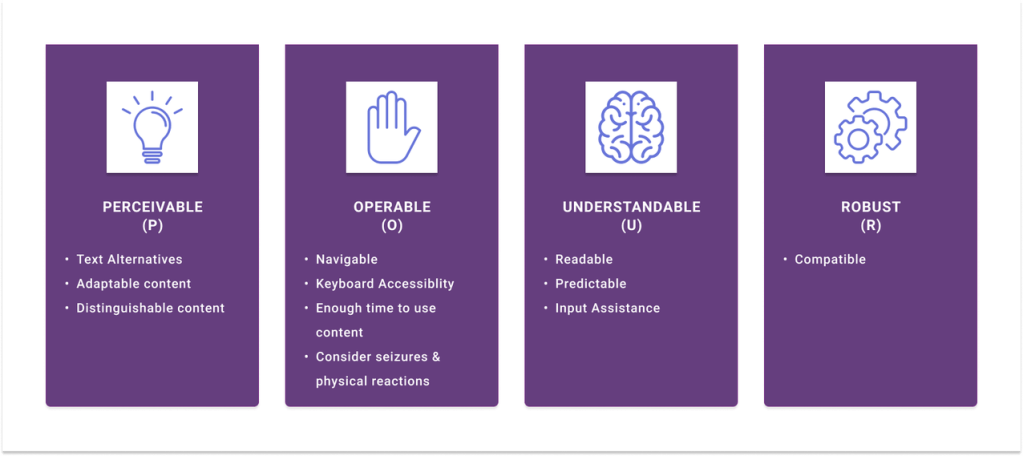
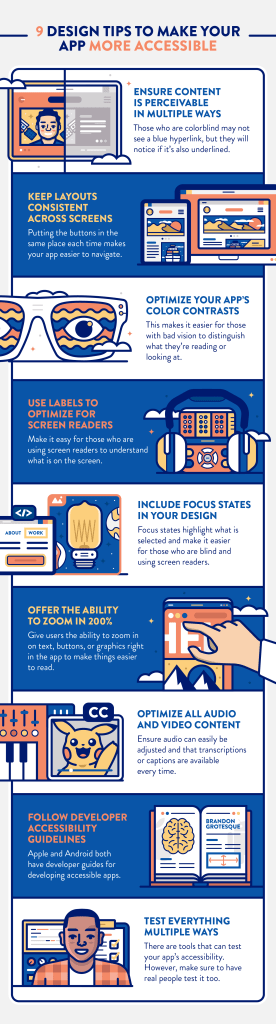
I’ll end with this lovely infographic I came across which summarizes things nicely!
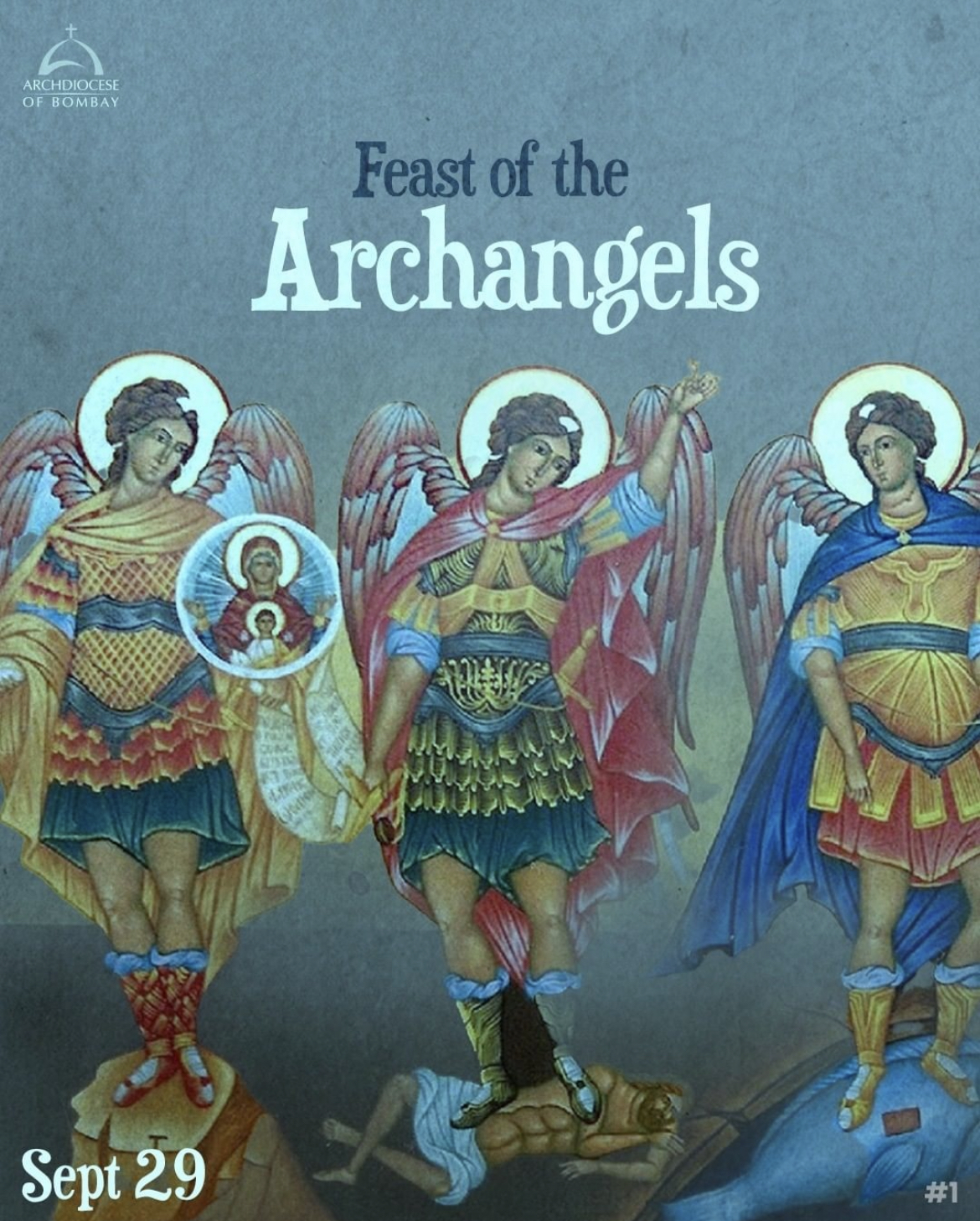
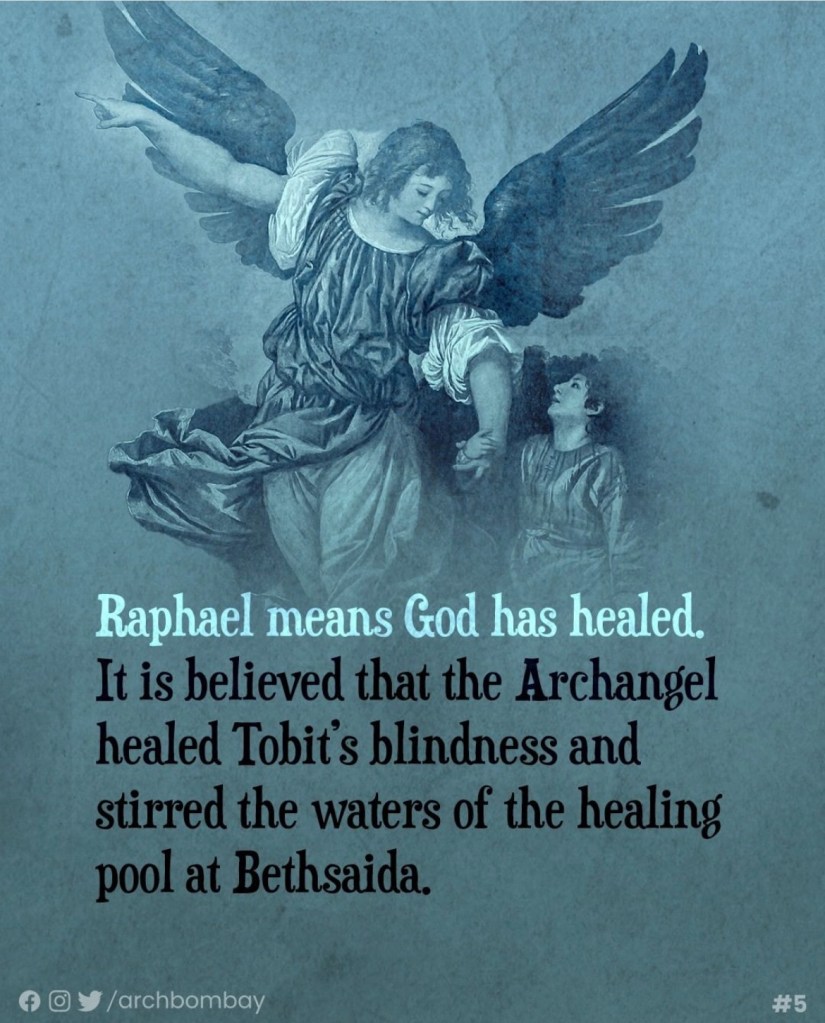
The Catechism of the Catholic Church teaches us that, “The existence of the spiritual, non-corporeal beings that Sacred Scripture usually calls “angels” is a truth of faith. The witness of Scripture is as clear as the unanimity of Tradition” (#328).
Angels are pure, created spirits. The name angel means servant or messenger of God. Angels are celestial or heavenly beings, on a higher order than human beings. Angels have no bodies and do not depend on matter for their existence or activity. They are distinct from saints, which men can become. Angels have intellect and will, and are immortal. They are a vast multitude, but each is an individual person. Archangels are one of the nine choirs of angels listed in the Bible. In ascending order, the choirs or classes are 1) Angels, 2) Archangels, 3) Principalities, 4) Powers, 5) Virtues, 6) Dominations, 7) Thrones, 8) Cherubim, and 9) Seraphim.