When I hear of never giving up, the story of two frogs that I heard in school from a Jesuit priest.
Two young frogs fell into a bucket of milk. Both tried to jump to freedom, but the sides of the bucket were steep and no foundation was to be had on the surface of the liquid.
Seeing little chance of escape, the first frog soon despaired and stopped jumping. After a short while, he sunk to the bottom of the bucket and drowned.
The second frog also saw no likelihood of success, but he never stopped trying. Even though each jump seemed to reach the same inadequate height, he kept on struggling. Eventually, his persistent efforts churned some milk into butter. From the now hardened surface of the milk, he managed to leap out of the bucket.
Those who don’t give up and persevere may be in for a pleasant surprise!
Unknown
Here’s a lovely song to help you have a roaring start to your day!
We all know that person who never takes the smile off their face, who doesn’t have a worry on their mind, who manages to always find something positive no matter what the situation. Wouldn’t we want to trade places with them? We tend to compare our current state looking at them enjoy life.
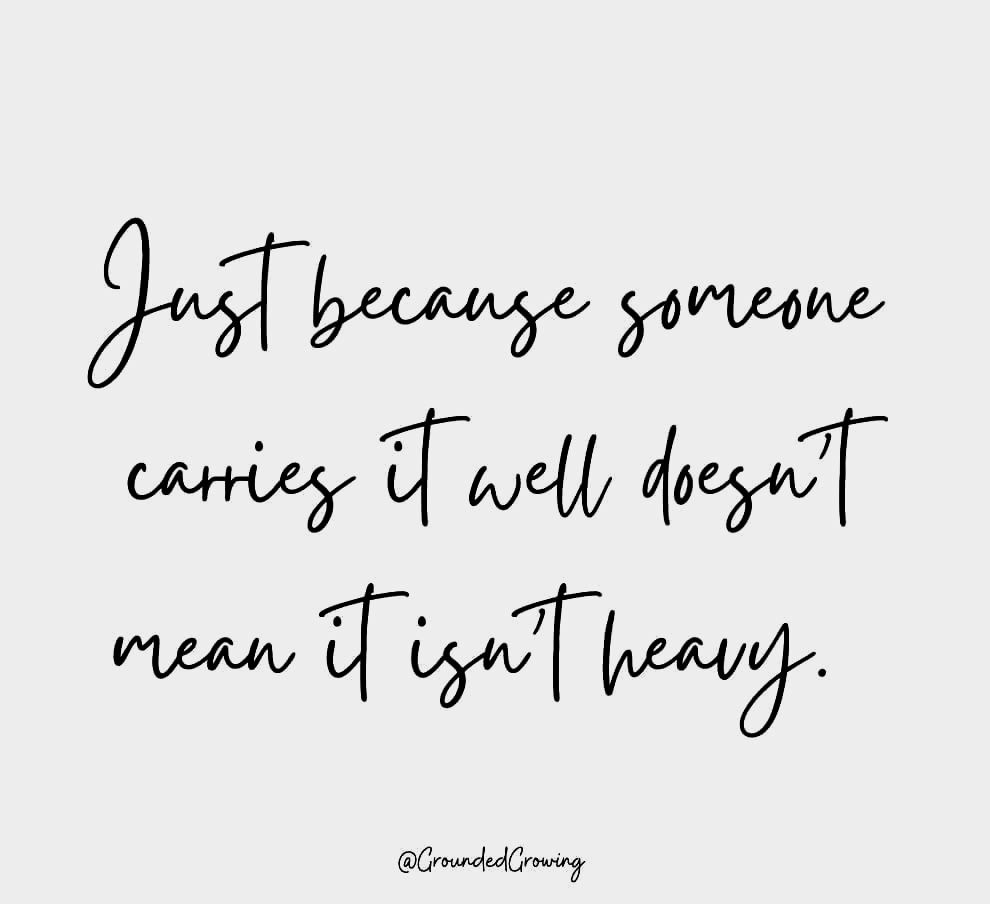
The truth is we all have our own share of problems and just because I don’t show it doesn’t mean that they don’t exist! Just because I don’t share my pain and keep my struggles to myself doesn’t mean that I’m indestructible. Just because I don’t complain about things that drive me crazy doesn’t mean my life is perfect. And just because I laugh away my troubles doesn’t mean I cry myself to sleep at night. At the end of the day, everyone is fighting their own battles.
There are countless ways in which we can compare ourselves to tons of people. The grass always seems greener on the other side. However they say that comparison is the fast track to unhappiness as all it does is keeping you focused on the not so good parts of your life.
Be thankful for what you have; you’ll end up having more. If you concentrate on what you don’t have, you will never, ever have enough
Oprah Winfrey
We have so much to be grateful for and one of the ways that helps me is to focus on myself, my blessings. Less of the “shoulds”, less of the “why’s” and more of gratitude. See how you can nurture and care for your own grass! Embrace your past, accept who you are at this moment in time and be proud of what you have accomplished so far!
Being more compassionate and understanding with yourself as well as others goes a long way as we all have our loads. It costs nothing to be kind, and a simple smile can make a person’s entire day.
When you’re smiling, the whole world smiles with you
Louis Armstrong
I came across this lovely poem by Barbara Back at age 13
She smiled at a sorrowful stranger… The smile seemed to make him feel better… He remembered past kindnesses of a friend And wrote him a thank you letter…
The friend was so pleased with the thank you That he left a large tip after lunch… The waitress, surprised by the size of the tip, Bet the whole thing on a hunch…
The next day she picked up her winnings, And gave part to a man on the street… The man on the street was grateful; For two days he’d had nothing to eat…
After he finished his dinner, He left for his small dingy room… He didn’t know at that moment That he might be facing his doom…
On the way he picked up a shivering puppy And took him home to get warm… The puppy was very grateful To be in out of the storm…
That night the house caught on fire… The puppy barked the alarm… He barked till he woke the whole household And saved everybody from harm…
One of the boys that he rescued Grew up to be President… All this because of a simple smile That hadn’t cost a cent..
What better way to show you care than to simply just smile…
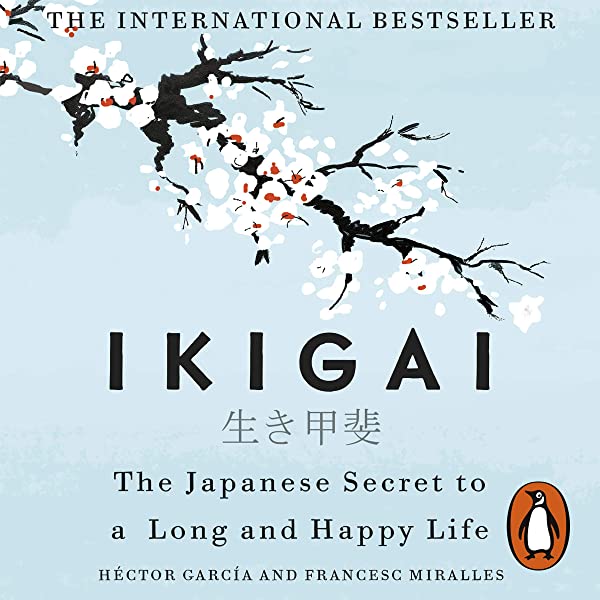
At the start of the lockdown last year I had read this book which helped me in many ways. I thought I’d share a few things that inspired me.
The Japanese term “Ikigai” or the “art of living” refers to the practice of living a purposeful life with respect to a person’s sense of the self. Now you’ll ask why do we look to the Japanese for advice on a long and happy life.
These stats make it pretty obvious that the Japanese are doing something right. Let’s take a look at the ten point compressed rule of Ikigai
Stay active, don’t retire
Take it slow
Don’t fill your stomach ~ Hara hachi bun me
Surround yourself with good friends
Get in shape for your next birthday
Smile
Reconnect with nature
Give thanks
Live in the moment
Find and follow your Ikigai
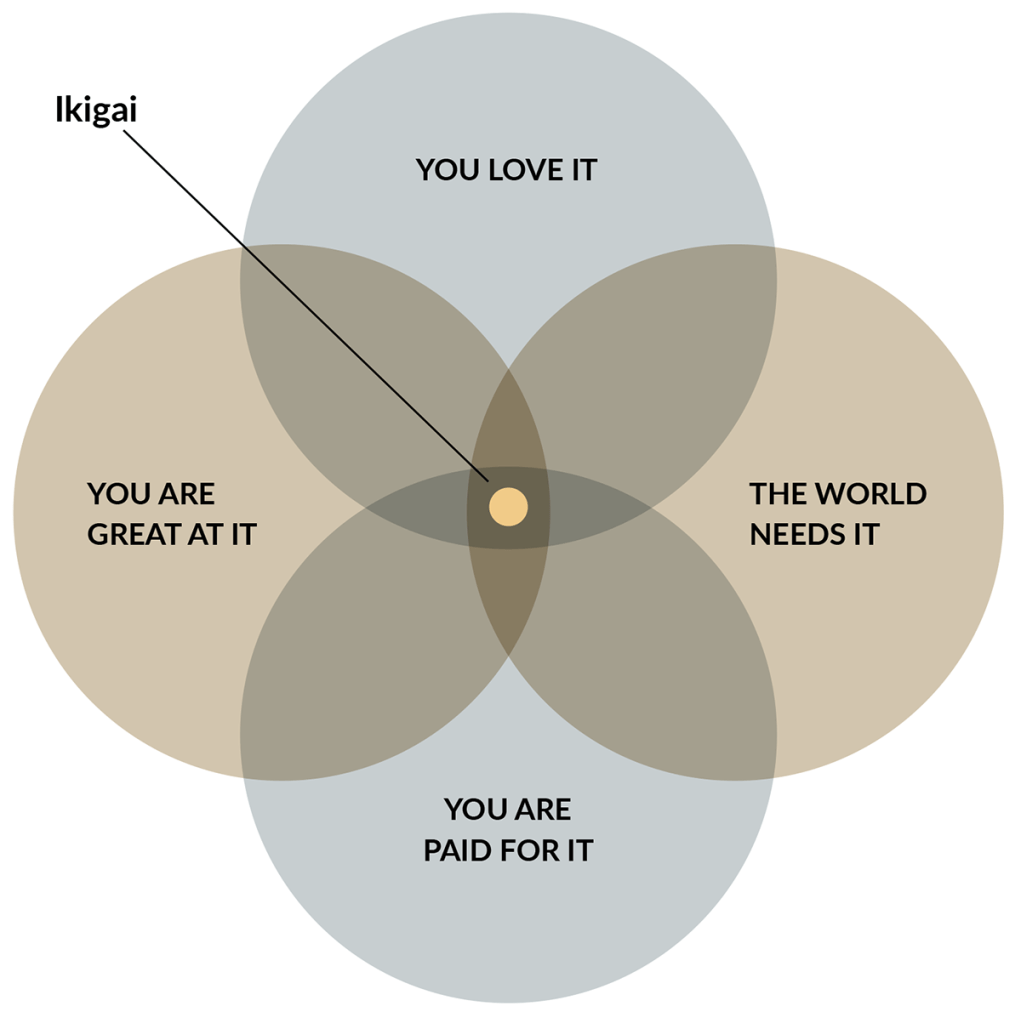
The concept of ikigai as a purpose in life with both personal and social dimensions is captured by the well-known ikigai diagram. This diagram includes overlapping spheres covering:
What you love
What you are good at
What the world needs
What you can get paid for
Adapted from PositivePsychology.com’s Toolkit, 2020
At the intersection of what you love and what you are good at is your passion.
At the intersection of what you love and what the world needs is your mission.
At the intersection of what the world needs and what you can get paid for is your vocation.
At the intersection of what you are good at and what you can get paid for is your profession.
To summarise, your Ikigai is something you are very passionate about, that you are also good at, that the world needs now, and for which someone will pay you.
Can someone really retire if he is passionate about what he does?
Hector Garcia Puigcerver
You will never see an Okinawans, even the centenarians, spend time relaxing in a rocking chair. Instead, they take advantage of fresh air and sunshine by engaging in outdoor activities like gardening, yoga, dancing, tai chi, and walking. Retirement simply isn’t part of their vocabulary because they love what they do.
As we see among elderly Okinawans, living in the spirit of ikigai means living a life that embraces movement, acceptance, mindfulness, health, community, and purpose, with longevity representing the outcome of these qualities.
Fortunately, since we know the reasons underlying ikigai, each of us has the potential to find our ikigai. And, even if you aren’t sure of your life’s purpose, don’t despair. Your purpose is out there.
The last few years have been difficult for many of us as we’ve lost near and dear ones to Covid. We’ve been hearing a lot of calamities across the world, storms, earthquakes and much more. These are all external events that have brought pain, misery and suffering on top of the everyday struggles we experience personally. There’s illness, broken relationships, heartache, abuse, betrayal, sorrow, disappointment, anxiety. And the obvious question we ask ourselves is “Why me? Why now?”
Now we see things imperfectly, like puzzling reflections in a mirror, but then we will see everything with perfect clarity. All that I know now is partial and incomplete, but then I will know everything completely, just as God now knows me completely.
1 Corinthians 13:12
In our current state we may not see things clearly, we may not understand or comprehend the situation we are in and sometimes we never will. It may be difficult to understand things from our finite perspective. But there are some things that help me when the “why” question comes up.
The question we may ask is “Couldn’t He have foreseen all this?”. Oh yes, He definitely did. There is this beautiful analogy of parents that comes to mind. Even before having kids, parents ponder over the possibility of pain, disappointment, heartache. Their kids may one day leave them, walk away from them, dump them in a home for the aged. But they still had kids because they also knew of the potential for tremendous joy and deep love and great meaning. The analogy is far from perfect but it does help me understand that despite knowing all that we would do, He still bestowed on us free will.
God fulfils His purpose through our pain
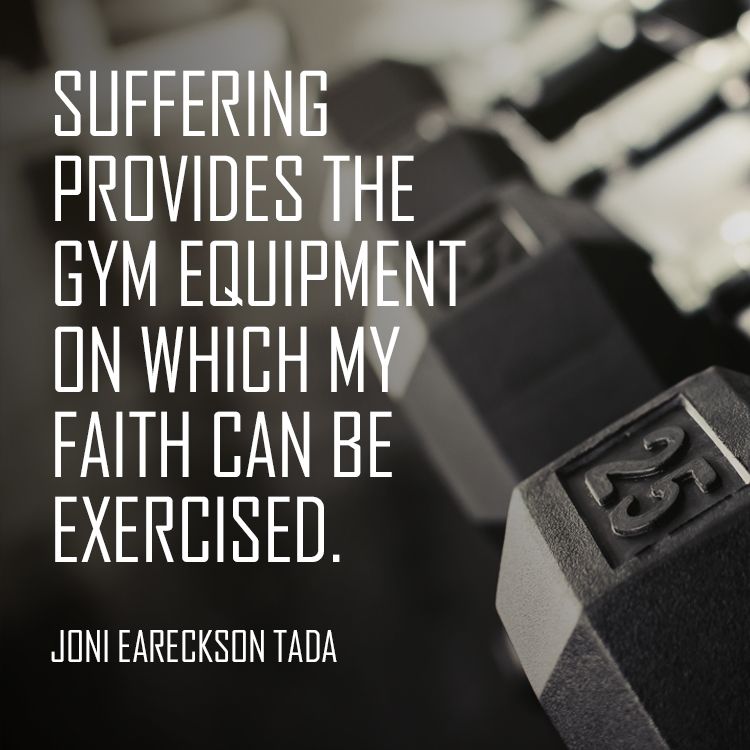
When I look back at my own life, I clearly see the hand of God at every stage. He takes the negative circumstances of our life and creates something good from them. He is able to work through offenses to fulfill His purposes in your life and in the world. He may use our suffering to draw us to Himself, to mold and sharpen our character, to influence others for Him. He can draw something good from our pain in a myriad of ways … if we trust Him to work all things together for good.
I remember a very touching story that I read in one of the editions of Chicken Soup for the Soul.
LONDON – JULY 5, 1975: Arthur Ashe of the USA holds up the championship trophy for men’s singles of the Wimbledon Lawn Tennis Championships after defeating Jimmy Connors 6-1, 6-1, 5-7, 6-4 July 5, 1975 at the All England Lawn Tennis and Croquet Club in London, England. (Photo by Focus On Sport/Getty Images)
The legendary Wimbledon Player, Arthur Ashe, was dying of AIDS, which he got due to Infected Blood he received during a Heart Surgery in 1983! During his illness, he received letters from his fans, one of which conveyed:
Why did God have to select you for such a bad disease?
To this Arthur Ashe replied : ⁃ 50 Million children started playing Tennis, ⁃ 5 Million learnt to play Tennis, ⁃ 500 000 learnt Professional Tennis, ⁃ 50 Thousand came to Circuit, ⁃ 5 Thousand reached Grand Slam, ⁃ 50 reached Wimbledon, ⁃ 4 reached the Semifinals, ⁃ 2 reached the Finals and when I was holding the cup in my hand, I never asked God: “Why Me?”
So now that I’m in pain how can I ask God:“Why Me?”
The next time the going gets tough, instead of “Why me?” let’s Trust Him, Flex our Faith and strive to say “Try me!“
I studied at St. Britto High School, a Jesuit school in Goa. The school motto, which is also on the school coat of arms is “Facta non verba” which translates to “Deeds, not words”
St. Britto High School – Coat of Arms
Love is not something that just remains a feeling within, but eventually reflects in our actions. This love is in relation to our self family, friends and even extends to our work.
Love ought to find its expression in deeds more than in words
St Ignatius of Loyola, Spiritual Exercises 230
In the fourth week of the Spiritual Exercises, Ignatius talks about love finding expression in deeds more than in words and this is why Jesuits are often referred to as “Contemplatives In Action” (CIA!). All our encounters with the divine should flow into our interactions with all we meet every day.
We live in a high-speed world where our work and personal life are often mashed into one big blur of activity. Most of us operate from two gears – fast and faster! In the midst of all the hustle and bustle of life, we need to make time to pause and reflect, pause and be grateful, pause and look back to see what I may need to improve or change, a time to Examen. Getting into a cycle of Experience, Reflection, Action leads to life of love lived out in deeds and not merely words.
The title of this article may seem contrary to the quote. However I am sure that as you keep reading through, you will agree with me!
We all have dreams that come in all shapes and sizes. At a young age we start dreaming of what we will be when we grow up, whether it’s spoken aloud or kept a secret from the world. And many a time these dreams change based on all that we keep learning at school. I remember wanting to become a pilot, then a programmer when I started playing with computers.
How many of us are living out what we dreamed of becoming when we were small?
We are constantly bombarded with messages like “Never give up on your dreams”, “Refuse to give up”, “Follow your passion”. A few days back I had shared my thoughts on never giving up
As I see it, childhood dreams, long term goals or short term goals, should keep us happy, propel us forward and not tie us down and make us feel awful.
Sometimes part of life is choosing to let go of some dreams and to create or embrace other ones.
As much as we are the creators of our lives, life also teaches us. We change and life brings us new opportunities, and sometimes they are better than the ones we thought we wanted.
Paulette Sherman
Certain dreams may be coming in the way of even bigger and better ones! We think that holding on to our dreams, sticking to our guns, makes us strong. I feel it takes more courage and strength to realise and accept that it is time to let go and move on. You will know when the time has come to stop pursuing what you thought was your dream. There is nothing wrong with saying this isn’t meant for me.
You got to know when to hold ’em…know when to fold ’em.
Kenny Rogers
For those of you who may not know me well, I was with the Jesuits for 8 years, fulfilling my dream of being ordained a priest. After a long struggle, I finally decided that this wasn’t meant to be. I was shattered and heartbroken. It took me a while to decide to leave, move on and start rebuilding my life. Today when I look back, it’s amazing to see how those 8 years made such a huge difference to who I am today and I will be eternally grateful to the Jesuits for the guidance during those formative years.
What really helped me take such a big decision was Ignatian Discernment. A summary of this is below with a nice video as well
We need to look at the decision prayerfully from all angles.
We need to take time with the decision, be patient, trust the process, and ultimately trust that God will lead us to the right place if we do our part as best we can.
In the end, we must follow what our heart and gut tell us to do and what seems right to us. In life decisions and matters of the heart we rarely feel complete certainty and clarity. This is more than a rational process. However, once we’ve considered the decision prayerfully, consulted others we trust, and have attained all the data we reasonably can, we need to take a leap of faith and make a decision.
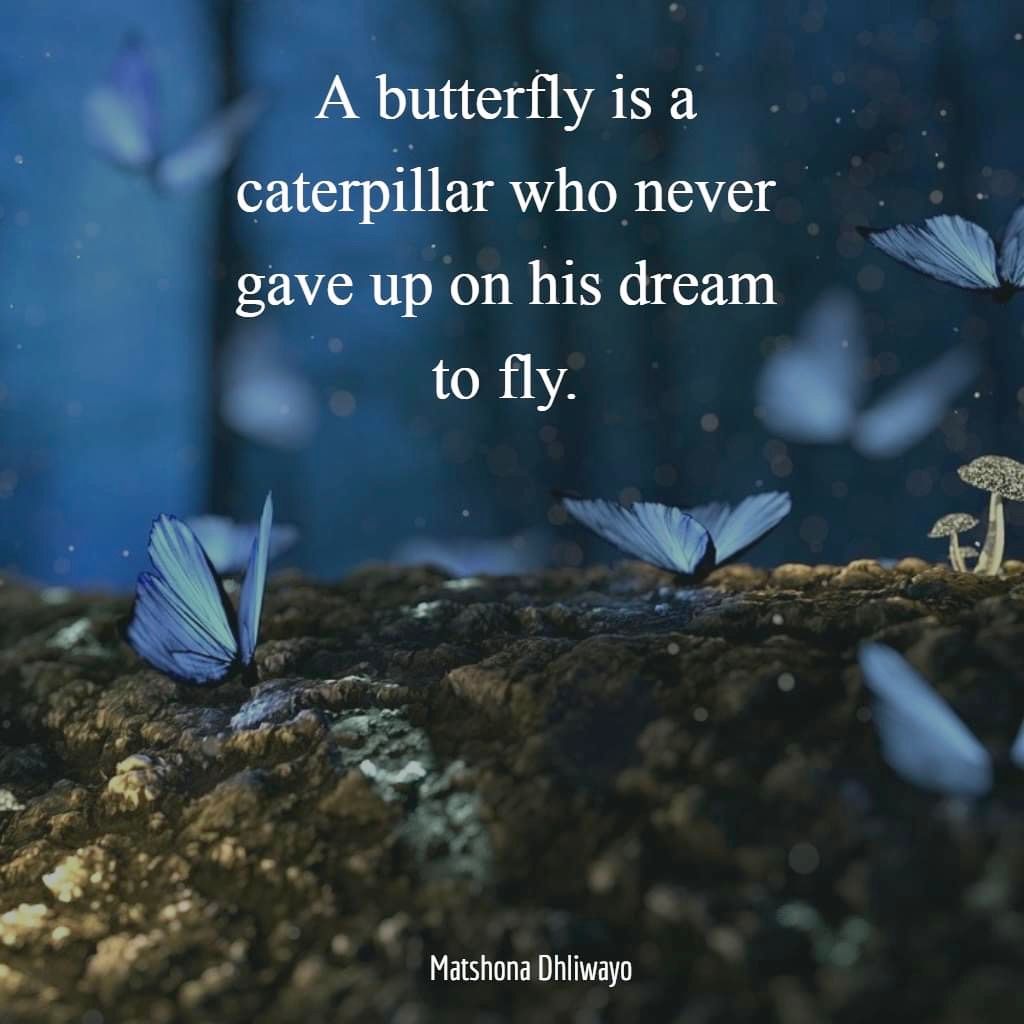
We are all meant to fly, it just takes time to earn our wings
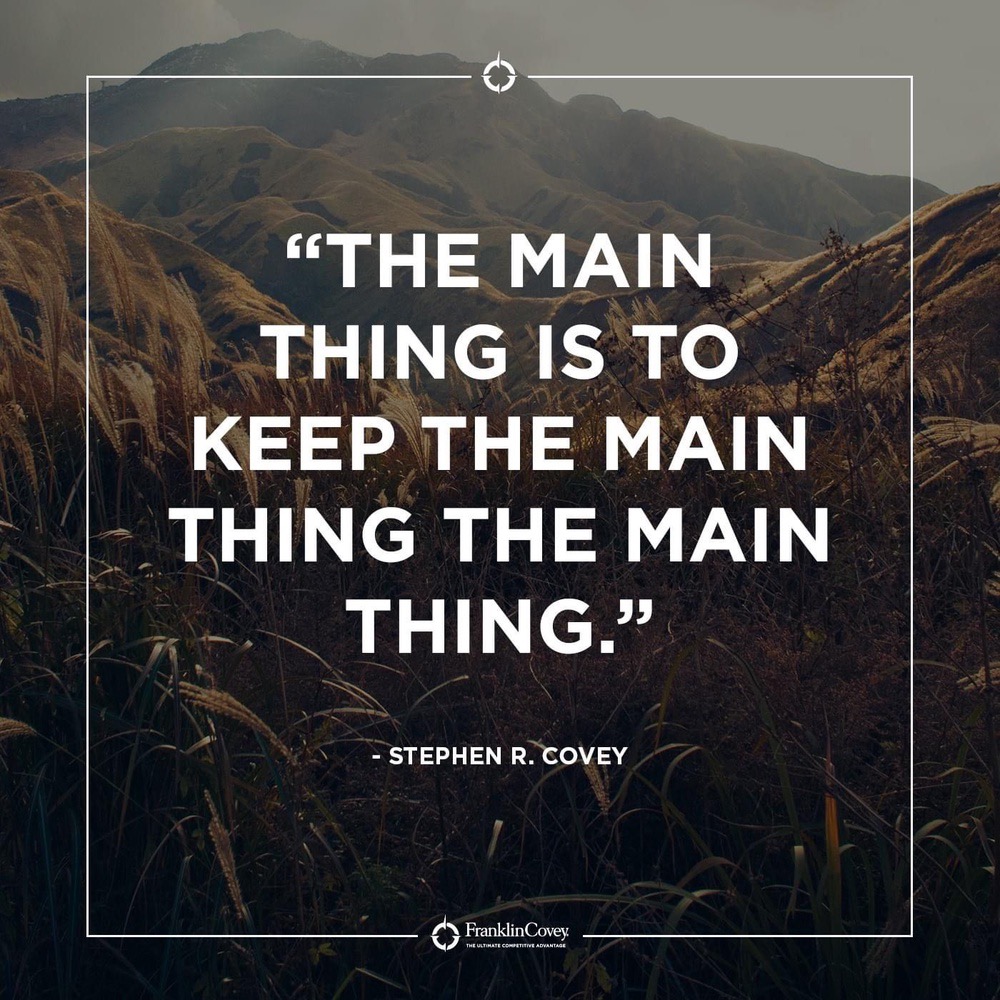
Keeping the main thing the main thing makes sense only if you know what’s the main thing. Many a times we are drifting like a falling leaf, going where life takes us, blissfully unaware of where I’m going and what I’m doing.
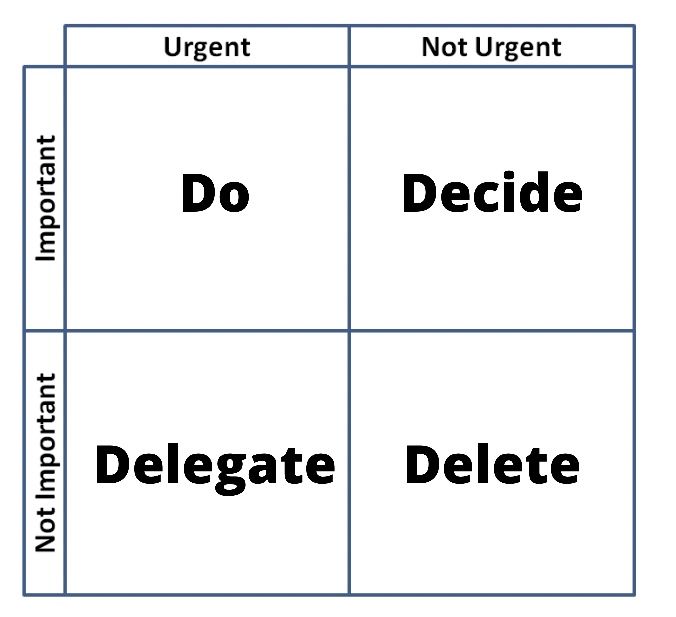
Many years ago, during my Jesuit days, I was introduced to the ‘4-Square’ method of prioritization, which is also referred to as the Eisenhower Grid. President Dwight D. Eisenhower once said, “What is important is seldom urgent and what is urgent is seldom important.” This quote is the inspiration for the Eisenhower grid, a system that helps you decide the urgency and importance of different tasks, and prioritize them accordingly. This method can be used for prioritising daily tasks as well as long term goals.
Below is the 4 square grid with the labels important, not important, urgent and not urgent
Add your tasks/goals into these four squares based on importance and urgency. As shown in the table, each square has a corresponding number, and this is the order in which you should prioritize your tasks/goals.
Focus on the most urgent and important tasks first in Square I, and then move to squares II, III and IV. This does not mean that you should not spend time on not-urgent tasks, but in a high-stress situation, this method can be important in determining what needs to be completed first.
For daily tasks, you could replace the Roman numerals with actions.
The tasks that are important and urgent: DO. Do them today, or as soon as possible. For tasks that are important and not urgent: DECIDE. Decide a specific time in the future that this task will be completed, as it will eventually be Important and Urgent. You could DELEGATE tasks that are urgent but not important and DELETE or DELAY tasks that are neither important nor urgent.
This is just one example of many different prioritization techniques. You must find the system that works best for you, a way that helps you keep the main thing the main thing.
Do you use any other methods to prioritize your tasks and goals? Let me know in the comments below!
Here’s a lovely video illustrating priorities
Amidst our busy lives may we always make time for a cup of coffee or a drink with friends! ❤️
At first, we may get attracted to people initially based on how they look, talk or carry themselves. But at the end of the day, what really matters, what truly draws us close to another person is what’s on the inside, their personality.
A few brands today have slogans that are so misleading and inaccurate. Take for instance Raymond’s “The complete man” or Tata Safari’s “Reclaim your life”. Does a suit make you a complete man? Can you reclaim your life with a car?
A simple example here is when we go to a shop to buy something. We may at first get attracted to what catches our eye. But eventually we buy what is lasting.
We spend a lot of time making sure we look good on the outside, but what are we doing to make sure we look good on the inside? What is beautiful radiates. A person is only beautiful, when their own inner beauty, is reflecting on to others.
I came across these tips on beauty sometime back which I had copied to my notes
Drink plenty of forgiveness….Keep your heart from being dirty and wrinkled with bitterness and vengeance.
Exercise friendliness daily….Feel the warmth of friendliness and love inside of you.
Learn to listen….Remember that everyone has a story. Everyone has a past. Everyone needs to be heard. Focus less on talking, and try listening more.
“Never give up” is a phrase that we hear a lot. As I scroll through LinkedIn, I see so many people desperately looking for a job as well as posts of people who finally get through after umpteen rejections.
In today’s culture of instant gratification, we often tend to subconsciously assume that successful people reached where they are overnight. What we fail to see is the journey filled with a lot of hard work and a lot of failures. Let’s take a look at a few examples
J K Rowling
Her first Harry Potter novel was rejected 12 times
3 years before Bloomsburry gave her novel a second chance in 1994, she had just gotten a divorce, was on government aid, and could barely afford to feed her baby
She was so poor she couldn’t afford a computer or even the cost of photocopying the 90,000-word novel, so she manually typed out each version to send to publishers
Colonel Harland Sanders, KFC
Fired from a variety of jobs throughout his career before he first started cooking chicken in his roadside Shell Service Station in 1930, when he was 40 years old, during the Great Depression.
In the 1950s, he was forced to close his business and retire, essentially broke
Worried about how he was going to survive off his meager $105 monthly pension check, he set out to find restaurants who would franchise his secret recipe—he wanted a nickel for each piece of chicken sold. He drove around, sleeping in his car, and was rejected more than 1,000 times before finally finding his first partner
Walt Disney
Fired as a young man from his newspaper job for a lack of good ideas
Started his first animation company in 1921, but that quickly went bankrupt
He ended up eating dog food (literally) to survive
Restarted his animation company several more times before finally becoming successful
The Beatles
Turned down by almost every record label despite some local success playing cover songs in United Kingdom bars and clubs
An executive at Decca Records declined to sign them because “guitar groups are on the way out” and “The Beatles have no future in show business.”
It turns out that two years after Decca rejected the Beatles, George Harrison returned to the label to offer a tip: Sign the Rolling Stones. This time around, Decca learned from its failure and had a success of its own.
Brian Acton, WhatsApp Co-Founder
Was turned down by Facebook 4.5 years before Facebook acquired WhatsApp for $19B
After a long stint at Yahoo, Acton was rejected by Facebook and Twitter before Jan Koum asked if Acton wanted to help him start his business, and WhatsApp was born
Final Thoughts
Great things never come easy. When difficult times do stop you in your tracks, you need a way to push through.
Here is a song that I love to listen to when I am down – Sia’s “Never Give Up”
When I read this quote, the first thing that came to my mind is all the stories of how people have gone out of their way in being kind to those in need at the height of the second wave of covid. Being kind, no matter the situation, is not always easy. Here are a few thoughts on kindness – how to give it and how to receive it.
Kindness starts with being kind to yourself
We all have crazy schedules, meetings, family, friends..the list goes on. Amidst all we do if we don’t make time for ourselves, we are bound to loose our cool at the drop of a hat with people we encounter. Hence self-care is essential to being kind. We will end up treating our friends and family better only when we have taken care of ourselves.
Everyone has their own set of challenges, difficulties, most of which is unknown to you. Wouldn’t we be more understanding and kind if we knew why someone was grumpy, curt or rude? Trying to be compassionate, put a positive interpretation will not help us but also help them.
We could try keeping our mouth shut instead of escalating the situation. Or find some time in private to discuss the same with them instead of thrashing it out in public with everyone around.
Kindness is lasting
I still remember an incident at primary school with my first standard class teacher Mrs. Maria. I had forgotten my subject notebook and I was so scared that my teacher would punish me. Instead she gently told me to get the book tomorrow. When I got the notebook the next day, she made the whole class clap for me for remembering to get my book. 30 years later, I still remember this simple act.
Who do you remember most? And how do you want to be remembered?
Choose to be kind over being right and you’ll be right every time because kindness is a sign of STRENGTH.










 Kenrick Vaz