Discovering Magic

Life is magical. Each and every moment of our life is special and unique. All we need to do is look around, and this time, look around more carefully. Look at the raindrops that fall so gently on the ground and appreciate the rhythm in which they do so. We have stopped looking at these little things as we have kept ourselves busy in discovering our materialistic world. We need to just open up to these little moments. Experience the touch of cool breeze which can literally set the whole world in motion. This kind of richness when discovered will help us in our certainties and mysteries. 

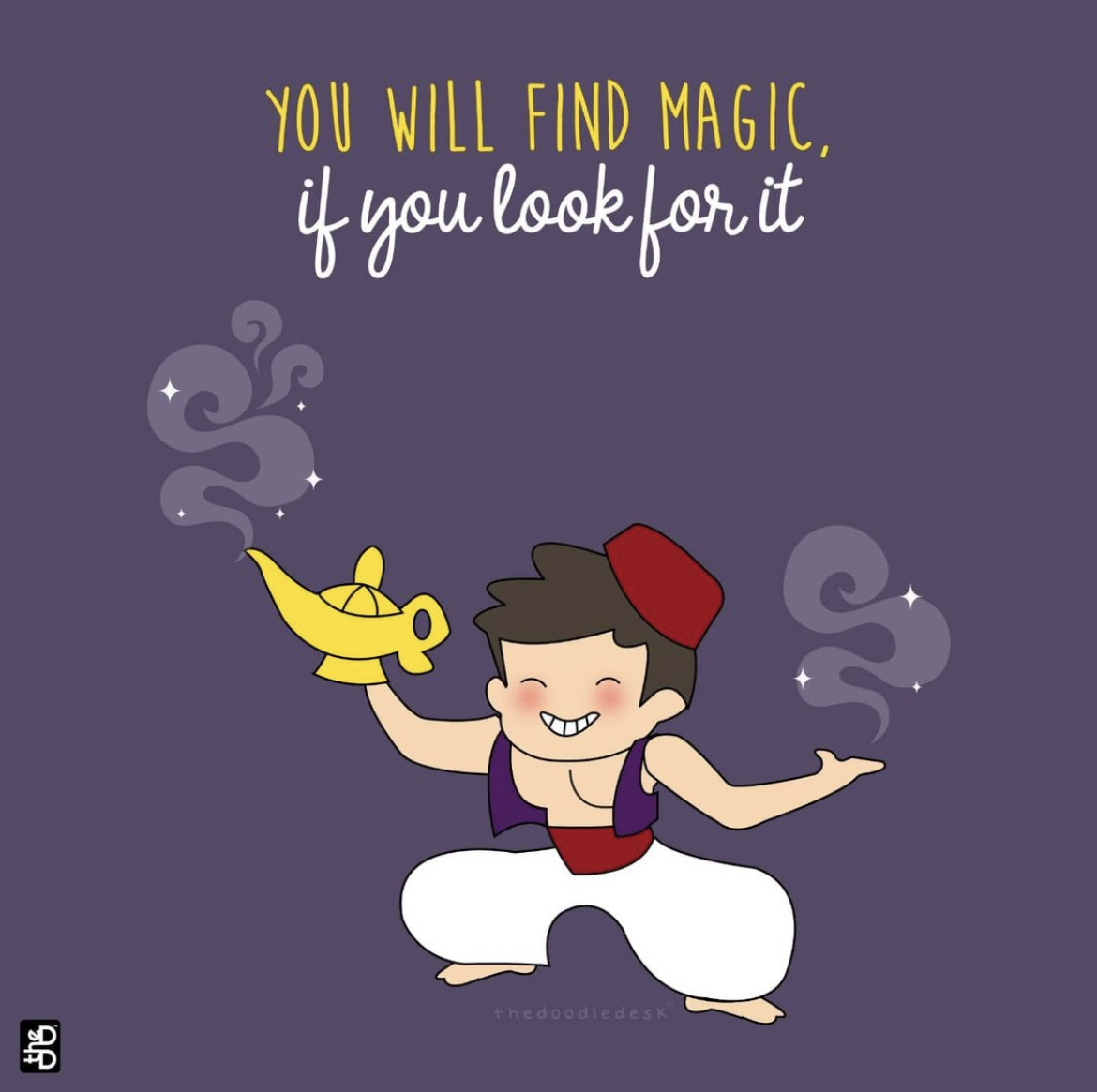
If we don’t believe in magic, we are never going to find it. Greatest secrets are always hidden in unlikely spots. The little things which we avoid in our everyday life are the greatest treasures of magic and have the potential to bring happiness to us. We need to open up to them and it will help us to open up to ourselves.

Magic happens when we look at the positive side of everything. Many types of research have proved that people with an optimistic outlook live longer and have improved well-being. But when we face hardships, we dwell on the negative side and cannot see the ray of hope. It is a natural human tendency, to change the perspective and glance at the favorable outcome is difficult. We are filled with a magnitude of emotions, and our hard times bring out all the strong, intense, and negative emotions, and to control them is not an easy piece of cake. If we live our lives in this way, we are always caught up in the loop of negative thoughts and so we never enjoy the present moment. Now you might be thinking, is there any way to balance these emotions, bring a paradigm shift and see the silver lining in every situation? Frankly speaking, there is no magic bullet or secret formula, but you can follow some simple but yet effective tips that can help you bring some positivity to your life.

One of the many things that has helped me discover magic in my life is positive self talk or autosuggestion therapy.

How do you talk to yourself? It impacts your life to a large extent. Our monkey mind is chattering all the time and giving us suggestions, and you have to confront them and understand what you are talking to yourself. You can use autosuggestion therapy, in which you can give positive suggestions to yourself and get out of self-sabotaging thoughts.

  • Instead of saying I am not good enough, say I am equal to the best.
  • Instead of saying I am a loser, say I am capable.
  • Instead of saying I am a failure, say I am a learner.

Whatever you say to yourself, always use encouraging words and empower yourself with positivity.

Here is a lovely song to kickstart your day! Hope you enjoy listening to Magic Every Moment by Dan Fogelberg (lyrics below)

I awoke this morning to a shattering sound
And I went downstairs and found these shards of glass strewn all around
There upon the floor I found this poor broken dove
And it made me realize how very fragile is this life that we so love

I came back up to bed and I held you so tight
And I prayed up to the Father, oh I prayed with all my might
That He’d always keep you with me, that He’d always keep you safe
And when I went dowstairs I found that dove had somehow up and flown away

There’s a magic every moment
There’s a miracles each day
There’s a magic every moment
Oh won’t you let the music play


On a high and windy island I was gazing out to sea
When a long forgotten feeling came and took control of me
It was then the clouds burst open and the sun came pouring through
When it hit those dancing waters in an instant all eternity I knew

There’s so much we take for granted–there’s so much we never say
We get caught up in the motion of just a living day to day
We are fettered to the future, we are prisoners of the past
And we never seem to notice ’til our lives have finally
Slipped right through our grasp

You can see forever in a single drop of dew
You can see that same forever if you look down deep inside of you
There’s a spark of the creator in every living thing
He respects me when I work but He so loves me when I sing

Business Showers

I came across this lovely post on LinkedIn and it really got me thinking about how we support initiatives by our family and friends. Starting a new business is scary – the uncertainty, the self-doubt, the financial struggles, you name it. If you have friends that have recently decided to pursue the entrepreneurial route, kudos to them! They are going to need all the support and validation you can give.

We’re used to showing your support for something on social media.  We “like” every Facebook post, hit follow on Instagram, and occasionally even comment a “Yesss” with the double hands up emoji. That’s all nice, but is it really the tangible show of support our friends need?

Here’s 4 ways you can go beyond the “like…”

Download, Rate, Review

So your friend just launched a new app or website, did you actually download it? Have you taken the time to rate it on the App Store or leave a review?

In the beginning phases of a product launch, feedback is everything. New users want to be sure the product they’re getting has buy-in from others. Strong ratings and download numbers help ensure the product is valuable. And if a company is looking for investors, having metrics to show on the popularity of the app can be a game-changer.

As a new business owner, one of the things your friend doesn’t have a lot of is time. New business owners often need to focus on prioritizing a few important things. Often, time-consuming but necessary tasks can fall by the wayside or be delayed until the last minute, causing stress.

Donate your time and offer to help your friend create and send out email newsletters, put together marketing materials, cold call leads for an hour, or even get their inbox organized. These tasks may seem small, but they can make a huge difference in productivity.

Or donate your skills. Are you great with budgeting or excel? Are you a social media goddess? Whiteboarding champ? Two heads are always better than one. If you see something you’re an expert in, bring some snacks and offer up your skills for a few hours.

Use Your Connections

“But I don’t know anyone important.” Stop right there! You don’t need to know people with deep pockets or high-level executives at top companies for your network to be useful.

The best network is the circle of friends you already have. Know someone who’s really great at taking Instagram photos or creating Youtube videos? Maybe they can help with online branding or content strategy. Know some bloggers or freelance writers? Refer them to your friend for some good press. Are you still plugged into your old college network? Connect your friend with students who may be looking for an internship experience.

Your personal network can be more valuable than you think. As a bonus, you’ll expand your circle of friends!

Money

Asking for money is hard. Asking for money from your friends is even harder. It’s awkward, embarrassing, and the rate of rejection is usually high.

A lot of new businesses start fundraising early on with a friends and family round or crowdfunding campaign like Kickstarter. This is a real grassroots way for those close to the founder to show their support for the mission or product. A little bit goes a long way, so even if $10 is all you can afford, your friend will appreciate your effort.

The best friends are the ones that support each others’ visions. So get out there and go!

Time to Reflect

It’s the first day of February! And maybe now would be a good time to reflect on where you are with the resolutions you took at the start of the year. Breaking from our usual habits is difficult and often painful – requiring not just willpower and stamina but also the courage to take risks, to fail, and to pick ourselves up again. It’s ok if you have faltered or done almost nothing about it. Here are a few steps on how to proceed.

1. Reflect on what you have accomplished.

You can start by asking two questions: What went well in January? What didn’t go well in last month? It’s a very simple but useful exercise that takes stock of where you’ve made progress and where there’s room for improvement. After a clear-eyed assessment of what you’re capable of, you’ll be in good stead to revise your goals for the year ahead.

2. Select 1-3 meaningful goals that will make an impact.

When it comes to resolutions, research and experience show that you’re much more likely to be successful if you: (1) lay out a small list of very specific goals, (2) outline a clear plan of action to achieve them, and (3) plan for what will happen in case of setbacks, distractions, and interruptions. So consider this: What matters most to you in the remaining 11 months? What are you passionate about and well-equipped to achieve? Choose your battles wisely, and commit to them completely.

3. Remove the inessentials with a “stop doing” list.

Chances are, you probably weren’t working at 80 percent capacity this month. In fact, I bet you felt too busy. So just where does the extra bandwidth to work on these new resolutions come from? That’s where bestselling author Jim Collins’ “Stop Doing List” comes in. To gain the time needed to enact these new goals, know that you’re going to have to give up something. It may be extra client work after you meet a certain monthly financial goal, or maybe it’s just sleeping in an extra hour. Identify what those elements are, and commit to NOT doing them.

Here are some additional tips to making your resolutions stick:

1. Make smaller resolutions.
2. Seriously, get specific with your goals.
3. Write down your goals.
4. Enlist some help from technology.
5. Make your resolutions public.
6. Plan your followthrough.
7. Check in with yourself regularly.

8. Celebrate small successes.
9. Remember that it’s okay to slip up (then get back on track!).
10. Don’t rely on others to get you where you’re going.
11. Stick with what works.
12. Believe in yourself.

Personal development is very much a marathon, not a sprint. Realistic and worthwhile goals take time to achieve, but may lead you to lifelong changes. They are worth pursuing, and worth working hard on!

On a lighter note, here is a funny forward I received on Whatsapp

5 Signs You Are Being Used

In an ideal world, a relationship has a lot of give and take. But relationships are rarely ideal — and being used in a friendship or relationship is way more common than we’d like it to be. It normally starts out simply enough, with someone who seems really sensitive and interesting and reflective and ‘not like everyone else’. You know the one, right? And yet before you know it, once they make you feel comfortable, you get this feeling that you are being manipulated and used. It’s happened to the best of us.

While it often sneaks up on us, we all know what being used looks like on someone else. So the key is to know the signs and make sure that we’re being honest with ourselves about what’s actually going on in our relationship. No matter how difficult it is to a admit. Here’s what you need to look out for.

1. You’re making excuses for being treated badly

Are you always explaining to your friends that your friend or partner is just tired or stressed — saying that’s why they’re being rude to you or not making the effort? That’s a huge sign. “The basic yardstick for telling whether you are being used or not is to take a good look at how you are being treated,” Aimee says. “…if you find that they are disrespectful, don’t treat you well, and you don’t feel good with the person then chances are you might be being used.”

The basic yardstick for telling whether you are being used or not is to take a good look at how you are being treated..if you find that they are disrespectful, don’t treat you well, and you don’t feel good with the person then chances are you might be being used.

Aimee Hartstein, relationship therapist

Chances are, if this is happening, we won’t want to admit it. We either make excuses for their bad behaviour, or pretend it isn’t happening at all. In this instance, you really need to take a look at why you’re trying to bail this person out all the time.


2. They make you feel small

The person you’re with should build you up, make you feel happy. Life is better than it is without them. If this is a person who is nice to you, treats you well, and seems to enjoy your company then it’s likely you are not being used. But if you’re constantly feeling small, underwhelmed, let down — you know, that knot-in-your-stomach feeling — you need to take a look at the relationship. Something is really off and there’s a good chance you’re being used.


3. Your friends and family are worried

The reason it sometimes gets confusing is if people don’t want to see the signs and end up in a bit of denial. When you’re being used, you may not want to see something that’s right in front of your face, but your friends and family won’t have the same problem. So if they’re worried about you, you really should pay attention. They normally have a more objective view of the situation and they have your best interests at heart.


4. Your needs aren’t being met

You show up with soup and medicine when they don’t feel well, but they’re nowhere to be found when you’re under the weather? Pay attention if you’re the one
always making the effort. Whether you’ve been friends or dating for five days or five years, it should still be a two-way street. You can generally use your own feelings and comfort level as a good yardstick. If you find your needs aren’t being met or that you’re becoming resentful, something’s up.

5. You’re not ok with how the relationship is defined

Having mutual respect means that you’re both ok with the dynamic between you. It doesn’t matter what the relationship is, be it friends, dating or marriage. But you both have to be on the same page. If you’re not comfortable with the relationship and they know you want more than they do, they’re using you. And it’s not ok.


While everyone’s circumstances are different, here are some more signs that someone may be using you:

  • The person asks you for money, favors, or other items. For instance, they may ask you to lend them money or pay their bills.
  • The person imposes on you without consideration for your availability or preferences. For instance, they may move in with you unexpectedly or want to borrow your car at a moment’s notice.
  • The person expects you to take care of their needs. For instance, if you go out for dinner with them, they may not offer to pay and simply expect you to pick up the tab.
  • The person appears disinterested in you after their needs have been met. For instance, they may use you to meet their needs but may not want to spend time with you otherwise.
  • The person is only affectionate or intimate with you when it’s convenient for them. For instance, they may be affectionate toward you until they get what they want.
  • The person doesn’t make an effort to be there for you when you need them. For instance, even though they borrow your car regularly, they may not agree to give you a ride to the airport.

Being used is not a good feeling and it can lead to mental health difficulties as well as relationship-related issues. Identifying the signs that someone is using you, setting boundaries with them, and seeking help especially from loved ones can help you process how you feel about being used and in turn, work to help prevent it.

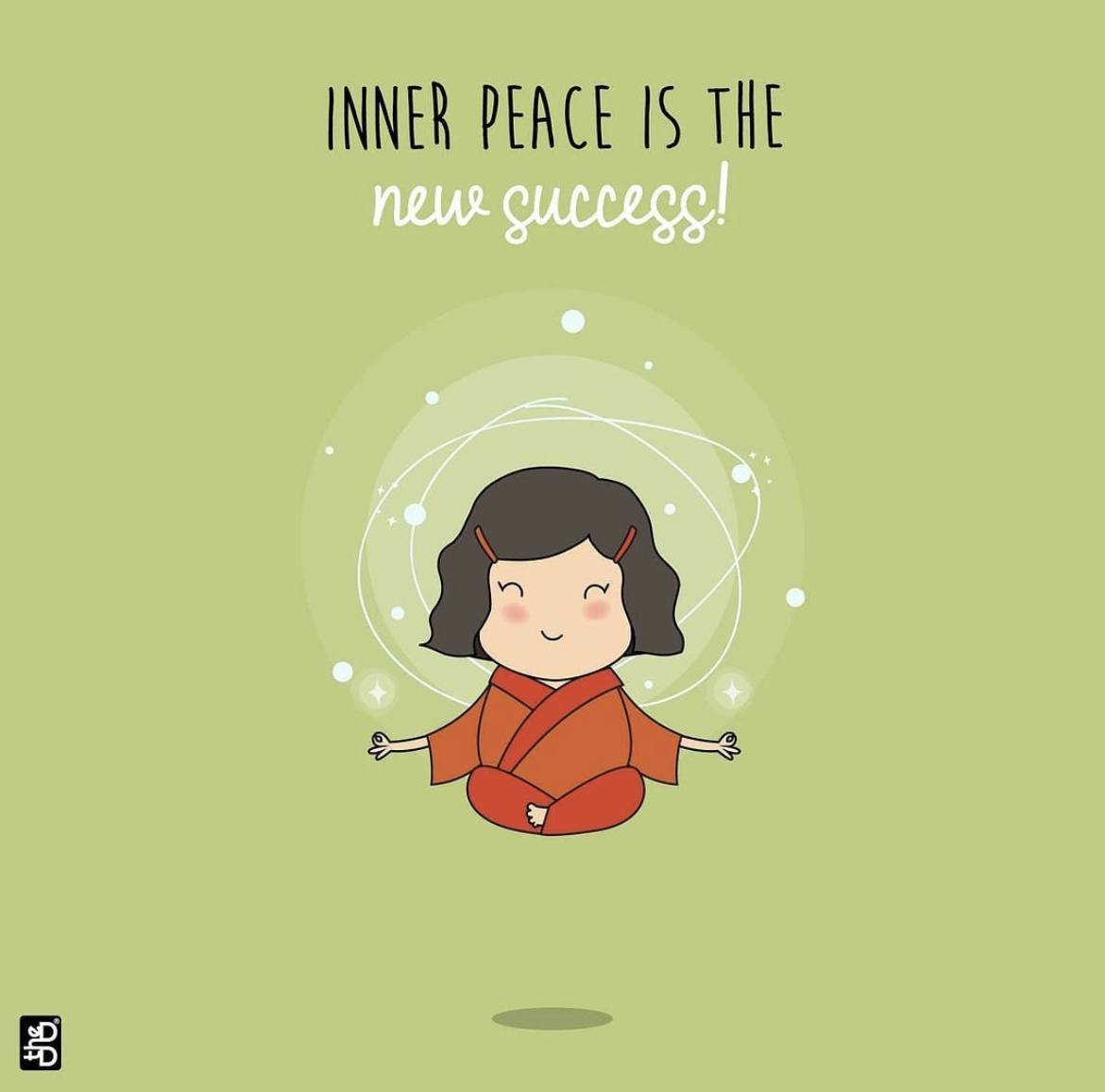
Inner Peace is the New Success

When I saw this doodle by @thedoodledesk, I recalled this tweet by Syed Balkhi which I was sometime back:
Happiness is the new rich.
Inner peace is the new success.
Health is the new wealth.
Kindness is the new cool.

Inner peace is the opposite of being stressed or anxious. You get inner peace by gaining perspective. Let me give you an example. 

If you were involved in a car accident and didn’t make it out alive, how long would it take your employer to replace you? Would they be emotional about it?

Nope.

They’d hire a new employee to sit in your office chair in no time at all. So why do you give more than 50% of your life to an employer and take the whole relationship seriously? They don’t care. They don’t lack empathy and they’re not unkind. It’s just that your employer has perspective on your role in their company and the value of your life.

Once you have perspective on what matters, your life changes.

Inner peace (or peace of mind) refers to a state of being mentally and spiritually at peace, with enough knowledge and understanding to keep oneself strong in the face of discord or stress. Being ‘at peace’ is considered by many to be healthy and the opposite of being stressed or anxious.

Wikipedia

Things are not rosy all the time. We have moments that are good and not so good. Something bad happens and you’re happy about it. Why? You expect bad things to happen. Bad things are part of life. People make mistakes. Cars fly off the road and into yours. People say things they don’t mean without thinking beforehand.

Jay Shetty is a former monk. He is one of the most famous personalities on the internet. The success of Jay Shetty is the result of all the years of inner peace he learned as a monk. I’m not joking when I say monks and teachers are the next generation of successful people.

Success used to be get more.
Success is now have less to get more inner peace.

When you take away stress and anxiety from life, your mind has room to breathe. You can see things other people can’t see. You can reflect on your life and join the dots of your future in an entirely different way. Success is simply living your life the way you were supposed to: in peace.

It also took me a while to make peace with myself and enjoy my own company. I understood that in life you have to be selfish and think about your own happiness rather than chasing people’s validation.

Nothing can really affect me cause all it counts for now and on it’s Me. The inner peace of knowing you have enough and are enough, is a thought worth thinking deeply about.

Believing in Yourself Is the First Step to Achieve Anything

The biggest difference I’ve noticed between successful people and unsuccessful people isn’t intelligence or opportunity or resources. It’s the belief that they can make their goals happen. We all deal with vulnerability, uncertainty, and failure. Some of us trust that if we move forward anyway, then we will figure it out. I believe in myself. This confidence has made the difference for me again and again. I didn’t need intelligence or opportunity or resources. Just a simple belief in myself.

Do You Believe That Change Is Possible for You?

We believe that it is possible for human beings to improve. We believe that it is possible to raise the bar in your own life even if the world around you accepts average. We believe in ourselves and in each other. We believe that if you want better health or more happiness or a more meaningful job that you can make those things happen.

And because of this belief we are willing to test, experiment, and try new things even when we feel uncertain. If you don’t believe that it’s possible to make new things work, then it’s hard to make any progress. No matter how good your ideas are, nothing will work for you if you don’t believe in it. And more importantly, nothing will work if you don’t believe in yourself.

Without self-belief, we can never do the things we want. It’s difficult to be happy, have a career we enjoy, and make an impact on others if we keep doubting ourselves.

Without self-belief, we’ll go through life with our heads down, trying to avoid failure, criticism, and risk.

Without self-belief, we think we’ll never be enough. We keep chasing the next degree, experience, promotion, and so forth. 

Without self-belief, no one else will believe in us either. 

Other people are not better than you

In my experience, people don’t believe in themselves because they somehow assume others are better. “Oh, I could never do what that person did!” Why?

Everything around you that you call life was made up by people that were no smarter than you.

Steve Jobs

Even Steve Jobs, arguably the most important person in the history of personal computing, smartphones, and tablets, had to remind himself that other people were no better than him.

He was of course Steve Jobs, an extremely gifted person. But you and I don’t have to build the most valuable company on the planet to realize we can also make an impact.

What’s the worst thing that can happen?

Every time you want to do something new and scary, ask yourself that question. You’ll find that there aren’t a lot of bad things that can happen.

How can we expect others to give us a chance or to bet on us if we don’t believe in ourselves? It just doesn’t happen. That’s why it’s important to believe in yourself every time you do something in your life and career. 

  • Want to create content online? The worst that can happen is that no one cares or that people hate it. So what? Try something else.
  • Want to start a business? Maybe it fails. So what? Build another business.
  • Want to get a new job? The worst that can happen is that your new job doesn’t work out and you hate it. So what? Find another job.

I remember always being apprehensive of sharing my thoughts through a blog. It’s now been 250+ days and the joy of just putting out my reflections everyday brings me great satisfaction!

Just don’t let a lack of self-belief be the reason you’ll regret things when you look back 10 or 20 years from now. Believe that you can do something you can put your mind to. 

If others can learn something, so can you. Start small, keep it realistic, and make daily progress. If you keep that in mind, the worst that can happen ain’t so bad.

10 Toxic People to Avoid ALWAYS

Toxic people defy logic. Some are blissfully unaware of the negative impact that they have on those around them, and others seem to derive satisfaction from creating chaos and pushing others over the edge.

As important as it is to learn how to deal with different kinds of people, truly toxic people will never be worth your time and energy. Toxic people create unnecessary complexity, strife, and, worst of all, stress.

People inspire you, or they drain you—pick them wisely.

Hans F. Hansen

You can’t hope to distance yourself from toxic people until you first know who they are. The trick is to separate those who are annoying or simply difficult from those who are truly toxic. Here are ten types of toxic drainers that you should stay away from at all costs so that you don’t become one yourself.

1. The Gossip
Gossipers derive pleasure from other people’s misfortunes. It might be fun to peer into somebody else’s personal or professional lives at first, but over time, it gets tiring, makes you feel gross, and hurts other people. There are too many positives out there and too much to learn from interesting people to waste your time talking about the misfortune of others.

2. The Temperamental
Some people have absolutely no control over their emotions. They will lash out at you and project their feelings onto you. Temperamental people are tough to dump from your life because their lack of control over their emotions makes you feel bad for them. When push comes to shove though, temperamental people will use you as their emotional toilet!

3. The Victim
Victims are tough to identify because you initially empathize with their problems. But as time passes, you begin to realize that their “time of need” is all the time. Victims actively push away any personal responsibility by making every speed bump they encounter into an uncrossable mountain. They don’t see tough times as opportunities to learn and grow from; instead, they see them as an out. There’s an old saying: “Pain is inevitable but suffering is optional.” It perfectly captures the toxicity of the victim, who chooses to suffer every time.

4. The Self-Absorbed
Self-absorbed people bring you down through the impassionate distance they maintain from other people. You can usually tell when you’re hanging around self-absorbed people because you start to feel completely alone. This happens because as far as they’re concerned, there’s no point in having a real connection between them and anyone else. You’re merely a tool used to build their self-esteem.

5. The Envious
To envious people, the grass is always greener somewhere else. Even when something great happens to envious people, they don’t derive any satisfaction from it. This is because they measure their fortune against the world’s when they should be deriving their satisfaction from within. And let’s face it, there’s always someone out there who’s doing better if you look hard enough. Spending too much time around envious people is dangerous because they teach you to trivialize your own accomplishments.

6. The Manipulator
Manipulators suck time and energy out of your life under the façade of friendship. They can be tricky to deal with because they treat you like a friend. They know what you like, what makes you happy, and what you think is funny, but the difference is that they use this information as part of a hidden agenda. Manipulators always want something from you, and if you look back on your relationships with them, it’s all take, take, take, with little or no giving. They’ll do anything to win you over just so they can work you over.

7. The Dementor
In J. K. Rowling’s “Harry Potter” series, Dementors are evil creatures that suck people’s souls out of their bodies, leaving them merely as shells of humans. Whenever a Dementor enters the room, it goes dark, people get cold, and they begin to recall their worst memories. Rowling said that she developed the concept for Dementors based on highly negative people—the kind of people who have the ability to walk into a room and instantly suck the life out of it.

Dementors suck the life out of the room by imposing their negativity and pessimism upon everyone they encounter. Their viewpoints are always glass half empty, and they can inject fear and concern into even the most benign situations.

8. The Twisted
There are certain toxic people who have bad intentions, deriving deep satisfaction from the pain and misery of others. They are either out to hurt you, to make you feel bad, or to get something from you; otherwise, they have no interest in you. The only good thing about this type is that you can spot their intentions quickly, which makes it that much faster to get them out of your life.

9. The Judgmental
Judgmental people are quick to tell you exactly what is and isn’t cool. They have a way of taking the thing you’re most passionate about and making you feel terrible about it. Instead of appreciating and learning from people who are different from them, judgmental people look down on others. Judgmental people stifle your desire to be a passionate, expressive person, so you’re best off cutting them out and being yourself.

10. The Arrogant
Arrogant people are a waste of your time because they see everything you do as a personal challenge. Arrogance is false confidence, and it always masks major insecurities. At the workplace arrogant people tend to be lower performers, more disagreeable, and have more cognitive problems than the average person.


I am sure you have run into a few of these toxic types of people. Please share your thoughts in the comments section below as I learn just as much from you as you do from me.

Focus on Yourself

There’s nothing wrong with putting energy into relationships with loved ones or turning your attention toward finding a romantic partner or new friend. People need love, intimacy, and companionship, so you are focusing on yourself by pursuing those needs. But when was the last time you stopped to consider your needs, without also taking into account what someone else wanted for you?

Neglecting your own dreams and desires can still hold you back. A life lived solely in the pursuit of the happiness of others may not bring you much personal joy. Over time, you might begin feeling drained even a little lost.

Focusing on yourself isn’t selfish. It’s an act of self-love. But when you’ve been in the habit of focusing on others, it can be hard to shift gears. These tips can help.

Get Better Acquainted With Yourself
Building a strong self-relationship is a great way to return your focus to yourself. 

Feeling uncertain about your identity can make it tough to get clarity on what you want from life. Without some familiarity with who you are as a person, you can’t do much to achieve your goals, live according to your values, or get your needs met.

Significant events — breakup, career change, childbirth, personal crisis —can prompt growth and cast a spotlight on ways you’ve already changed. This illumination may call into question things you thought you knew about yourself as new aspects of your identity emerge for the first time.


Make Sure You’re Seeking What You Really Want
Most people care about the opinions of their loved ones. Sure, you don’t automatically do everything your family or friends suggest, but you do carefully weigh their guidance when trying to make a decision.

It’s generally helpful to get insight from others, especially for big decisions. Still, it’s important to draw a distinction between finding value in this guidance and letting it sway you from your preferred course. The difference sometimes gets a little blurred, and you may not even realize at first that your dreams are actually someone else’s dreams.


Create A Self-Care Plan
In its most literal sense, focusing on yourself revolves around self-care practices that meet your needs. 

Self-care allows you to turn your attention toward yourself in a fundamental way. Everyone has basic needs that play an important part in overall well-being, including sleep, nutrition, physical exercise, and relaxation. 

If you neglect these needs, you’re probably not getting enough time to recharge from life’s various sources of stress. You might not notice much of an impact at first, but eventually, you might see some unwanted changes in your physical and mental health.


Practice Self-Compassion
Caring for others is indeed a positive trait. Focusing on your loved ones and offering emotional support when they struggle shows your compassion and strengthens your relationships.  Practicing kindness toward others can even help improve well-being by boosting feelings of happiness. 

Just don’t forget to treat yourself with the same kindness and compassion you offer others. 

Maybe you’re always ready when a friend needs kind words, a hug, or a distraction, but what about when you need those things? You might, like many others, hold yourself to stricter standards and fall into patterns of negative self-talk.


Spend Time Doing Things You Love
Everyone needs time to pursue their own hobbies, and it’s pretty rare two people will want to do exactly the same thing all the time. Even when you’re very close, spending some time on your own and with other loved ones can still improve the health of your relationship. 

When life gets busy, hobbies might be the first things you drop from your routine as you navigate more immediate challenges. But this can backfire. It becomes harder to weather difficulties and bounce back from stress when you don’t have time to recharge. 

Setting aside time for hobbies and relaxation on most days can go a long way toward helping you avoid burnout.


Avoid The Comparison Trap
Most people compare themselves to others on occasion. Perhaps you feel a little envious of a particular friend who always seems happy. “If only I had their brains (or partner, or style, or wealth, or anything else), I’d be happy, too,” you think. 

But you don’t actually know how they find fulfillment in life. Even if their happiness does stem from the things they have, people are different, and there’s still no guarantee those same possessions will bring you the same joy. 

Comparing yourself to someone else can motivate you to aim for similar goals, like a nice house, your dream car, or a loving partner. That isn’t necessarily a bad thing, as long as these new ideals don’t overshadow your existing values. 

Comparisons can become problematic when they distract you from what really matters to you. You might end up working toward something you don’t necessarily want, simply because you think might resolve your dissatisfaction. 

Instead of comparing yourself to others, look at the things you already have. Who (or what) brings you joy? What do you feel grateful for? What would you like more of? Less of? Where do you want to be in 10 years’ time?


The idea of focusing on yourself isn’t as self-centered as it sounds. In fact, it’s one of the best things you can do for your well-being.

How to Make the World a Better Place

As we celebrate our republic day today I am sure that most of us are filled with sense of pride looking at all that India has achieved so far. At the same time we are aware of how much there is to be done conscious of the fact that we are leaving our children a world filled with enormous challenges. We do want to make a difference. Most of us yearn for a sense of meaning or purpose in life. But even when we start out from a sense of duty, that initial sense of sacrifice often evolves into exhilaration and satisfaction. Our efforts to help others may have a somewhat mixed record of success, but they have an almost perfect record of helping ourselves.  

It’s no news that we have problems in our country that need to be fixed. We crib and complain about them, blame the government and the system, and finish off saying the situation is unfixable. How about we stop playing the blame game and try to do a little bit at our end to bring about a change? After all, it starts with you!

Stop Littering

Things as simple as throwing garbage in the bin and not spitting on the streets can make a huge difference. 


Be environment-friendly

Being environment-friendly can have a huge impact on making our country a better place with better air. Plant a tree, use eco-friendly materials in your daily life, use public transport or carpool, get your vehicles checked for pollution control. There’s so much you can do for this cause with such little effort.


Stop participating in corruption

Don’t accept bribes and don’t give bribes. It’s really as simple as that. It starts with you and ends with you. Bribing traffic cops to get out of not paying that challan, or bribing officials to get that passport or driving license renewed, we all tend to bribe. Yes, it’s true that it’s tough to get things done in this country on many levels if bribing is not involved, but there has to be a start to the change. Let that be you.


Get out and Vote

Every time there are elections around the corner, we see massive campaigns urging people to get out and vote. That’s because statistics say not many people vote. And a good chunk of this is the urban population. Voting directly has an impact on making our country better. So go get inked.


Give your Time

The rewards of volunteering are often greater than those of monetary donations. Here are some ways to help:
1. Mentor a child – There’s always a shortage of mentors, give crucial support to young people who need it.
2. Be a donor – Give blood and sign up to donate organs. 
3. Be an advocate – Use your voice to advocate for those who can’t be heard.


What other ways come to your mind? Let me know in the comments below!

The Best Is Yet To Come, Keep Your Fork

When I read this quote the following story immediately came to mind. It is about a woman diagnosed with a terminal illness.

She was dying. Her life was measured not in years…or months…but in weeks and days. She called the minister to her home to make her final preparations. 

As they talked of her funeral, she listed the scriptures she wanted read and the hymns she wanted sung. 

Then the lady said to the minister, ”When I’m placed in my casket I want you to put a fork in my hand.” Noticing the puzzled look on the minister’s face, she asked if anything was wrong. ”Oh, no,” he replied, ”but it’s the first time anyone has made such an unusual request.” 

So the lady began to explain. ”All my life I have attended church dinners and fellowships. Whenever we finished the meal, someone would come to collect the dishes and say, ‘Keep your fork.’ 

I knew what this meant. The best was yet to come. There would be apple pie or chocolate cake or some other delicacy. And I know for me, the best is yet to come. My death is not a time of sadness but of celebration. So I want to have a fork put in my hand. You can tell the people why in your message. 

The lady died. The minister meticulously followed her instructions. Everyone who passed the casket saw the fork in her hand, and everyone wondered, ”Why”
The scripture was read, the hymns were sung, the message was given and the story was told. Then everyone knew the reason for the fork and understood the amazing picture it portrayed. 

Always keep a fork in your hand…not literally, but spiritually and mentally…and look for the best…now…and yet to come!